The hidden African history captured by one maverick photographer
- Text by Steven Dubin, as told to Cian Traynor
- Photography by SJ 'Kitty' Moodley

In 2011, a box of old photographs changed my life. I spend every summer in South Africa but this particular one was difficult because I experienced a lot of violence, including a carjacking which caused damage to one eye.
People in New York wanted me to come home but I knew from experience that something good usually happens in the last week of every visit. I had bought a stack of photographs in Cape Town and my friend’s daughter said,“You know what? I have this collection of negatives I should give you.”
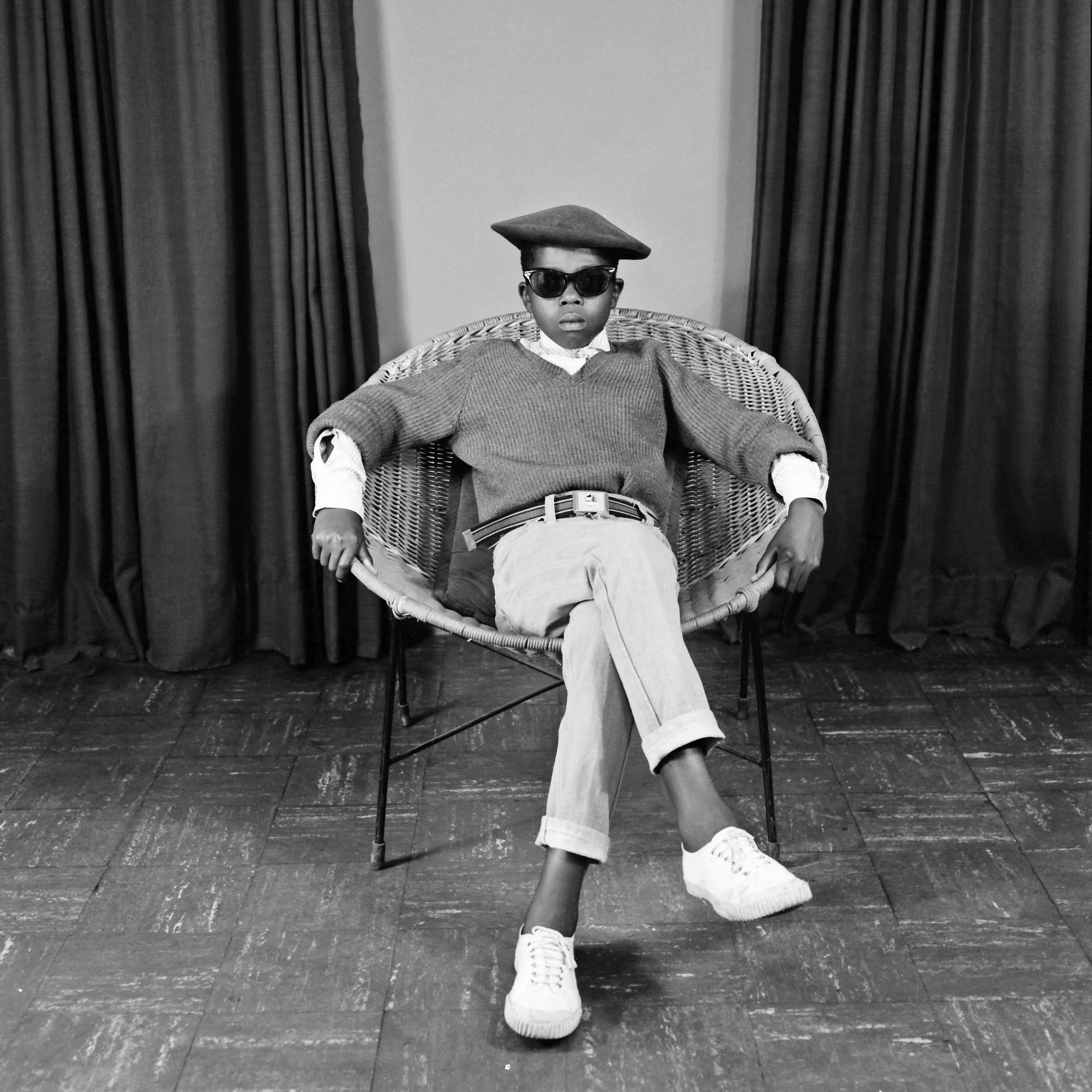
They’d been sitting in a garage for 15, 20 years. I pulled out a few, held them up to the light and started freaking out. They were so strong, even in that form.
We’re so familiar with the importance of ‘struggle photography’ in South Africa that it’s easy to forget that the people in those pictures had private lives as well.
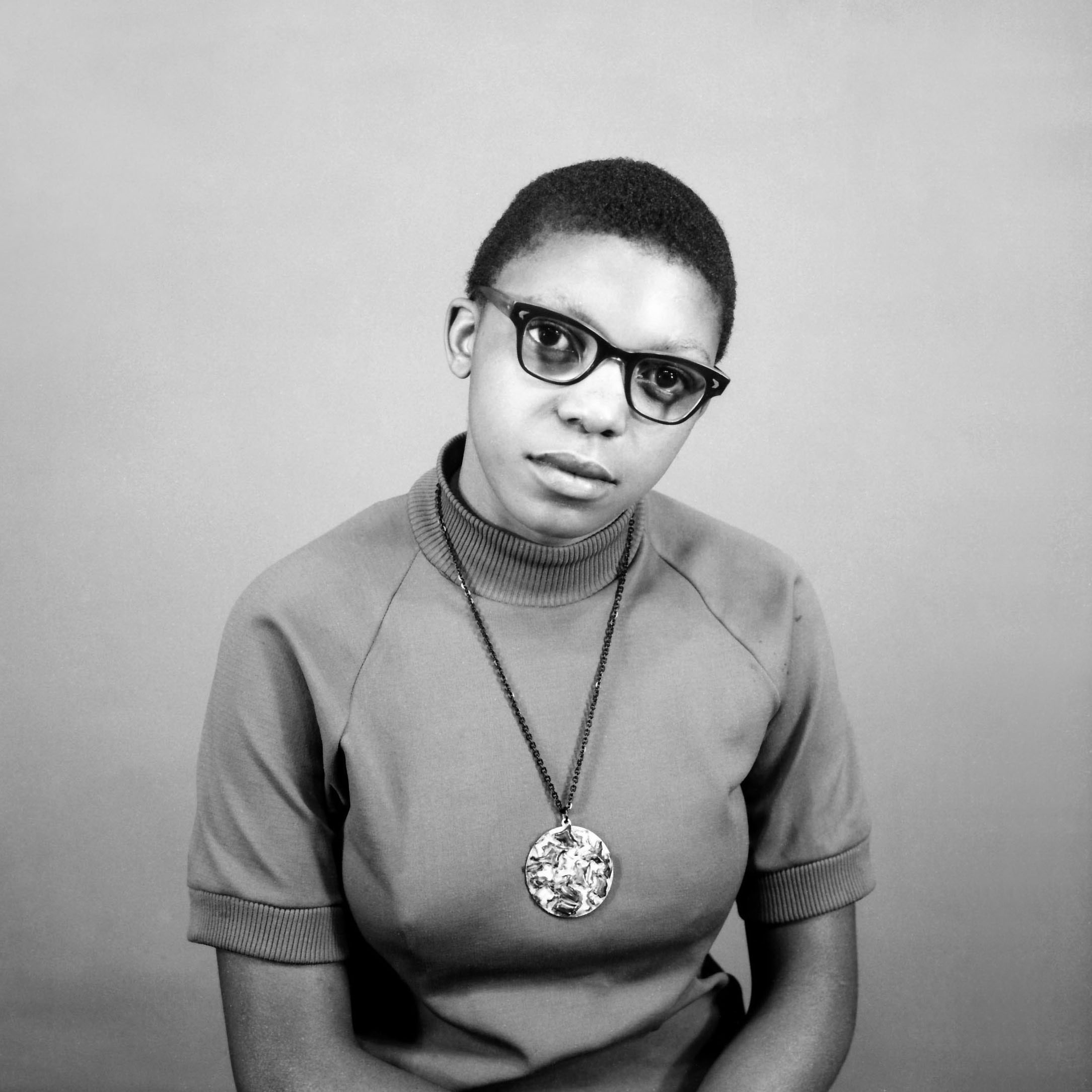
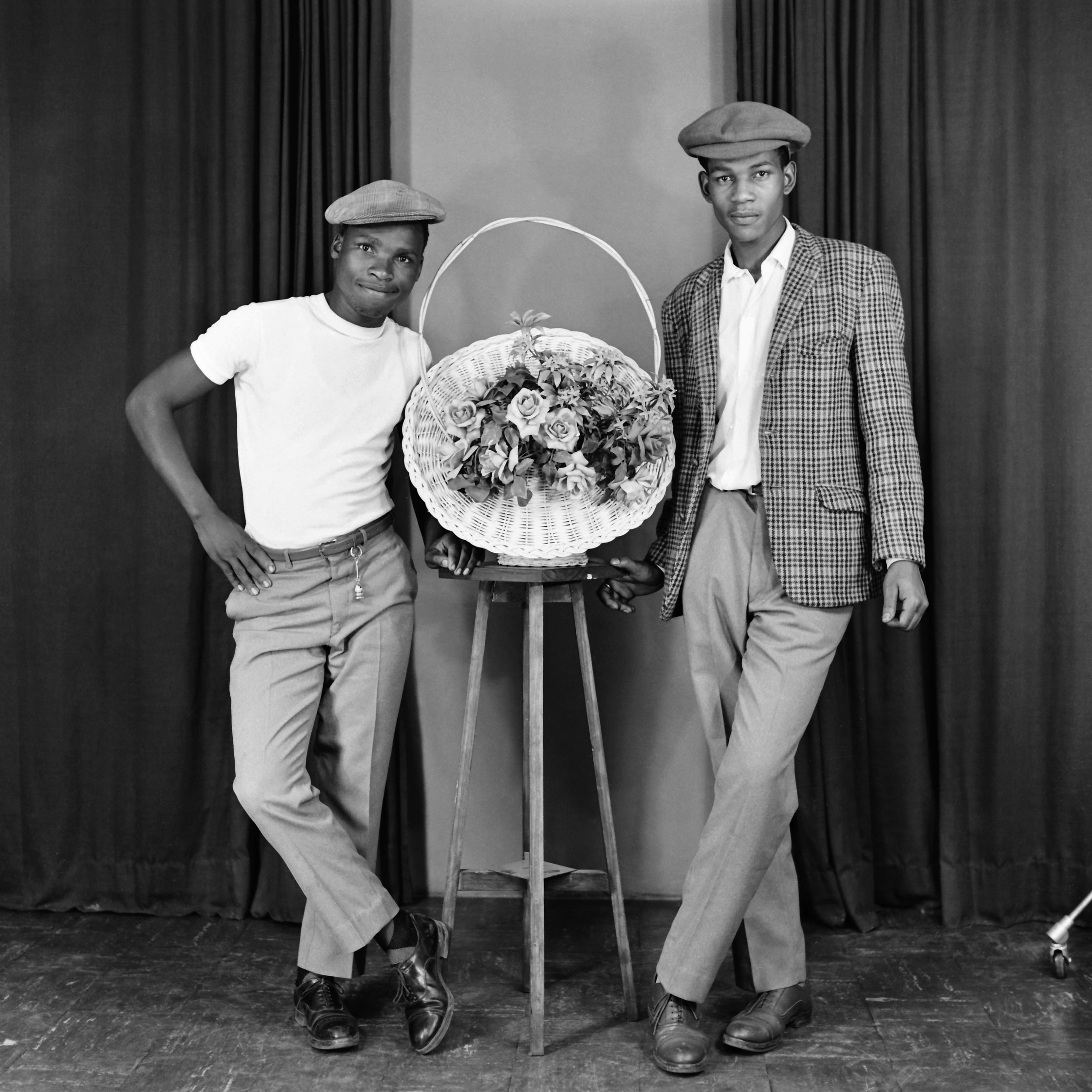
These images were plain studio portraits but so captivating because they allowed the non-white community to present themselves how they saw themselves, not as types. And that meant they could play with boundaries.
As a sociologist, this felt like the perfect project. I’ve been collecting African-American photography for quite some time, mostly studio photographs with painted backgrounds, but I’d never seen anything like this. I spent that academic year with an assistant scanning all 1,400 images, which were taken between 1972 and 1984.
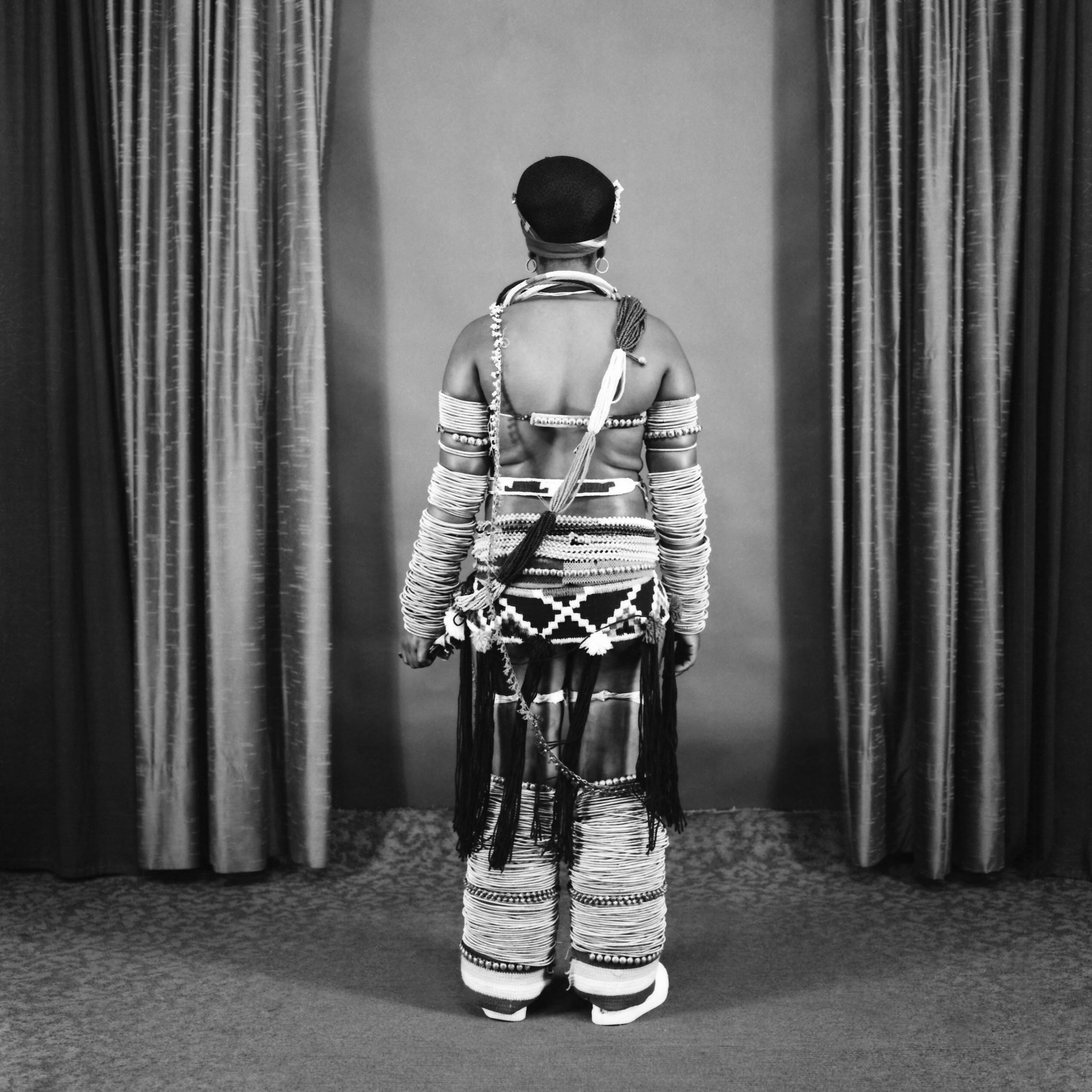
The next summer, I travelled around South Africa interviewing people – people who worked at museums, people who collect traditional Zulu material, Zulu people themselves – to find out more about the images and help put them in context.
All I had to go on were the words ‘Kitty’s Studio’ and an address in Pietermaritzburg. The photographer’s surname was Moodley, which is like the South African equivalent of Smith or Jones, so the odds of finding him or his family seemed far-fetched. But I managed to do that within 10 days – because everybody knew Kitty’s photo studio. It was an important gathering place for the community and many looked to him for guidance.
Singarum ‘Kitty’ Jeevaruthnam Moodley was born into an Indian family in 1922. He worked as a factory machinist but, one day in 1957, he got into an argument with his boss and punched him in the face. I don’t know how he avoided going to jail but that was the end of his job.
Up to that point, Kitty had been a hobbyist photographer with no formal training. But he was very serious about it; subscribing to photo magazines and upgrading his equipment whenever he could. So he started a family-run photo studio, which was smart because it put him under the radar of the government.
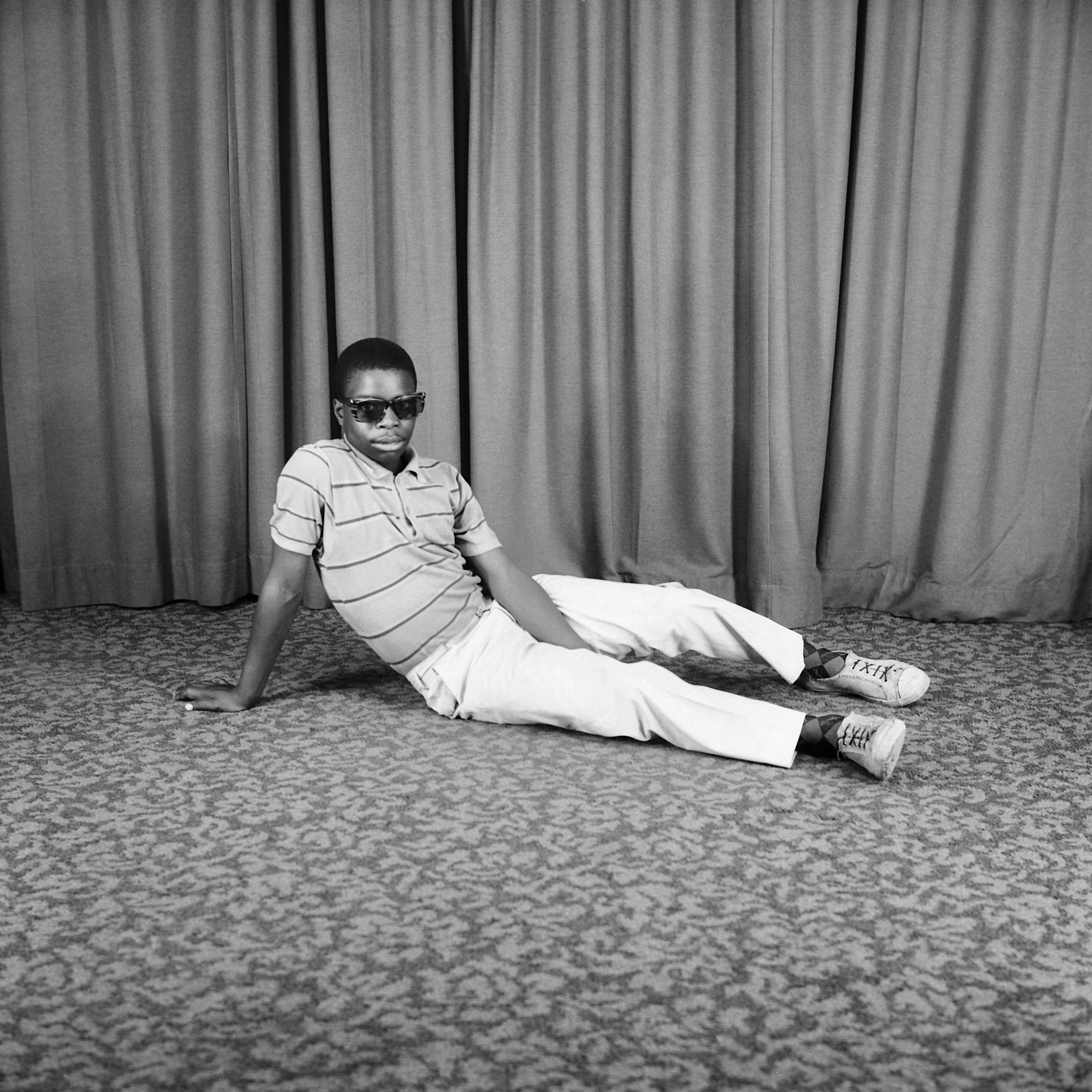
Kitty was heavily involved in the anti-apartheid movement, both generally and as part of the Indian resistance, and people felt free to hang out at his studio in this weird bubble of independence.
Kitty also trained a lot of photographers who went off to other towns, putting his imprint on South African photography while remaining unknown outside localised communities.
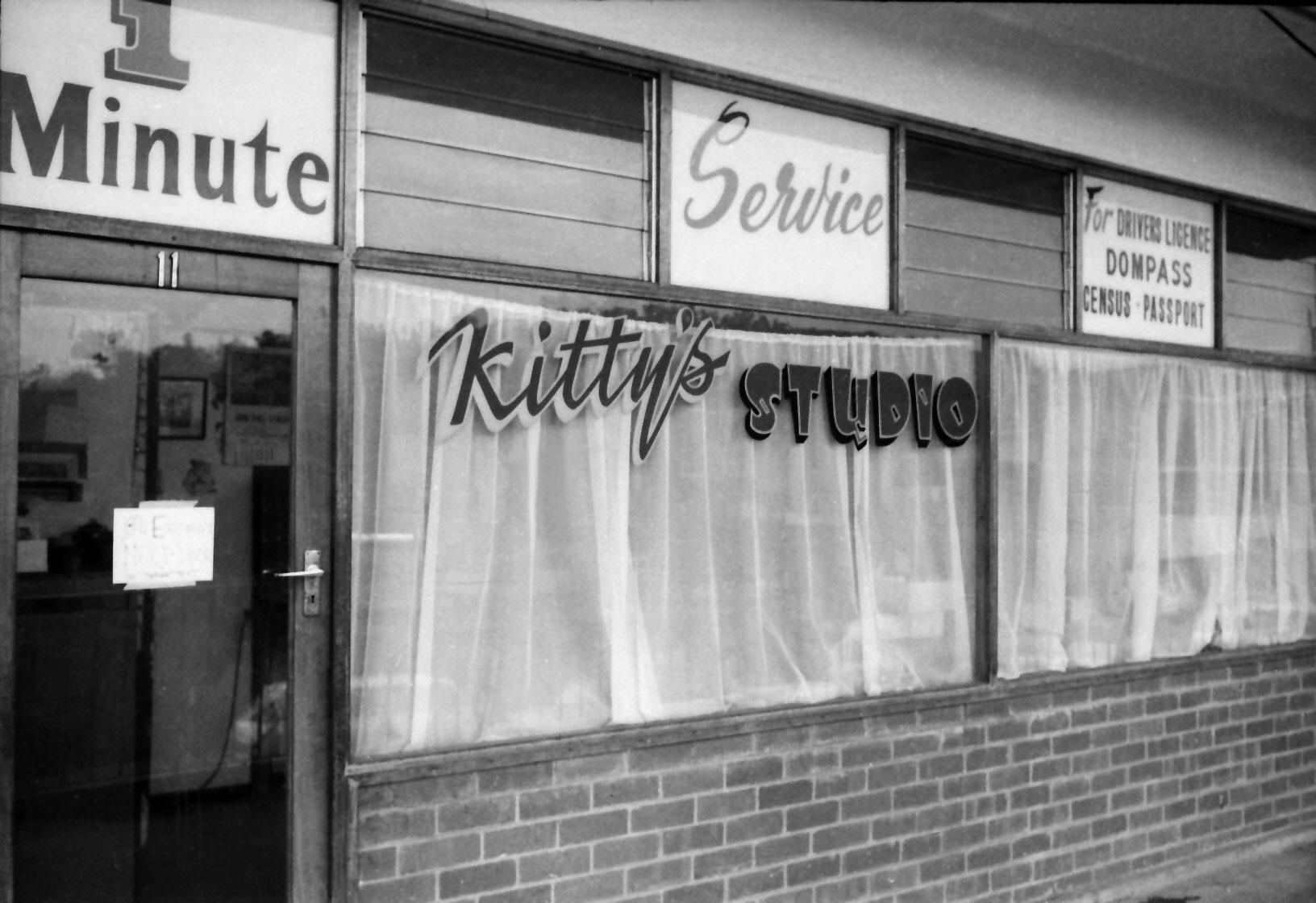
Kitty’s Studio.
When Kitty died in 1987, one of his daughters agreed to sell these negatives to a museum. The curator there looked through the collection and saw all this modern stuff, which was beyond their purview, and so it was basically discarded. It’s amazing that the material survived at all.
To me, the most important part of the collection is the mix of traditional and contemporary. There’ll be a husband in Western dress, for example, and a wife in completely traditional garb.
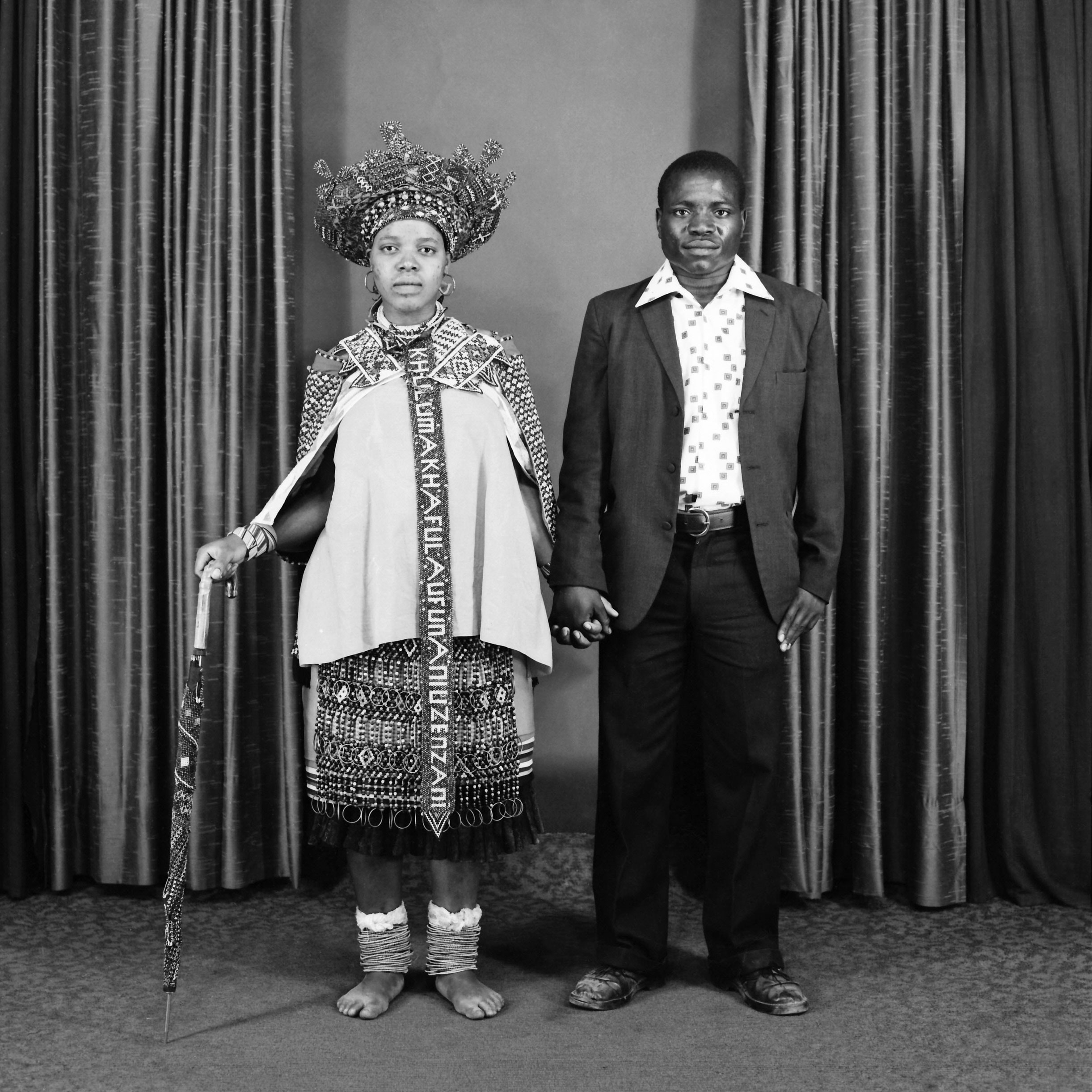
Another pair of photos has a woman dressed as a traditional Zulu female and then as a traditional Zulu man. I felt uneasy about sharing that image because we have no idea what that person’s motives were or who she showed them too.
On the other hand, it reveals some gender ambiguity that the Western world didn’t even know existed at the time.
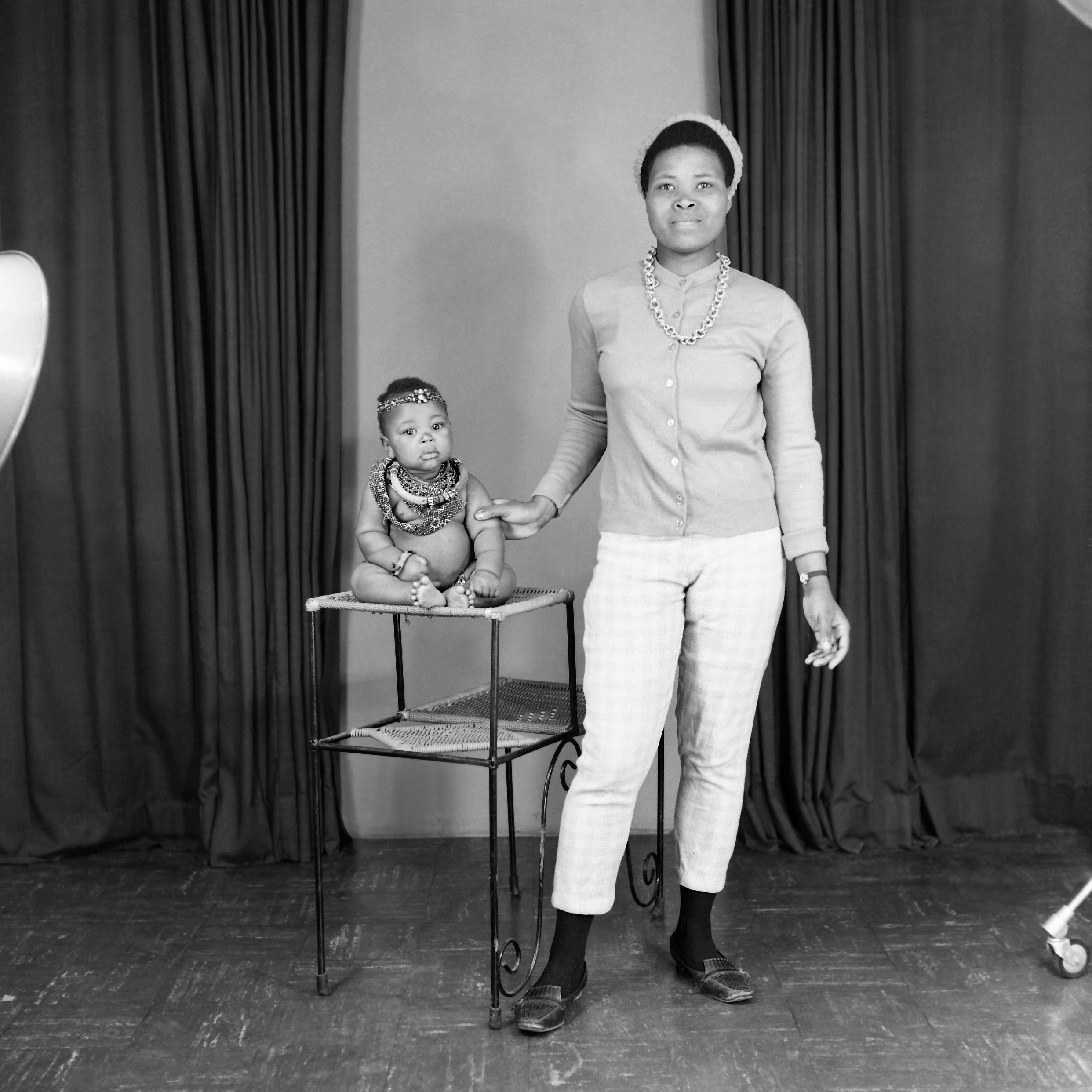
I have wrestled with the ethics of allowing private keepsakes to become public documents, but ultimately I believe it’s more important that these pictures be seen.
I’ve made no money from this. I actually lost my position at the University of Johannesburg because they thought I’d put the institution in jeopardy by showing pictures where people might sue.
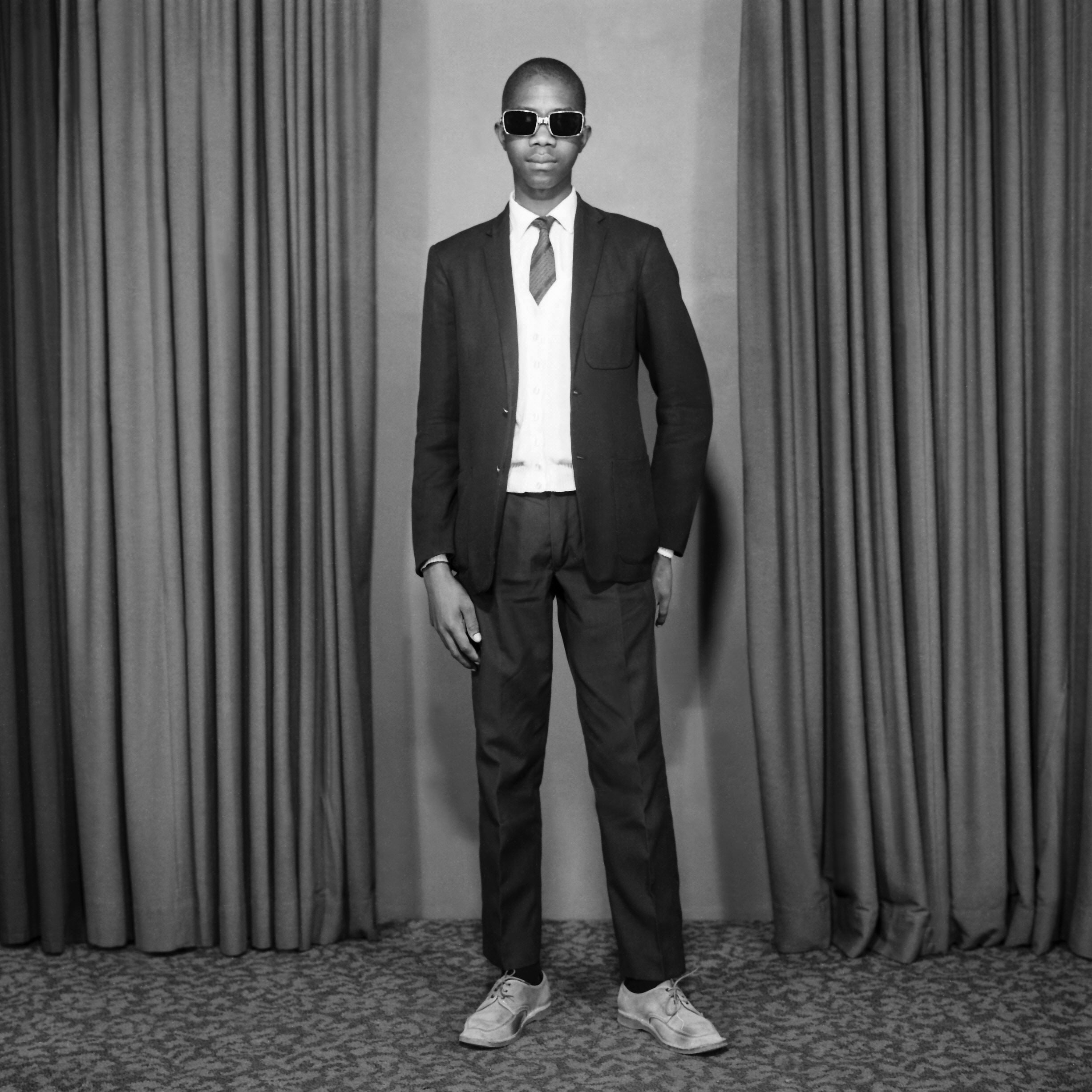
Interestingly, the few who have been pissed off about this project are mostly white intellectuals who think I have no right to speak for these people. I’m not pretending to speak for these people. Those who have come to see the pictures, some of whom knew the subjects of the photographs, are thrilled that their history is being shown.
The interplay of voices around these these images has been incredibly enlightening. There could be one I’ve seen a hundred times and suddenly I’ll see a little detail I hadn’t noticed before. There’s always something new to learn because the stuff is just that powerful.
See the work in Rule-Breakers: The Exhibition, showing at 71a London until December 22.
This article appears in Huck 62 – The Documentary Photography Special V. Buy it in the Huck Shop or subscribe to make sure you never miss another issue.
Enjoyed this article? Like Huck on Facebook or follow us on Twitter.
You might like

The art of paying attention: How Austria’s Alps reward slowing down
Lebensgefühl — With a growing movement of art and music rooted in the area’s mountains, trees and waterfalls, the region is showcasing the importance of the human relationship to nature.
Written by: Sophie Lou Wilson

Grainy, yearning memories of Europe’s ’90s free rave heyday
Never Alone — A new photobook from Cheyenne Clementi and Valentina Morandi presents pictures they made over seven years while touring the continent as part of the Tekno Mobil Squad soundsystem crew. It archives parties, people and a lifestyle largely consigned to the past.
Written by: Isaac Muk

Queer resistance & sun-soaked solidarity at the world’s largest trans pride march
Our Future, Our Fight — Over the weekend, over 150,000 people marched at the London Trans+ Pride, with the parade ending at Trafalgar Square for the first time in history.
Written by: Ella Glossop

In photos: Black Texas life since emancipation
Kinship & Community — A new photobook and exhibition showcases the rich culture, history and community of African American folks in the Lone Star State, whose existence in the region predates colonial Britain.
Written by: Miss Rosen

Youthful joy & end-of-era poignancy at a London school prom
Leavers — For several years, Lewis Khan documented young people as they celebrated the last of their school days and the completion of their exams. The series is now collated in a new self-published photobook and short film.
Written by: Zoe Whitfield

Harry Gruyaert’s vintage, kaleidoscopic scenes of New York
A Sense of Place — For 50 years, the Belgian photographer and Magnum Photos member has been capturing NYC’s colourful chaos. A new photobook and exhibition showcase his unique, technicolour view of the city.
Written by: Miss Rosen


