A skate artist’s search for the sweet spot between city and countryside
- Text by Alex King
When he was a child, artist Lucas Beaufort had a recurring nightmare. Imaginary creatures would torment him while he slept. But when he began to draw and paint the monsters who stalked his dreams, his relationship with them changed dramatically.
“My monsters became my friends, my family, my brothers,” Lucas explains. “They always talk to me and I like to listen their advice, they guide me.”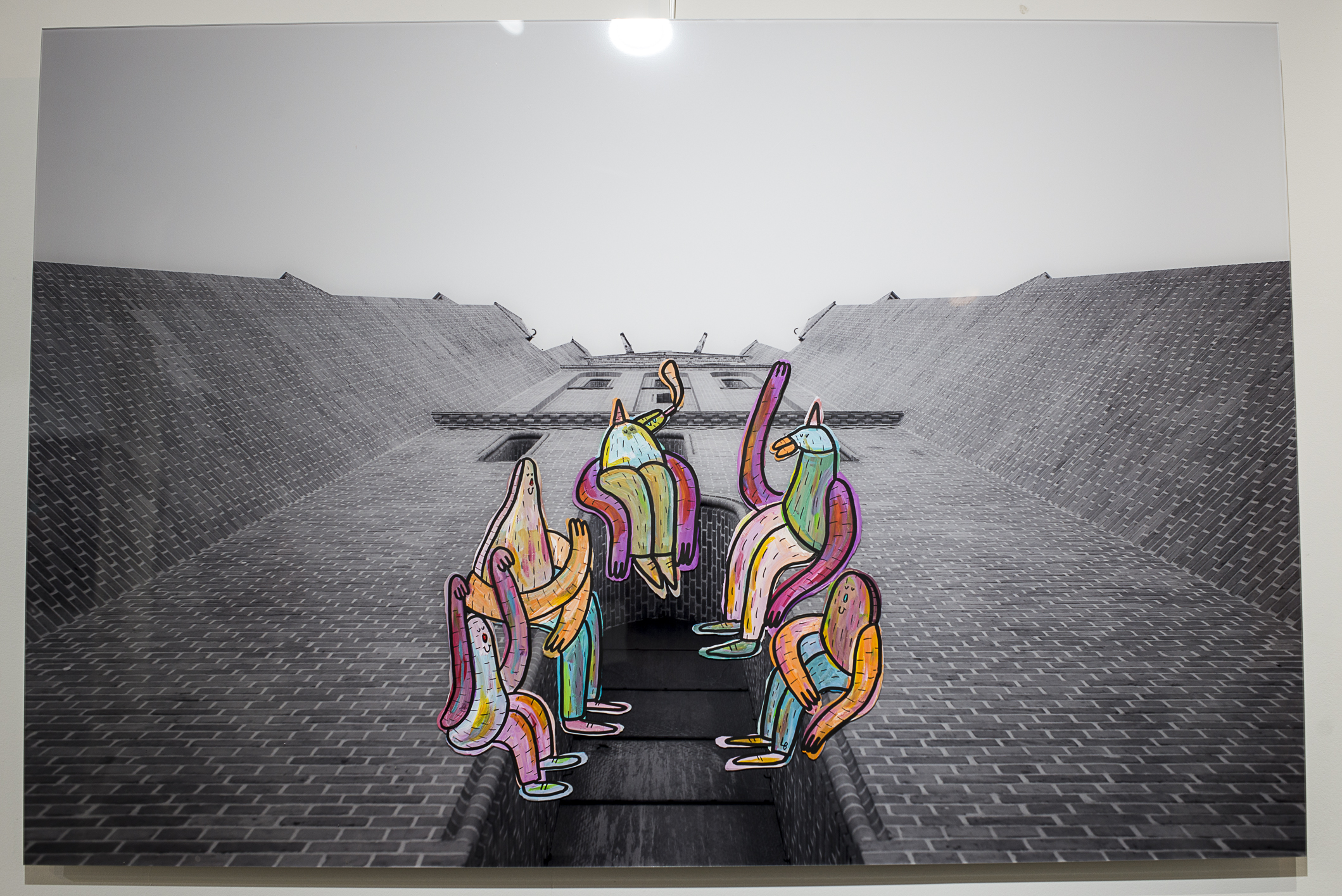
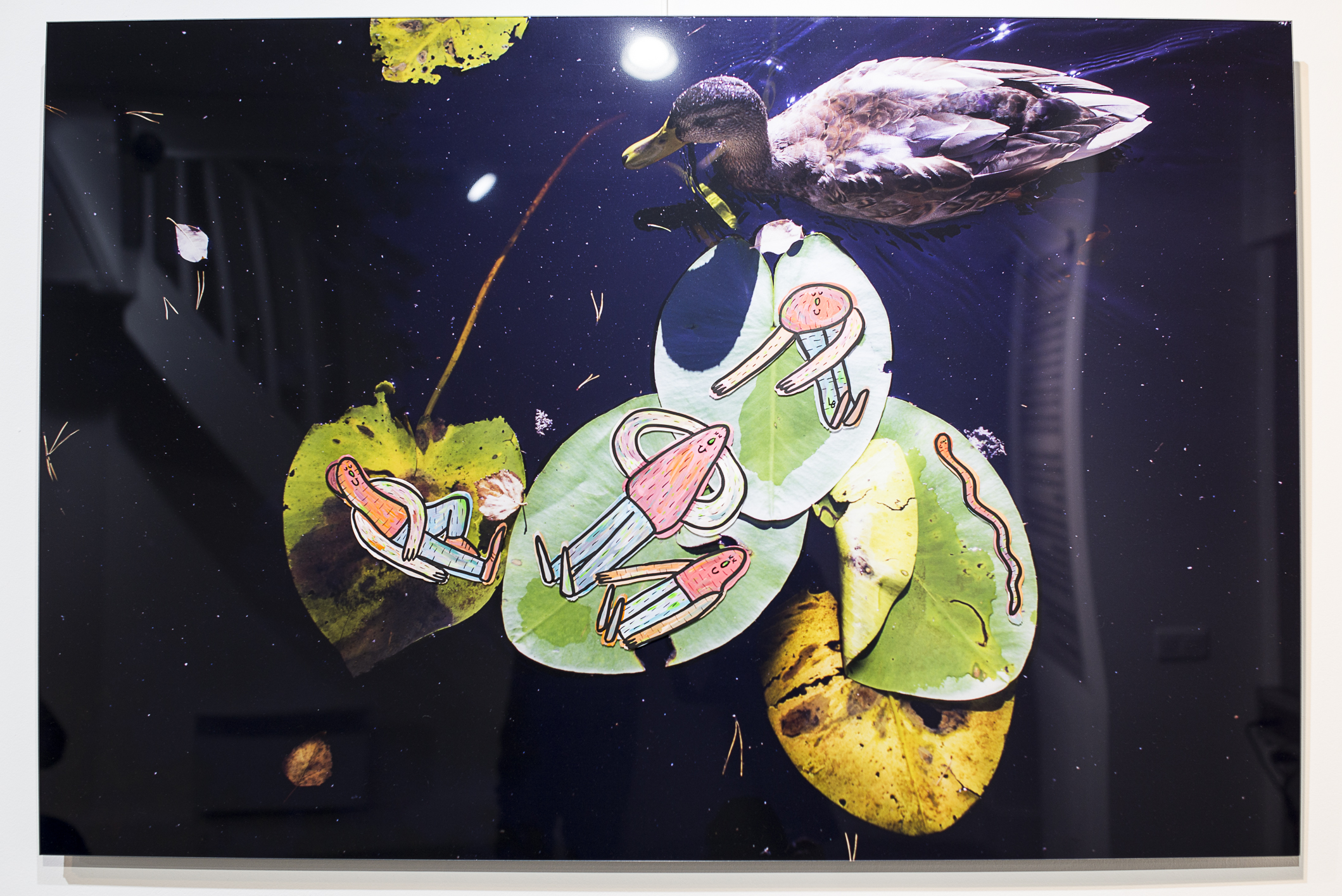
Lucas’ trademark monsters have been on a phenomenal journey since the days when he used to daydream and draw them as a child. Growing up with skateboarding in the South of France, the monsters have since graced skate photos, decks, pages from old skate magazines, and much more besides.
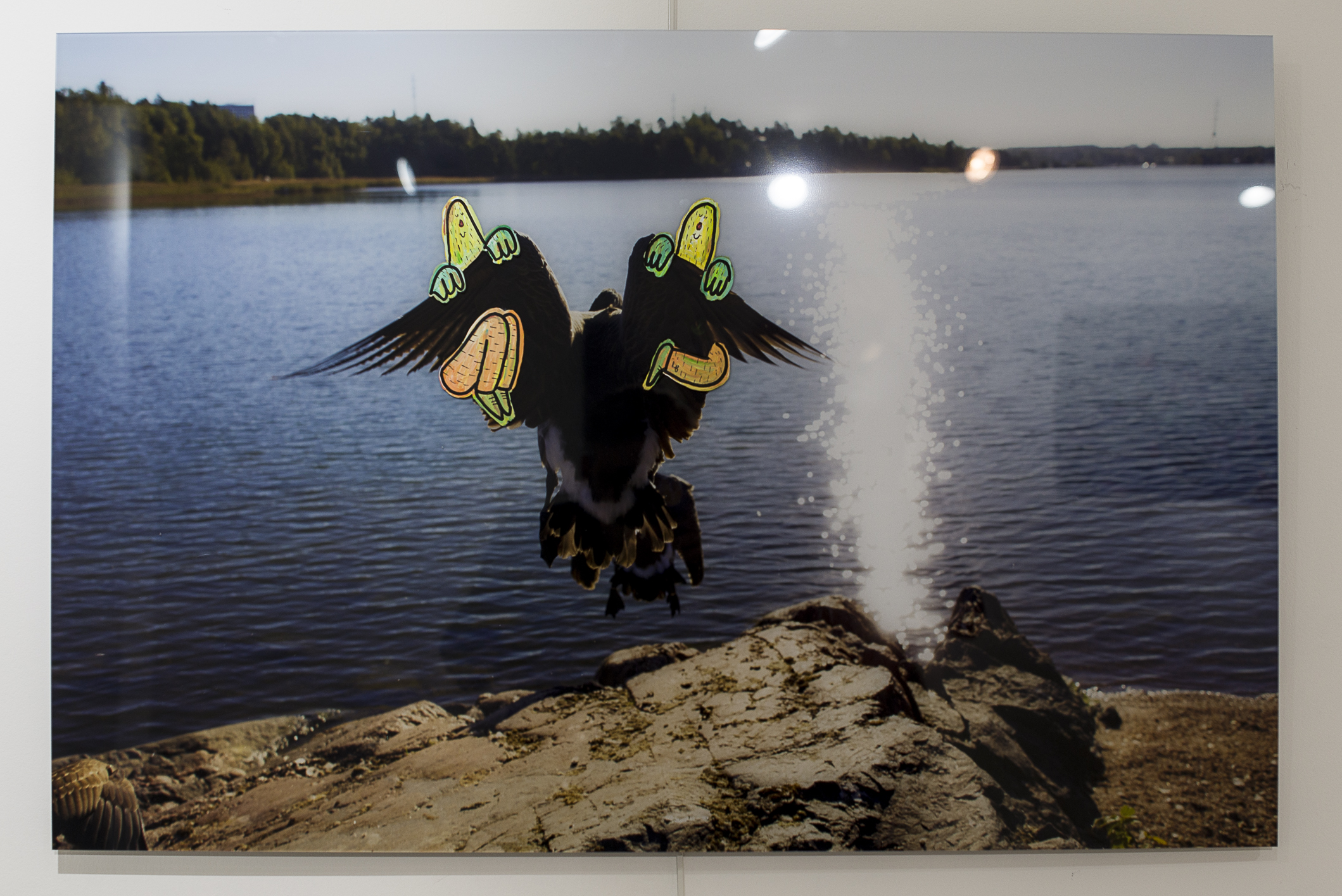
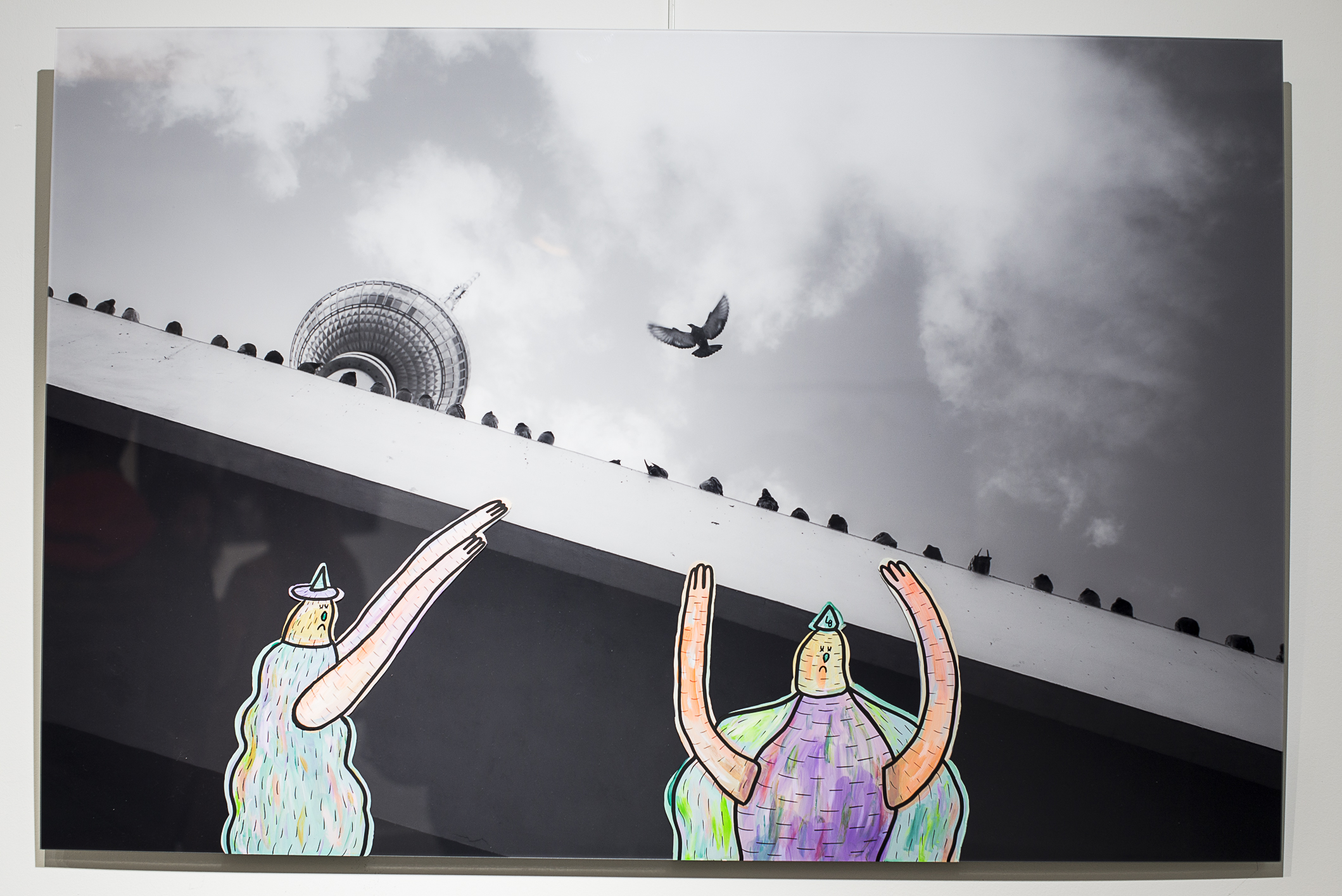
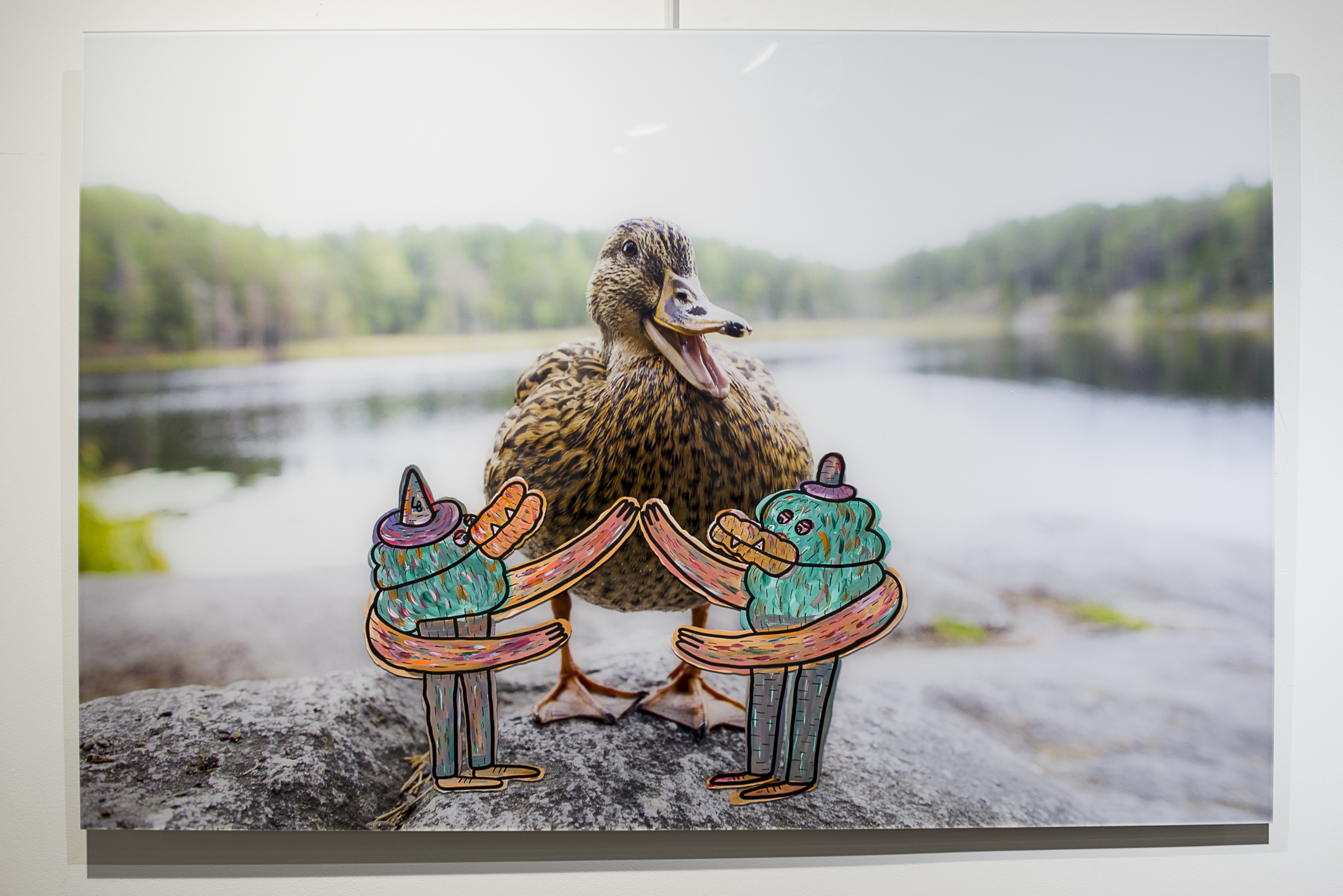
“Seven years ago I started to paint on photos,” Lucas says. “It was a way for me to give another life to places, people and actions that I love. Putting my monsters in existing situations makes me feel like I was there when the photo was taken.”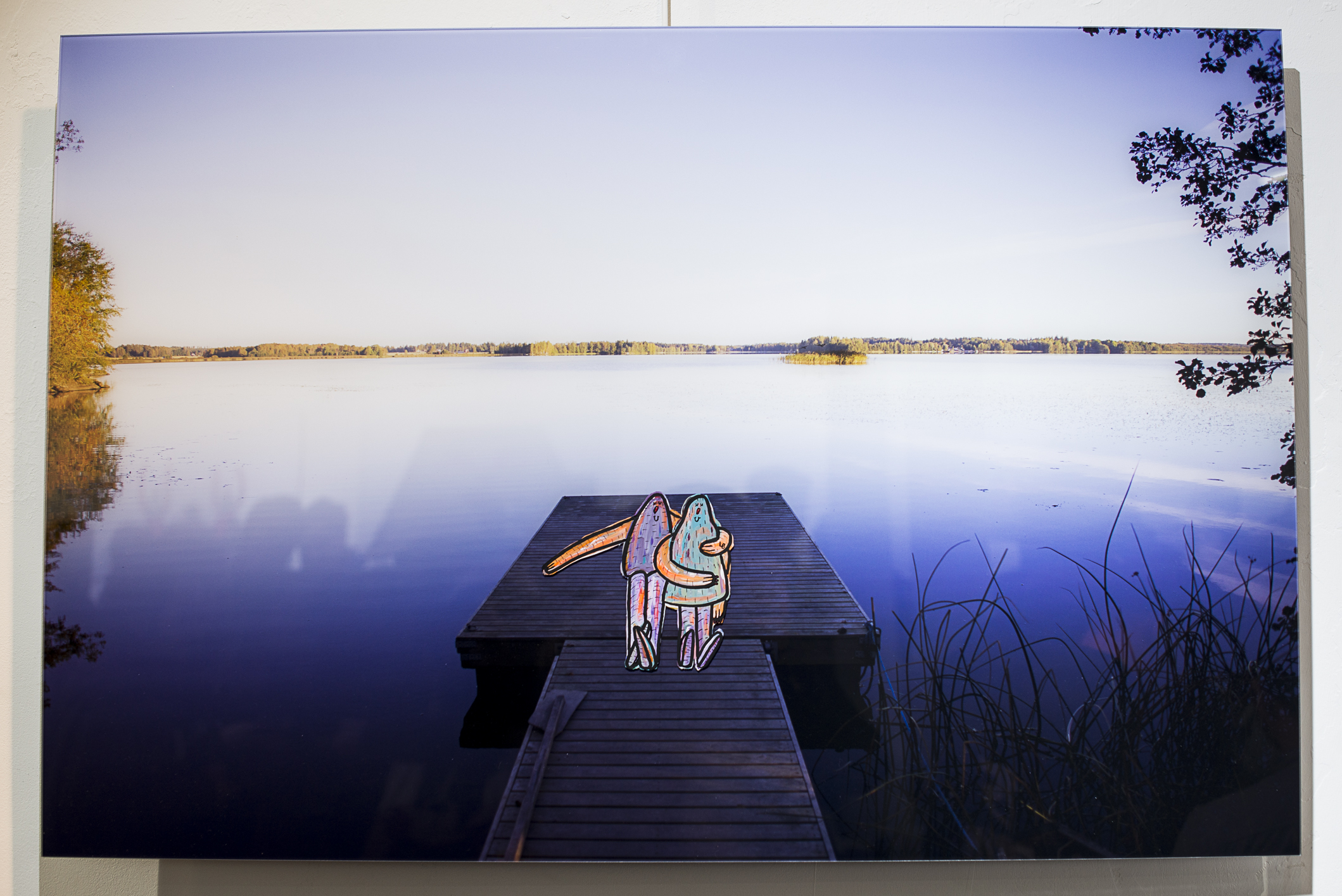
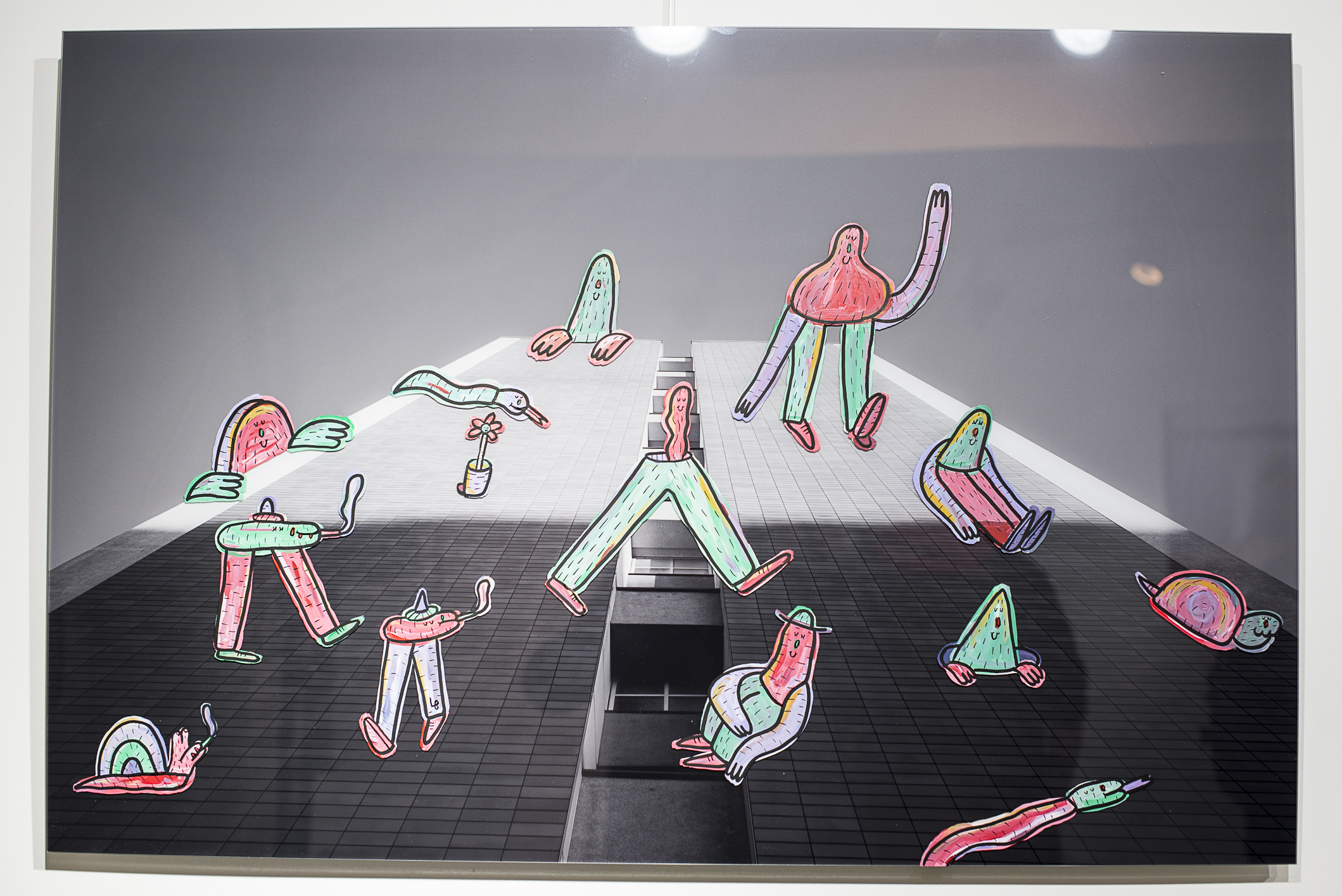
In Once Upon a Place, Lucas spent 15 days travelling across Europe, through London, Berlin, Stockholm and Helsinki, exploring the contrasts between life in the city and the countryside.
“The city always reminds you that you’re small and you’re just a little piece of the puzzle,” Lucas explains. “I love nature equally. It’s an empty place, but just as full of joy.”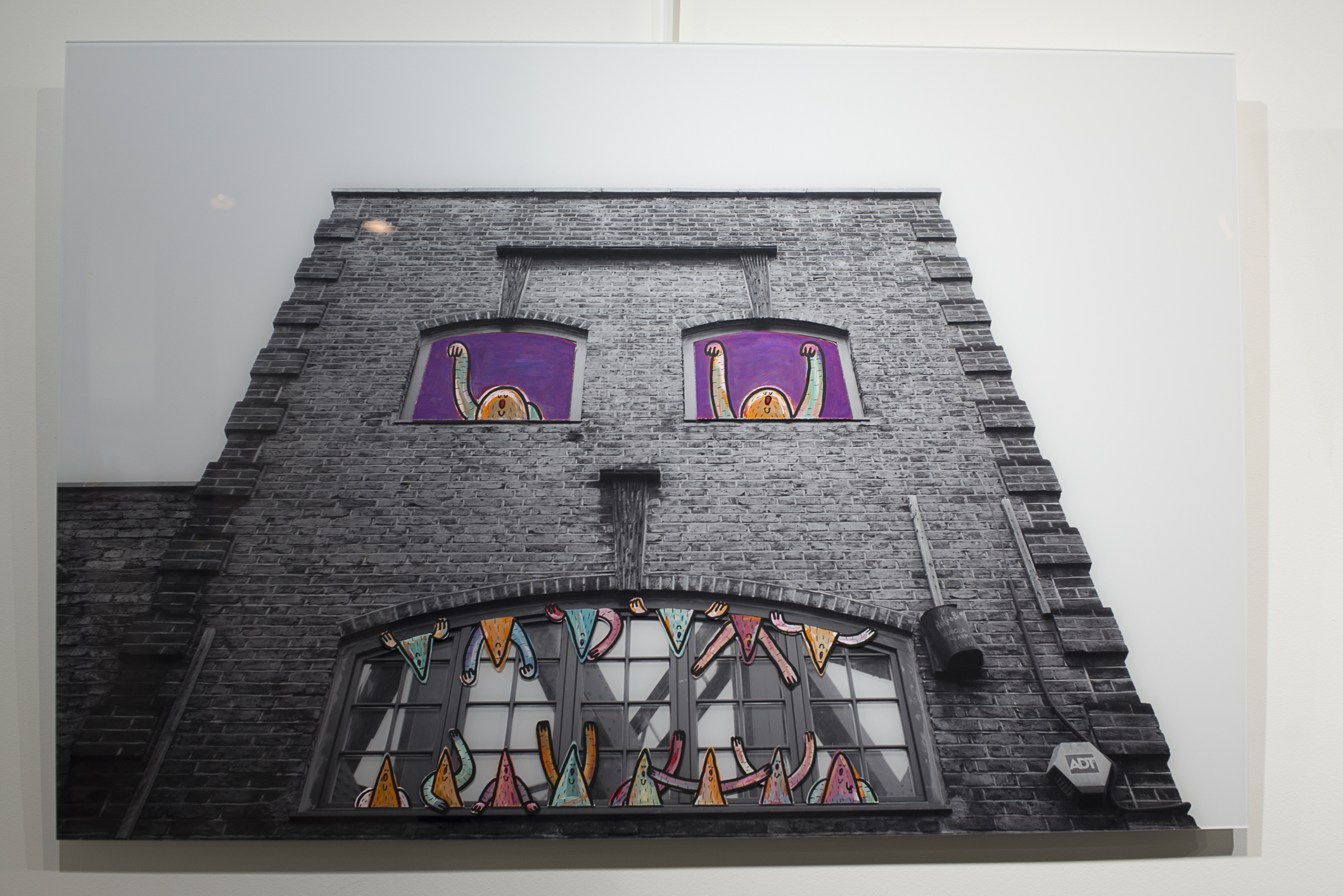
Evidence of the travels undertaken by Lucas and his monsters appear in a short film and gallery show in Paris.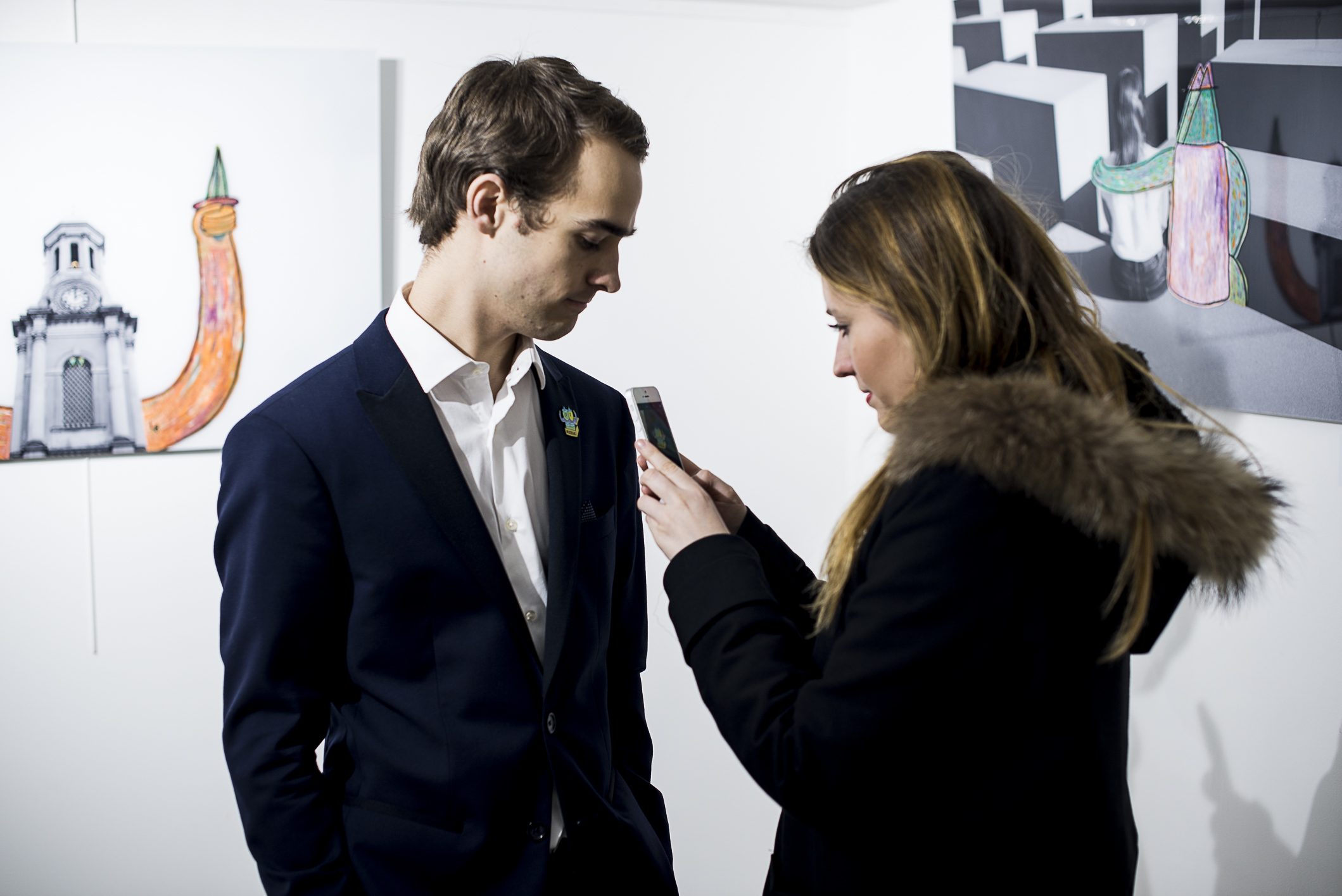
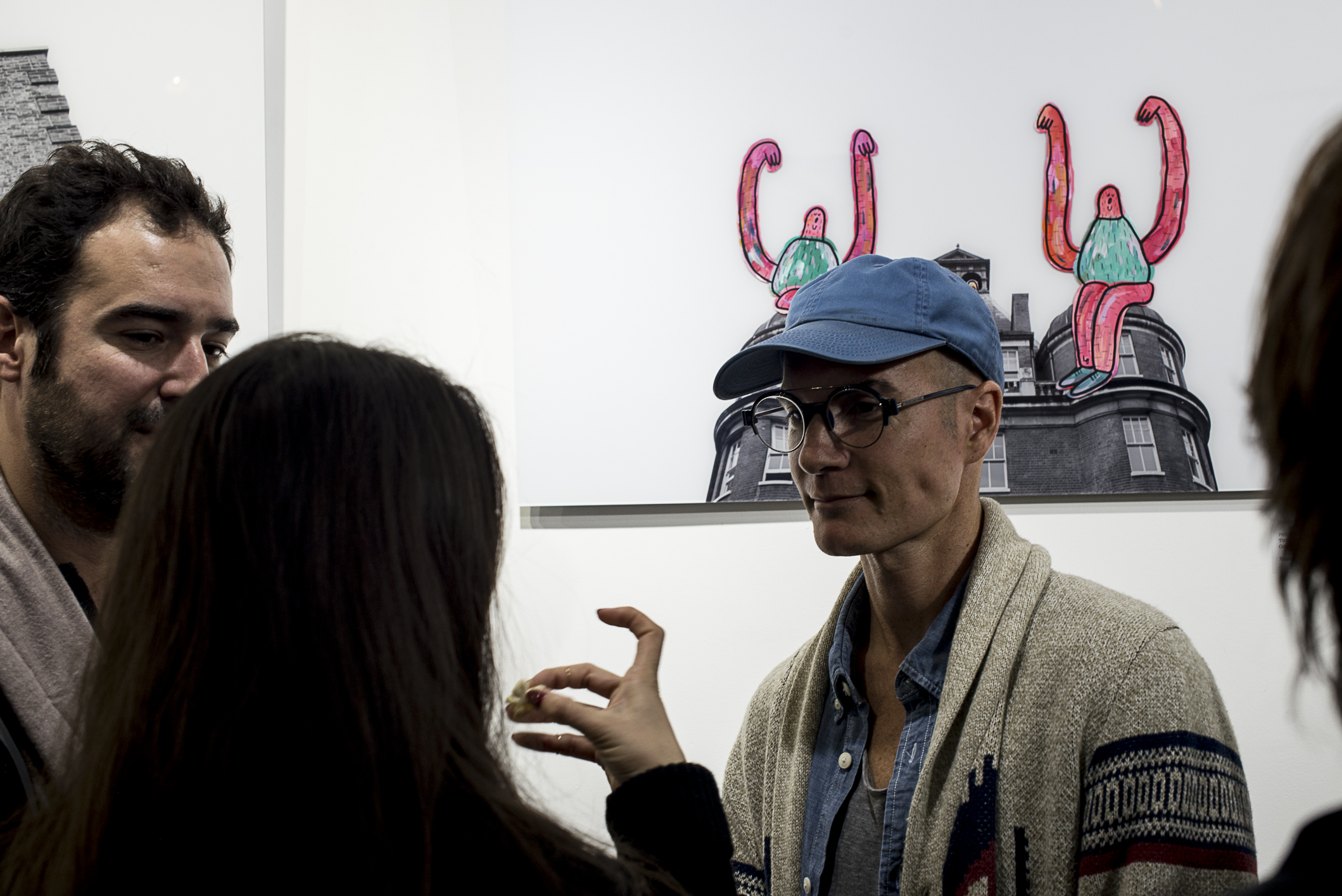
Wherever he is, and whether or not his monsters are by his side, Lucas is still daydreaming.
“I dream about jumping between places or freezing time,” he says. “I want to control my own life, or create my own path. I just want to be me.”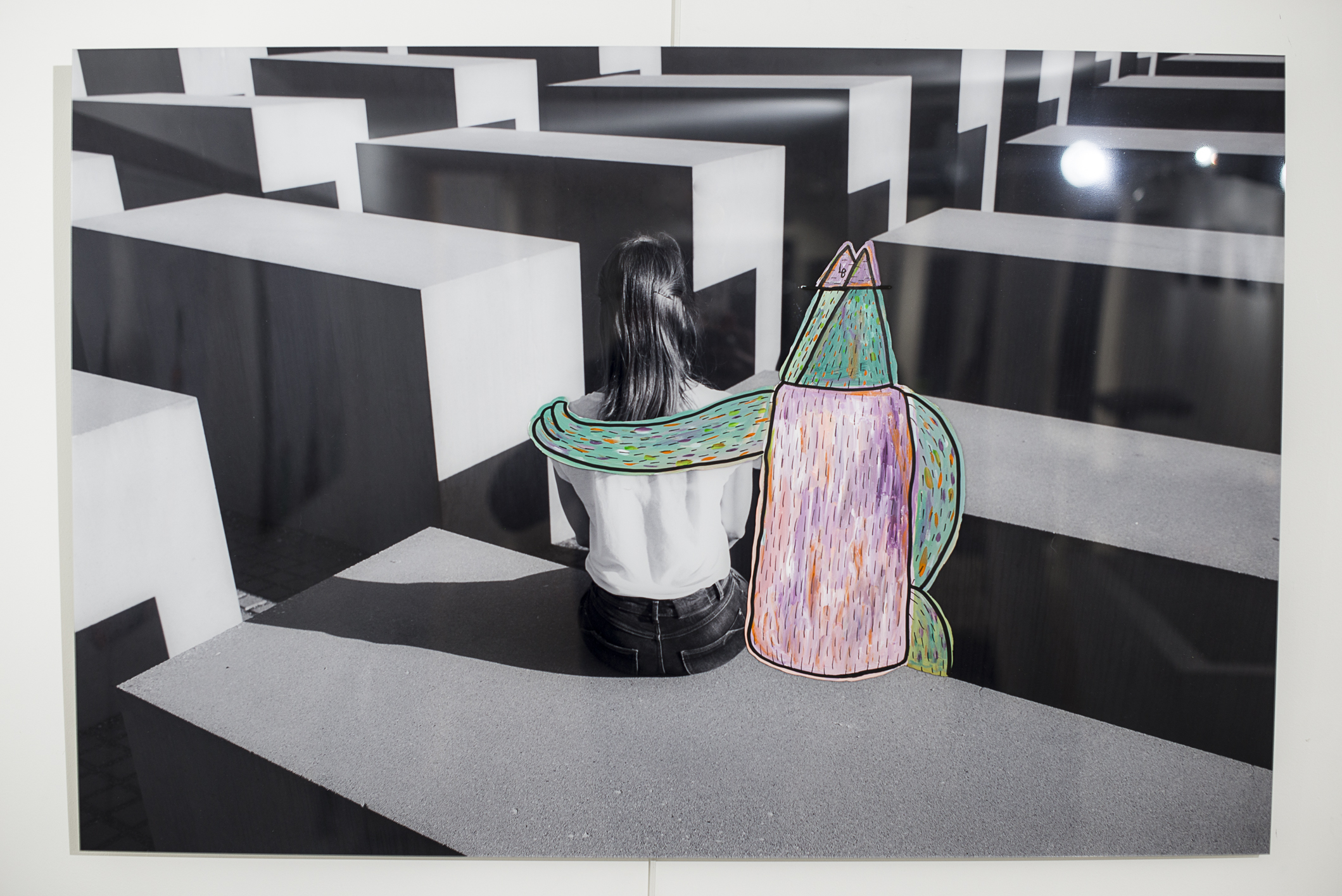
Check out more of Lucas Beaufort’s work.
Enjoyed this article? Like Huck on Facebook or follow us on Twitter.
You might like

Kristina Rozhkova’s scatty, confronting portrait of captivity
Gut Feeling — The Russian artist’s 2024 arrest and subsequent detention opened her eye towards the omnipresent dynamics of power and control. Her new photobook is a stark exploration of being trapped.
Written by: Isaac Muk

Washing strangers’ feet at Houghton Festival
Pedilavium — As part of artist Henry Krokatsis’s performance piece at the weekender, we sat down with over 30 others to clean the dusty digits of passersby, while reflecting on the power of collective ritual and human connection.
Written by: Isaac Muk

The anti-tourism guides revealing Lisbon’s true, radical heart
We Hate Tourism Tours — The Portuguese capital sees millions of people visit a year, against a backdrop of political turbulence and a housing crisis fuelled by short term holiday lets. Jack Burke meets the crew subverting their city’s perception, while bringing lesser seen stories and monuments to light.
Written by: Jack Burke

The art of paying attention: How Austria’s Alps reward slowing down
Lebensgefühl — With a growing movement of art and music rooted in the area’s mountains, trees and waterfalls, the region is showcasing the importance of the human relationship to nature.
Written by: Sophie Lou Wilson

Inside Parkuir: the art project queering sport, space and our bodies
Lie and play — Founded by Maria Laudes and Guiu Gimeno, it provides a framework for engaging, subverting, and celebrating the small details that make people unique – and queer.
Written by: Molly Lipson

A major Nan Goldin exhibition is coming to London
You Never Did Anything Wrong — Opening at the Hayward Gallery in November, the show will debut a new film from the artist and activist, alongside a slate of recent work.
Written by: Jack Dennison-Thompson


