An intimate look at the streets of Spanish Harlem in the ’80s
- Text by Mike Steyels
- Photography by Joseph Rodriguez

“Spanish Harlem would pop up in the crime blotter of the Daily News every weekend,” remembers photographer Joseph Rodriguez. “But I was like, aw man, there’s so much more to the place than that.”
Over the course of five years, from 1985 to 1990, Rodriguez documented life in the Manhattan neighbourhood, which he now presents in full for the first time through a new book and exhibit, Spanish Harlem: El Barrio in the ’80s.
As a Puerto Rican from Brooklyn, he says Spanish Harlem – also known as El Barrio or East Harlem – was in his DNA. But he didn’t start shooting there seriously until his photography class gave him the assignment. Working closely with housing advocates, Rodriguez and other students were to photograph the gentrification endangering the poor, immigrant enclave hovered by developers and landlords who wanted them gone.
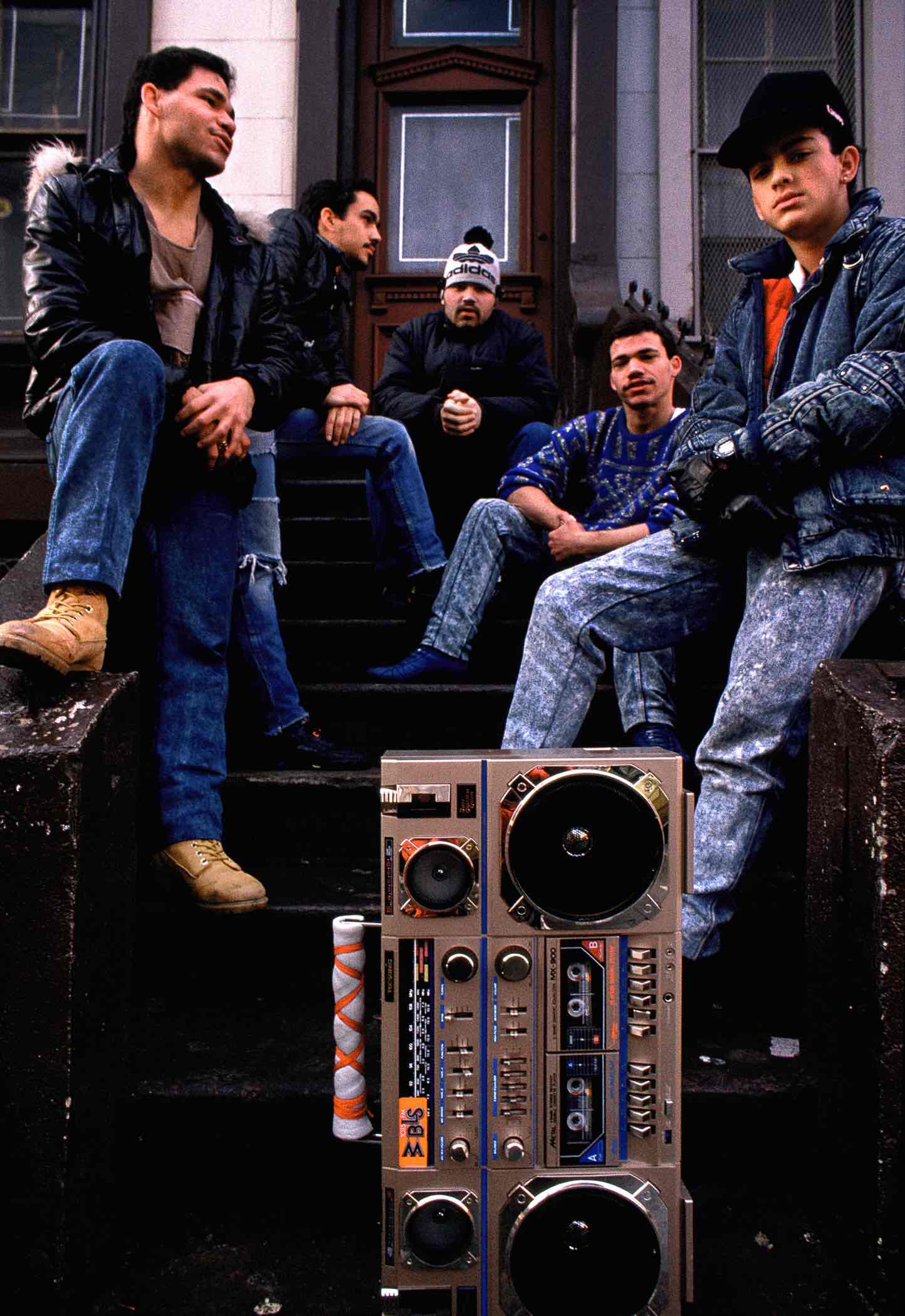
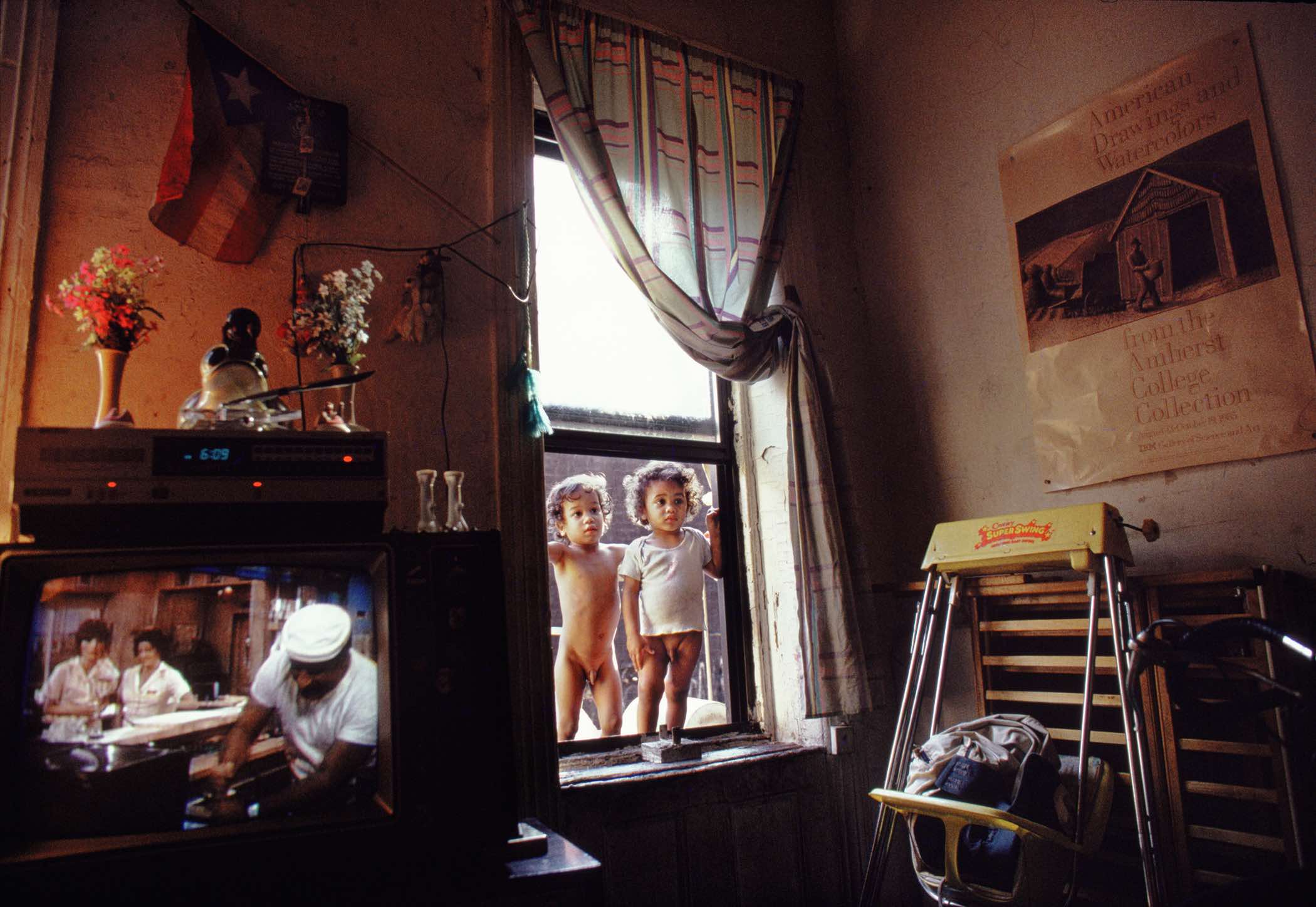
He started with black and white shots, as he was trained, but continued covering the area for a few years on his own, eventually moving on to colour – specifically, Kodachrome – slides. Over that time, Rodriguez gained increasing access to the families there who welcomed him into their homes and opened up about their intimate lives. “Colour was very much a part of the culture,” he says. “The primary colours of the apartments, the celebrations…. you had to!”
Rodriguez doesn’t shy away from the problems these communities faced. There are images of addicts with crack and heroin, scenes of garbage-filled lots and buildings on fire. Putting a lens on trouble, in fact, is something that drives him as an artist. “The way I use photography is project-driven about issues. It’s this sense of social documentary photography,” he explains. “Where is the problem? Let’s document it so we can hopefully talk about it. I’m not naive, I’m not Superman with a camera, but it empowers you. Originally I just wanted to be an art photographer and shoot nudes, but when you grow up with conflict, it just drives you.”


While necessary, it can be difficult: “It’s hard when people start sharing their trauma with you. It’s not for everyone. What would you do if a little kid you’re shooting asks if you’ll be his father? What would you do with that? But in America, because you’re brown or black, you’re the other. It’s always been like that.”
And many of the problems captured in his book remain. While drugs are mostly off street corners now and crime is generally down, the pressure of displacement that started this whole journey has only become worse. “The issues of gentrification are large and heavy. Nothing’s changed in that way.”
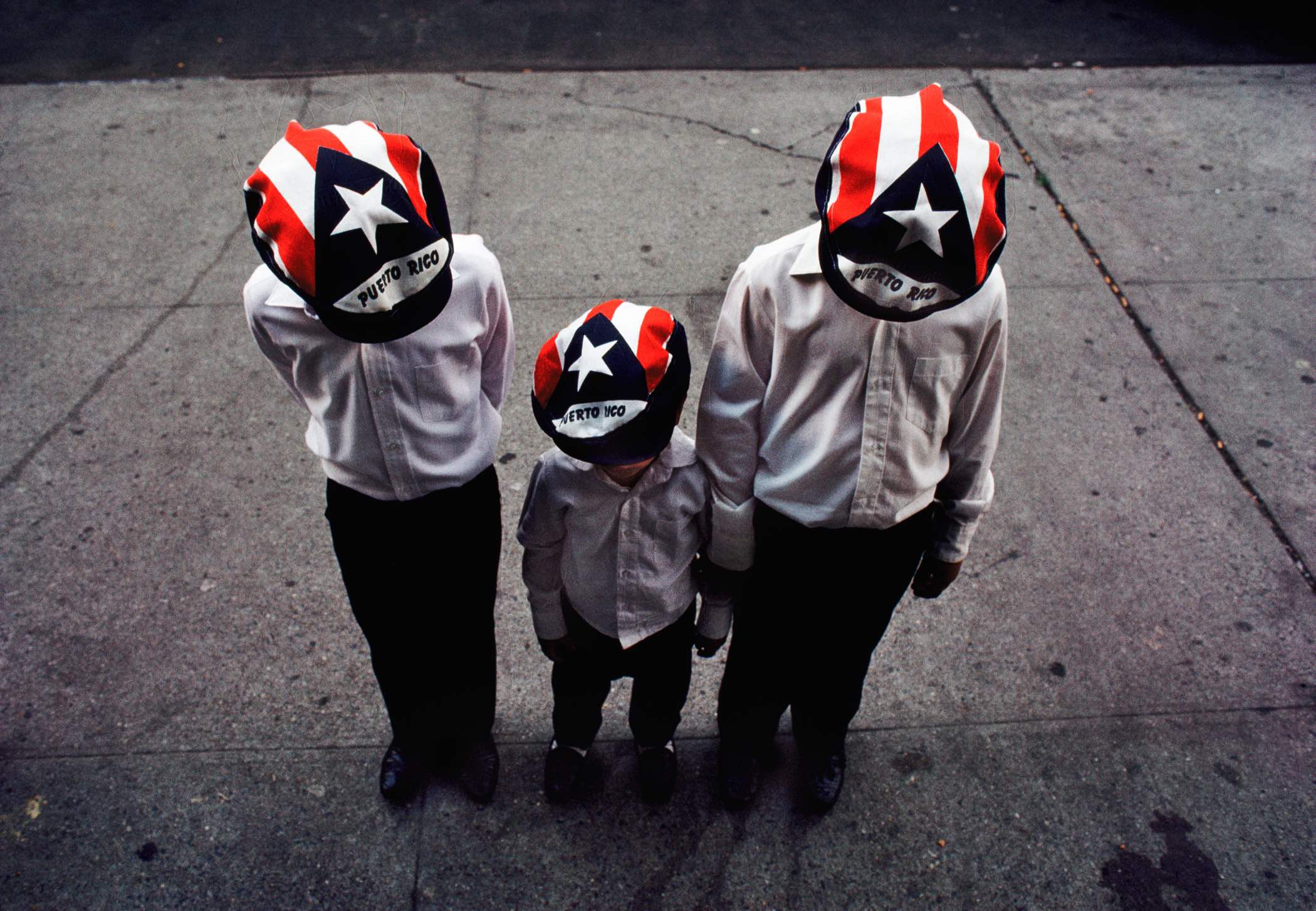
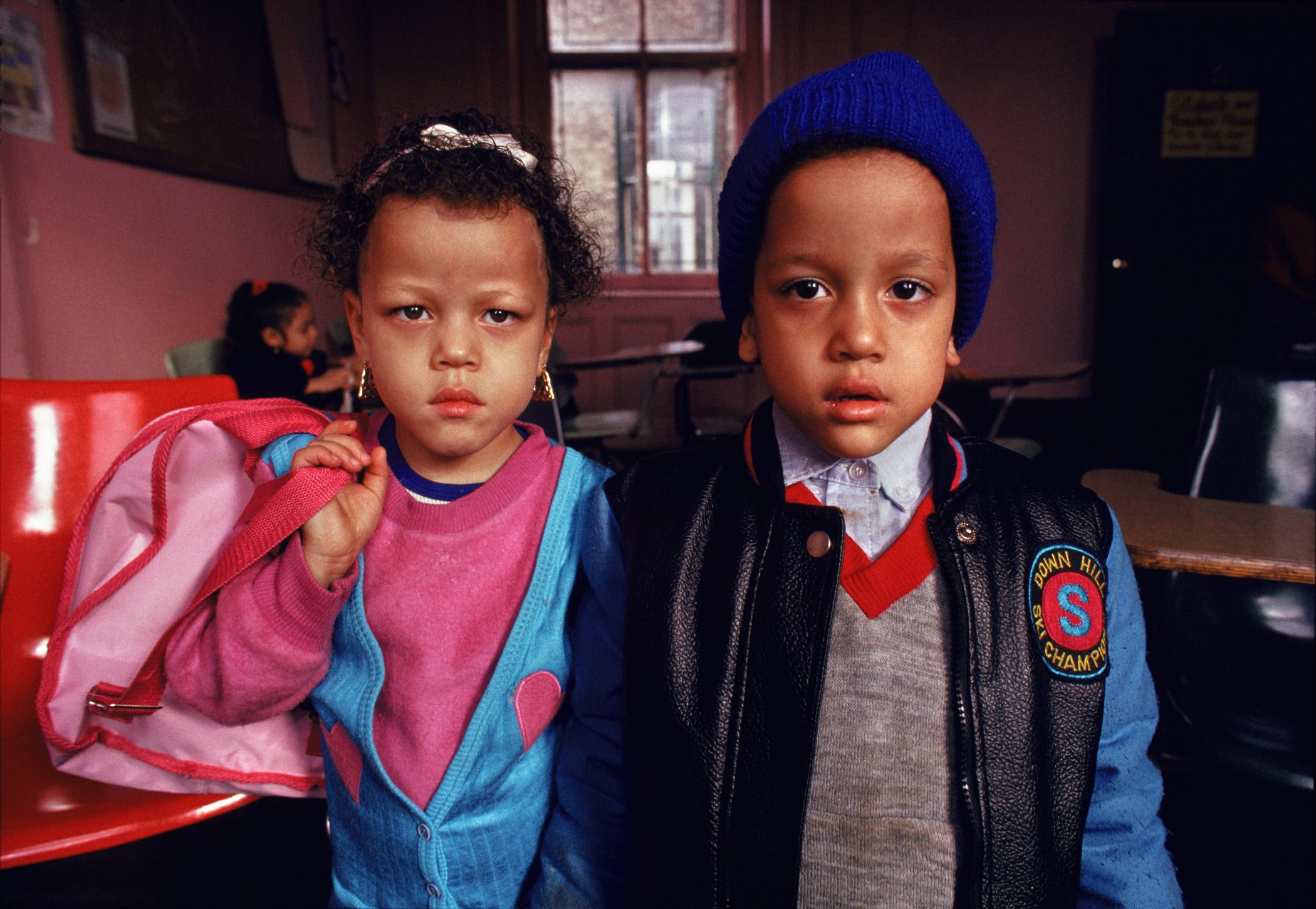
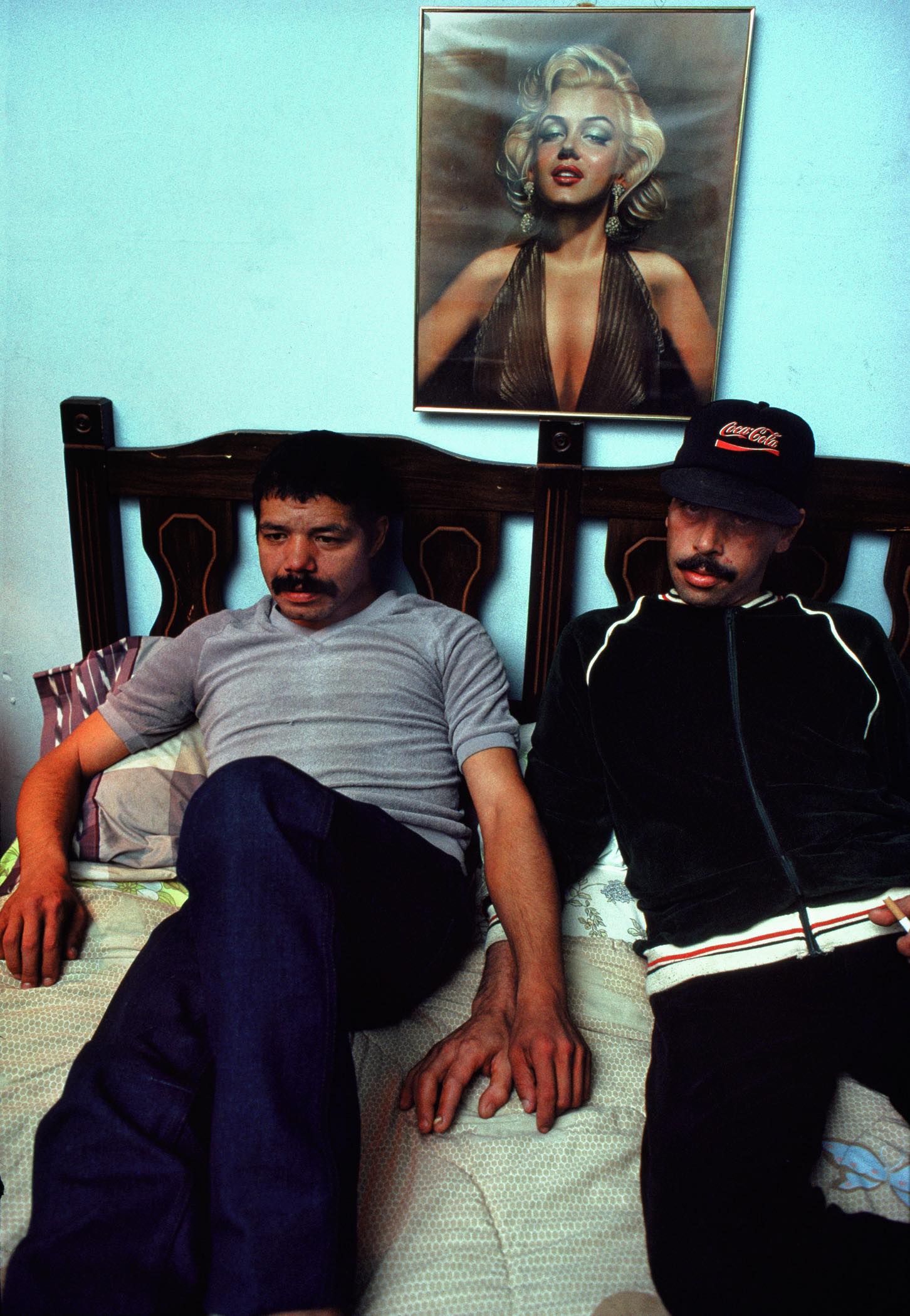
Spanish Harlem: El Barrio in the ’80s will be on view at the Bronx Documentary Centre from November 11 through December 23, and a book of the same name will be published by powerHouse Books.
Follow Mike Steyels on Twitter.
Enjoyed this article? Like Huck on Facebook or follow us on Twitter.
You might like

Jesse Glazzard’s messy portrait of queer friends, lovers and chosen family
The Sound of Dirt and Beauty — The photographer’s debut monograph explores tender, unpolished moments shaped by the people who he surrounds himself with, while offering a window into the UK’s working-class LGBTQ+ community.
Written by: Sunny Sunday

Behind the curtain at Alternative Miss World 1981
Olympia glamour — Running a subversive take on the traditional beauty pageant, the Andrew Logan organised event prioritised underground creativity and invention. Photographer David Corio went behind the scenes at its biggest edition.
Written by: Miss Rosen

New exhibition highlights British radical living over 200 years
Earthly Paradise — Taking place at the William Morris Gallery, it explores the homes and lives of artists, writers, musicians and more, as well as the conditions that allowed them to thrive.
Written by: Isaac Muk

What life on the Strait of Hormuz is really like
Southern Winds — Bandar Abbas based photographer Morteza Niknahad has been capturing the diverse communities and stories of his local region since he first picked up a camera. His new series highlights the human impact of war.
Written by: Isaac Muk

Nick Haymes’s intimate portrait of his family’s life
Chronograph — Over 25 years, the photographer documented his son’s lives as they grew into adults. The resulting photobook is an exploration of the passage of time, as well as the optimism of youth.
Written by: Miss Rosen

Kristina Rozhkova’s scatty, confronting portrait of captivity
Gut Feeling — The Russian artist’s 2024 arrest and subsequent detention opened her eye towards the omnipresent dynamics of power and control. Her new photobook is a stark exploration of being trapped.
Written by: Isaac Muk


