The uncertain future of Sri Lanka’s last fishermen
- Text by Ben Amando
- Photography by Ben Amando

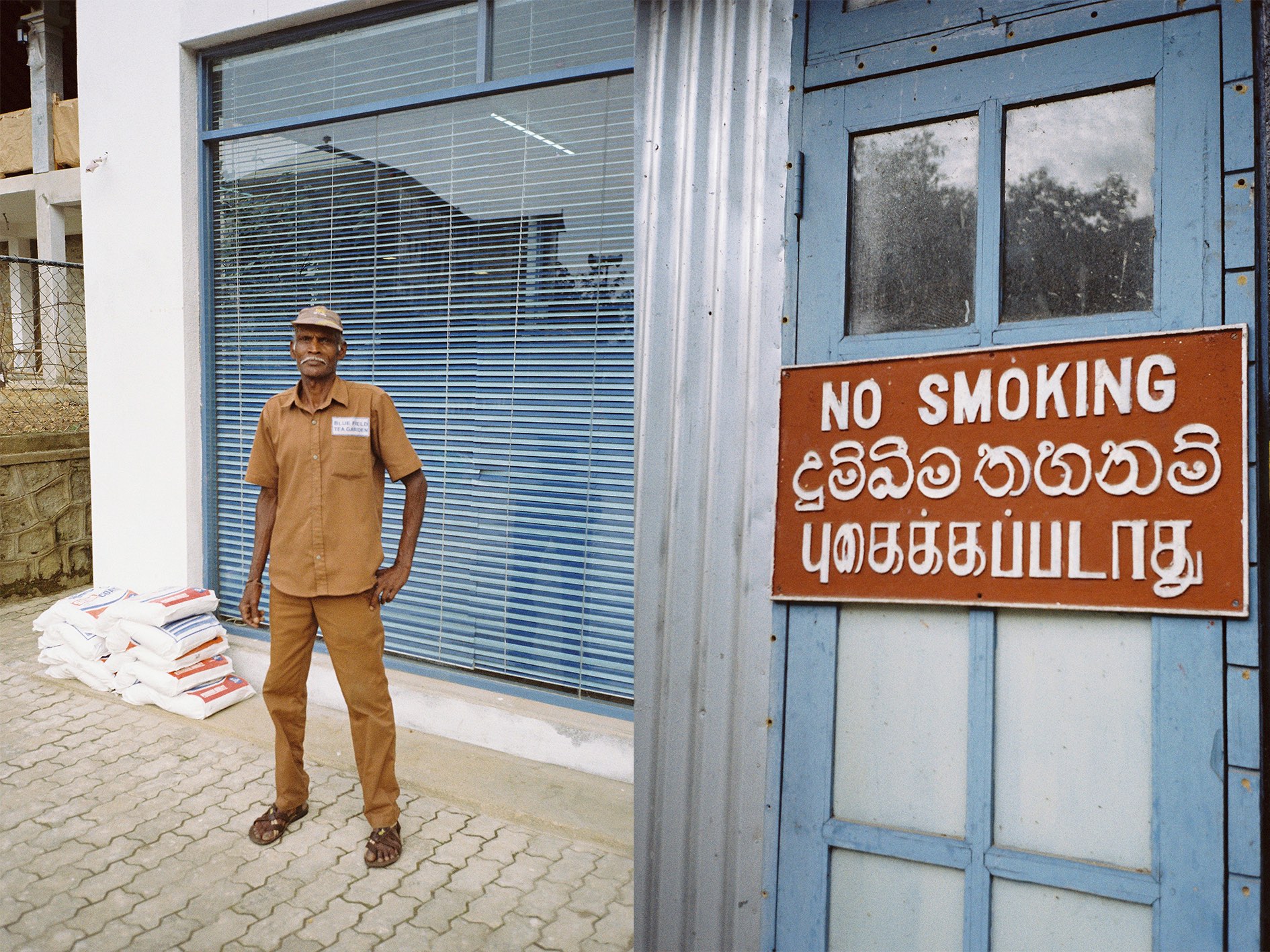
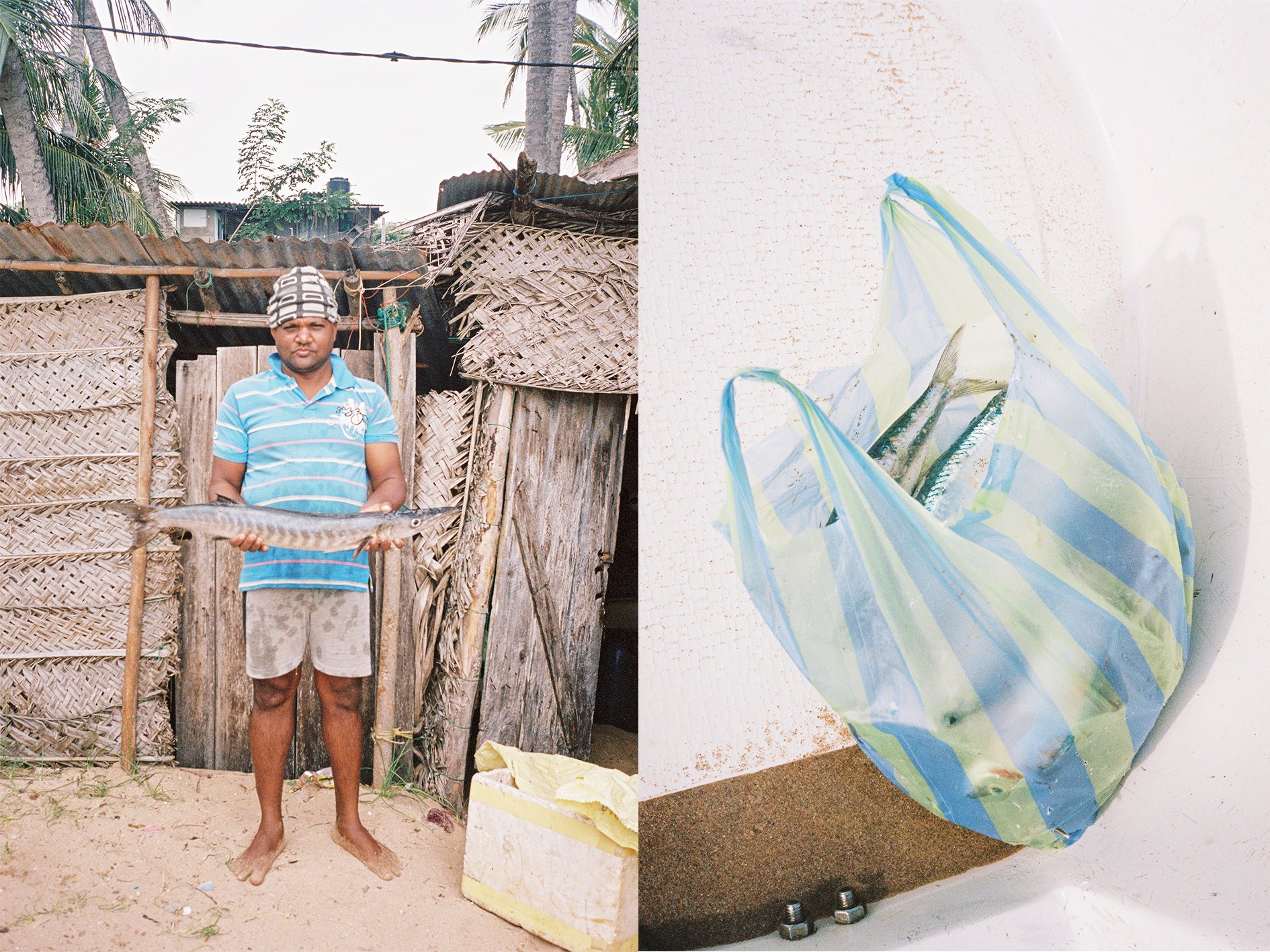
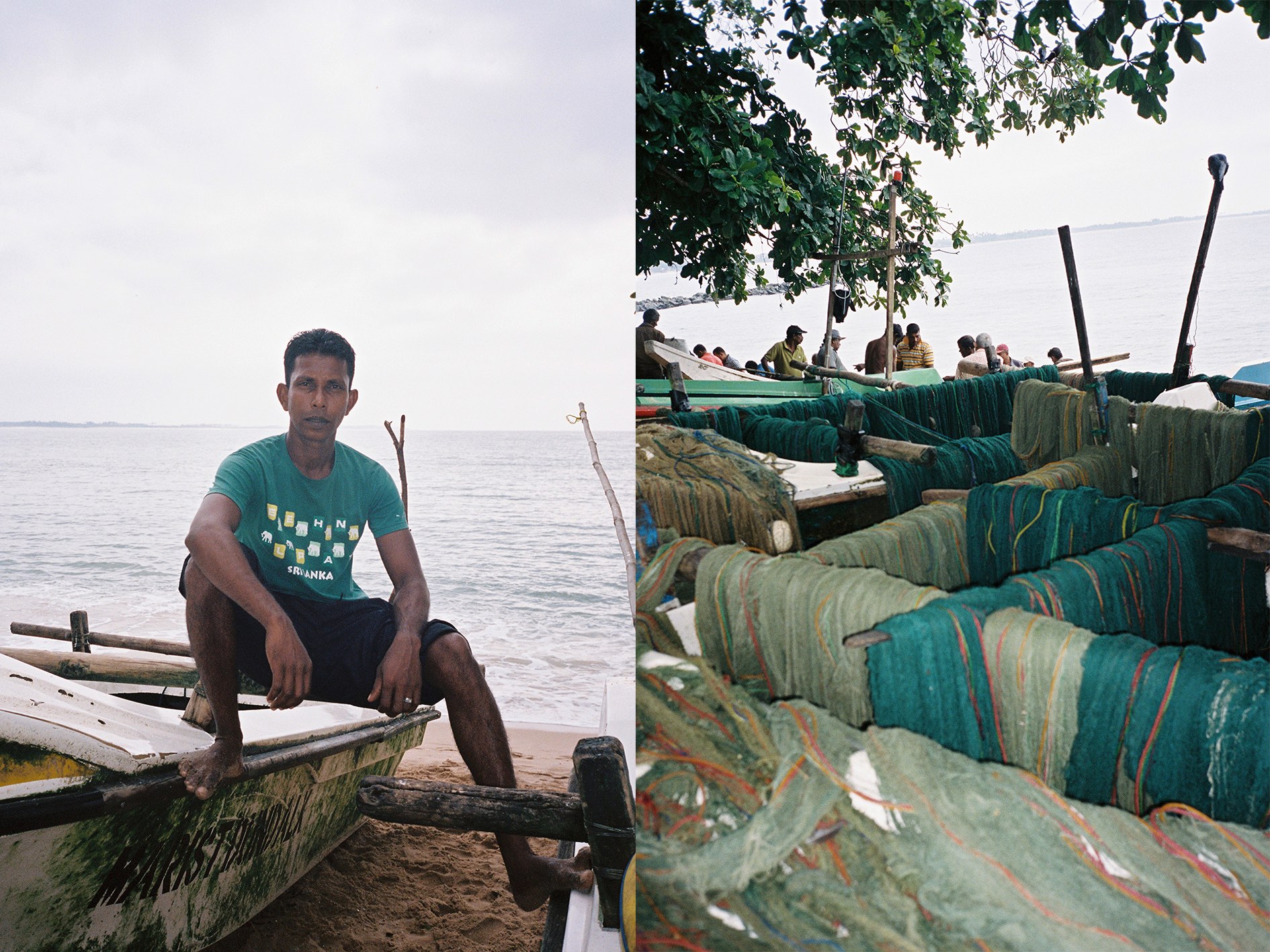
“The sea is a beautiful gamble, to fully grasp it’s might you need patience, resilience, and luck,” explains Amila, a local fisherman from Tangalle, Sri Lanka. “You need to respect it and play by her rules, she’s in unpredictable control in the end.”
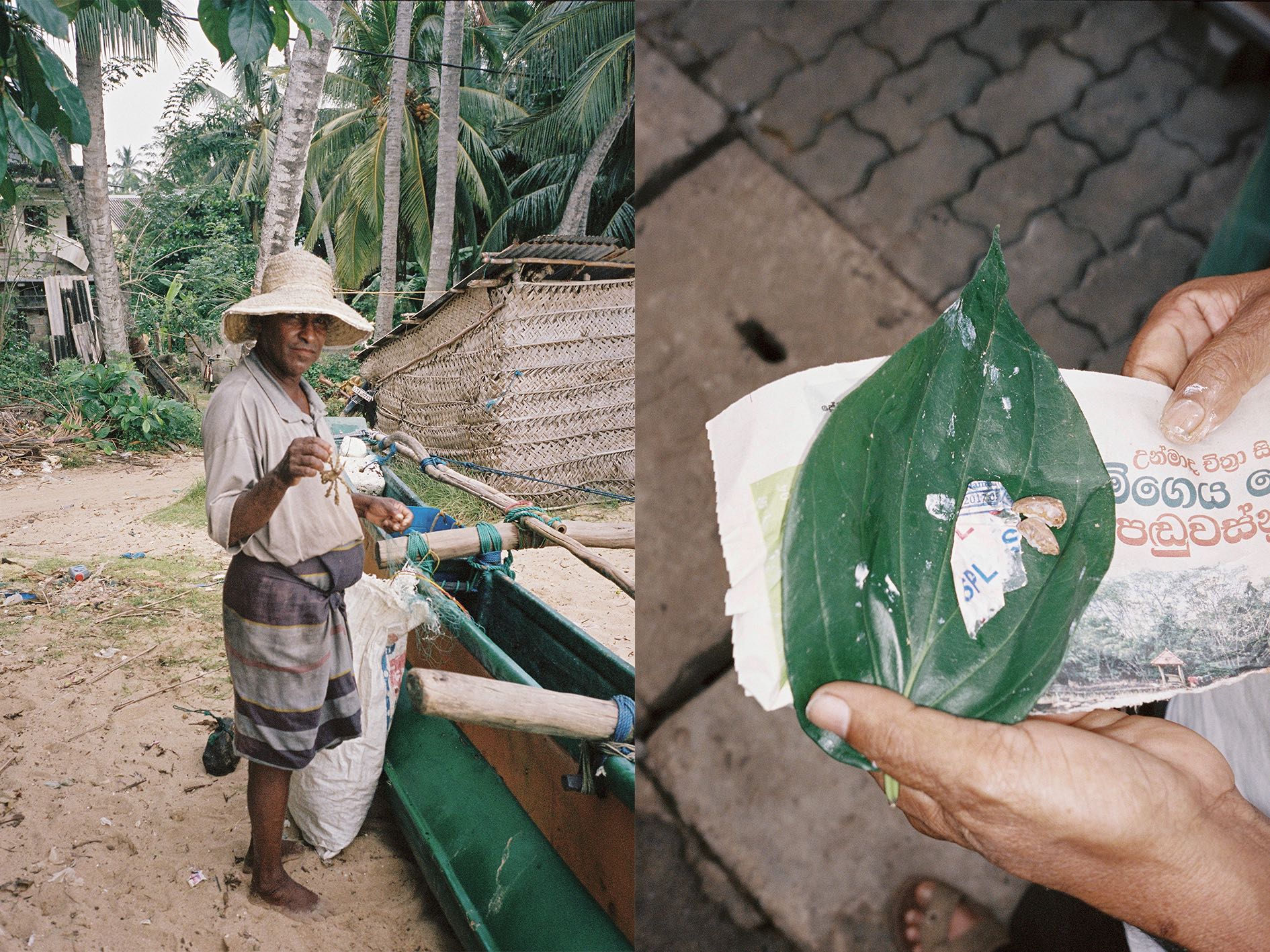
Formerly one of Sri Lanka’s thriving fishing towns, the fishermen of Tangalle are at a crossroads with tradition and the sea. The ancient art of fishing is being quickly wiped out by the modern era of trawlers, sucking the sea dry of fish whilst damaging the environment with ruinous repercussions.
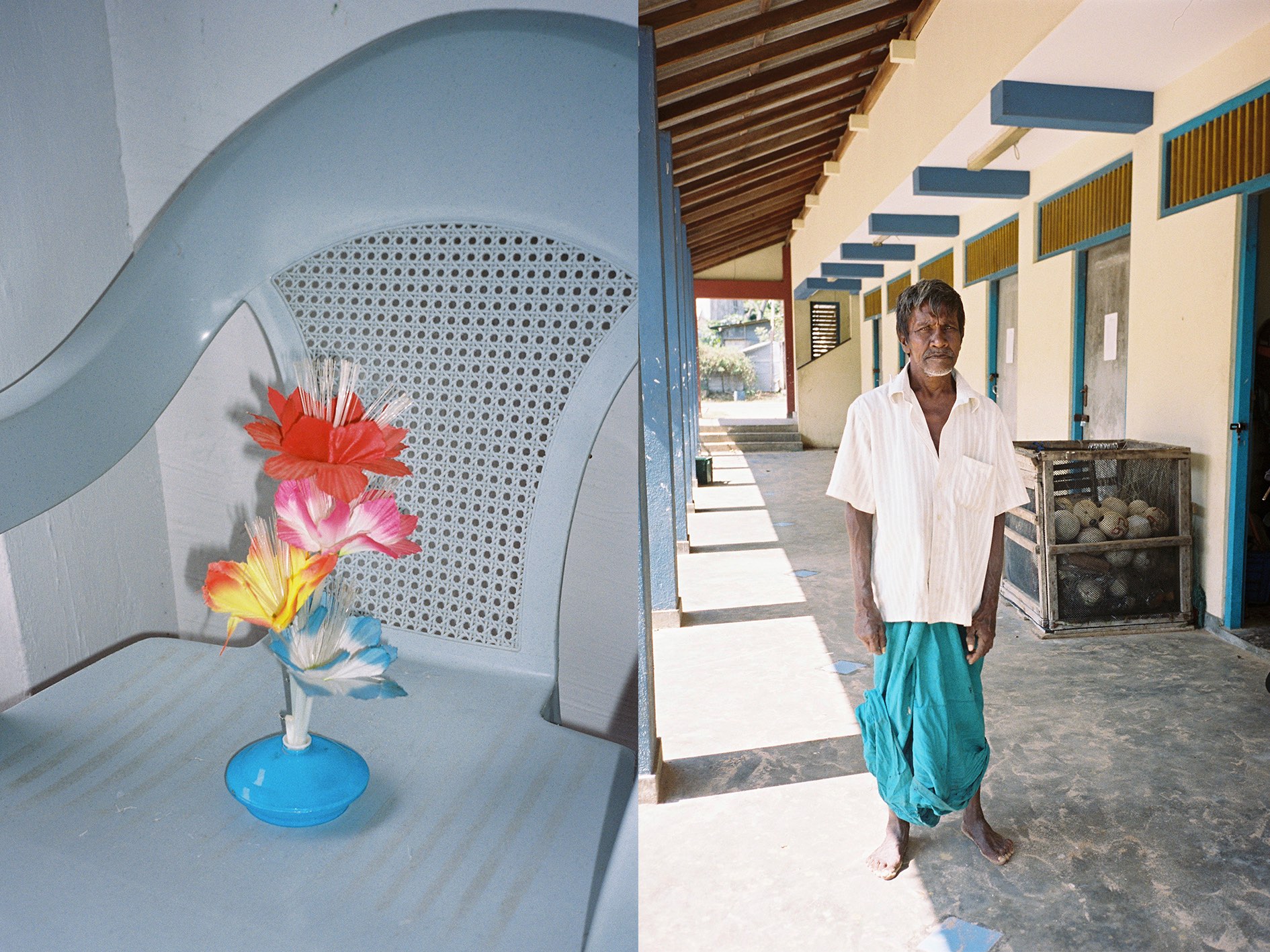
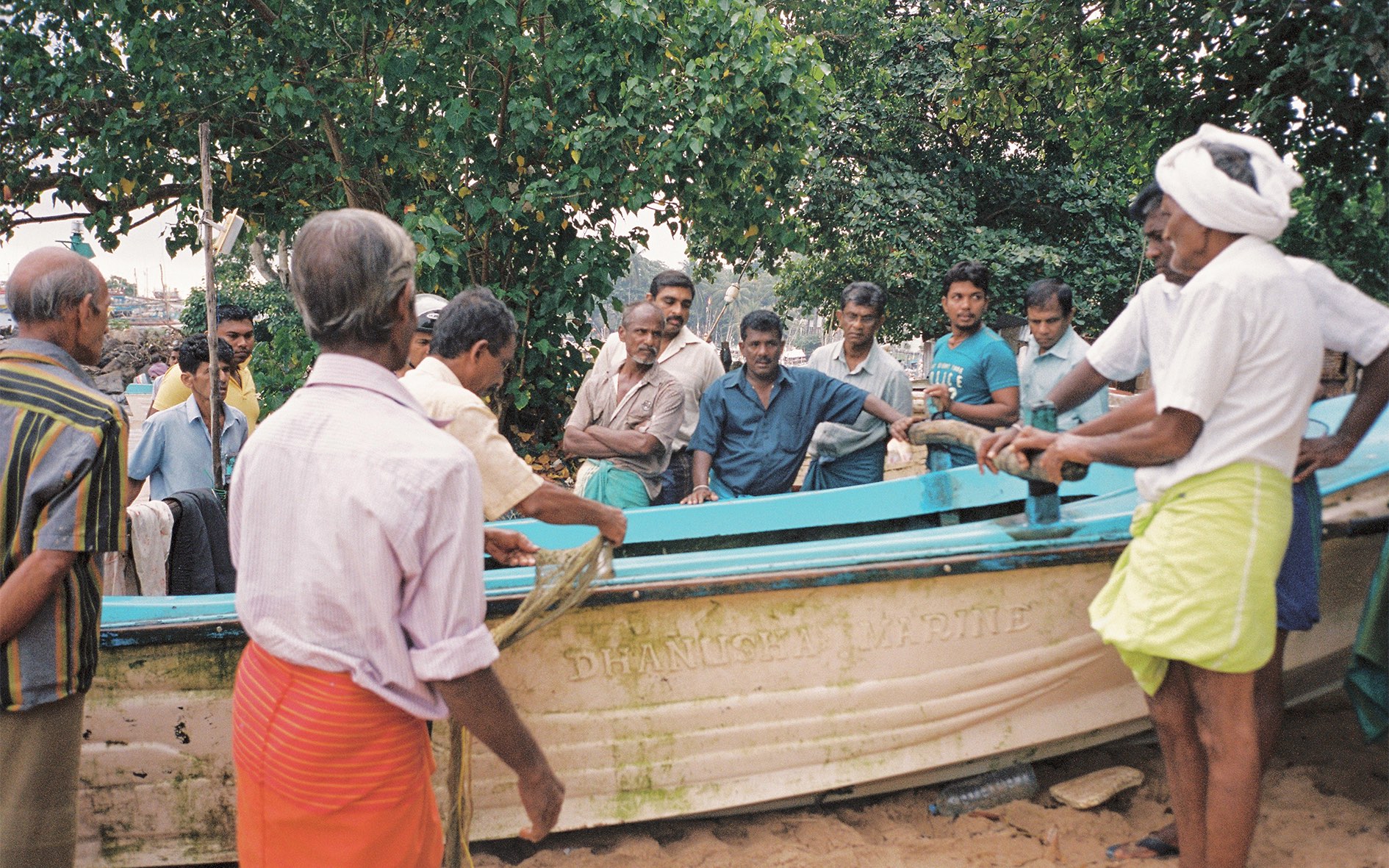
The fishermen are struggling to make the transition to this new age of binge fishing, with the search of fins and scales pushing them deeper offshore into the sea, and further away from their families. The ones who have stayed fishing close to shore – leaving when the moons at its brightest, and making it home for lunchtime – are in a constant battle to provide.
The words “malu na” (no fish) are becoming a constant sound ringing around the beachfront as each new boat roars onto the sand to show off their daily catch (or lack thereof).
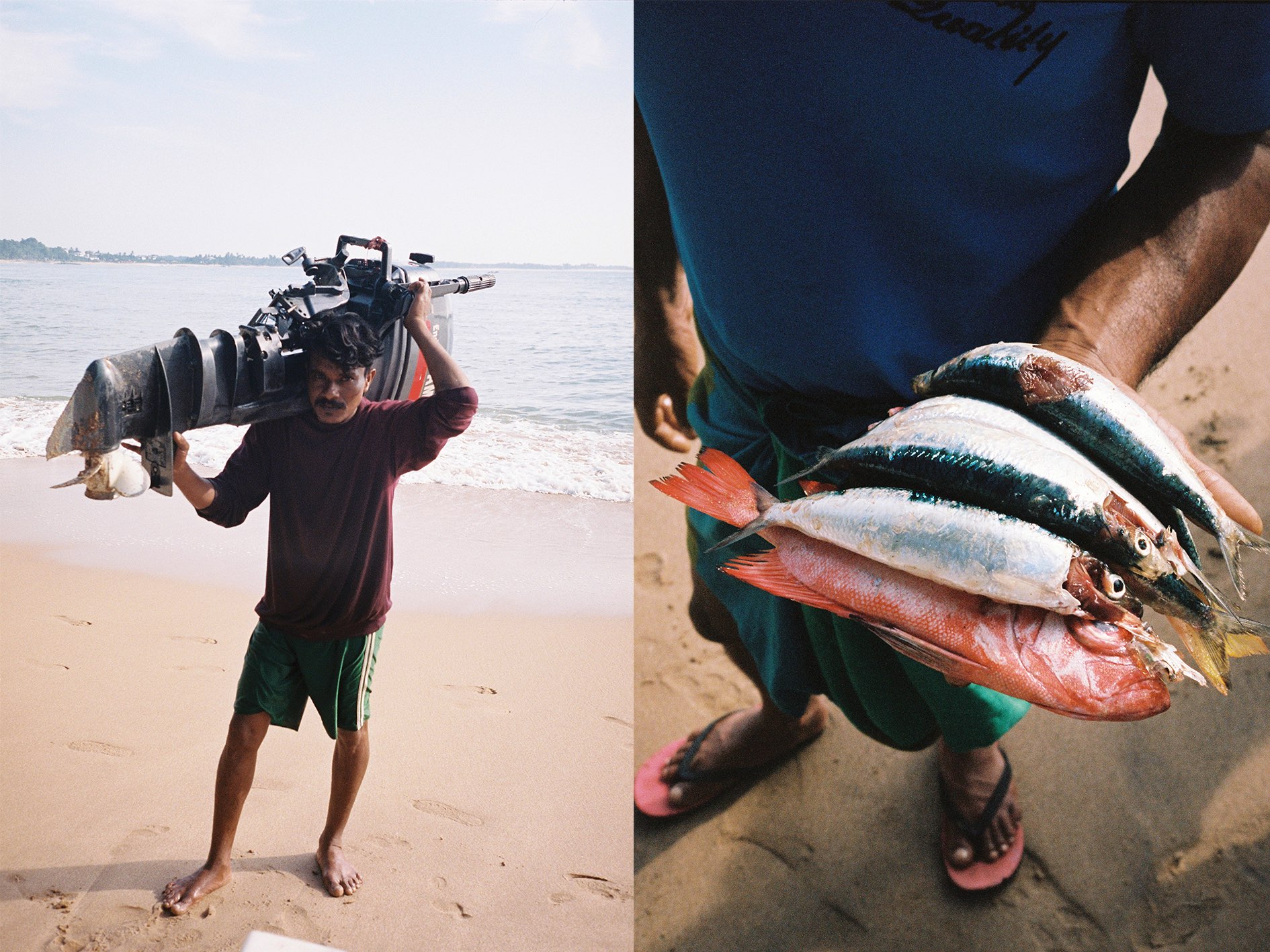
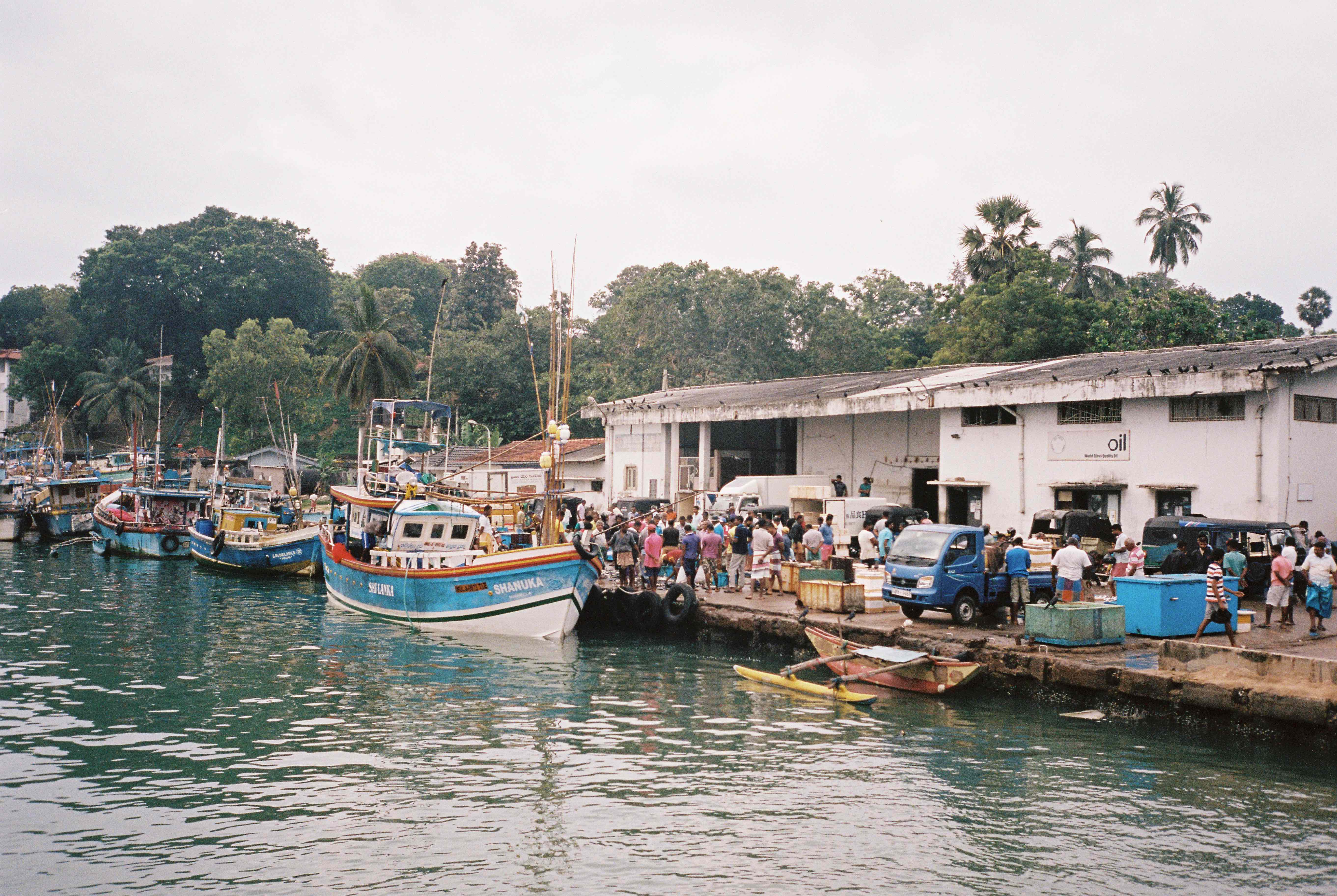
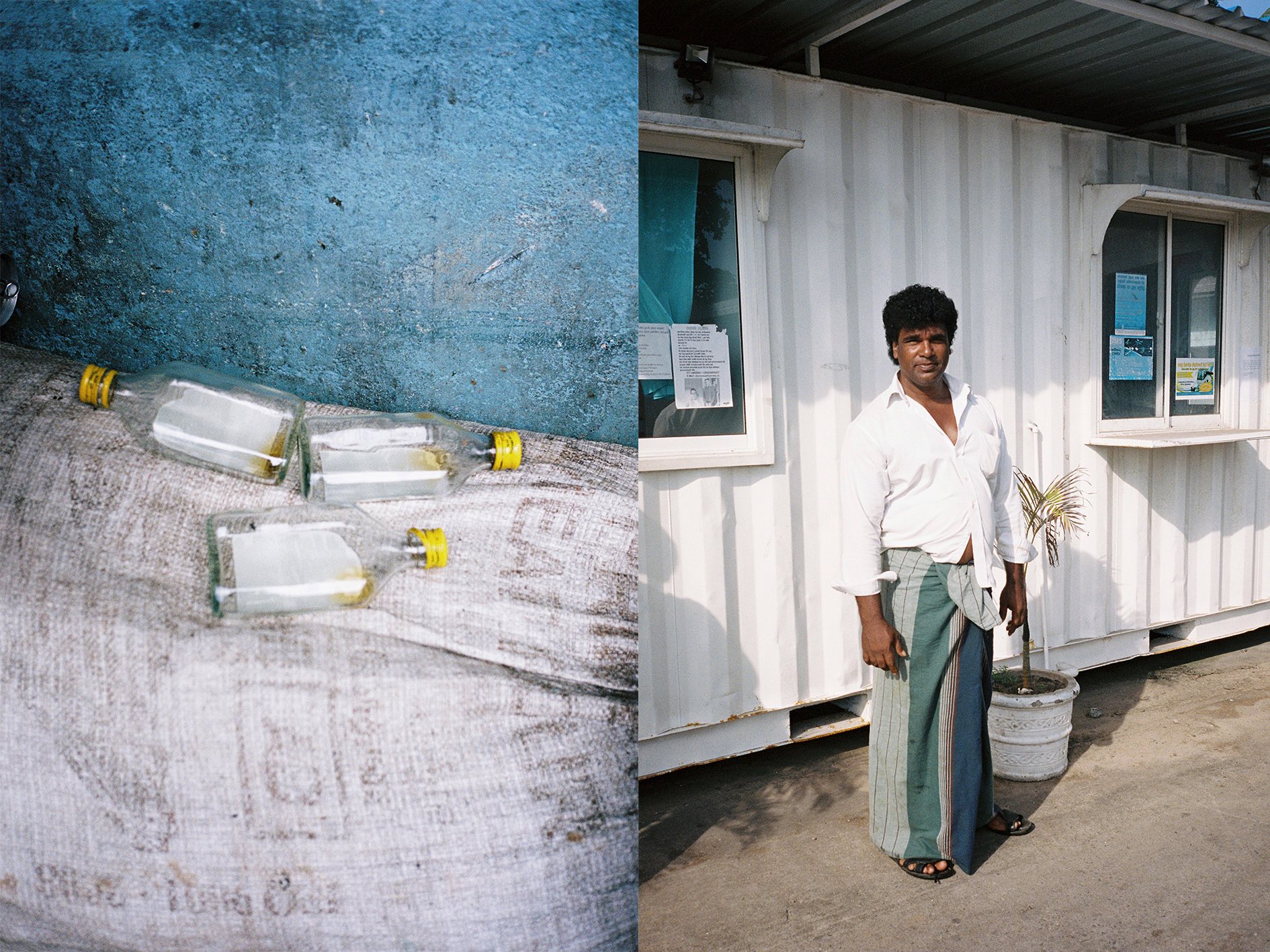
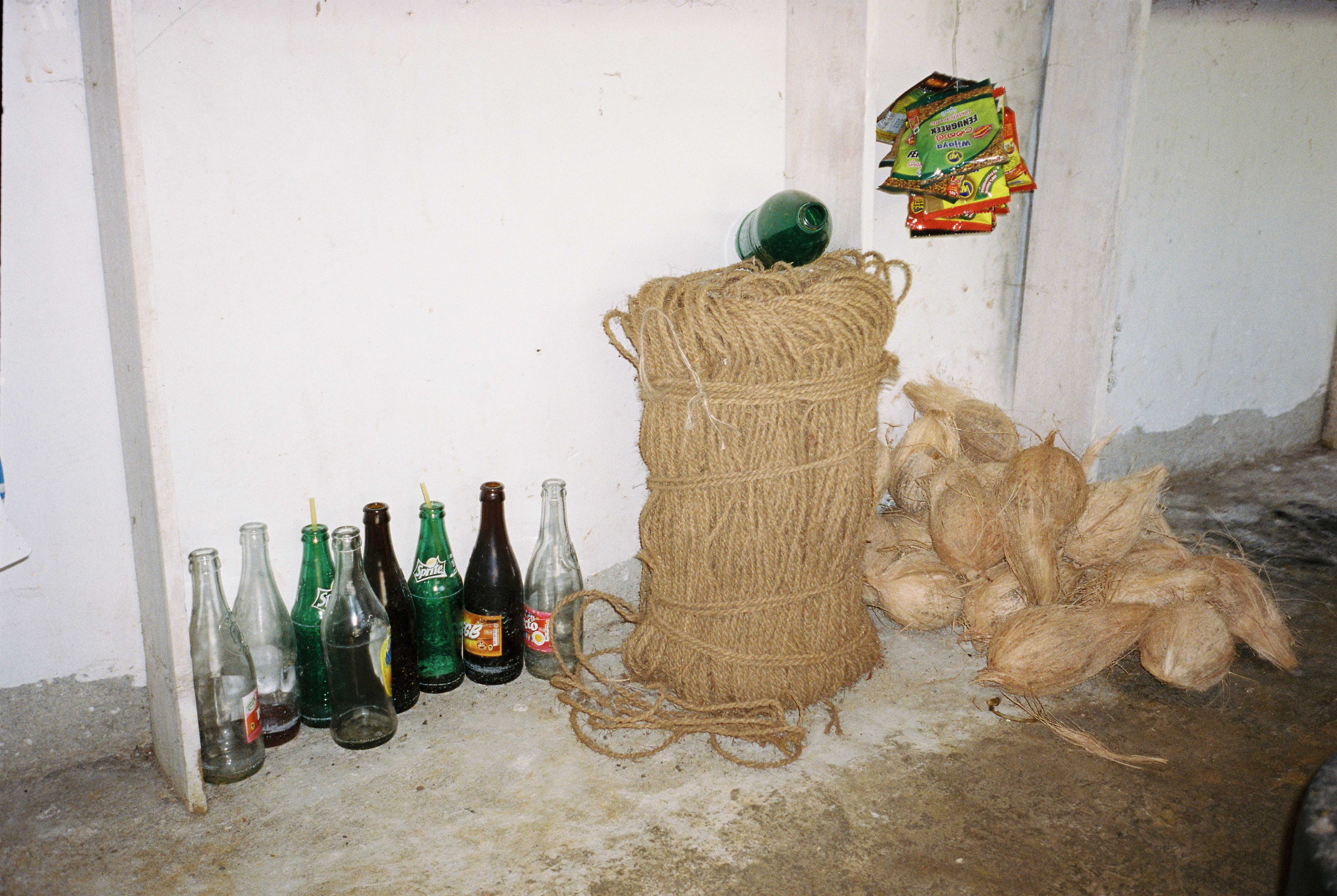
There’s this vulnerability and loneliness present within some of these fisherman, from the pressure and responsibilities of not providing. Although this would never be made public with any word of these deep, dark eternal emotions, they’d be viewed in disfavour – it’s seen as a sign of moral and physiological weakness. Leaving these depressive feelings trapped inside can cripple a man and it seems that daily bottles of coconut arrack are the only panacea to cure them. Sri Lanka has one of the highest rates of suicide of men in the world and the repeated isolation felt at sea and on shore is only helping contribute to this alarming statistic.
Unfortunately, there’s little to no recognition for mental health from the government and the subject is, more often than not, thrown under the rug in fear of shame. The aim of these photos is to bring to light some of these unvoiced emotions and portray their capricious relationship with the sea.
See more of Ben Amando’s work on his official website, or follow him on Instagram.
Enjoyed this article? Like Huck on Facebook or follow us on Twitter.
You might like

The anti-tourism guides revealing Lisbon’s true, radical heart
We Hate Tourism Tours — The Portuguese capital sees millions of people visit a year, against a backdrop of political turbulence and a housing crisis fuelled by short term holiday lets. Jack Burke meets the crew subverting their city’s perception, while bringing lesser seen stories and monuments to light.
Written by: Jack Burke

The real life mermaids of Florida’s Weeki Wachee Springs
Old Florida — A relic of pre-Disney tourism in the state, the show – which sees women perform athletic underwater tricks in a natural spring – has been running since 1947. Jack Burke attends, while reflecting on the fragility and fantasy of old America.
Written by: Jack Burke

Exploring Bucovina, the last wild place in Europe
Noroc! — 70% of Romania’s northern provinces are covered in ancient woodland, with its people cultivating a close relationship with the land that stretches back millennia. Jack Burke forages, eats and drinks his way around the region.
Written by: Jack Burke

Inside Bombay Beach, California’s ‘Rotting Riviera’
Man-made decay — The Salton Sea was created by accident after a failed attempt to divert the Colorado River in the early 20th century. Jack Burke reports from its post-apocalyptic shores, where DIY art and ecological collapse meet.
Written by: Jack Burke

In The Road to Patagonia, Matty Hannon holds “a mirror to the human condition”
From tip to tip — More than a surf and travel documentary, the Australian filmmaker meditates on capitalism’s pitfalls and the importance of existing within nature while embarking on a marathon journey from Alaska to Tierra del Fuego.
Written by: Sam Haddad

The surf school empowering young Sri Lankan women
Through teaching surfing and swimming SeaSisters hope to overcome the trauma of the 2004 tsunami and embolden environmental activism.
Written by: Sam Haddad


