Kicking back with Sri Lanka’s new surf heroes
- Text by Dhillon Shukla
- Photography by Dhillon Shukla

In December 2017 I travelled to Sri Lanka for the first time. I was shooting a video in Kandy – a city located in the country’s central province – for two days. Not wanting to take the long flight back to London so soon, I decided to extend my stay by five nights and go in search of a personal project to photograph.
My uncle – who had lived in Colombo, the capital, for two years – tipped me off about the coastal communities of southern Sri Lanka, where there is a rapidly growing surf subculture. It has remained somewhat undiscovered by the Western world. So, that’s where I went.
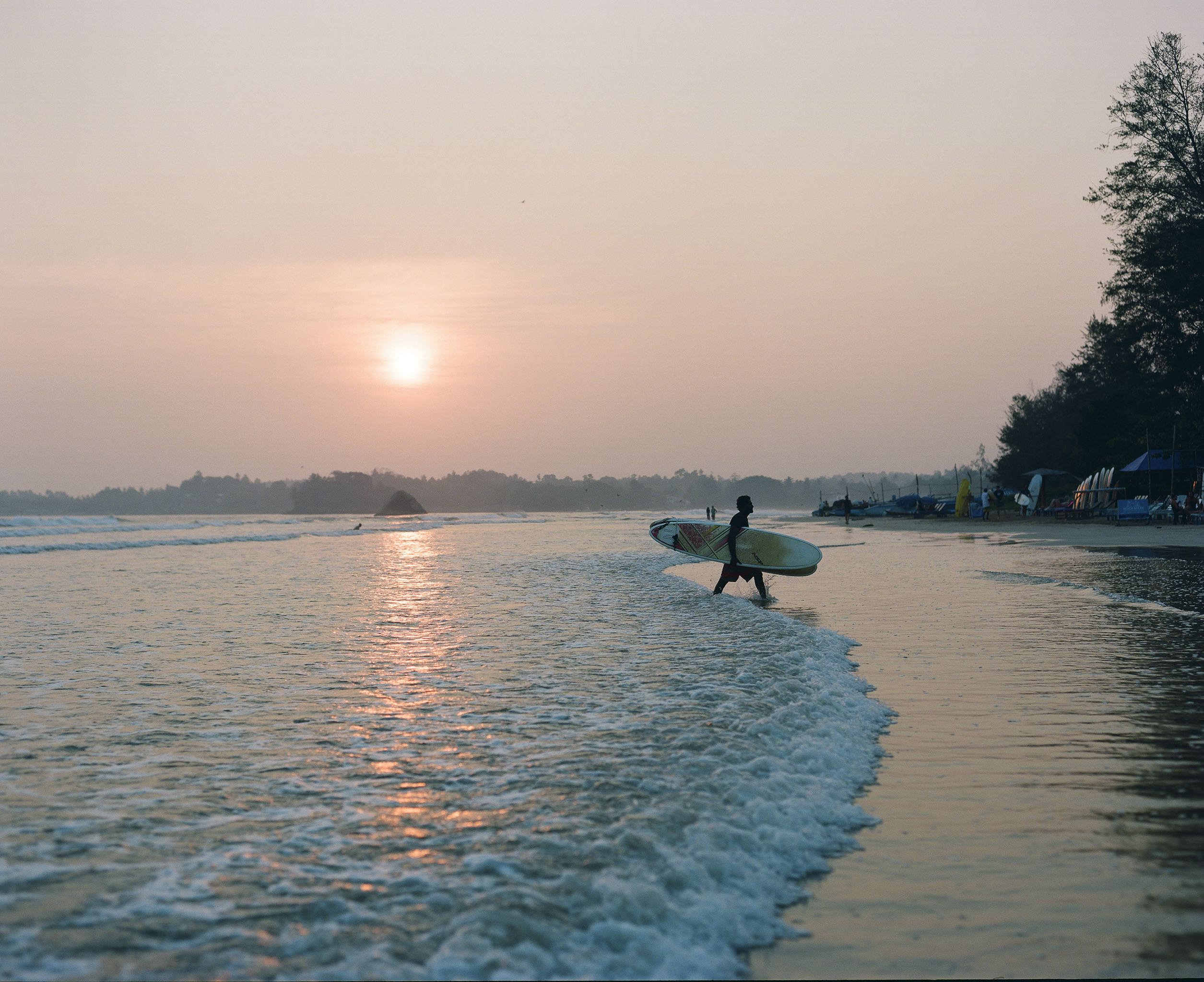
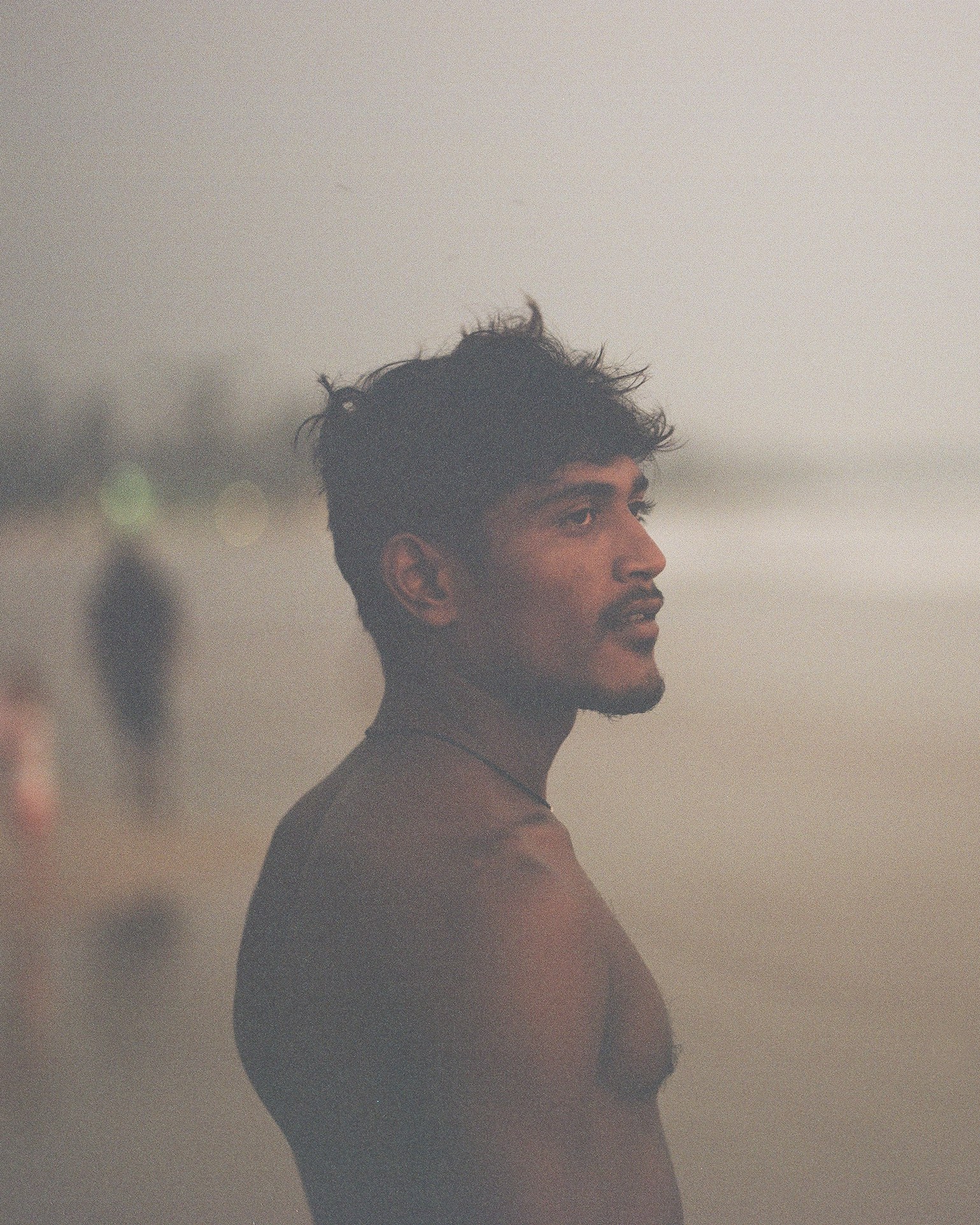
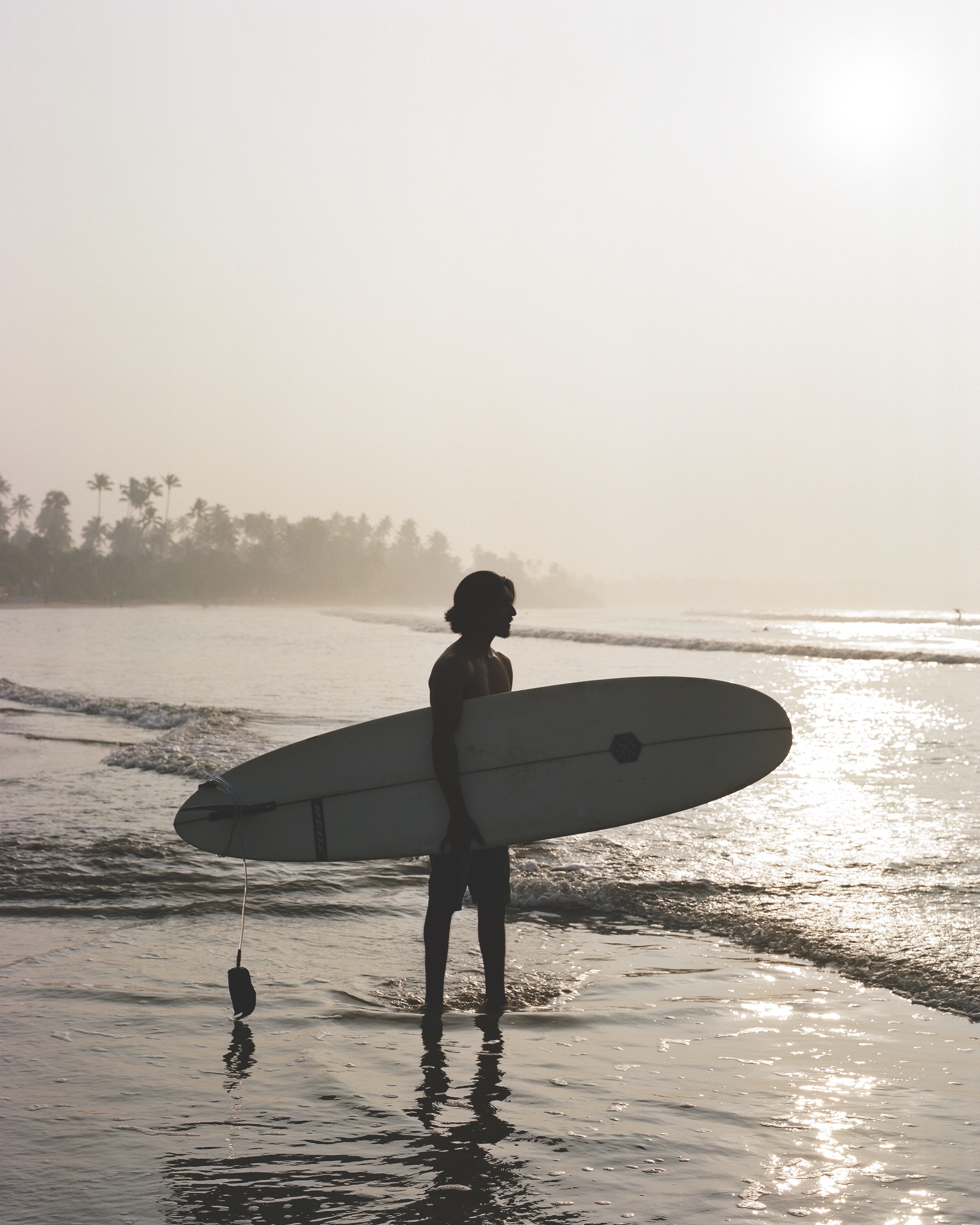
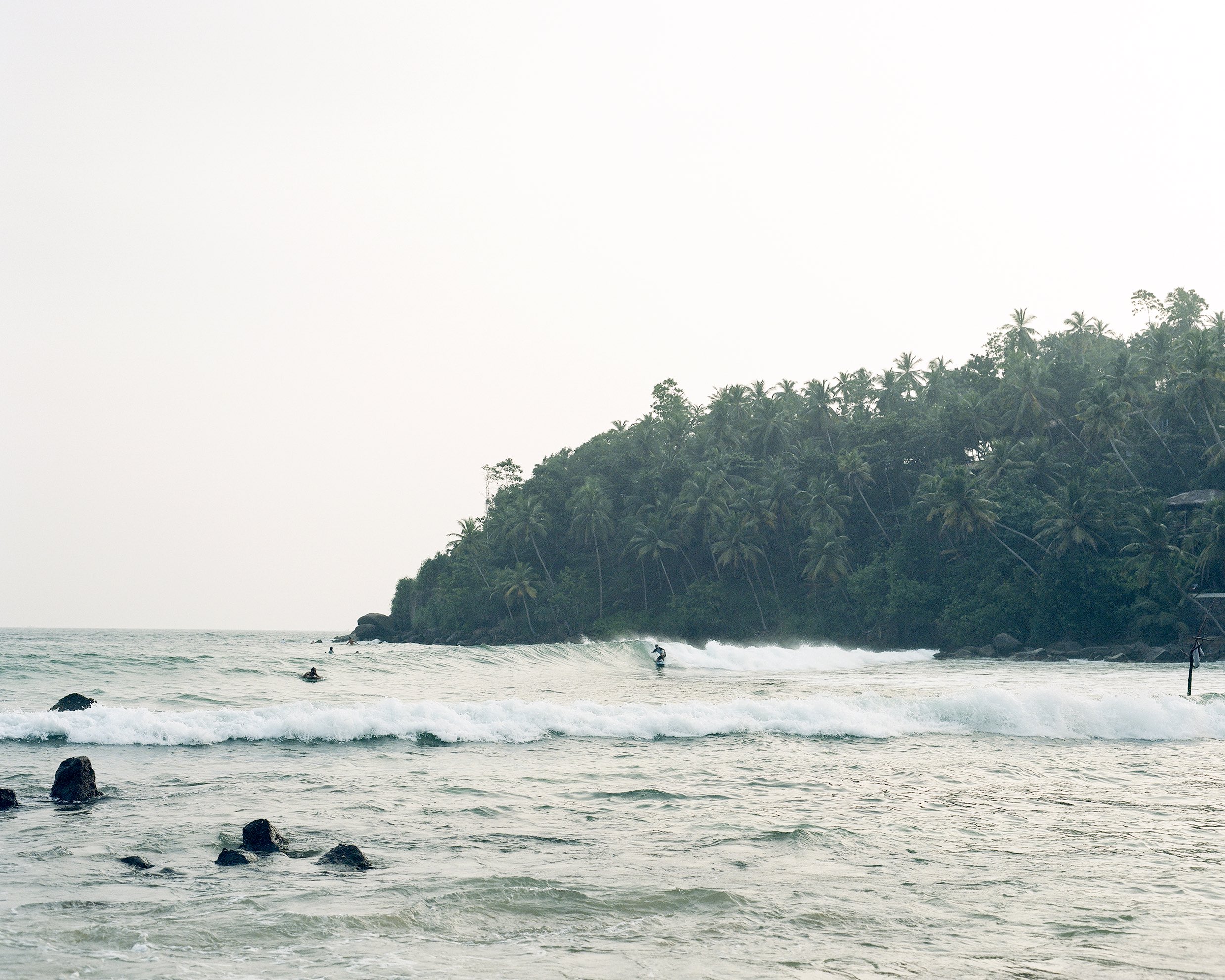
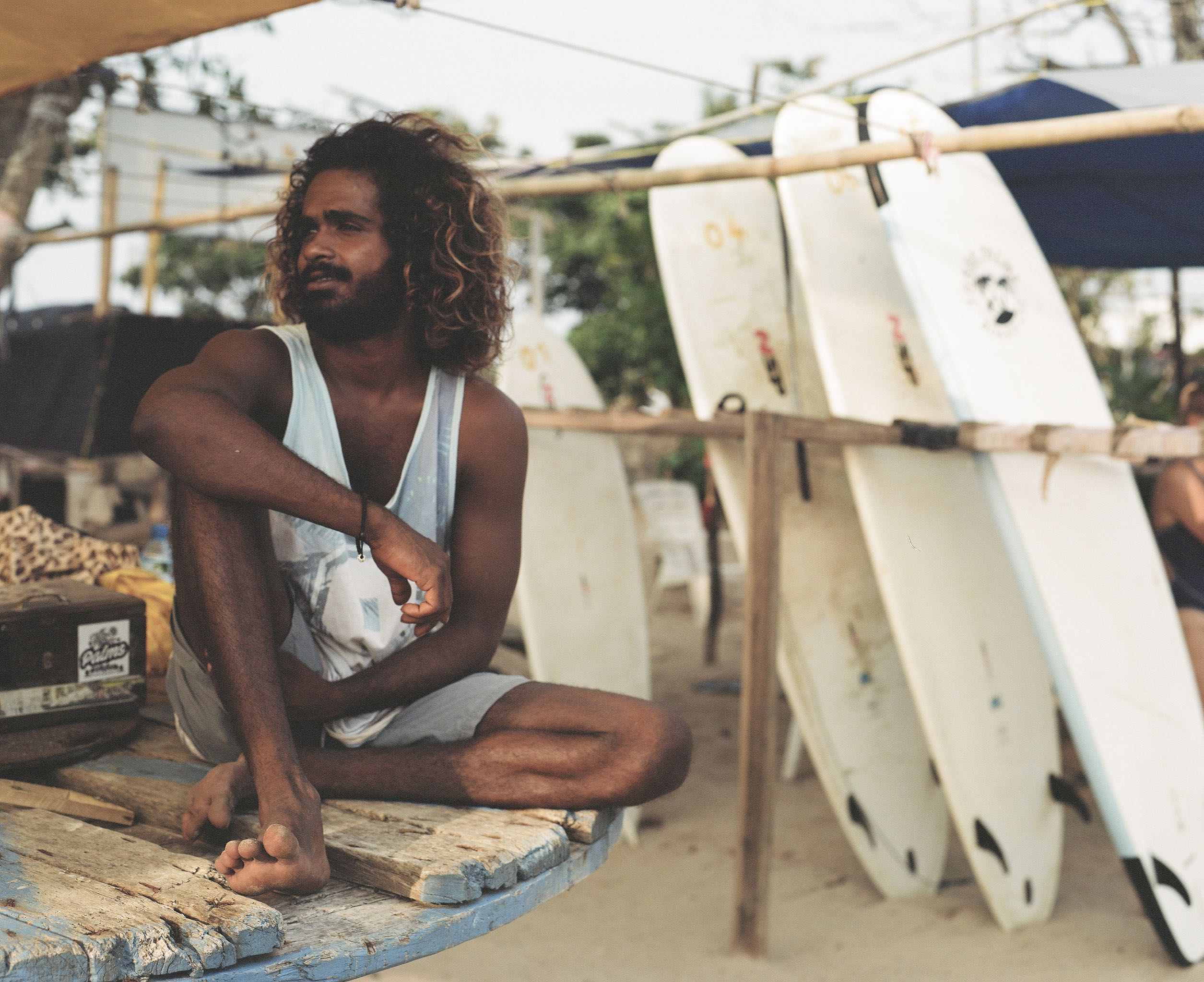
The subsequent photos capture the eclectic communities of Weligama bay and its neighbouring beaches (Midigama and Mirissa), illustrating how California’s slider culture has reached an unexpected pocket of Asia.
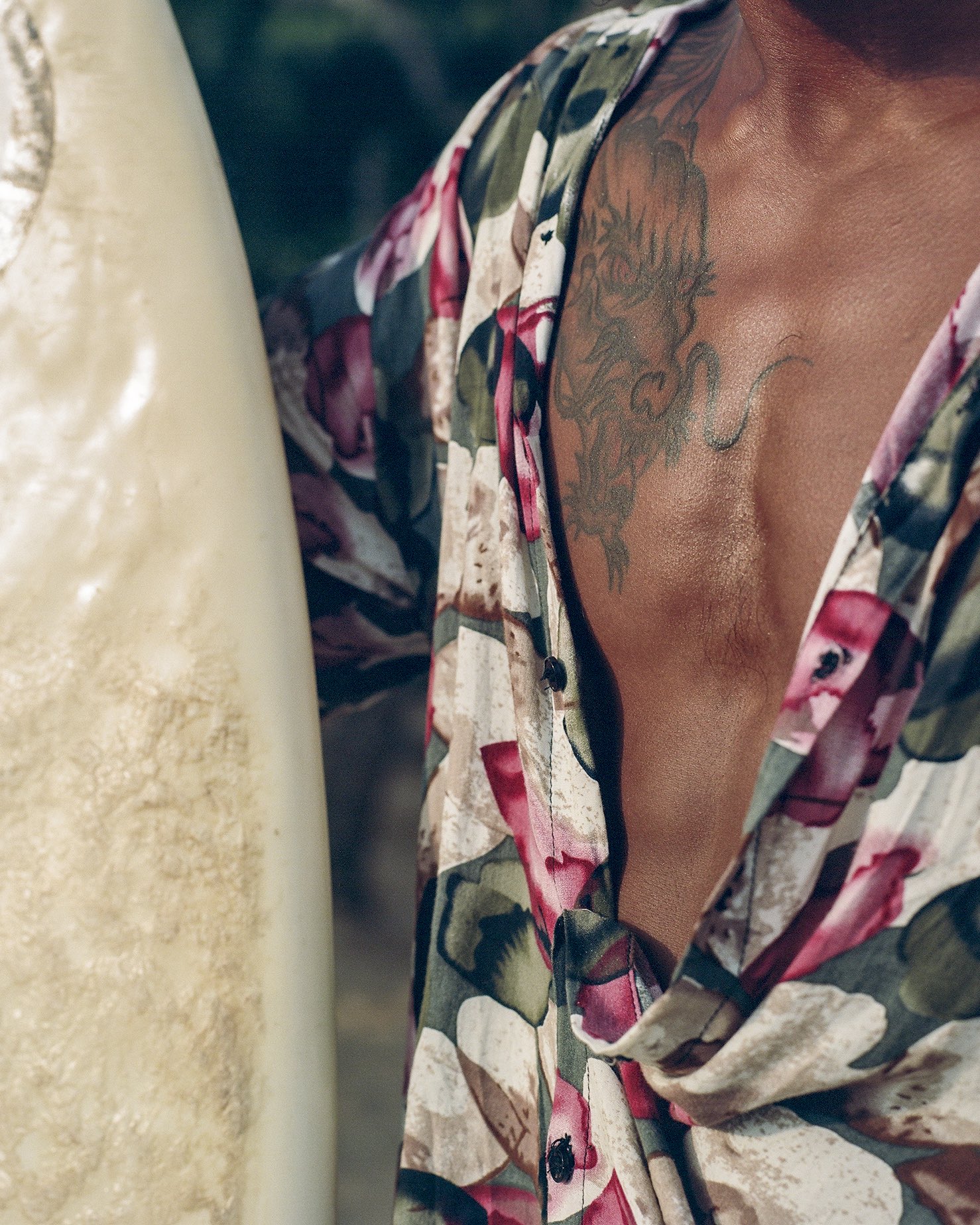
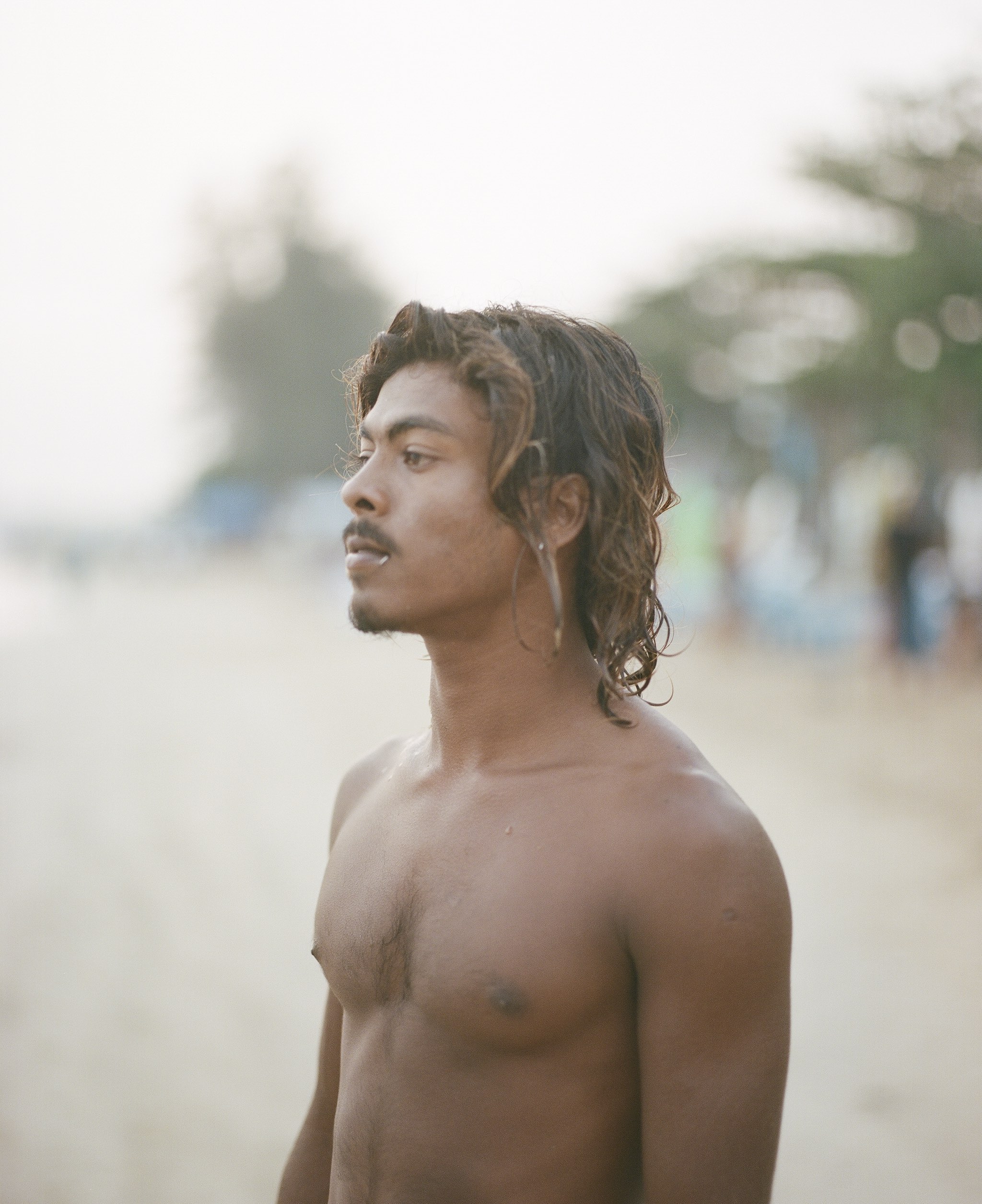 Here, inhabitants embrace the archetypal ‘surfer’s uniform’ of Hawaiian shirts and sun-bleached wavy hair. Boldly identifying with these Western inspirations while still embracing their uniqueness, they dub themselves ‘Kalu Sliders’: Sinhalese for ‘black surfers’.
On my first day, I arrived on the beach at dawn; the combination of sunrise and a two-and-a-half-acre tropical island situated a 100 metres into the ocean (the only thing standing between this coastline and the South Pole) gave it an ethereal feel.
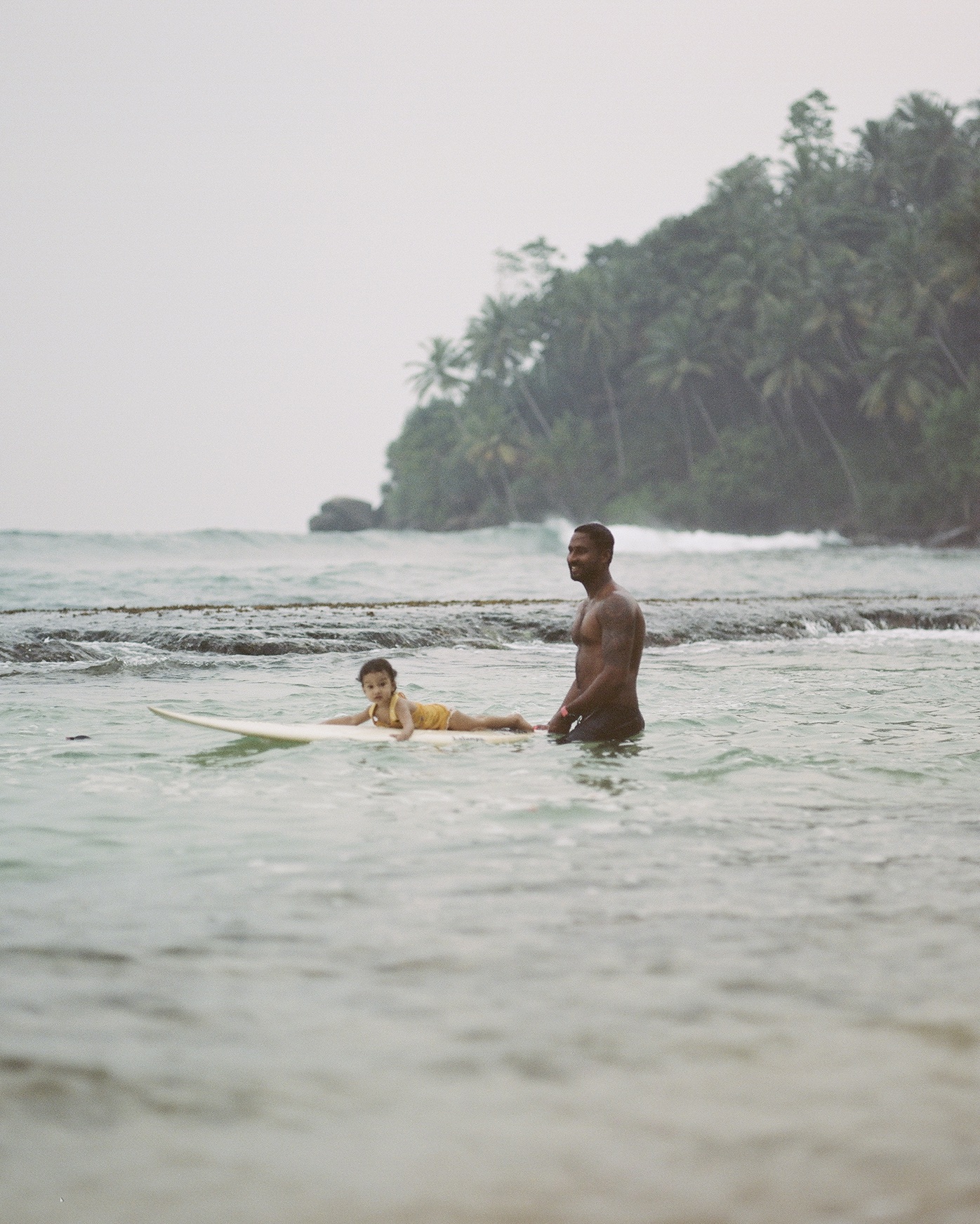
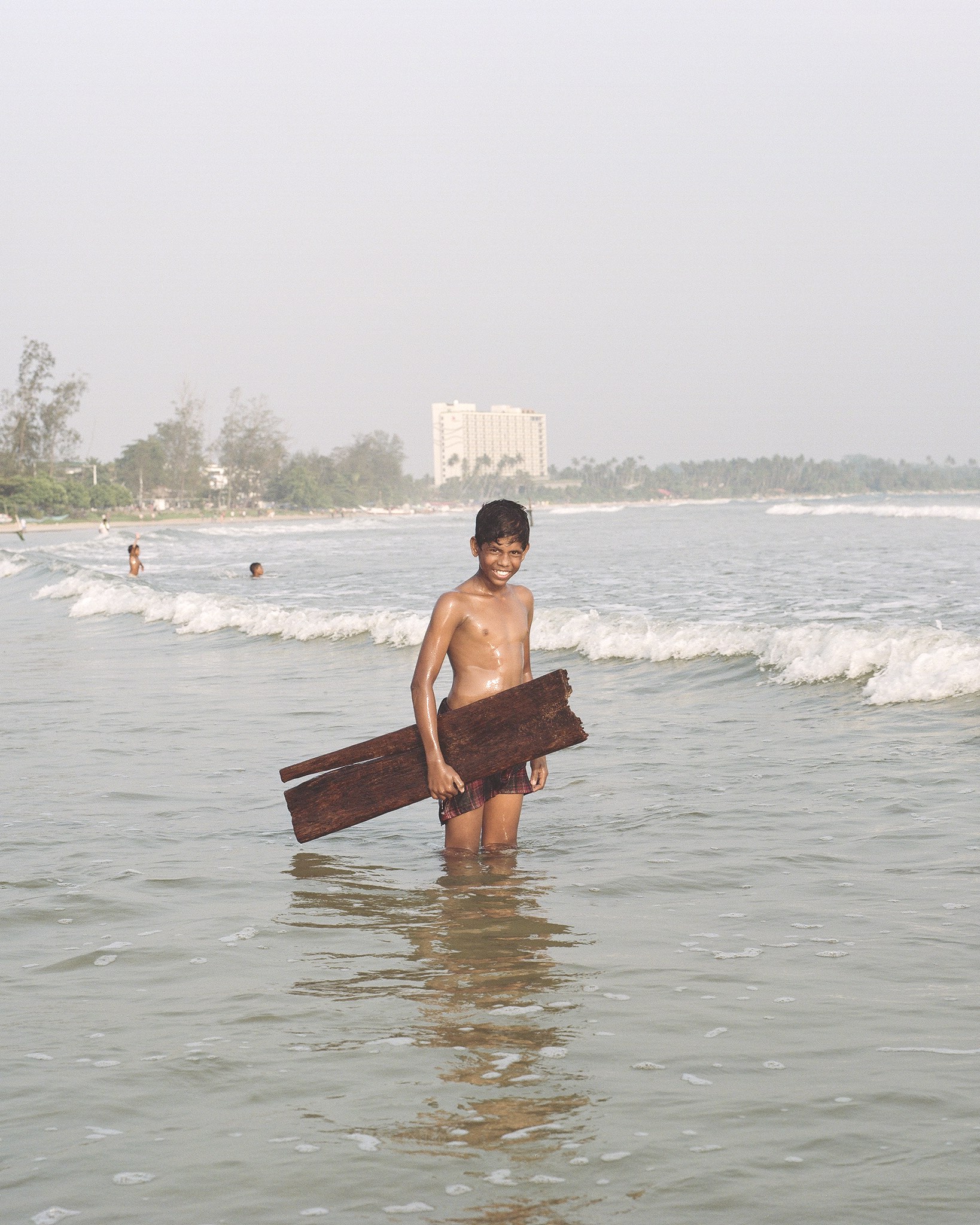
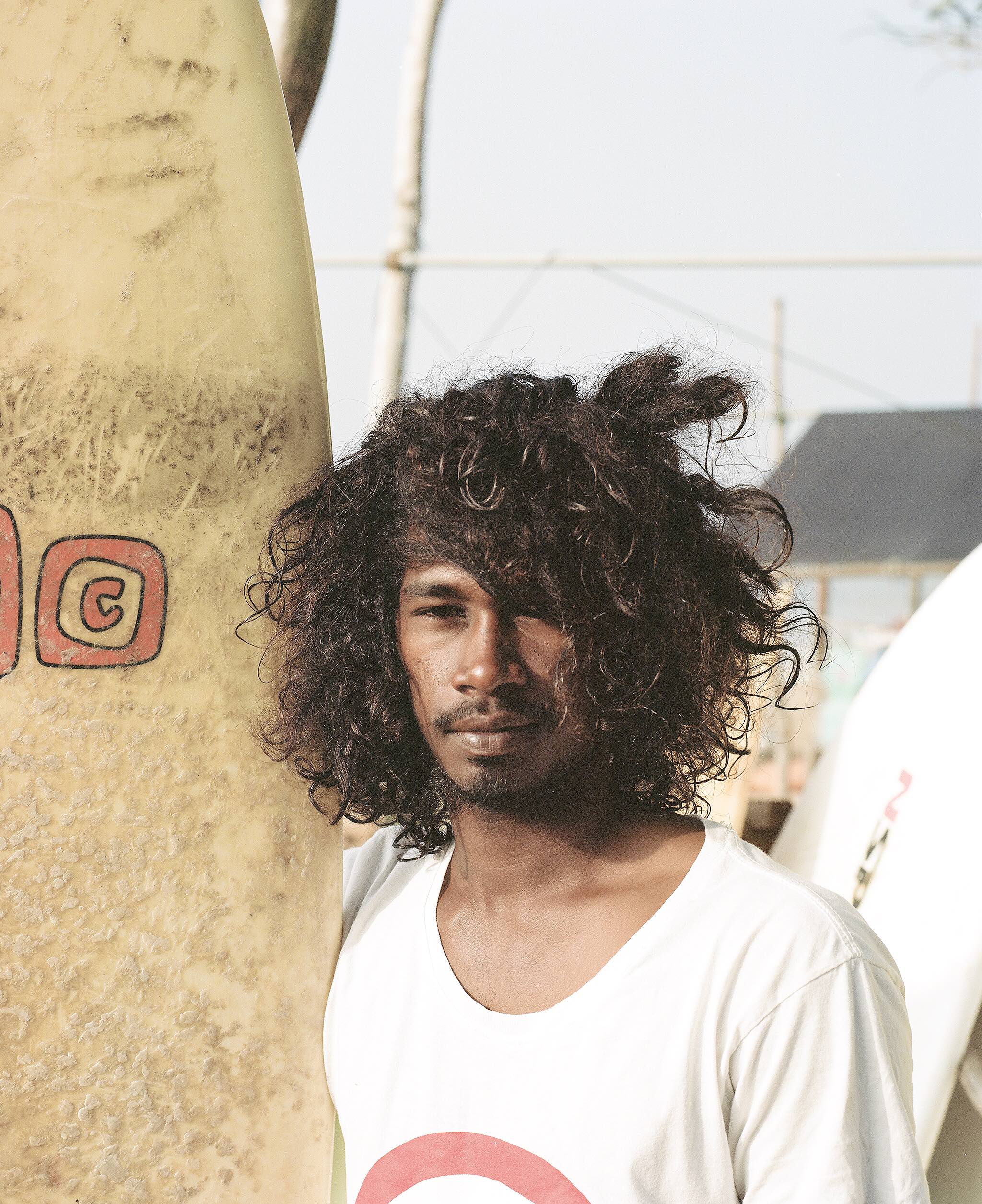 Mixing with the locals, I encountered young couples who had eschewed city life for a laid back lifestyle, families spending quality time in the surf, and pre-teens wanting to emulate their older peers.
Over the next five days I heard how for many in this seven-mile stretch, their first memories of the water were the three giant waves which hit during the 2004 tsunami, in which two-thirds of people lost their homes, livelihoods and loved ones.
15 years on, these coastal communities have been rebuilt – and the inhabitants continue to repair their relationships with the ocean.
See more of Dhillon Shulka’s work on his official website or follow him on Instagram.
Enjoyed this article? Like Huck on Facebook or follow us on Twitter.
You might like

Jesse Glazzard’s messy portrait of queer friends, lovers and chosen family
The Sound of Dirt and Beauty — The photographer’s debut monograph explores tender, unpolished moments shaped by the people who he surrounds himself with, while offering a window into the UK’s working-class LGBTQ+ community.
Written by: Sunny Sunday

Behind the curtain at Alternative Miss World 1981
Olympia glamour — Running a subversive take on the traditional beauty pageant, the Andrew Logan organised event prioritised underground creativity and invention. Photographer David Corio went behind the scenes at its biggest edition.
Written by: Miss Rosen

New exhibition highlights British radical living over 200 years
Earthly Paradise — Taking place at the William Morris Gallery, it explores the homes and lives of artists, writers, musicians and more, as well as the conditions that allowed them to thrive.
Written by: Isaac Muk

What life on the Strait of Hormuz is really like
Southern Winds — Bandar Abbas based photographer Morteza Niknahad has been capturing the diverse communities and stories of his local region since he first picked up a camera. His new series highlights the human impact of war.
Written by: Isaac Muk

Nick Haymes’s intimate portrait of his family’s life
Chronograph — Over 25 years, the photographer documented his son’s lives as they grew into adults. The resulting photobook is an exploration of the passage of time, as well as the optimism of youth.
Written by: Miss Rosen

Kristina Rozhkova’s scatty, confronting portrait of captivity
Gut Feeling — The Russian artist’s 2024 arrest and subsequent detention opened her eye towards the omnipresent dynamics of power and control. Her new photobook is a stark exploration of being trapped.
Written by: Isaac Muk


