Five ways to promote gender equality in everyday life
- Text by Naomi Westland
- Photography by Theo McInnes

You marched, you chanted and you waved your placard. You shared your photos on Facebook, went to the pub and over a pint talked about feminism with a passion for and understanding of it that you’ve never felt before. You signed a petition, read up on the global gag rule, sent a postcard to Theresa May and tweeted at Donald Trump. You set up a monthly direct debit to a women’s rights charity and looked into standing for parliament.
You may have done some or all or none of these things in the last week after the Women’s March, in the post-demo high so many of us felt after striding among millions of like-minded souls across the world last Saturday. The high that lasted days and interrupted our sleep and made us think ‘this is just the beginning’.
It’s not the beginning, of course. Women have been fighting for their rights and against injustice around the world for years, but it’s true that this feels like a moment, a reawakening, a burst of energy that has invigorated this movement and that could, with determination and work, help to develop it into one in which all women, whatever their background, feel represented.
But what now? How in our day-to-day busy lives do we keep up the fight? There will be more petitions to sign, postcards to send, charities that need our money, placards to make and streets to pound. In the meantime, a week on from the biggest women-led demonstration in history, here are five simple things you can do every day for the rest of your lives to promote gender equality. They are all about how we talk to girls. Call it Everyday Feminism, if you will.
1. Don’t tell girls they are pretty before you tell them they are clever, funny, creative, thoughtful or brave.
Why? Because the message you – the person they trust and look up to – are sending is that what they look like is more important than what they think, what they do and what they say. This is reinforced everywhere – in the media, in advertising, in the books they read and films they watch, and it can have worrying consequences for girls’ sense of worth from a very young age. If we want the girls of today to be intellectually-confident women of tomorrow, if we want them to grow up to feel they can speak out, to stand up for themselves, to believe they are clever, they need to know that the facts in their heads are more important than the pretty smile on their faces. Of course, this doesn’t mean we should never tell them they are beautiful, but just don’t make it the first or only thing you say.
2. Never try to praise a girl by saying she’s ‘quite good…for a girl’.
It is not a compliment because the message, obviously, that girls aren’t as competent as boys, and the implication is that you think they shouldn’t really be there anyway. And if you ever hear anyone telling a girl or a boy that they are throwing or running ‘like a girl’, say ‘You mean Jess Ennis-Hill, right?’ or three time Olympic 400m medallist Christine Ohuruogo, or Denise Lewis or Dame Kelly Holmes.
If you hear anyone telling a girl or a boy they are kicking ‘like a girl,’ invoke the name of Steph Houghton, captain of the England women’s football team that has progressed further in their World Cup, reaching the semi-final in Canada in 2015, than the men’s team have in theirs since 1966. Mention Fara Williams, who overcame homelessness to become the most capped player in the history of English football and remind them about Lily Parr’s post-First World War scoring record.
Girls’ participation in sport drops off sharply at 14, in large part because of sexism, encouraging them from a young age to keep it up can have enormous benefits for their health and confidence later on.
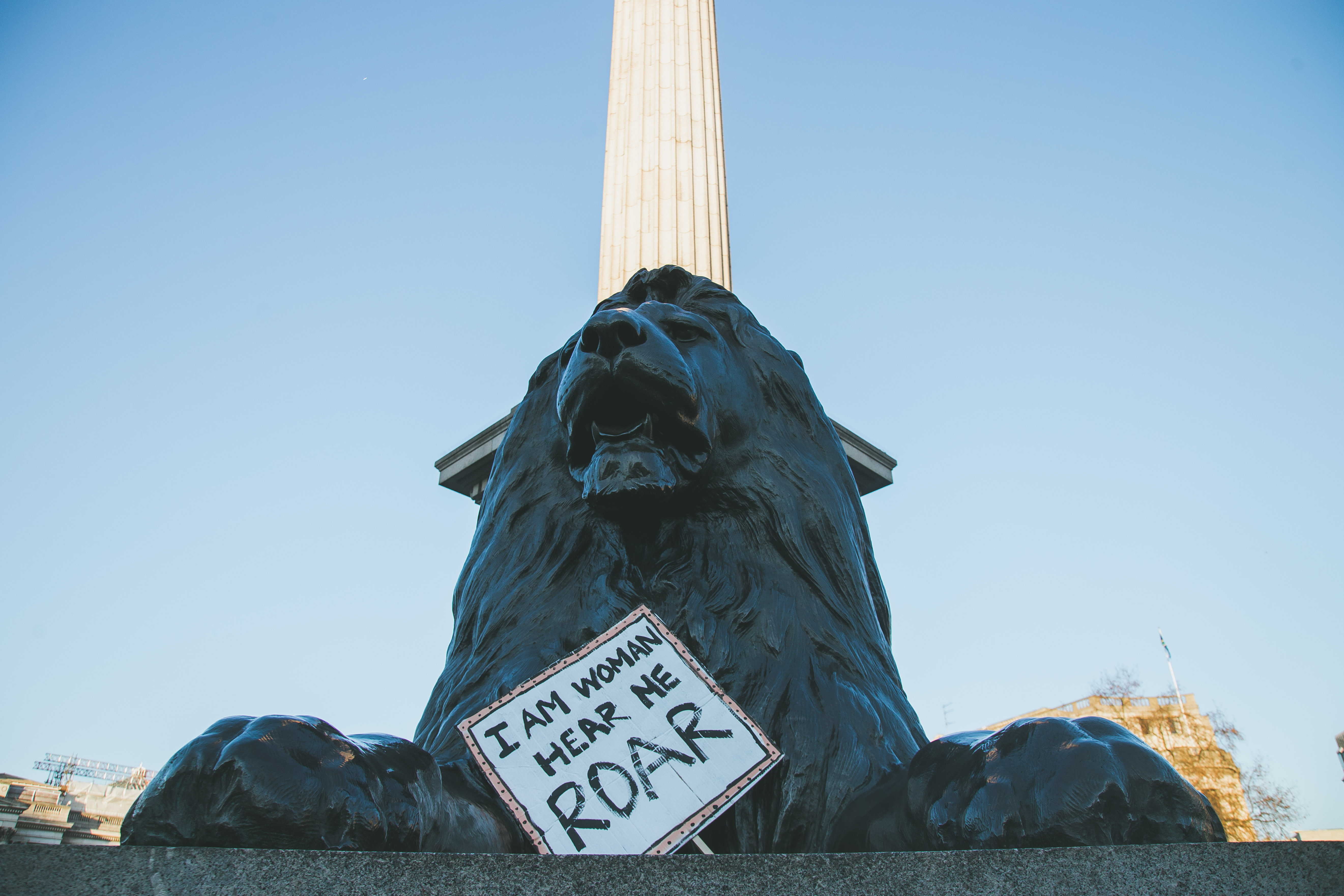
3. Don’t tell girls that boys are being mean to them because they like them.
In a world where one in three women will be raped, beaten or otherwise abused in their lifetime, we have to do all we can to avoid normalising this violence and aggression, and to avoid the suggestion that women are in any way responsible for their own abuse. It doesn’t take genius to work out how the impact of these words could translate into adulthood, if you find yourself in an abusive relationship or if you know someone who is. We may know they are not true, but anything that is repeated over and over again to us in childhood can lead to views that are hard to shake later in life.
4. If you’re a woman, don’t tell girls you think you’re fat, and whatever gender you are, don’t make comments about women’s bodies.
If you do, the message you’re sending is that our bodies are objects of anxiety, things to manipulate, to fight against, to be judged by others. They are not, they are simply bodies. Yours is yours and it’s beautiful and anyway, it’s what’s between your ears that matters most. We might have complexes about our bodies and appearance thanks to how women are represented in the media and how other people think we should look, but we can try to encourage more confidence in the next generation.
5. Introduce girls and boys to women who broke down the barriers.
Read to them about Rosa Parks. Sing to them about Harriet Tubman. Tell them stories about Boudicca. Seek out films and books with strong female protagonists and avoid those that reinforce gender stereotypes. Take girls to see the statue of Emmeline Pankhurst outside Parliament – one of the only statues in London of prominent women. Point to the building behind and tell them they could work in there one day, if they want to. That the path won’t be easy, that there will be obstacles in their way, but if they fight – like a girl, of course – one day they might just make it.
Enjoyed this article? Like Huck on Facebook or follow us on Twitter.
You might like

Exploring girlhood and land ancestry in Sudan’s cotton fields
Cotton Queen – A new feature debut from filmmaker Suzannah Mirghani explores the legacy of colonialism and the fight for self-determination through the tender eyes of a teenage girl.
Written by: Roxana Diba

Sports Banger is throwing a party to mark 90 years since the Battle of Cable Street
“Fascists hate dancing” — The October event will bring DJs, live music, sound system culture and anti-fascist politics together in East London.
Written by: Ella Glossop
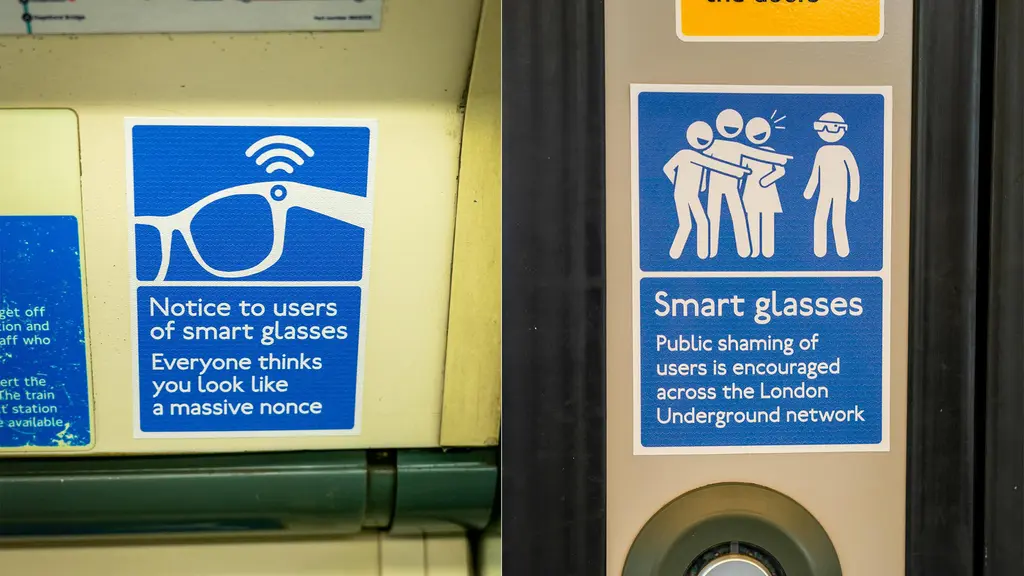
Activists slam “pervert glasses” in new guerrilla campaign
Everyone Hates Elon — Stickers have appeared on the London Underground network, criticising the wearable technology’s covert filming capabilities.
Written by: Isaac Muk

New exhibition highlights British radical living over 200 years
Earthly Paradise — Taking place at the William Morris Gallery, it explores the homes and lives of artists, writers, musicians and more, as well as the conditions that allowed them to thrive.
Written by: Isaac Muk

Pink Floyd’s Roger Waters joins team of new Palestinian resistance documentary
Freedom Theatre — Directed by Rishi Pelham, the film spotlights a theatre operating in the Jenin refugee camp.
Written by: Ella Glossop

Just Stop Oil holds first protest in 17 months
No new drilling — Having previously said that it was “hanging up the hi-vis”, the climate activist group has blocked a road outside Parliament to protest Andy Burnham opening the door for new oil and gas extraction licenses in the North Sea.
Written by: Ella Glossop


