The eerie impact of humanity on nature, in photos
- Text by Miss Rosen
- Photography by Otto Olaf Becker

For more than 30 years, German photographer Otto Olaf Becker has been documenting the earth’s landscape. His work explores the impact of overpopulation on natural resources – including land, water, food, energy, and heavy metals – in remote corners of the earth, where few see what is happening in real time.
After completing his work in Greenland, Becker headed south to Malaysia and Indonesia to explore the devolution of forests under human stewardship. This led to his book Reading the Landscape (Hatje Cantz), selections from which will be on view at ClampArt during The Photography Show presented by AIPAD. Here, Becker shows us beauty, tragedy, and farce in a three-act narrative.
Reading the Landscape opens as the Bible does, with the sublime grandeur of nature, before introducing haunting scenes of destruction that suggest a war fought — and lost. Becker concludes with images made in Singapore, where nature is rendered impotent and reimagined as décor.
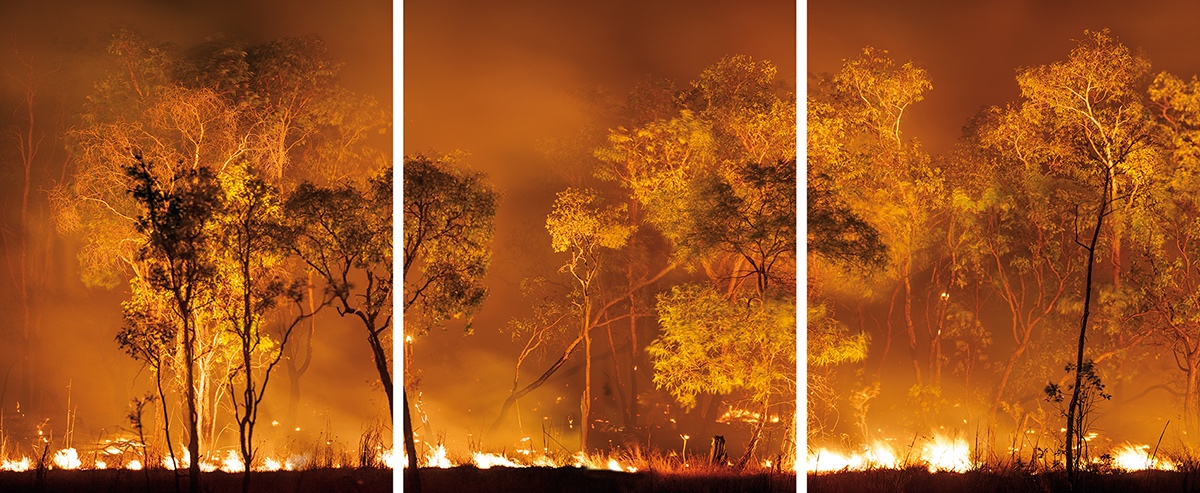
“Bushfire lit to clear land, Australia 2008,” 2008,
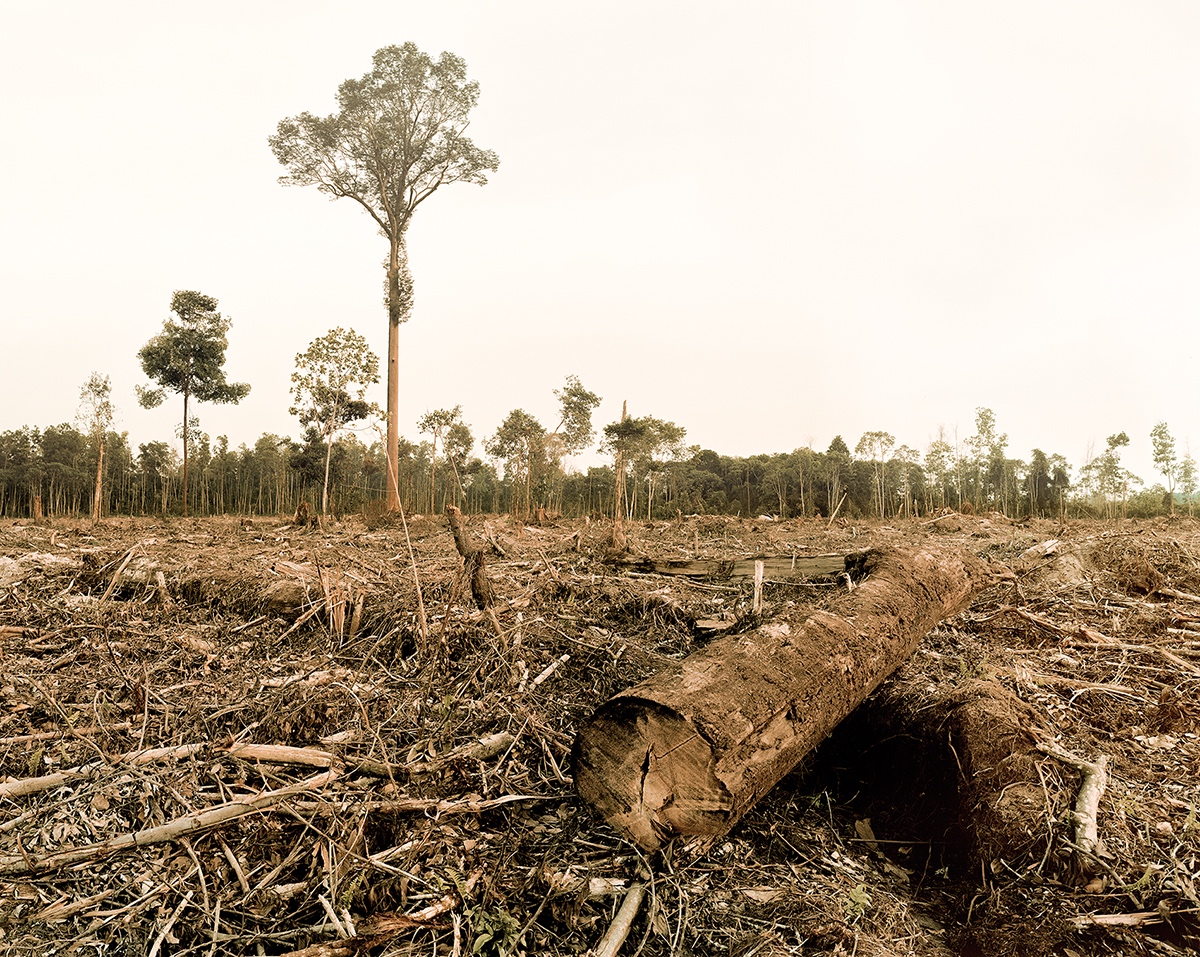
Deforestation, Riau area, Sumatra, Indonesia 10/2013
“We are educated to experience a nature that is a complete invention by human beings,” Becker says. “It is like Disney; it’s not real. There’s an image of a nature trail in the botanical garden, and they arrange the flowers and plants in a way you would never find this combination in nature, but it looks good. They even have speakers where you can listen to the sound of birds. It’s kitsch: overdone and wrong.”
For Becker, the experience of untouched primary forests has transcendent power that extends to the photograph. “One reason that I took photographs of the untouched primary forest is you can only miss things you came to know,” he says.
“It is incredible to walk through a primary forest and hear the animals, see the beauty of nature. A lot of people don’t have this experience. In the future, if we don’t have these things anymore, people will not miss it because they do not know it.”
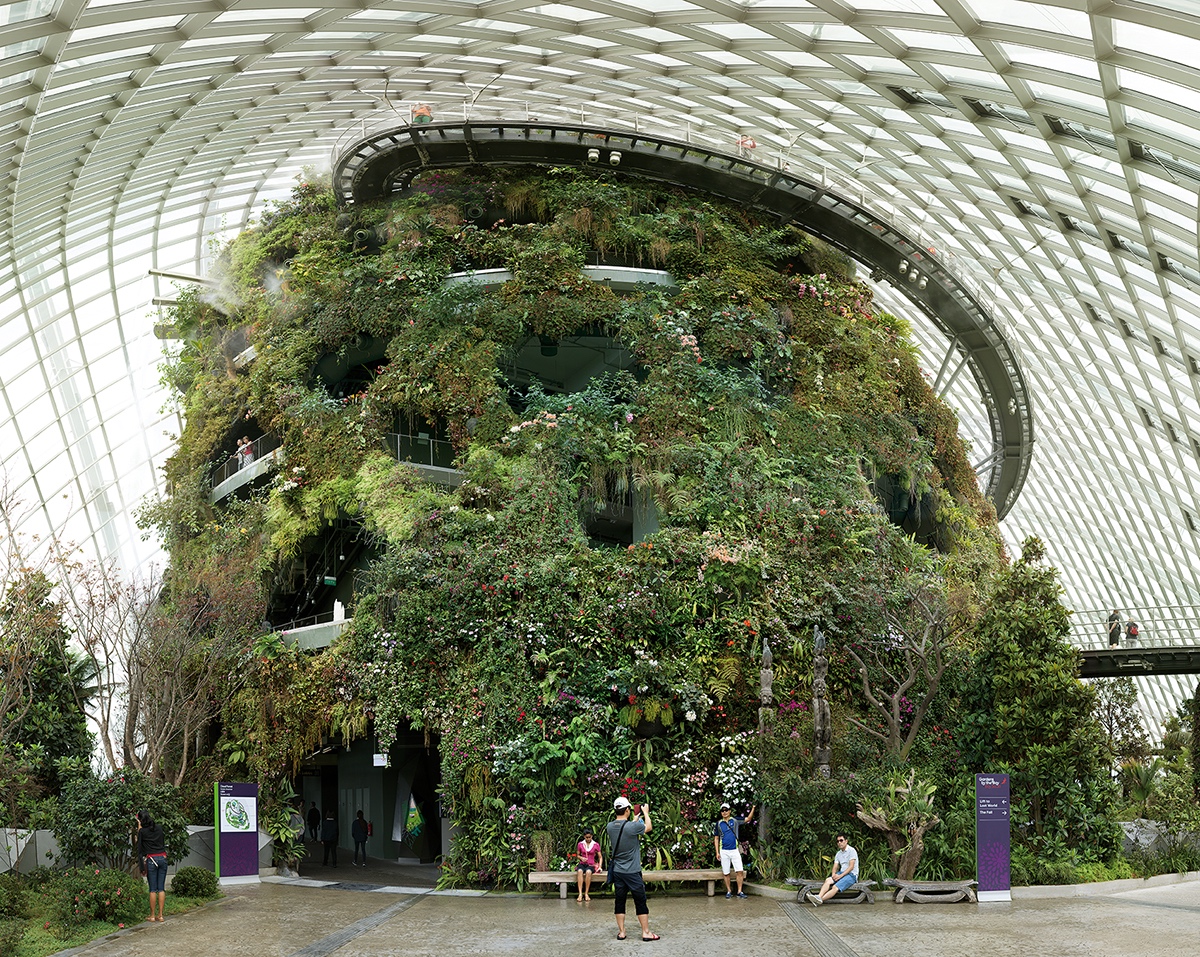
Cloud Forest, Gardens by the Bay, Singapore 10/2013
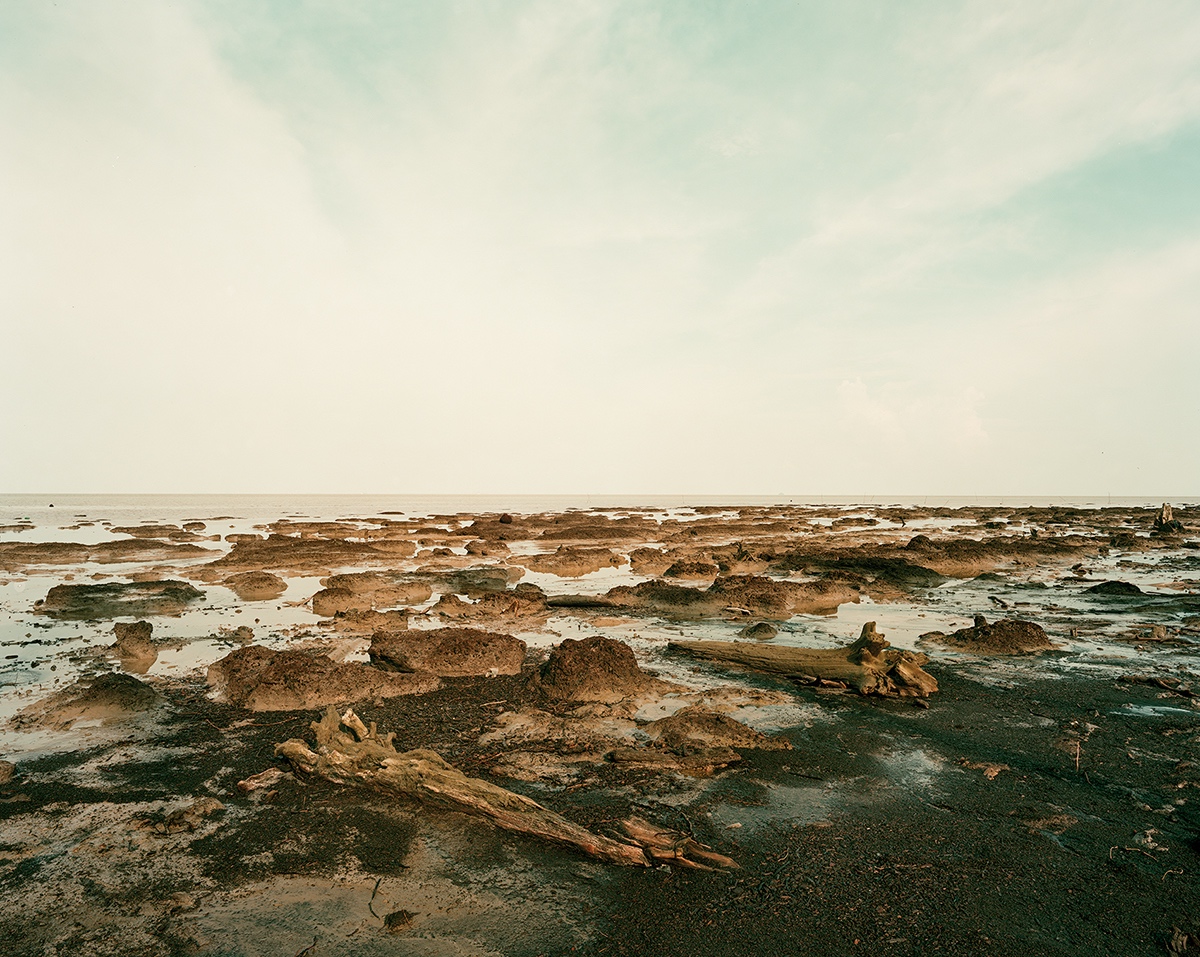
Erosion after logging of mangroves 05 Rangsang Island, Riau area, Sumatra, Indonesia 11/2013
Instead, we may acclimatise to the artificial installations, despite their ultimate environmental impact. “In Singapore, there is a hotel completely decorated with plants – but it’s not good for the plants; they die and have to be replaced again and again. They are just decoration. We have lost contact with nature.”
Despite the devastation Becker has witnessed, he remains an optimist: “I see all over in the world that the people understand we have climate change and we have to change something but we have to work together and the problem is to work together worldwide.”
“We will not be able to solve this problem quickly. We will solve it the more we feel the consequences. When everyone is feeling the consequences, then everyone understands the need to change something. It still needs time.”
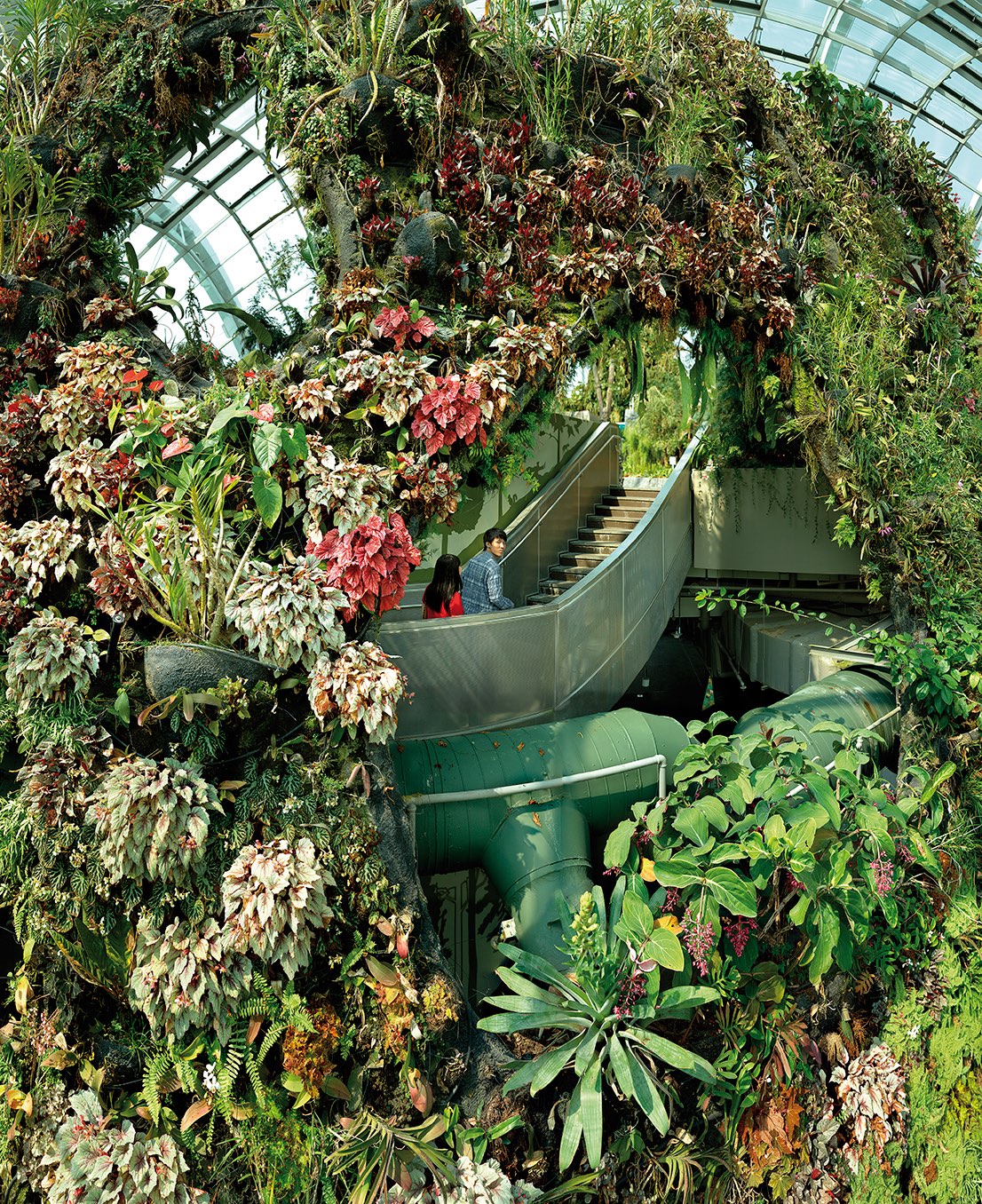
Nature trail, Gardens by the Bay, Singapore 10/2013
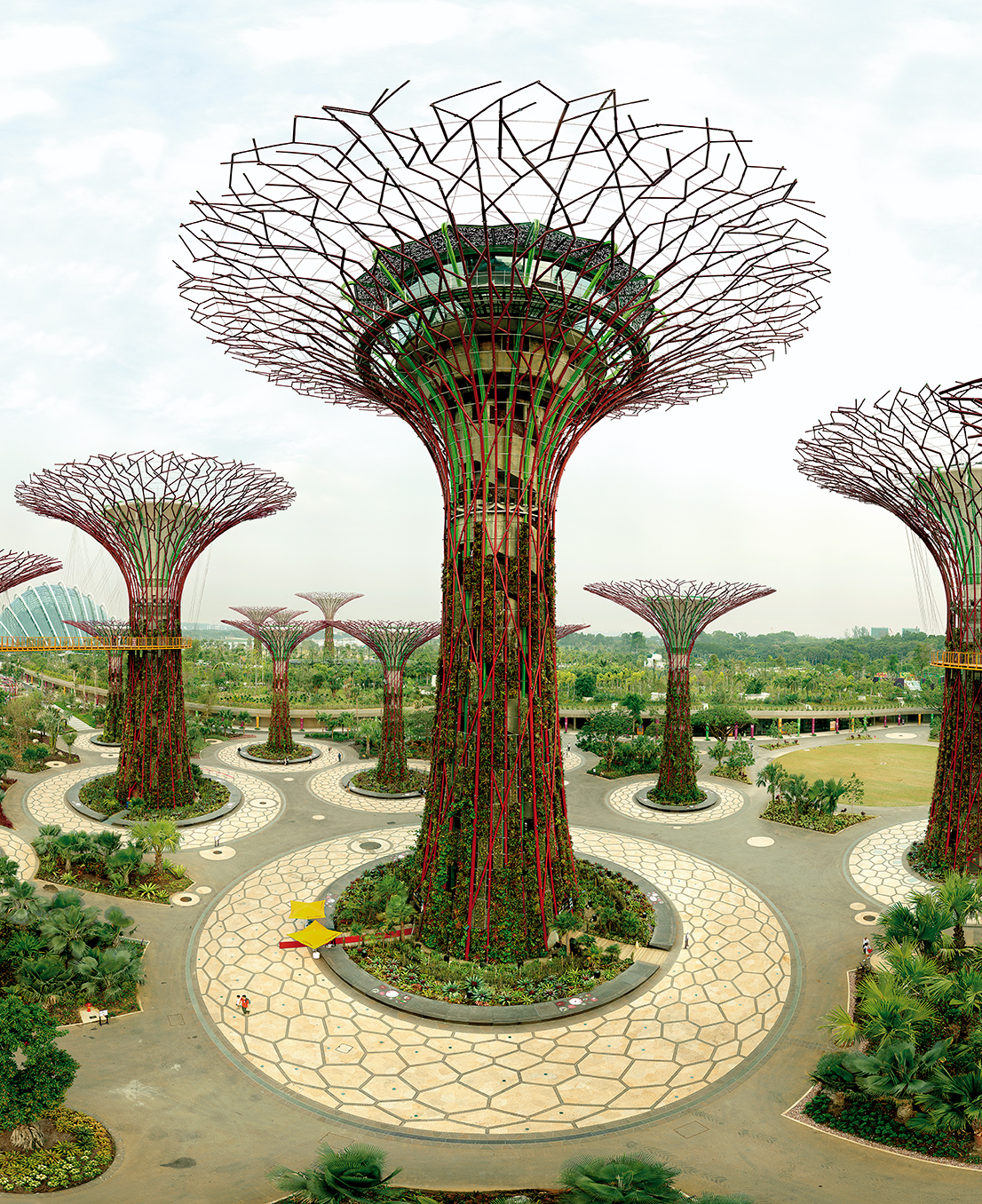
Supertree Grove, Gardens by the Bay, Singapore 10/2012
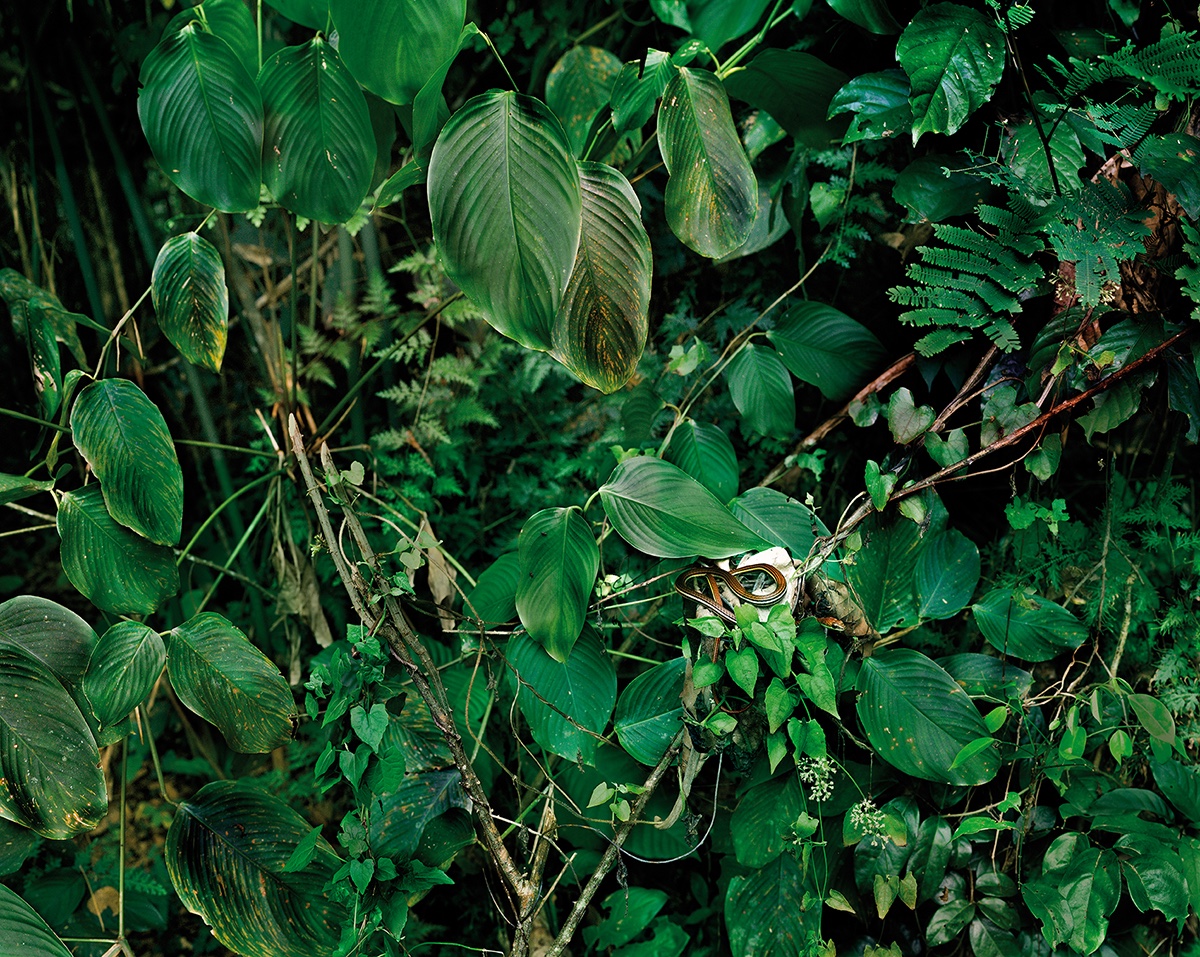
Primary forest 17, Dendrelaphis caudolineatus, 2012
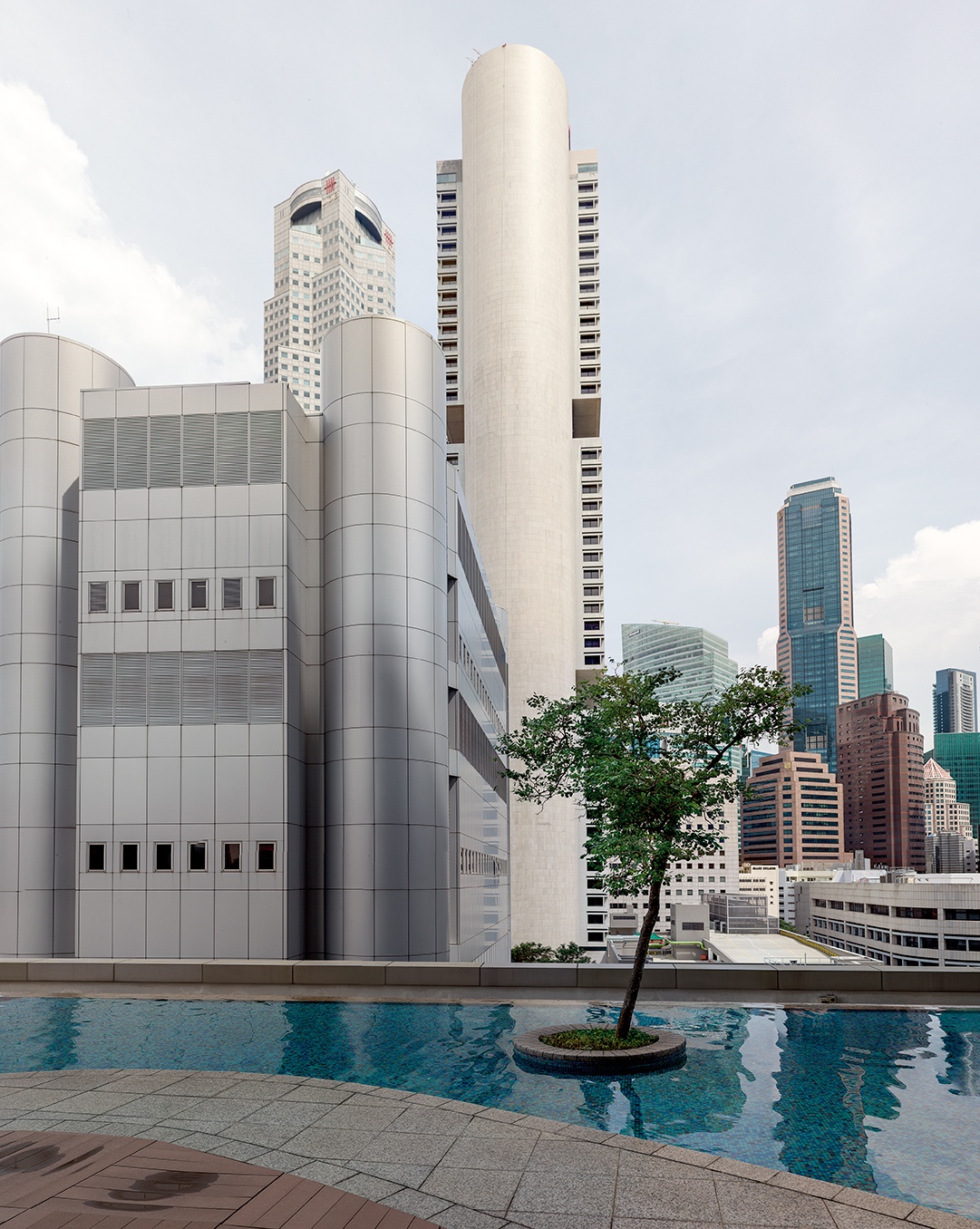
Cloud Forest, Gardens by the Bay, Singapore 10/2013,
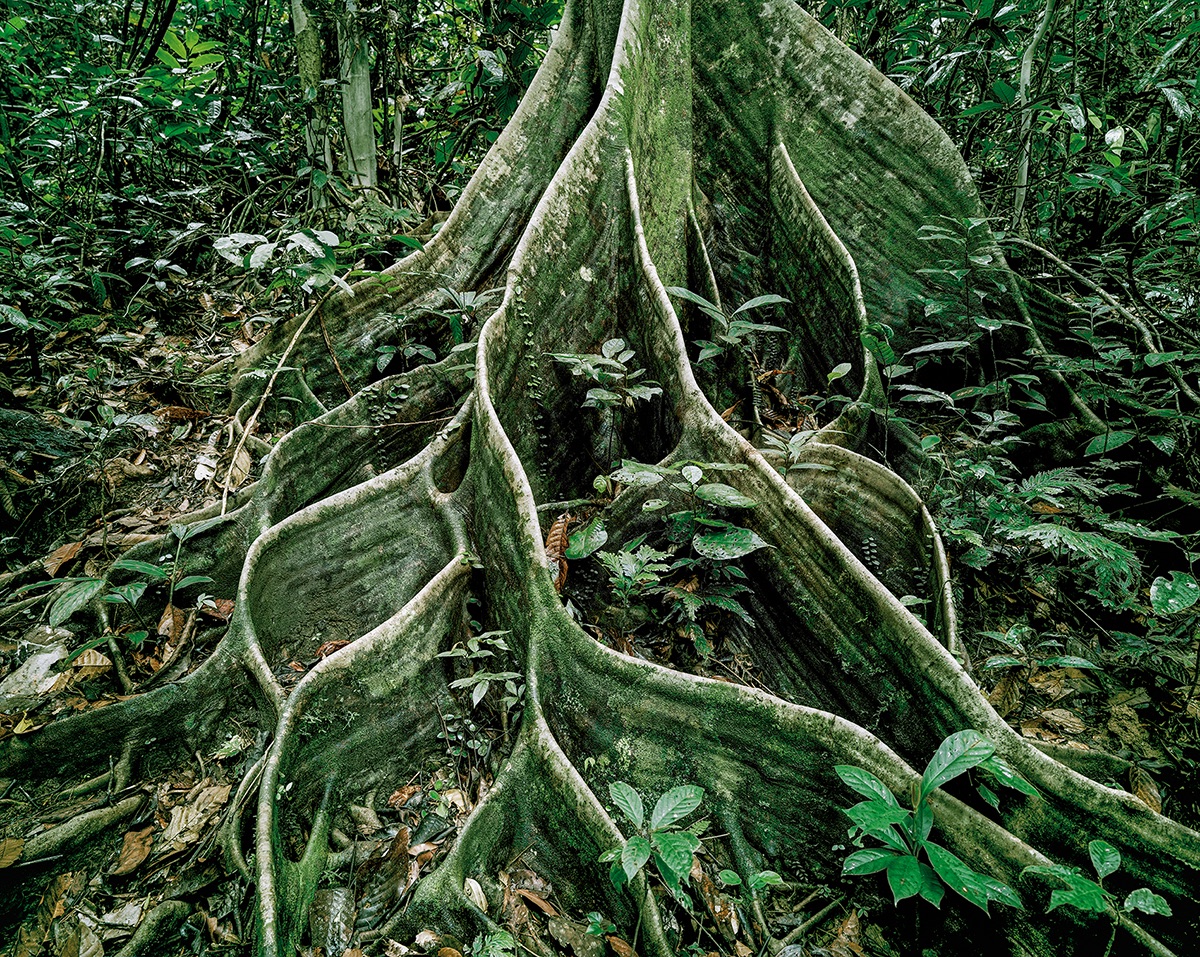
Primary forest 18, roots, Malaysia 10/2012
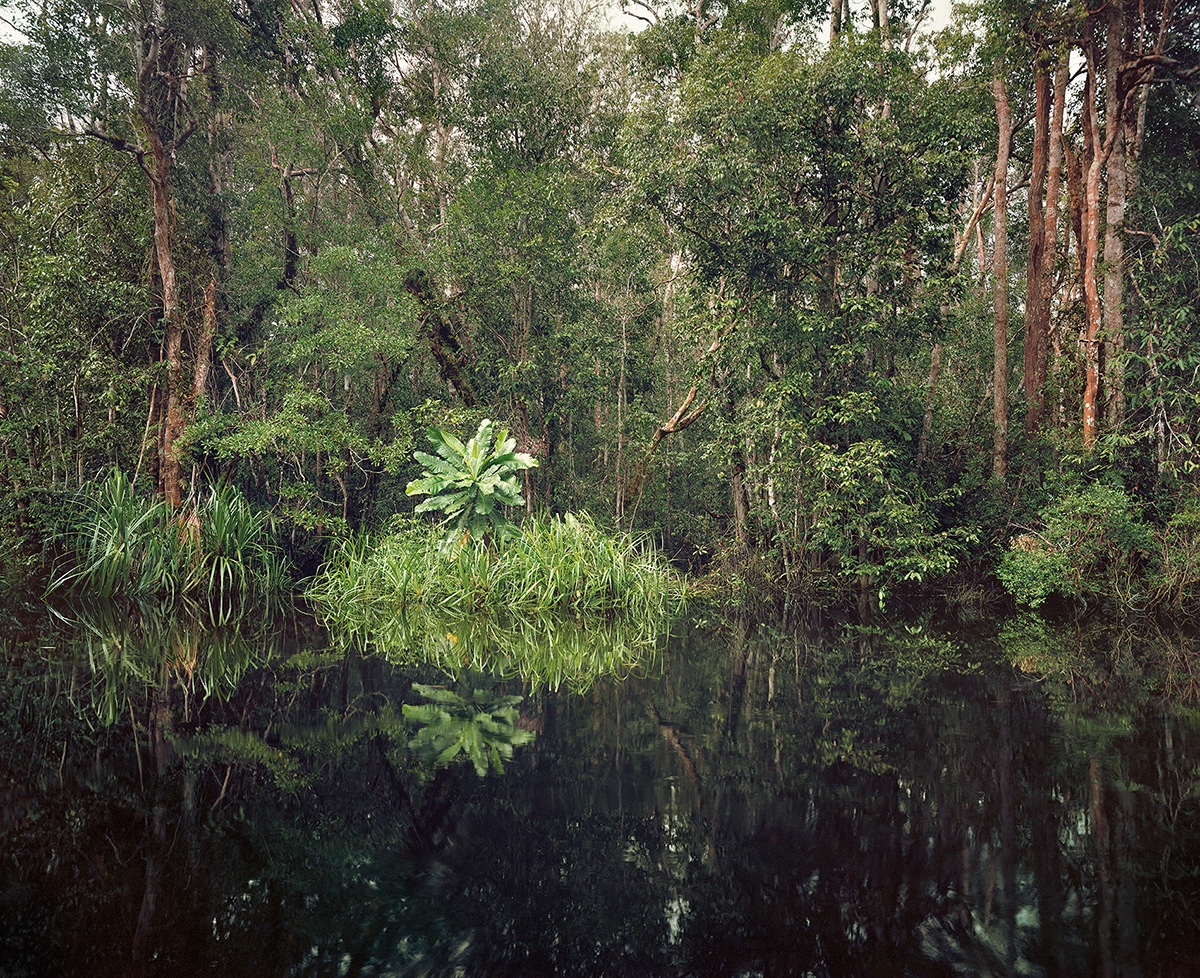
Primary swamp forest 01, black water, Kalimantan, Indonesia 03/2012
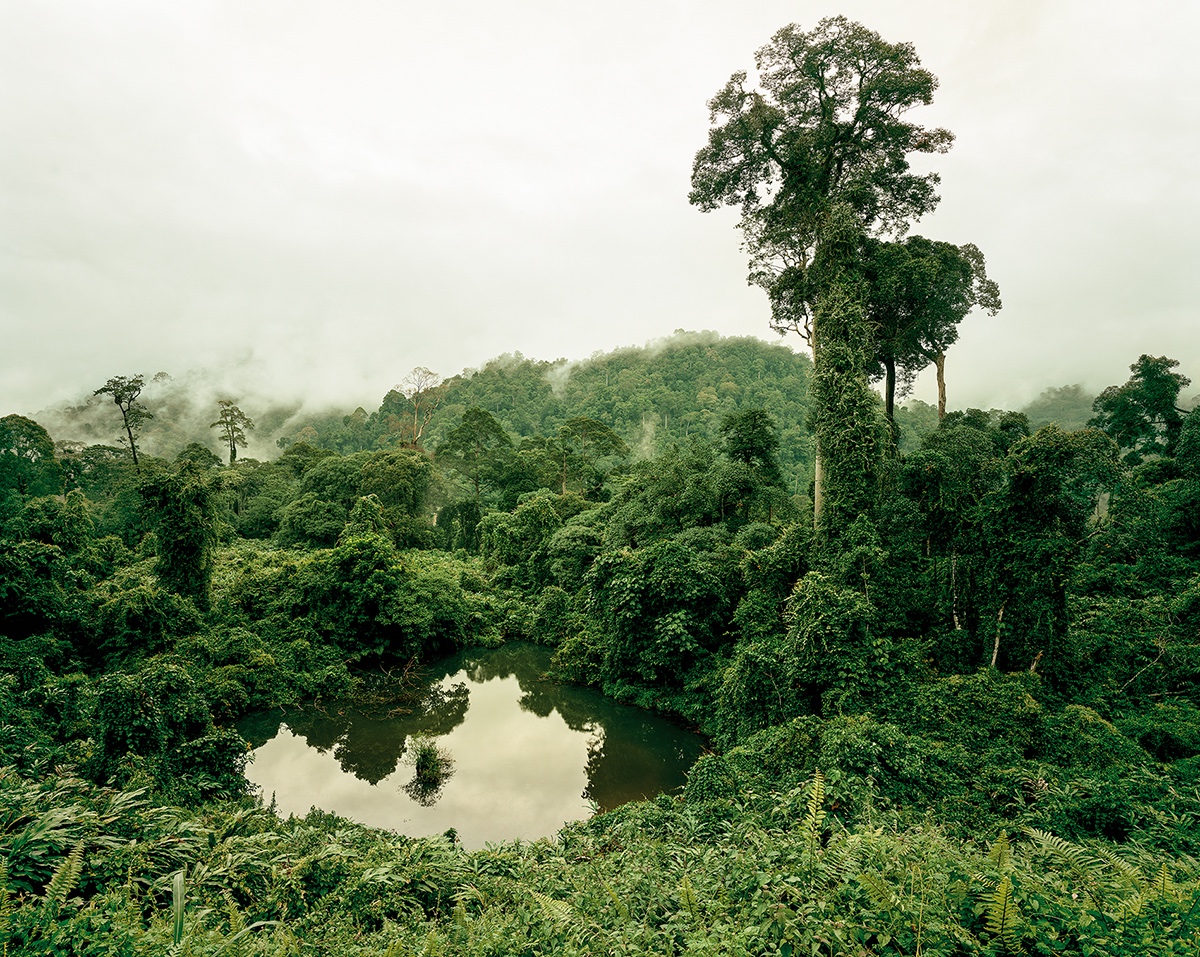
Primary forest 02, lake, Malaysia 10/2012
Reading the Landscape will be view at ClampArt during The Photography Show presented by AIPAD (April 4–7).
Follow Miss Rosen on Twitter.
Enjoyed this article? Like Huck on Facebook or follow us on Twitter.
You might like

Jesse Glazzard’s messy portrait of queer friends, lovers and chosen family
The Sound of Dirt and Beauty — The photographer’s debut monograph explores tender, unpolished moments shaped by the people who he surrounds himself with, while offering a window into the UK’s working-class LGBTQ+ community.
Written by: Sunny Sunday

Behind the curtain at Alternative Miss World 1981
Olympia glamour — Running a subversive take on the traditional beauty pageant, the Andrew Logan organised event prioritised underground creativity and invention. Photographer David Corio went behind the scenes at its biggest edition.
Written by: Miss Rosen

New exhibition highlights British radical living over 200 years
Earthly Paradise — Taking place at the William Morris Gallery, it explores the homes and lives of artists, writers, musicians and more, as well as the conditions that allowed them to thrive.
Written by: Isaac Muk

What life on the Strait of Hormuz is really like
Southern Winds — Bandar Abbas based photographer Morteza Niknahad has been capturing the diverse communities and stories of his local region since he first picked up a camera. His new series highlights the human impact of war.
Written by: Isaac Muk

Nick Haymes’s intimate portrait of his family’s life
Chronograph — Over 25 years, the photographer documented his son’s lives as they grew into adults. The resulting photobook is an exploration of the passage of time, as well as the optimism of youth.
Written by: Miss Rosen

Kristina Rozhkova’s scatty, confronting portrait of captivity
Gut Feeling — The Russian artist’s 2024 arrest and subsequent detention opened her eye towards the omnipresent dynamics of power and control. Her new photobook is a stark exploration of being trapped.
Written by: Isaac Muk


