The grandma helping Indian girls become martial art masters
- Text by Eva Clifford
- Photography by Nadja Wohlleben

“I first came across the South Indian martial art ‘Kalaripayattu’ some years ago,” recalls photographer Nadja Wohlleben. “Dating back to the 2nd century BC (Sangam period) and believed to be the mother of all modern Asian martial arts, I was instantly fascinated by this traditional fighting system.”
For Wohlleben – who’s been training Shaolin Kung Fu and Taekwondo for nearly 20 years – the subject is of personal interest, something she believes is integral in all good photography. As a teacher of Taekwondo and self-defence workshops, Wohlleben’s photography often portrays women who fight.
“Throughout cultural history, women often had the attribute of being the weak gender, while men were portrayed as strong,” explains Wohlleben. “In my work, I question the female identity as being weak, by portraying strong women who inspire younger generations through their courage and power, functioning as role models, leading by example by showing that women can be forceful.”
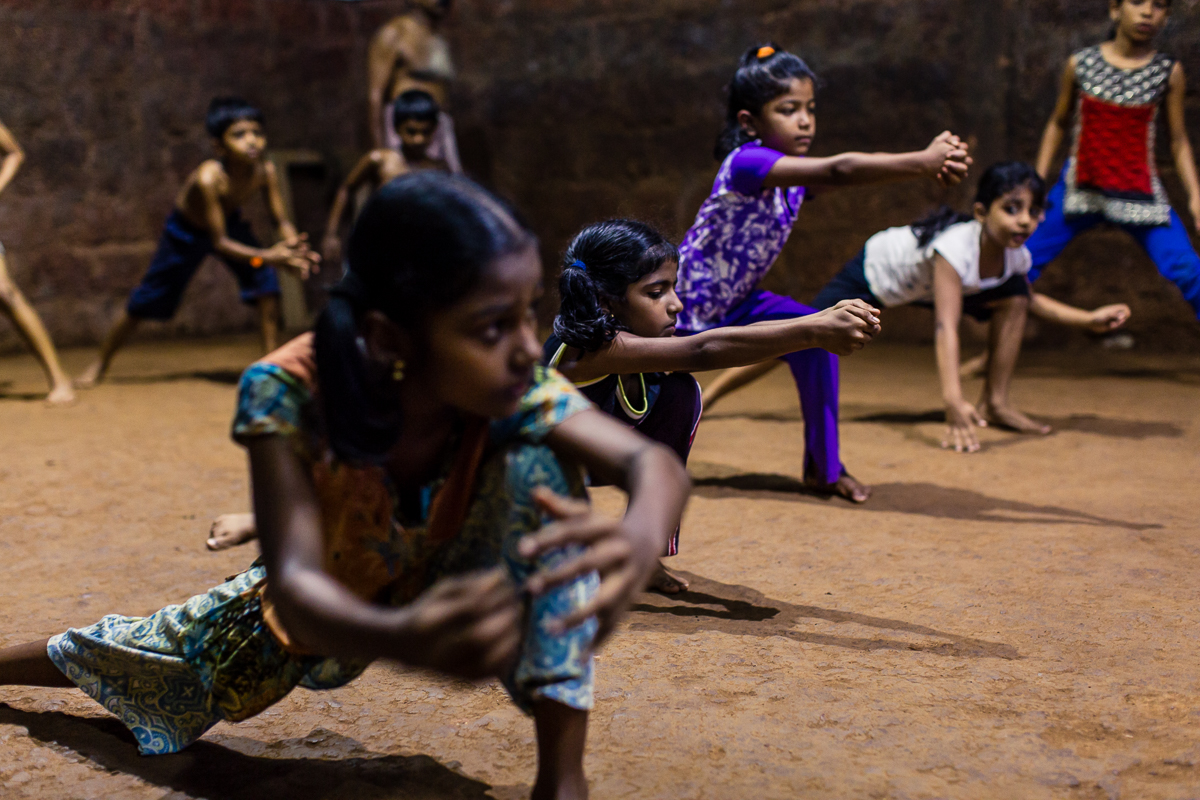
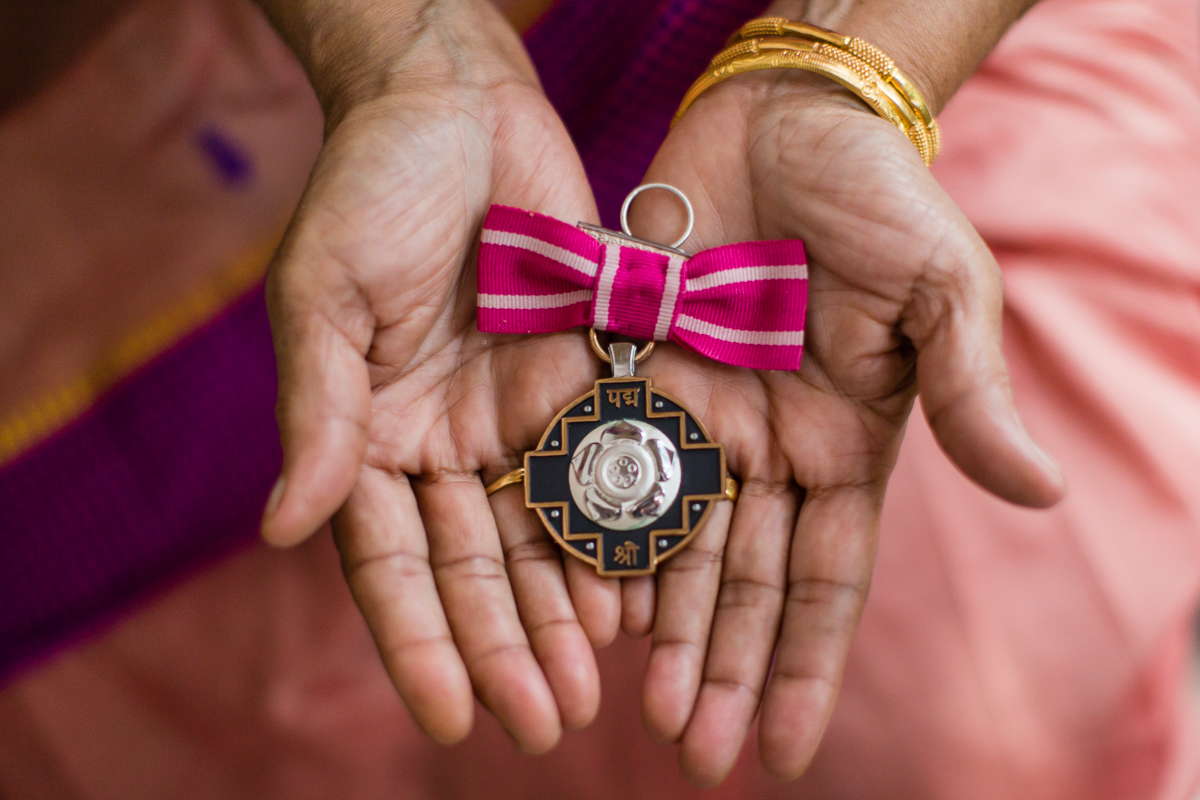
It was in a YouTube video that Wohlleben first discovered Meenakshi Raghavan. The video, which showed her performing in a show fight with a much younger man, went viral, and Meenaskshi became a YouTube star overnight.
“When I saw the video, I knew she was the perfect protagonist for a photo-reportage about women in India who fight against gender-based violence,” says Wohlleben.
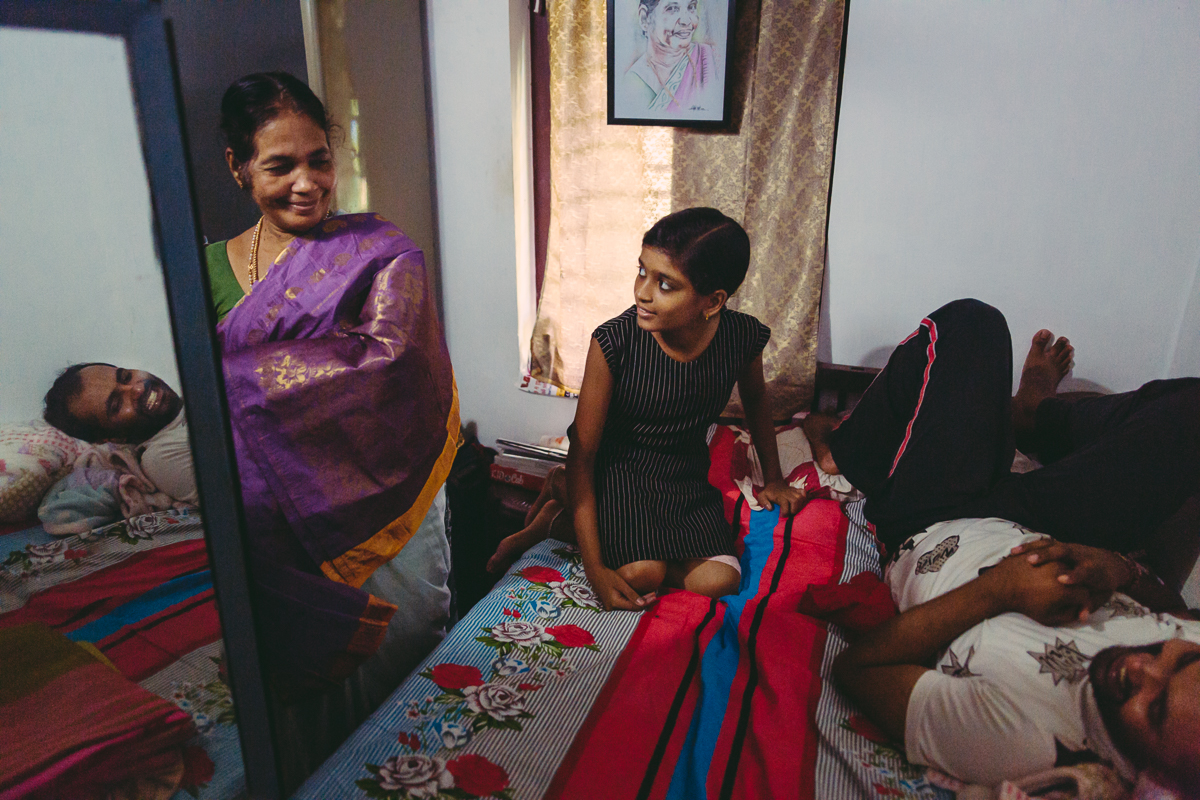
Situated in a small village in Kerala, India, Meenakshi’s school is attended by more than 150 students of all ages and genders. It was originally built by her late husband, Raghavan. They fell in love, married, had four children and started a Kalaripayattu dynasty. When he eventually died in 2010, Meenakshi took over his legacy and became India’s first female grand master of the martial art.
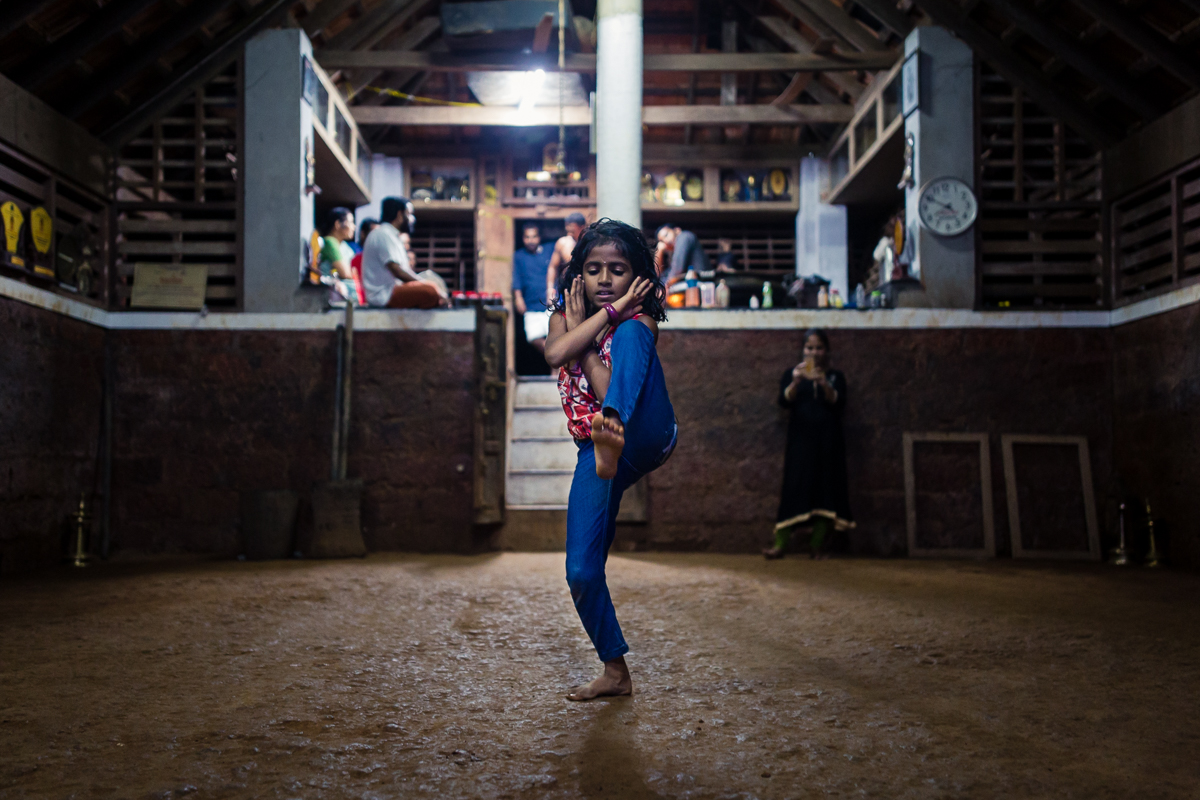
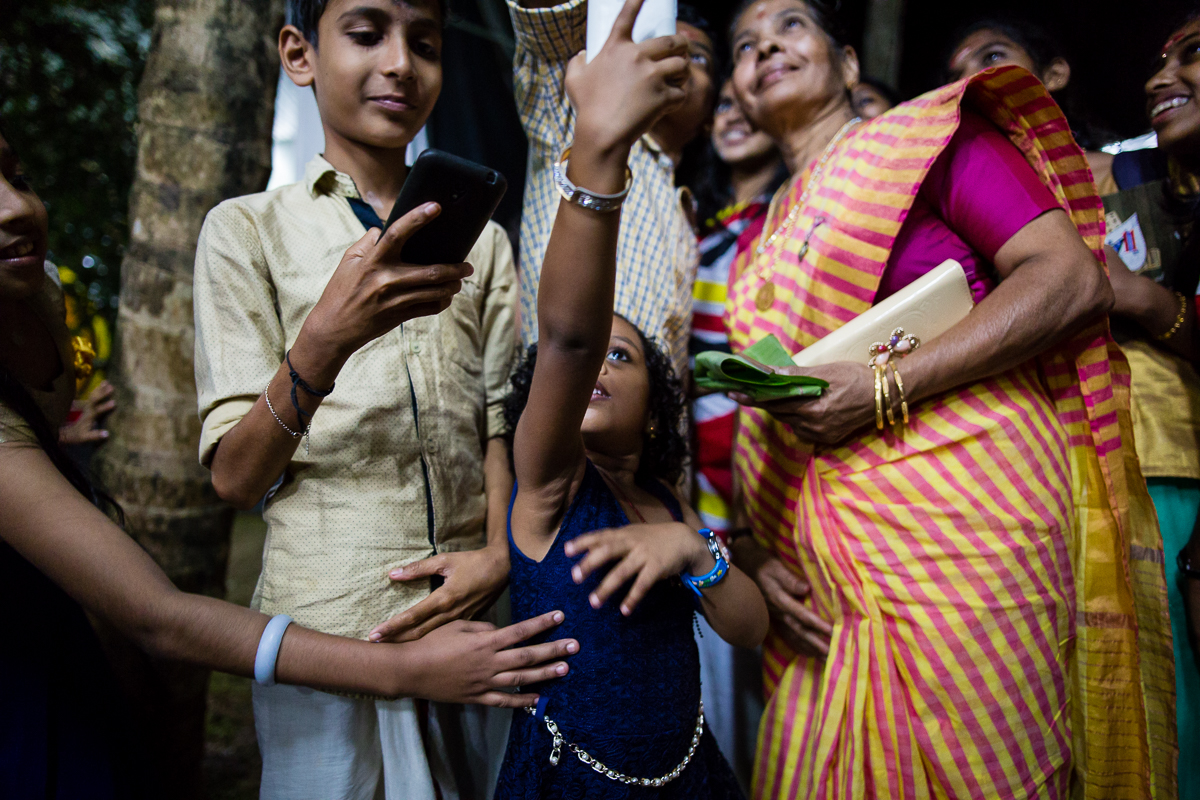
Having practised fighting techniques for 69 years, Meenakshi is a ‘Gurukkhal’, meaning a master of Kalaripayattu. “In January 2017, she received the Padma Shri award, which is one of the highest civilian honours in the Republic of India, for her lifelong commitment to Kalaripayattu,” Wohlleben says.
Due to the growing threat of violence that women face, more and more parents are allowing their children to train Kalaripayattu, with females currently making up one-third of the students.
According to India’s National Crime Records Bureau, an average of four rapes are reported each hour. However, Wohlleben adds, statistics only represent the tip of the iceberg, since most women who experience sexual abuse tend not to report it out of fear of being shunned or blamed by both their families and by society.
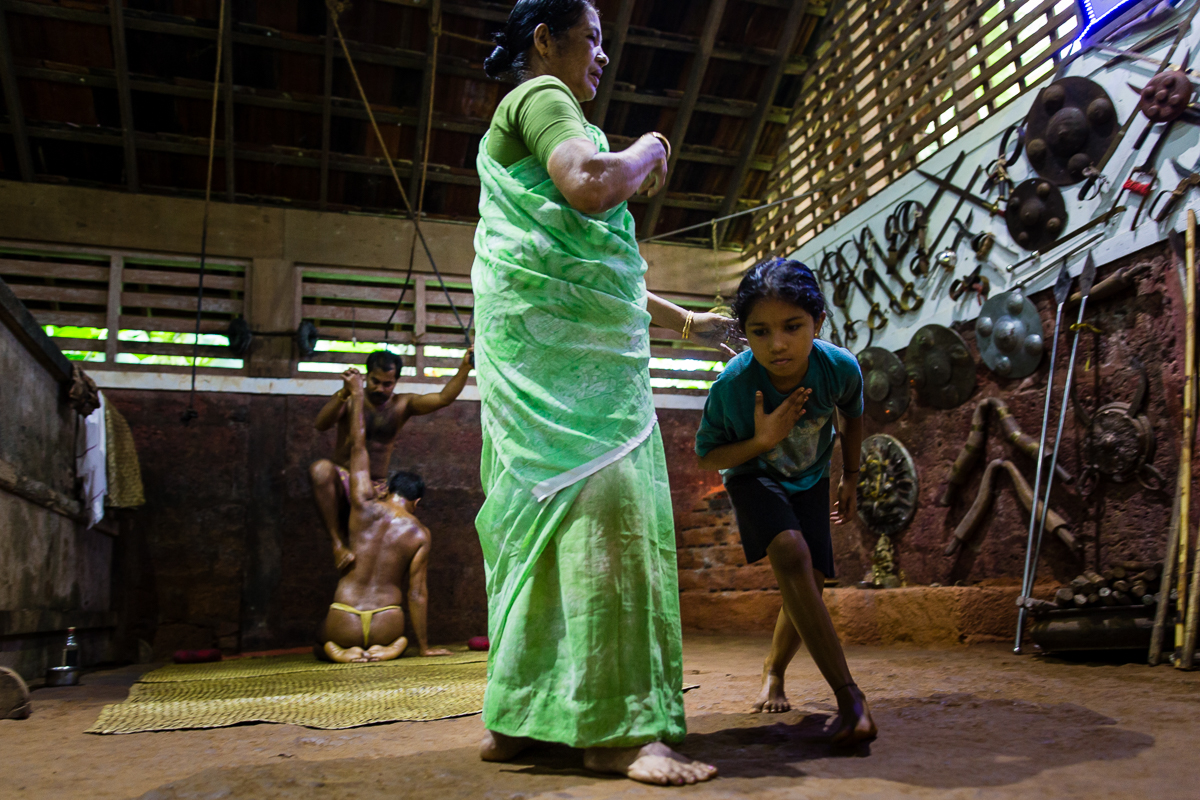
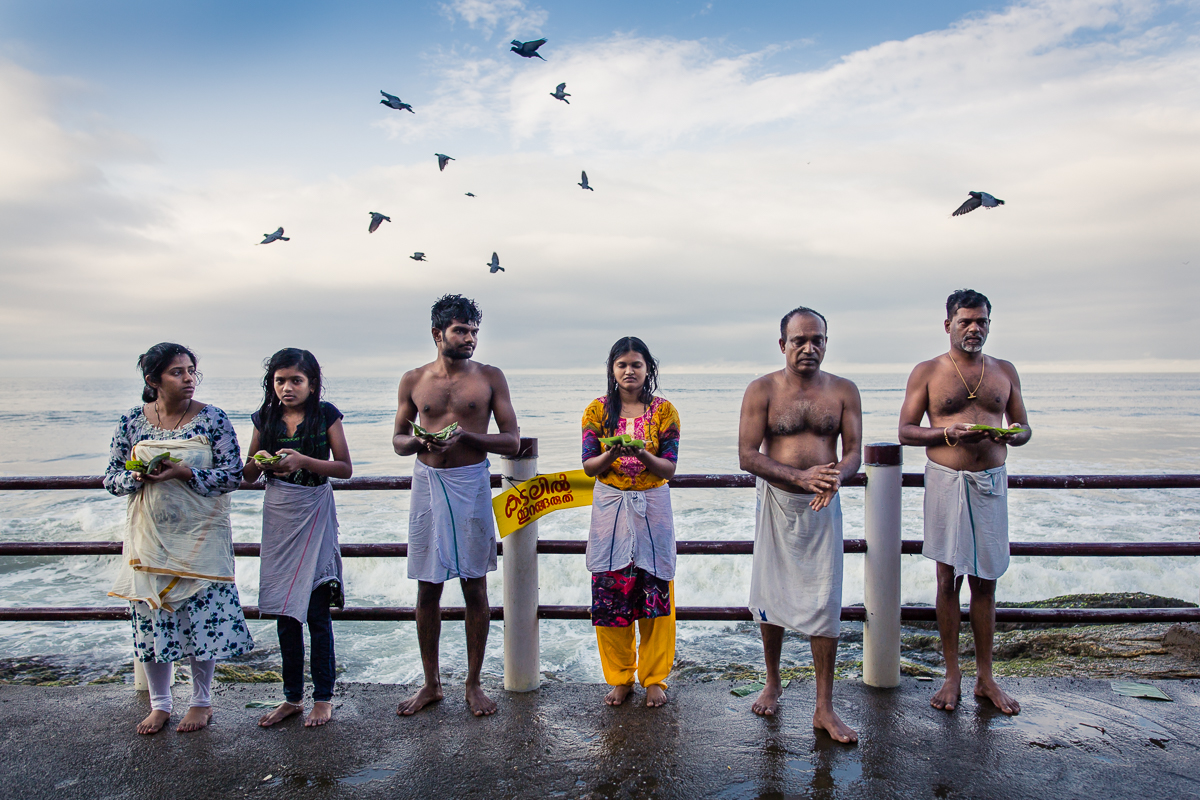
During her month-long stay, Wohlleben trained Kalaripayattu with Meenashkhi once or twice a day, from six-eight am in the morning, and then again from six-eight pm.
She describes Kalaripayattu as a “highly spiritual practice with many rituals involved.” For example, one ritual sees the student saluting the master, respectfully bowing before them and touching the Gurrukkhal’s feet to receive their blessing. “Men and boys bow before Meenakshi and touch her feet, which is unusual in India, for men to bow to a woman,” notes the photographer.
Wohlleben’s long-term goal is to collect inspiring stories about fighting women on a global scale: “One day, in five to ten years, I will turn these tales into a photo book – basically a visual atlas of fierce warrior women worldwide.”
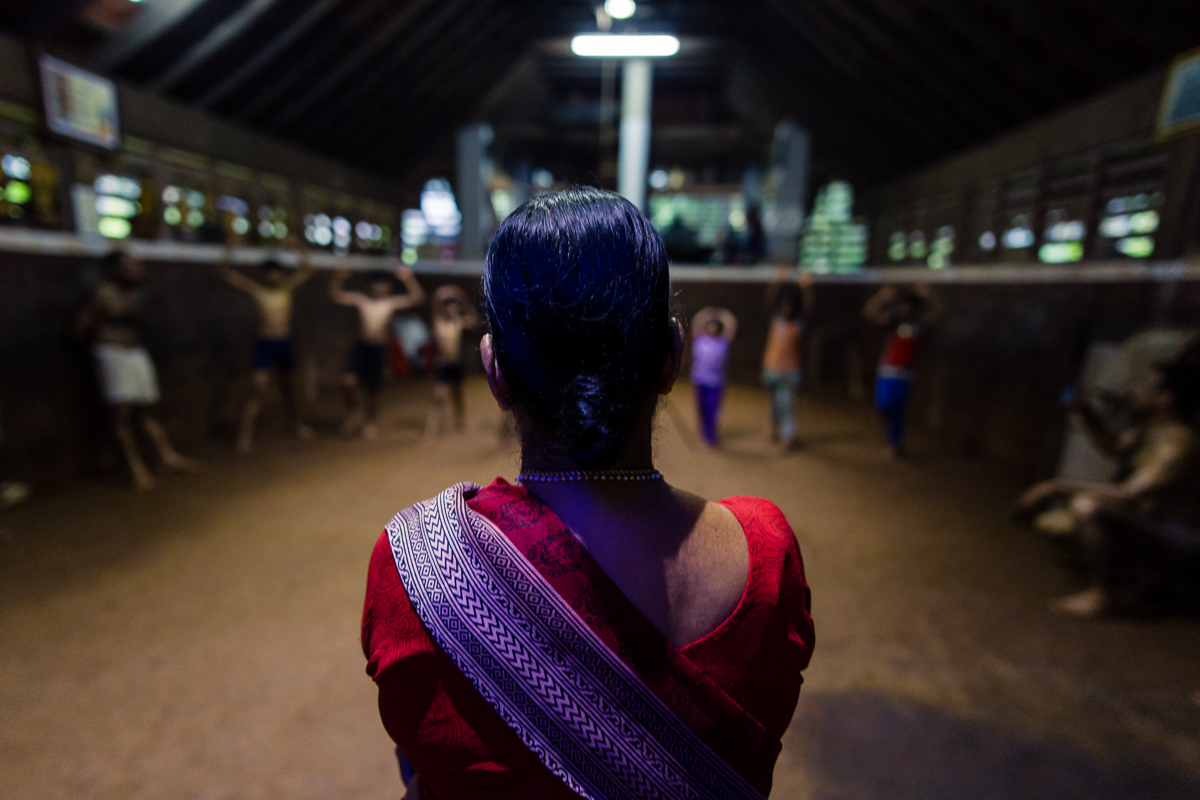
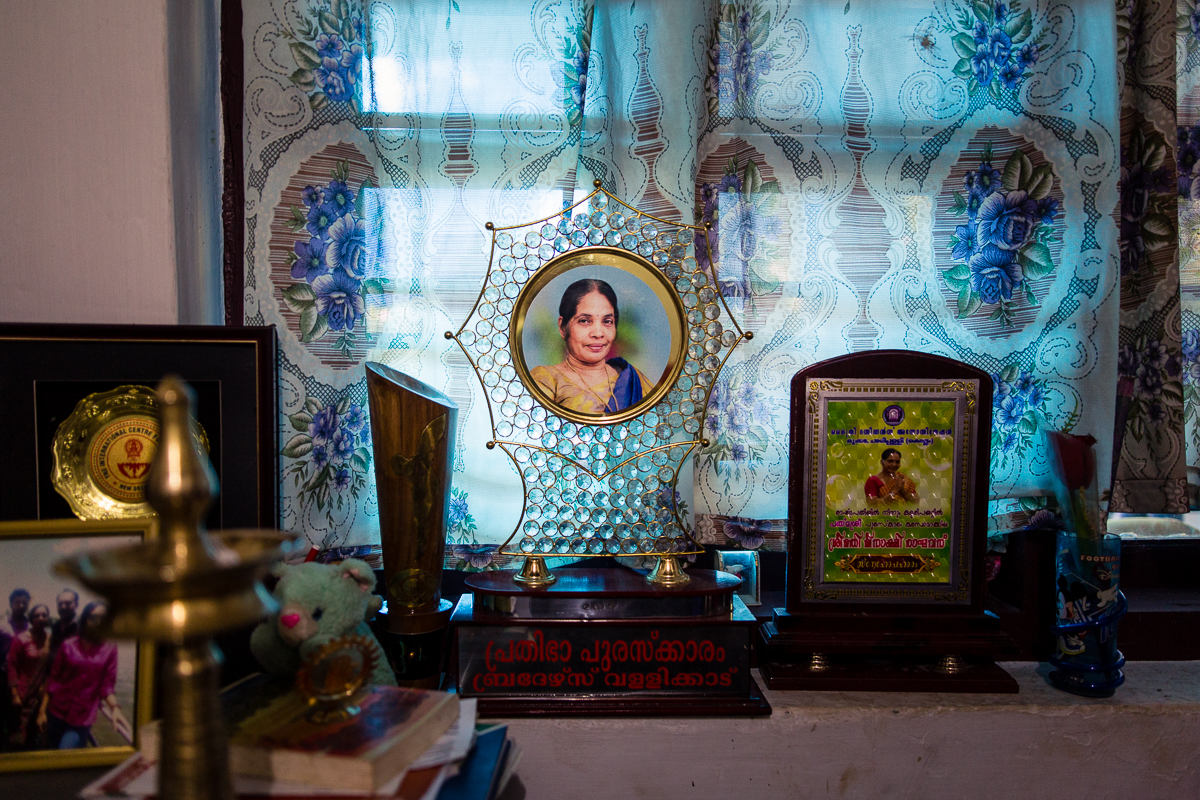
See more of Wohlleben’s work on her official site.
Enjoyed this article? Like Huck on Facebook or follow us on Twitter.
You might like

Halcyon, end of summer days in ’80s Massachusetts
Bell Pond — Stephen DiRado’s new photobook is a nostalgic look at blissed out moments of young love, family and coming of age at a swimming pond in Worcester, Massachusetts.
Written by: Miss Rosen

Photographing America’s 20th century rebels
Rebels With a Cause — A new monograph looks back at Jean-Pierre Laffont’s extensive archive documenting counterculture, art, activism and more, shaping the country as it is today.
Written by: Isaac Muk

The groundbreaking photography of Gordon Parks
Voices in the Mirror — A new exhibition dives deep into the legendary lensman’s archive, who captured the Civil Rights Movement and Black America like no other.
Written by: Miss Rosen

A chaotic portrait of an ’80s American farming family
Holy Cow! — Melonie Bennett grew up on a farm in Maine in the ’80s, and documented her family’s idiosyncratic daily life. She presents those humorous, everyday memories in a new exhibition and photobook.
Written by: Miss Rosen

Nick Danziger’s striking vision of everyday British life in the ’90s
The British 1994-1999 — The renowned photojournalist returned to his birth country on the cusp of the Millennium, capturing its contradictions with humour and wit.
Written by: Miss Rosen

Exploring girlhood and land ancestry in Sudan’s cotton fields
Cotton Queen – A new feature debut from filmmaker Suzannah Mirghani explores the legacy of colonialism and the fight for self-determination through the tender eyes of a teenage girl.
Written by: Roxana Diba


