How one photographer shared America’s untold stories
- Text by Miss Rosen
- Photography by Jill Freedman

Just before Jill Freedman died last October, she concocted a plan to have her home health aid meet her at her apartment at 10 in the morning. “I’m getting out of here,” Freedman said over the phone, before wheeling herself towards the exit of the rehabilitation facility. She was stopped by security, who sent her back to her room, then posted her photograph to warn staff an escapee was on the premises. It was a fitting metaphor for Freedman’s entire life.
Born in 1939 in Pittsburgh, Freedman remembered being a child and looking through picture magazines that published some of the earliest photographs of the Holocaust. Recalling the moment brought her to tears, her empathy for victims of injustice becoming a defining factor in her work as an artist.
Freedman arrived in New York in 1964 to work as an advertising copywriter. After Dr Martin Luther King Jr was killed in 1968, she quit her job to attend the Poor People’s Campaign in Washington, D.C. Two years later she published her first book, Old News: Resurrection City, documenting life at the makeshift camps that housed some 3,000 protesters on the Mall until the police bulldozed them on June 24.
A selection from photographs from that series, along with works from her iconic books Firehouse (Doubleday, 1977) and Street Cops (Harper & Row, 1982) will be on view in The Jill Freedman Memorial Exhibition.
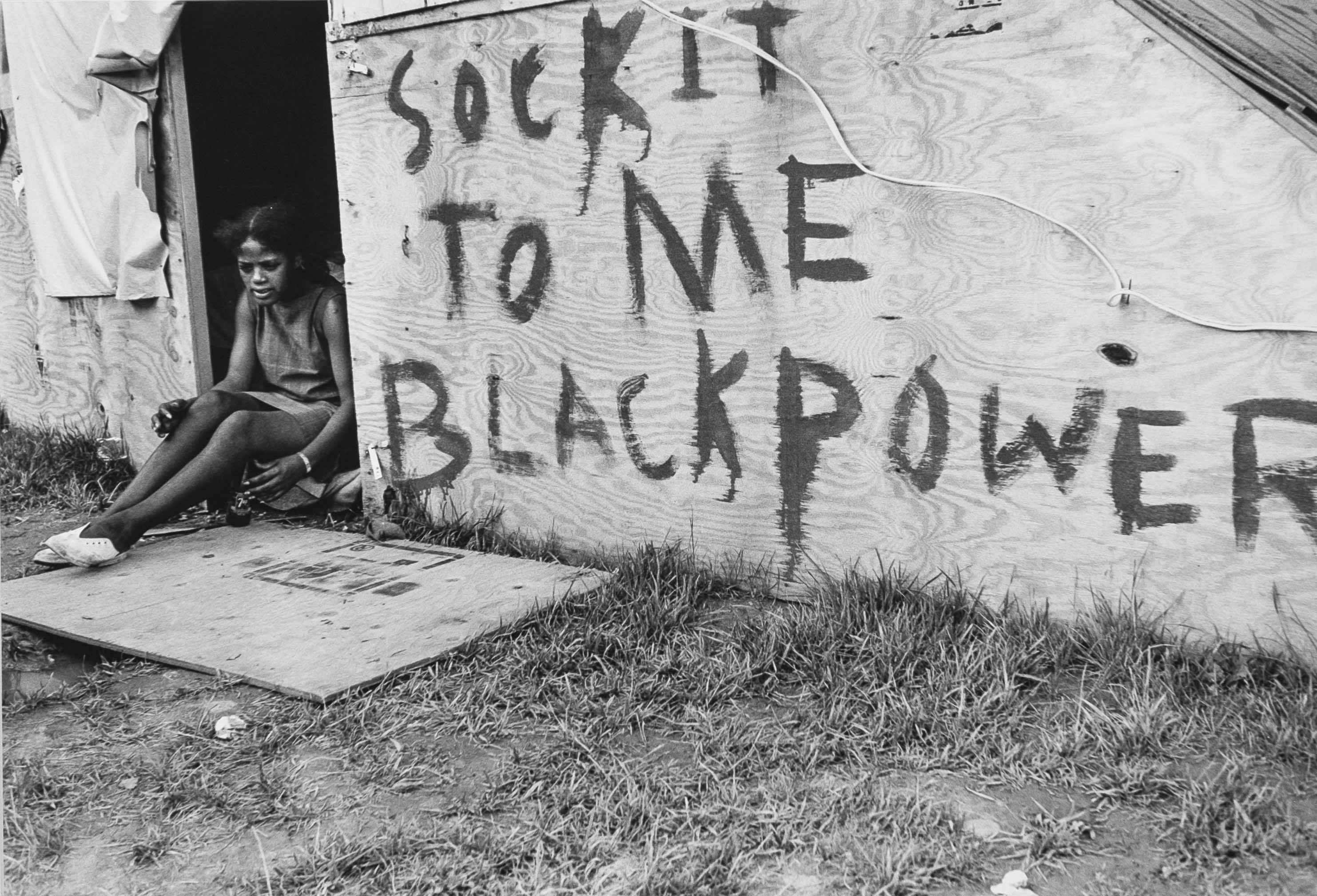
Sock It To Me. A woman sits next to graffiti on a shelter reading ‘Sock It To Me, Black Power’ in Resurrection City, a three thousand person tent city on the Washington Mall set up as part of the Poor People’s Campaign protest, Washington DC, May 1968.
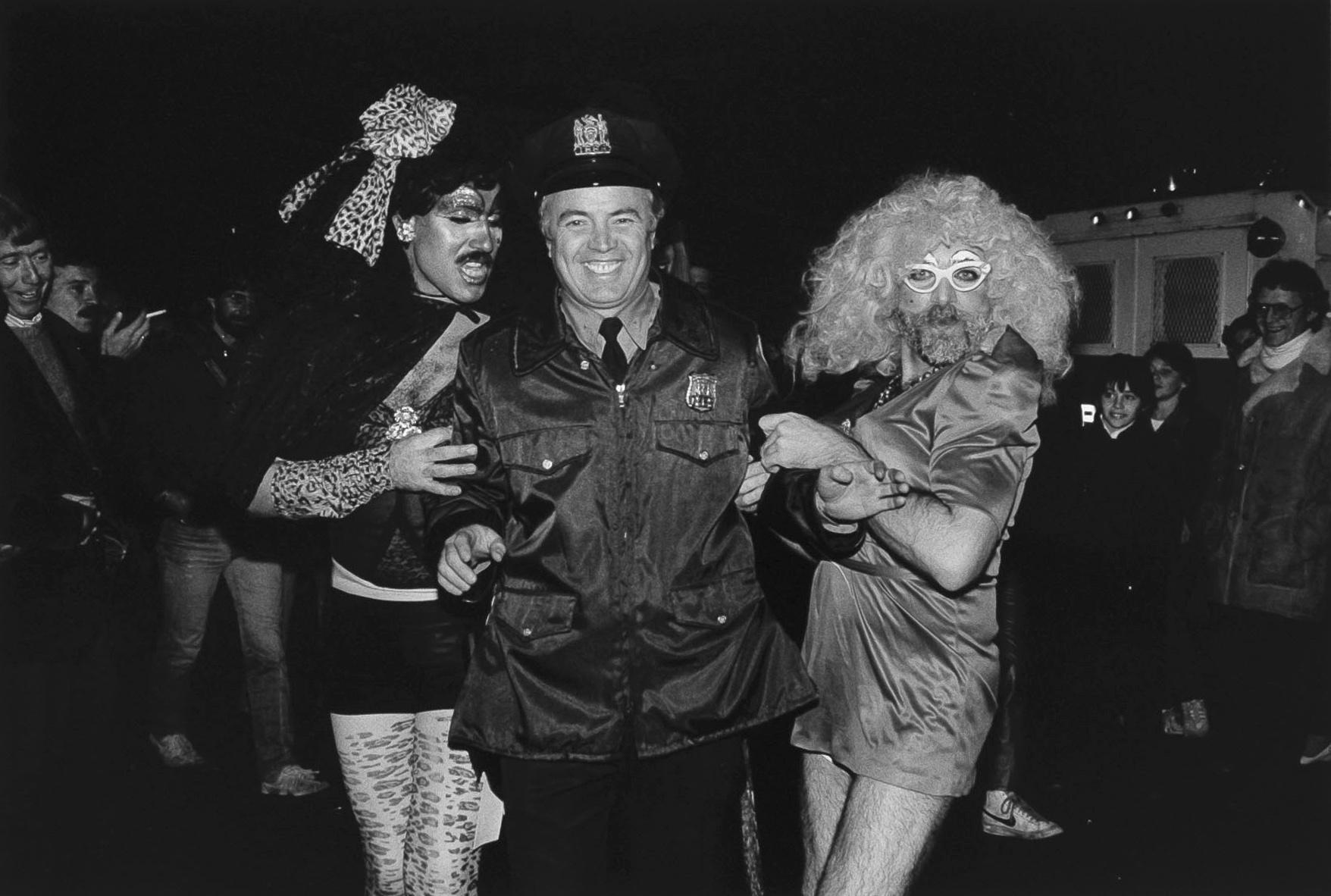
You’re Coming With Us. A police officer from the NYPD is accosted by two men in drag on Halloween, Sheridan Square, Greenwich Village, New York City, 1983.
“Jill was always a hippie and marched to her own drum,” says Susan Hecht, her cousin who is closely involved in the management of the Jill Freedman Estate. “She was very modest. She never ever bragged about her work. We’re going through her journals – she was a beautiful writer but she did not have a lot of confidence and it’s so sad to see that.”
Freedman, who authored seven books and had dozens of exhibitions, was passionate, stubborn and intense – the hallmarks of a great artist fighting for recognition at a time when women were marginalised from commercial success.
“Jill was ahead of her time in so many ways,” says Hecht. “Although she would be very insulted if you ever called her a woman photographer. She said, ‘Listen, I’m a photographer. I’m not a woman photographer. I don’t want to be identified that way.’ But if she had been a man…”
“She was tough. She would go off on tirades. She was her own worst enemy in some ways. A big drinker. She alienated a lot of professional people throughout her life yet there were a lot of men who acted the same way.”
Despite the challenges, Freedman sacrificed everything for her art. Hecht reveals: “In her journal, Jill wrote, ‘I know I would have been a great mom... but if I would have done that I wouldn’t have been able to do what I did. I had to make a choice and I feel like I made the right choice but I do regret that I didn’t have the experience of being a mom.’”
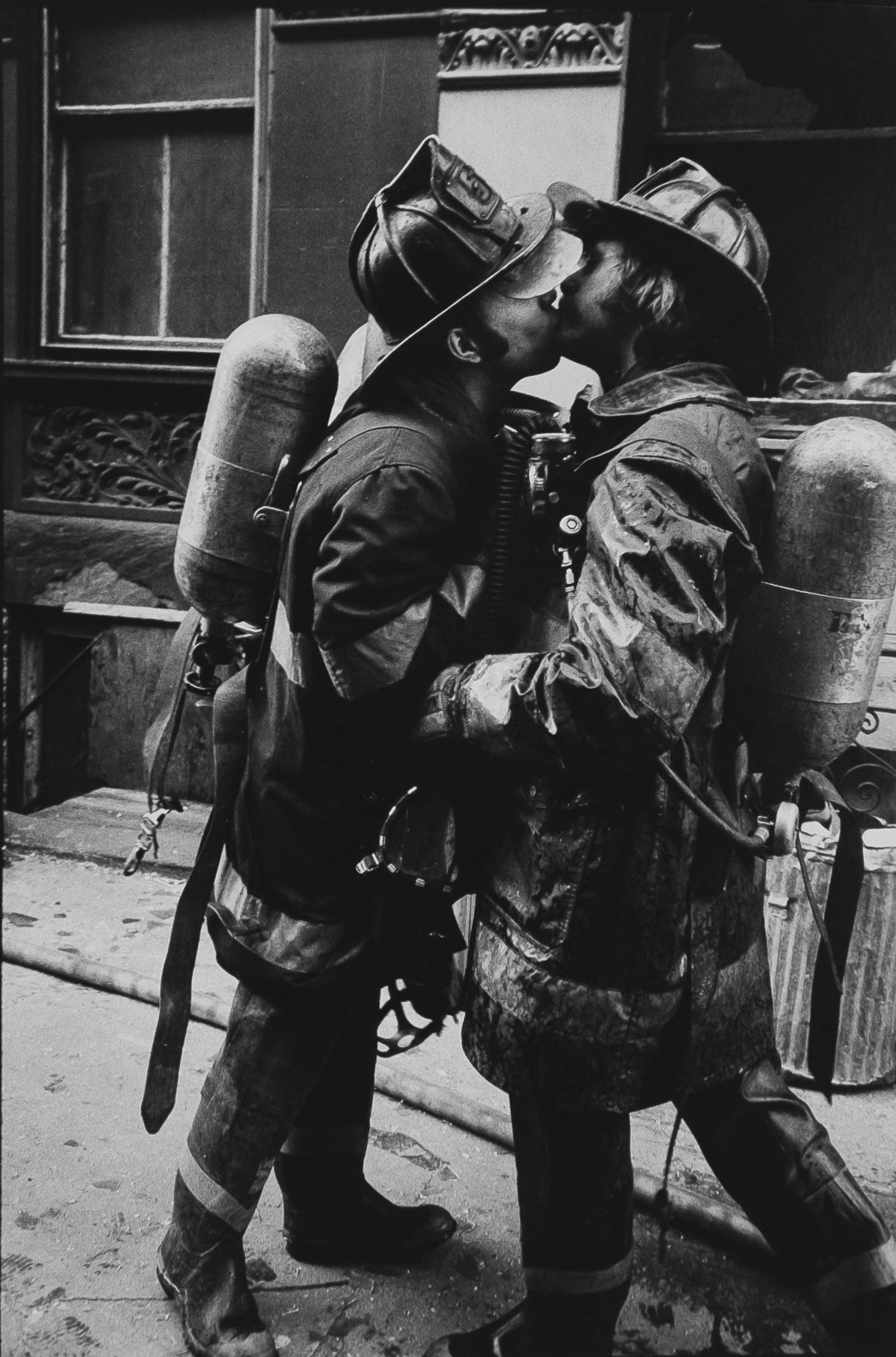
Friendly Reunion. Two firefighters from the FDNY embrace after a ‘five-alarm fire’, New York City, 1976.
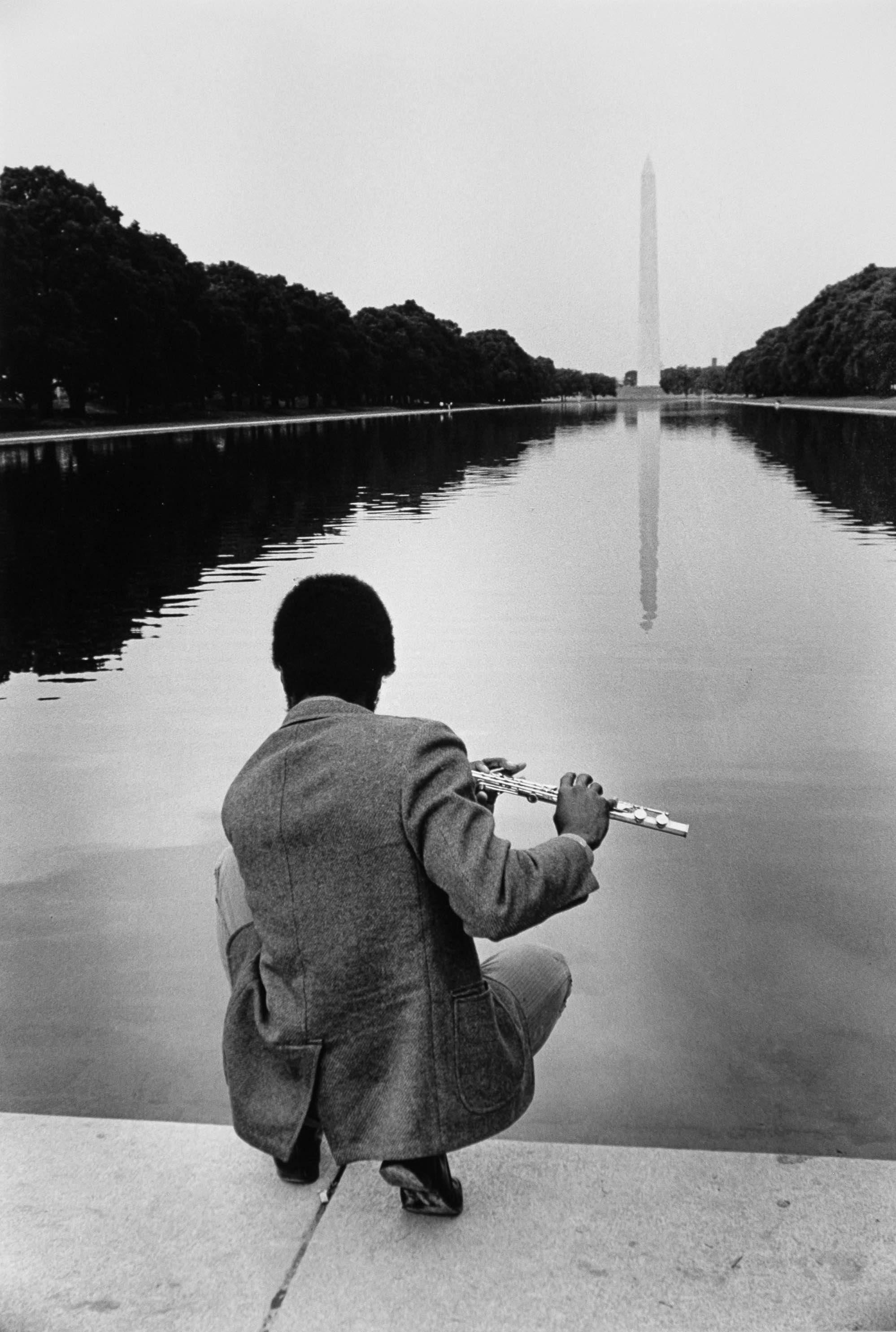
Poor People’s Campaign. A man plays the flute at the edge of the ‘Lincoln Memorial Reflecting Pool’ during the Poor People’s Campaign protest, Washington DC, May 1968.
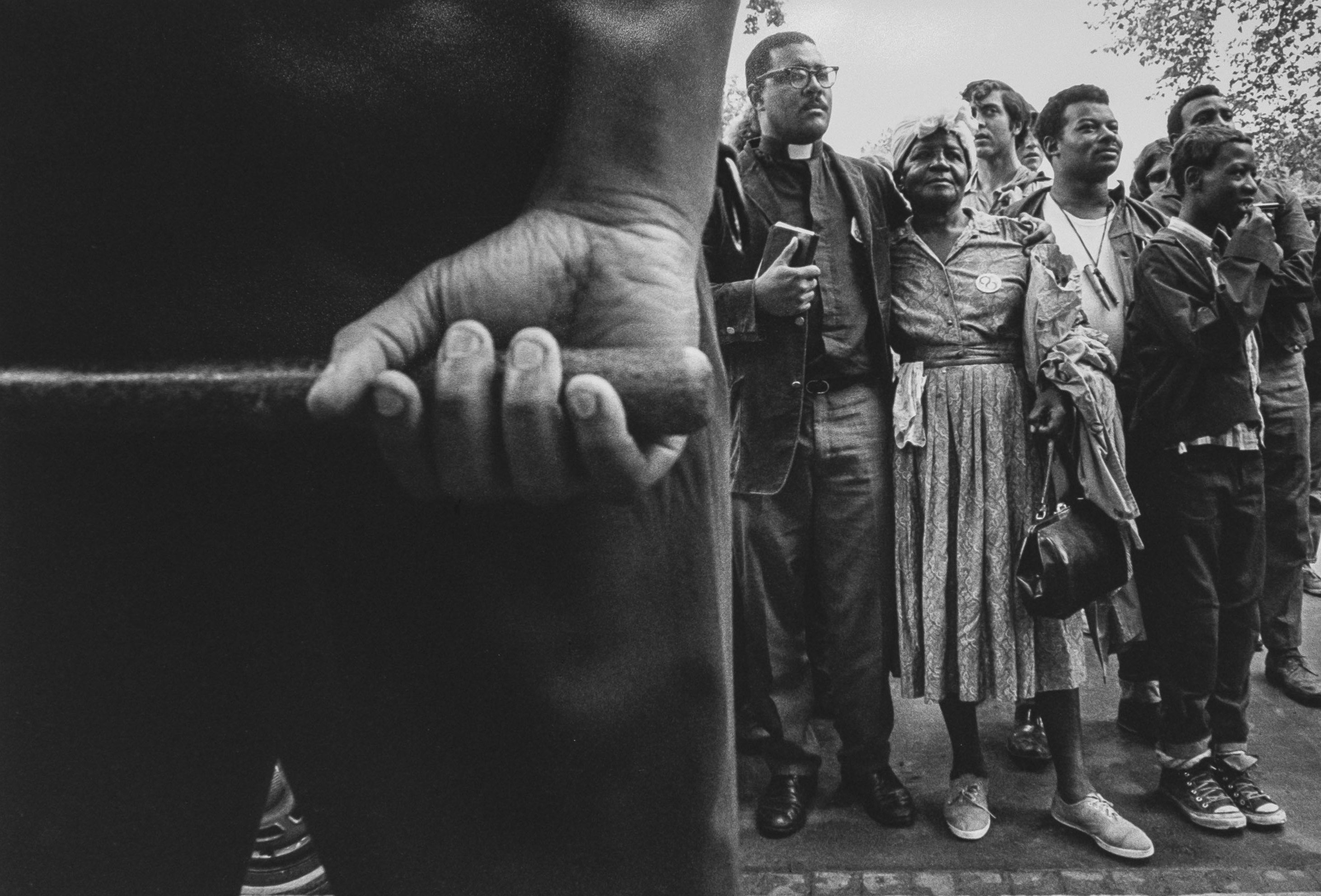
Resurrection City Residents. A police officer watches the residents of Resurrection City, a three thousand person tent city on the Washington Mall set up as part of the Poor People’s Campaign protest, Washington DC, May 1968.
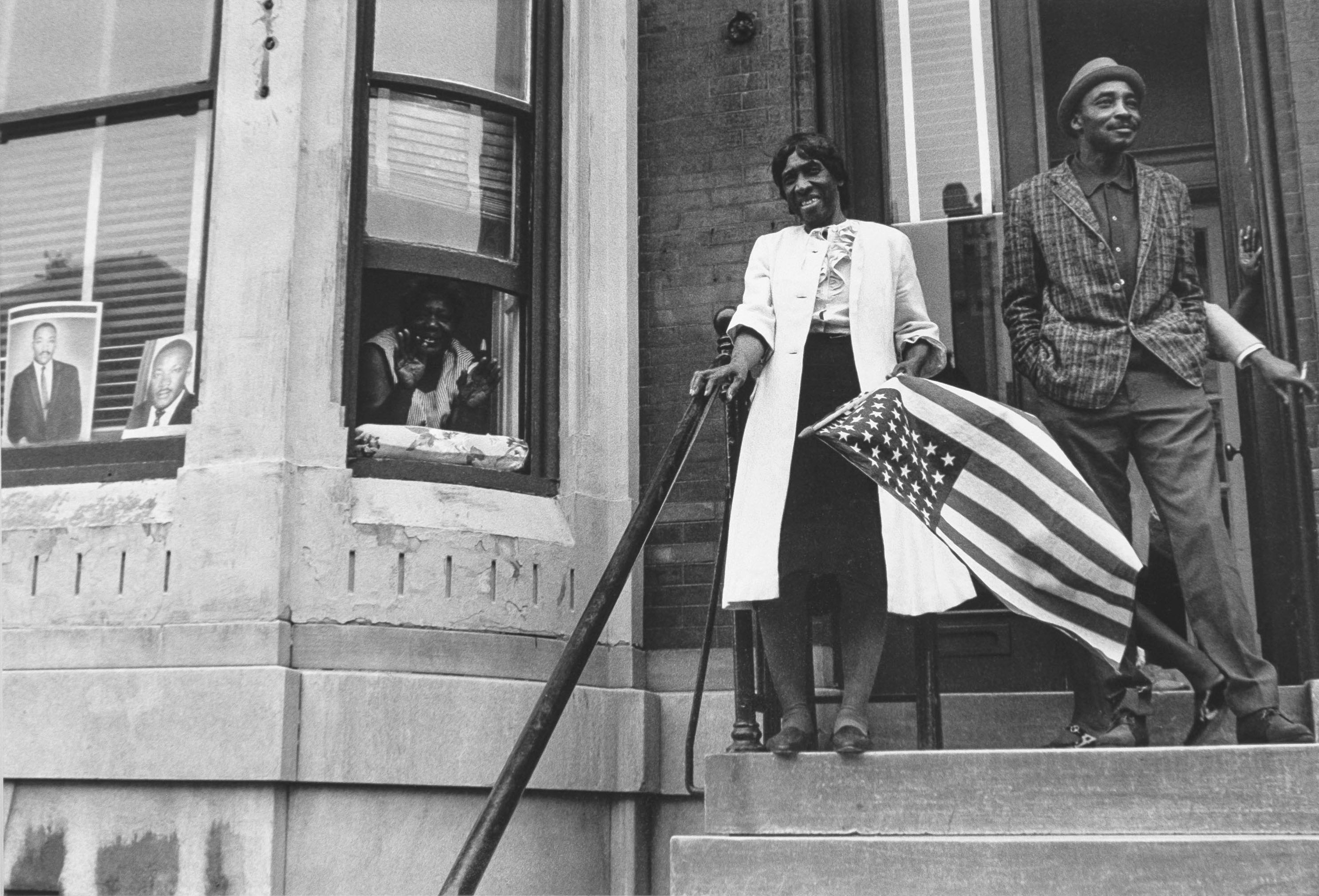
Poor People’s Campaign. Philadelphia residents Campaign, an organised for poor people in the watch protestors marching on the Poor People’s demonstration hoping to gain economic justice United States, Philadelphia, May 1968.
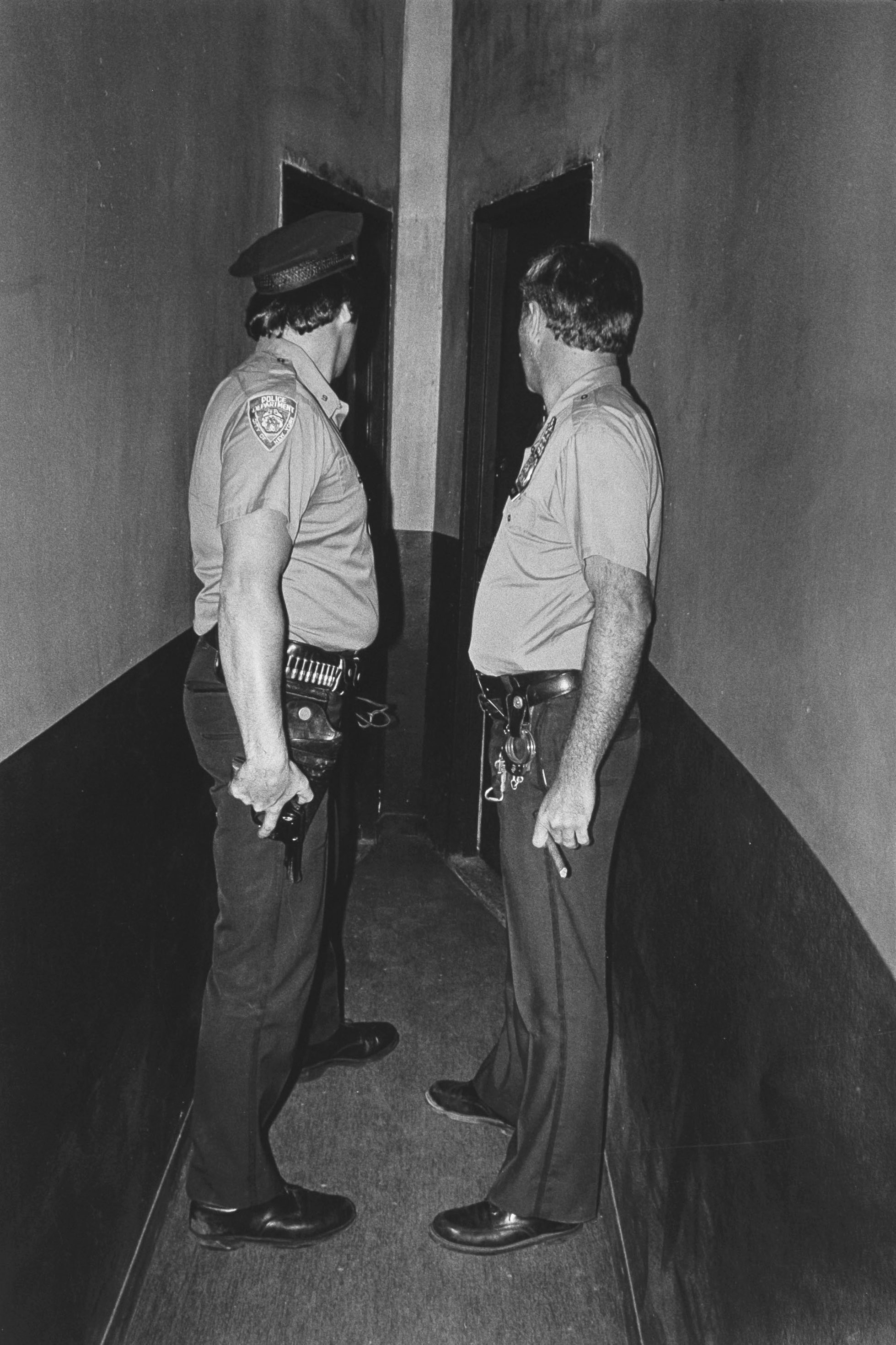
Resurrection City Residents. A police officer watches the residents of Resurrection City, a three thousand person tent city on the Washington Mall set up as part of the Poor People’s Campaign protest, Washington DC, May 1968.
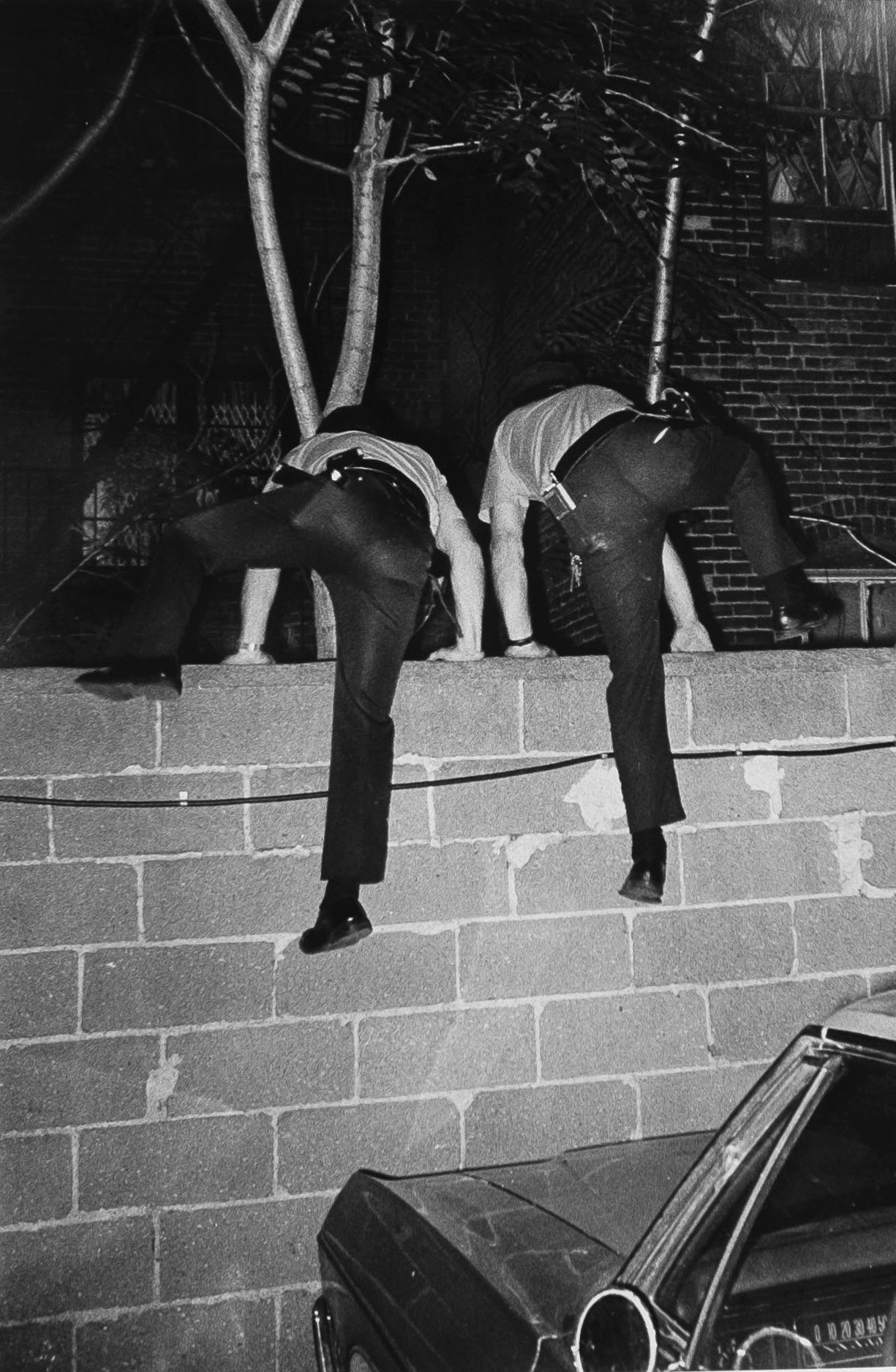
Two police officers from the 9th Precinct NYPD jump over a wall in Alphabet City, New York City, whilst in pursuit of a suspect, circa 1978.
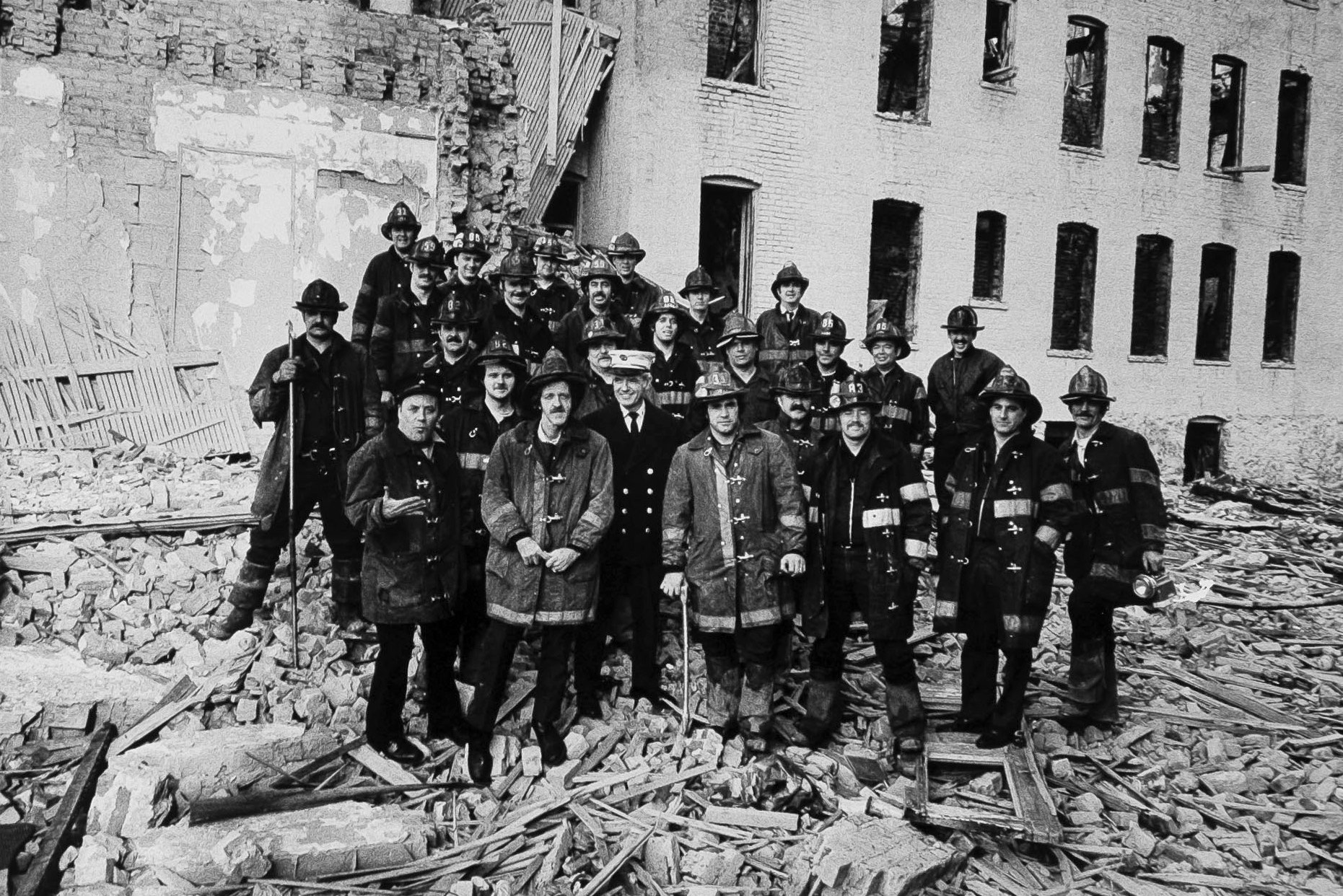
South Bronx Firemen. Four companies from the FDNY pose for a picture amongst rubble in the South Bronx, New York City, 1976.
The Jill Freedman Memorial Exhibition is on view at Soho Photo Gallery in New York from March 9–14, 2020.
Follow Miss Rosen on Twitter.
Enjoyed this article? Like Huck on Facebook or follow us on Twitter.
You might like

Jesse Glazzard’s messy portrait of queer friends, lovers and chosen family
The Sound of Dirt and Beauty — The photographer’s debut monograph explores tender, unpolished moments shaped by the people who he surrounds himself with, while offering a window into the UK’s working-class LGBTQ+ community.
Written by: Sunny Sunday

Behind the curtain at Alternative Miss World 1981
Olympia glamour — Running a subversive take on the traditional beauty pageant, the Andrew Logan organised event prioritised underground creativity and invention. Photographer David Corio went behind the scenes at its biggest edition.
Written by: Miss Rosen

New exhibition highlights British radical living over 200 years
Earthly Paradise — Taking place at the William Morris Gallery, it explores the homes and lives of artists, writers, musicians and more, as well as the conditions that allowed them to thrive.
Written by: Isaac Muk

What life on the Strait of Hormuz is really like
Southern Winds — Bandar Abbas based photographer Morteza Niknahad has been capturing the diverse communities and stories of his local region since he first picked up a camera. His new series highlights the human impact of war.
Written by: Isaac Muk

Nick Haymes’s intimate portrait of his family’s life
Chronograph — Over 25 years, the photographer documented his son’s lives as they grew into adults. The resulting photobook is an exploration of the passage of time, as well as the optimism of youth.
Written by: Miss Rosen

Kristina Rozhkova’s scatty, confronting portrait of captivity
Gut Feeling — The Russian artist’s 2024 arrest and subsequent detention opened her eye towards the omnipresent dynamics of power and control. Her new photobook is a stark exploration of being trapped.
Written by: Isaac Muk


