The photography duo who shaped '90s music history
- Text by Miss Rosen
- Photography by Guzman

By the 1990s, the music industry had changed irrevocably. Vinyl was becoming a thing of the past as CDs came to the fore, and music videos skyrocketed in popularity, requiring artists to develop an aesthetic to embody their sound.
Guzman – the husband and wife photography duo of Constance Hansen and Russell Peacock – helped to define the look of the times with a series of iconic album and magazine covers for everyone from Fishbone to En Vogue.
The couple got their start in music photography with the cover of Debbie Harry’s 1986 album, Rockbird, collaborating with the likes of Stephen Sprouse and Andy Warhol. Three years later, they hit the big time, when they photographed the cover of Janet Jackson’s Rhythm Nation 1814 – a groundbreaking album that transformed the course of Hansen and Peacock’s careers.
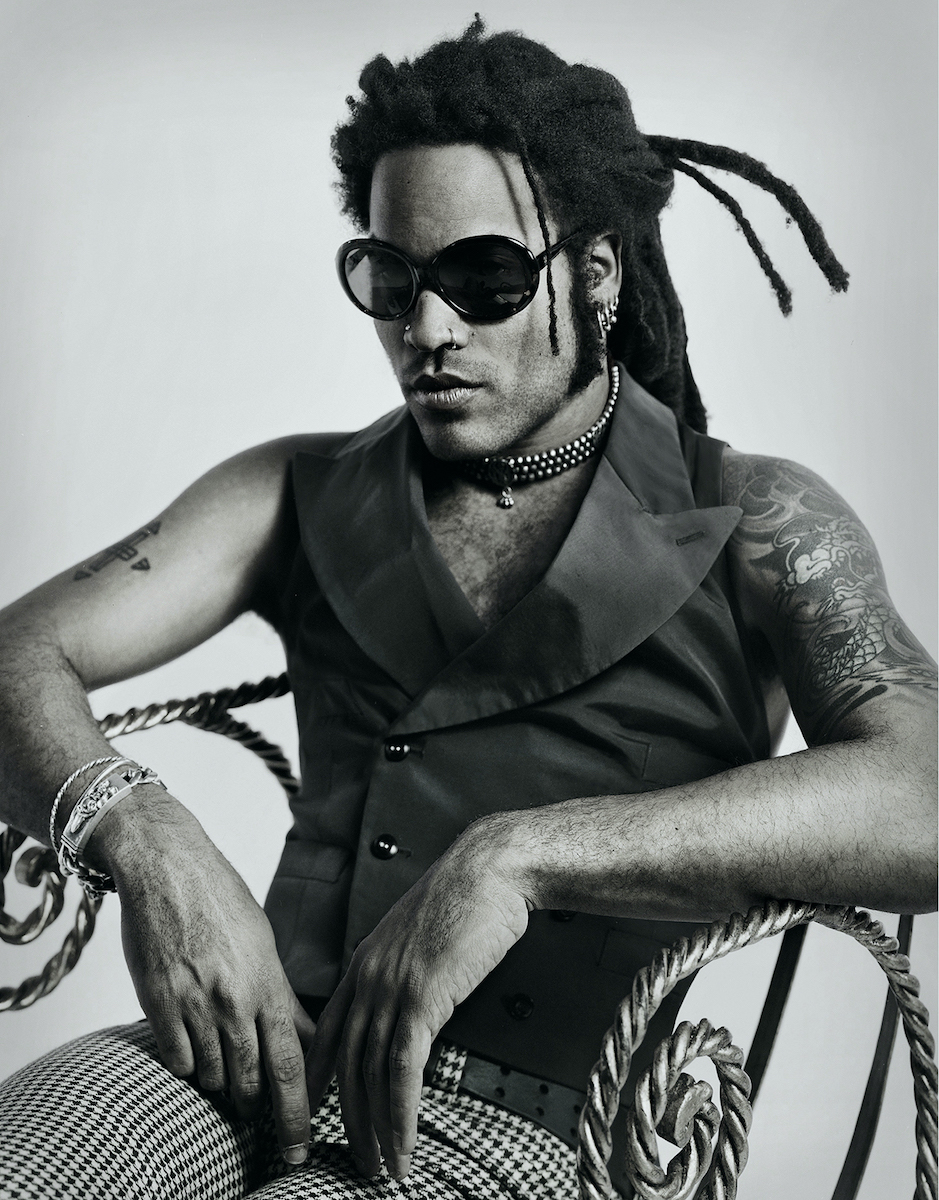
Throughout the ’90s, Guzman would go on to photograph some of the era’s biggest acts, among them Lenny Kravitz, Luther Vandross, SWV, and Salt-N-Pepa. Long before industry personnel began crowding photo shoots, photographers and artists collaborated in intimate settings.
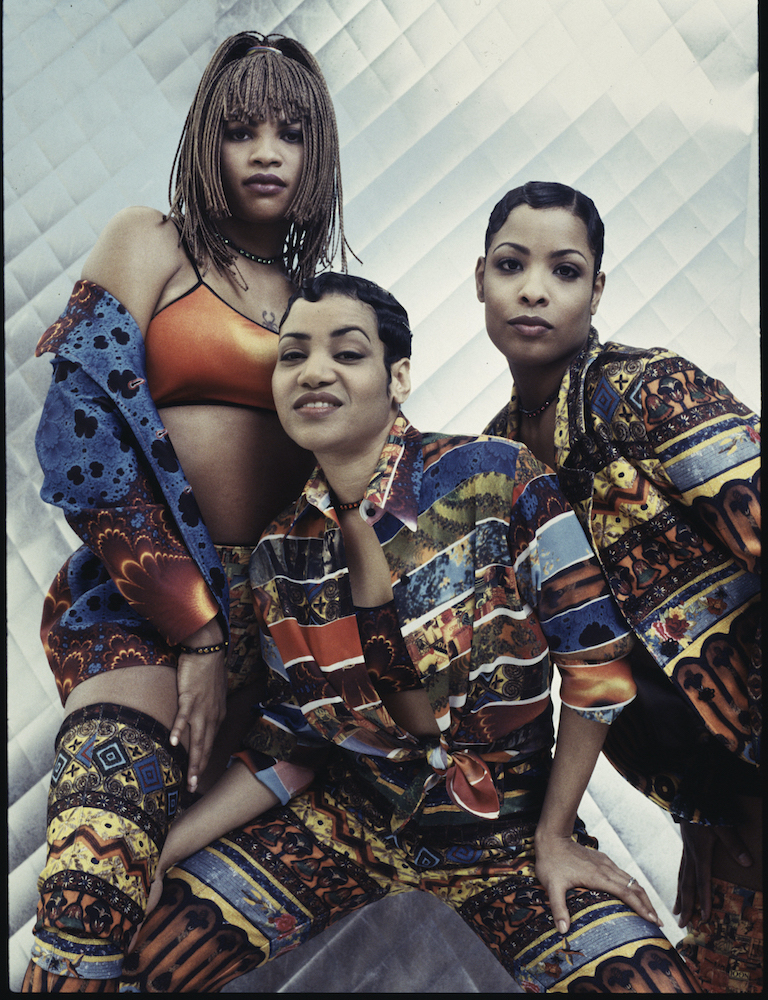
“You hooked up with the star,” Hansen says. “They would show up with family or by themselves. There was no separation between the star and the photo team.”
“The photo studios weren’t the big fabulous extravaganza they became by the late ’90s,” adds Peacock. “They were kind of run down, rough – just studios that haven’t been cleaned in 30 years. It was a lot more real. It changed quickly later in the decade.”
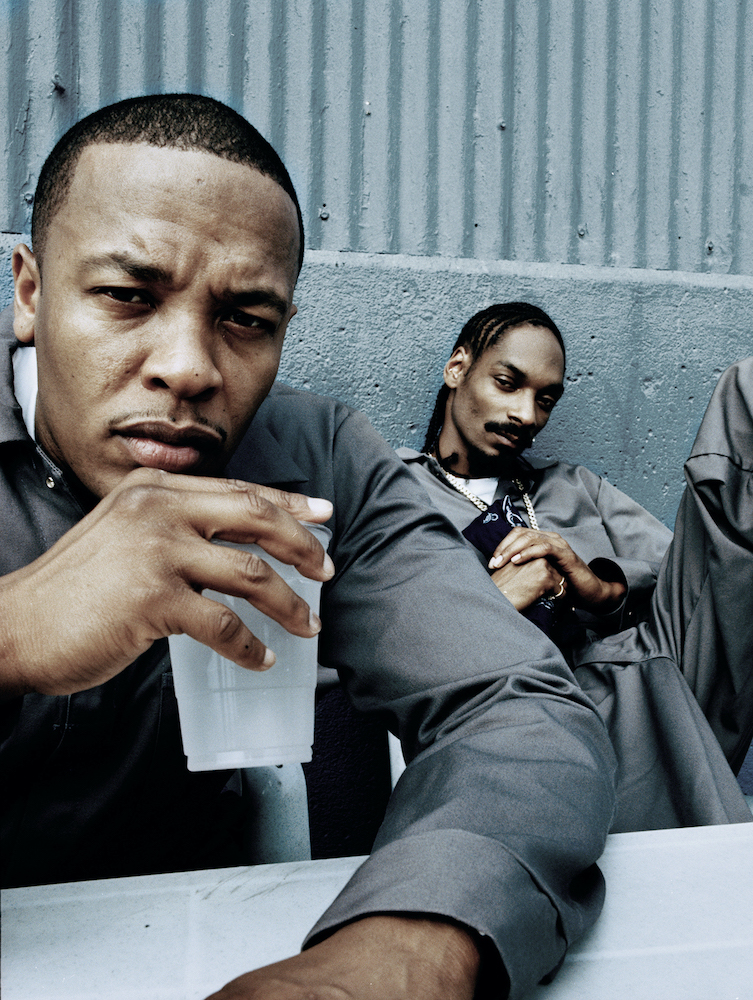
On set, artists often gave the photographers free rein to create a look to match their sound. For the “Dissecting the ’90s” cover story for Blaze magazine, Guzman decided to outfit Dr. Dre and Snoop Dogg in worker coveralls. “Every rapper was encrusted in bling and these guys were becoming moguls,” Peacock recalls. “We wanted them to be the opposite. By the end of the ’90s, most people were tired of all the labels and the luxury. It had come full circle.”
The ’90s began with the introduction of grunge – an aesthetic Guzman witnessed firsthand when they were flown out to Los Angeles to photograph Kurt Cobain and Courtney Love for the cover of Spin magazine in 1992. The story was conceptualised as a wholesome, family affair in response to Lynn Hirschberg’s notoriously debauched portrayal of the couple for the September issue of Vanity Fair in 1992.
“We went to their house. Courtney opened the door and there was guava pie and some Dunkin’ Donuts coffee. We thought we were going to do a domestic scene but there was nothing there. We opened the refrigerator and it was empty, except for a gallon of eyewash. It was the most beautiful, authentic rock and roll environment we were ever in,” Hansen says.
“Kurt stayed in bed the whole time. We hung out with him in his bedroom photographing his toys, him in bed, the baby,” she continues. “There was no pretense. Courtney was making rice-a-roni for him to eat. They were just real.”
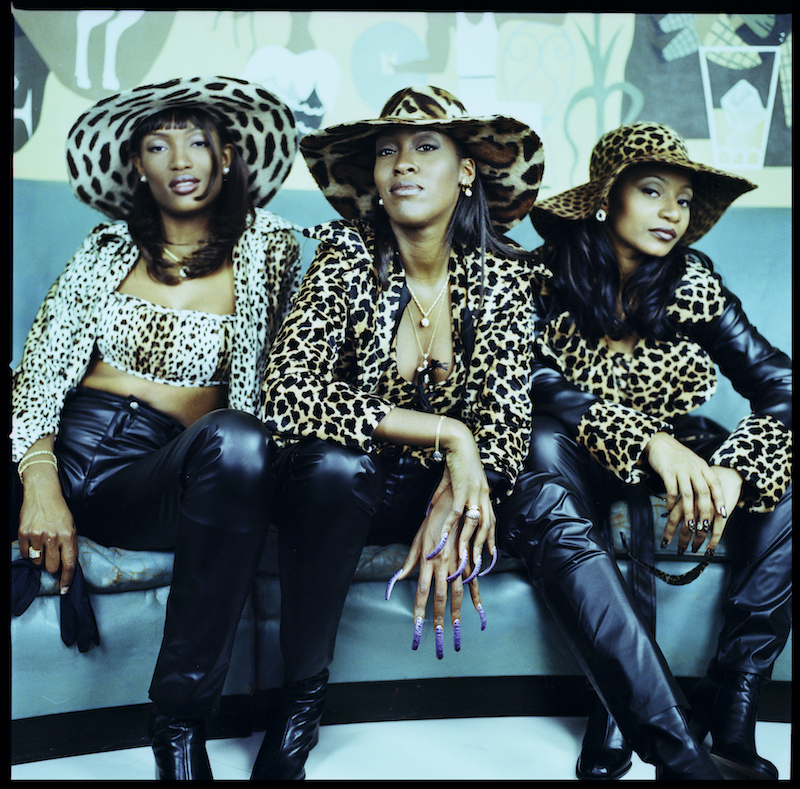
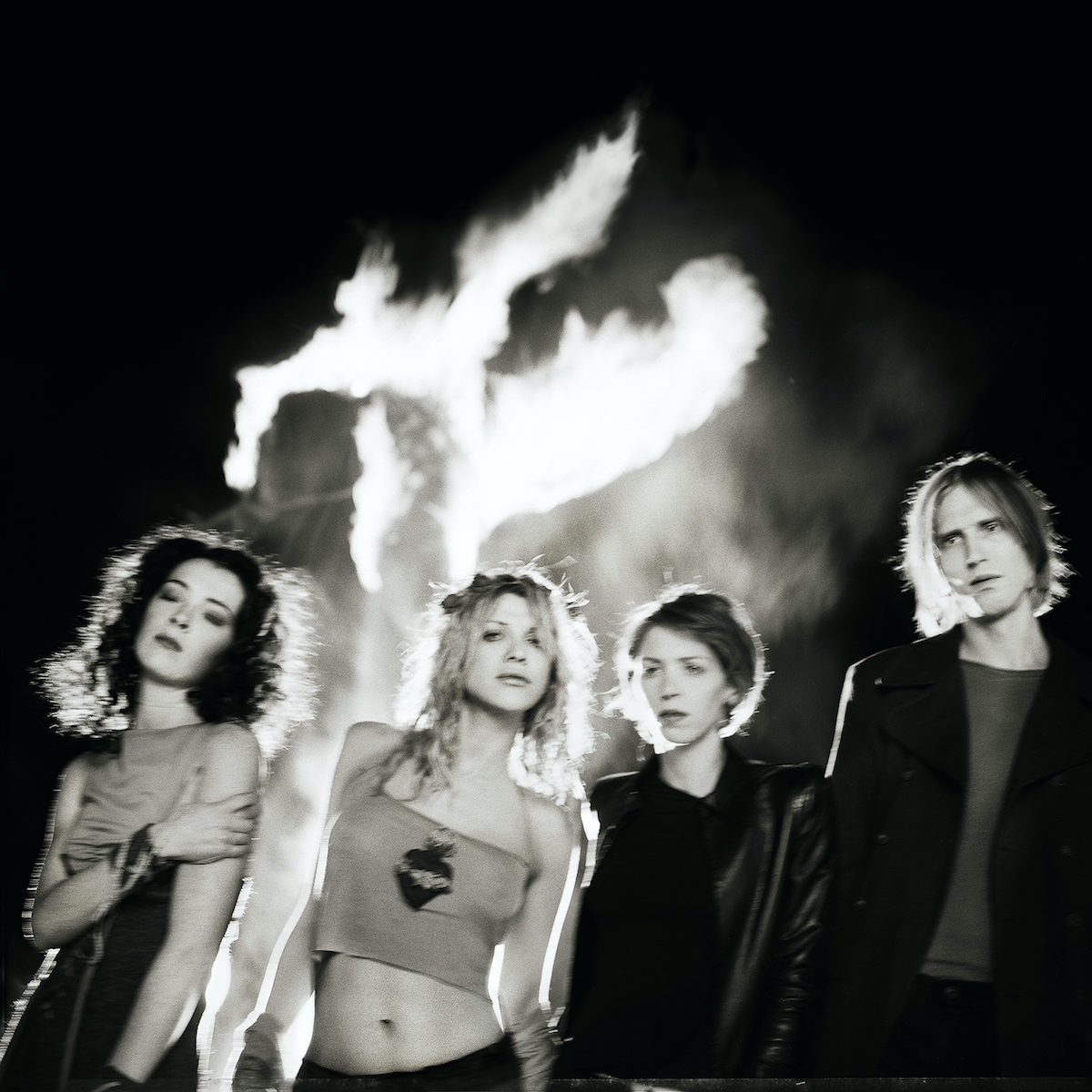
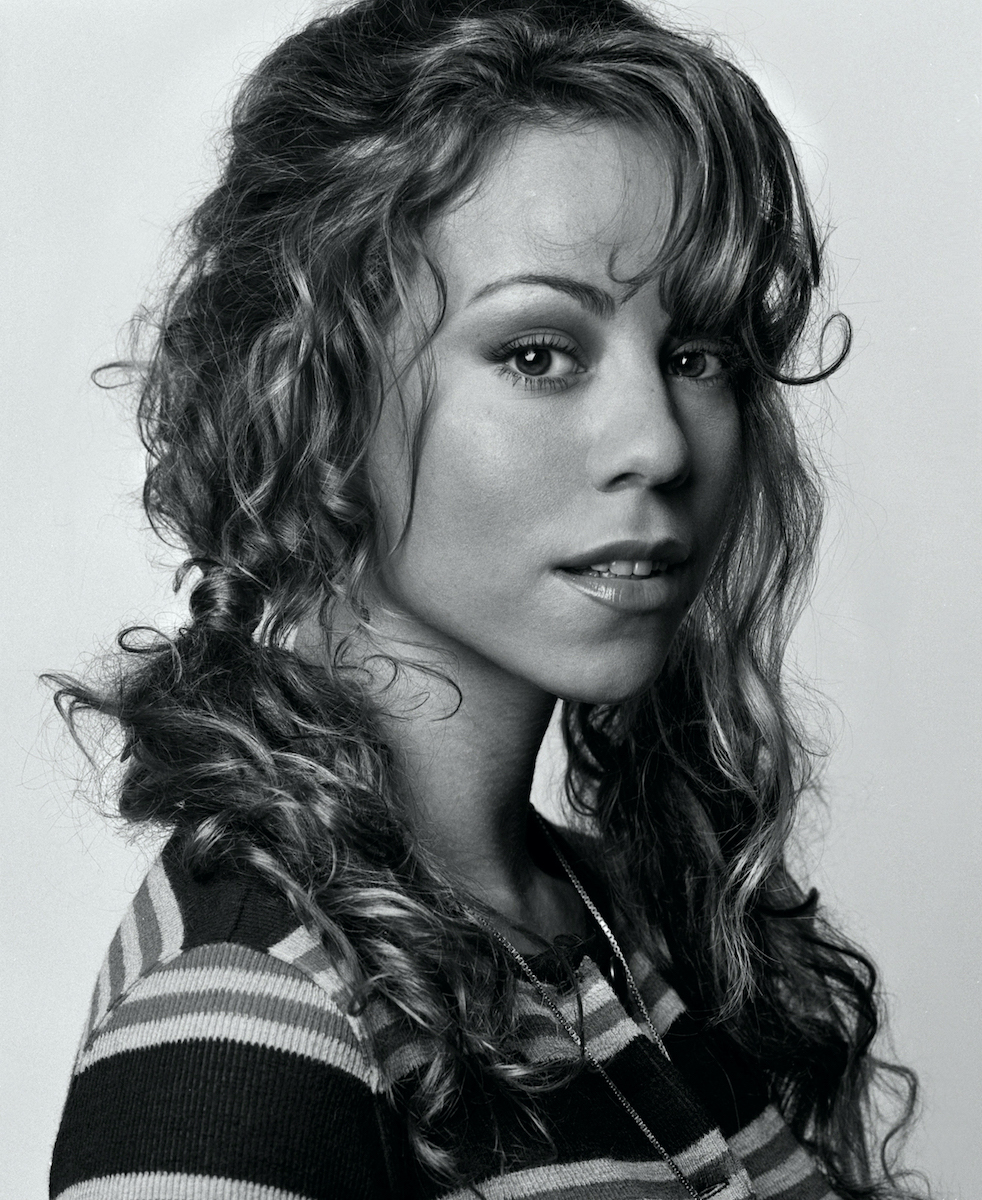
Discover more of Guzman’s work here.
Follow Miss Rosen on Twitter.
Enjoyed this article? Like Huck on Facebook or follow us on Twitter.
You might like

Jesse Glazzard’s messy portrait of queer friends, lovers and chosen family
The Sound of Dirt and Beauty — The photographer’s debut monograph explores tender, unpolished moments shaped by the people who he surrounds himself with, while offering a window into the UK’s working-class LGBTQ+ community.
Written by: Sunny Sunday

Behind the curtain at Alternative Miss World 1981
Olympia glamour — Running a subversive take on the traditional beauty pageant, the Andrew Logan organised event prioritised underground creativity and invention. Photographer David Corio went behind the scenes at its biggest edition.
Written by: Miss Rosen

New exhibition highlights British radical living over 200 years
Earthly Paradise — Taking place at the William Morris Gallery, it explores the homes and lives of artists, writers, musicians and more, as well as the conditions that allowed them to thrive.
Written by: Isaac Muk

What life on the Strait of Hormuz is really like
Southern Winds — Bandar Abbas based photographer Morteza Niknahad has been capturing the diverse communities and stories of his local region since he first picked up a camera. His new series highlights the human impact of war.
Written by: Isaac Muk

Green Man is more than a music festival
Planting roots — For nearly a quarter century, the fiercely independent weekender has been flying the flag for Welsh arts and music. As an ecosystem now bubbles around it, Anna Stafford meets the people who keep the fire burning.
Written by: Anna Stafford

Nick Haymes’s intimate portrait of his family’s life
Chronograph — Over 25 years, the photographer documented his son’s lives as they grew into adults. The resulting photobook is an exploration of the passage of time, as well as the optimism of youth.
Written by: Miss Rosen


