The story behind Switzerland’s new feminist revolution
- Text by Beth Webb
- Photography by Marie Durand (header)

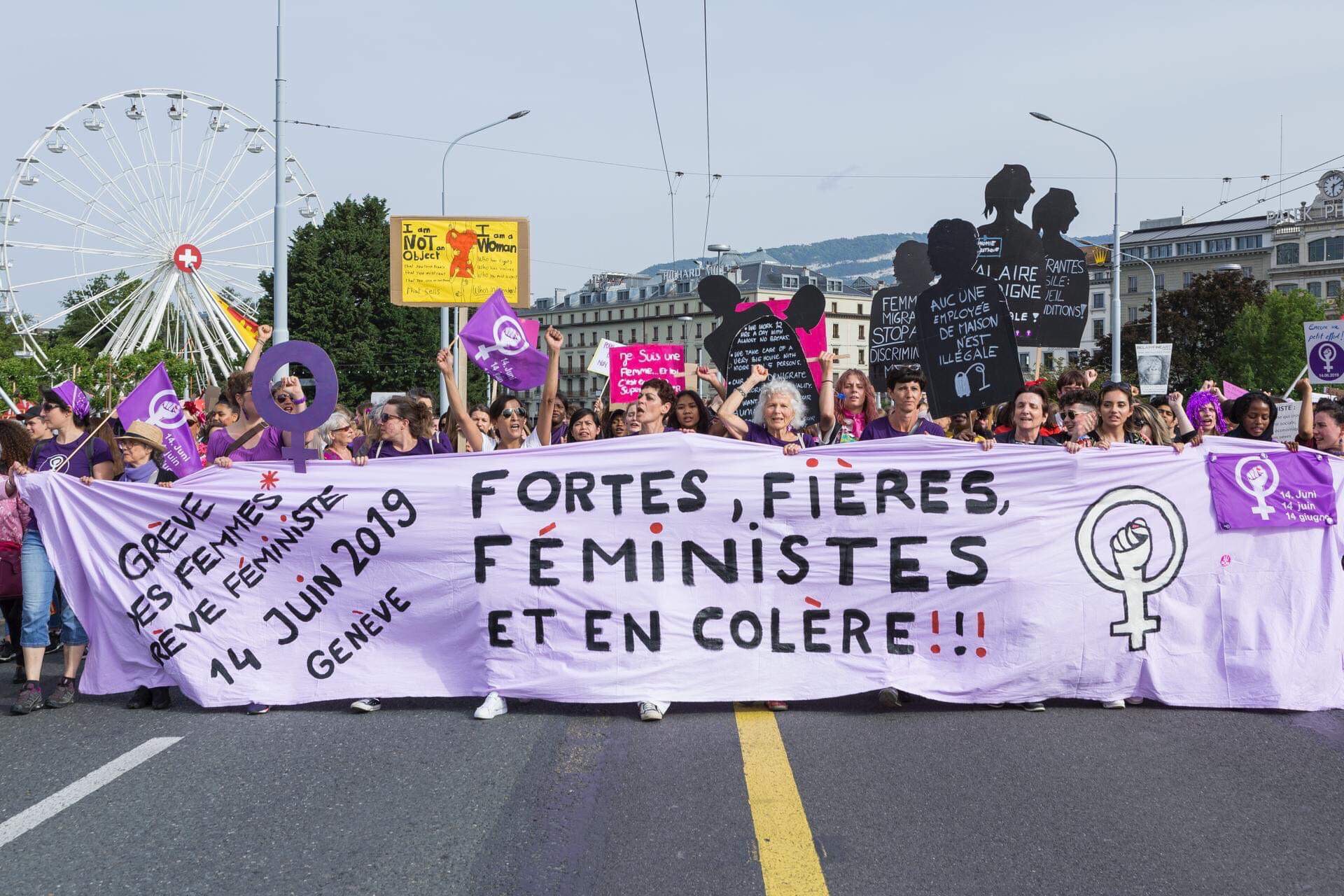
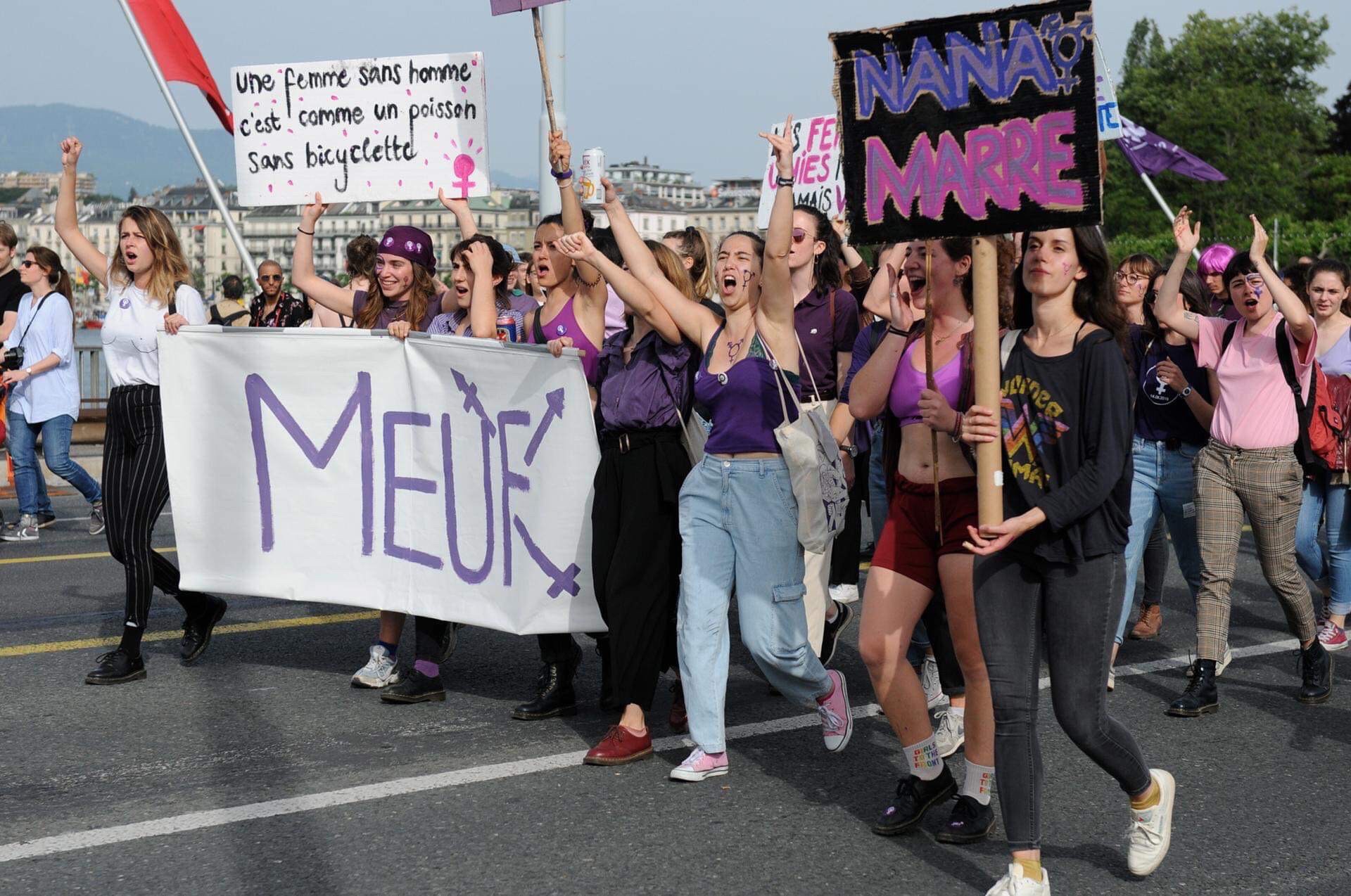
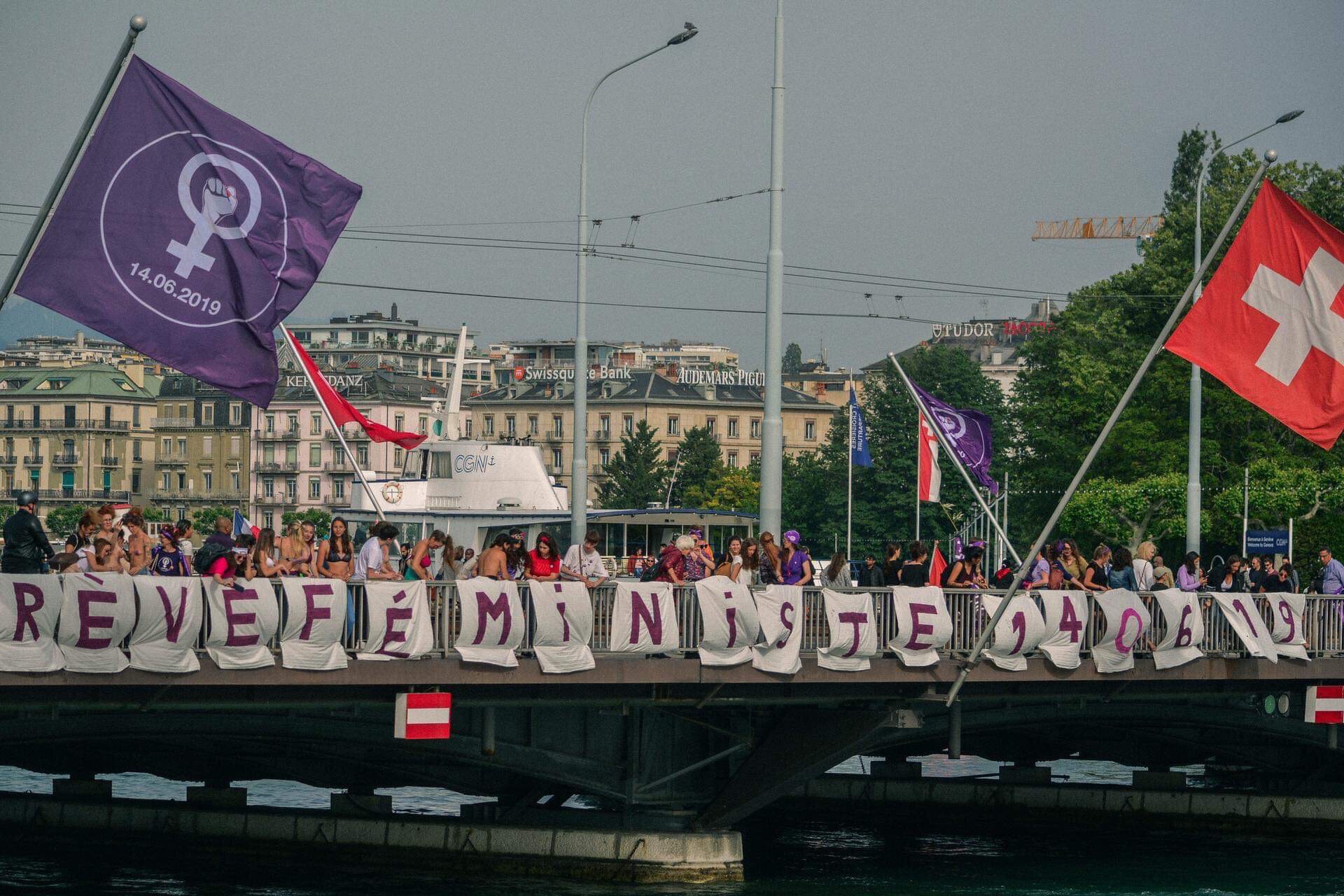
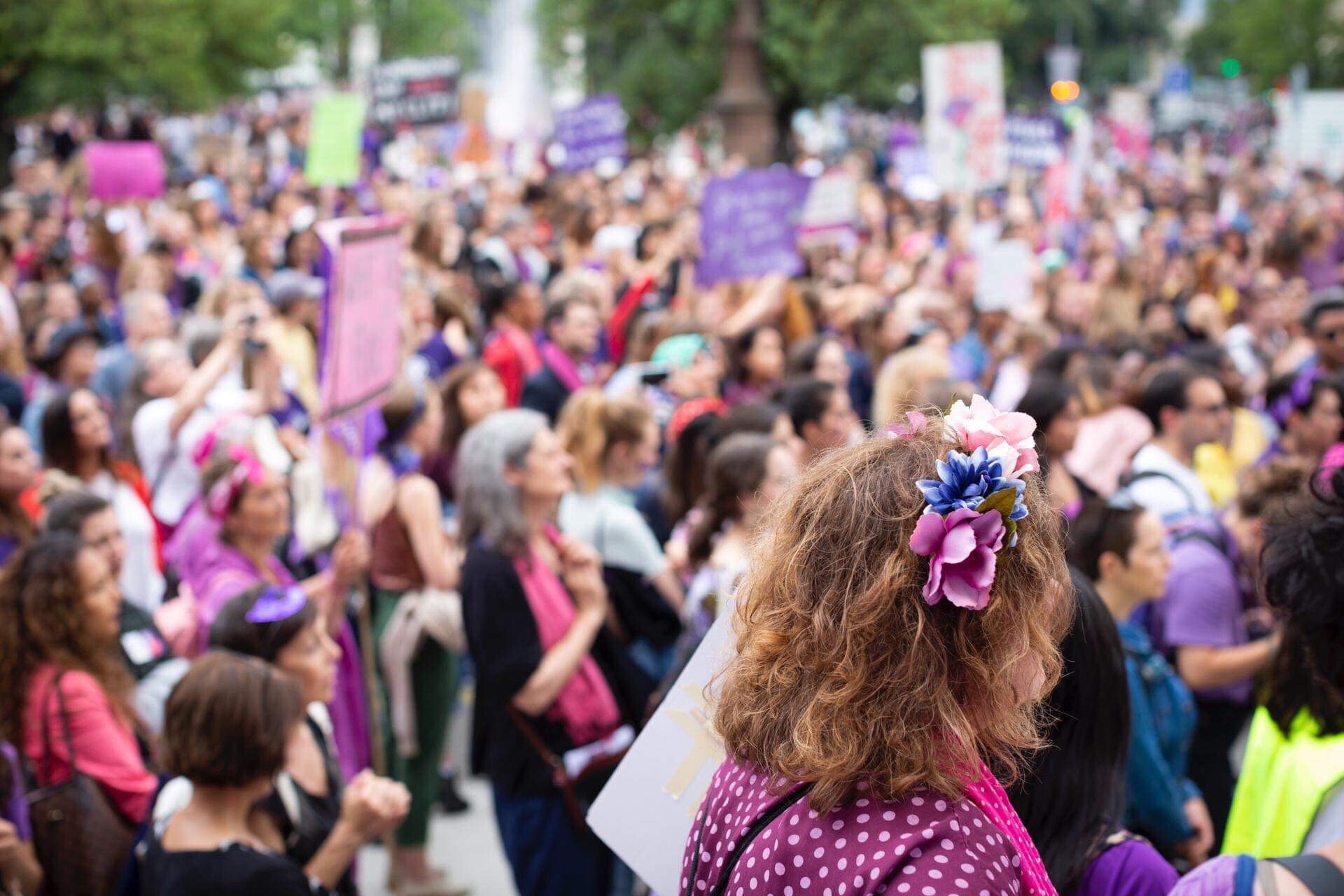
On a thunder-stricken Friday morning in June, tens of thousands of galvanised women donned purple and gathered in pockets across the neighbourhoods of Geneva. This would be the first women’s strike to sweep the city – and Switzerland at large – since 1991. Frustrated by the cavernous differences in wage and workers rights experienced between men and women, activists of all ages and social backgrounds painted signs, sang songs native to their origins, and marched side-by-side in hopes of raising global awareness of their mistreatment. A nationwide strike also took place later that afternoon, with workers abandoning their posts in protest and bringing their cities to a temporary standstill. So what’s the story behind it? Huck spoke with key organisers and participants from the event to find out how this call-to-action came about.
Raphaëlle Mueller
Camille S
Part-time lawyer
“I am a mother, and mothers are really discriminated against in the labour market in Switzerland. I was employed in my previous job for four years, and after my maternity leave I was dismissed without reason. This happens very often in Switzerland; women are dismissed solely on the basis that they are mothers. It happened just after I asked my previous employer for breastfeeding breaks, which are enshrined in Swiss legislature, but as there is no protection against dismissal during this period, employers can let women go if they ask for this.
As an unemployed mother, you then have to systematically prove that childcare is available in order to receive benefits, something that fathers never have to justify. This all happened during a time when I was feeling very vulnerable. I was lucky to have my family and husband, but many mothers have to face this alone. I had to fight for these women as well as myself.
Marie Durand
The 1991 Strike helped to politicise thousands of women, which in turn pushed Switzerland to take significant steps for women’s rights. This included the adoption of the Federal Law on Gender Equality, maternity leave, the right to an abortion, and measures to combat domestic violence. Today, however, we need new momentum! All Swiss women are exposed to sexism, discrimination, stereotyping and violence, in the workplace, at home or on the street. Over the past 20 years, we have witnessed the rise of neoliberal policies: funding for public services are threatened, social benefits are reduced, working and retirement conditions worsen.
The prevailing economic dogma wants to maximise profits at the expense of human beings and ecological balance. Women are the first to suffer as precarious workers, migrants or mothers, and are often solely responsible for the household and children. Currently, in addition to wage inequality, one woman out of seven loses her job as a direct consequence of pregnancy, and retired women receive only 63 per cent of the average pension received by men.
Today, according to figures in January 2019, women are paid on average 20 per cent less than men in Switzerland.
Our objective within our collective was to get women from across the whole country, from all conditions and origins, to unite and express their specific issues in relation to gender inequality. We wanted to create connections between women from different horizons, and have a huge purple wave sweeping the country. More than 540,000 people took part in the protests and marches across the country. More than 100,000 women marched in Zurich, some 60,000 in Lausanne, and around 30,000 in Geneva. Many of us had tears in our eyes as we watched the magnitude of the demonstration.”
Lynn Mackenzie
Economist specialising in gender and diversity
“We’re made to believe that the only way a society can function is the way that has been set up by that of the standard male. If you look back on economic theory, it only has two dimensions of time built in: paid work and leisure. If women had been present in the discussion, the whole theory would have been set up differently, and we would not have the mess we have today.
Gender stereotypes are very strong in Switzerland; so much so that both women and men need to go through a long process to open their eyes on how gender impacts their everyday lives, and limits their possibilities in life. Switzerland may be a direct democracy, but it is also dominated by very conservative interests and has many active economic lobbies.”
Caroline Planche
Sara Kassel
Communications manager at F-Information
“I joined the strike because I believe it’s necessary to make our claims visible and combative. It gives women strength to meet other women who have the same claims within the same public space. I marched because of my fears of what my family life and professional life would look like in the future given Switzerland’s attitudes towards unequal parental leave, and to stand up against gendered models that tell us every day through the media how women or men should act.
I hope that our actions will galvanise change in many professional sectors as well as in our personal lives, and that younger generations will remember this strike and will integrate its messages into their lives as they become adults.”
Rebecca Bowring
Follow Beth Webb on Twitter.
Enjoyed this article? Like Huck on Facebook or follow us on Twitter.
You might like
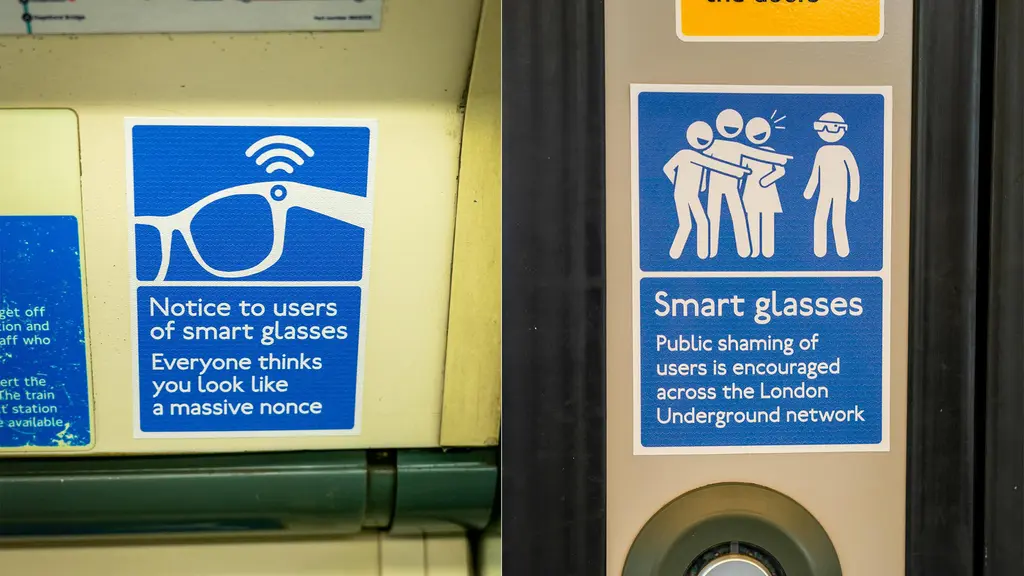
Activists slam “pervert glasses” in new guerrilla campaign
Everyone Hates Elon — Stickers have appeared on the London Underground network, criticising the wearable technology’s covert filming capabilities.
Written by: Isaac Muk

New exhibition highlights British radical living over 200 years
Earthly Paradise — Taking place at the William Morris Gallery, it explores the homes and lives of artists, writers, musicians and more, as well as the conditions that allowed them to thrive.
Written by: Isaac Muk

Pink Floyd’s Roger Waters joins team of new Palestinian resistance documentary
Freedom Theatre — Directed by Rishi Pelham, the film spotlights a theatre operating in the Jenin refugee camp.
Written by: Ella Glossop

Just Stop Oil holds first protest in 17 months
No new drilling — Having previously said that it was “hanging up the hi-vis”, the climate activist group has blocked a road outside Parliament to protest Andy Burnham opening the door for new oil and gas extraction licenses in the North Sea.
Written by: Ella Glossop

In photos: The enduring resistance of Notting Hill Carnival
Carnival of Resistance — A new photobook by Wayne Campbell and Wayne Crichlow reflects on the protest beginnings of Europe’s biggest street festival, along with the traditions keeping its original spirit alive today.
Written by: Isaac Muk

Tens of thousands gather to remember Jason Arday at London vigil
Stand Up to Racism — It took place in Trafalgar Square, with speakers paying tribute to the former Cambridge professor’s life and achievements, while calling for accountability over the reporting he faced from the mainstream press.
Written by: Ella Glossop


