The underdogs and vagabonds of Romania's underworld
- Text by Miss Rosen
- Photography by Mihai Barabancea

On Christmas Day 1989, Romanian President Nicolae Ceaușescu was executed by a firing squad after being convicted of economic sabotage and genocide. His despotic 15-year regime had come to an end, and the nation was finally liberated from the Eastern Bloc.
As a new era emerged, artist Mihai Barabancea got his start with graffiti art. “By the end of the ‘90s, Romanian young democracy has been culturally colonised and influenced by American media. We were like a sponge for new trends,” he says.
“Graffiti was something that gave me dopamine. I started discovering abandoned communist factories through urban exploring Bucharest. Photography was an instrument for documenting these sessions.”
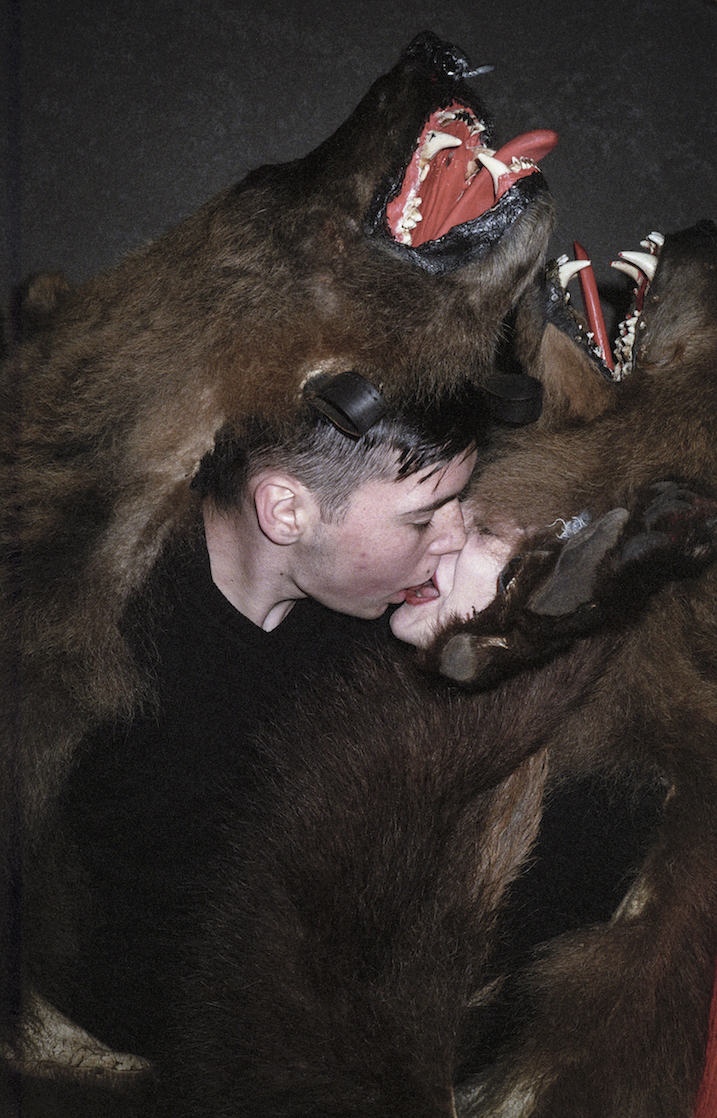
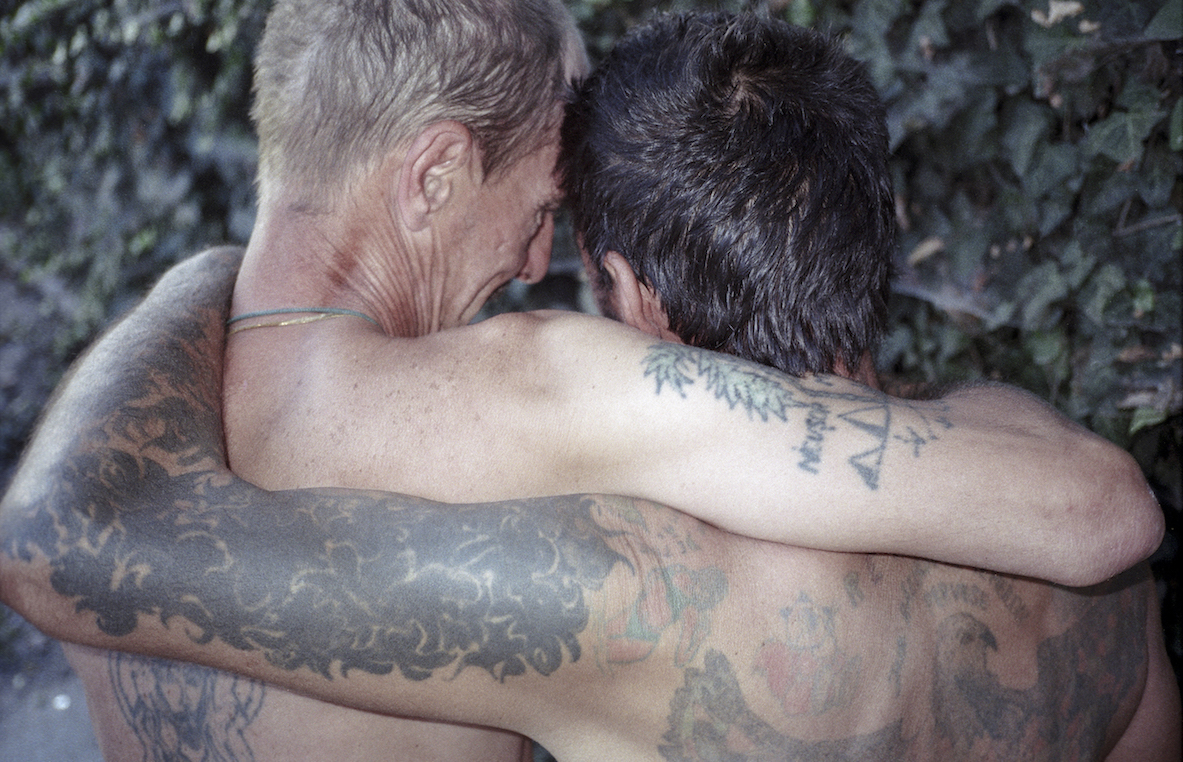
Barabancea continued making photographs, documenting the crooks, vagabonds, underdogs, con men, buskers, and shady characters that crossed his path as he travelled through Romania and Moldova using a process he describes as “hyper-reality hacking,” combining multiple genres into a single image to alter the narrative.
“I’m surfing for experiences, for new types of thrills,” he says. “There is a lot of inspiration everywhere. It’s all interconnected. It’s interesting how you get your answers from the most unexpected places. I’m passionate about cinematography, so in my books, I try to sequence a whole universe with a parallel alternative narrative – a surreal, magical realistic doc-fictional voyage.”
A new book, Falling on Blades (Edition Patrick Frey), showcases Barabancea’s radical approach with a series of intoxicating images portraying the fringes of society. The title references the phrase to ‘accidentally fall on a blade thirteen times’ – a poetic allusion to being stabbed but not killed, forced to roll with the punches and persevere against the odds.
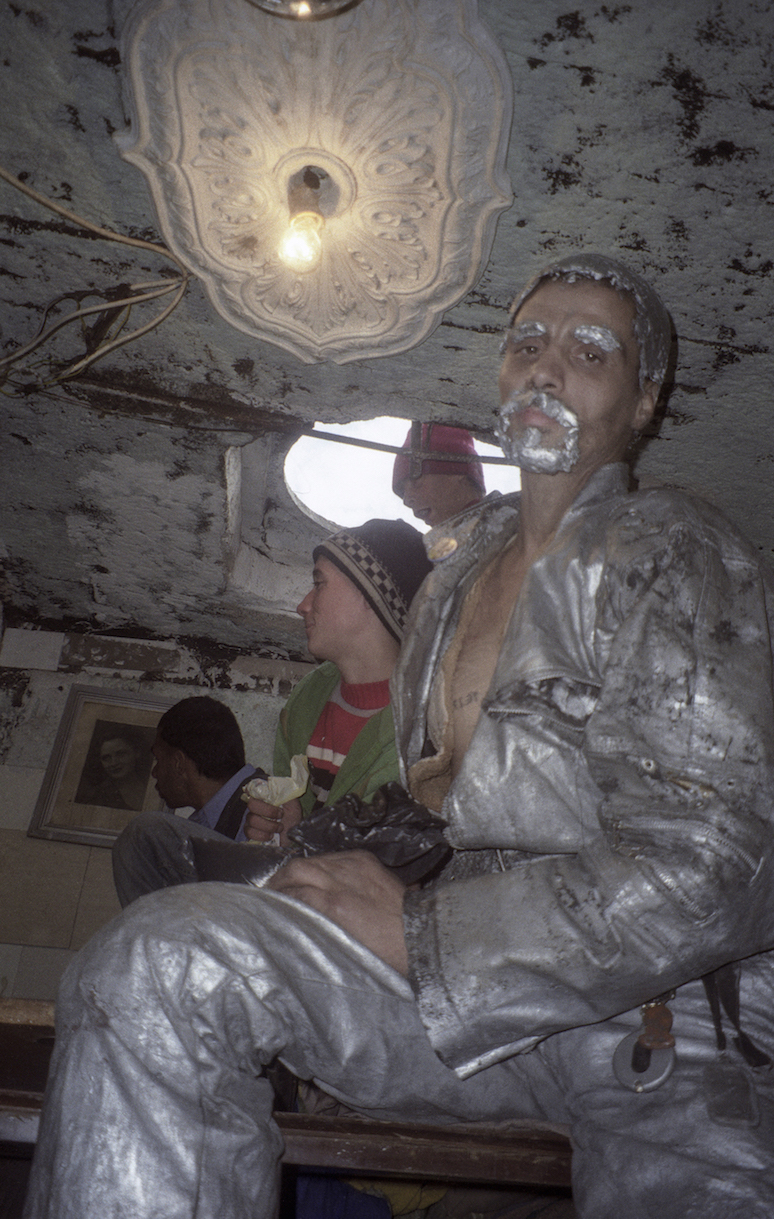
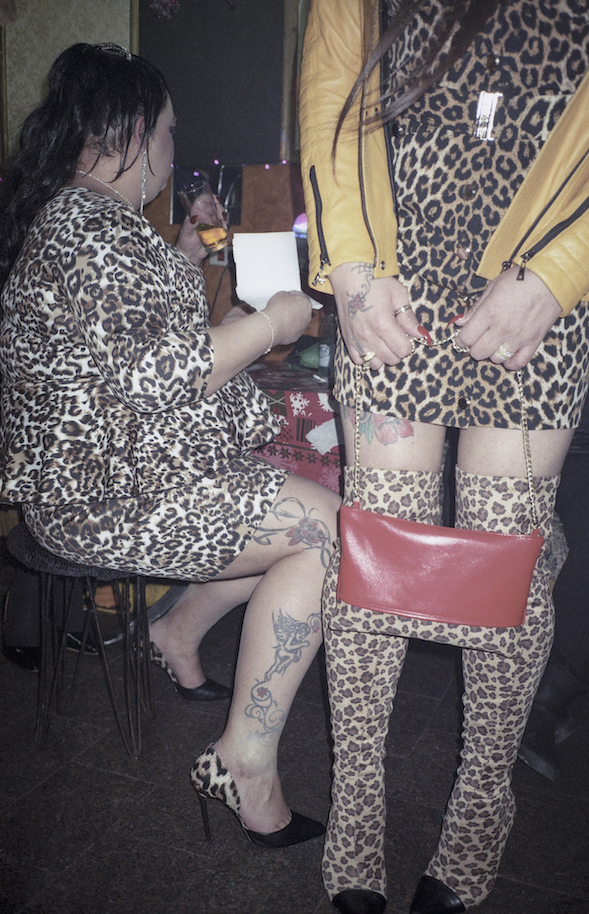
Falling on Blades is a world unlike anything ever seen before: a barbecue at the cemetery, nudists painted black playing backgammon on the beach, a car crashed into the upper floors of an apartment building. Here, sex, drugs, and caskets are all in a night’s work.
“My style is a mix of multiple genres of image representation. The types of missions I go into are so complex, so they keep me updated with the many layers of society and its glitches. It’s a way of knowing myself better and self-discipline by envisioning a better tomorrow. Many times I collapsed under the heaviness of my divine mission.”
Despite censorship from the Ministry of Culture, he perseveres. “They [the Ministry of Culture] could alter and decontextualise my name into losing credibility,” he says. “These things are already happening locally through [people] focusing on my unorthodox, extreme artistic practice… But these discussions are also my intended effect. Art is about free opinions.”
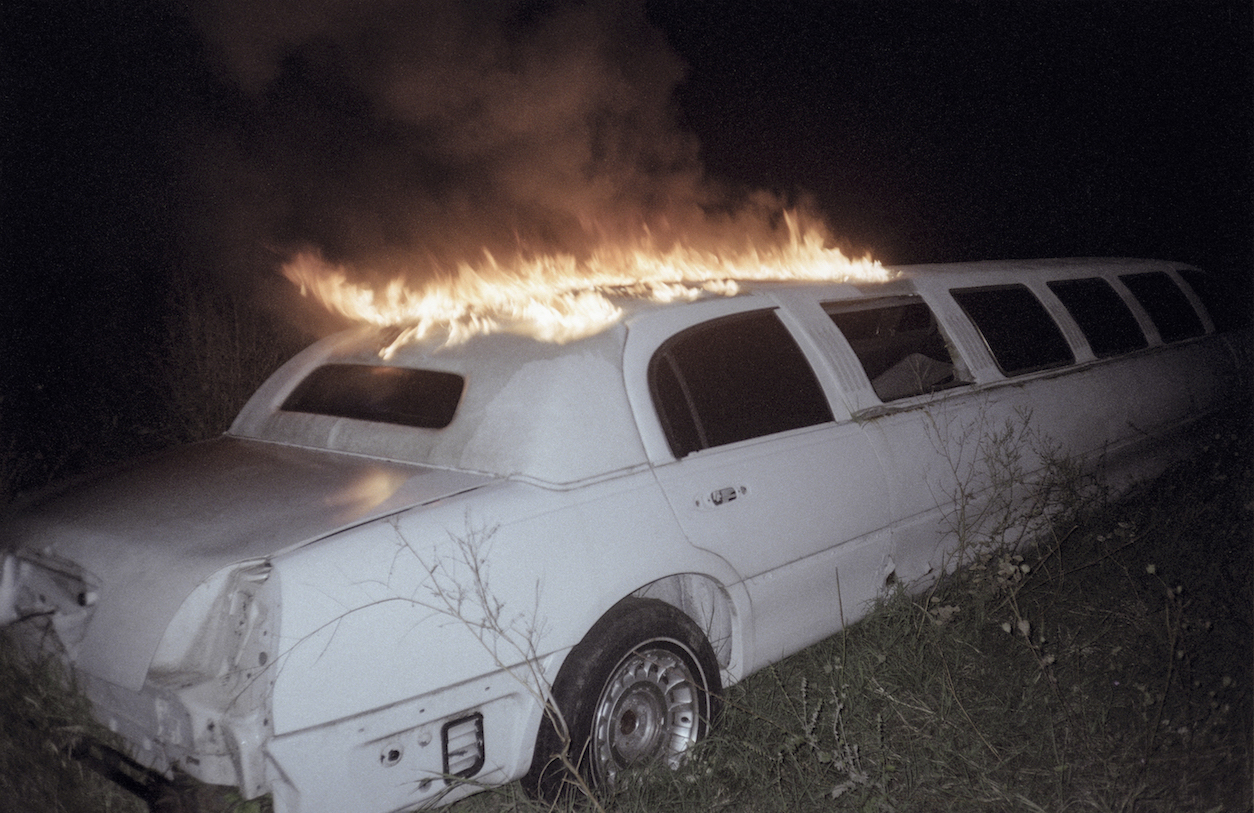
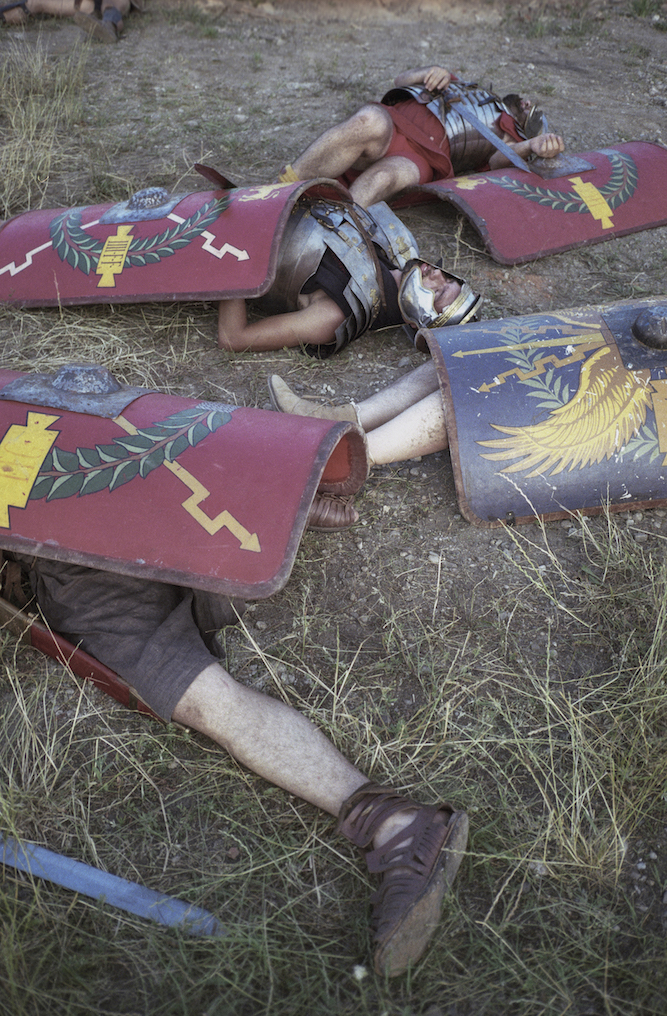
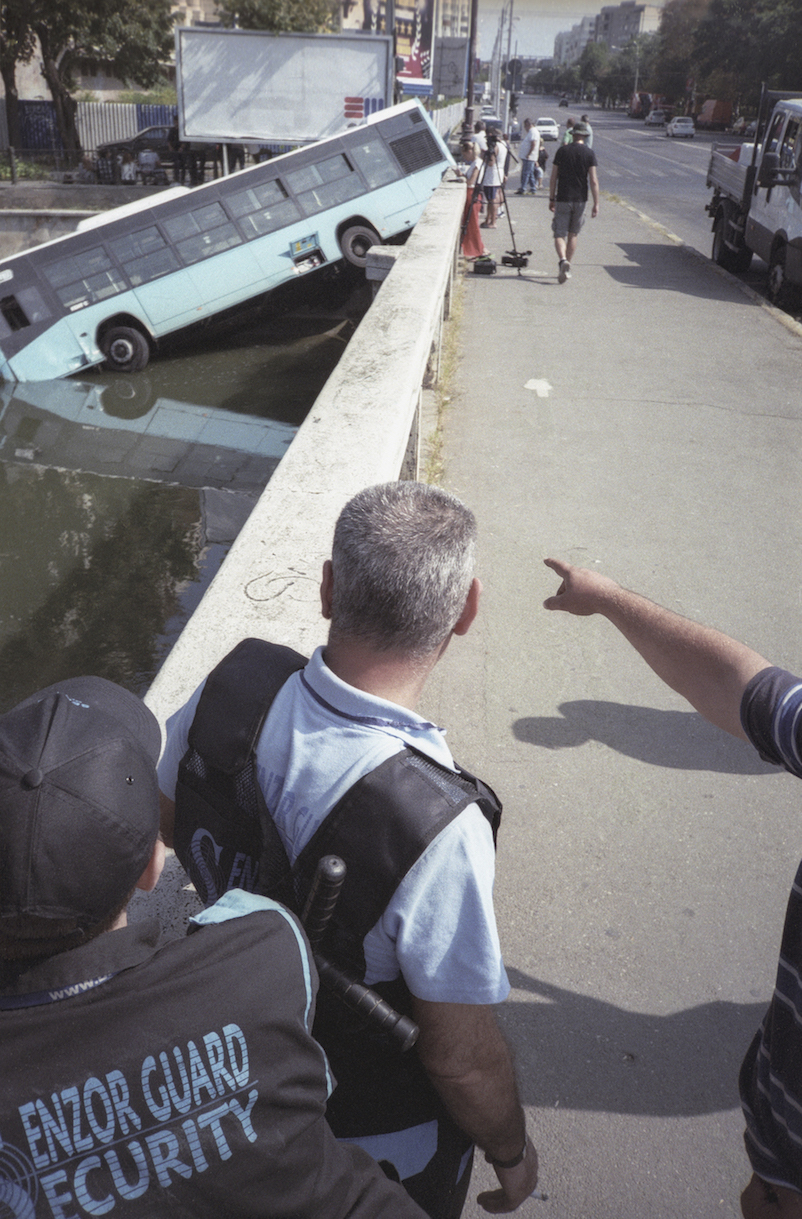
Falling on Blades is out now on Edition Patrick Frey.
Follow Miss Rosen on Twitter.
Enjoyed this article? Like Huck on Facebook or follow us on Twitter.
You might like

The raw, fledgling intimacy of Peter Hujar’s contact sheets
Hujar:Contact — A new photobook highlights the process of the legendary queer photographer, and his process of growing into the artist he ultimately became.
Written by: Miss Rosen

Jesse Glazzard’s messy portrait of queer friends, lovers and chosen family
The Sound of Dirt and Beauty — The photographer’s debut monograph explores tender, unpolished moments shaped by the people who he surrounds himself with, while offering a window into the UK’s working-class LGBTQ+ community.
Written by: Sunny Sunday

Behind the curtain at Alternative Miss World 1981
Olympia glamour — Running a subversive take on the traditional beauty pageant, the Andrew Logan organised event prioritised underground creativity and invention. Photographer David Corio went behind the scenes at its biggest edition.
Written by: Miss Rosen

New exhibition highlights British radical living over 200 years
Earthly Paradise — Taking place at the William Morris Gallery, it explores the homes and lives of artists, writers, musicians and more, as well as the conditions that allowed them to thrive.
Written by: Isaac Muk

What life on the Strait of Hormuz is really like
Southern Winds — Bandar Abbas based photographer Morteza Niknahad has been capturing the diverse communities and stories of his local region since he first picked up a camera. His new series highlights the human impact of war.
Written by: Isaac Muk

Nick Haymes’s intimate portrait of his family’s life
Chronograph — Over 25 years, the photographer documented his son’s lives as they grew into adults. The resulting photobook is an exploration of the passage of time, as well as the optimism of youth.
Written by: Miss Rosen


