The West Midlands scrub that became a teenager’s paradise
- Text by Geralda Cela
- Photography by Laura Pannack

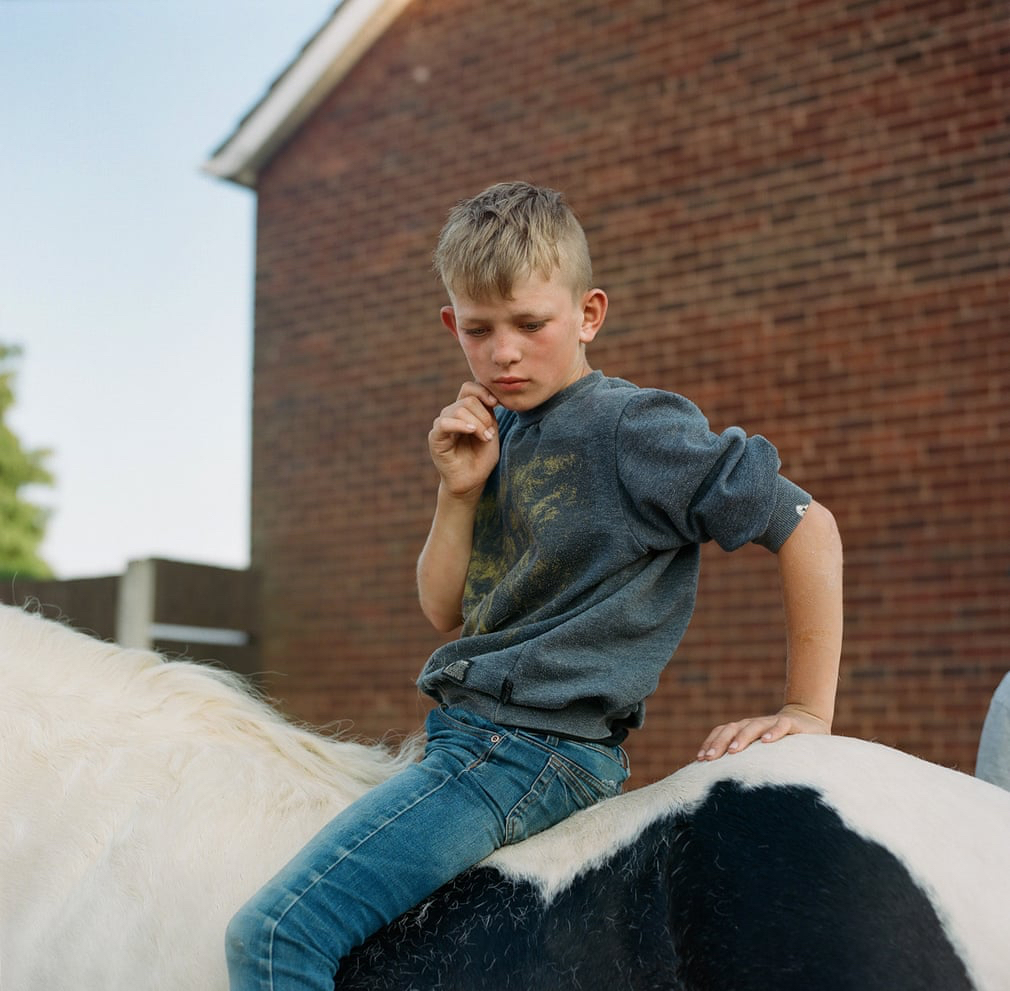
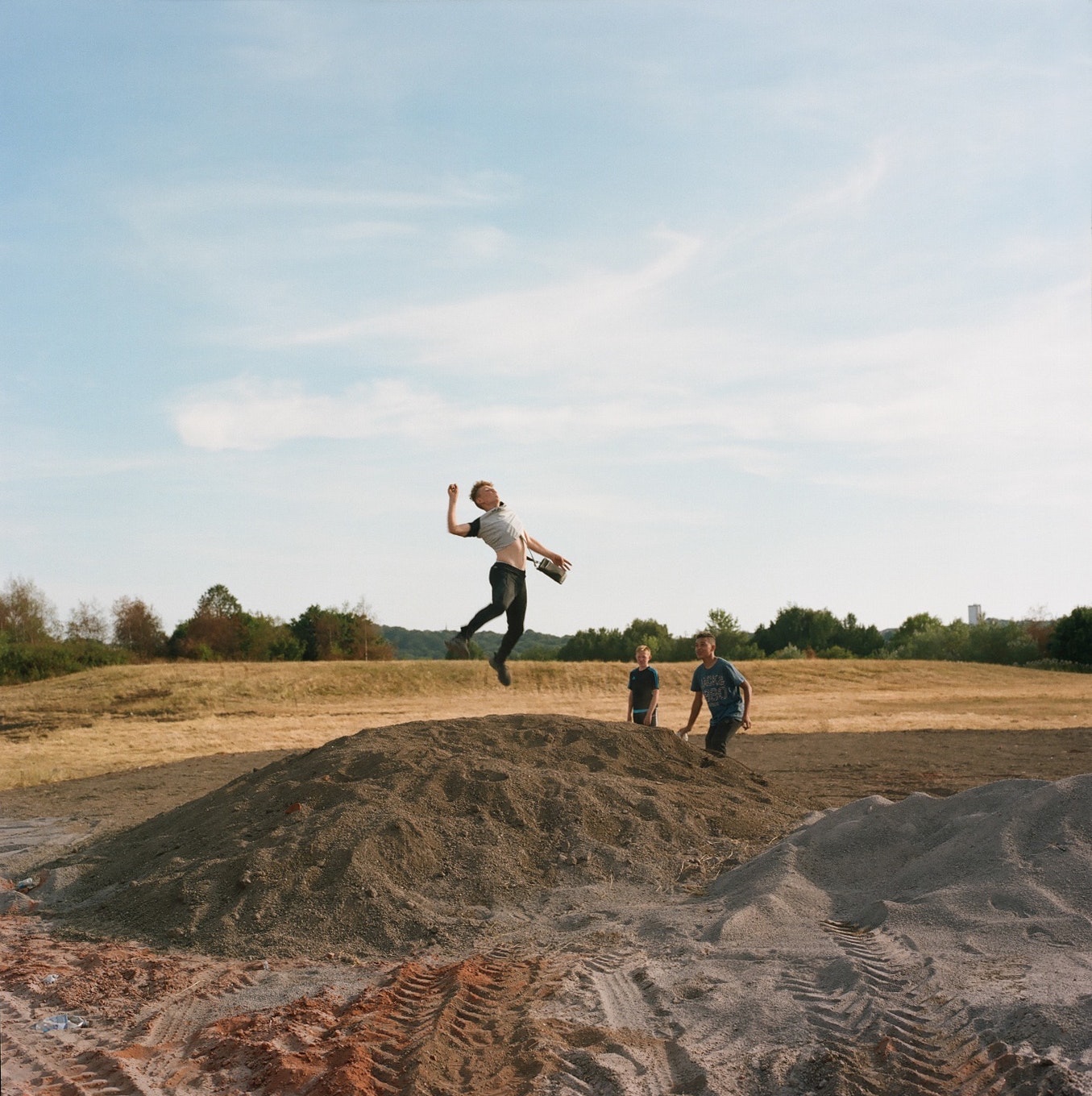
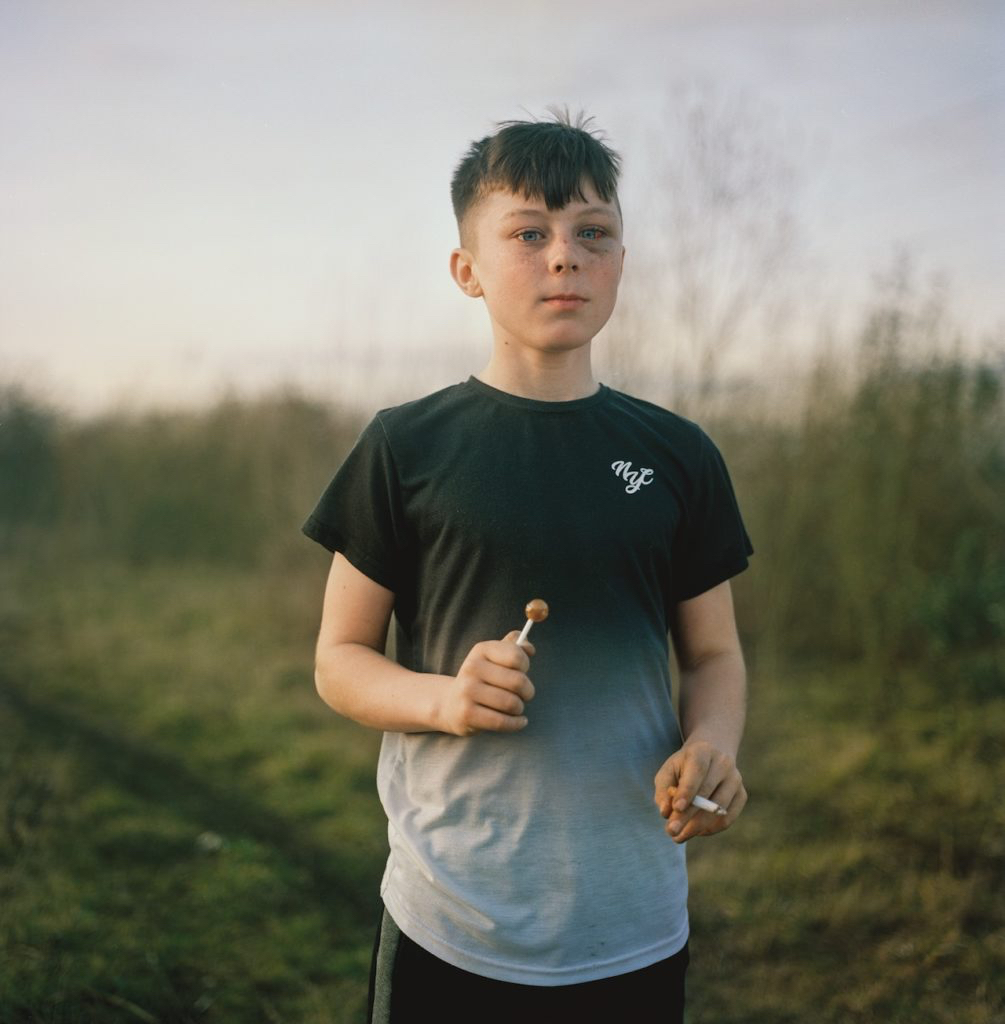
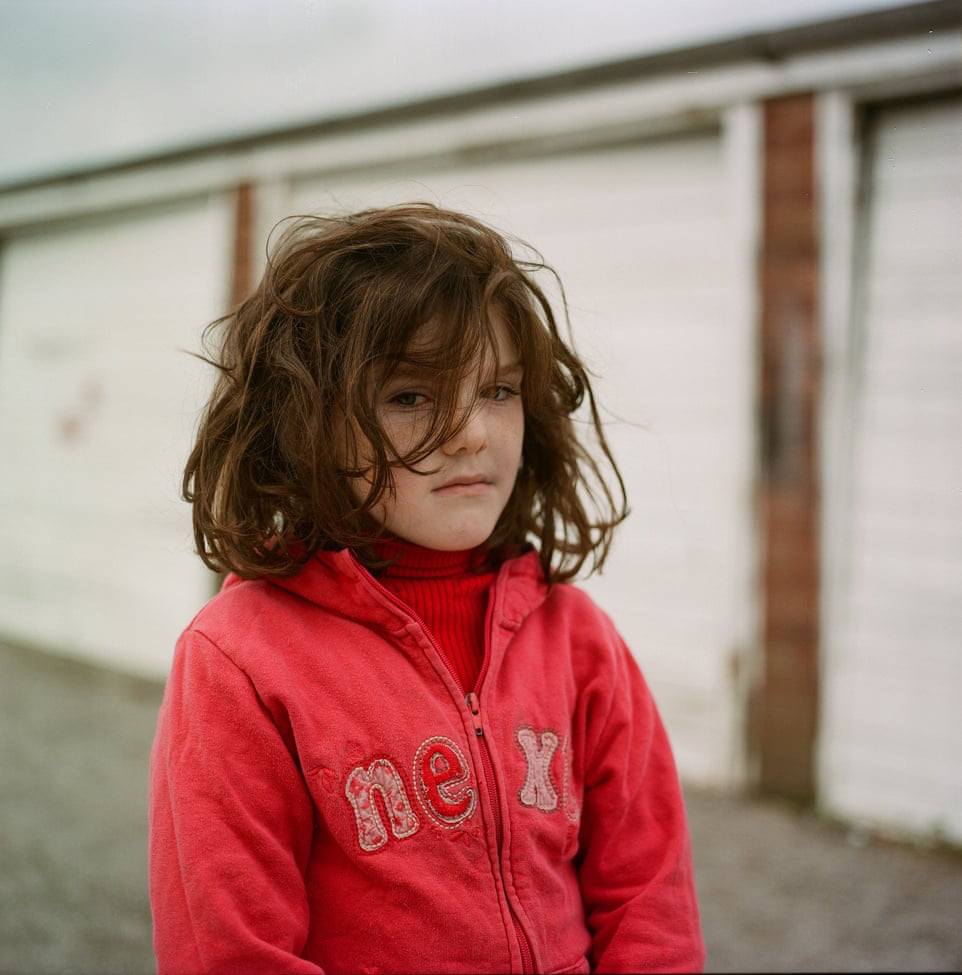
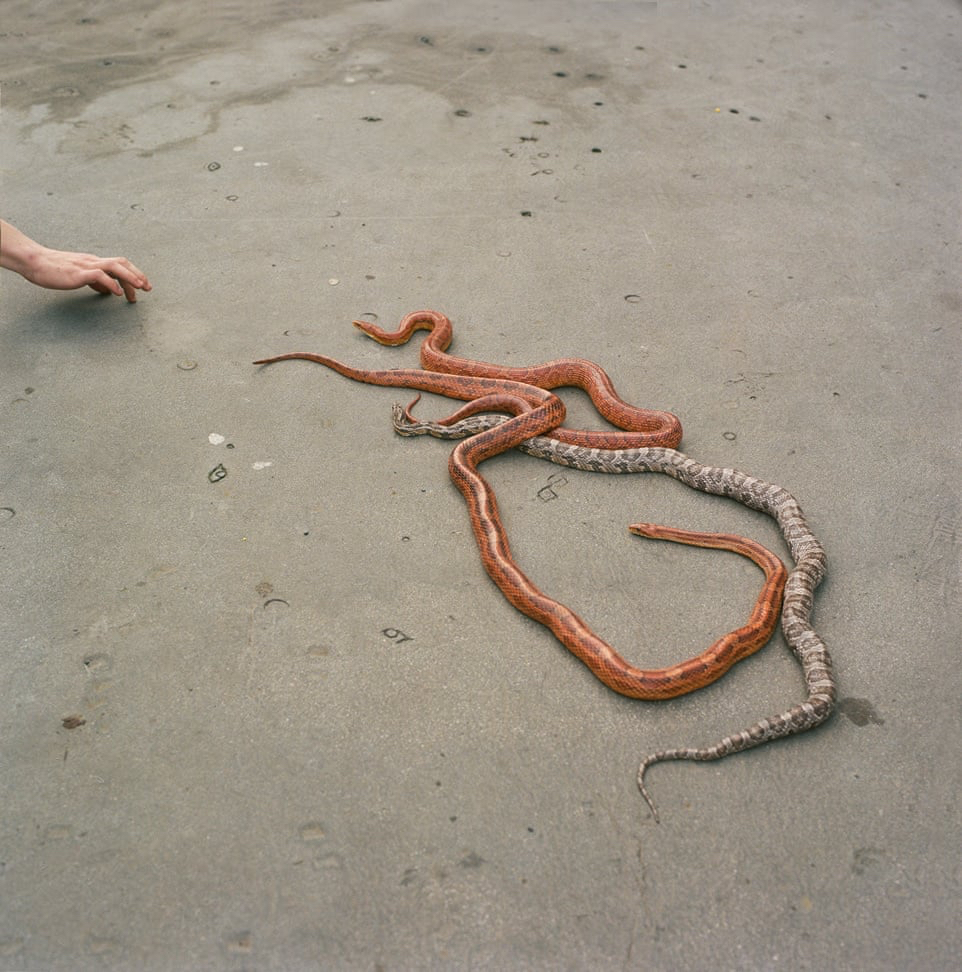
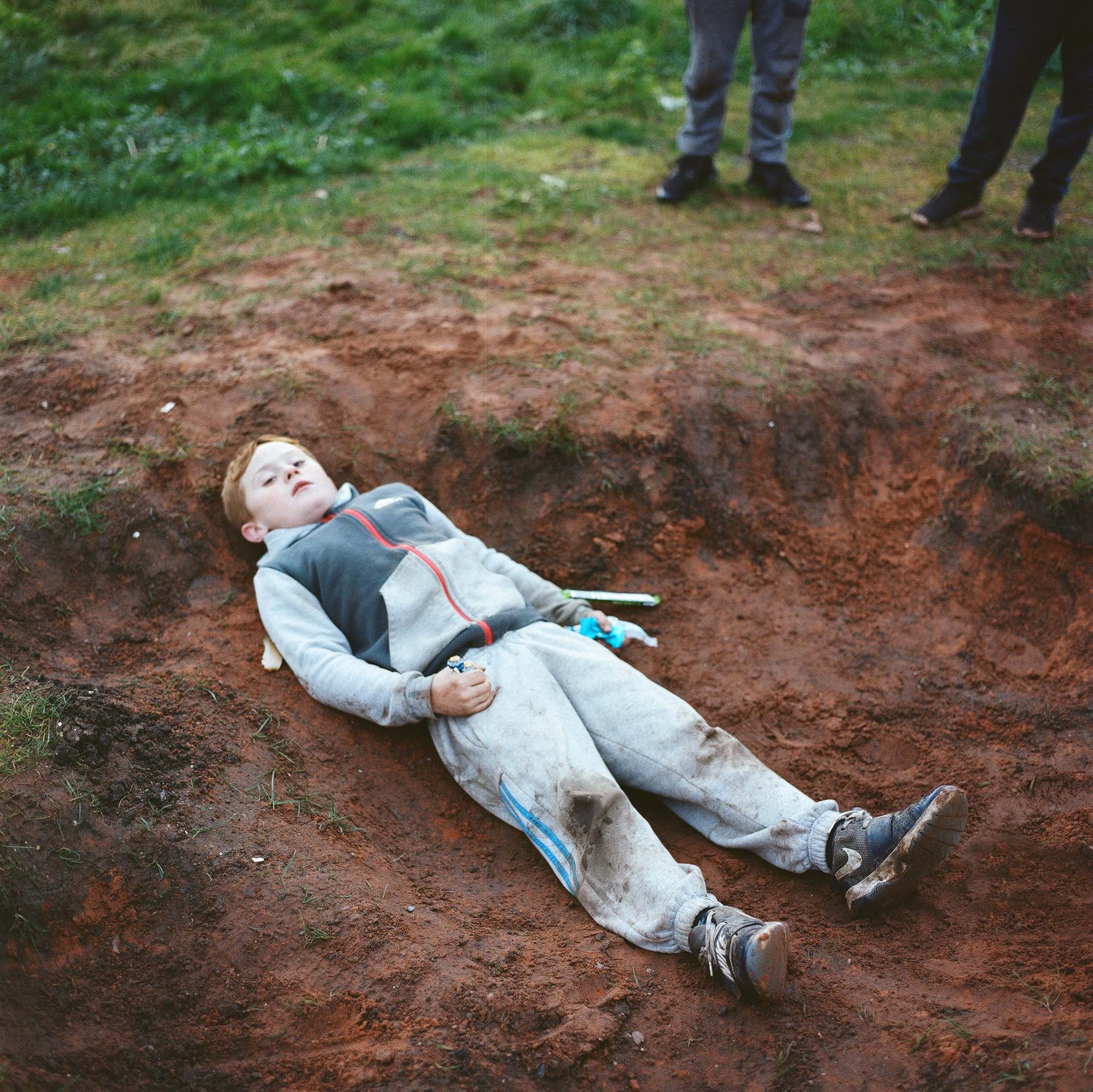
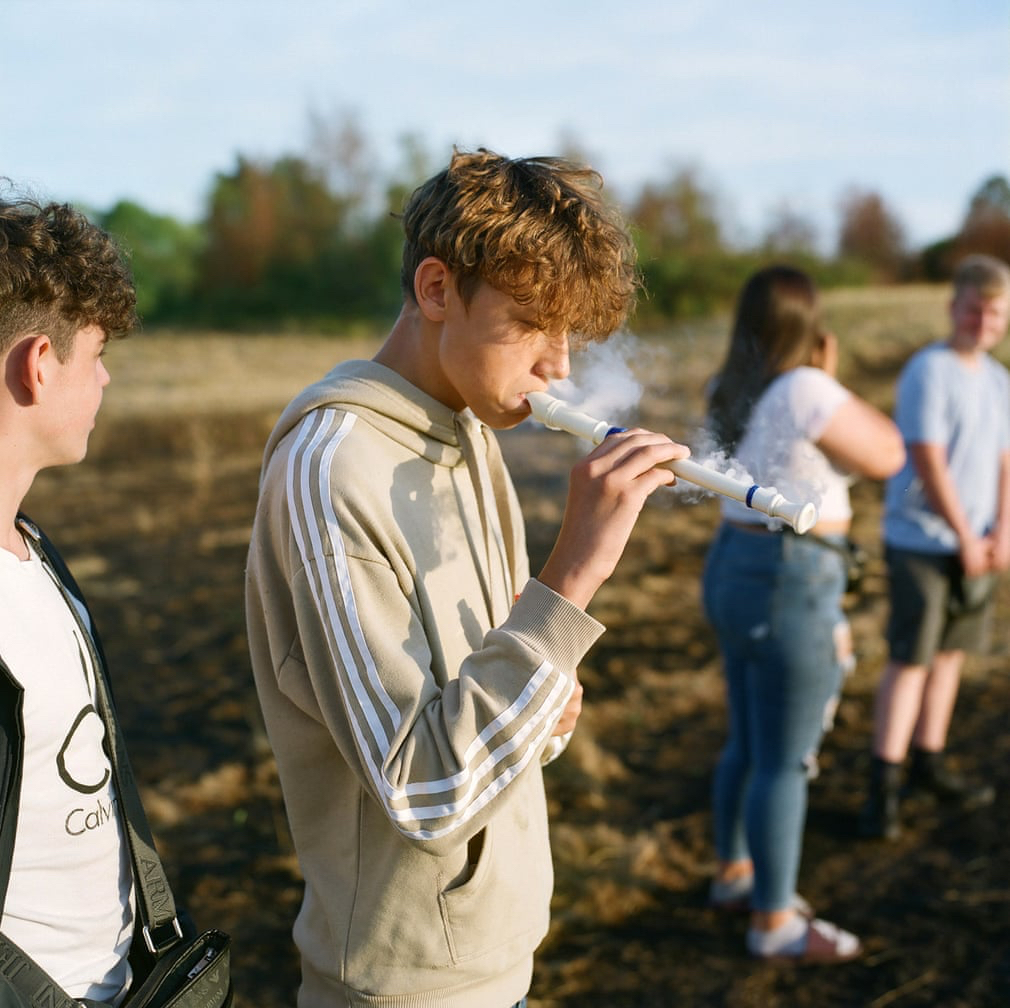
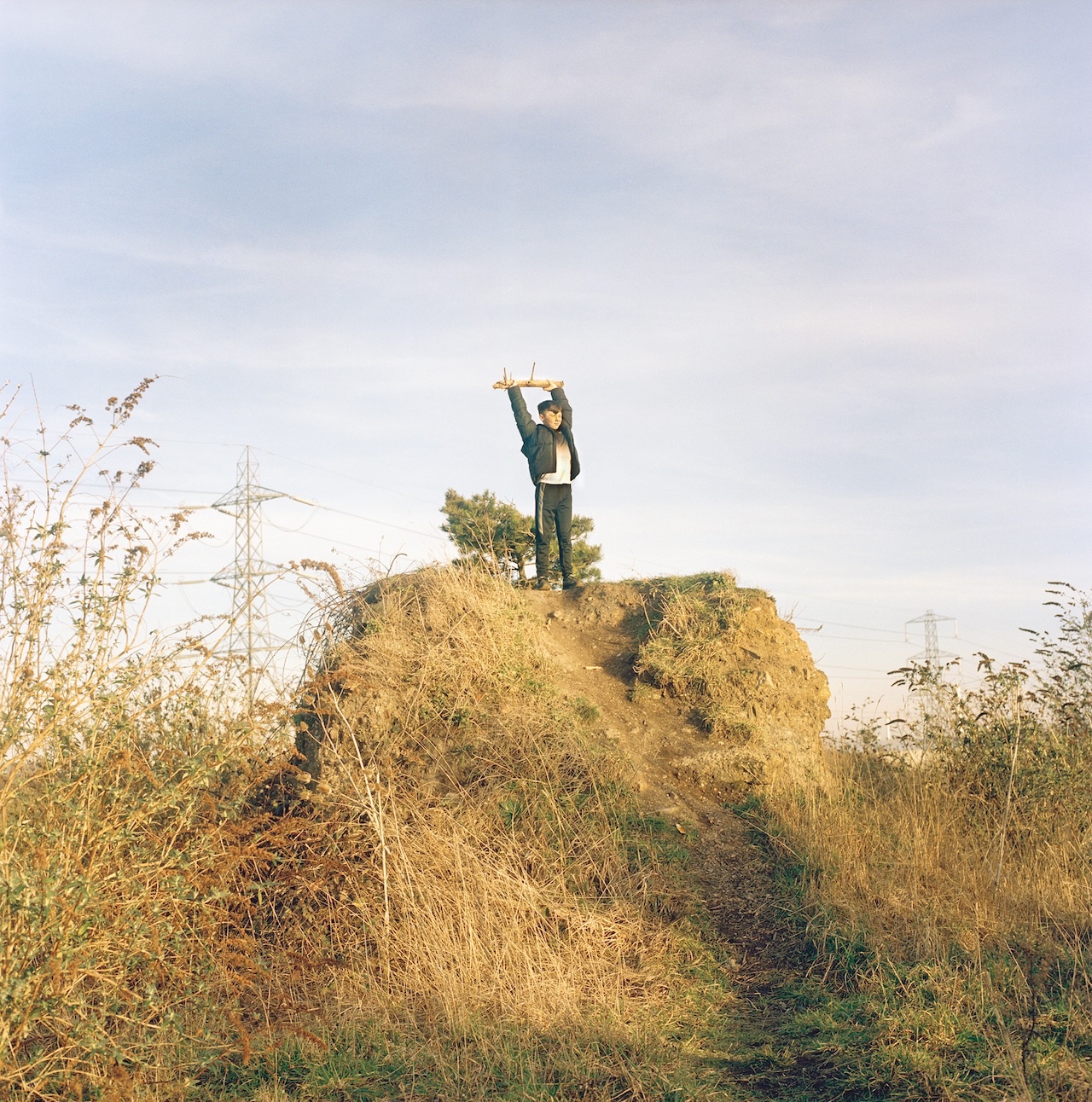
“Everyone you met was a character,” says photographer Laura Pannack. She’s talking about the young people she discovered at The Cracker, a green patch of scrubland tucked between two housing estates – ‘Tibby’ and ‘The Lost City’ – in Tipton, West Midlands. They became the subjects of her latest project commissioned by arts organisation Multistory.
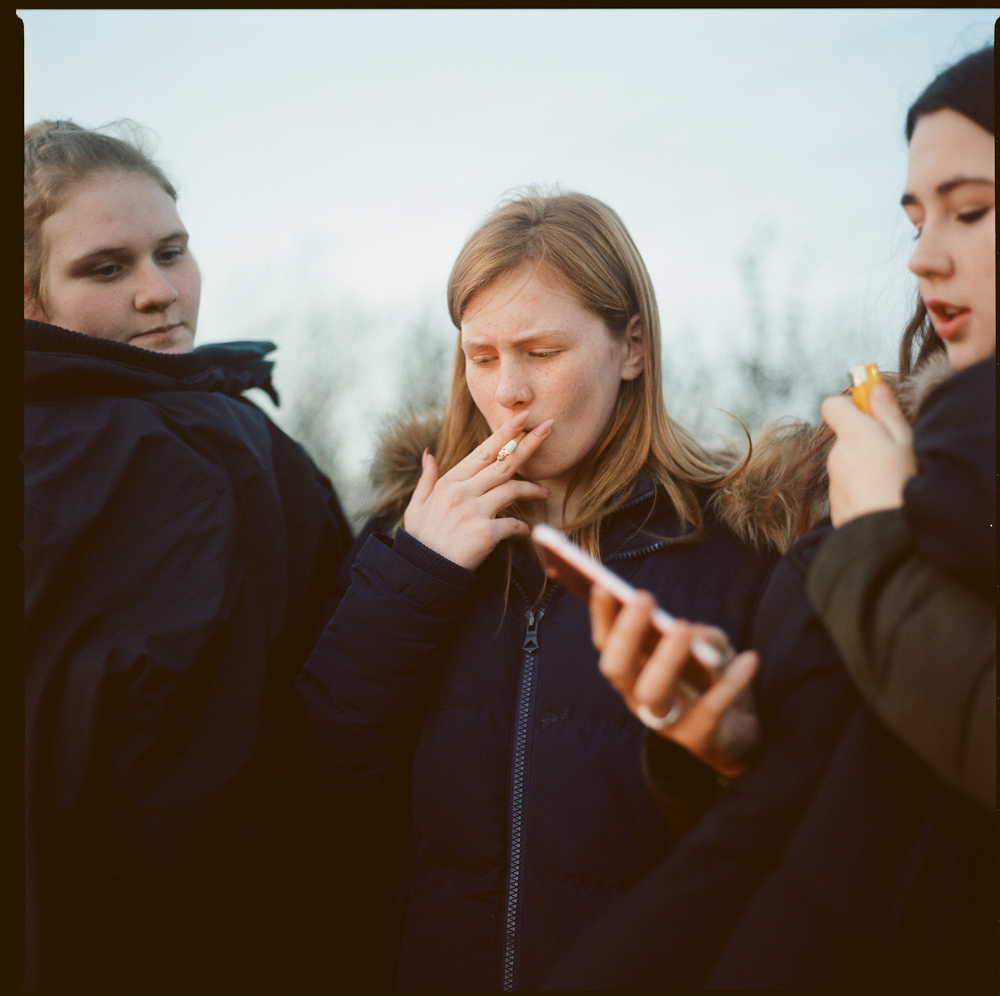
“Through a narrow alleyway, you enter ‘The Cracker’; rolling grass lined with blackberries and stinging nettles,” reads the project’s opening statement. “Motorbikes, peds and quads bark loudly at all times of the day. The boys race them until they burn out, perfecting the art of the wheelie. The girls nestle around small fires despite the baking summer sun. Here, everyone knows each other.”
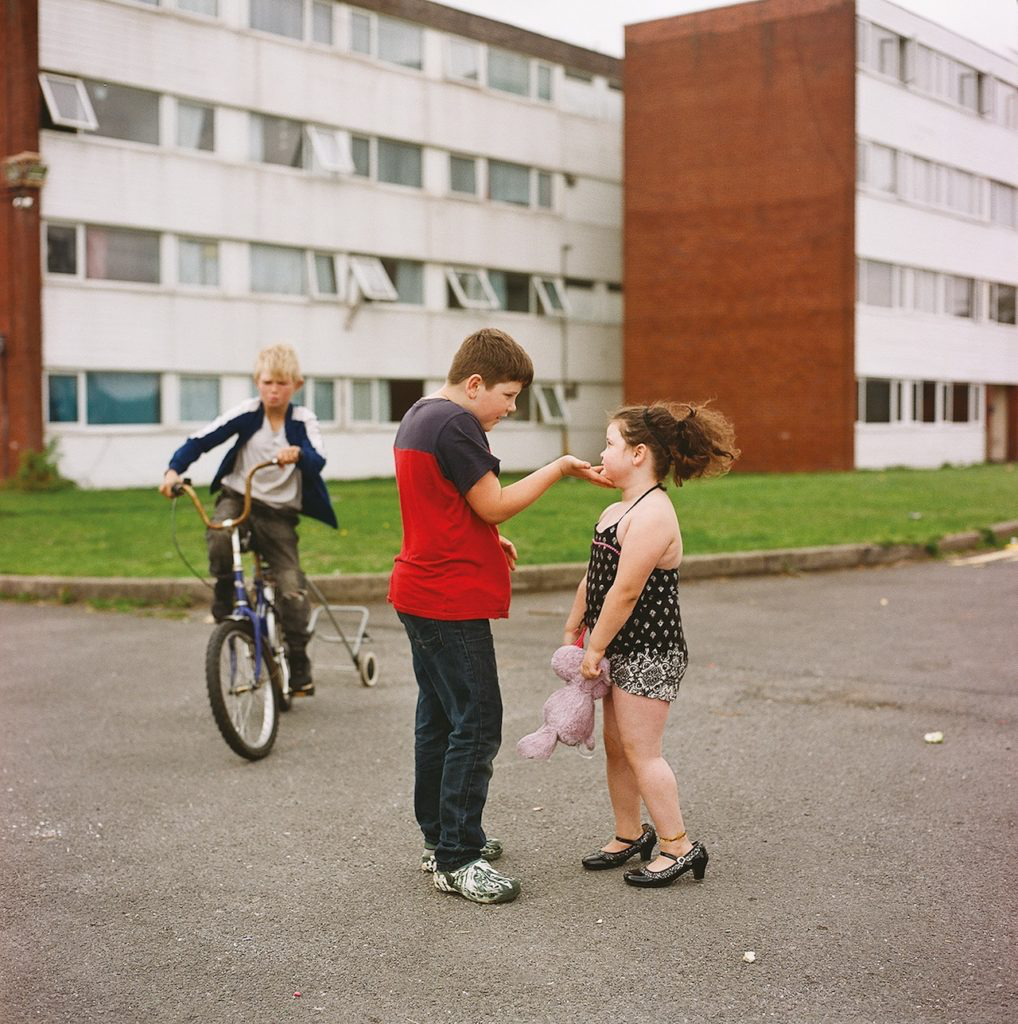
It was among this vast wasteland, burnt to a yellowy crisp, that Pannack found her inspiration: a close-knit, insular community with a distinct dialect, that prides itself on its sense of unity. “It felt really nostalgic,” she says. “It felt like a place where all teenagers flee to.”
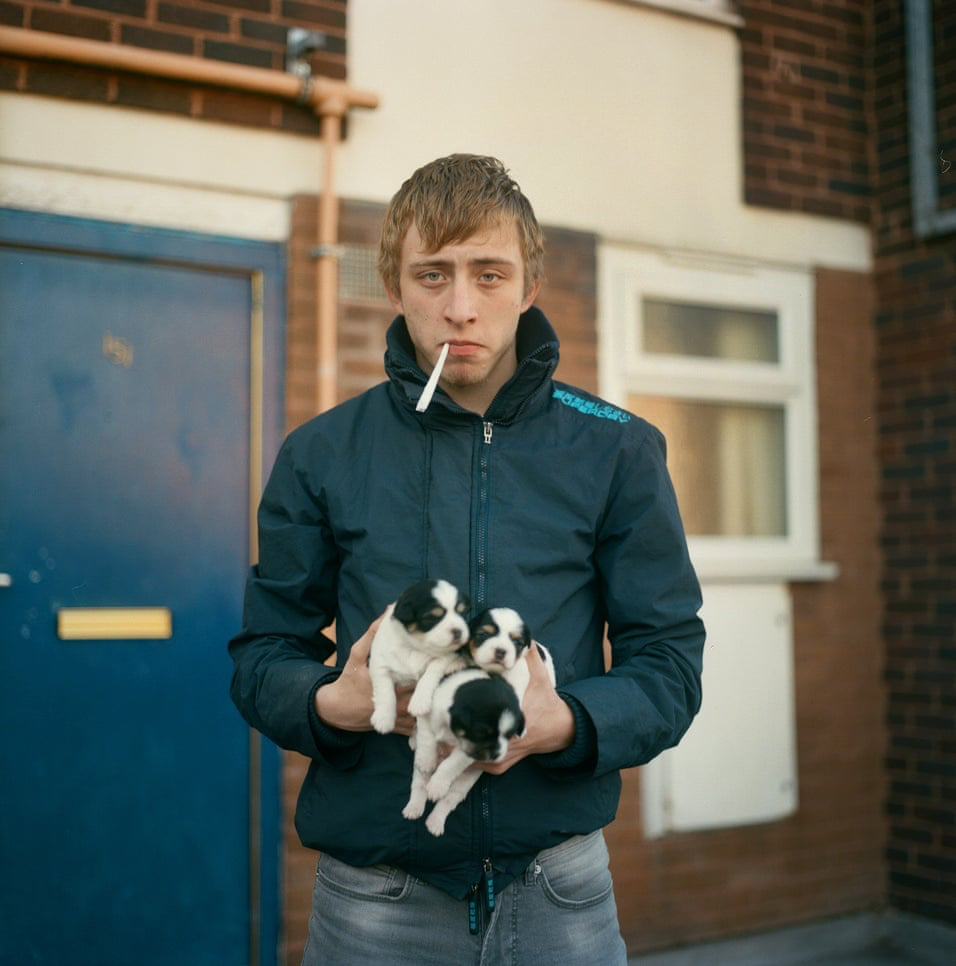
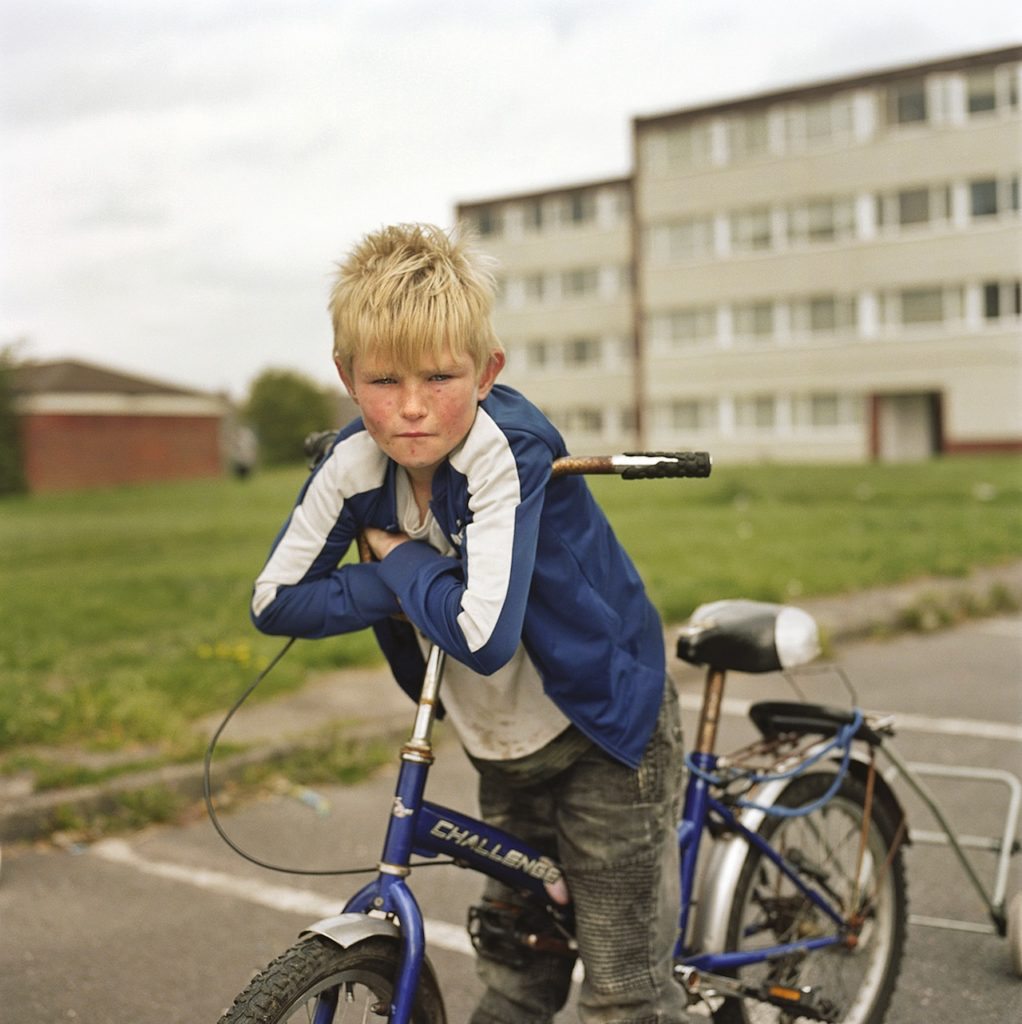
Pannack, who is known for her intimate portrayals of young people, was keen to show the distinctiveness of the subjects that she came to know. “I don’t want it in any way to be a perception of poverty, because that wasn’t the focus of my experience or what struck me the most. I’ve been to a lot of places where poverty overrode anything else. But in this community, it was more the uniqueness.”
With a compelling tenderness, the photographer captures the sensitive window that exists between childhood and adulthood. “I just find that time of transition fascinating,” she continues. “I think we’re all searching for our identity constantly throughout our life, but this is a particularly intense moment of exploring who they are and will become.”
Although Pannack notes the young people she met were “just good kids, eager to help”, she was sometimes met with hostility and suspicion. “I was definitely an outsider because I’d never pretended to be part of their community. I think that they could see that I respected them.”
“I wasn’t there voyeuristically trying to make a statement, I was just hanging out with them having a good time,” she adds. “And I liked them.”
See more of Laura Pannack’s work on her official website, or follow her on Instagram.
Enjoyed this article? Like Huck on Facebook or follow us on Twitter.
You might like

Is Field Maneuvers the most fun time ever? Yes probably
Collective joy — Huck’s art director Samuel White went to the 2026 edition, braving a wet start and interviewing FLINTA* collective and arm wrestling legends Uhaul Dyke Rescue in the process.
Written by: Samuel White

Jesse Glazzard’s messy portrait of queer friends, lovers and chosen family
The Sound of Dirt and Beauty — The photographer’s debut monograph explores tender, unpolished moments shaped by the people who he surrounds himself with, while offering a window into the UK’s working-class LGBTQ+ community.
Written by: Sunny Sunday

Behind the curtain at Alternative Miss World 1981
Olympia glamour — Running a subversive take on the traditional beauty pageant, the Andrew Logan organised event prioritised underground creativity and invention. Photographer David Corio went behind the scenes at its biggest edition.
Written by: Miss Rosen

New exhibition highlights British radical living over 200 years
Earthly Paradise — Taking place at the William Morris Gallery, it explores the homes and lives of artists, writers, musicians and more, as well as the conditions that allowed them to thrive.
Written by: Isaac Muk

What life on the Strait of Hormuz is really like
Southern Winds — Bandar Abbas based photographer Morteza Niknahad has been capturing the diverse communities and stories of his local region since he first picked up a camera. His new series highlights the human impact of war.
Written by: Isaac Muk

Nick Haymes’s intimate portrait of his family’s life
Chronograph — Over 25 years, the photographer documented his son’s lives as they grew into adults. The resulting photobook is an exploration of the passage of time, as well as the optimism of youth.
Written by: Miss Rosen


