
It’s time to end the darkness in Syria
Four years after the Syrian conflict began in 2011 there is no end in sight.
The civil war engulfing the country has killed over 200,000 people, prevented 3 million children from attending school and forced 10 million people to flee their homes.
Numbers this large can be hard to grasp but a striking illustration of the suffering inflicted comes from satellite photos that show 83% of the country has been plunged into darkness.
It’s time to stand with Syria.
On the fourth anniversary of the conflict, a coalition of international charities including Oxfam, Amnesty and the International Rescue Committee have released this video and a petition to urge world leaders to find a diplomatic solution to the conflict, end civilian suffering and boost humanitarian aid.
Find out more about the #withSyria campaign, sign the petition or share the video to spread the word.
You might like

The people fighting back against an AI future

Signs of solidarity as London marks three years of genocide in Palestine
Never forget — 250,000 people gathered on Saturday as Israeli attacks have continued in Gaza and the West Bank. Daisy Schofield photographed the diverse people and placards in attendance.

Landmark new exhibition is celebrating 50 years of female punk
God Save the Queens — The Museum of Youth Culture is bringing together rare photography, archive material and a one-night-only supergroup featuring members of X-Ray Spex, The Slits and The Raincoats.

Photographing America’s 20th century rebels
Rebels With a Cause — A new monograph looks back at Jean-Pierre Laffont’s extensive archive documenting counterculture, art, activism and more, shaping the country as it is today.

Sports Banger is throwing a party to mark 90 years since the Battle of Cable Street
“Fascists hate dancing” — The October event will bring DJs, live music, sound system culture and anti-fascist politics together in East London.
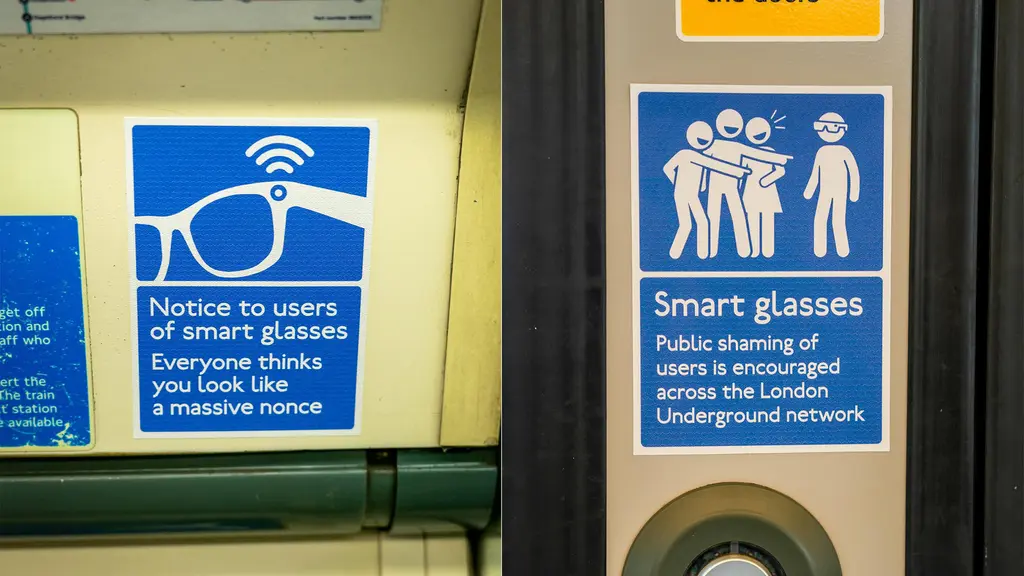
Activists slam “pervert glasses” in new guerrilla campaign
Everyone Hates Elon — Stickers have appeared on the London Underground network, criticising the wearable technology’s covert filming capabilities.


