The Travel Diary: Blood, sweat and tears inside a Japanese Sumo stable
- Text by Pearce Leal // Woody Gooch
- Photography by Pearce Leal // Woody Gooch

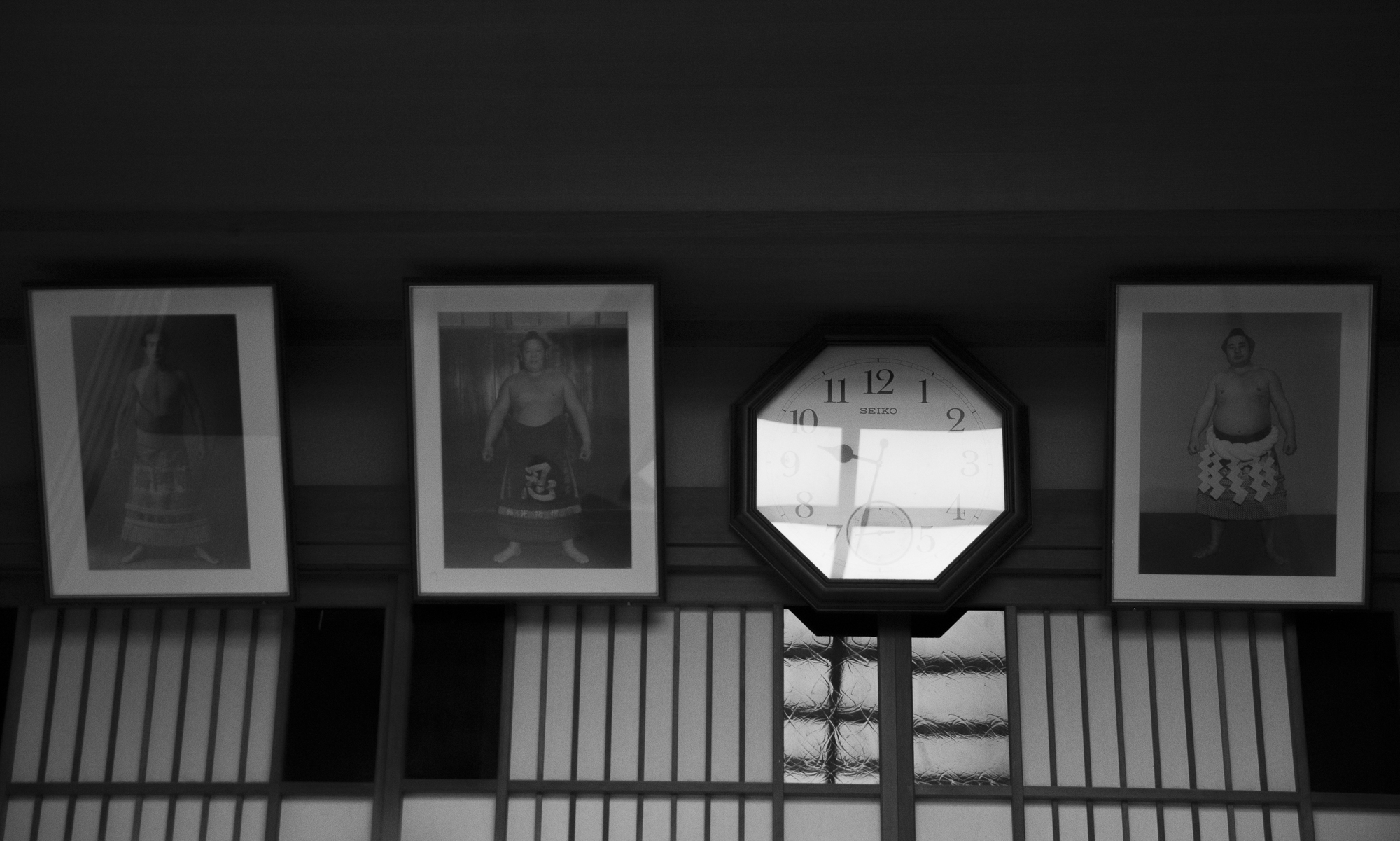
The life of a Sumo wrestler is seeped in tradition and routine – they live and train religiously at their ‘heya’, or stables in English, for the duration of their careers. It’s where they eat, sleep, live and train, and changing stables is forbidden.
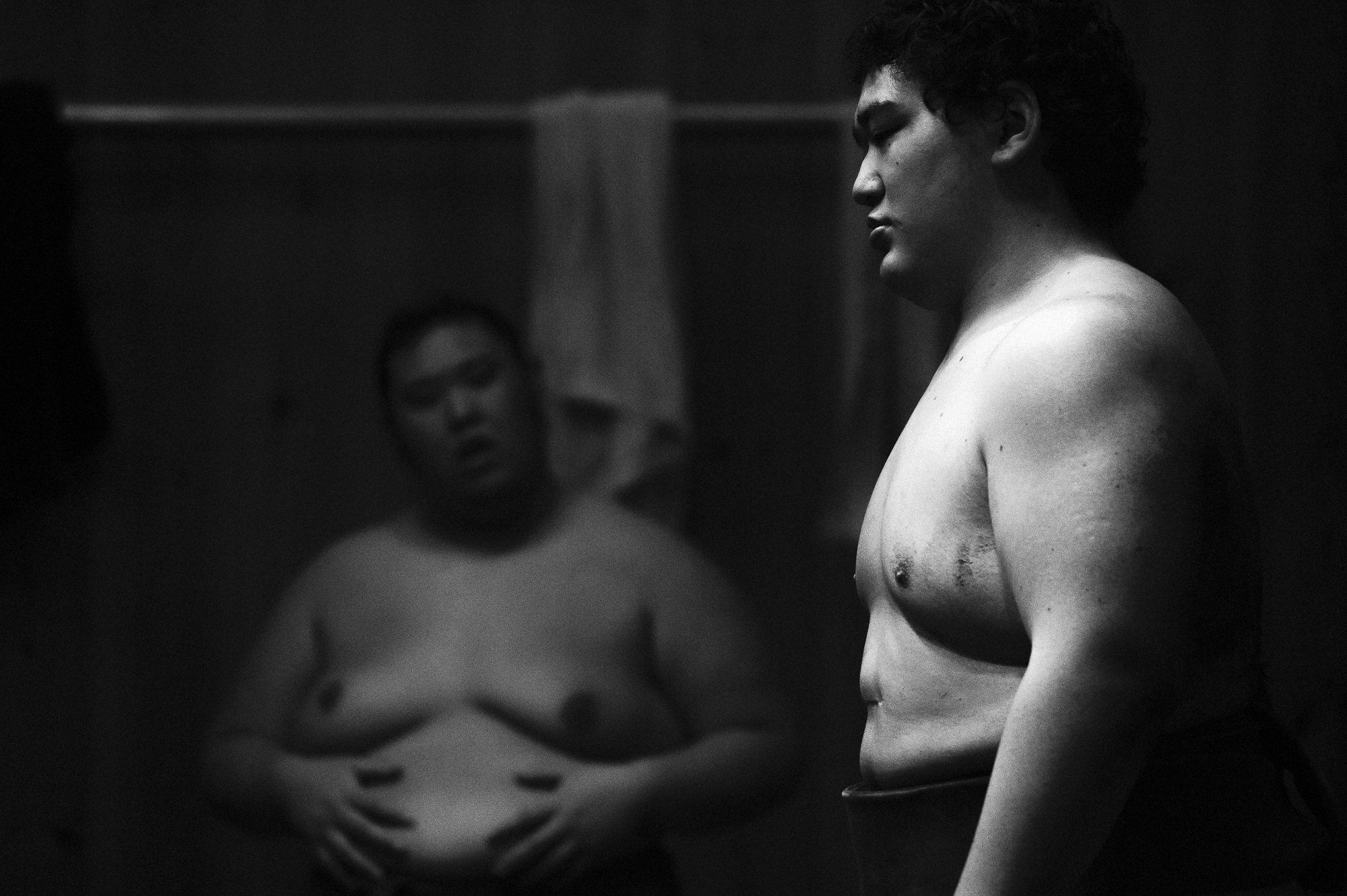
During a typical day the wrestlers wake up at 5 am and train 11 am, before having a combined breakfast-lunch, eaten ceremonially in order of rank.
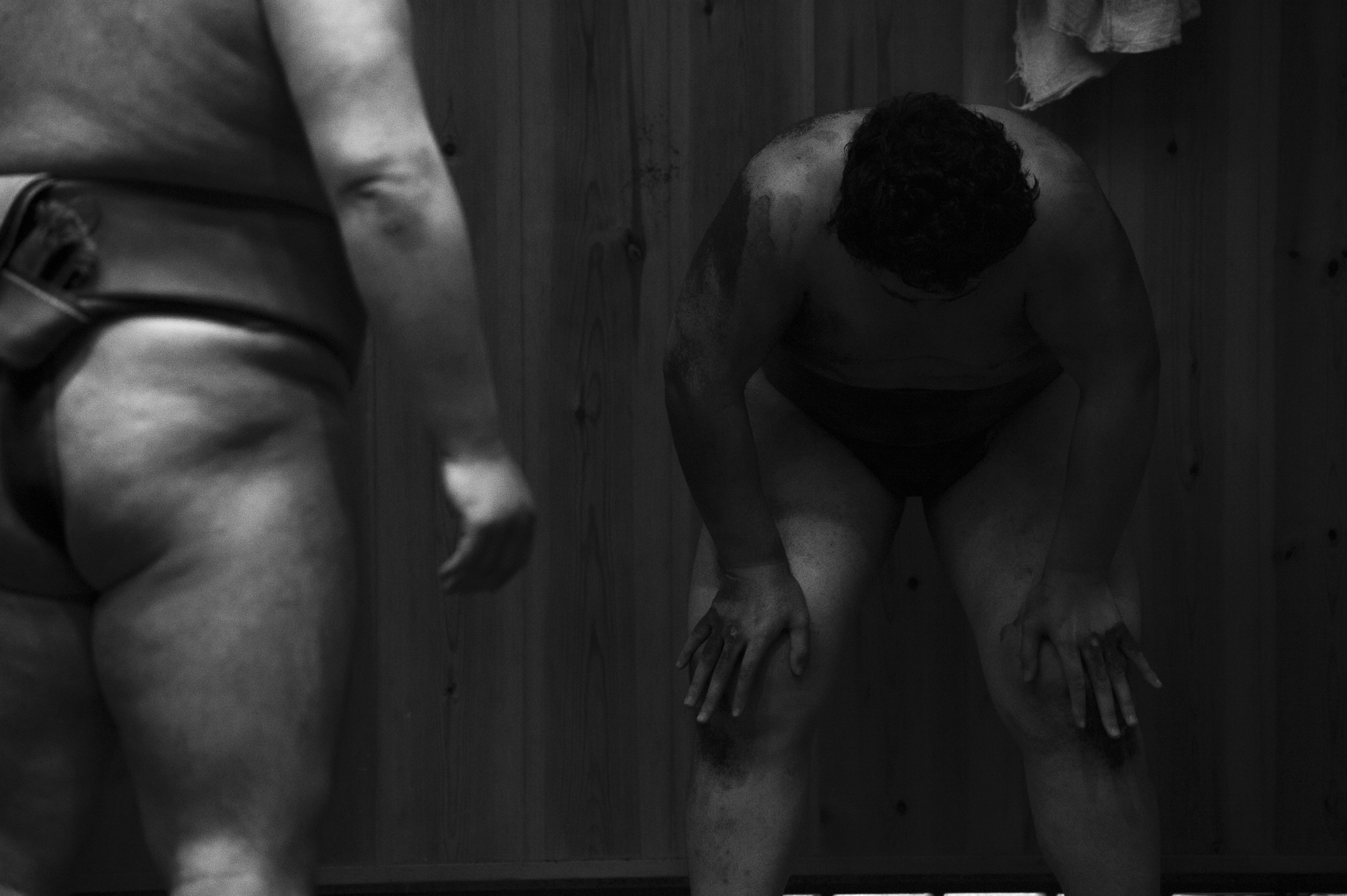
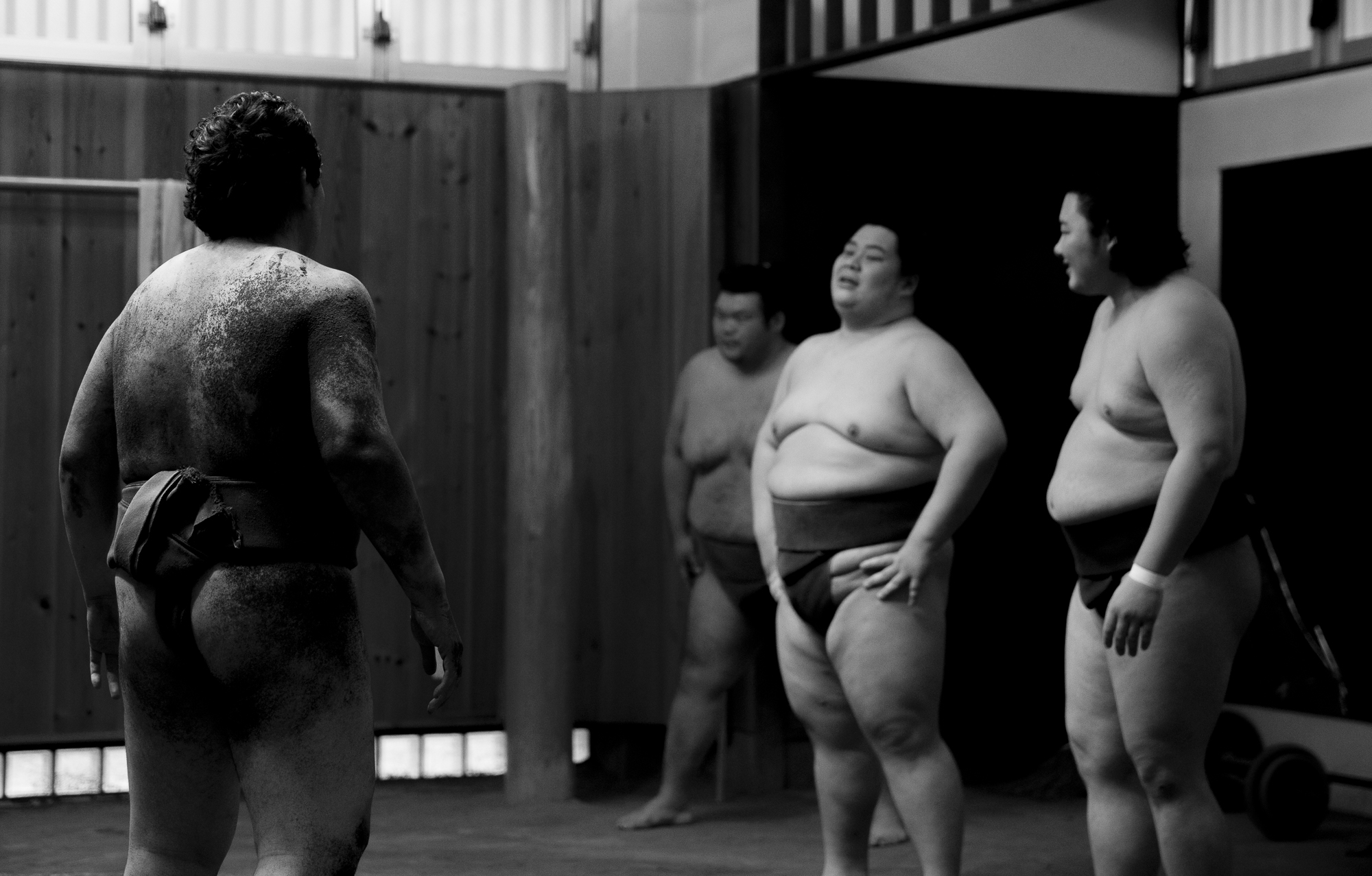
After napping for a couple hours the wrestlers do household chores, before embarking on another workout. After that they relax, watch television and read until dinner. For a few short hours the wrestlers have free time and then the lights are put out, they all sleep in the same room together.
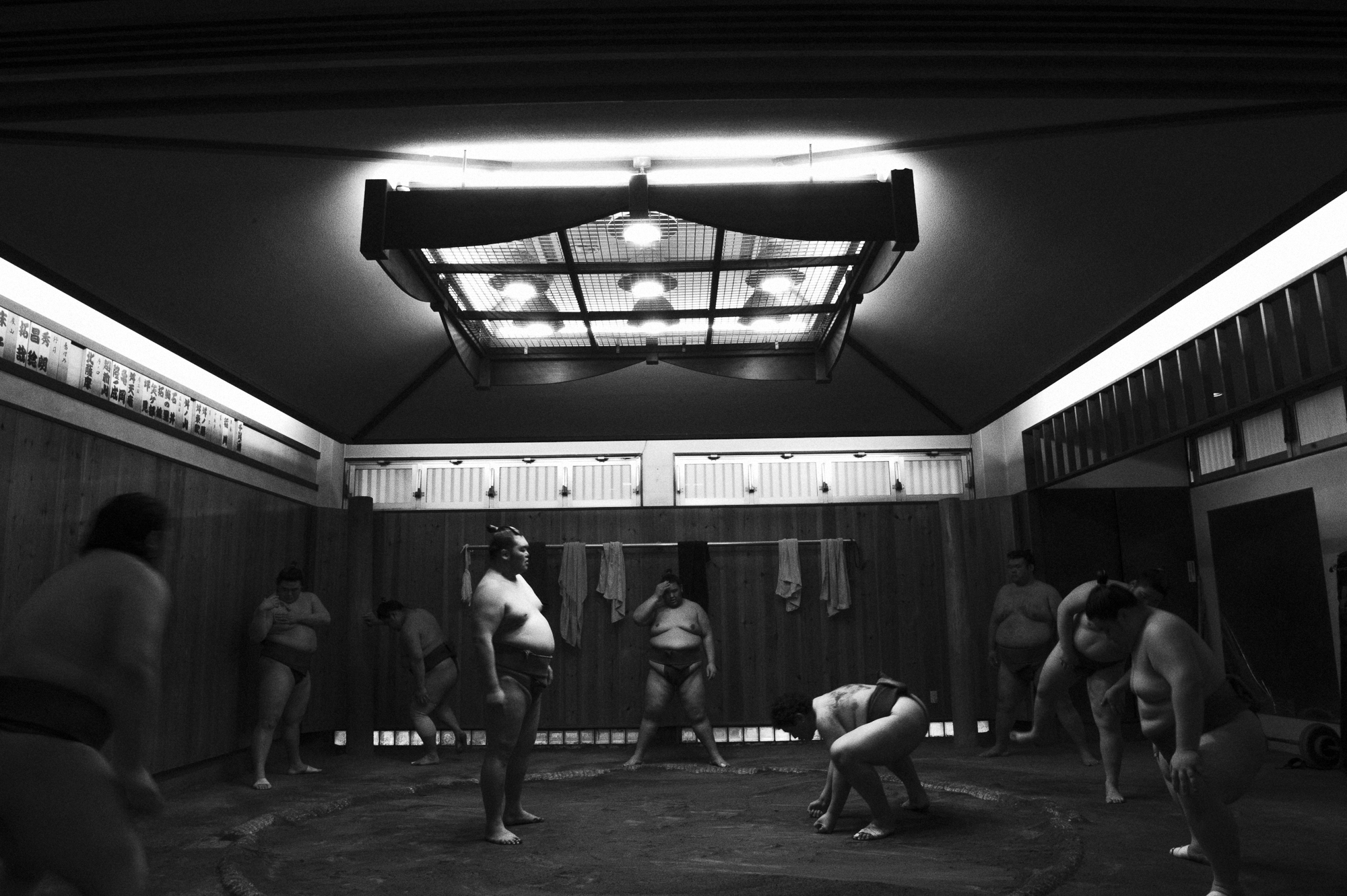
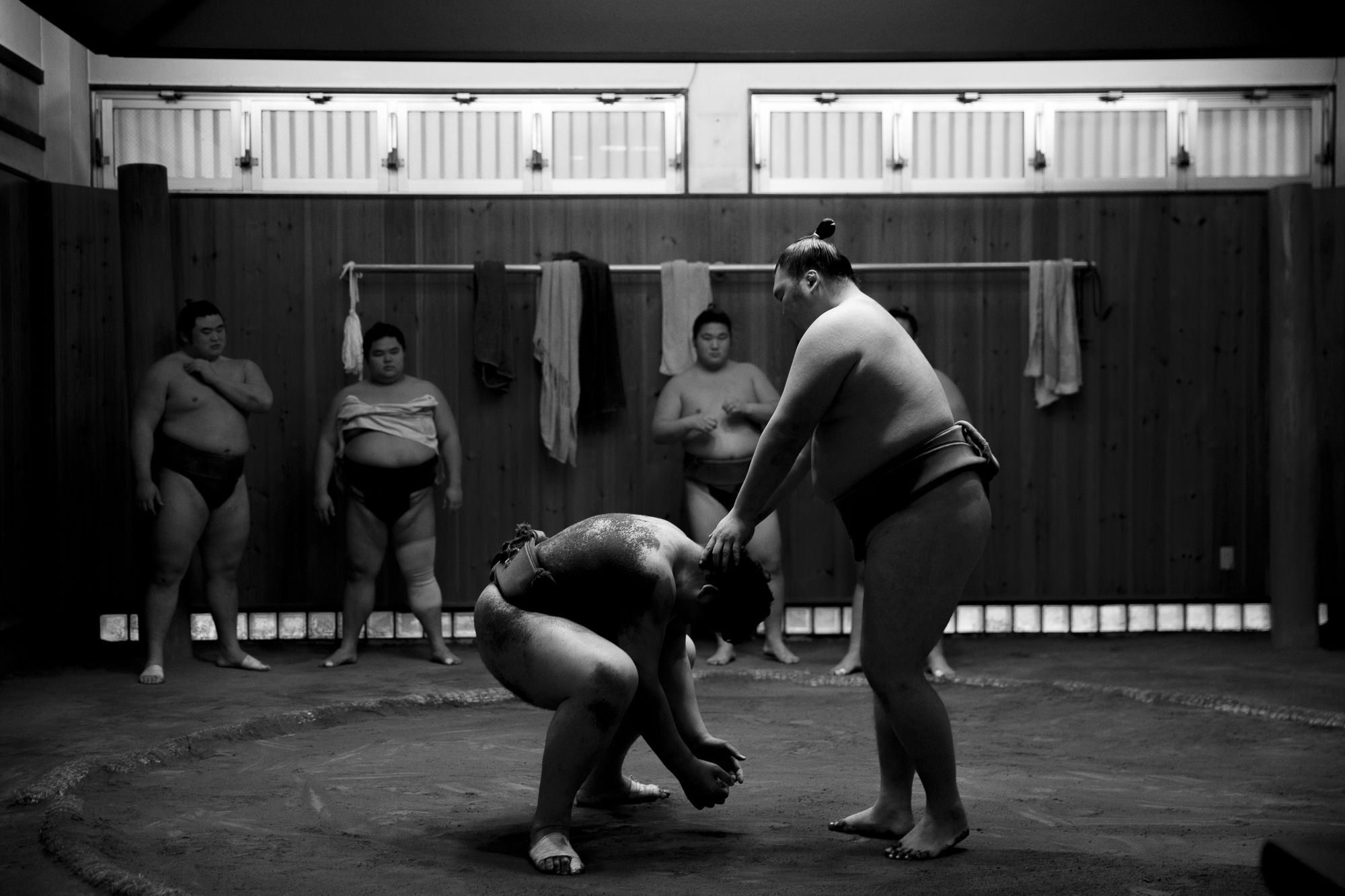
At the end of 2015 we attended a Sumo training session in Tokyo, one of 47 in the Japanese capital, turning up in the middle of the morning.
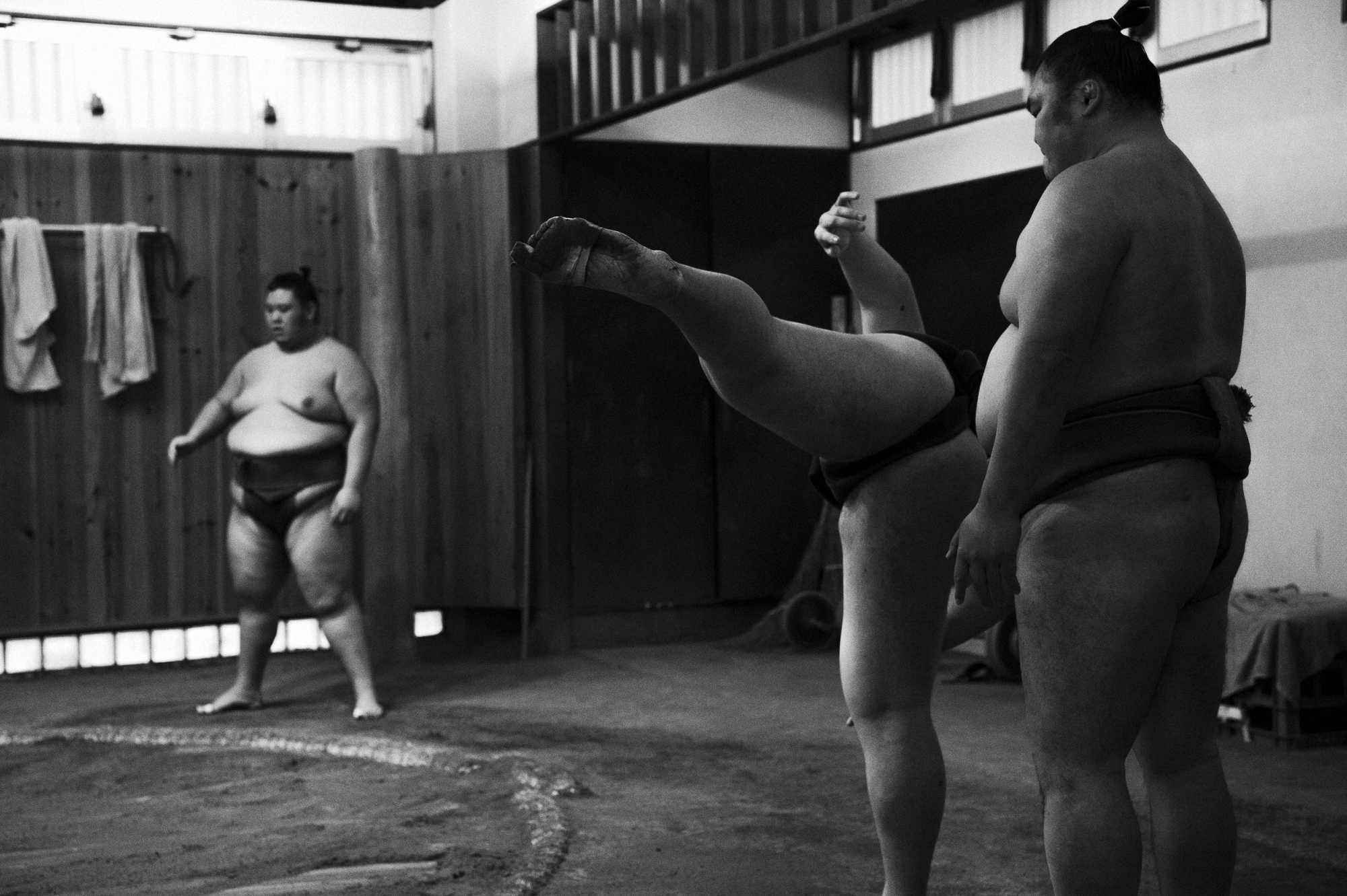
We spent just over an hour in a tightly packed sand floored room, watching the Sumos wrestle, with our shoes stowed neatly by the front door. The Sumos were quiet, talking casually amongst themselves. Every now and then we’d hear a small giggle from one of the younger wrestlers, for whom the gruelling training routine is particularly rigorous.
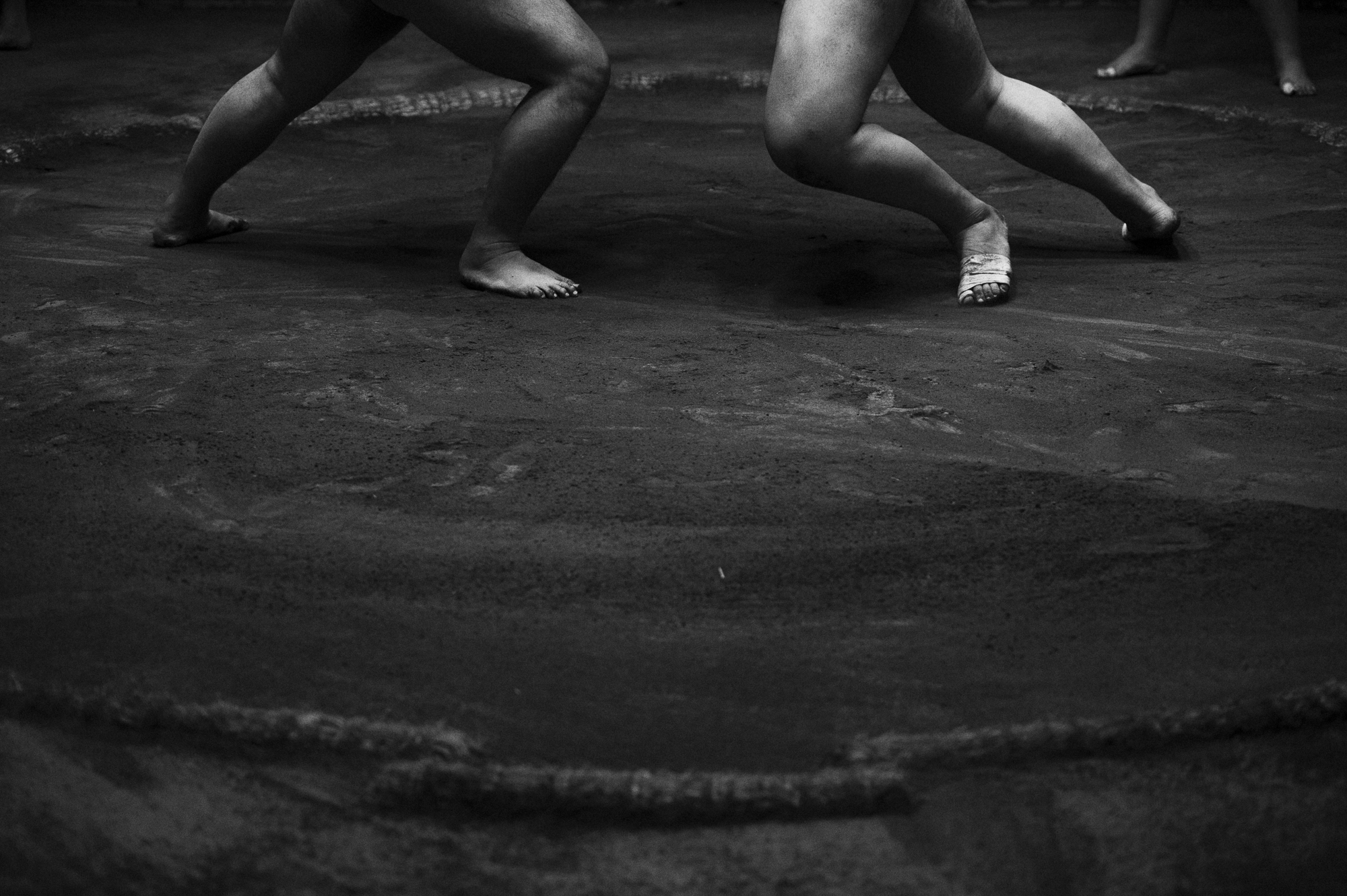
These young guys rise as early as 4am, and quickly put on their Mavashi (Sumo belt) and start to practice. They are obliged to run errands for the higher ranked wrestlers too. For even the most promising young wrestlers it can easily take five years or longer to reach the higher ranks and begin to receive a salary as a professional.
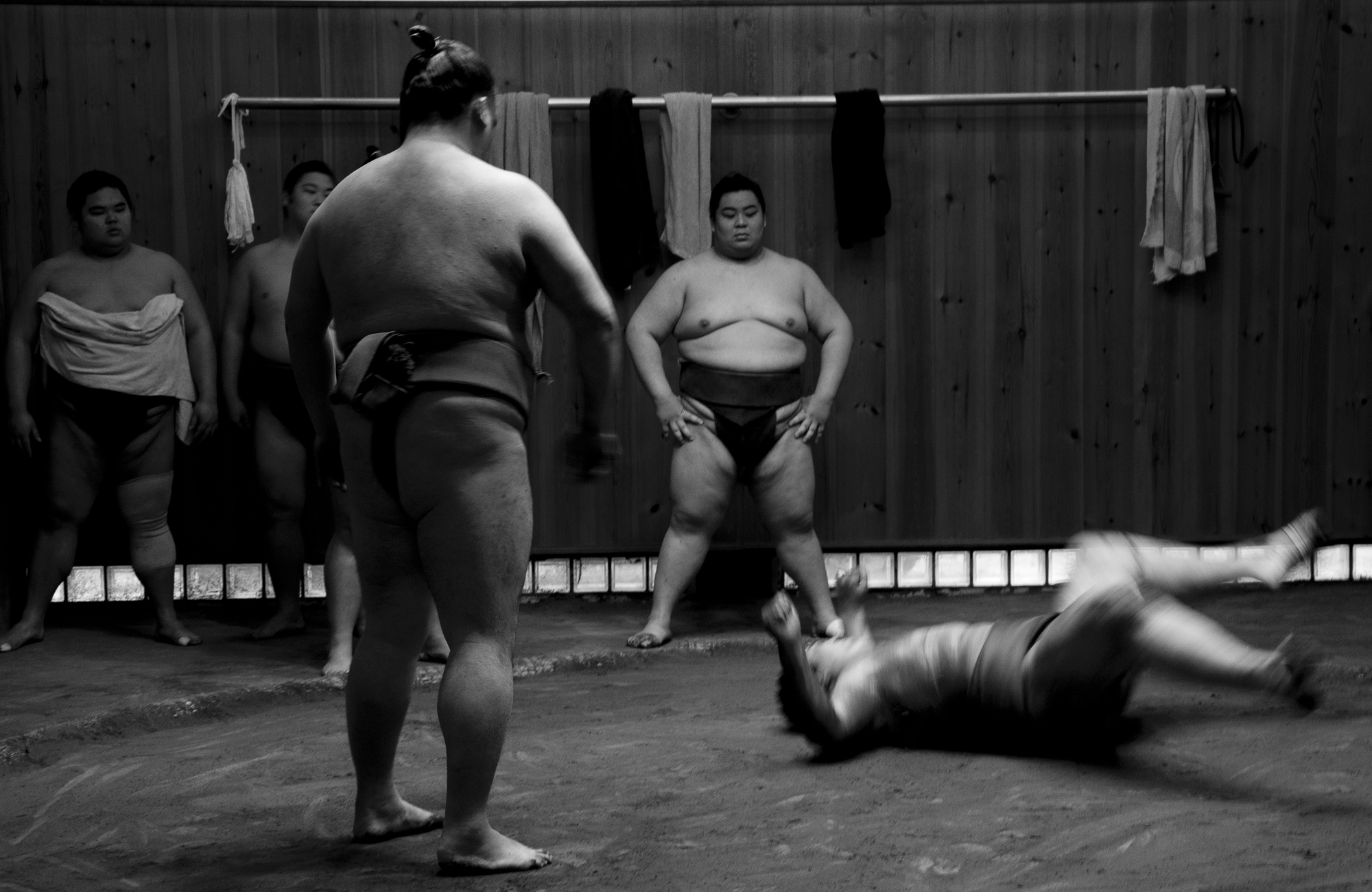
Once we sat down and got comfortable an older Sumo proudly walked his way into the ring, heads raised in the air, and everyone became quiet and serious. He grabbed a younger Sumo out of the pack and set about getting him to complete various exercises. He was focusing on attack and defence tactics, and despite the younger wrestler’s best efforts mistakes just kept on being made.
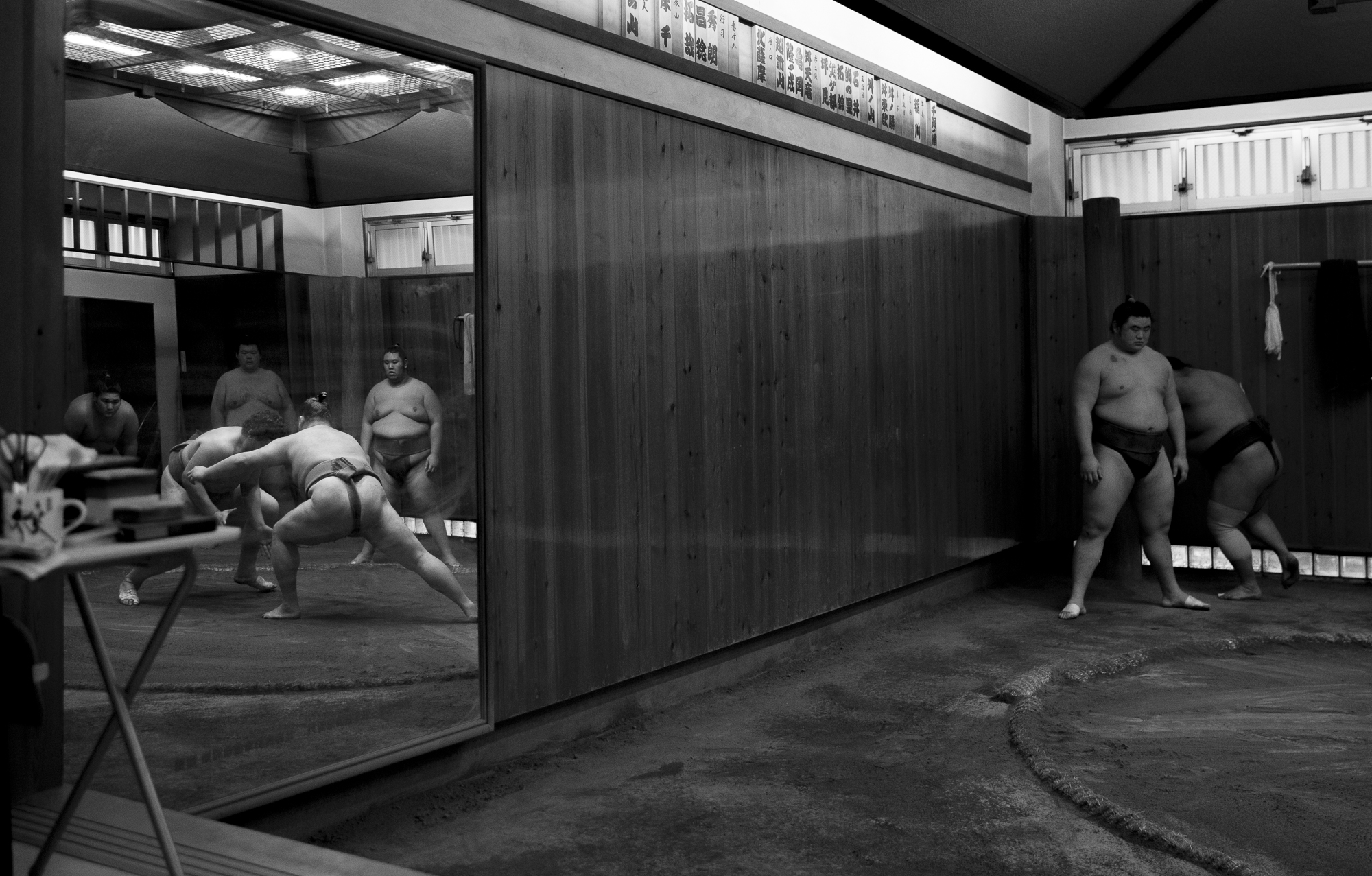
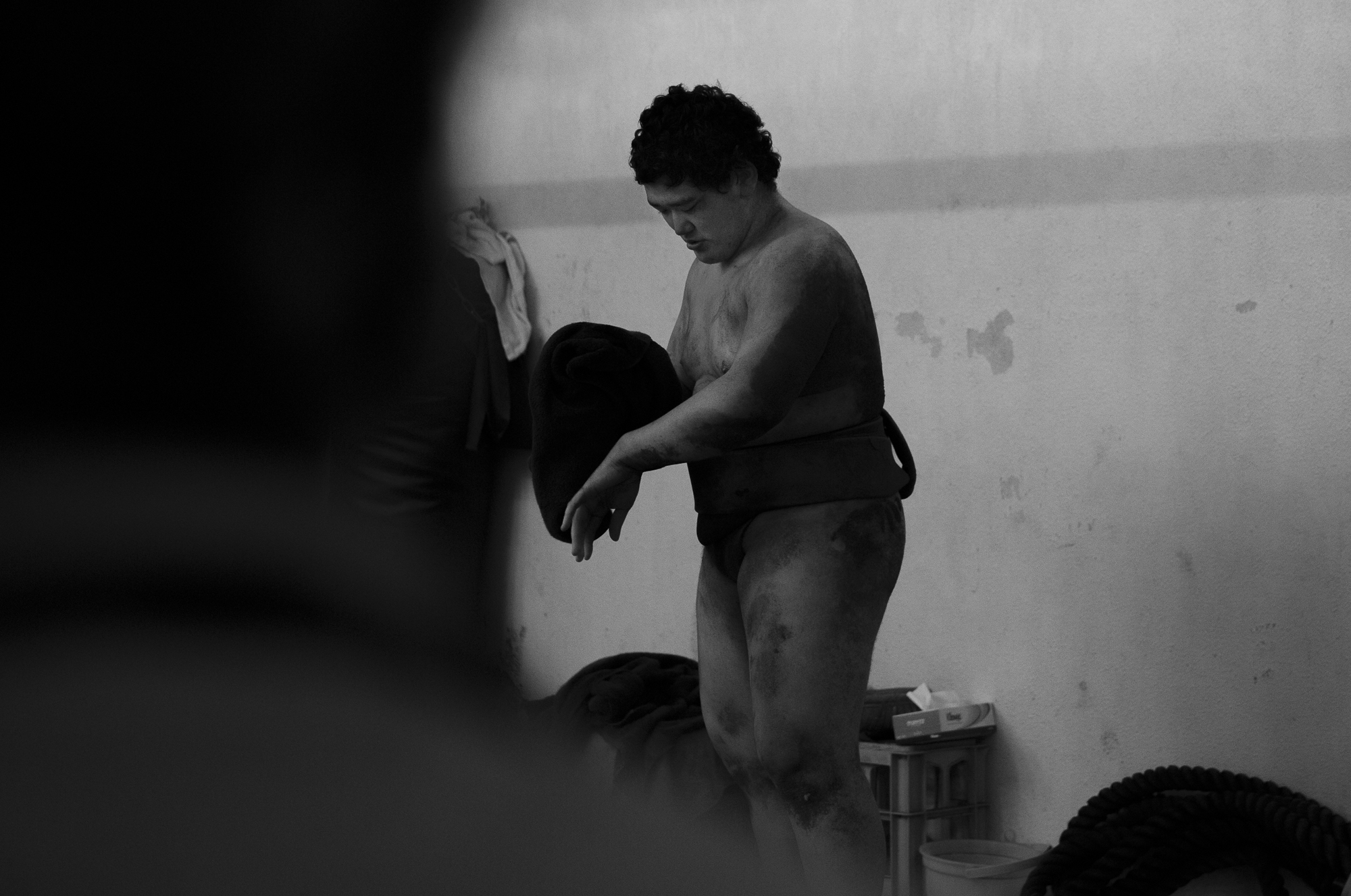
His superior’s patience was quickly wearing thin, the sloppy hand movements from his young protege were frustrating. The mentorship turned aggressive as hair was pulled, and bodies thrown onto the sandy floor, before the struggling young Sumo was pulled up onto his feet to complete the whole process again.
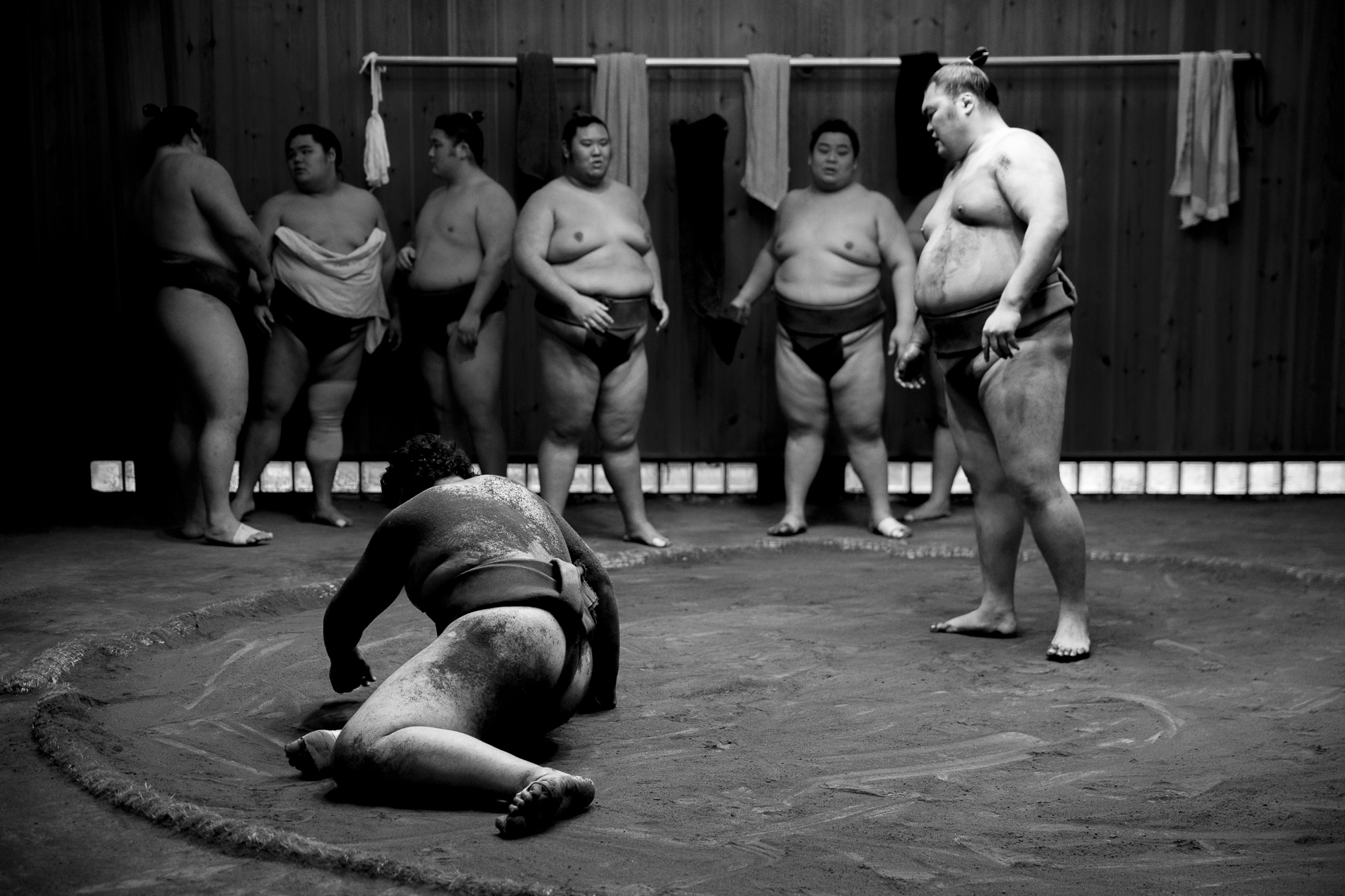
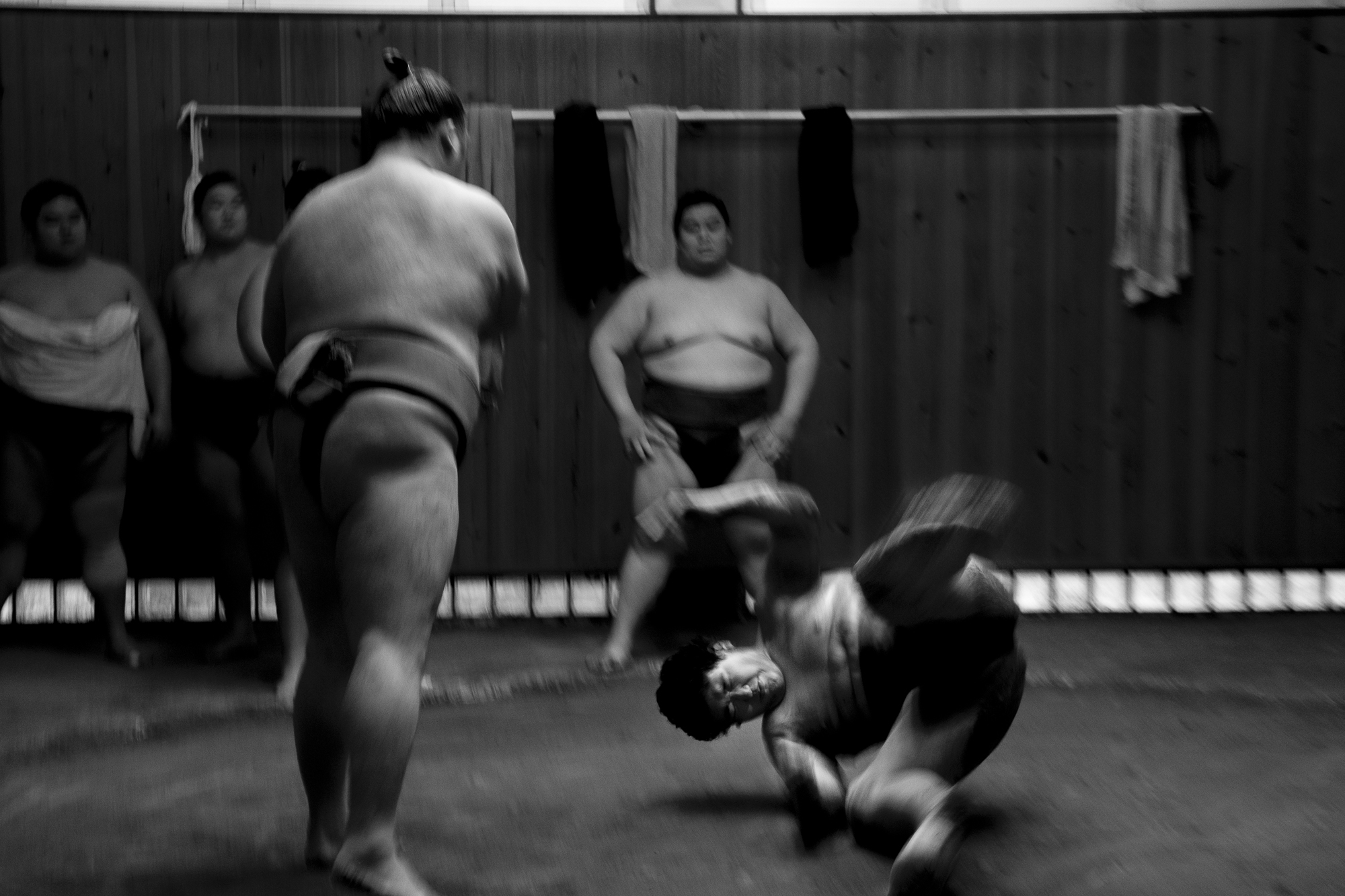
With bruised, bloody thighs and tears running down his face, he continued to endure the session. This would carry on for hours, day in day out, all in pursuit of success. This young fighter was just 16 years old.
Enjoyed this article? Like Huck on Facebook or follow us on Twitter.
You might like

The raw, fledgling intimacy of Peter Hujar’s contact sheets
Hujar:Contact — A new photobook highlights the process of the legendary queer photographer, and his process of growing into the artist he ultimately became.
Written by: Miss Rosen

Jesse Glazzard’s messy portrait of queer friends, lovers and chosen family
The Sound of Dirt and Beauty — The photographer’s debut monograph explores tender, unpolished moments shaped by the people who he surrounds himself with, while offering a window into the UK’s working-class LGBTQ+ community.
Written by: Sunny Sunday

Behind the curtain at Alternative Miss World 1981
Olympia glamour — Running a subversive take on the traditional beauty pageant, the Andrew Logan organised event prioritised underground creativity and invention. Photographer David Corio went behind the scenes at its biggest edition.
Written by: Miss Rosen

New exhibition highlights British radical living over 200 years
Earthly Paradise — Taking place at the William Morris Gallery, it explores the homes and lives of artists, writers, musicians and more, as well as the conditions that allowed them to thrive.
Written by: Isaac Muk

What life on the Strait of Hormuz is really like
Southern Winds — Bandar Abbas based photographer Morteza Niknahad has been capturing the diverse communities and stories of his local region since he first picked up a camera. His new series highlights the human impact of war.
Written by: Isaac Muk

Nick Haymes’s intimate portrait of his family’s life
Chronograph — Over 25 years, the photographer documented his son’s lives as they grew into adults. The resulting photobook is an exploration of the passage of time, as well as the optimism of youth.
Written by: Miss Rosen


