The Travel Diary: Cycling through Iceland's feral Fjords
- Text by Steve Brown
- Photography by Steve Brown

Feral Fjords is a touch on simplicity, journey, freedom and satisfaction. The series is a documentation of a month journey around Iceland on bicycles. The journey was to focus on being temporarily free from the modern pressures of society that has now become increasingly unavoidable. Without such restrictions we were free to appreciate the notion of time and travel at leisure, experiencing Iceland in it’s rawest form.


It’s a journey of friendship, patience and endurance, living outdoors for 31 days. By travelling in this way we were able to camp wild, fish, replenish water from glacial rivers, bathe in natural hot springs, be in direct contact with Iceland’s irrational climate, enduring cold, wind, rain but also the magic of the endless midnight sun.


Arriving in Reykjavik day one we were already wet, cold and with wind burnt faces. We had only made the short distance from Keflavik Airport to Reykjavik central, and by choosing to wild camp and not reside in the comfort of fully equipped camp sites we found ourselves spending the night in the overgrowth of a nursery school playground, thinking to ourselves surely there’s more to Iceland than this.


Having left behind dreary and cold Reykjavik, we found what we were looking for in the form of the very remote Western Fjords. Although the mighty 24-hour sun had made its appearance, so too did two mountain passes, gravel roads and a high mountain plateau.
The Arctic wind blasted us, our numb hands and numb feet struggling to remain sane and in control of the bike. It must have been written all over my face when a passing motorist stopped to hand me a banana for energy; I’m guessing I looked like I needed it. Bjork’s greatest hits just wasn’t enough to get me over this icy plateau.


Akureyri, Iceland’s second largest city if you want to call it that, found us in a similar situation as Reykjavik two weeks previously. Arriving late in the night tired and lost, we had a unanimous decision to spend the night in the display shed outside the front of the local garden centre.


After an agitated sleep with the fear of being disturbed in the morning by an Icelandic customer coming in to inspect us, we were up and off. But this time into a swarm of midges flying their way into every orifice of your face, there was more arm swinging than cycling going down at this point.


Cycling is quite possibly the most gratifying way to experience a landscape, but it’s also testing for the mind and body. It’s the only possible way to understand the trance like euphoria of cycling head on into Arctic winds over gravel mountain passes and plateaus, to be attacked by territorial sea birds, infested by swarms of midges, drowned by endless rain. It’s also the only way to experience the euphoria of cruising down long roads surrounded by fjords on either side, a steady tailwind pushing you all the way.
Enjoyed this article? Like Huck on Facebook or follow us on Twitter.
You might like
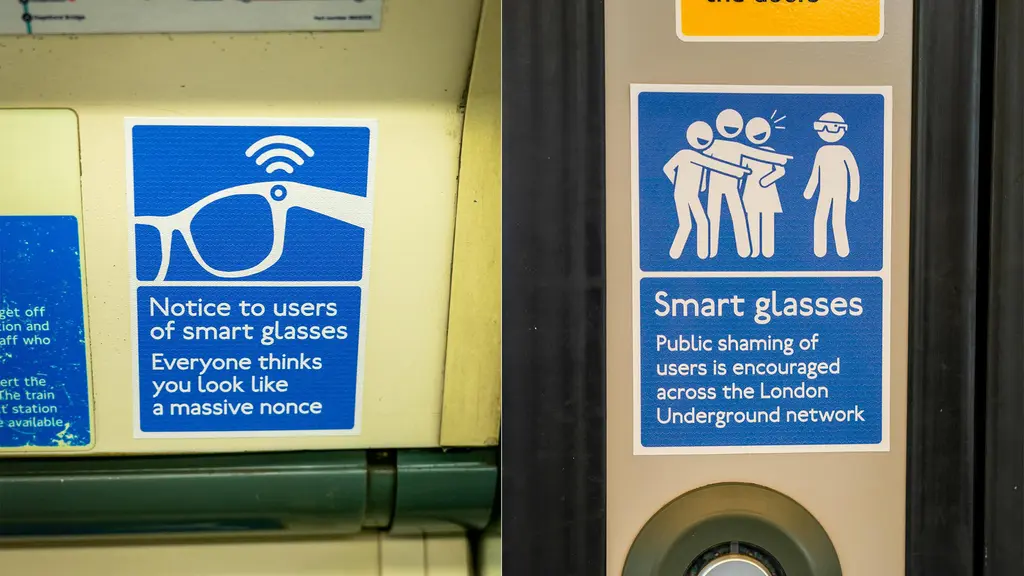
Activists slam “pervert glasses” in new guerrilla campaign
Everyone Hates Elon — Stickers have appeared on the London Underground network, criticising the wearable technology’s covert filming capabilities.
Written by: Isaac Muk

New exhibition highlights British radical living over 200 years
Earthly Paradise — Taking place at the William Morris Gallery, it explores the homes and lives of artists, writers, musicians and more, as well as the conditions that allowed them to thrive.
Written by: Isaac Muk

Pink Floyd’s Roger Waters joins team of new Palestinian resistance documentary
Freedom Theatre — Directed by Rishi Pelham, the film spotlights a theatre operating in the Jenin refugee camp.
Written by: Ella Glossop

Just Stop Oil holds first protest in 17 months
No new drilling — Having previously said that it was “hanging up the hi-vis”, the climate activist group has blocked a road outside Parliament to protest Andy Burnham opening the door for new oil and gas extraction licenses in the North Sea.
Written by: Ella Glossop

In photos: The enduring resistance of Notting Hill Carnival
Carnival of Resistance — A new photobook by Wayne Campbell and Wayne Crichlow reflects on the protest beginnings of Europe’s biggest street festival, along with the traditions keeping its original spirit alive today.
Written by: Isaac Muk

Tens of thousands gather to remember Jason Arday at London vigil
Stand Up to Racism — It took place in Trafalgar Square, with speakers paying tribute to the former Cambridge professor’s life and achievements, while calling for accountability over the reporting he faced from the mainstream press.
Written by: Ella Glossop


