Capturing race and colour in the Dominican Republic
- Text by Juan Veloz
- Photography by Juan Veloz

We always think of the Dominican Republic as a place of paradise and fun. We have to start stripping down the beauty and see the truth that is already in front of us. There is nothing worse than experiencing racism in a place you always thought was pure and peaceful.
Growing up in Brooklyn, New York, I experienced a lot of racism, and many heads turned when I spoke Spanish. People were confused because people of colour don’t tend to be associated with Latinx culture. The saddest part was, much of these feelings were coming from my own people. Being Afro-Latino was mind-boggling to them, and they couldn’t understand the fact that I was a Black man that spoke Spanish.
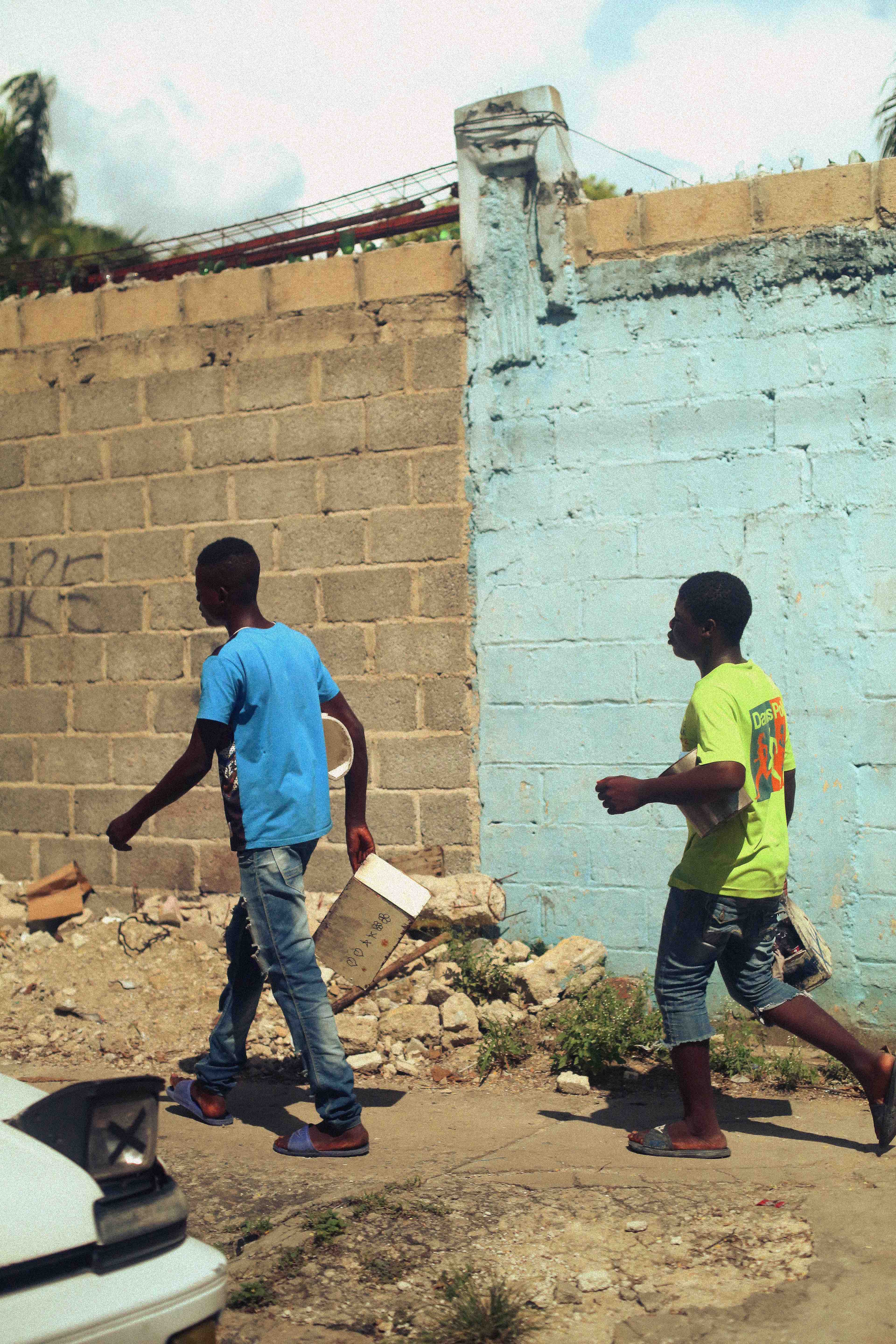
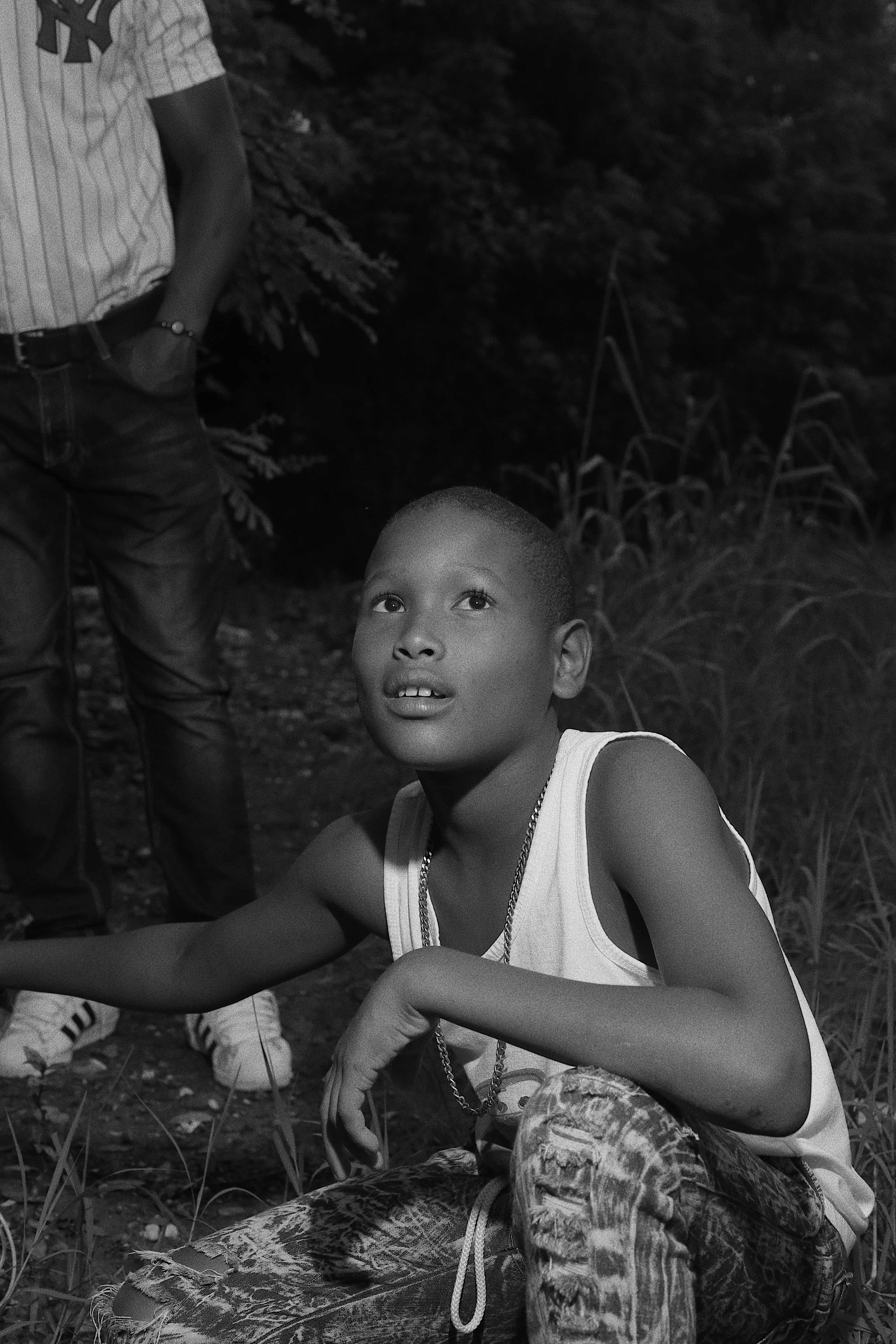
This photo project was born when I was watching the Dominican news one night with my family. The country’s government passed a law which would see the Haitian residents get deported back to Haiti. This news fueled something in me – I needed to go there, and do something to start a conversation.
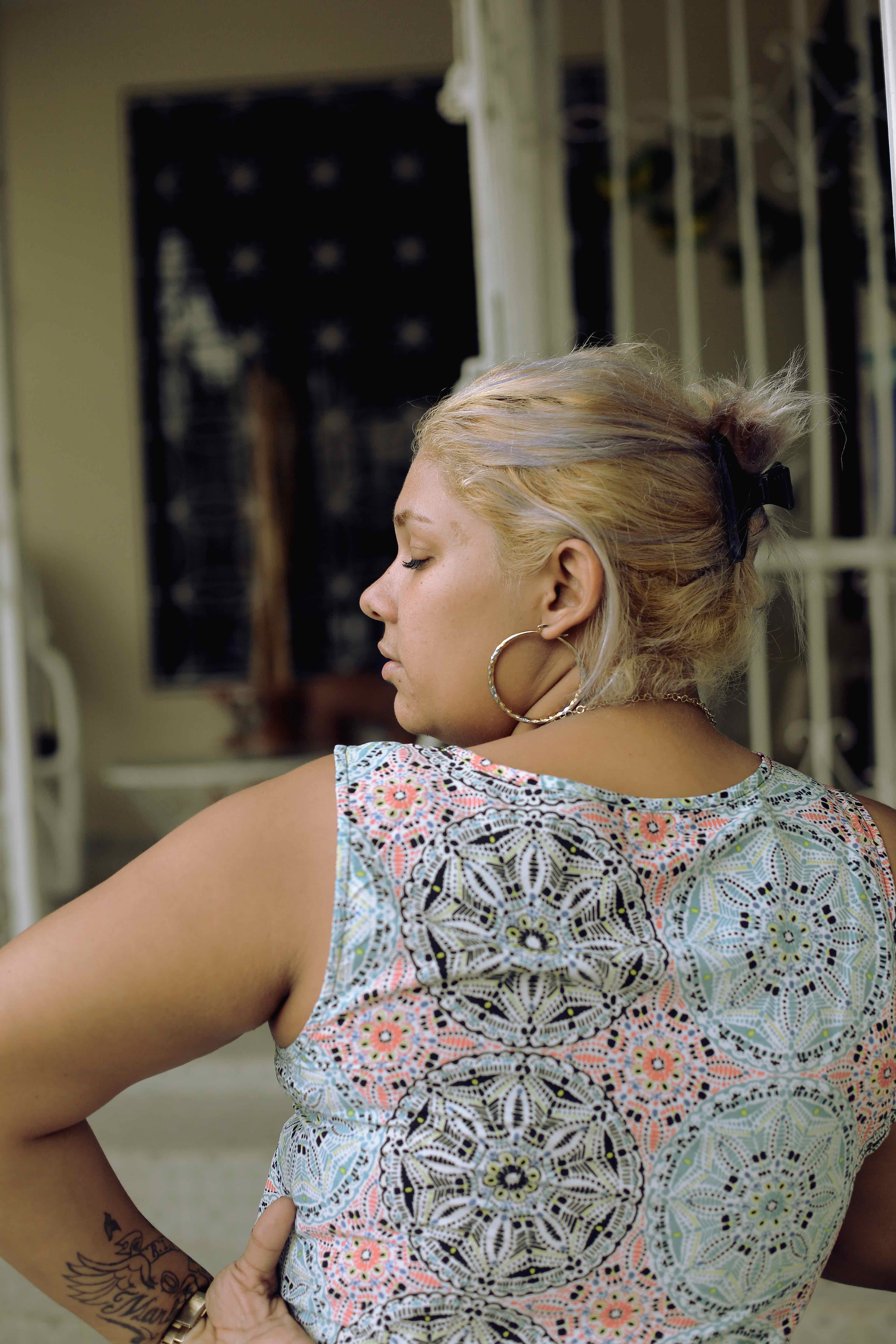
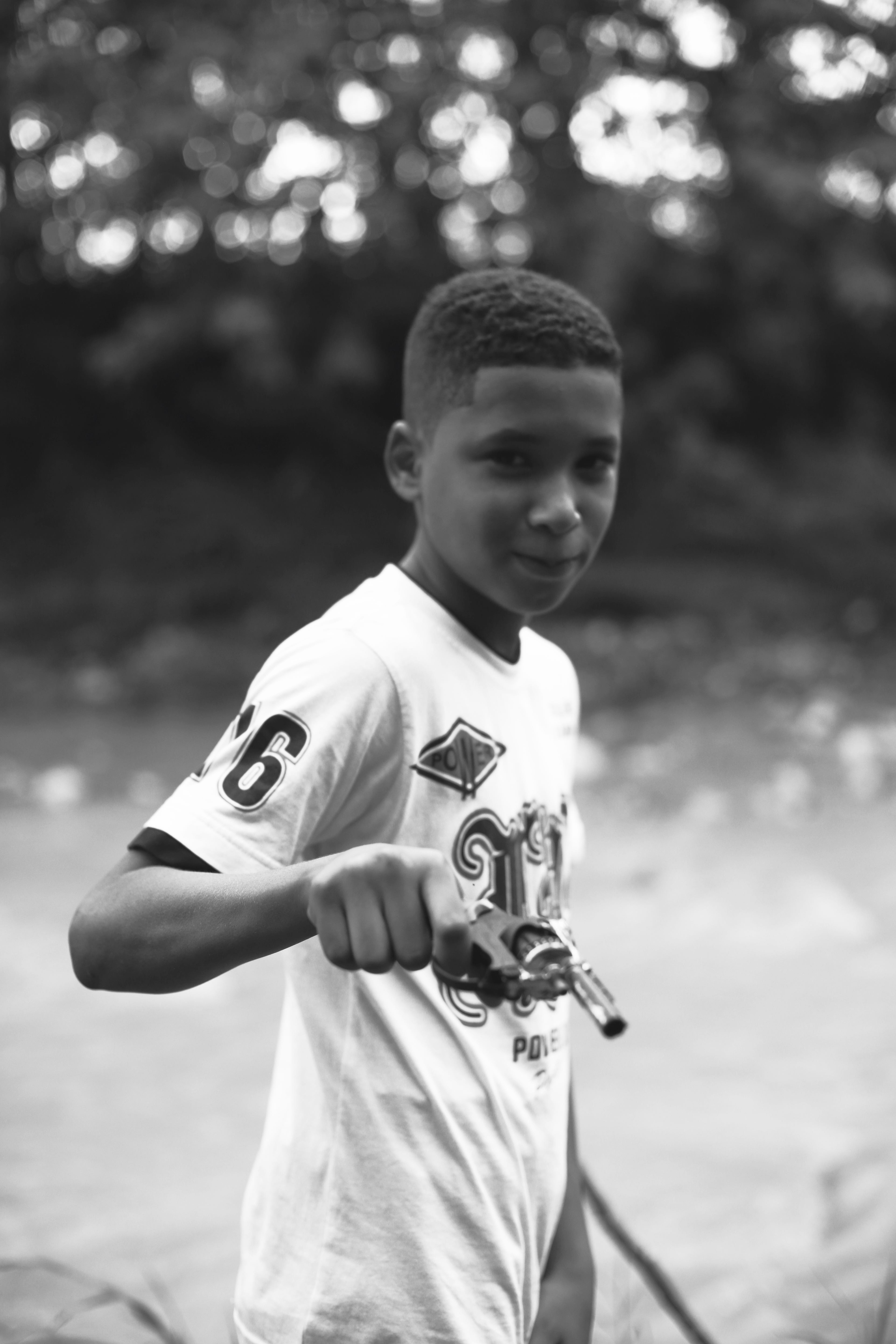
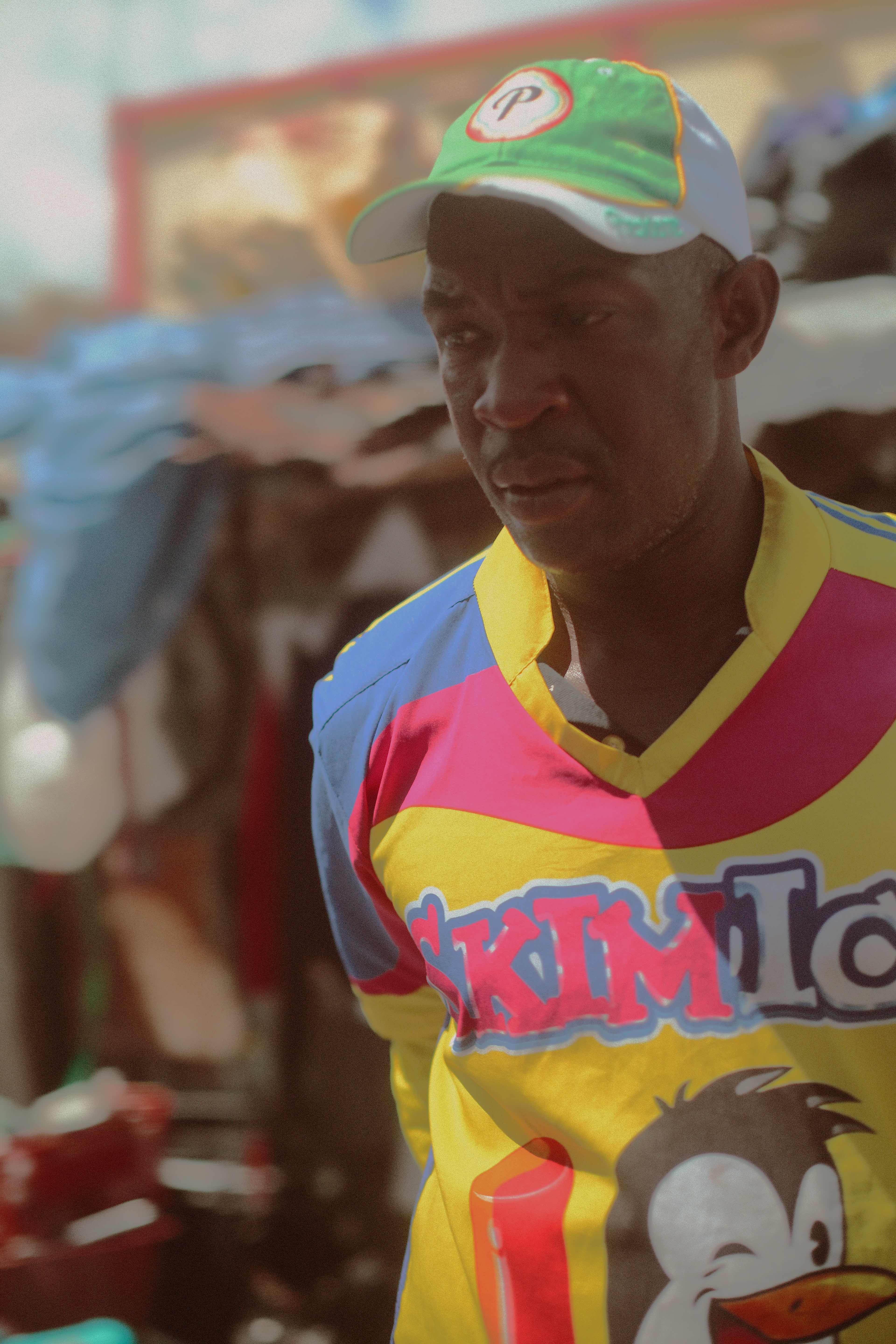
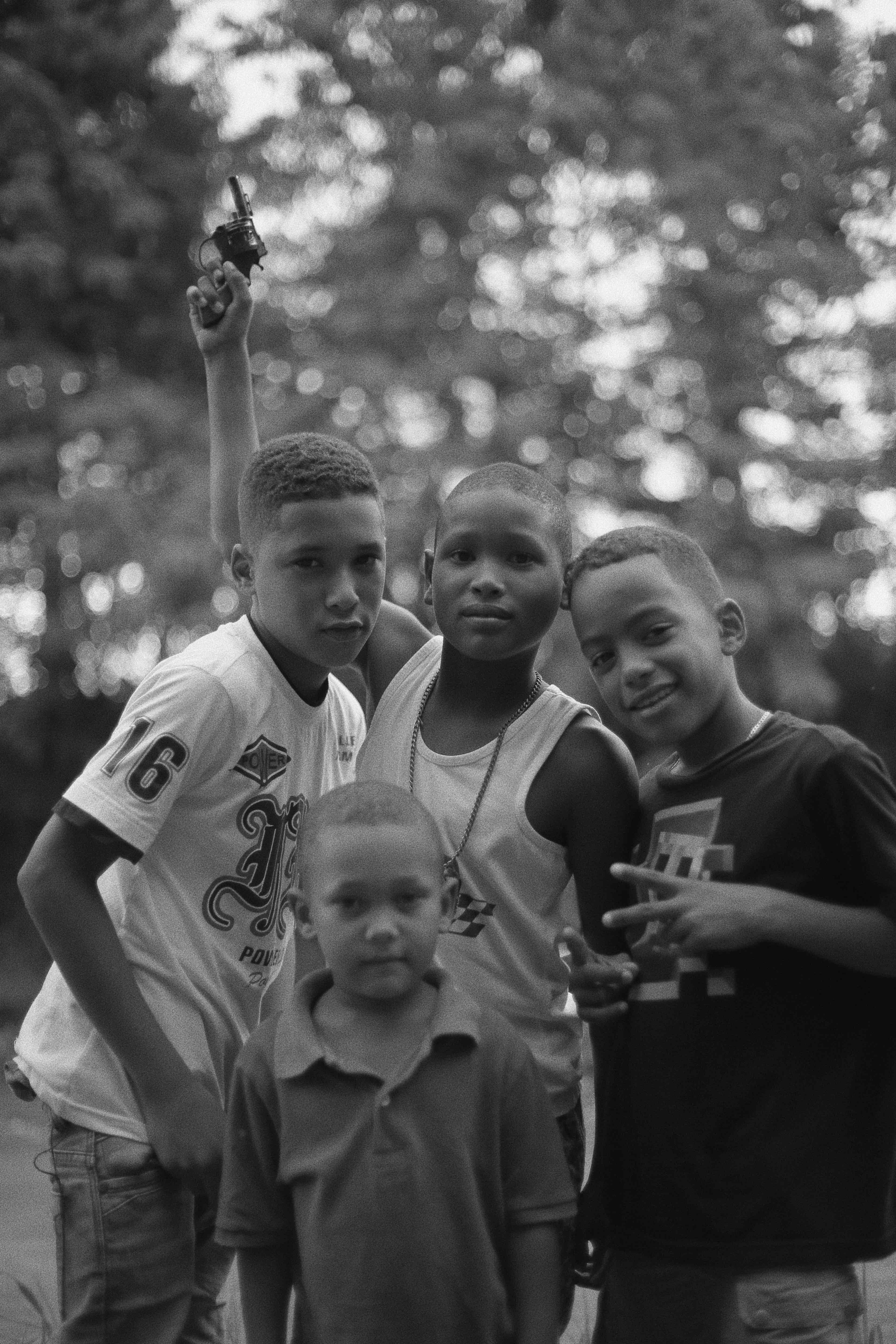
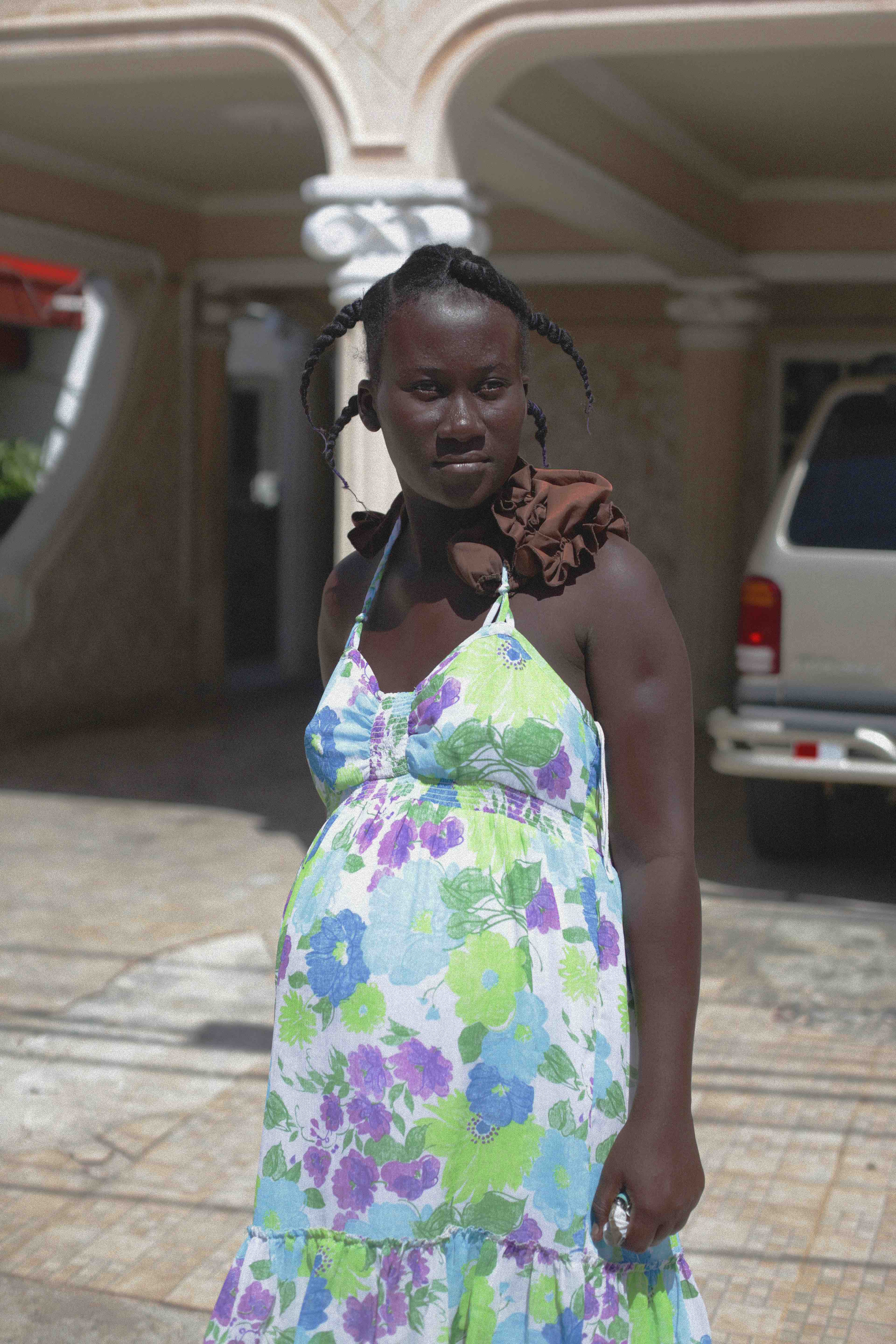
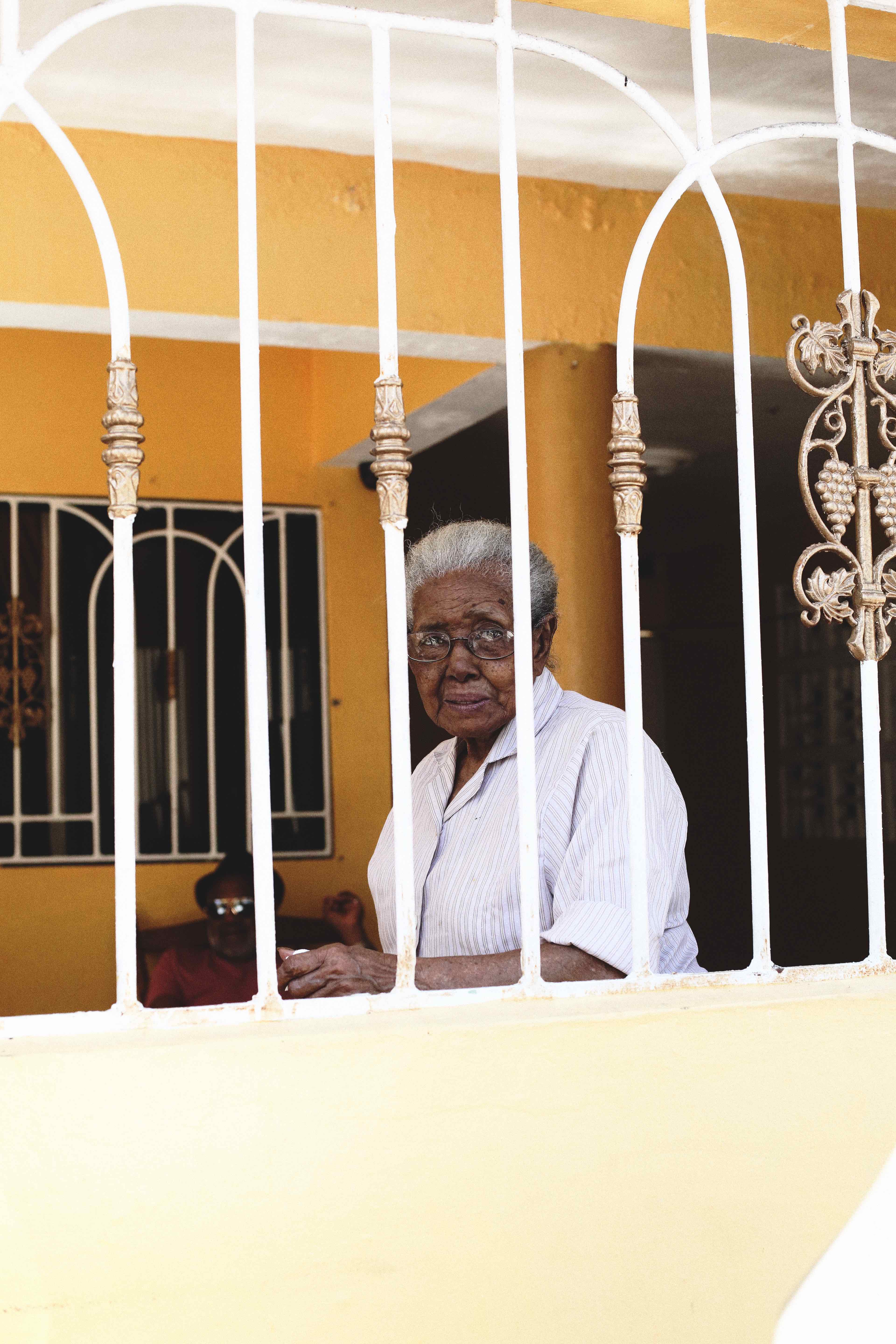
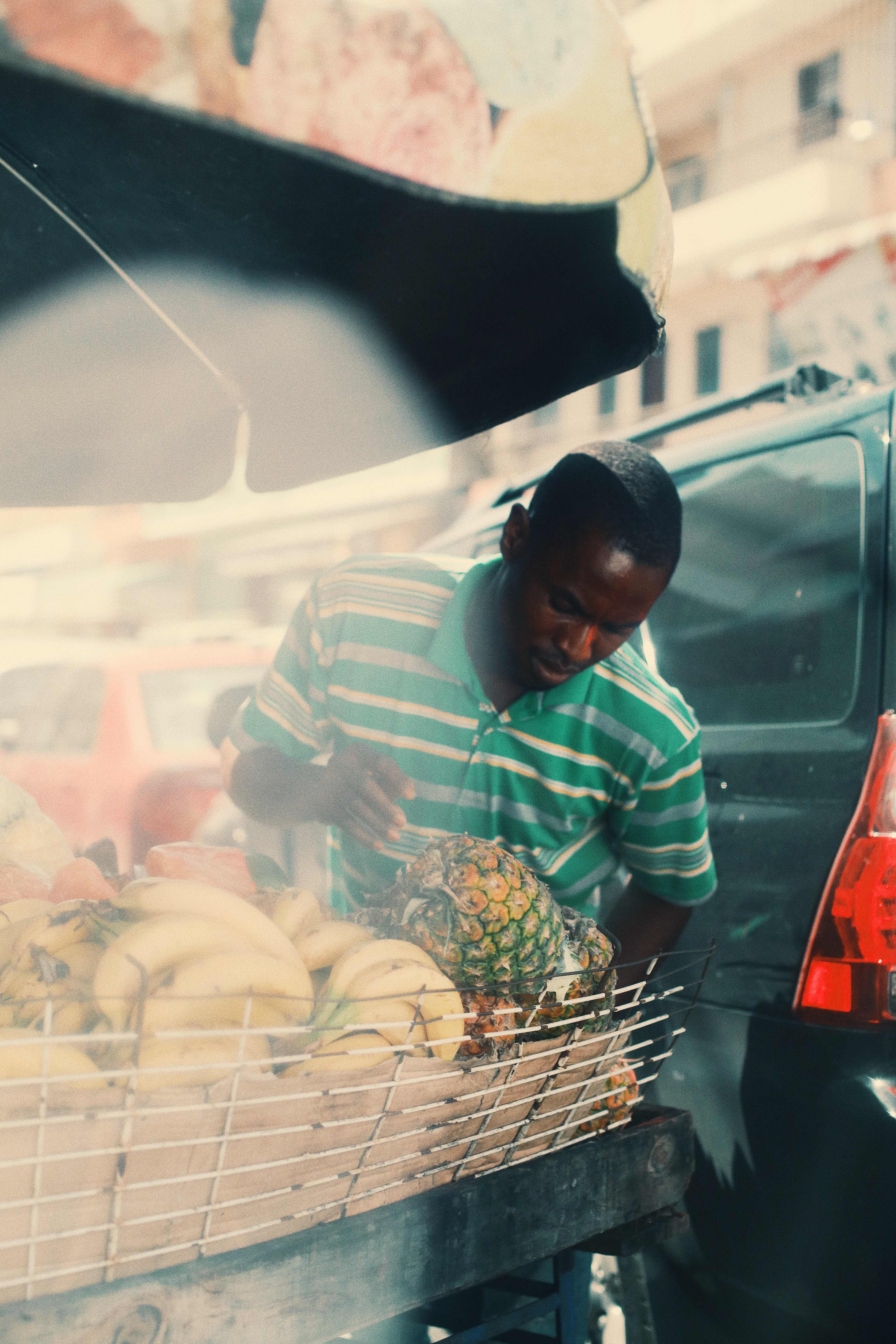
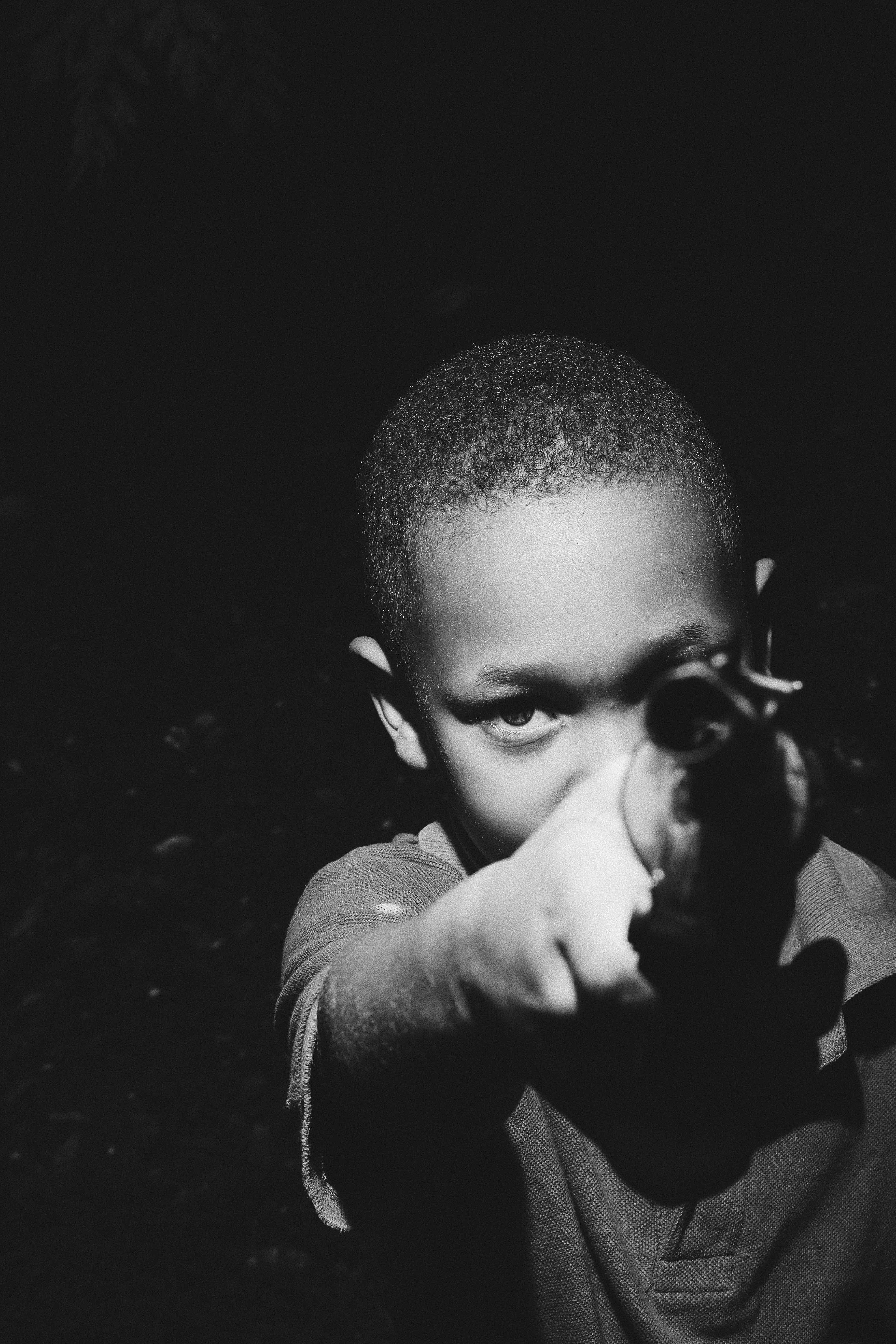
While shooting this project, I captured my family members who I hadn’t seen in years, as well as the beautiful landscapes. But I also had to show the truth about my country. I saw a lot of racism and colourism first hand during the trip, and was able to capture the separation of Dominicans and Haitians within the country. (On one occasion, for example, I was photographing a beautiful pregnant Haitian women, and three Dominican men began calling her ‘ugly’ and yelled for me to stop).
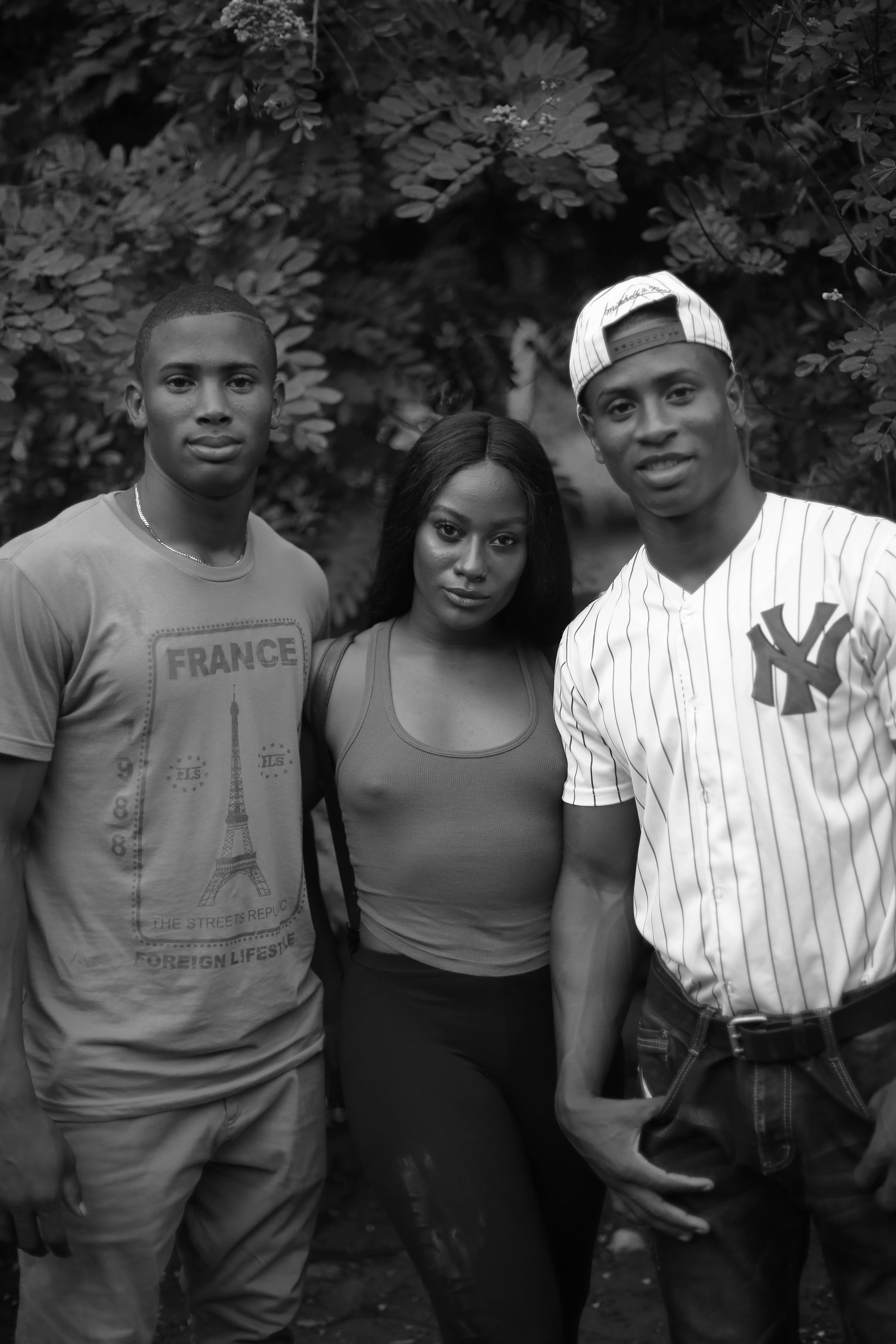
On a positive note, I was able to see and spend time with my family, reconnect with my Afro-Latino roots, and capture those beautiful moments. I took a lot of things for granted before coming on this trip. The key to life is happiness and making memories, so I thank my family for letting me capture everyone in their natural space with love and acceptance.
My main point with this project was to show that we’re all one. Ignorance and injustice is real – even in Paradise. Let’s keep this conversation alive.
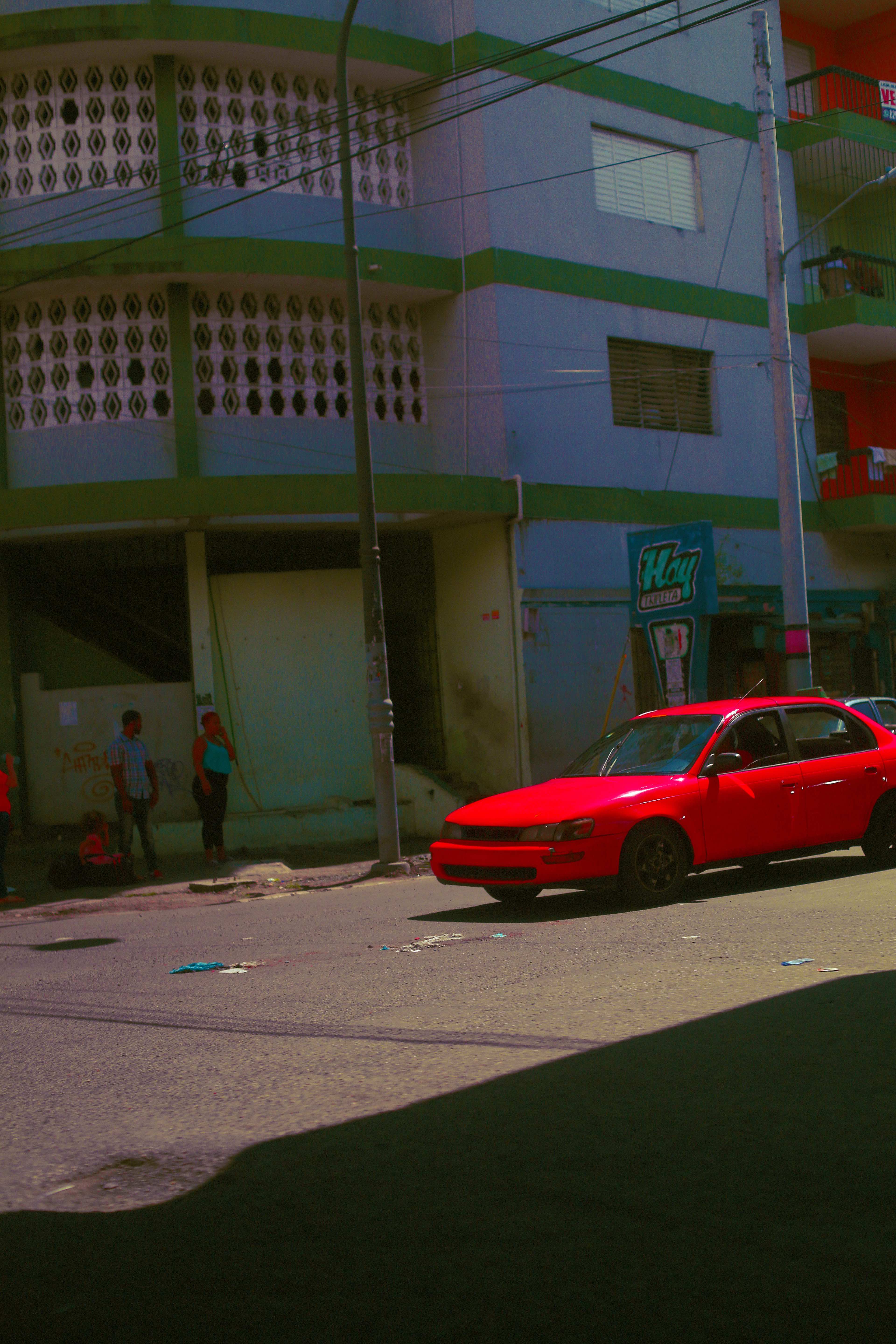
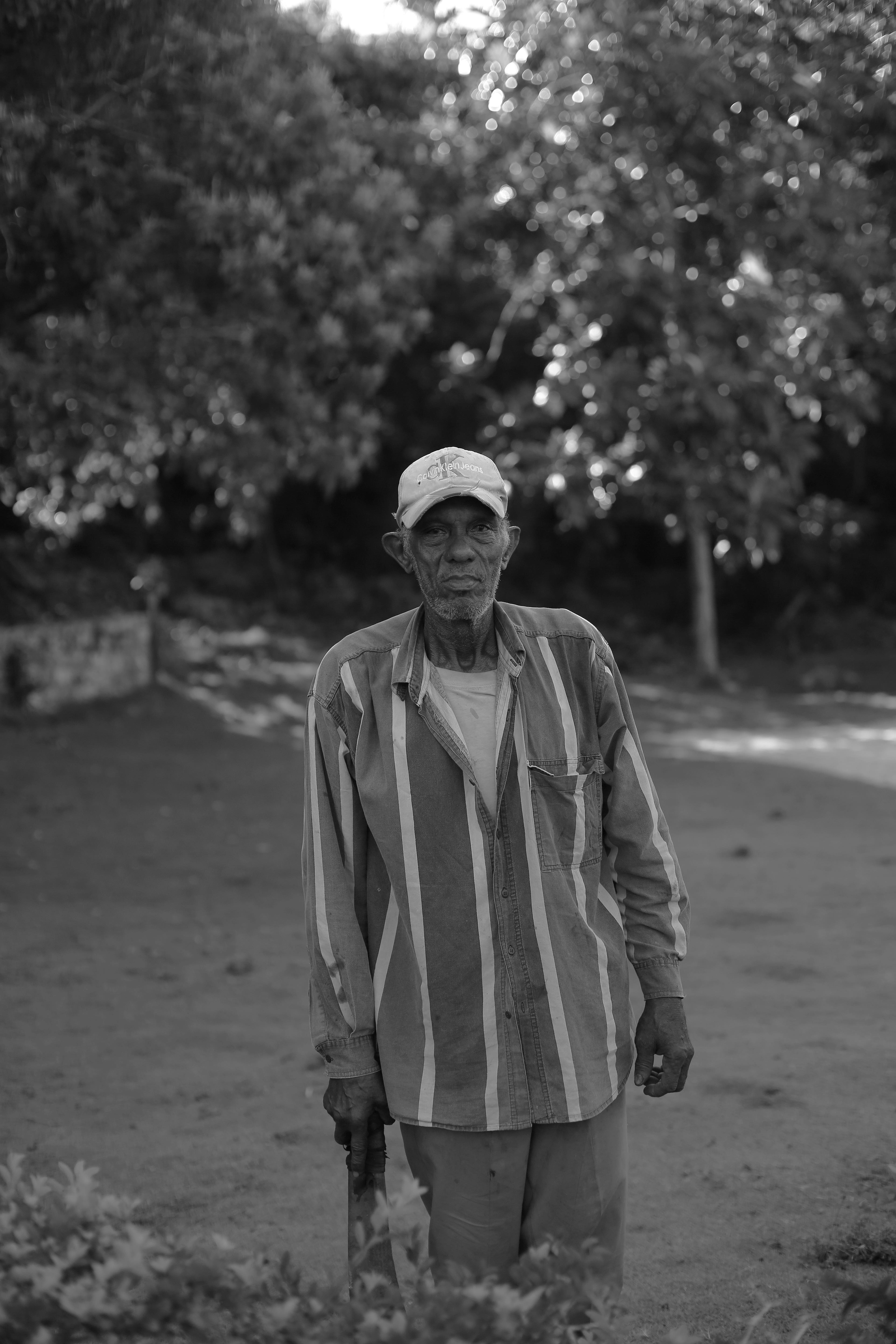
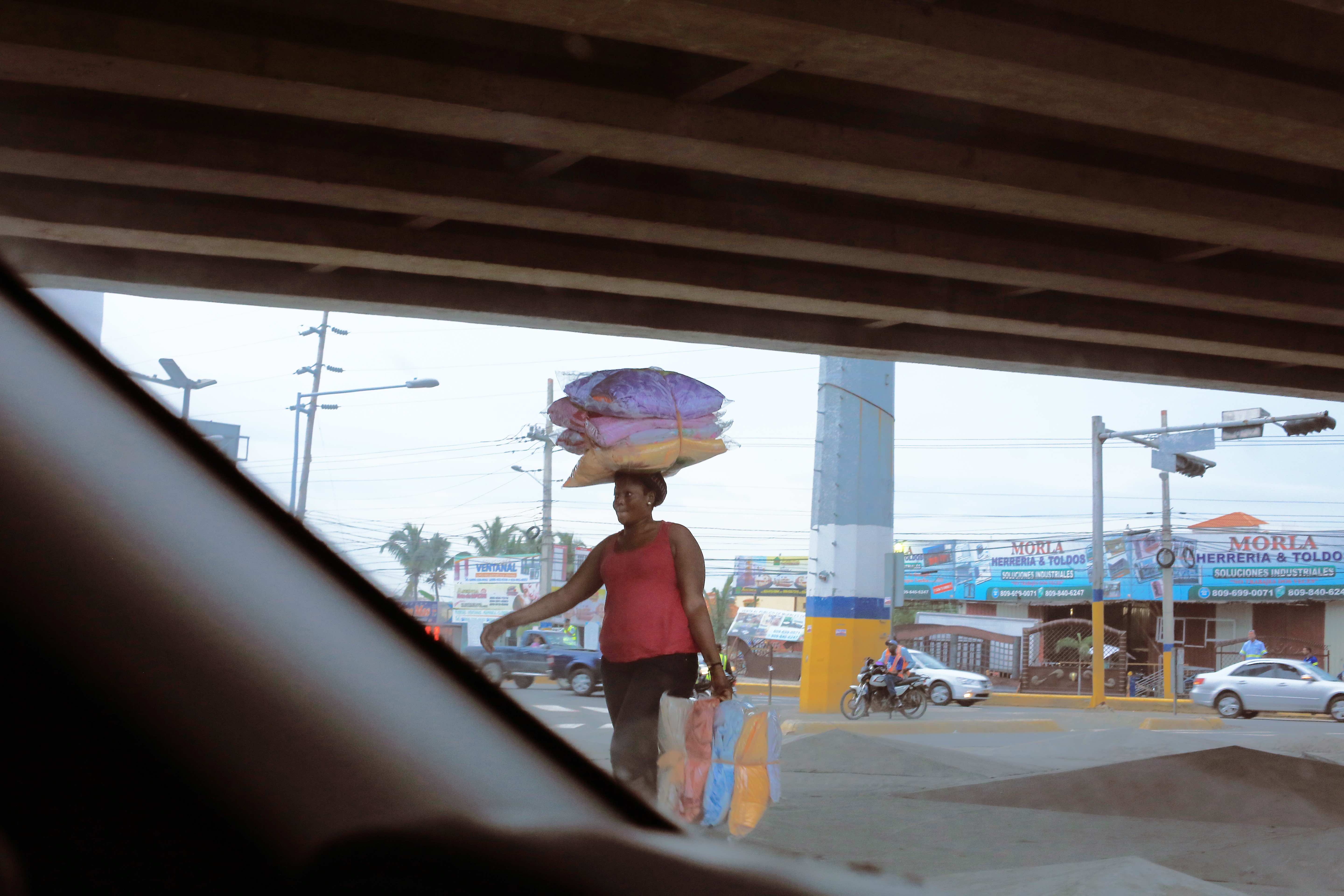
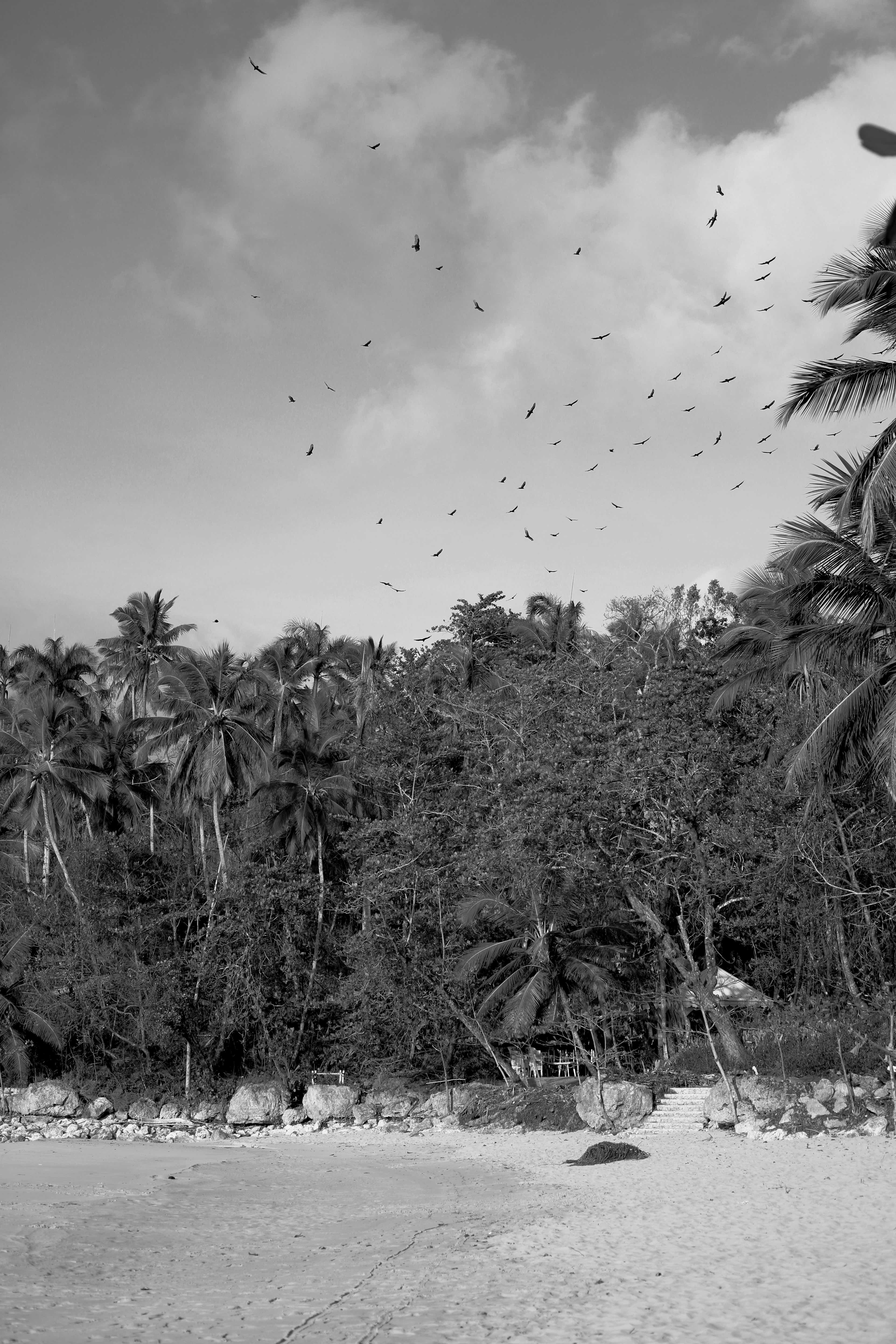
See more of Juan Veloz’s work on his official website or follow him on Instagram.
Enjoyed this article? Like Huck on Facebook or follow us on Twitter.
You might like

Jesse Glazzard’s messy portrait of queer friends, lovers and chosen family
The Sound of Dirt and Beauty — The photographer’s debut monograph explores tender, unpolished moments shaped by the people who he surrounds himself with, while offering a window into the UK’s working-class LGBTQ+ community.
Written by: Sunny Sunday

Behind the curtain at Alternative Miss World 1981
Olympia glamour — Running a subversive take on the traditional beauty pageant, the Andrew Logan organised event prioritised underground creativity and invention. Photographer David Corio went behind the scenes at its biggest edition.
Written by: Miss Rosen

New exhibition highlights British radical living over 200 years
Earthly Paradise — Taking place at the William Morris Gallery, it explores the homes and lives of artists, writers, musicians and more, as well as the conditions that allowed them to thrive.
Written by: Isaac Muk

What life on the Strait of Hormuz is really like
Southern Winds — Bandar Abbas based photographer Morteza Niknahad has been capturing the diverse communities and stories of his local region since he first picked up a camera. His new series highlights the human impact of war.
Written by: Isaac Muk

Nick Haymes’s intimate portrait of his family’s life
Chronograph — Over 25 years, the photographer documented his son’s lives as they grew into adults. The resulting photobook is an exploration of the passage of time, as well as the optimism of youth.
Written by: Miss Rosen

Kristina Rozhkova’s scatty, confronting portrait of captivity
Gut Feeling — The Russian artist’s 2024 arrest and subsequent detention opened her eye towards the omnipresent dynamics of power and control. Her new photobook is a stark exploration of being trapped.
Written by: Isaac Muk


