Capturing local life in Spain’s most ancient, spiritual city
- Text by Daniele d'Ingeo
- Photography by Daniele d'Ingeo

It is estimated that over 200,000 pilgrims go through the several paths leading to Santiago de Compostela every year. Wayfarers from all over the world walk – or cycle – from as much as 1000 km to as little as 100 to honour the relics of Saint James the Great, believed to be buried in the main cathedral of the town.
Besides religious purposes, many embark on this journey for the adventure itself: the hiking and backpacking, as well as the thrill of following over 12-centuries-old footsteps. The most ancient route, the Camino Primitivo, also known as “the original one,” runs from the city of Oviedo and remains the most untouched to date.
The branded signage and souvenir shops of Santiago de Compostela – filled with the renowned ‘scallop shell’ merchandising – still haven’t quite spoiled the city. Here, you can experience the harshness and poise of an ancient trail where nature and man still coexist in immaculate balance. Deep forests and windy hillsides lead from one small village to the next one, and the constant and surreal quietness of the places on these paths seem to only be disturbed by the recurring greetings from the locals you run into on the way.
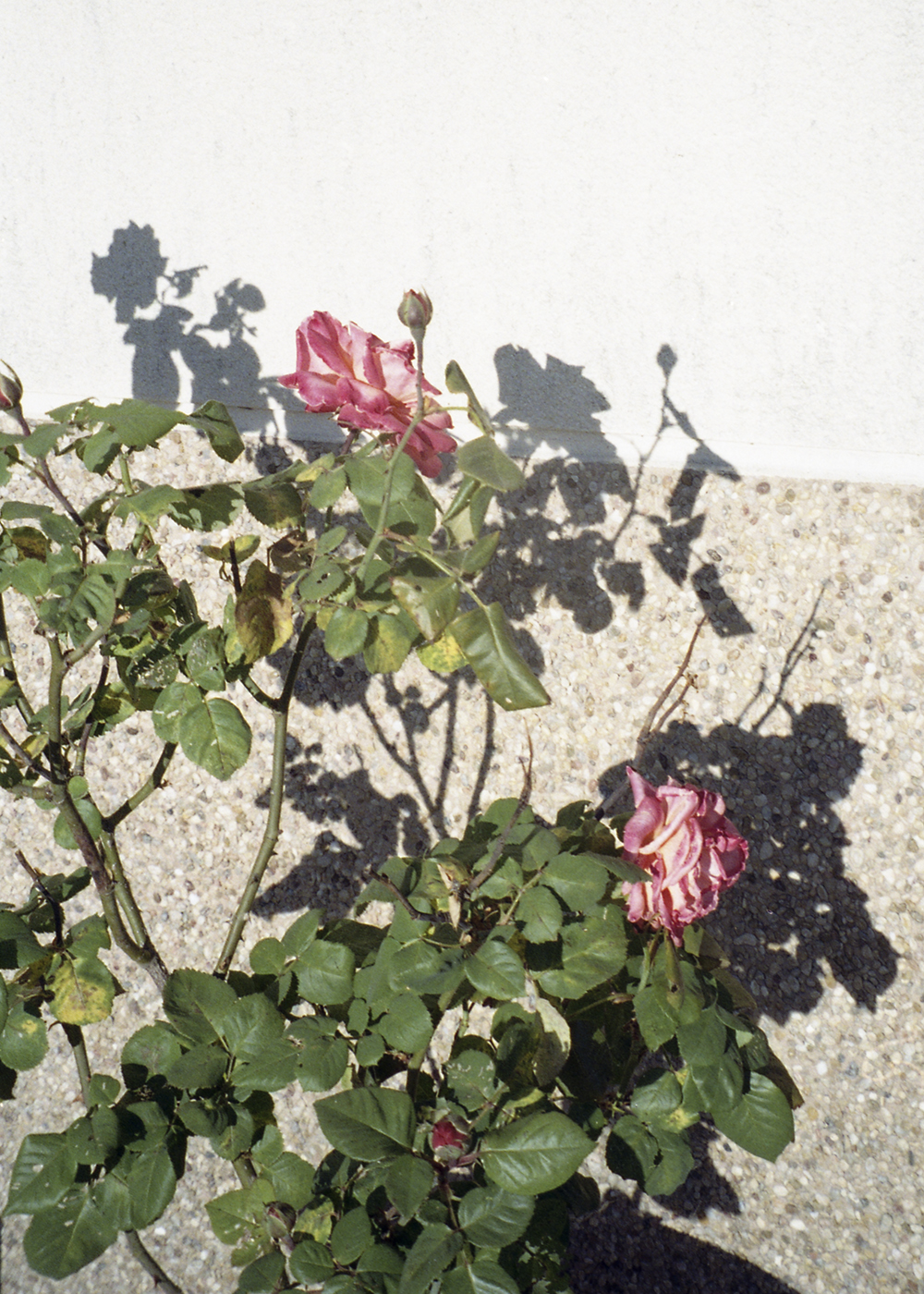
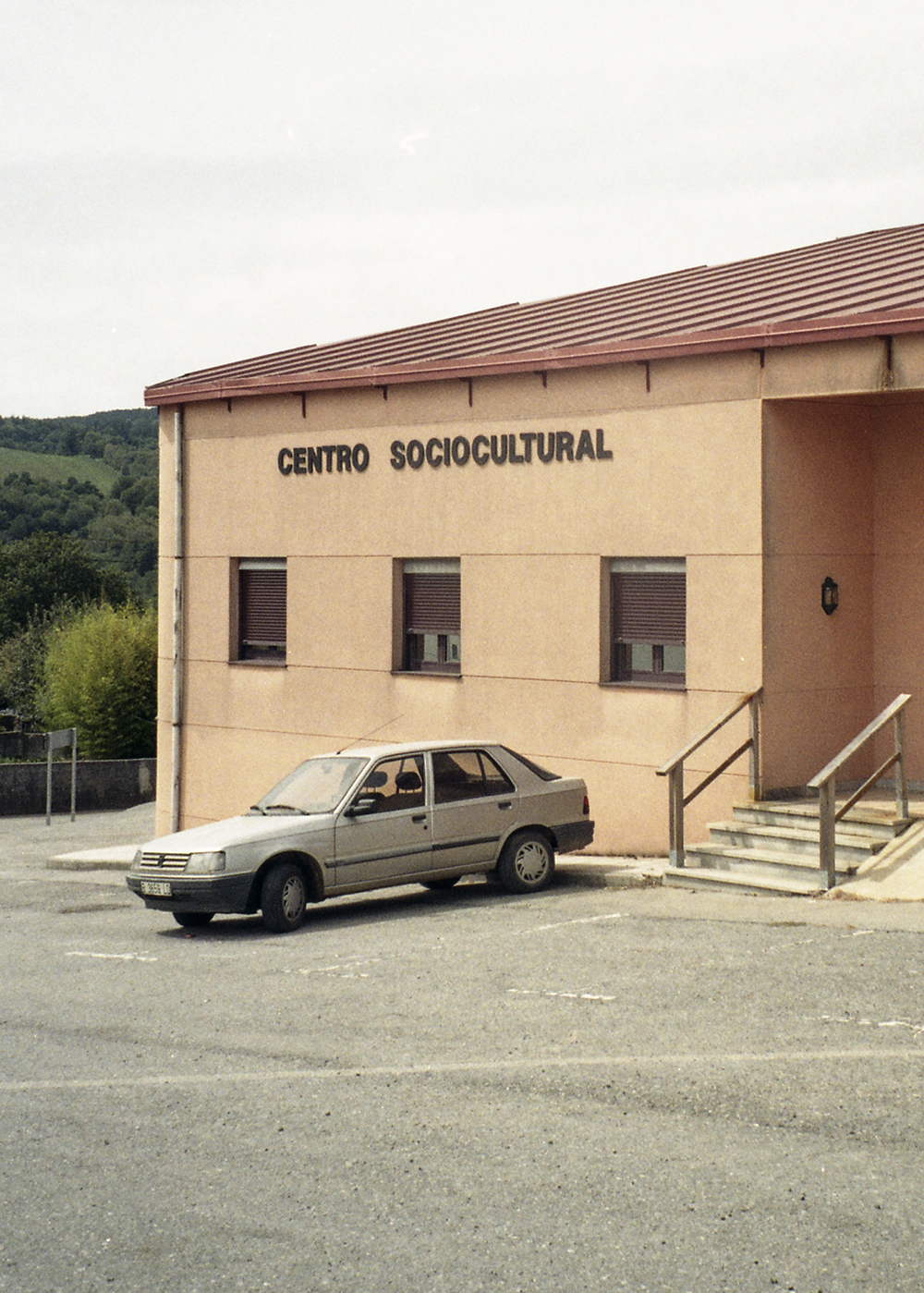
As you go along the path to the city you learn to greet the locals first: “Buenos Dias”,“Buen Camino.” Farmers, small shops and bars attendants, landowners – these people, who are mostly elderly, have been the watchmen of this holy ground since the very beginning. The complicity and mutual respect with the wanderers define their identity and the identity of the journey itself.
The inhabitant’s wisdom and hospitality is the real treasure of this physically challenging but rewarding experience. At the table with apple cider and lentil soups, you learn stories of simplicity and great determination. Walking towards the final destination, reality feels frozen in an undetermined past. Hiking through the fields and finding yourself in lively village fêtes, you return to a time of purity and nostalgia.
This journey is much more about going back than it is about moving forward. And when you finally make it to the end, with the fatigue and the marks of the challenge, you know very well who you are and who you have been, before knowing where you will go from there.
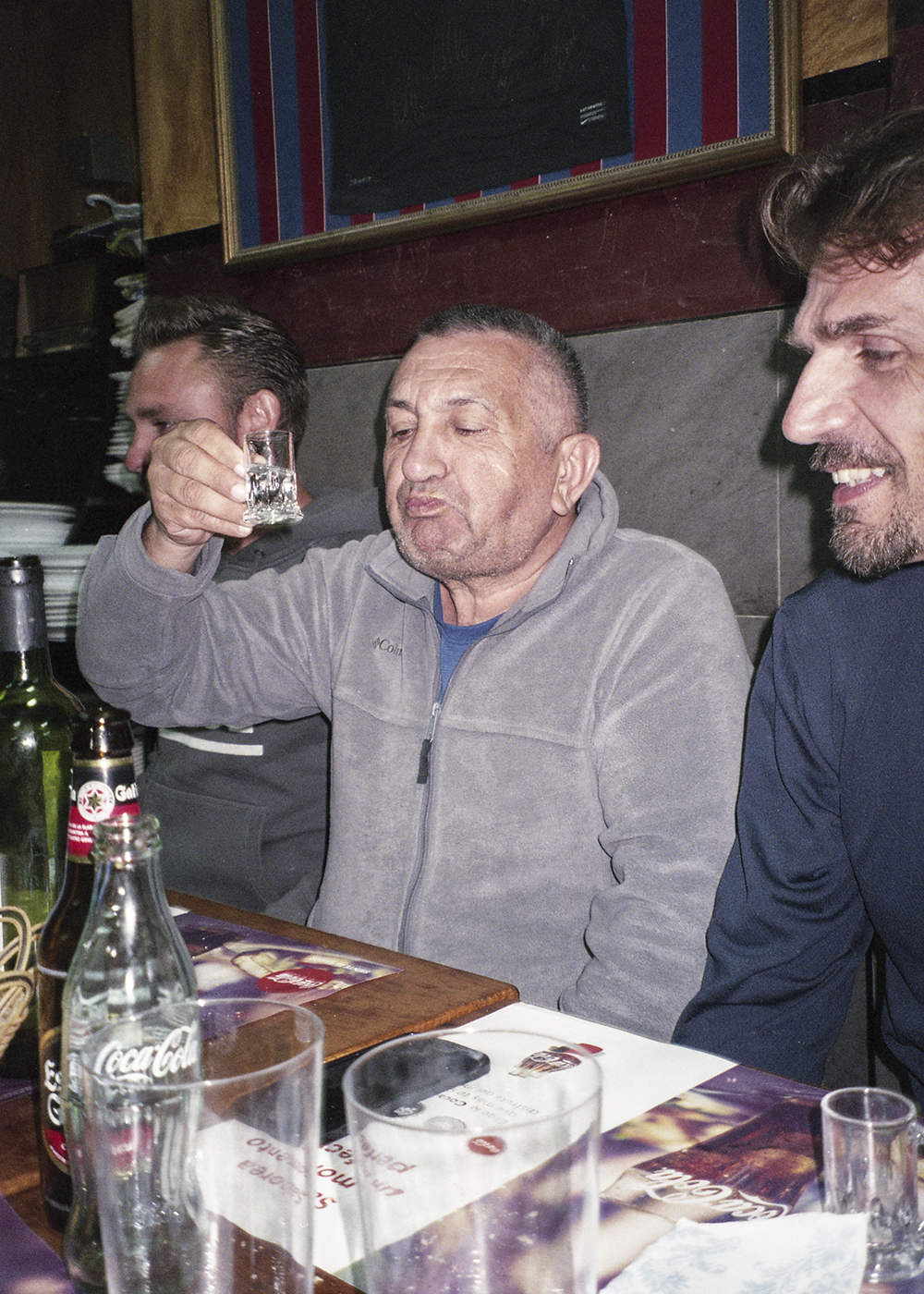
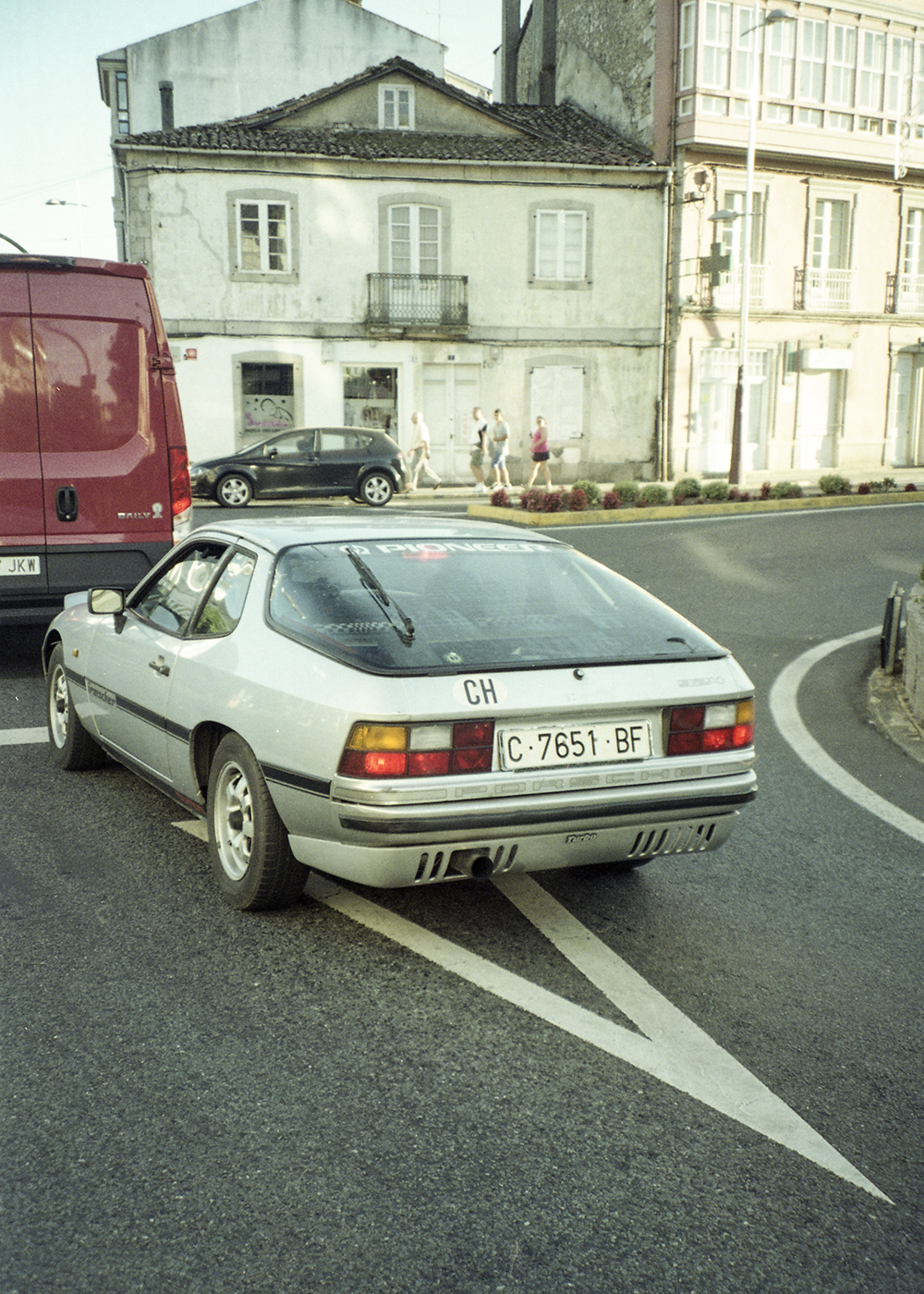
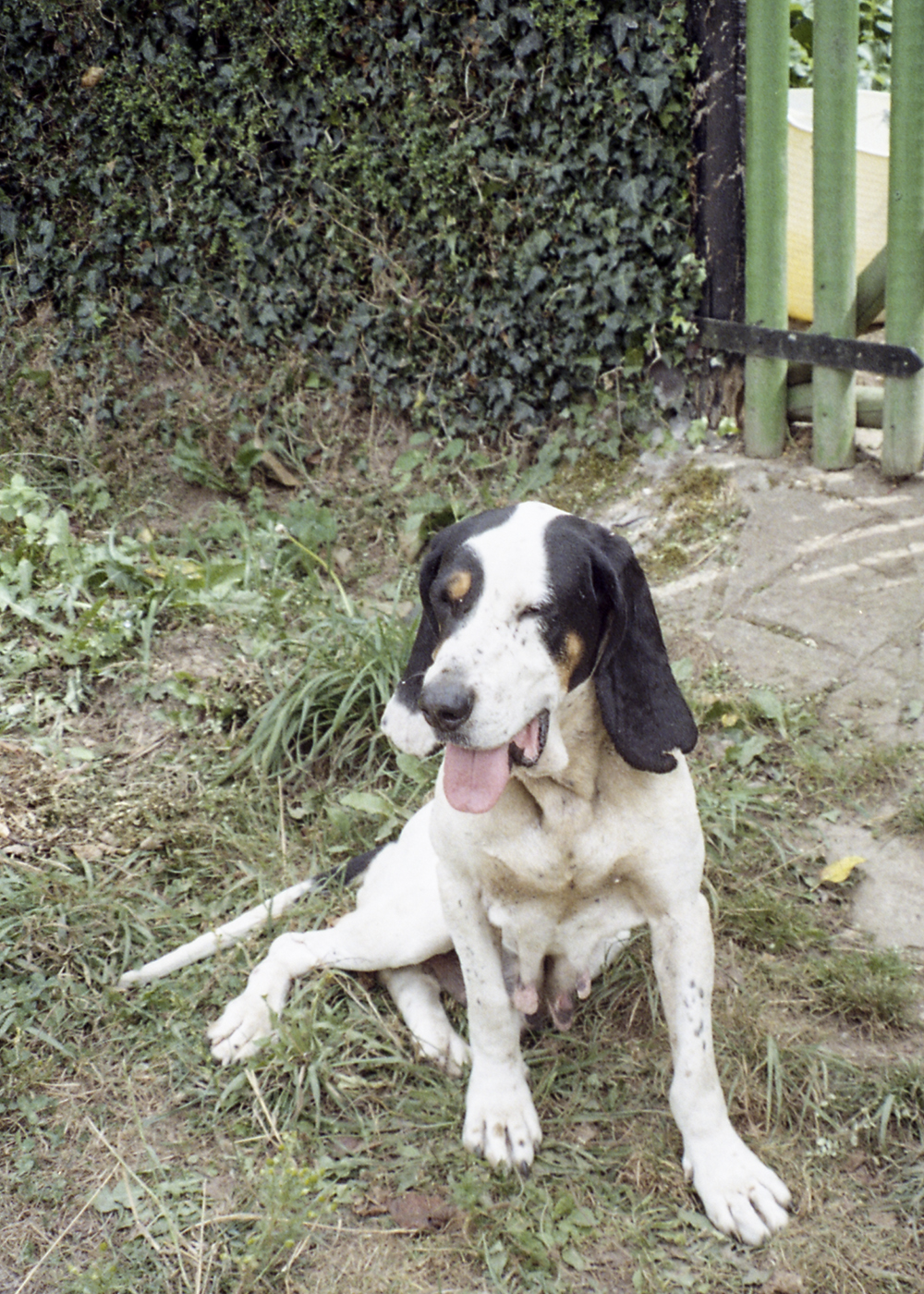
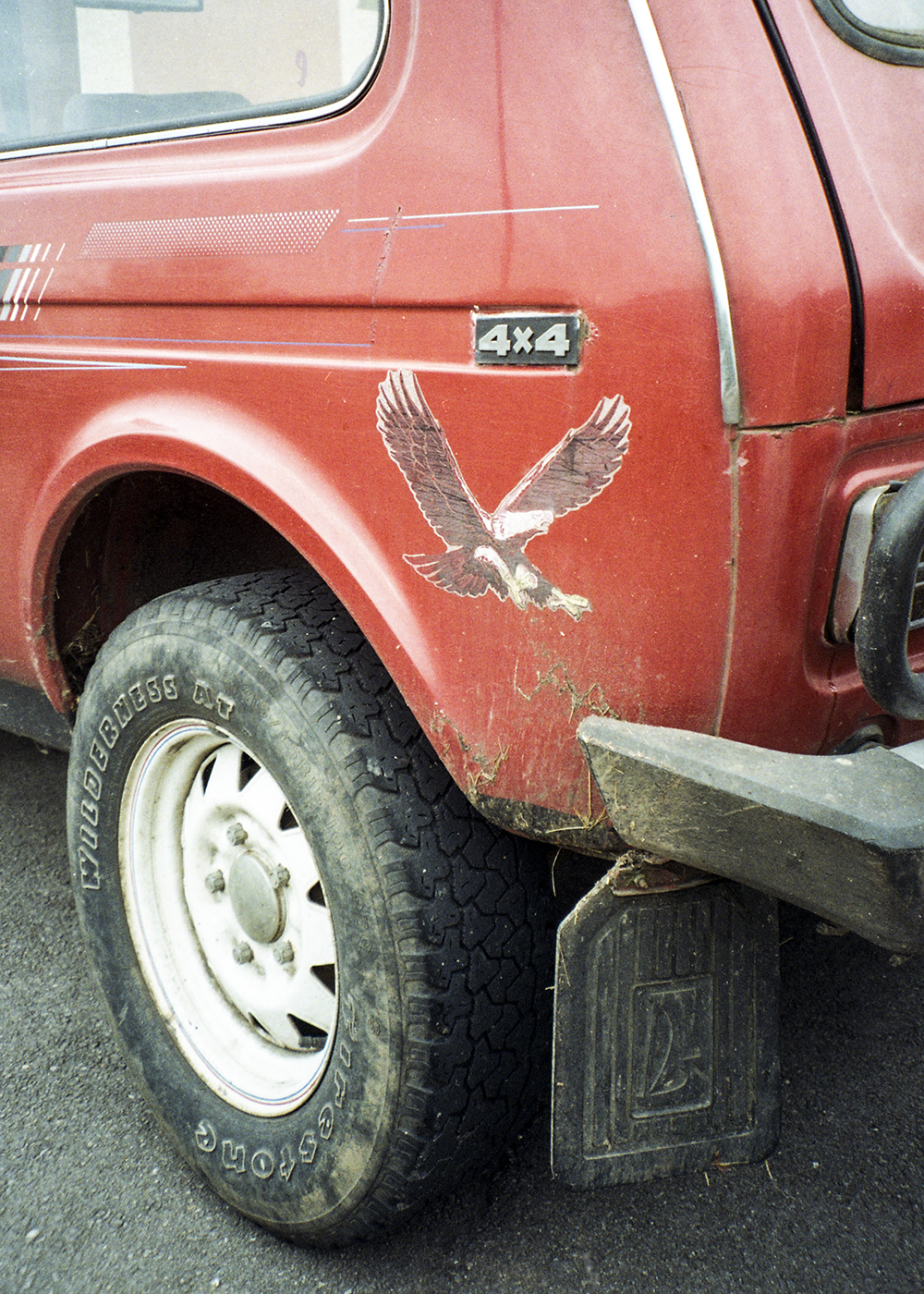
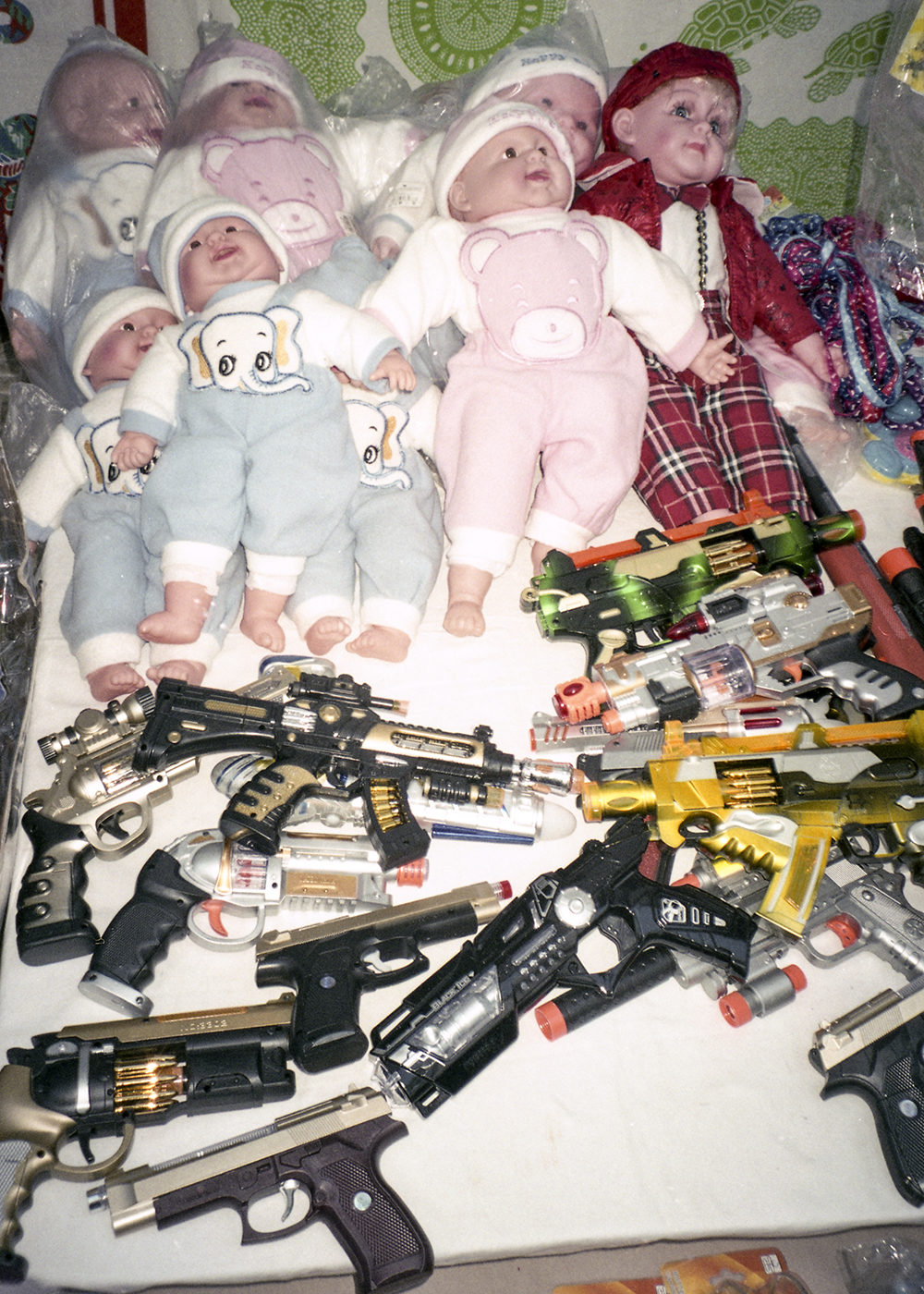
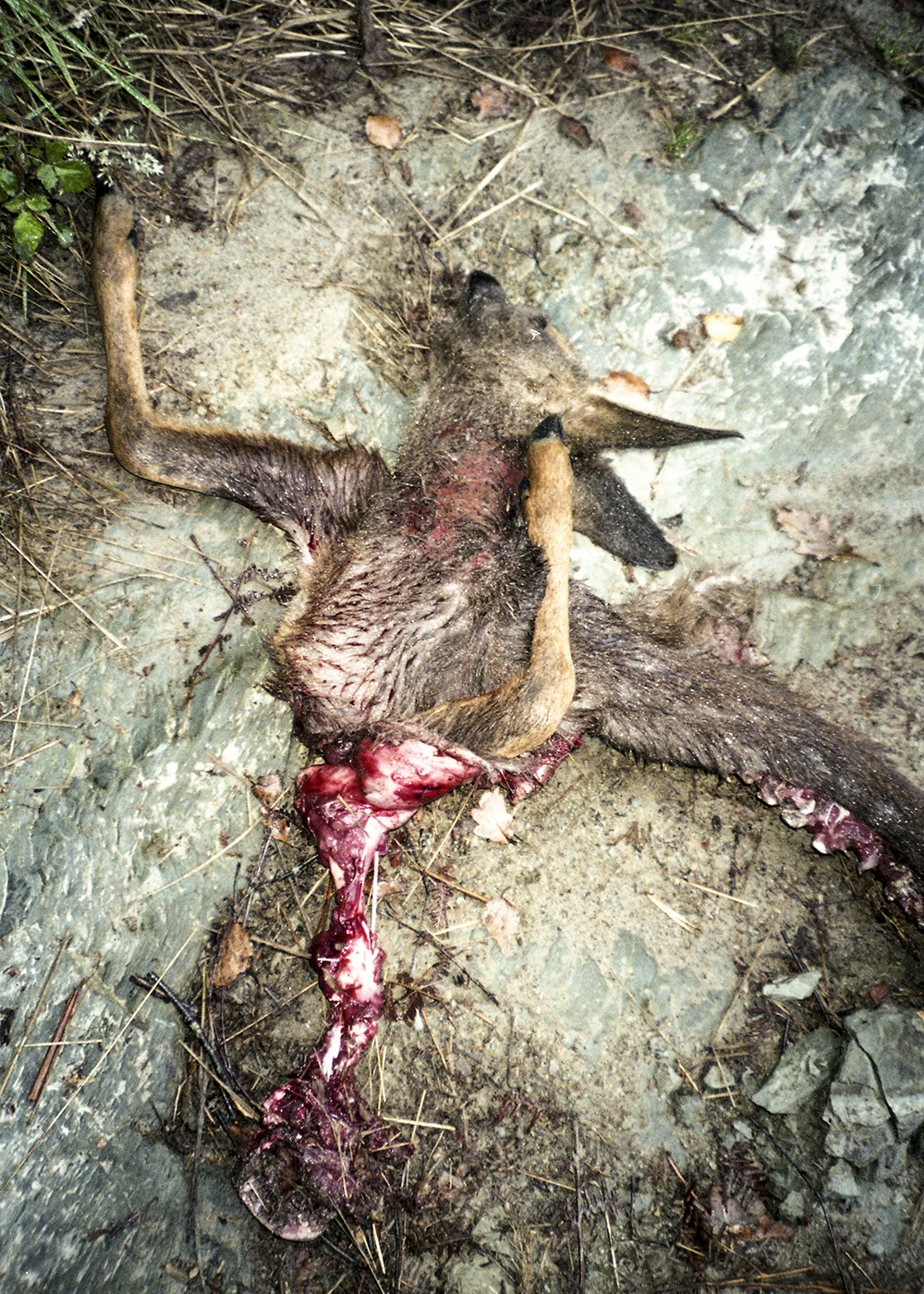
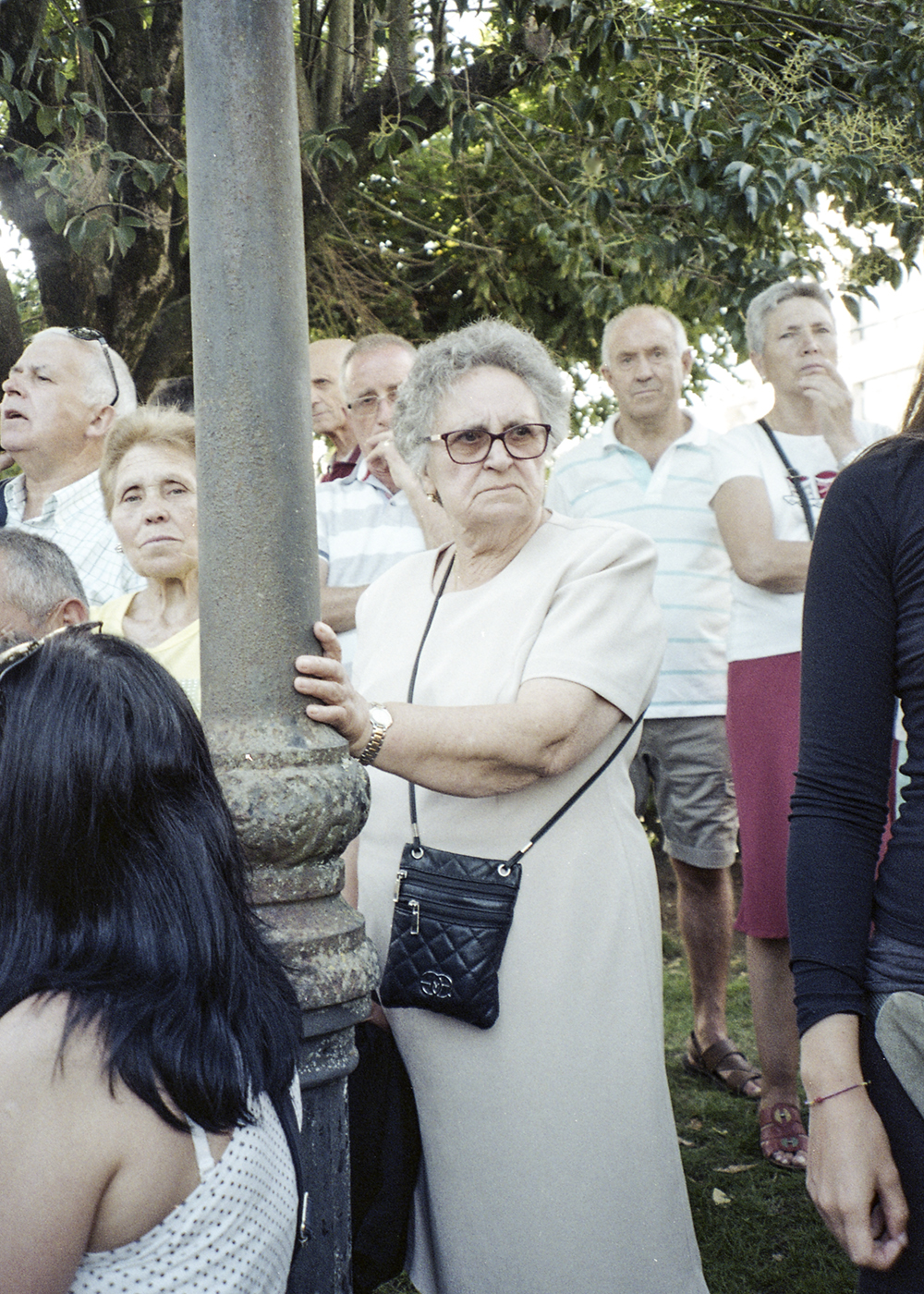
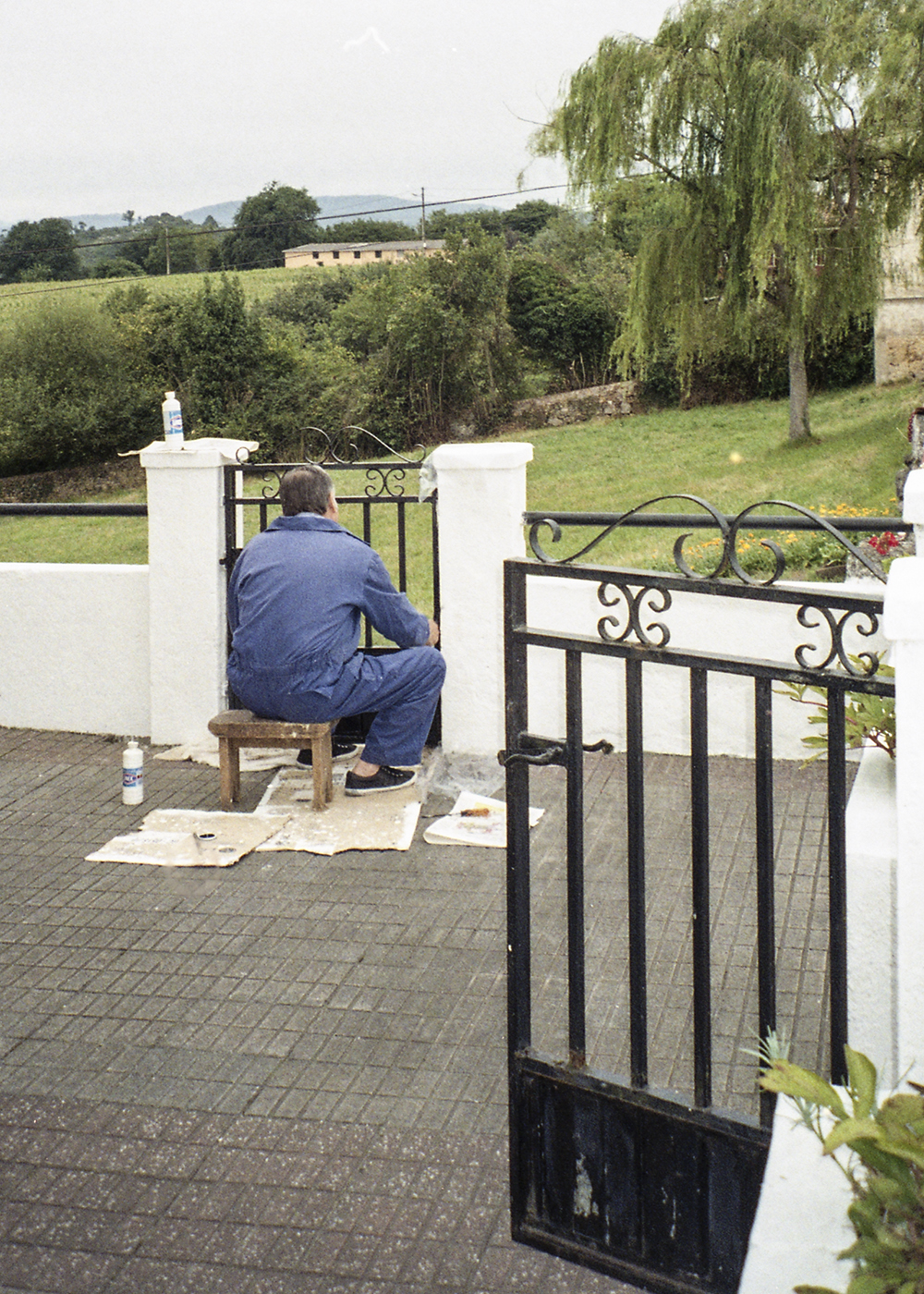
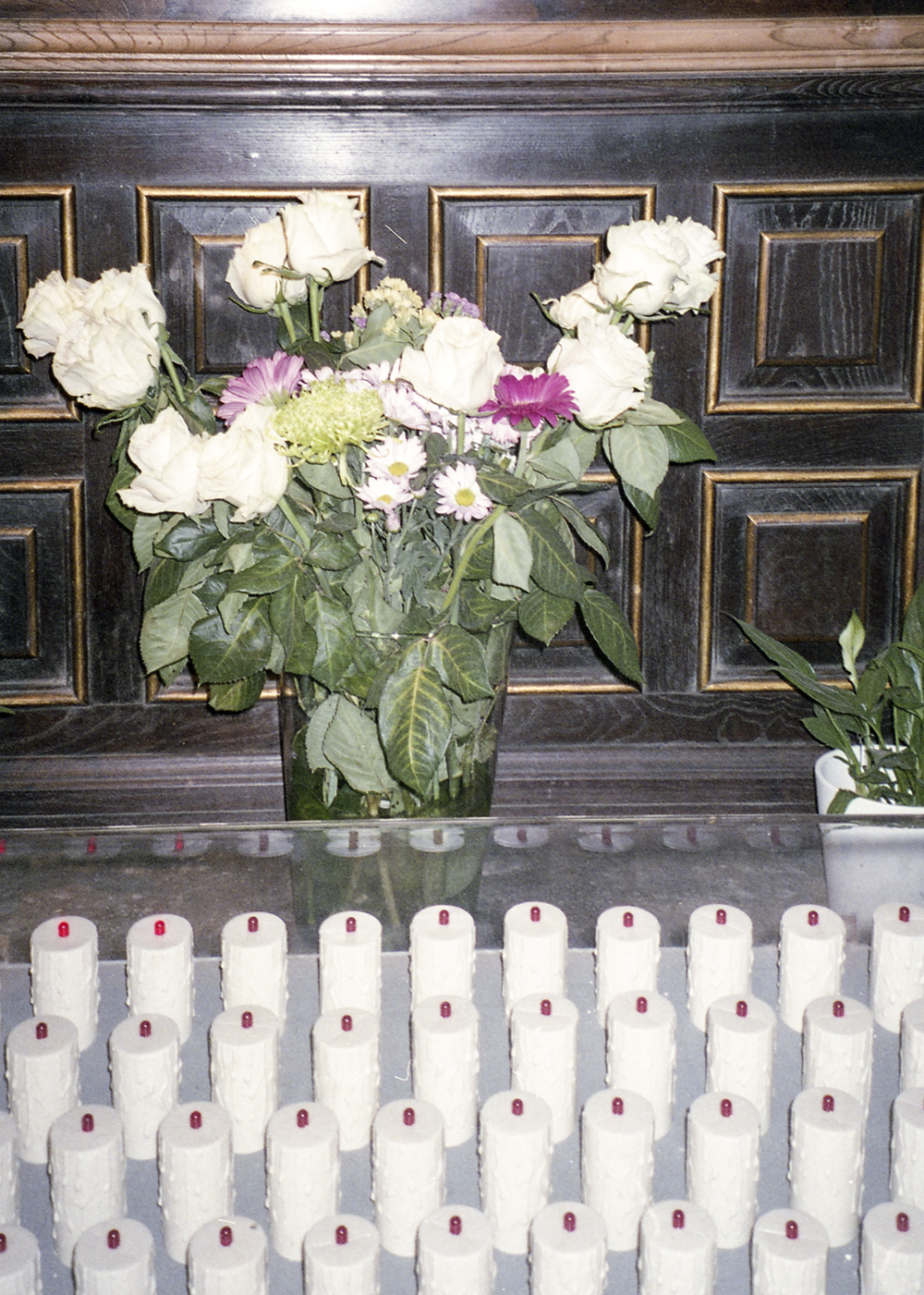
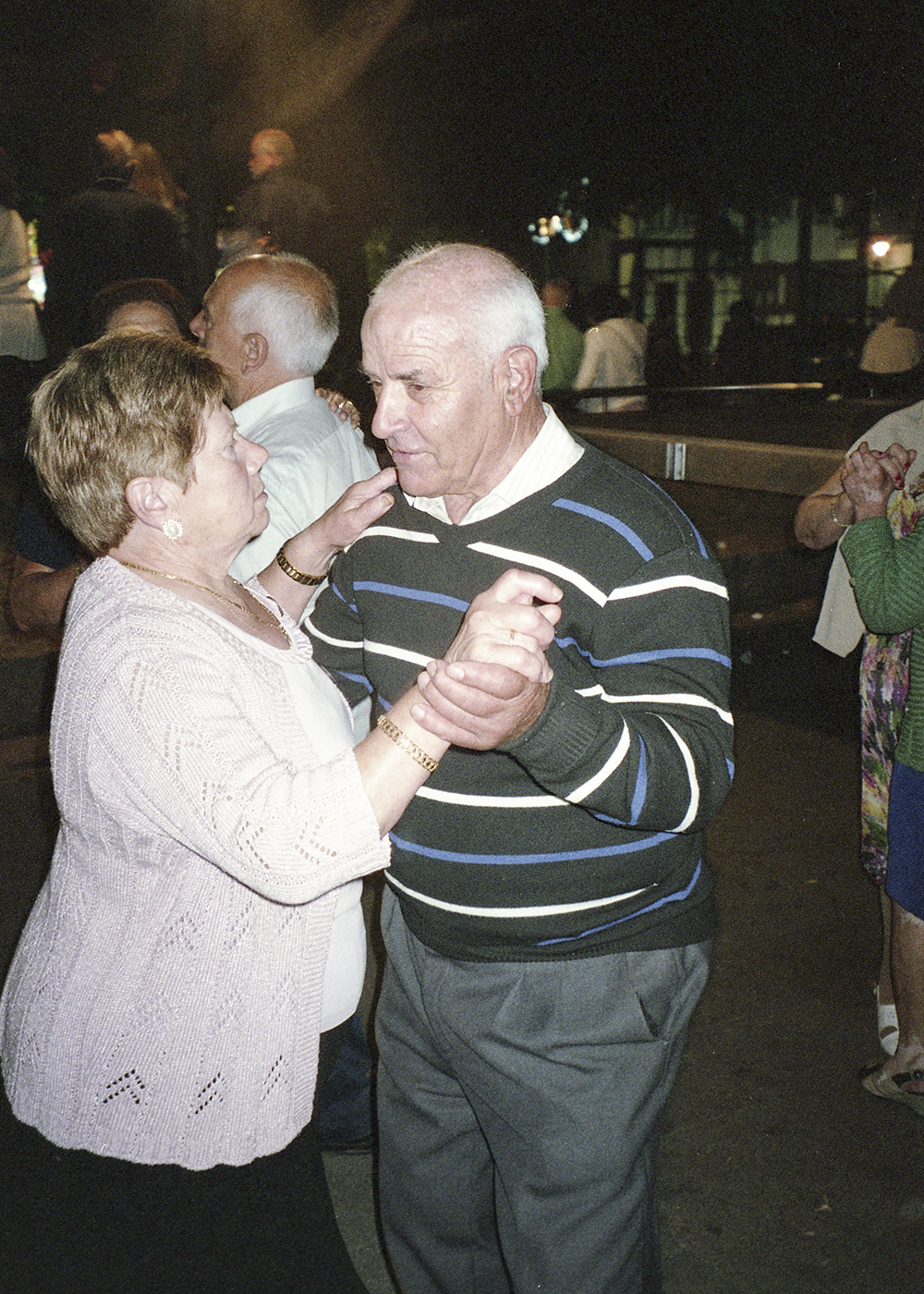
See more of Daniele d’Ingeo’s work on his official website, or follow him on Instagram.
Enjoyed this article? Like Huck on Facebook or follow us on Twitter.
You might like

Jesse Glazzard’s messy portrait of queer friends, lovers and chosen family
The Sound of Dirt and Beauty — The photographer’s debut monograph explores tender, unpolished moments shaped by the people who he surrounds himself with, while offering a window into the UK’s working-class LGBTQ+ community.
Written by: Sunny Sunday

Behind the curtain at Alternative Miss World 1981
Olympia glamour — Running a subversive take on the traditional beauty pageant, the Andrew Logan organised event prioritised underground creativity and invention. Photographer David Corio went behind the scenes at its biggest edition.
Written by: Miss Rosen

New exhibition highlights British radical living over 200 years
Earthly Paradise — Taking place at the William Morris Gallery, it explores the homes and lives of artists, writers, musicians and more, as well as the conditions that allowed them to thrive.
Written by: Isaac Muk

What life on the Strait of Hormuz is really like
Southern Winds — Bandar Abbas based photographer Morteza Niknahad has been capturing the diverse communities and stories of his local region since he first picked up a camera. His new series highlights the human impact of war.
Written by: Isaac Muk

Nick Haymes’s intimate portrait of his family’s life
Chronograph — Over 25 years, the photographer documented his son’s lives as they grew into adults. The resulting photobook is an exploration of the passage of time, as well as the optimism of youth.
Written by: Miss Rosen

Kristina Rozhkova’s scatty, confronting portrait of captivity
Gut Feeling — The Russian artist’s 2024 arrest and subsequent detention opened her eye towards the omnipresent dynamics of power and control. Her new photobook is a stark exploration of being trapped.
Written by: Isaac Muk


