British rapper Dizraeli on his life in search of humanity
- Text by Natasha Turner

“Running along a cliff somewhere in the West Country. Screaming into the wind. Rain lashing my face. That’s where I feel most myself”, says British rapper and spoken word artist, Dizraeli. “Let’s just be in this world we’re living in rather than strapped to our little screens communicating with each other via chat and messenger.”
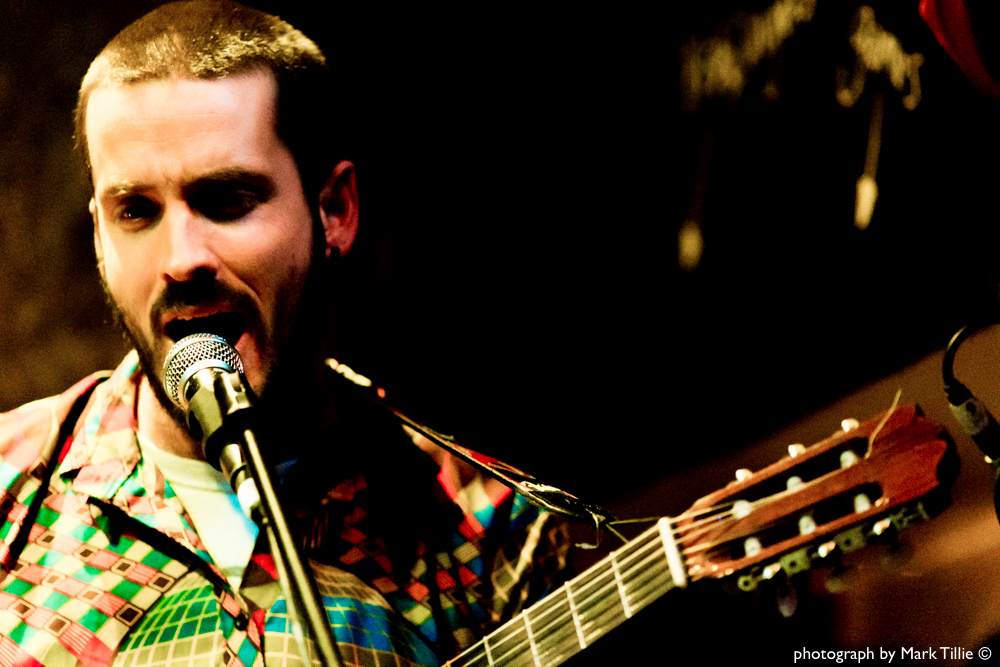
The desire to feel alive, human and free of technology is the theme running through Dizraeli’s new EP, Eat My Camera. The 33-year-old Bristol-born musician is currently touring the UK ahead of its release on 20 May. “The shows on this tour are super intimate”, says Dizraeli, “which suits the stripped-backed acoustic vibe of the music.”
Dizraeli’s music is a mixture of hip-hop, spoken word and acoustic folk. Probably best known for gracing the stages of Glastonbury, WOMAD and Shambala festivals with his band, Dizraeli & The Small Gods, this year Dizraeli has decided to explore new sounds on his own. “I just wanted to go right back to the very essence of the songs without any kind of clutter. It’s just one instrument and my voice.”
Even the production of the EP has an organic feel to it, harking back to Dizraeli’s self-recording days. The music videos to each track were filmed in Walthamstow Marsh in London, where most of the tracks were written. They are live performances as opposed to lip-syncing over pre-recorded tracks. The tracks themselves were also recorded live by Dizraeli in front of a small group of his friends in the basement of a London café.
The EP’s six tracks explore injustice, the ghosts on Walthamstow Marsh, the brutal nonsense of consumer London, lost and found love, and Palestine. “To an extent it’s critical of the system that we’re living under”, says Dizraeli. “I talk a little bit about the cost of housing, I’ve got a couple personal stories about lost love and found love, but there are also things that just make me chuckle.”
Dizraeli has also drawn inspiration from his recent travels. Without any gigs planned for January and February of this year, he decided to sub-let his room in London and fly to Senegal.
“I’m a big fan of Cora music, and of Arabic-influenced West African singing, and I really dig the djembe. So I just flew to Dakar, the capital of Senegal, and managed to find a place in the south of the country – a remote fishing village called Kafountine, near the border of Gambia.”
For six weeks, Dizraeli studied the Balafon – a kind of wooden xylophone – with a Ghanaian albino Balafon master in Kafountine. “I was suddenly in this mad whirlpool of music and creatively and drums and dancing”, he recalls. “I kept postponing my flight back but I eventually came home with my brain full of new ideas and new feelings, which went into my new tracks.”
A few weeks before his spontaneous trip to Senegal, Dizraeli spent five days in a refugee camp in Calais running performance workshops. Despite the language barrier, he says he was trying to help participants to communicate the feeling of the pieces of poetry they were writing. “I don’t know how much I contributed to people’s wellbeing out there”, he suggests. “Mainly, I learnt a huge amount and came away with my mind blown and my heart broken.”
Dizraeli is now planning a trip to a refugee camp in Dunkirk this June. He says he will probably spend a week there teaching French – a language he is nearly fluent in thanks to a French teacher dad. His time in Calais, as well as several trips to the West Bank in Palestine to perform, have influenced the lyrics of his track, ‘Cool and Calm’. “The piece starts from my perspective and then switches to the perspective of a Palestinian boy,” he says. “It tells part of the story of some of the people who are ending up in places like Calais and Dunkirk. It’s the trauma of conflict basically.”
Mixing the personal and the political is not a new exploit for the progressive rapper, but he says these days, it’s more important than ever. “Left-field musicians have been saying this forever, but I think now it’s more imperative than ever to question the system that we’re living under”, he tells me. “We are on an island sitting in a very minority economic position and it’s really important to remember that there are realities outside of that.”
So what does he hope will come from his new EP? “I hope it’s part of the conversation. I hope it contributes to a greater compassion and love between people. And I hope it makes people feel human.”
Like Huck on Facebook or follow us on Twitter.
You might like

Is Field Maneuvers the most fun time ever? Yes probably
Collective joy — Huck’s art director Samuel White went to the 2026 edition, braving a wet start and interviewing FLINTA* collective and arm wrestling legends Uhaul Dyke Rescue in the process.
Written by: Samuel White
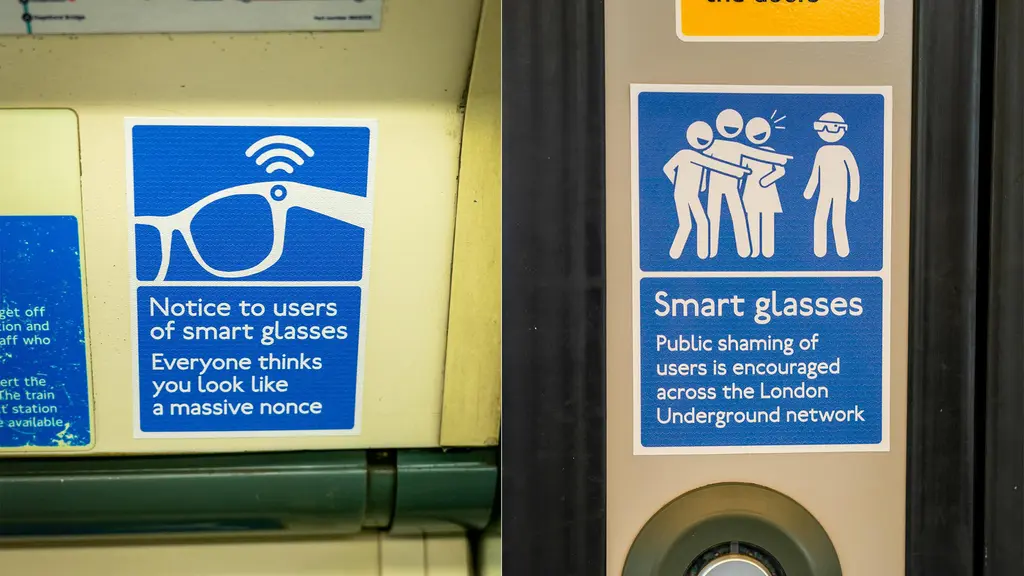
Activists slam “pervert glasses” in new guerrilla campaign
Everyone Hates Elon — Stickers have appeared on the London Underground network, criticising the wearable technology’s covert filming capabilities.
Written by: Isaac Muk

Behind the curtain at Alternative Miss World 1981
Olympia glamour — Running a subversive take on the traditional beauty pageant, the Andrew Logan organised event prioritised underground creativity and invention. Photographer David Corio went behind the scenes at its biggest edition.
Written by: Miss Rosen

Dan Lacey: “BMX is forever evolving”
Overground — Steph Pomphrey caught up with the two-wheel legend after his latest meet in east London, chatting about fatherhood, music and action sports within the outdoor industry.
Written by: Steph Pomphrey

The battle for the soul of lockpicking
Under locksport and key — In recent years, breaking locks for fun has grown from a niche hobby into an activity followed by millions of people. As it has matured, so have tensions over who sets the rules.
Written by: Jack Dennison-Thompson

New exhibition highlights British radical living over 200 years
Earthly Paradise — Taking place at the William Morris Gallery, it explores the homes and lives of artists, writers, musicians and more, as well as the conditions that allowed them to thrive.
Written by: Isaac Muk


