UK set to break promise of resettling 20,000 Syrian refugees by 2020
- Text by Tenelle Ottley-Matthew
- Photography by Robert Cotič

The pressure on politicians and the government to help refugees and asylum seekers in the UK has increased in step with growing public sympathy towards those fleeing to Europe. David Cameron’s promise to take in 20,000 Syrian refugees felt like a step in the right direction, but a new report highlights how little is being done in many parts of the country to help achieve this goal.
A damning new report published by the Home Affairs Select Committee on Wednesday has stated that there is little evidence of the UK being on course to resettle 20,000 Syrian refugees by 2020, as pledged by former Prime Minister David Cameron in September 2015.
The publication of the report comes after newly-installed Prime Minister Theresa May was widely condemned last month for scrapping the Minister for Syrian Refugees post in her Cabinet reshuffle. Disappointingly, May is yet to replace the Richard Harrington or his post, which was created by David Cameron less than a year ago.
A day before the report was published, the Home Office successfully appealed against a landmark ruling that would have allowed four Syrian refugees living in a Calais to come to Britain to be with reunited with their families.
Research carried out by Citizens UK earlier this year revealed that there are 157 unaccompanied children with family in the UK are living on their own in Calais.
Between October 2015 and the end of March 2016, approximately 1,602 Syrian refugees were resettled across 71 local authorities under the Syrian Vulnerable Persons Resettlement Scheme (VPRS).
Figures released by home affairs select committee revealed that only four London boroughs – Camden, Islington, Barnet and Kingston-upon-Thames – have resettled any refugees in that time.
Elsewhere in the UK, the stats are more reassuring. Coventry Council has accepted more refuges than anywhere in the country, having resettled 105 people, while 610 refugees have been rehoused in Scotland.
As it stands, the government and local authorities could be doing much more to support and resettle refugees. There must be a collective effort throughout the UK to tackle the issue and this responsibility shouldn’t be left to a few select areas in the UK who are compassionate enough to let refugees in.
So far, Theresa May has not shown strong willingness to publicly address the issue of refugees searching for safety in Britain. As our Prime Minister, she has a duty to ensure that the country resettles those 20,000 Syrian refugees and encourage all local authorities to fulfil their obligations.
Enjoyed this article? Like Huck on Facebook or follow us on Twitter.
You might like

Jesse Glazzard’s messy portrait of queer friends, lovers and chosen family
The Sound of Dirt and Beauty — The photographer’s debut monograph explores tender, unpolished moments shaped by the people who he surrounds himself with, while offering a window into the UK’s working-class LGBTQ+ community.
Written by: Sunny Sunday
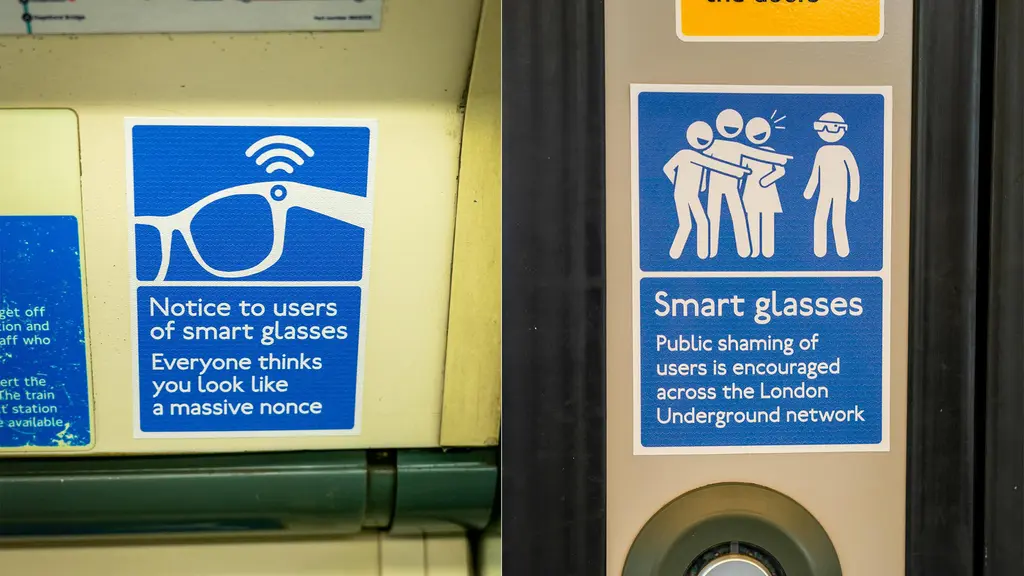
Activists slam “pervert glasses” in new guerrilla campaign
Everyone Hates Elon — Stickers have appeared on the London Underground network, criticising the wearable technology’s covert filming capabilities.
Written by: Isaac Muk

Behind the curtain at Alternative Miss World 1981
Olympia glamour — Running a subversive take on the traditional beauty pageant, the Andrew Logan organised event prioritised underground creativity and invention. Photographer David Corio went behind the scenes at its biggest edition.
Written by: Miss Rosen

New exhibition highlights British radical living over 200 years
Earthly Paradise — Taking place at the William Morris Gallery, it explores the homes and lives of artists, writers, musicians and more, as well as the conditions that allowed them to thrive.
Written by: Isaac Muk

Pink Floyd’s Roger Waters joins team of new Palestinian resistance documentary
Freedom Theatre — Directed by Rishi Pelham, the film spotlights a theatre operating in the Jenin refugee camp.
Written by: Ella Glossop

Just Stop Oil holds first protest in 17 months
No new drilling — Having previously said that it was “hanging up the hi-vis”, the climate activist group has blocked a road outside Parliament to protest Andy Burnham opening the door for new oil and gas extraction licenses in the North Sea.
Written by: Ella Glossop


