Unseen Rio: Independent photojournalists reveal the darker side of the Olympics
- Text by Alex King
- Photography by Fábio Teixeira

The international media have descended on Rio de Janeiro and their coverage of the Olympics is just as superficial as you would expect: filling the airwaves with mindless commentary, perving on female athletes and drooling over greased-up, topless Tongans.
It’s time for a break from the regular scheduled programming.
Outside of the stadiums, the enforced ‘politics-free-zones’ and the swanky TV studios, there are very different games playing out.
Featuring Brazilian citizen journalism collective Mídia Ninja, Real Game is a collaborative photojournalism project which explores the social context, conflict and consequences of the 2016 Rio Olympics.
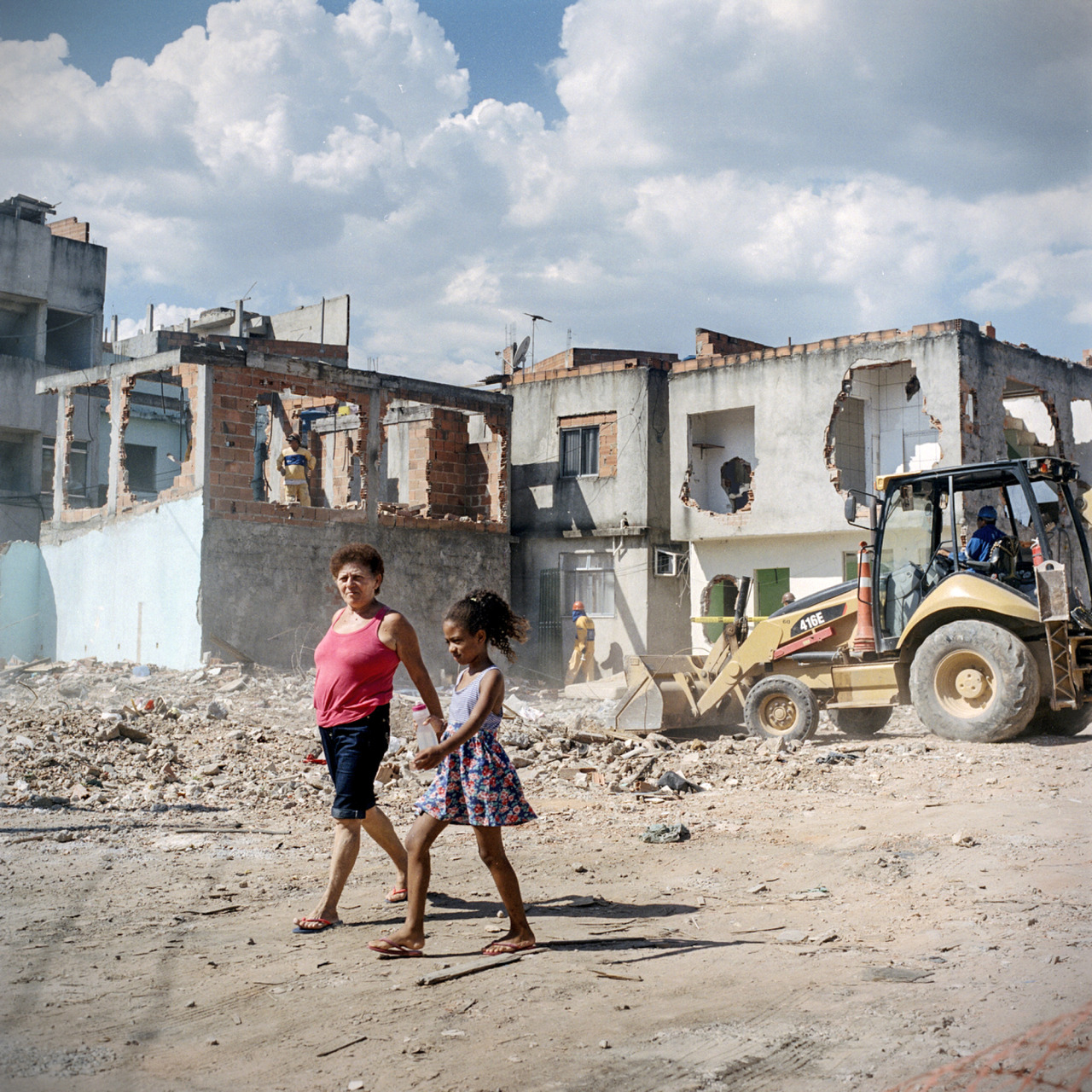
Evictions. Photo by Lianne Milton / Panos Pictures
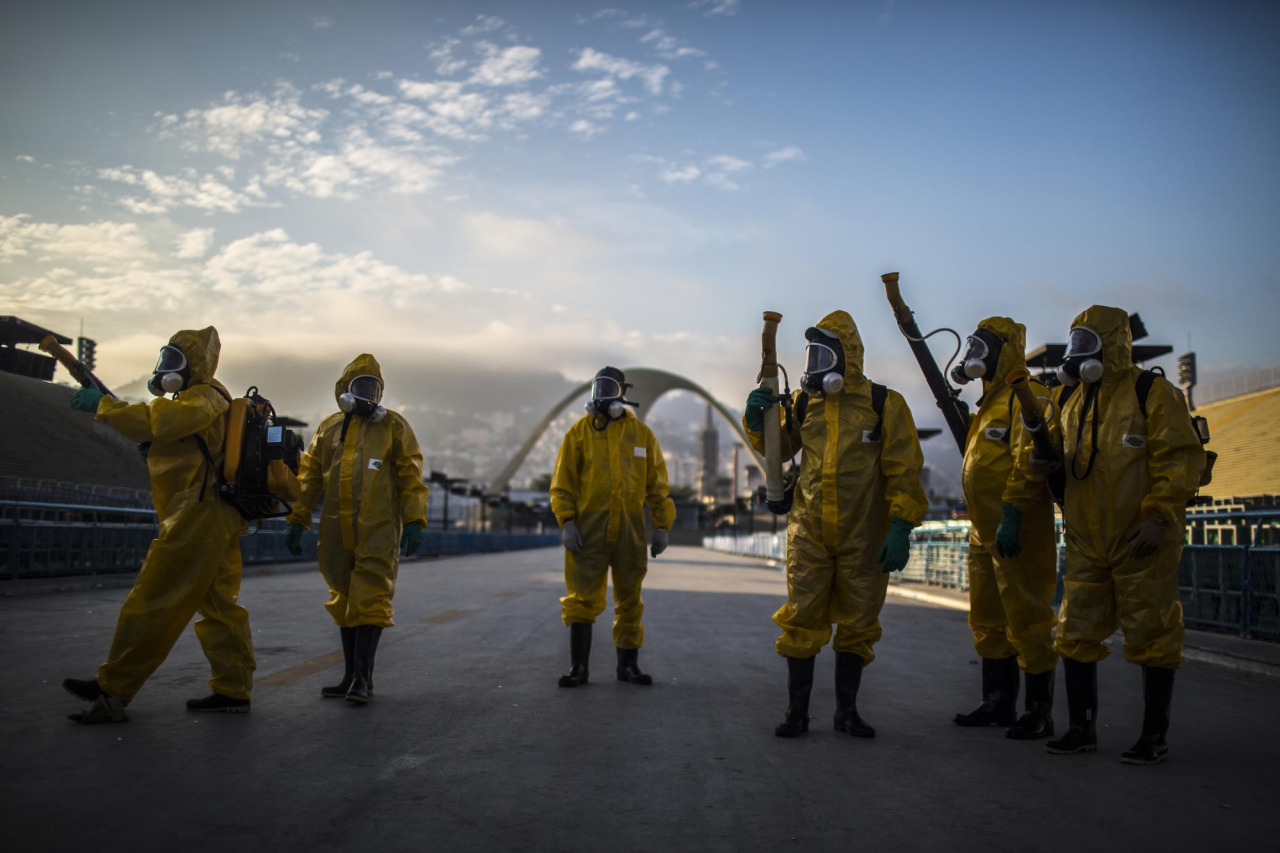
Unbeknownst to the talking heads flown in by the big TV networks, Rio has been at boiling point for months. The city has seen huge protests against the games, evictions of poor residents to make way for stadiums, rising crime and gang violence, heavy-handed policing to ‘pacify’ favela communities seen as a risk to foreign tourists and its state government declare bankruptcy.
All of this while Brazil grapples with the Zika virus, economic collapse, its biggest ever political corruption scandal and a right wing elite coup to remove elected President Dilma Rousseff.
Mídia Ninja’s team of independent Brazilian and international photographers have been getting deep in the protests, talking with residents excluded by the games, meeting the armed drug dealers in supposedly pacified favelas and hanging out in the brothels with the prostitutes who travelled to Rio with their own dreams of gold.
Here is the best of the project so far.
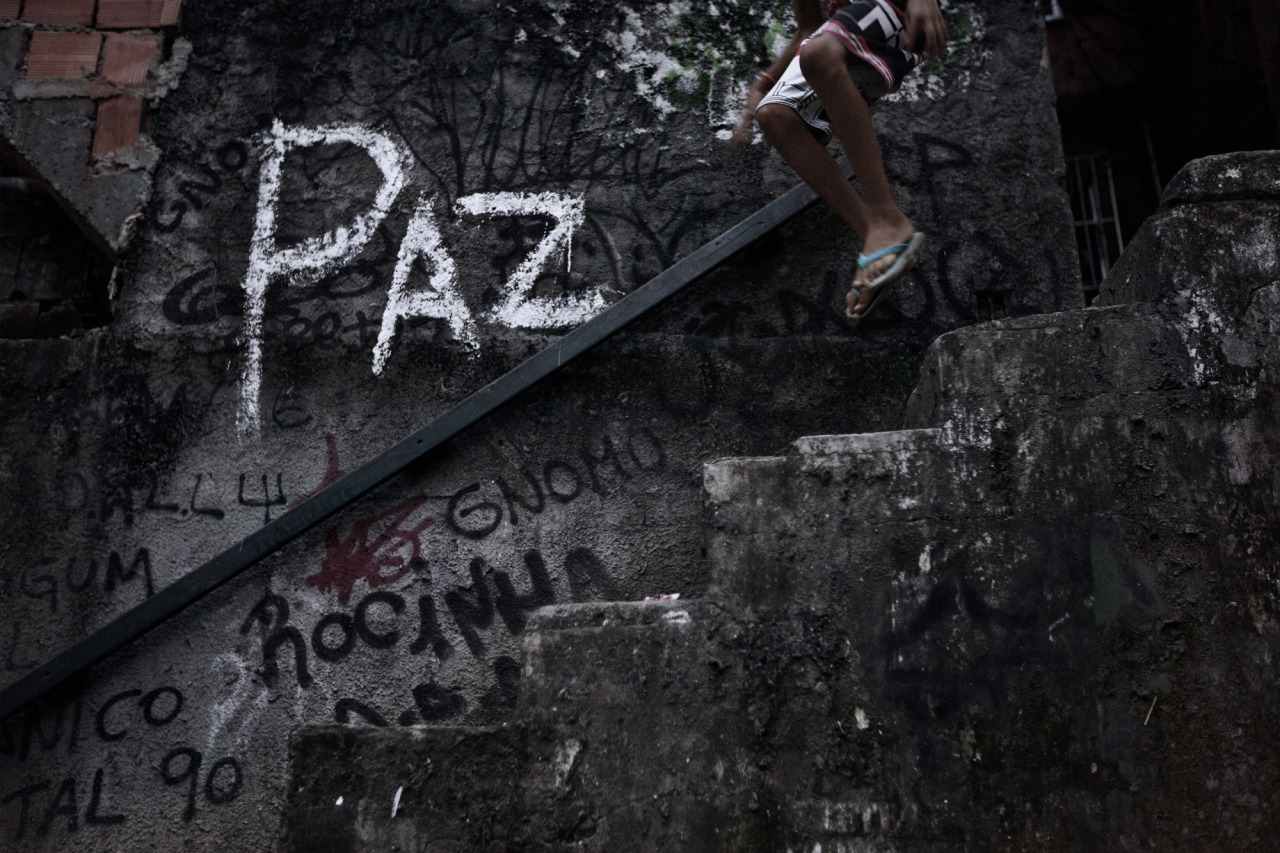
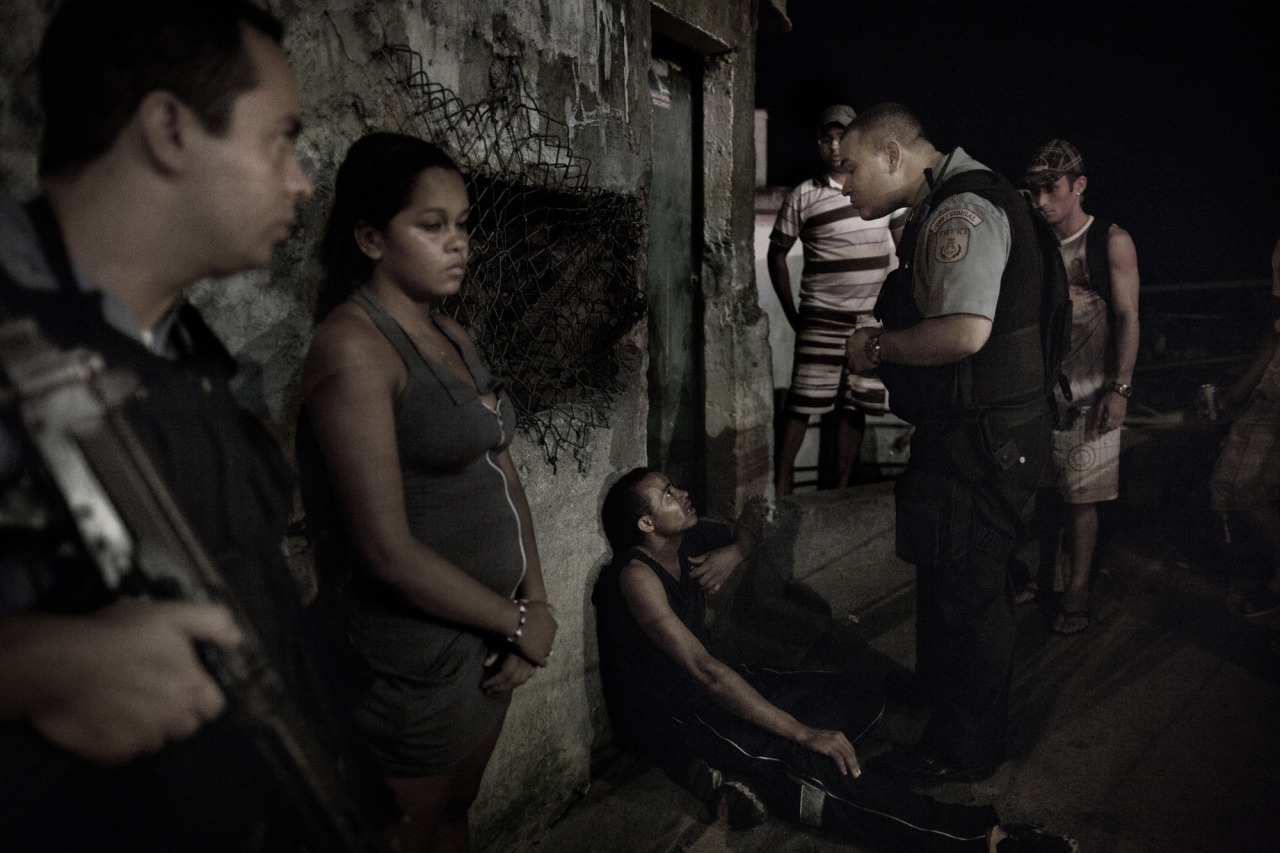
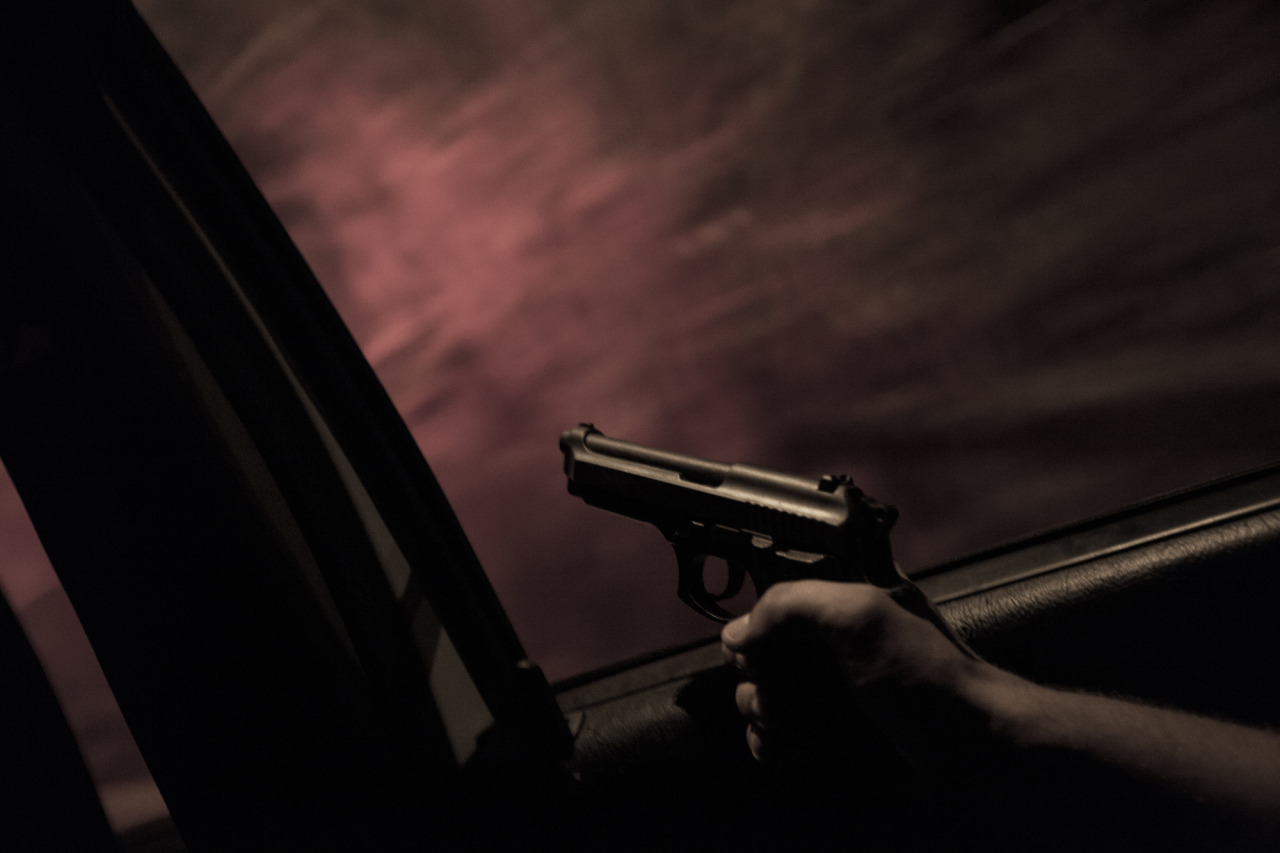
Rafael Sanchez-Fabres – Pacification
The ‘peace process’ in the favelas, where armed police occupy areas formally controlled by drug gangs.
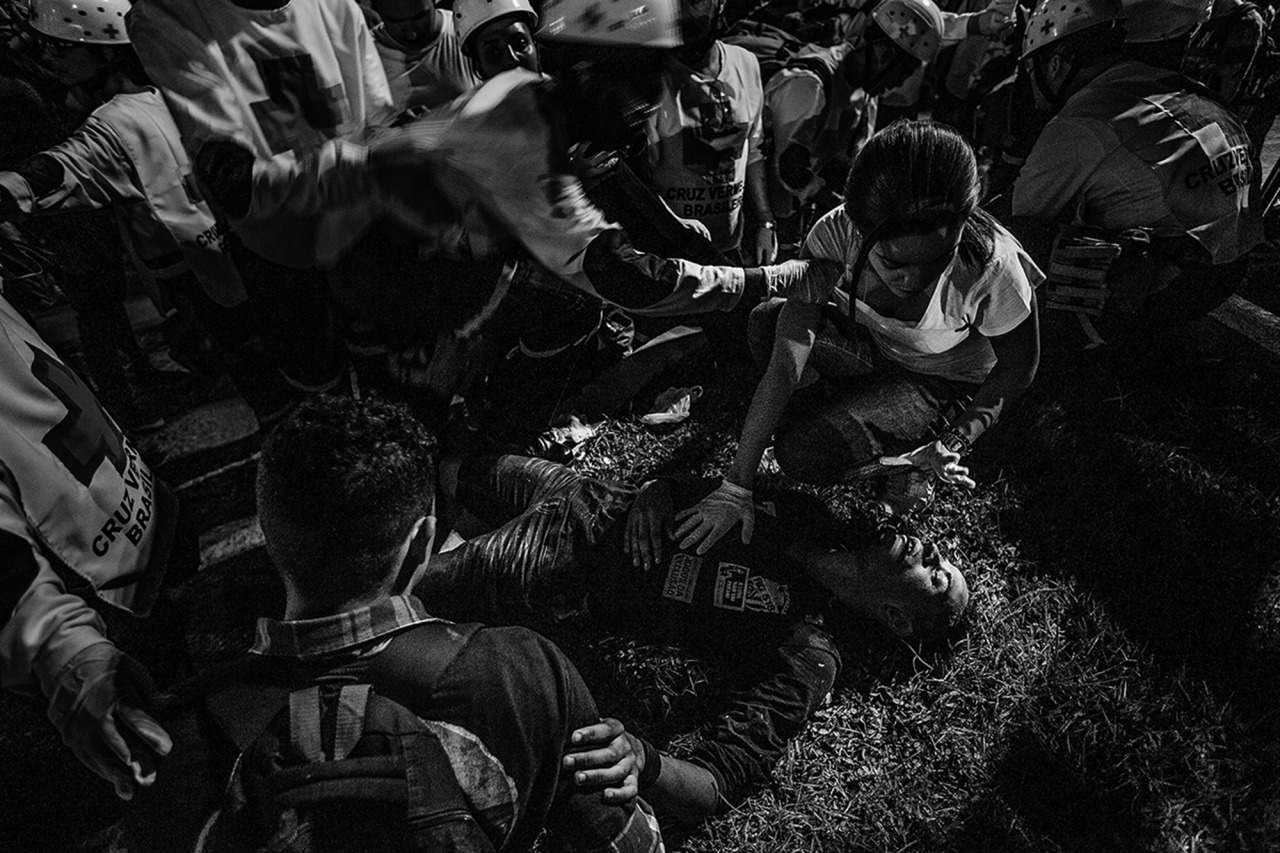
André Mantelli – The Exclusion Games
Red Cross volunteers take care the protesters harshly repressed by the police with gas bombs.
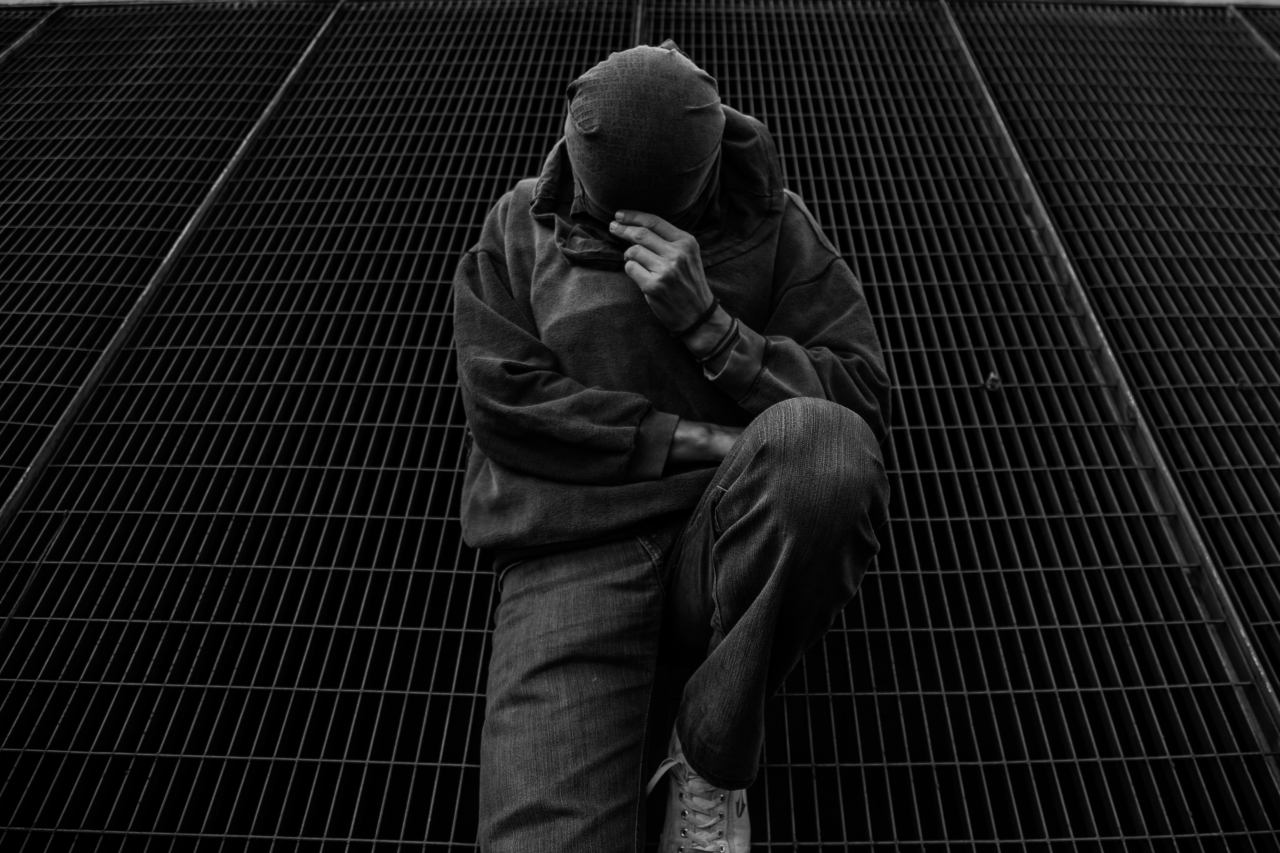
Pedro Prado
A Black Block protest in Rio.
Daniel Marenco
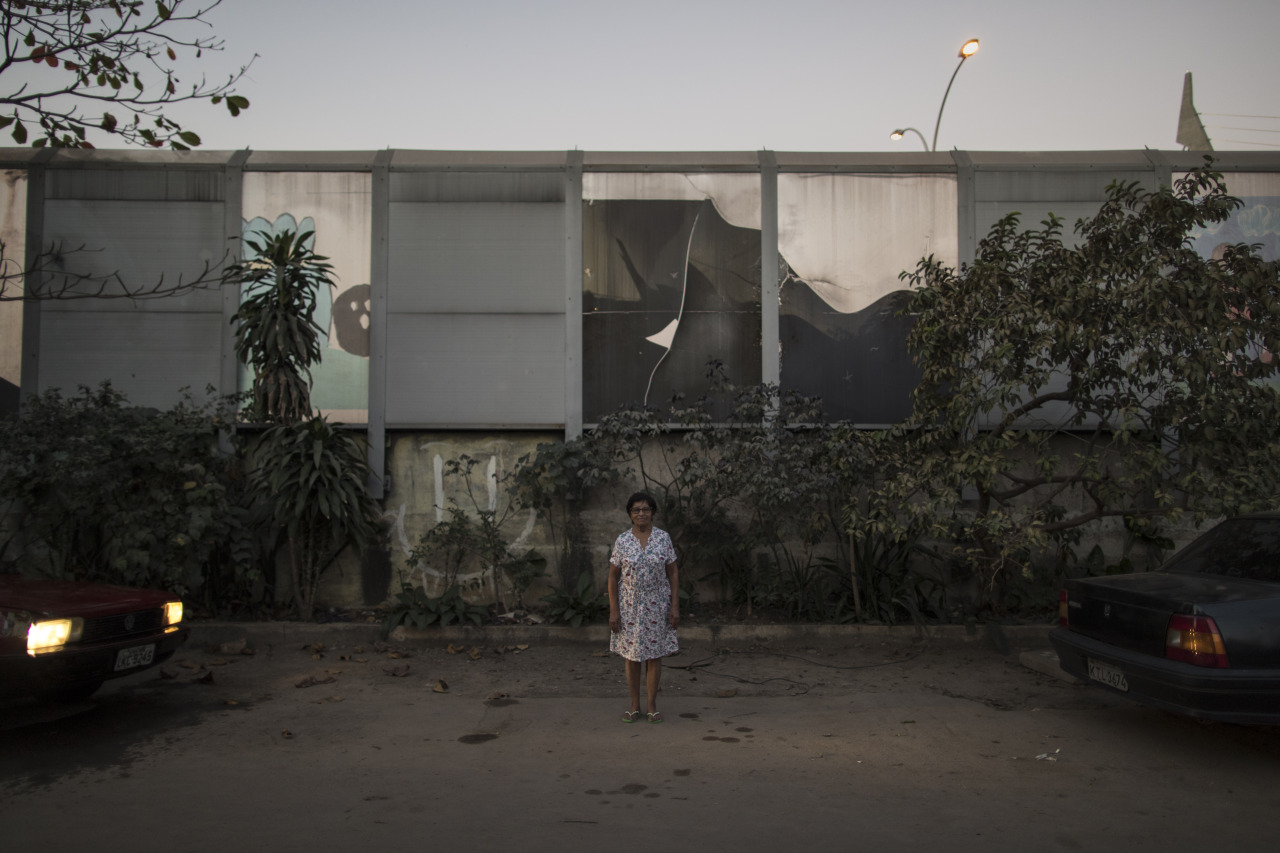
“Sometimes we feel separated,” says Eudesia, who lives on the other side of the wall that hides Vila do Pinheiro Favela from tourist’s eyes in Rio de Janeiro.
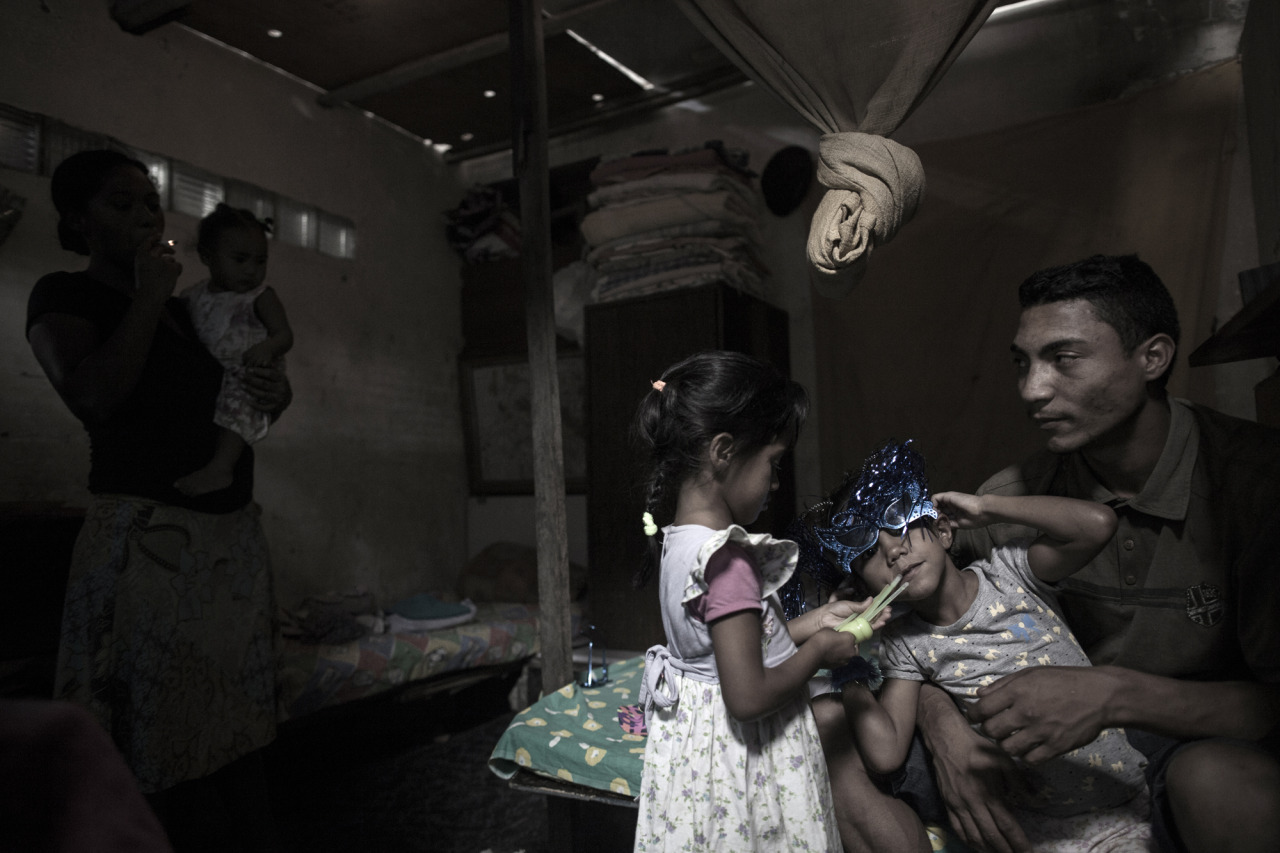
Antonello Veneri – Families inside the favelas
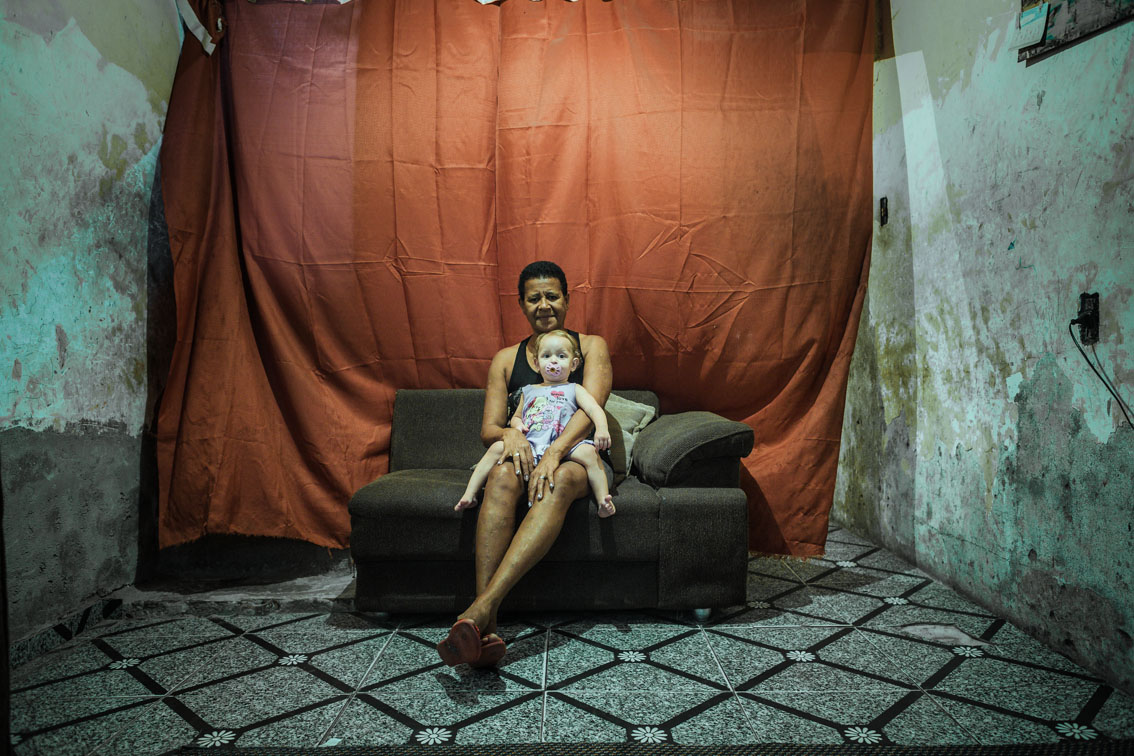
Dona Penha, community leader and transsexual, has a small kindergarten for the children of working mothers at her home.
Marlene Bergamo
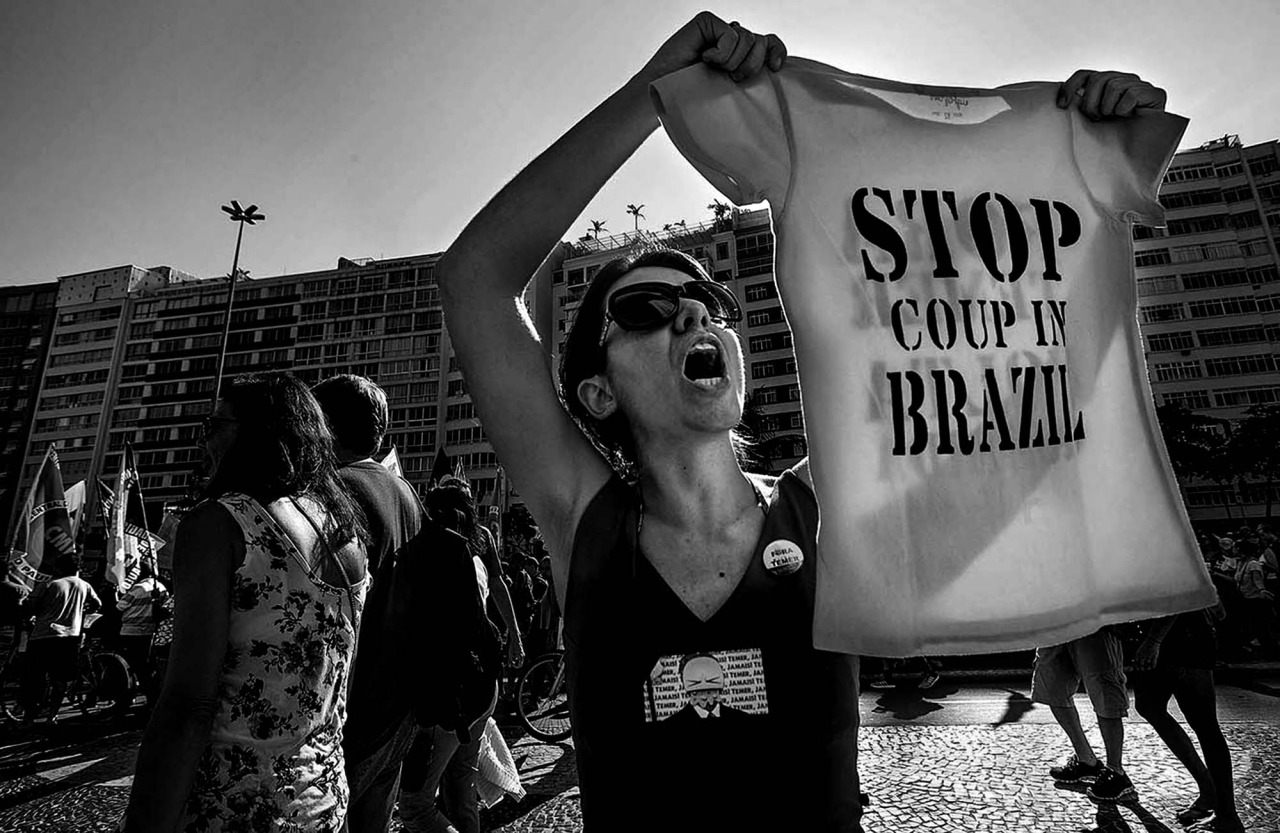
Protesters stand against parliamentary coup and interim president Michel Temer in Rio de Janeiro.
Midia NINJA
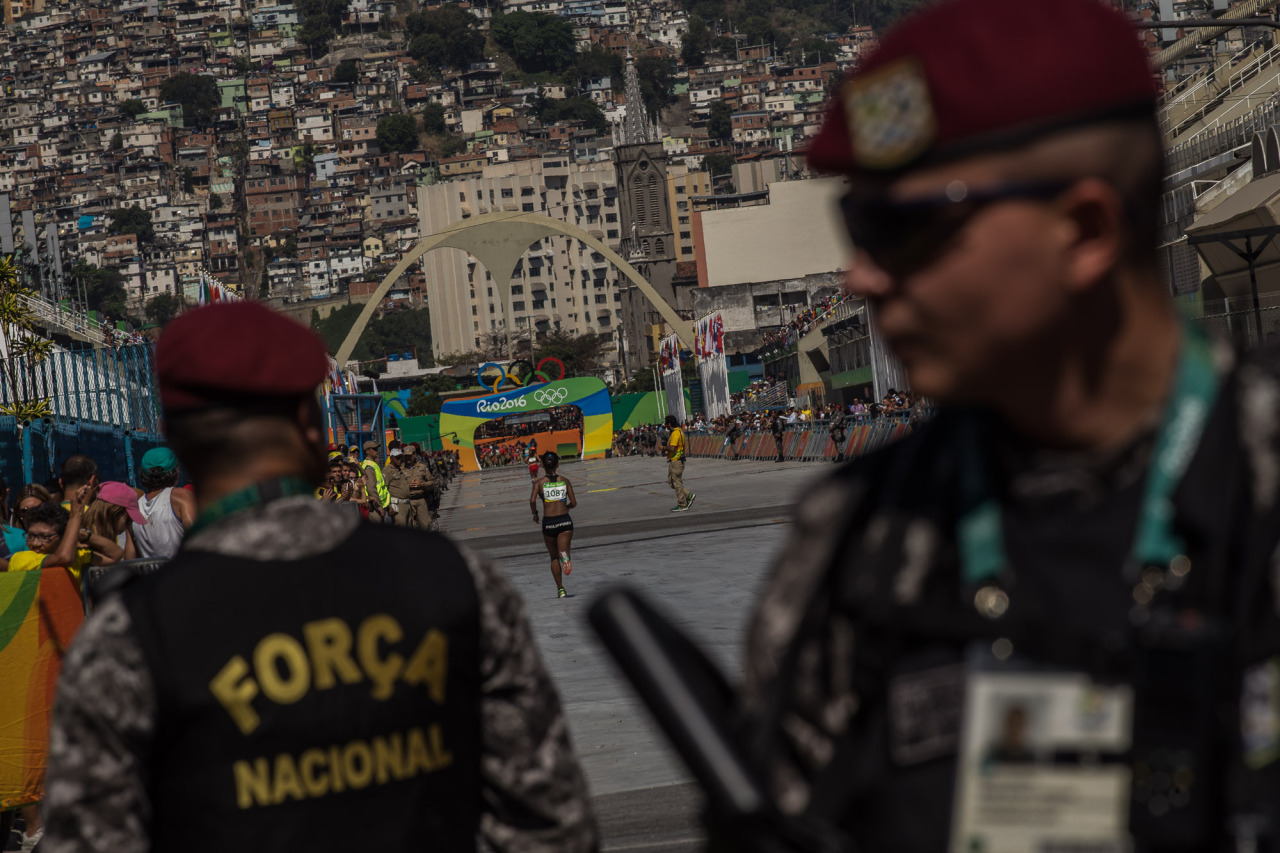
The military step up security during the last stage of the women’s marathon, near Comunidade São Carlos, where countless protests against interim president Michel Temer took place.
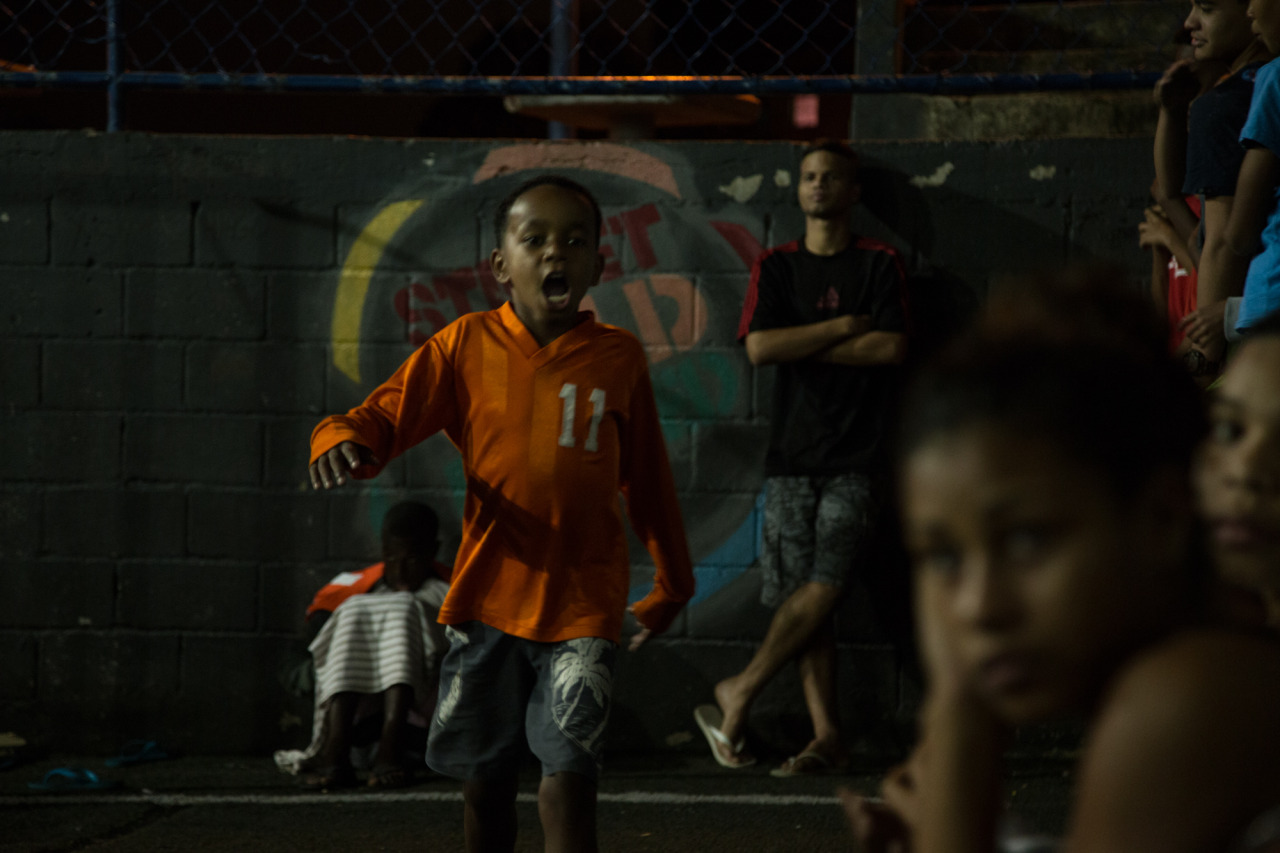
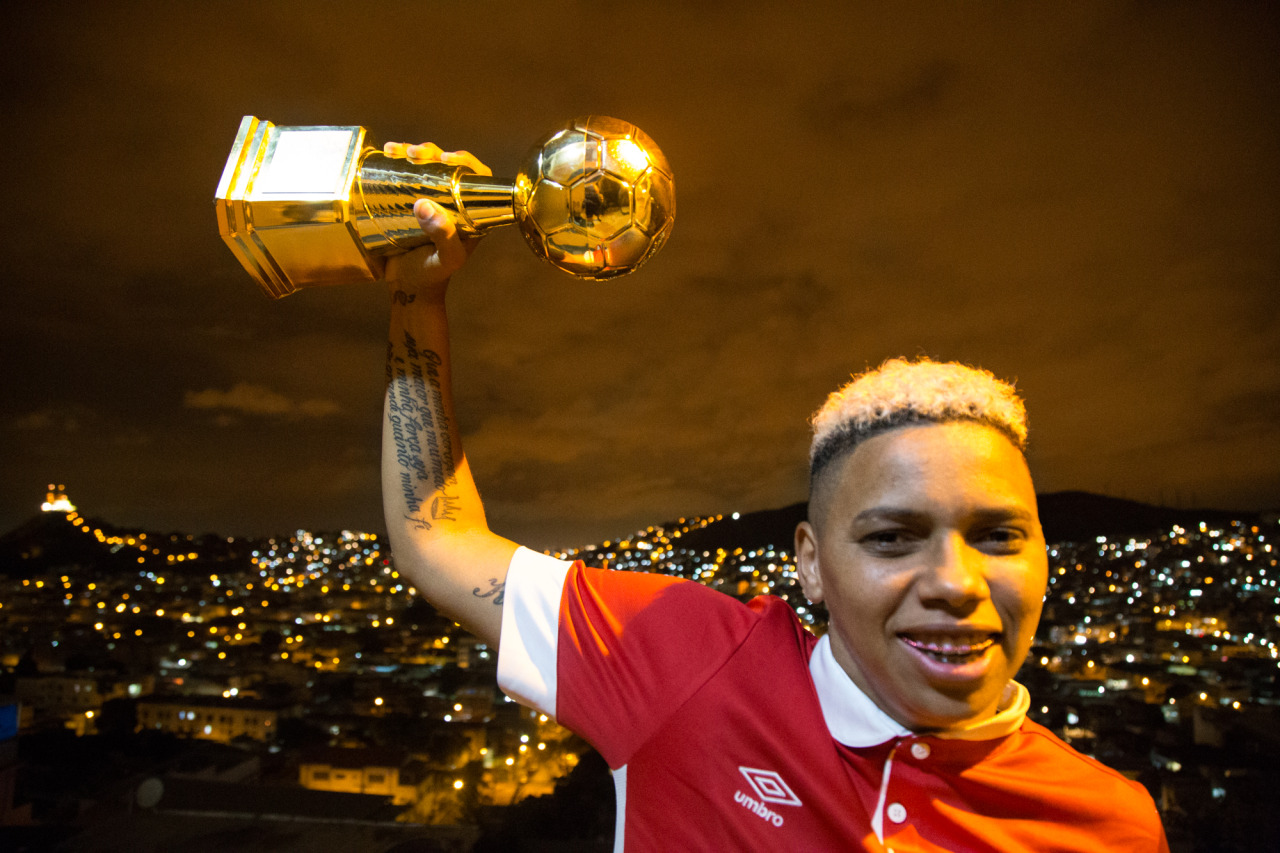
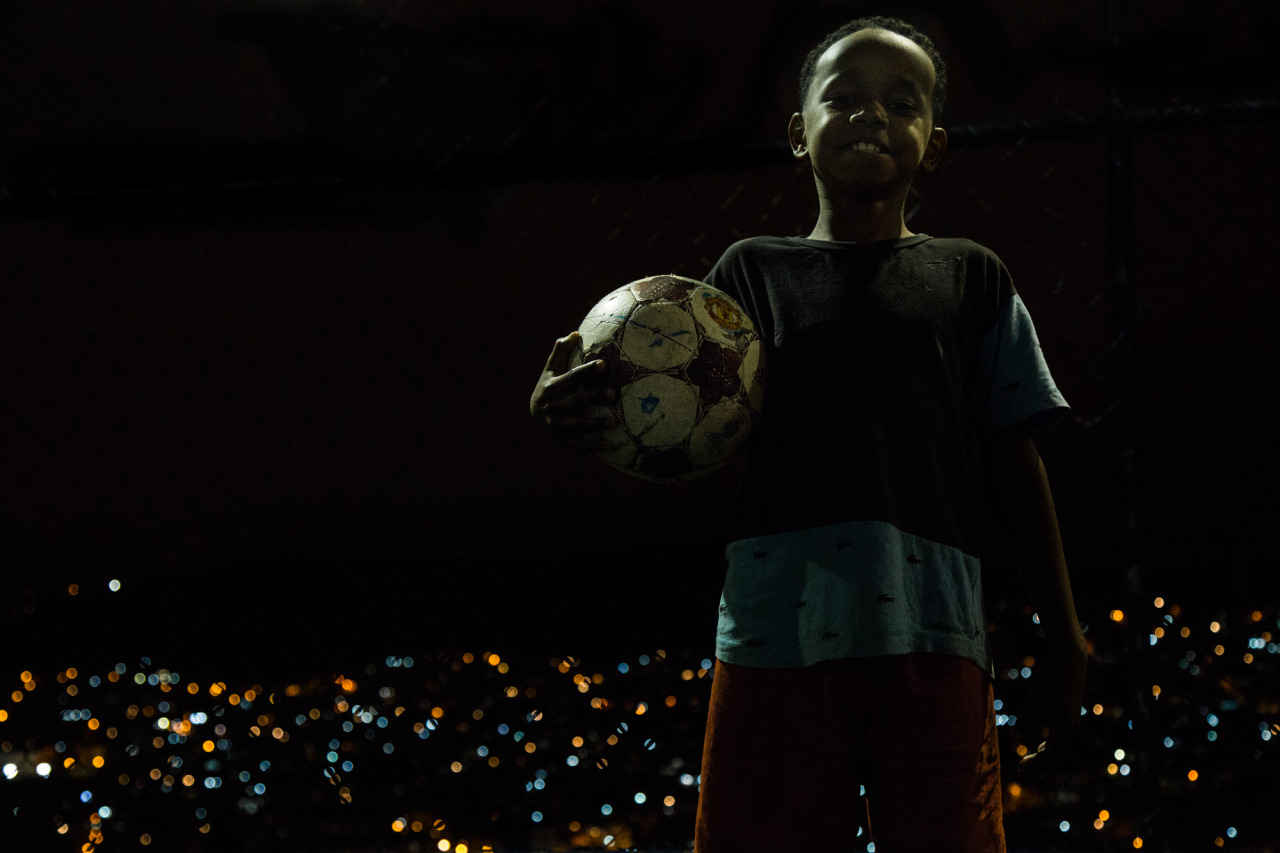
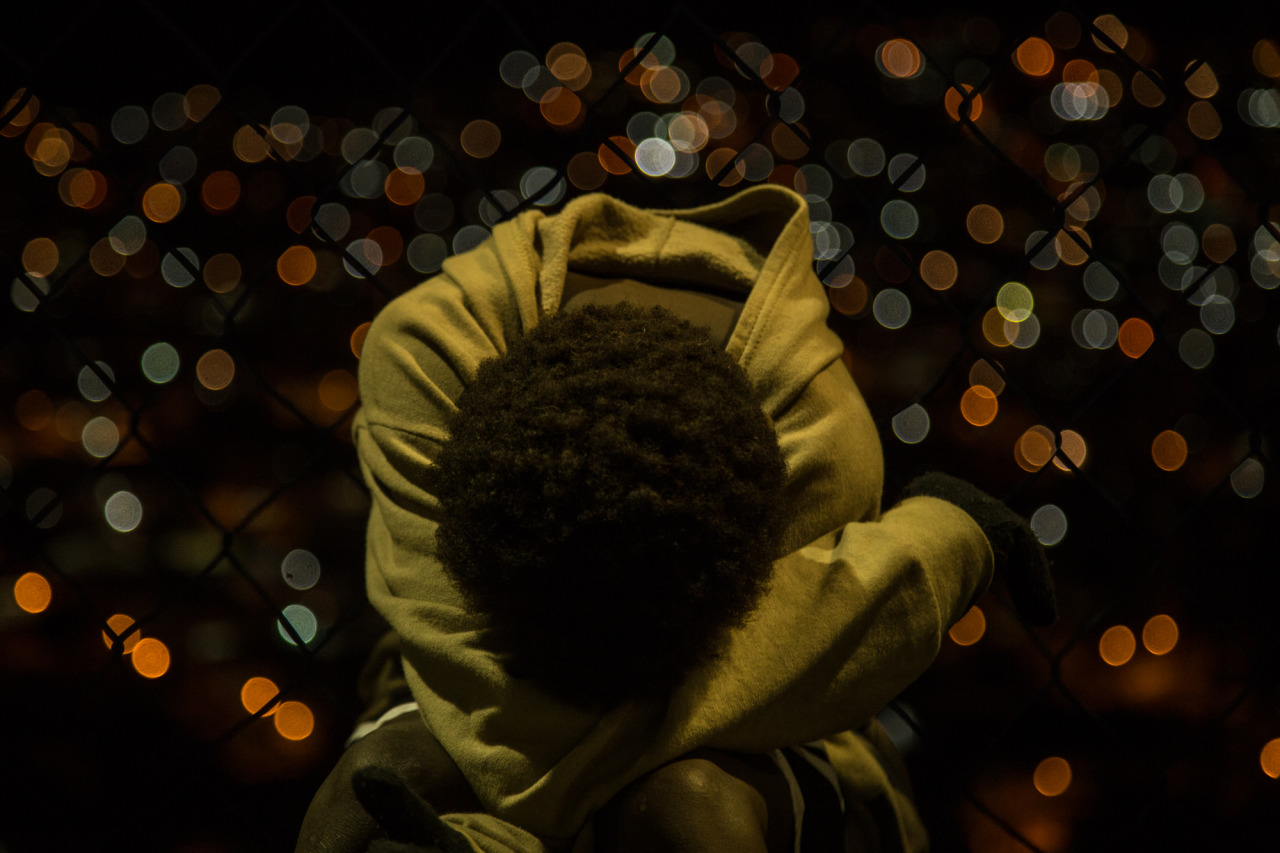
Sebastian Gil Miranda – Favela Champions
Favela Street, a football social project for children, train in a small soccer field at the top of Vila Cruzeiro. With a team of girls they won the Street Children’s World Cup in 2014. The project has had an incredibly positive impact on the children and their community.
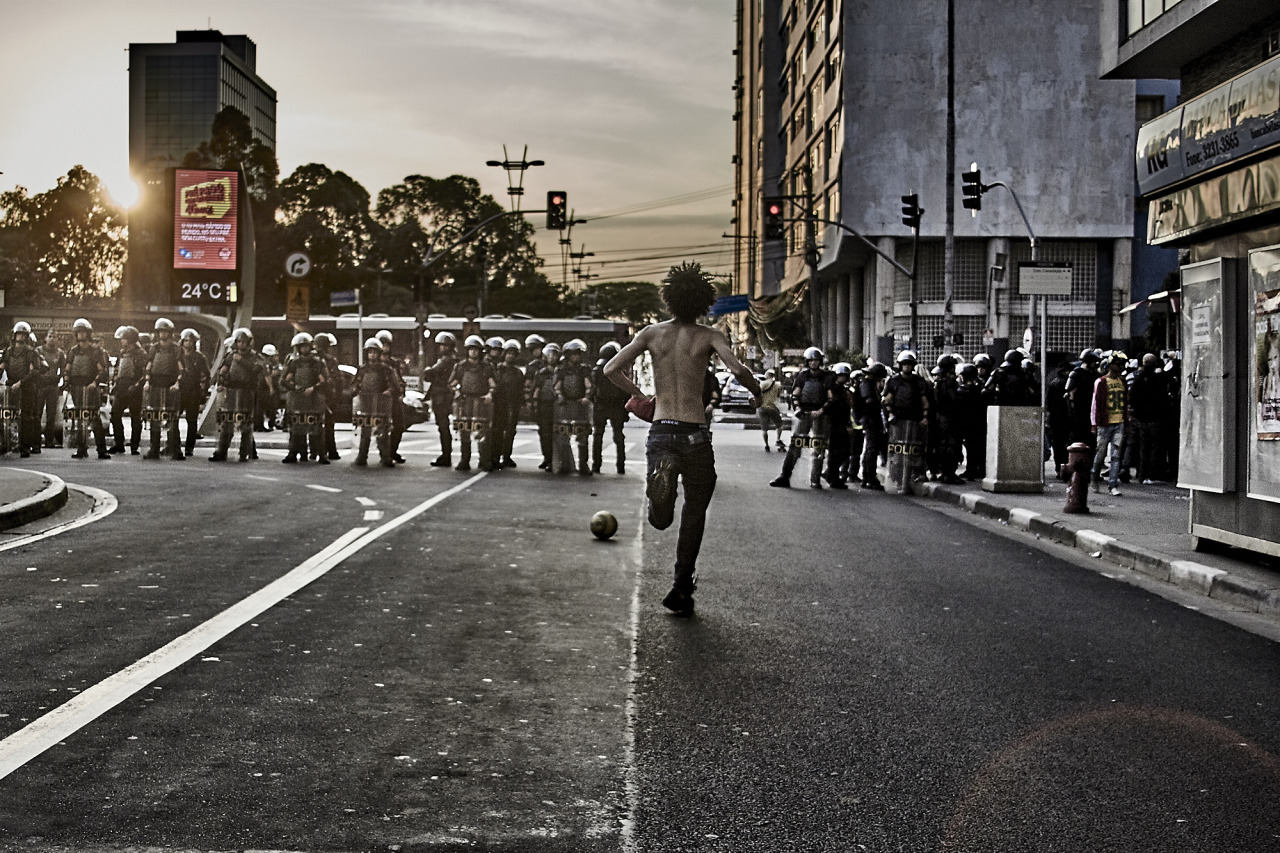
Giorgio Palmera
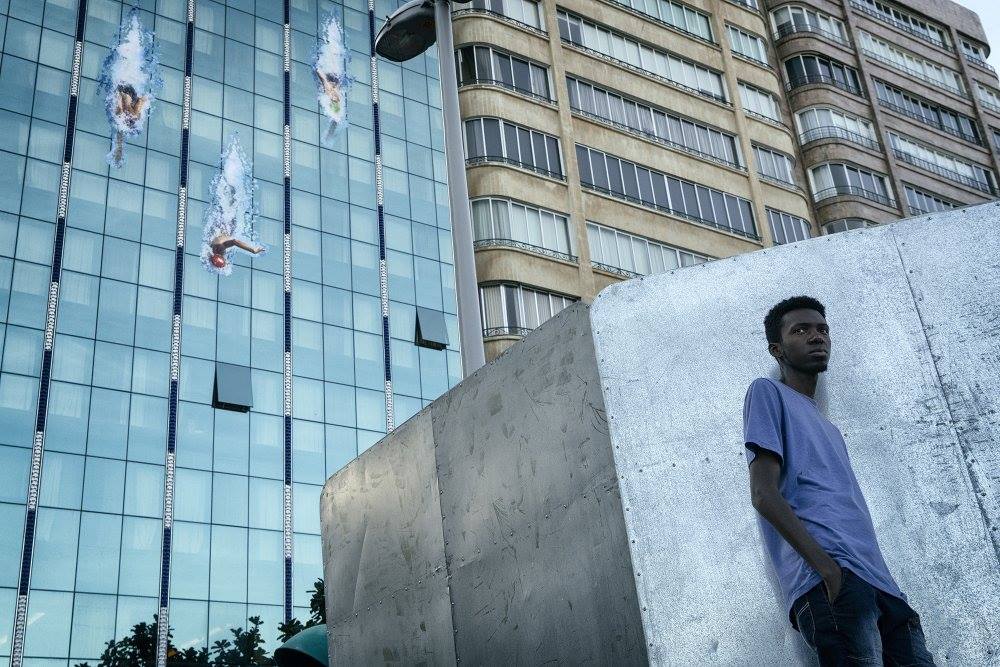
Weslei Barba
Paulista Avenue, São Paulo. Protesters play a street football match to condemn the huge sums spent on the 2014 World Cup and 2016 Olympic Games.
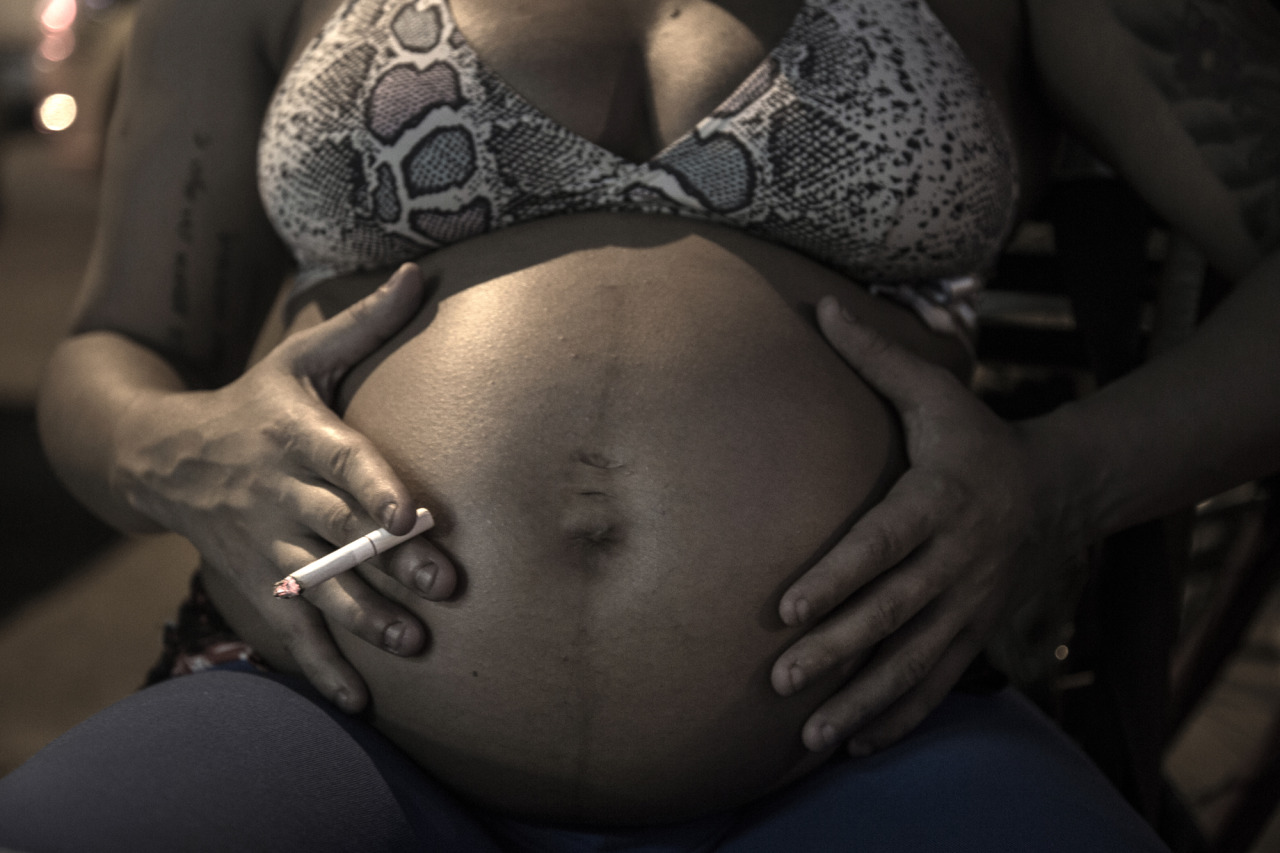
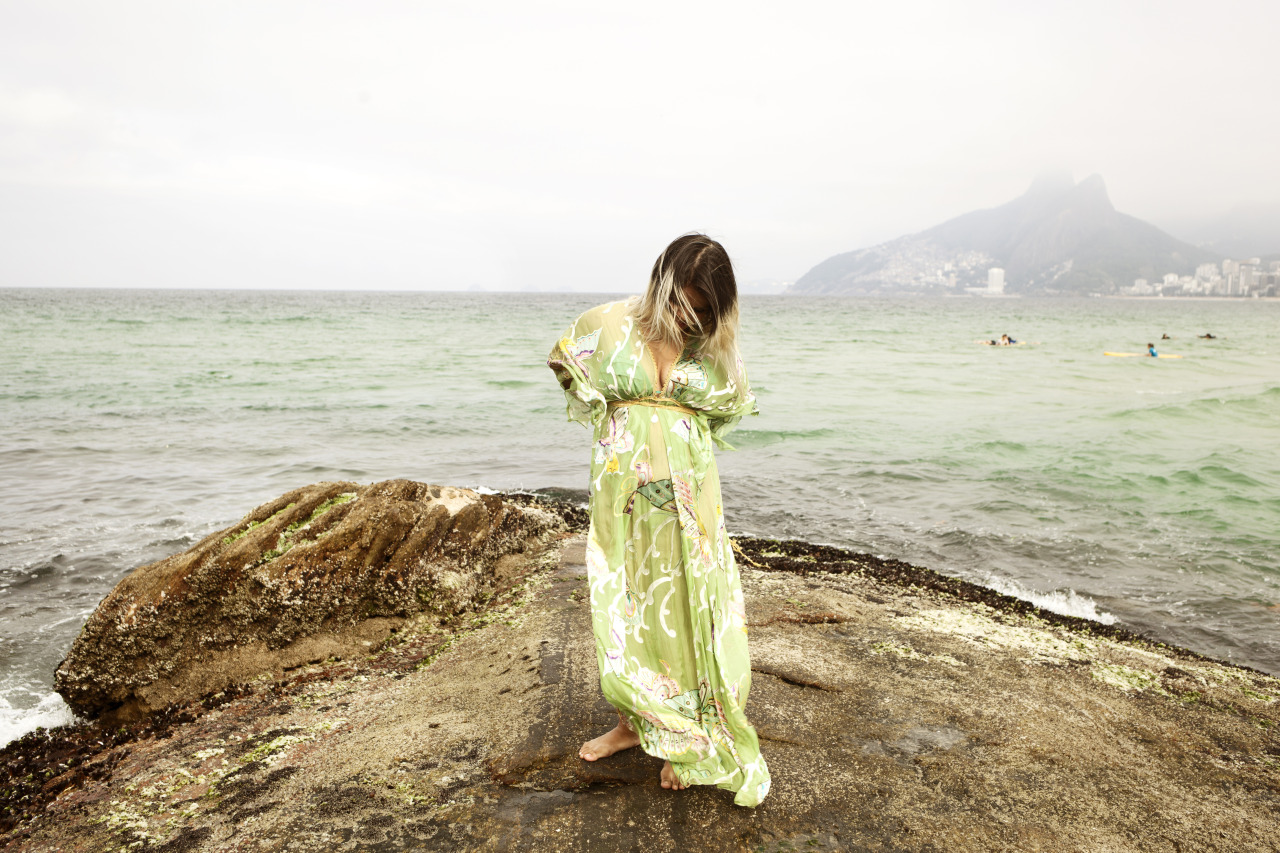
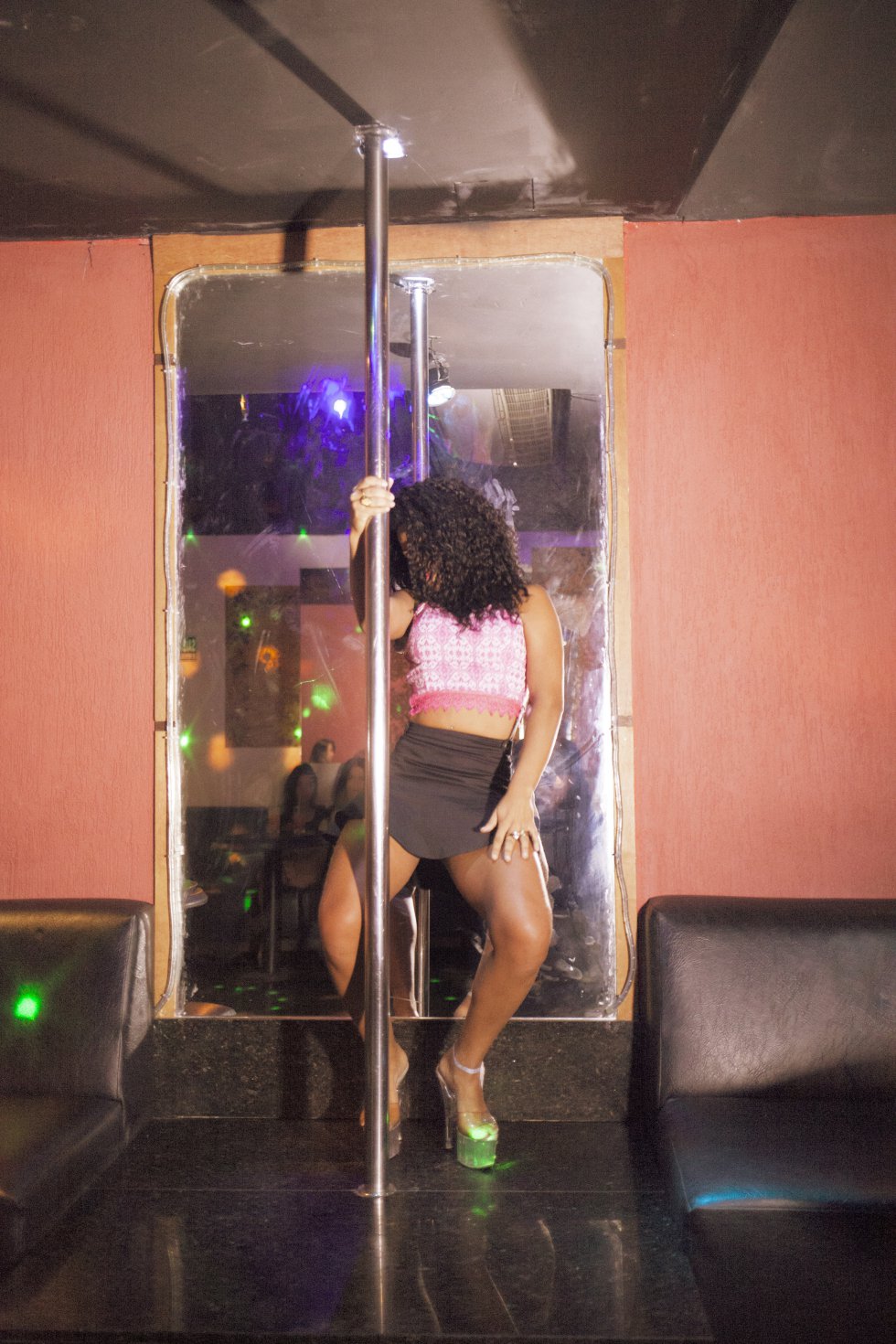
Luisa Dorr – Another Olympic Dream
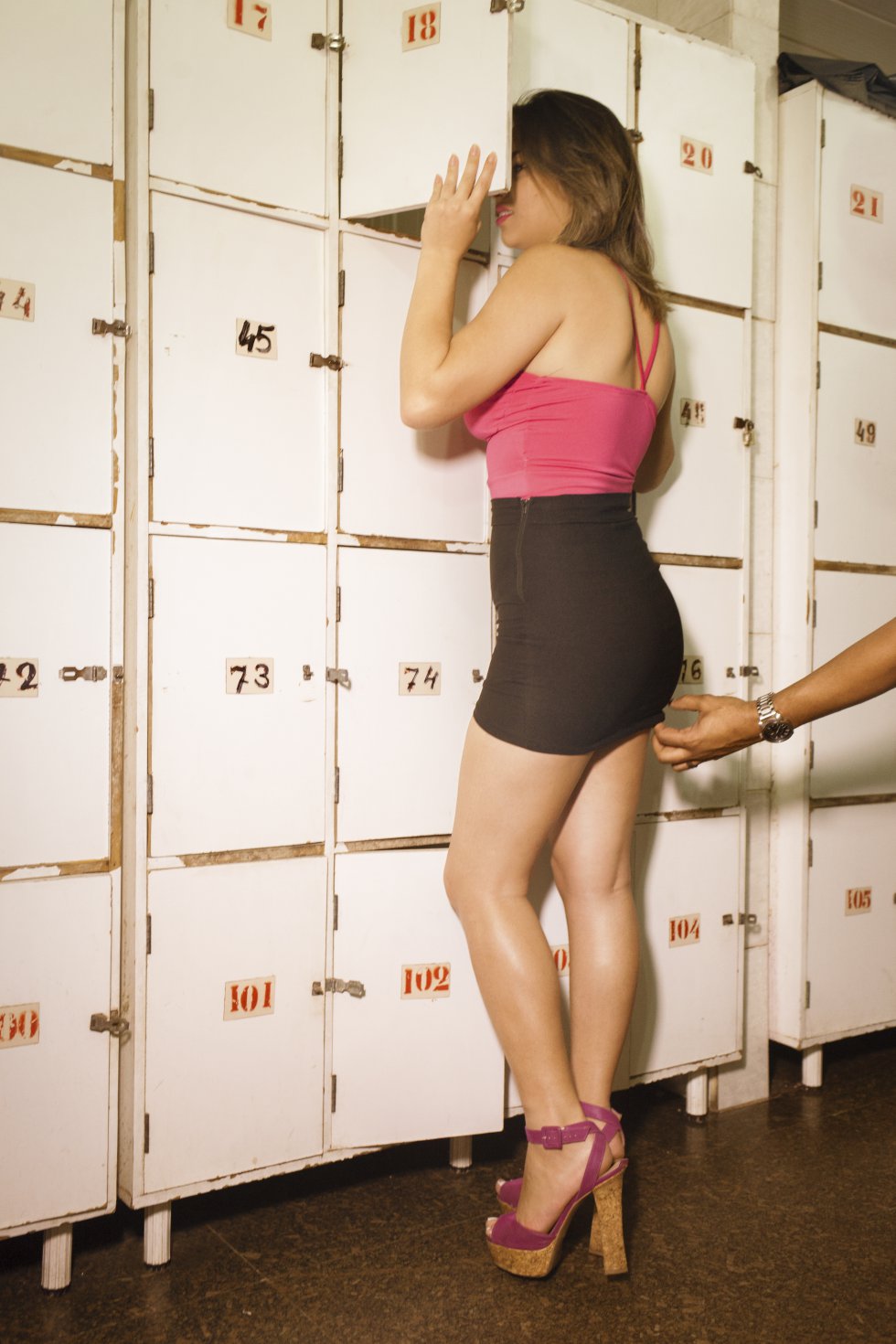
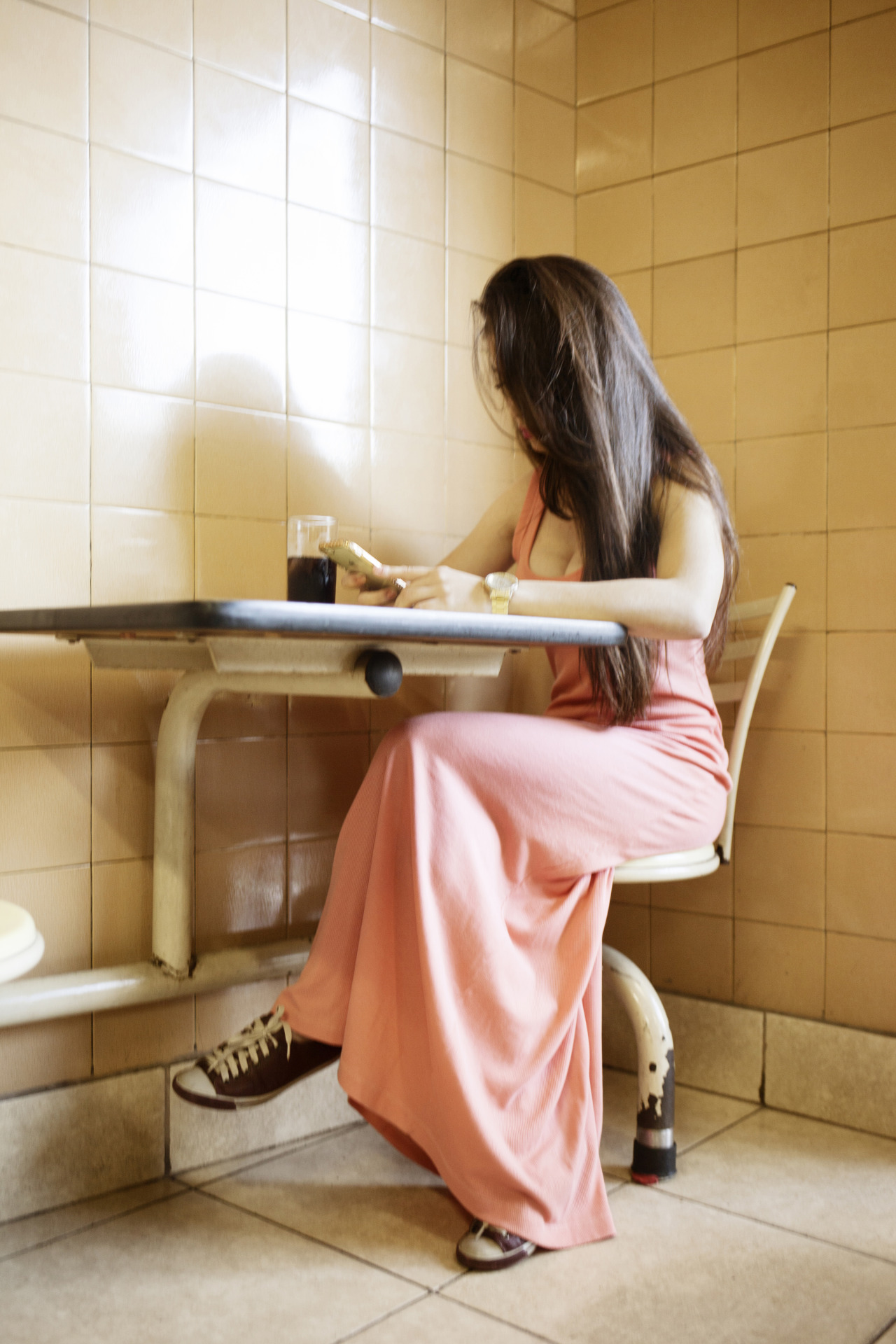
They all have three things in common: having sex for money, hating their jobs and coming to Rio with the dream of making a small fortune during the Olympics.
David Bert Joris Dhert
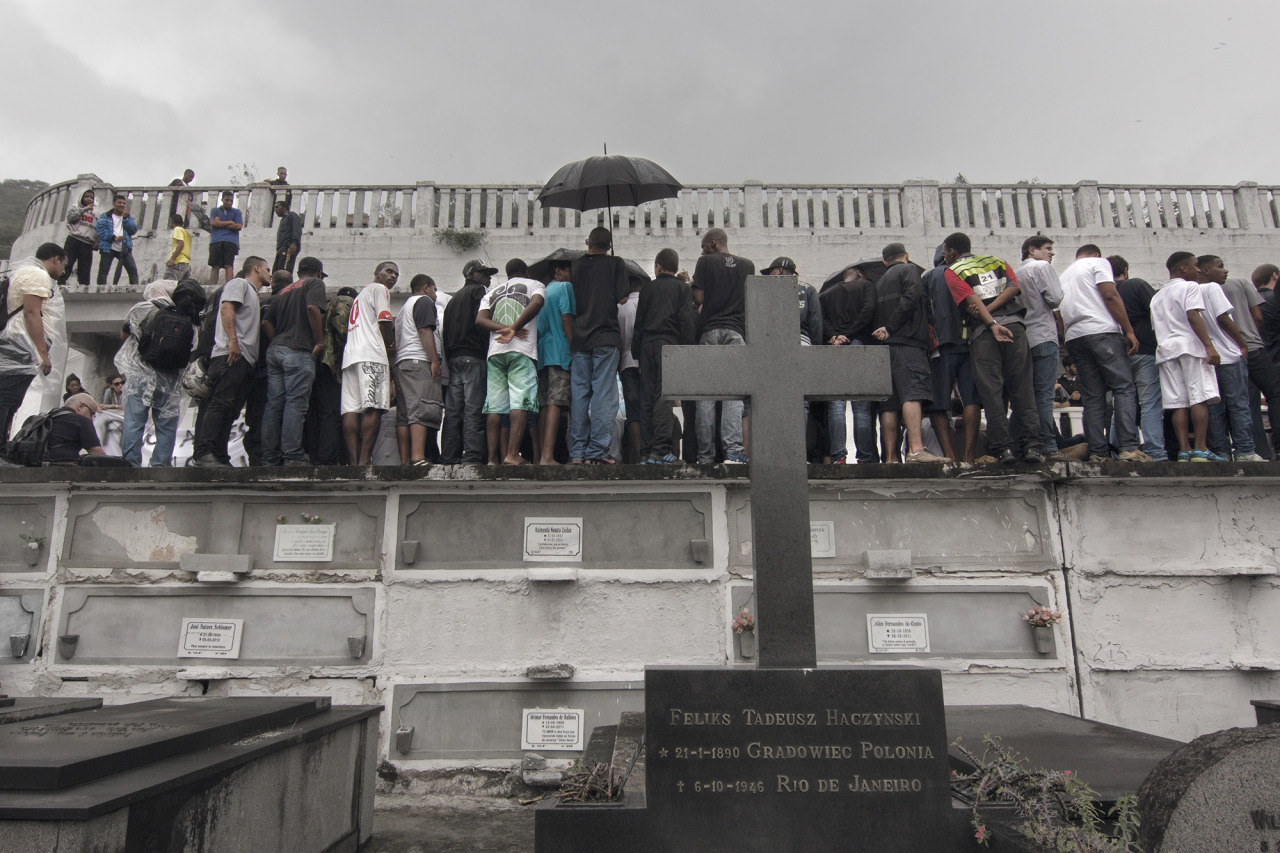
People mourn an innocent victim of a shootout between gangs and a pacifying police unit in the favela of Pavão-Pavãozinho, near Ipanema beach.
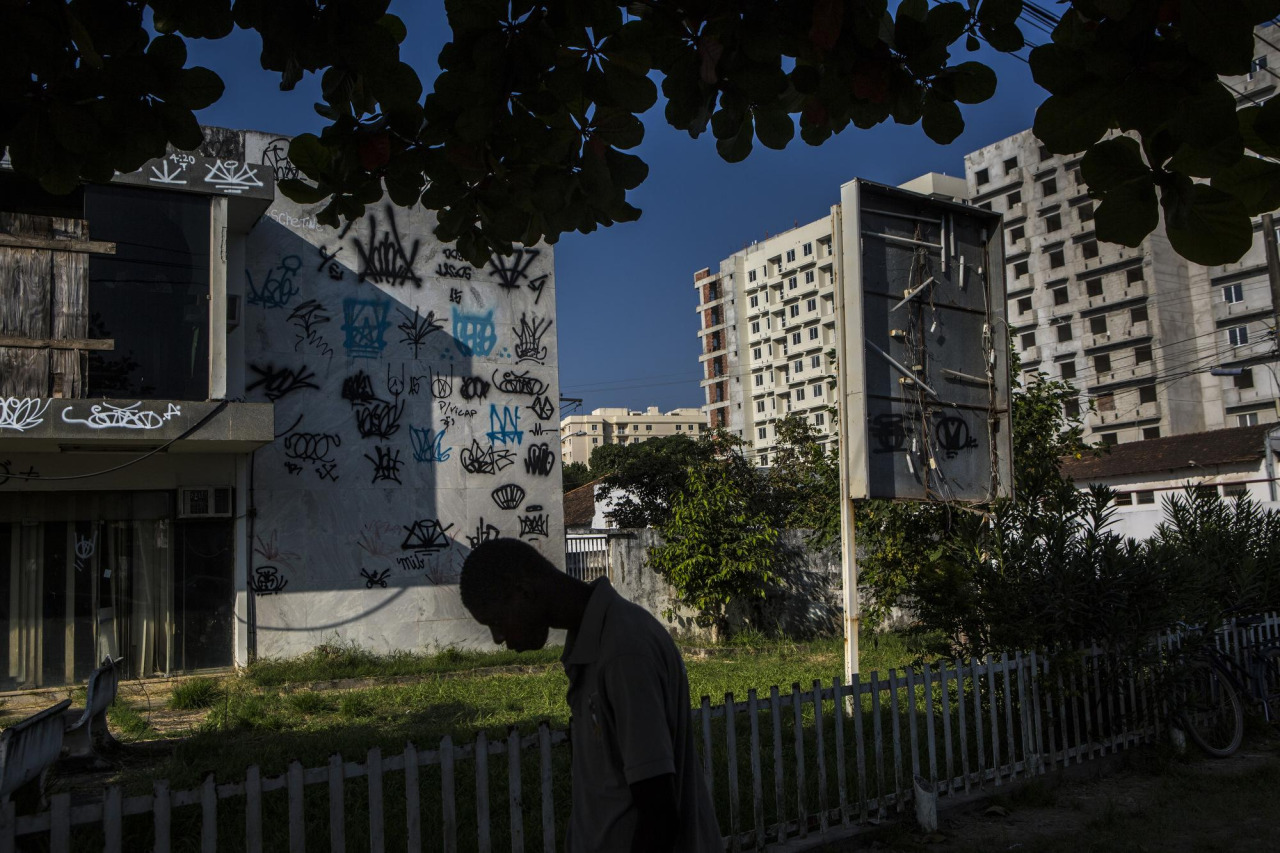
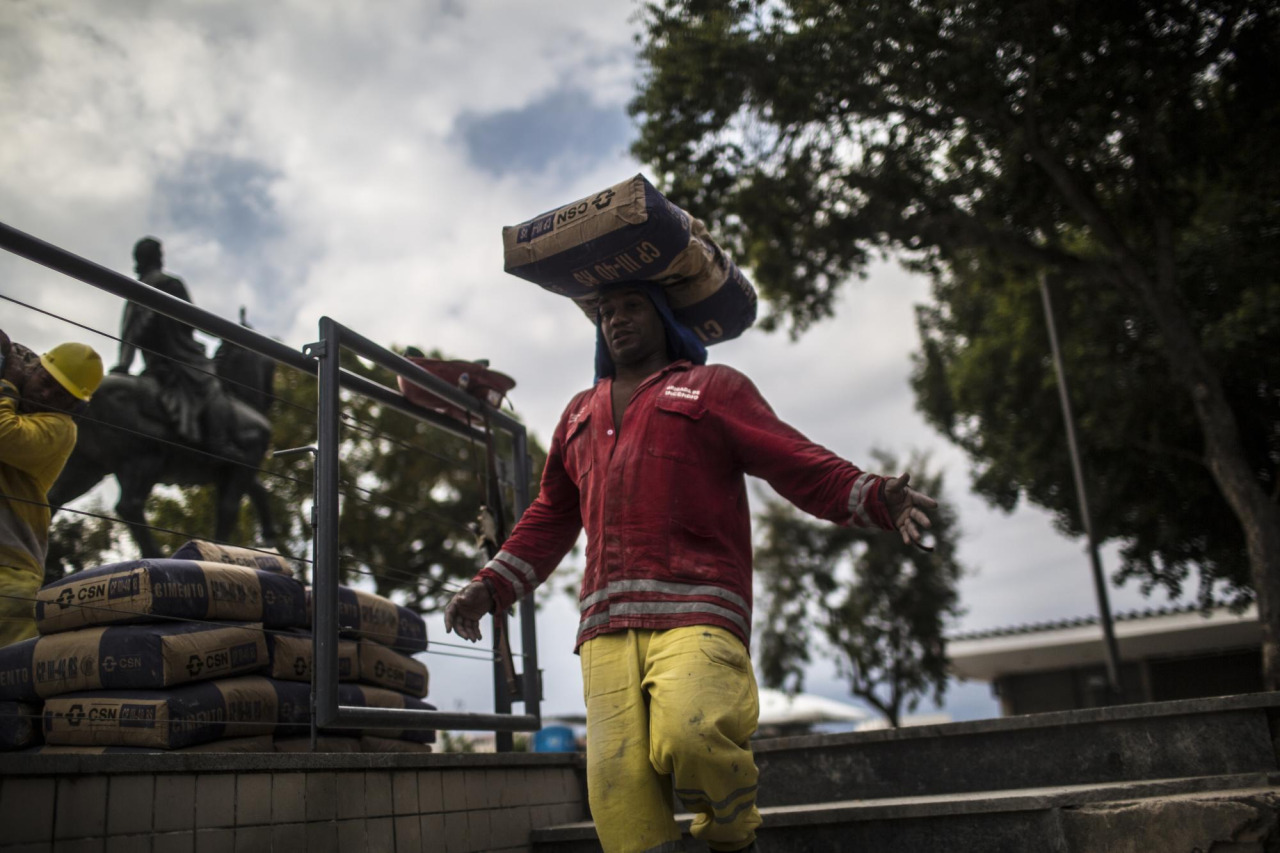
Dado Galdieri / Hilaea Media – The Cost of Olympics
Find out more about the Real Game project.
Enjoyed this article? Like Huck on Facebook or follow us on Twitter.
You might like

The raw, fledgling intimacy of Peter Hujar’s contact sheets
Hujar:Contact — A new photobook highlights the process of the legendary queer photographer, and his process of growing into the artist he ultimately became.
Written by: Miss Rosen

Jesse Glazzard’s messy portrait of queer friends, lovers and chosen family
The Sound of Dirt and Beauty — The photographer’s debut monograph explores tender, unpolished moments shaped by the people who he surrounds himself with, while offering a window into the UK’s working-class LGBTQ+ community.
Written by: Sunny Sunday
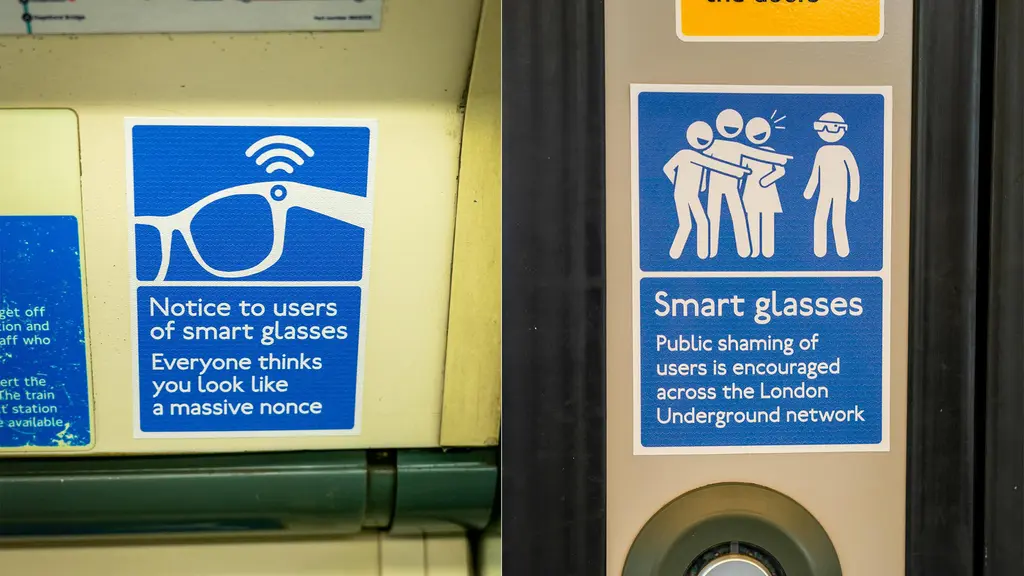
Activists slam “pervert glasses” in new guerrilla campaign
Everyone Hates Elon — Stickers have appeared on the London Underground network, criticising the wearable technology’s covert filming capabilities.
Written by: Isaac Muk

Behind the curtain at Alternative Miss World 1981
Olympia glamour — Running a subversive take on the traditional beauty pageant, the Andrew Logan organised event prioritised underground creativity and invention. Photographer David Corio went behind the scenes at its biggest edition.
Written by: Miss Rosen

New exhibition highlights British radical living over 200 years
Earthly Paradise — Taking place at the William Morris Gallery, it explores the homes and lives of artists, writers, musicians and more, as well as the conditions that allowed them to thrive.
Written by: Isaac Muk

What life on the Strait of Hormuz is really like
Southern Winds — Bandar Abbas based photographer Morteza Niknahad has been capturing the diverse communities and stories of his local region since he first picked up a camera. His new series highlights the human impact of war.
Written by: Isaac Muk


