Vandals and the City: Documenting London's underground graffiti scene
- Text by Oliver Zanetti
- Photography by Marc Vallée

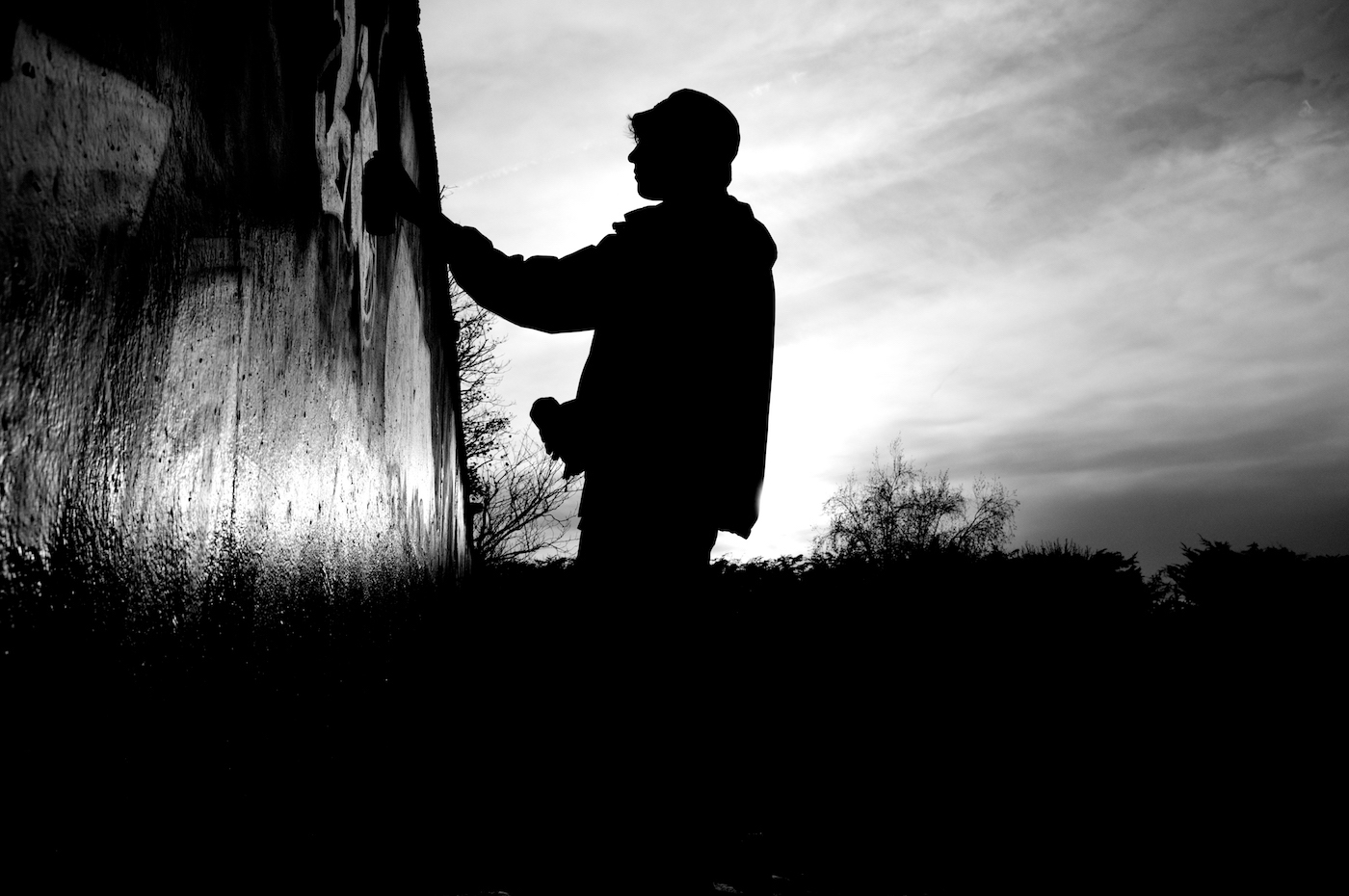
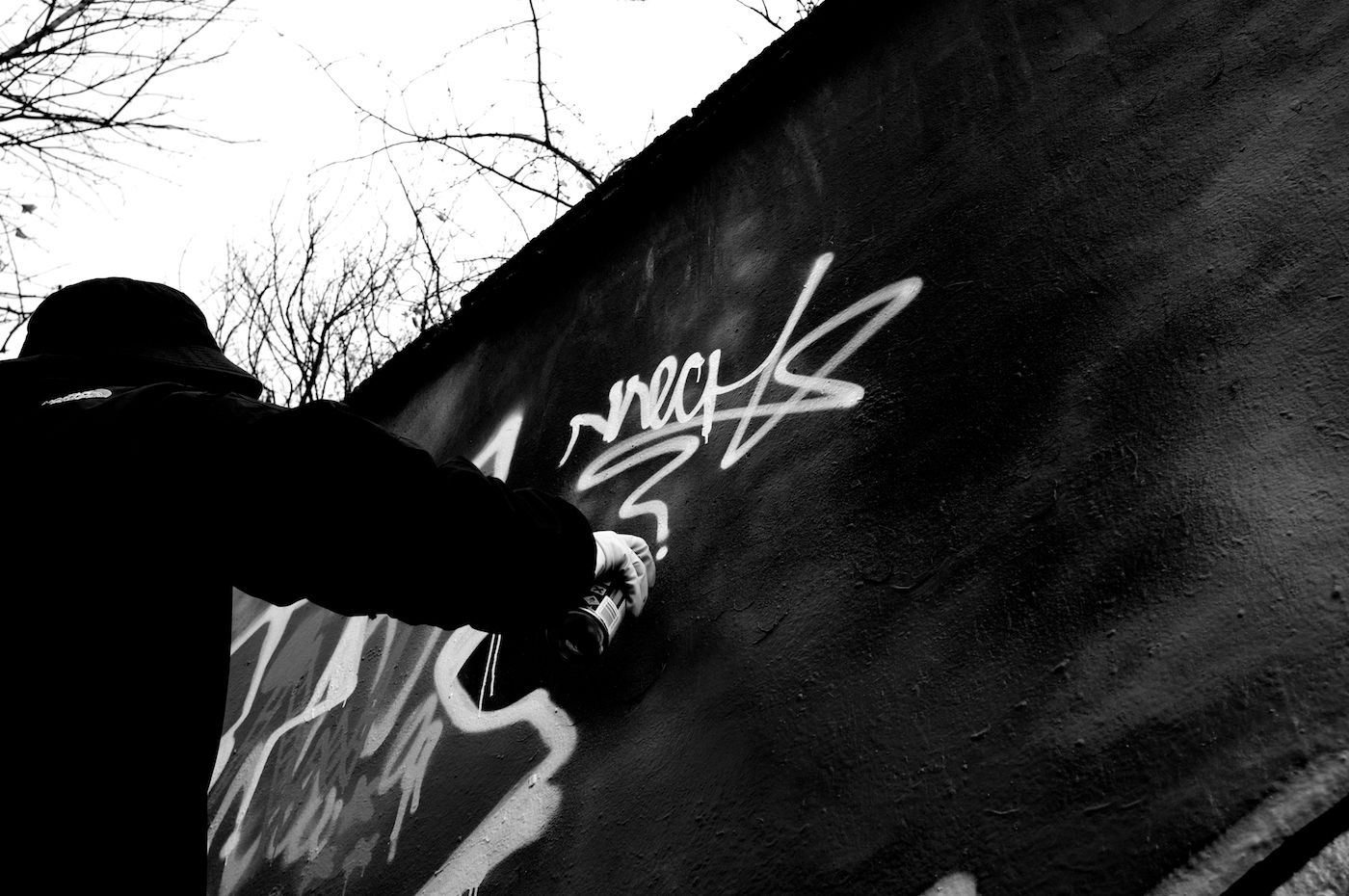
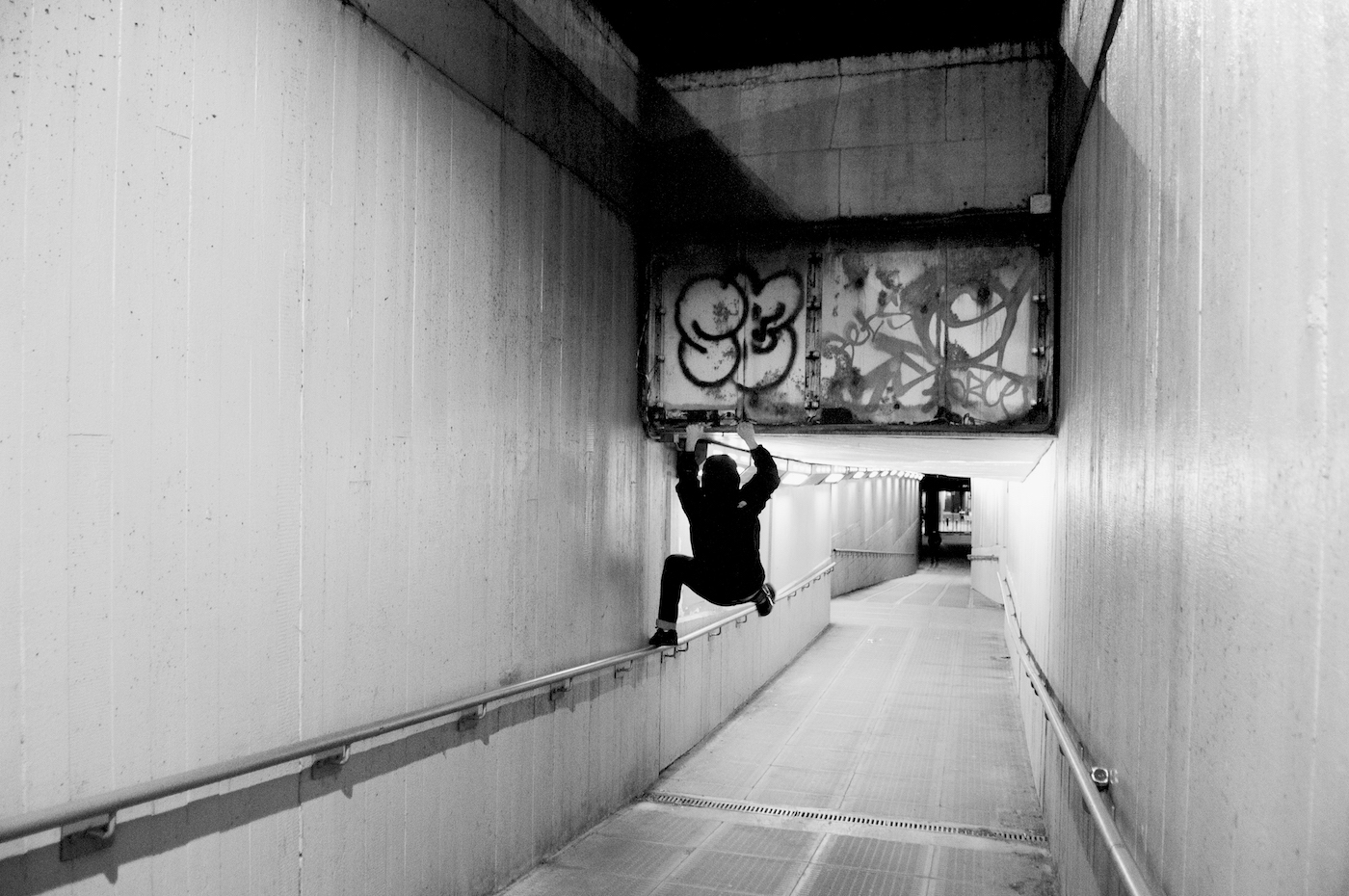
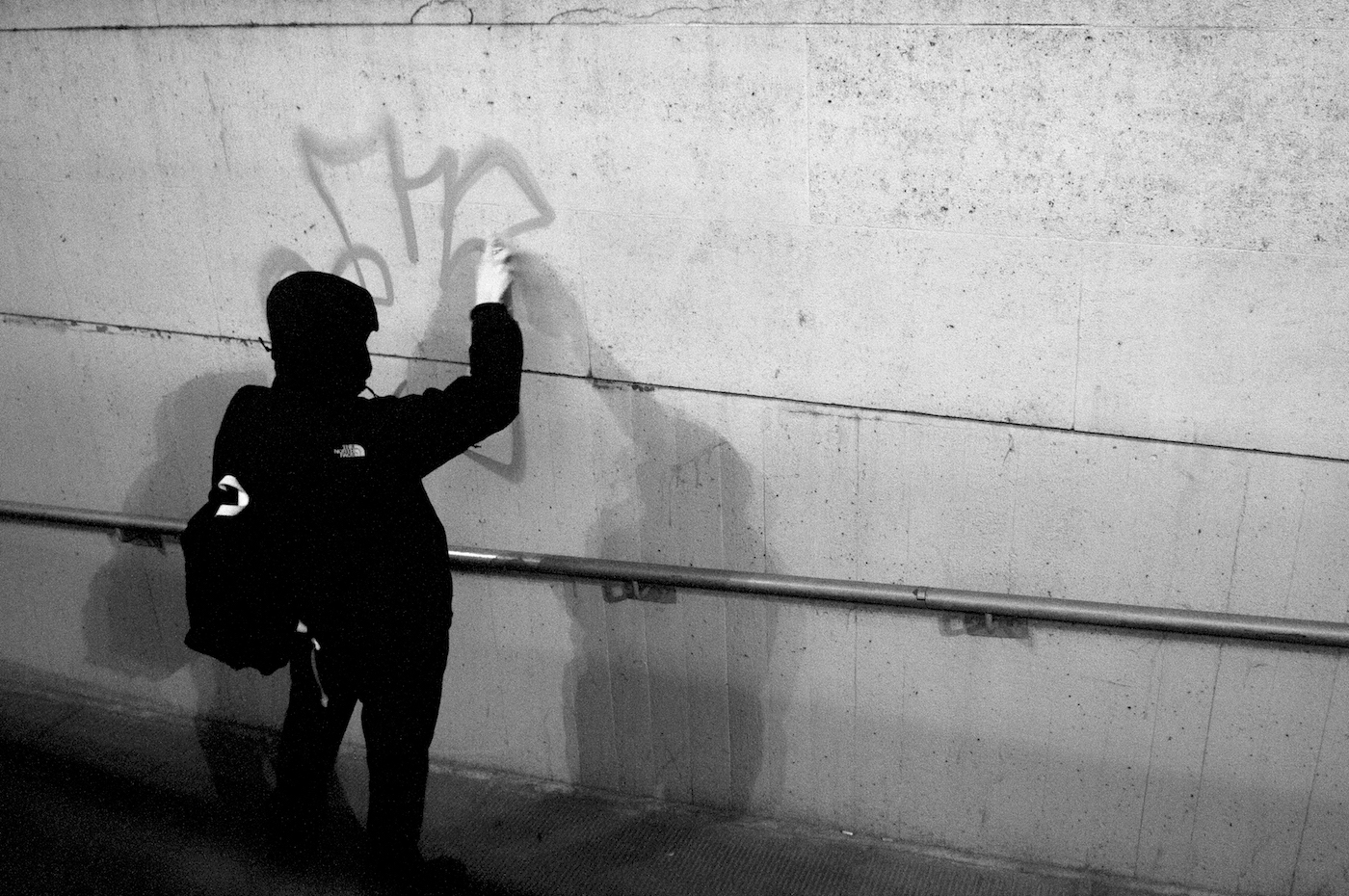
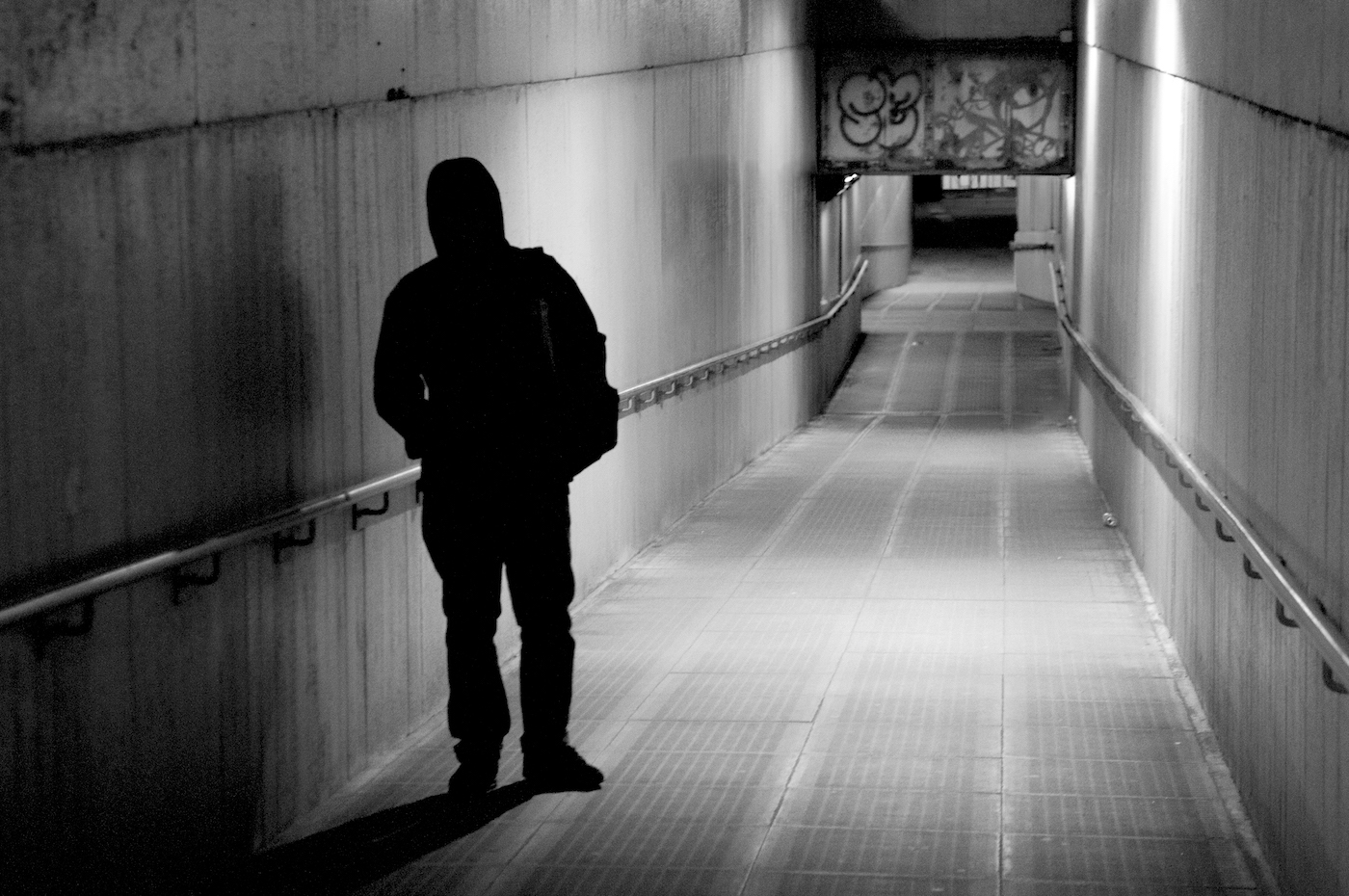
By and for whom are cities made? In London, the answer is made visible by an urban horizon clustered with skyscrapers. The city is a servant to neoliberalism, where the financial sector and an exploding residential property market dominate the landscape. The vandals documented here undertake an alternative making of urban space, leaving their mark on the bare walls found in the city’s interstices.
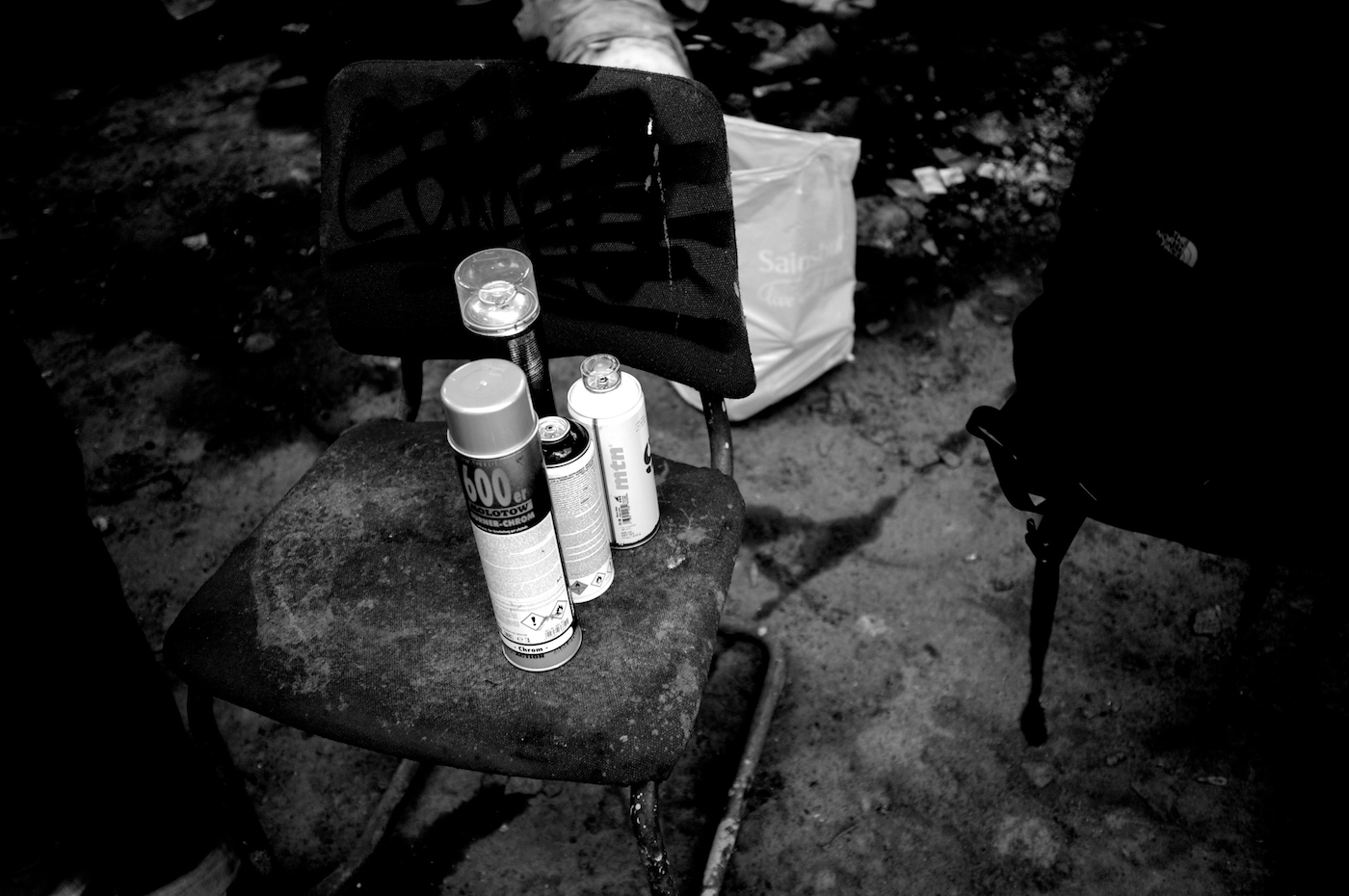
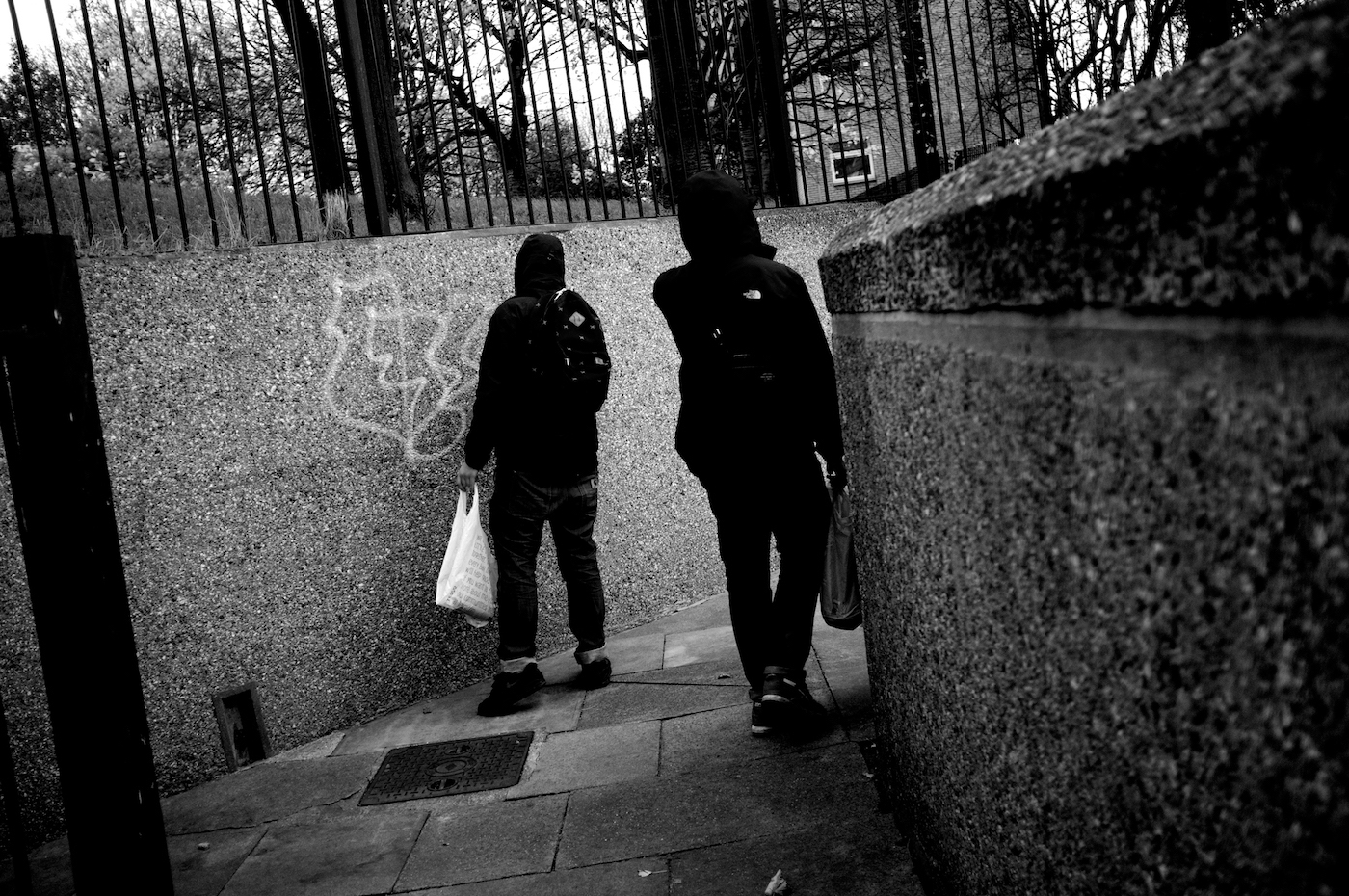
As a subject matter they’re far from uncontroversial. For many, the writing of graffiti is regarded as an antisocial act of defacement, contravening both legal and moral spatial codes. This is reflected in the collection’s title and the work itself, where contrast and framing conceal the location and the identities of the writers documented. But through their recalcitrance, the writers invite us to rethink the nature of the urban order.
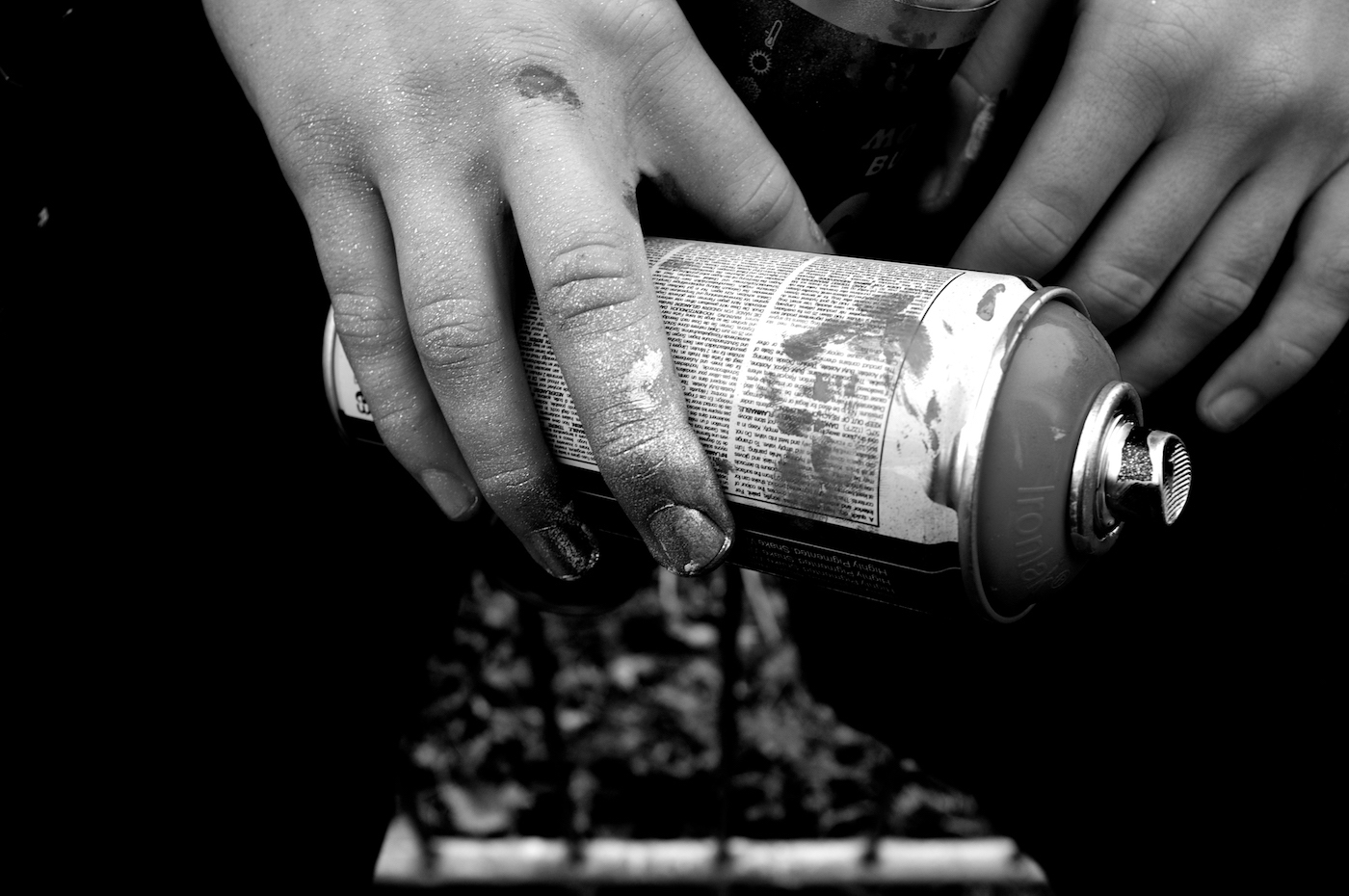
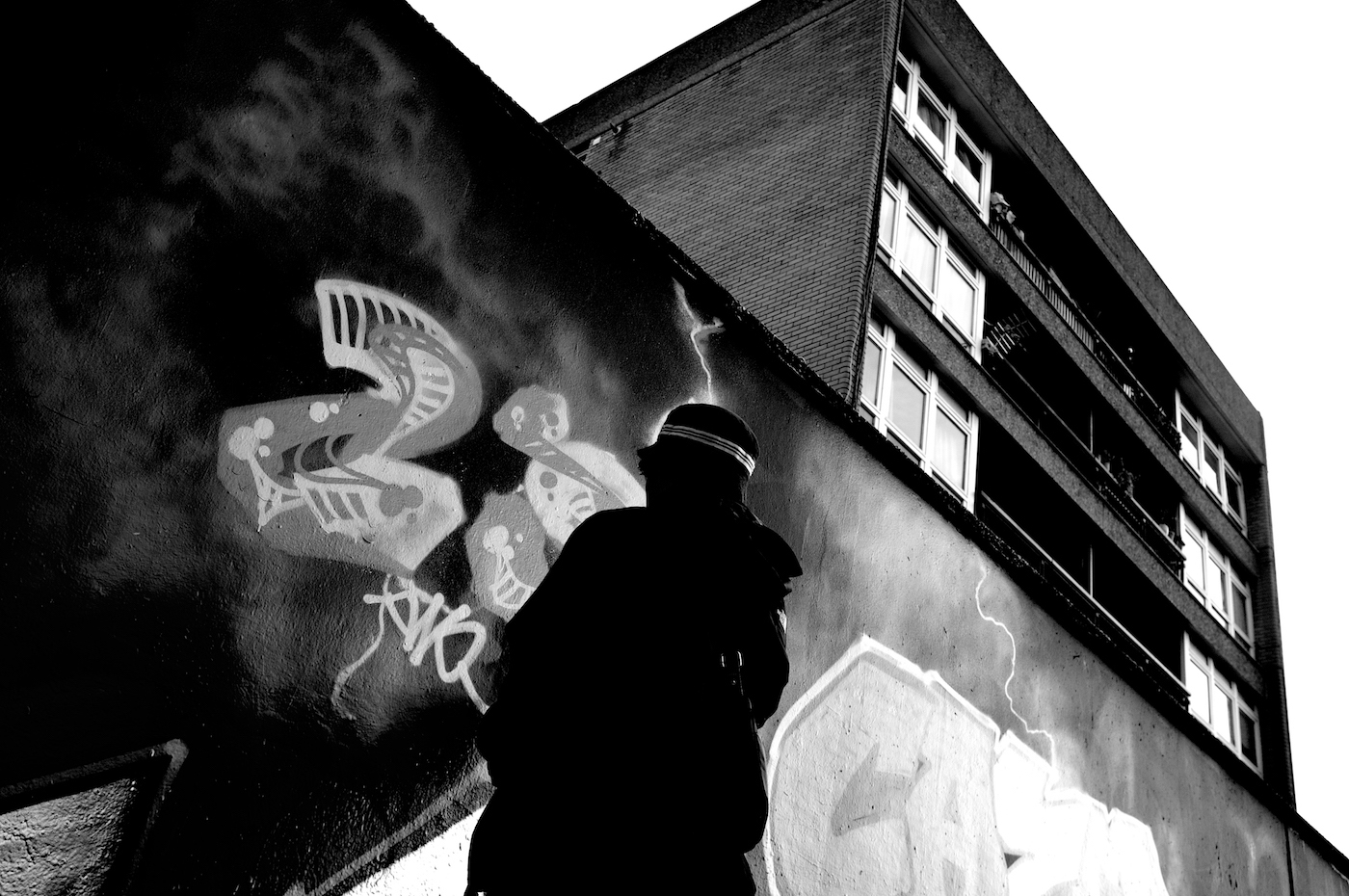
Contemporary staples like pop ups or the sharing economy were once envisaged as routes to the democratisation of urban space, widening possibilities for public participation. Yet, in fact, such moves have served to further entrench existing urban and economic disempowerment. Habituated to seeing the effects of their work, a glimpse of writers at work is far less common.
In witnessing their resolve in the practice of their craft, we are invited to consider the various radical ways we might all intervene to create inclusive and genuinely participatory urban public spaces.
Oliver Zanetti is a human geographer whose work examines the interface of materiality and urban space. Oliver is currently a Research Associate in the Department of Geography at the Open University.
Enjoyed this article? Like Huck on Facebook or follow us on Twitter.
You might like

Behind the curtain at Alternative Miss World 1981
Olympia glamour — Running a subversive take on the traditional beauty pageant, the Andrew Logan organised event prioritised underground creativity and invention. Photographer David Corio went behind the scenes at its biggest edition.
Written by: Miss Rosen

Dan Lacey: “BMX is forever evolving”
Overground — Steph Pomphrey caught up with the two-wheel legend after his latest meet in east London, chatting about fatherhood, music and action sports within the outdoor industry.
Written by: Steph Pomphrey

The battle for the soul of lockpicking
Under locksport and key — In recent years, breaking locks for fun has grown from a niche hobby into an activity followed by millions of people. As it has matured, so have tensions over who sets the rules.
Written by: Jack Dennison-Thompson

New exhibition highlights British radical living over 200 years
Earthly Paradise — Taking place at the William Morris Gallery, it explores the homes and lives of artists, writers, musicians and more, as well as the conditions that allowed them to thrive.
Written by: Isaac Muk

Kristina Rozhkova’s scatty, confronting portrait of captivity
Gut Feeling — The Russian artist’s 2024 arrest and subsequent detention opened her eye towards the omnipresent dynamics of power and control. Her new photobook is a stark exploration of being trapped.
Written by: Isaac Muk

UK’s first ever Latino film festival is coming to London
LoLaFF — Taking place between October 2-6, it will feature 55 filmmakers from Latin America, with an opening night at the Barbican.
Written by: Isaac Muk


