Documenting alternative ways of life in the British countryside
- Text by Venetia Dearden
- Photography by Venetia Dearden

I grew up in Somerset. It’s where my family are. I came to London in 1999 to study photojournalism and was immediately propelled into that world – travelling a huge amount, mostly in Africa – but after about four years I came back to Somerset because I realised I really wanted to discover my own backyard. There was never really a plan. It was simply my relief from London and from travelling.
There was a site next to my parents’ house where lots of different people had bought plots of land and were building low-impact dwellings. It became very much a guinea pig for other sites in the UK, changing the way that people could live in the countryside, and a lot of people had very strong opinions about that.
So I went to live on that site for a month and I photographed the residents to show the people in my parents’ village that these people were living in exactly the same way. Something I was trying to do, even then, was bridge the gap in how people see each other.
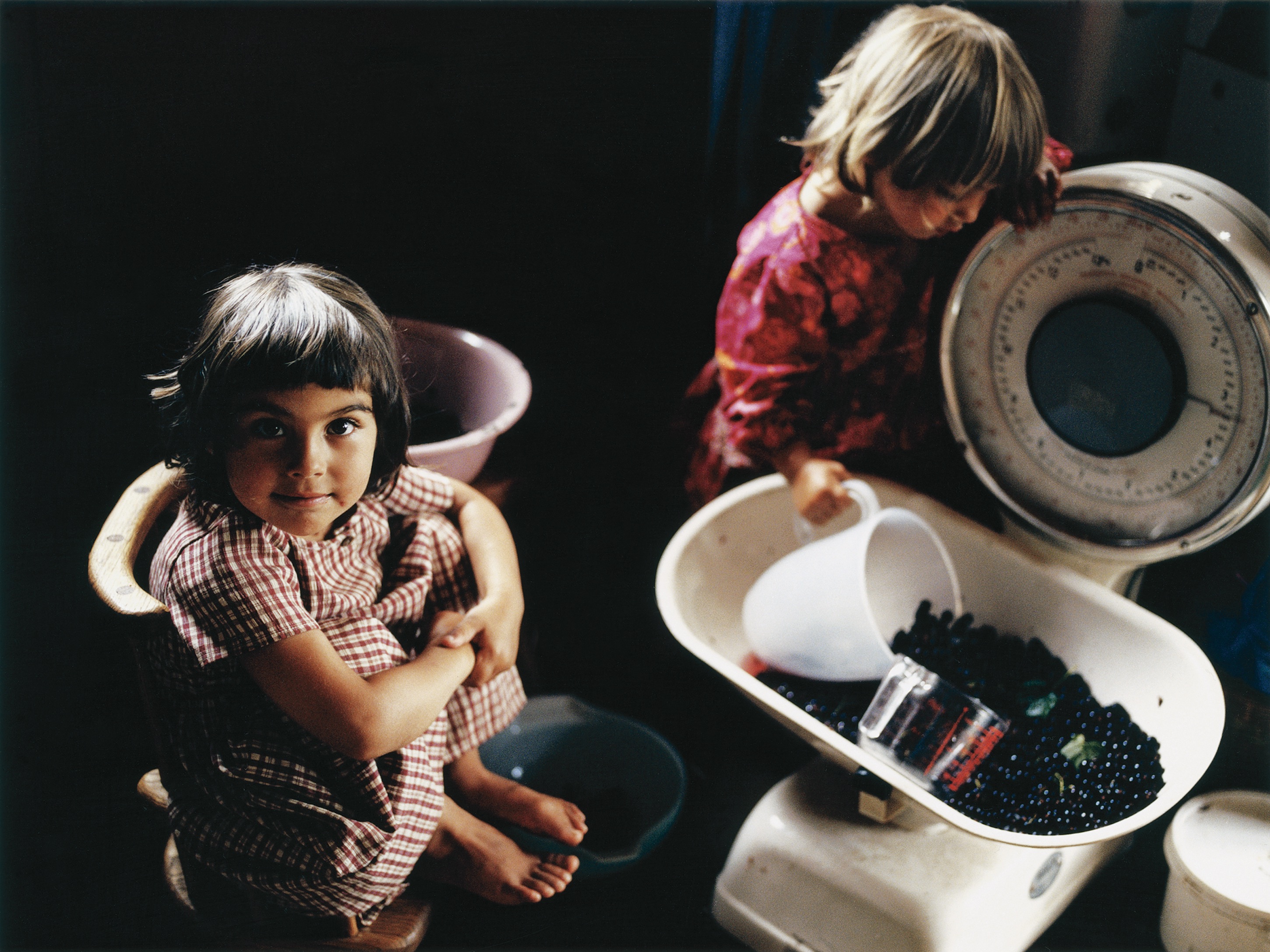
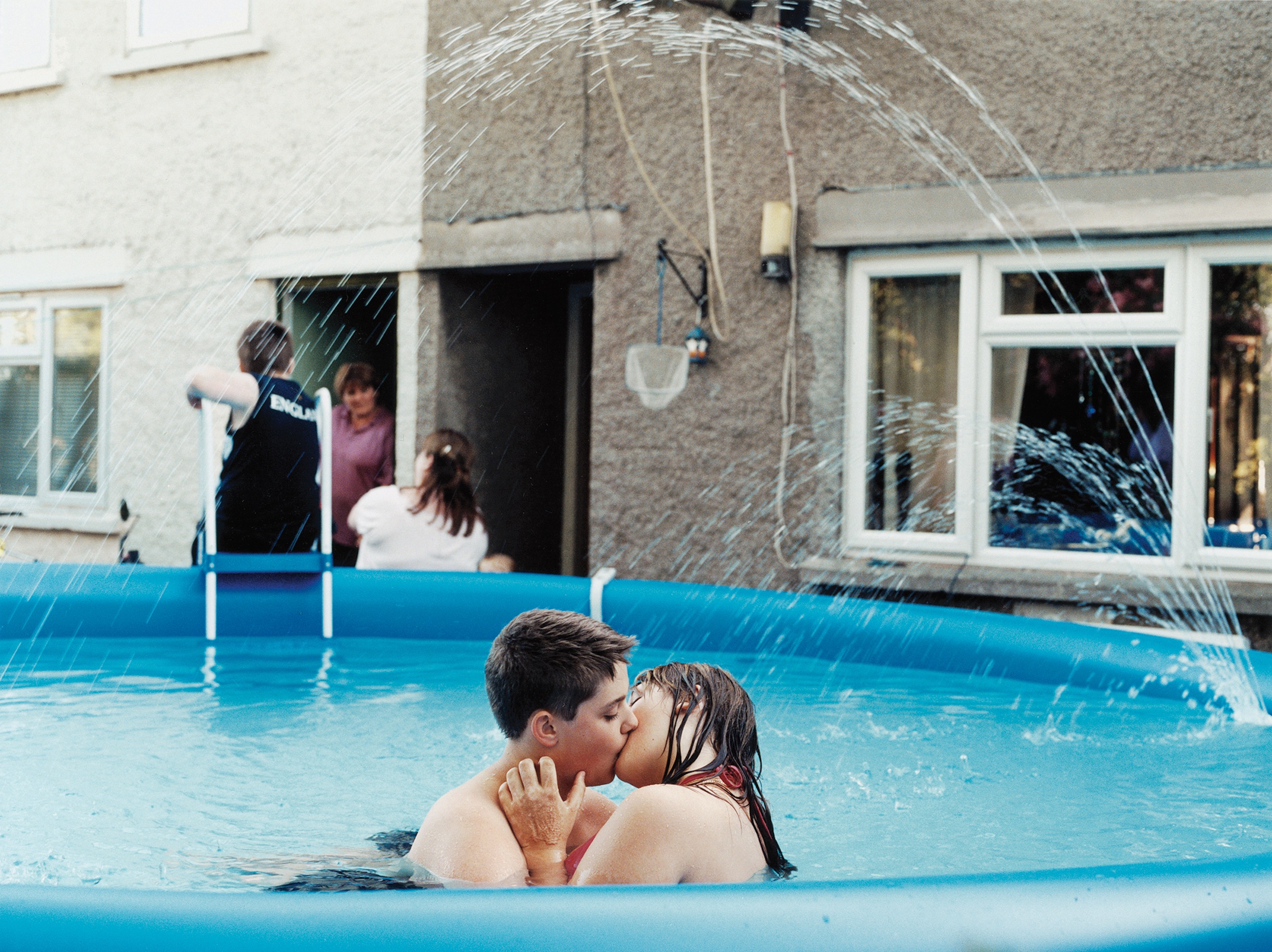 I think my photographic career constantly teaches me new things about myself, that’s why I love it. I’m fascinated by communities and communities working together. I’m passionate about people trying to live with and on the land. That’s something I love.
Real people living in harmony with their environment. I think perhaps the impact of working in very impoverished areas of Africa in places where people have nothing, but witnessing this incredible courage and spirit and generosity, kind of inspired me to come looking for that at home in England. Did it exist?
I’ve always seen everybody the same but even in small country villages people can judge other people and that was something I always thought was really unfair.
I wanted to show people who have got nothing in their the most dignified and most generous light so it would help open people’s minds.
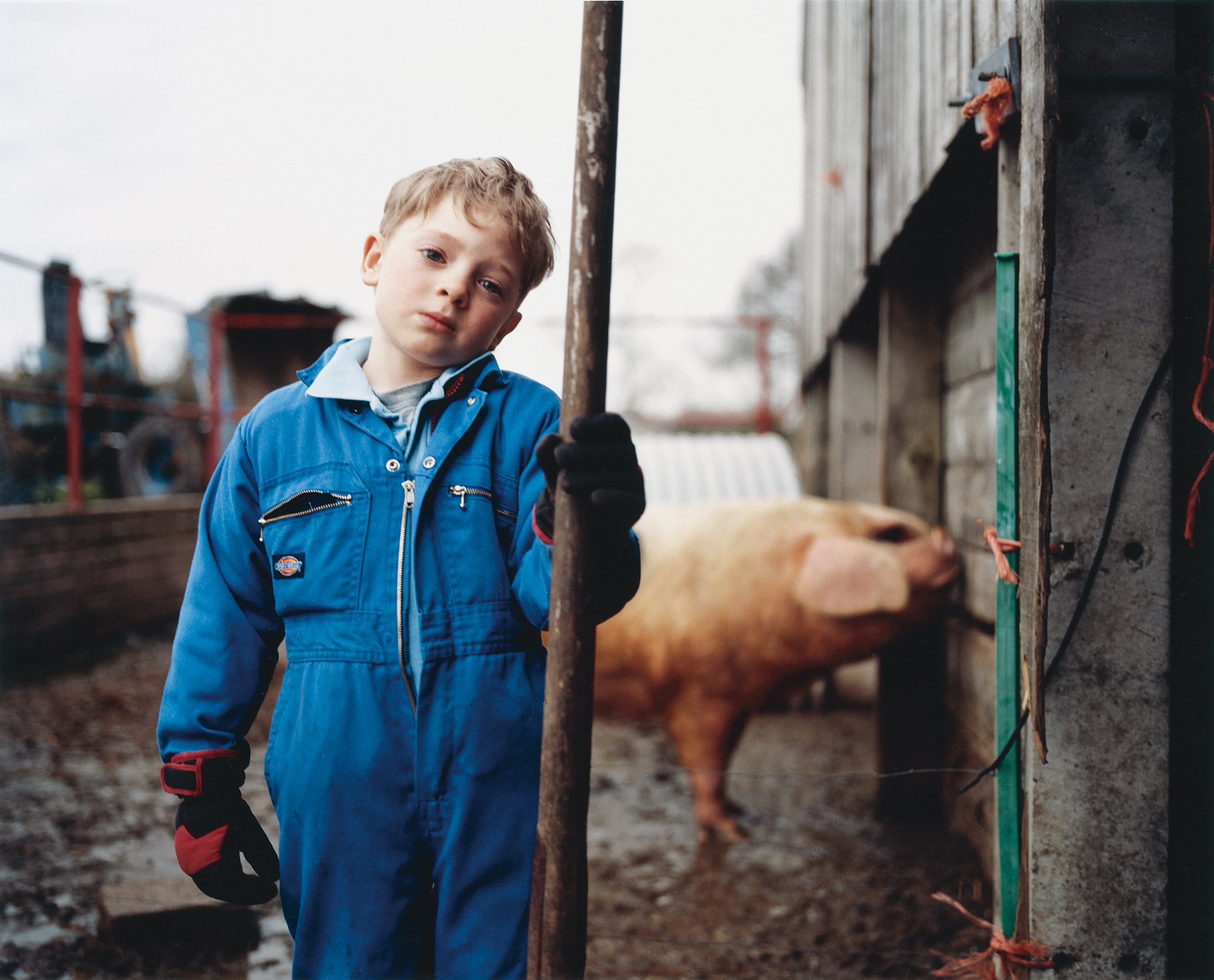
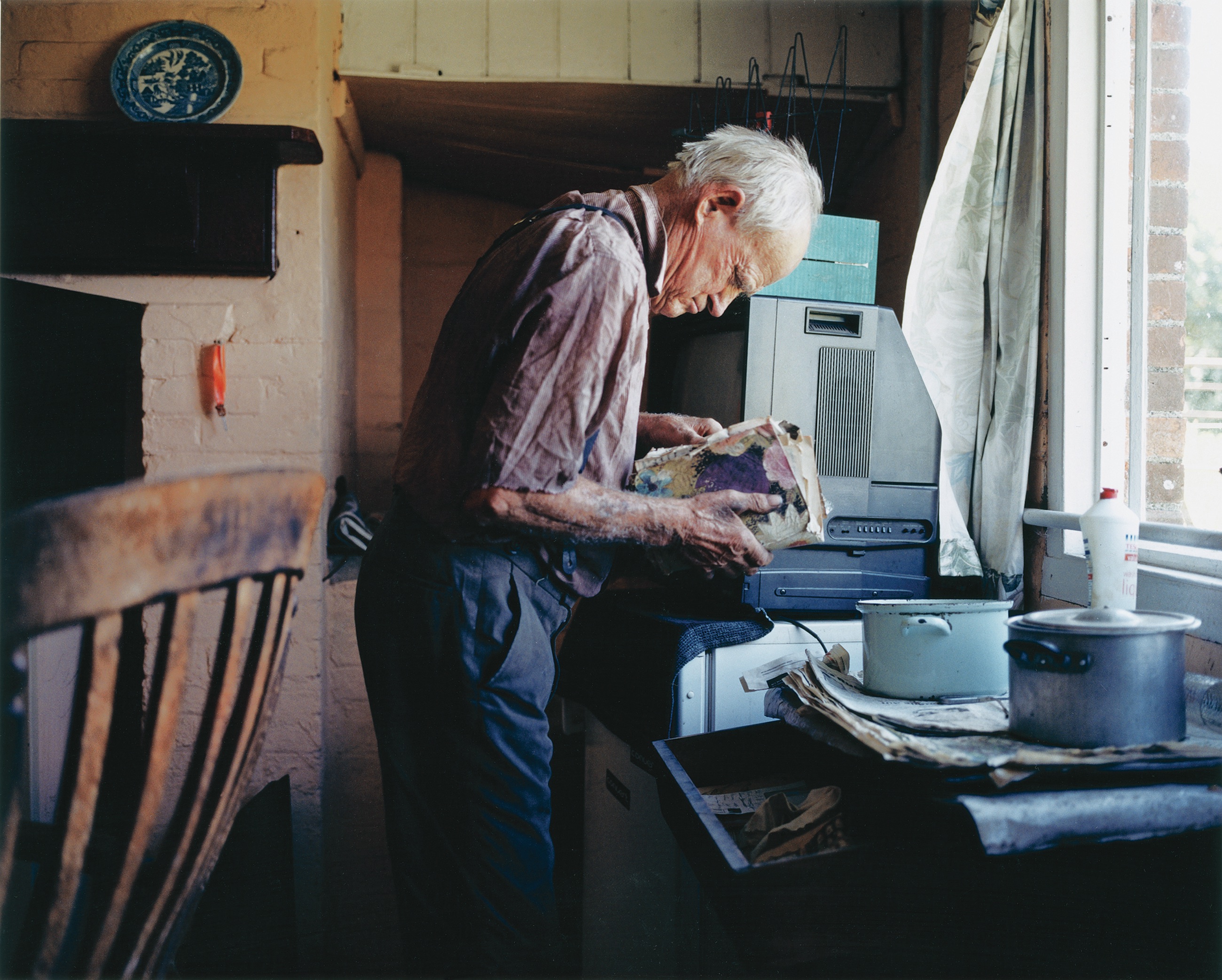 It became more and more interesting to peel back the layers of this place that I thought I knew so well, but obviously didn’t know at all. I started to look at Somerset with these different, more anthropological eyes and now, having had distance and space from the project for many years, I see that I only scratched the surface.
There are so many more angles and perspectives of rural life that I didn’t even consider. So now I’m making a more permanent move back to Somerset to continue shooting there and the wider West Country . There is not a finite amount of stories to a specific place. Stories are constantly being created. If you’re curious enough, you’ll never stop finding them.
This story originally appeared in Huck 46 – The Documentary Photography Special II. Get it from the Huck Shop or subscribe to make sure you don’t miss another issue.
Enjoyed this article? Like Huck on Facebook or follow us on Twitter.
You might like

Jesse Glazzard’s messy portrait of queer friends, lovers and chosen family
The Sound of Dirt and Beauty — The photographer’s debut monograph explores tender, unpolished moments shaped by the people who he surrounds himself with, while offering a window into the UK’s working-class LGBTQ+ community.
Written by: Sunny Sunday

Behind the curtain at Alternative Miss World 1981
Olympia glamour — Running a subversive take on the traditional beauty pageant, the Andrew Logan organised event prioritised underground creativity and invention. Photographer David Corio went behind the scenes at its biggest edition.
Written by: Miss Rosen

New exhibition highlights British radical living over 200 years
Earthly Paradise — Taking place at the William Morris Gallery, it explores the homes and lives of artists, writers, musicians and more, as well as the conditions that allowed them to thrive.
Written by: Isaac Muk

What life on the Strait of Hormuz is really like
Southern Winds — Bandar Abbas based photographer Morteza Niknahad has been capturing the diverse communities and stories of his local region since he first picked up a camera. His new series highlights the human impact of war.
Written by: Isaac Muk

Nick Haymes’s intimate portrait of his family’s life
Chronograph — Over 25 years, the photographer documented his son’s lives as they grew into adults. The resulting photobook is an exploration of the passage of time, as well as the optimism of youth.
Written by: Miss Rosen

Kristina Rozhkova’s scatty, confronting portrait of captivity
Gut Feeling — The Russian artist’s 2024 arrest and subsequent detention opened her eye towards the omnipresent dynamics of power and control. Her new photobook is a stark exploration of being trapped.
Written by: Isaac Muk


