A peek inside the world of hip-hop’s video vixens
- Text by Miss Rosen
- Photography by Brian Finke

The phenomenon of the video vixen dates back to 1989, when 2 Live Crew brought Miami Bass to the Hip Hop scene with the classic joint “Me So Horny,” turning the scantily clad woman into an archetype. Over the past three decades, the genre has become a career path for countless young women trying to get on in a male-dominated industry that gives aspiring models, dancers, and performers the space to present their bodies as objects of desire.
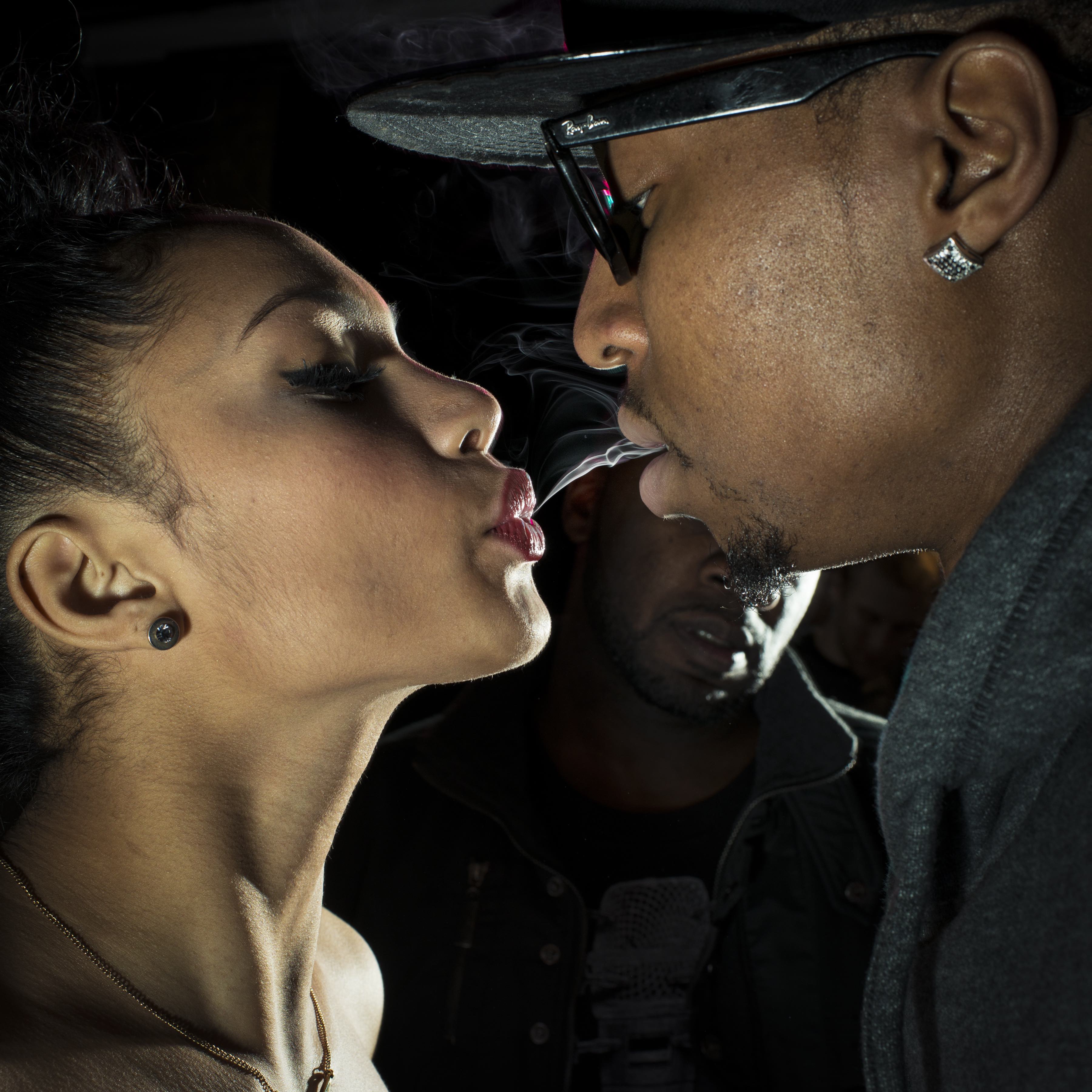
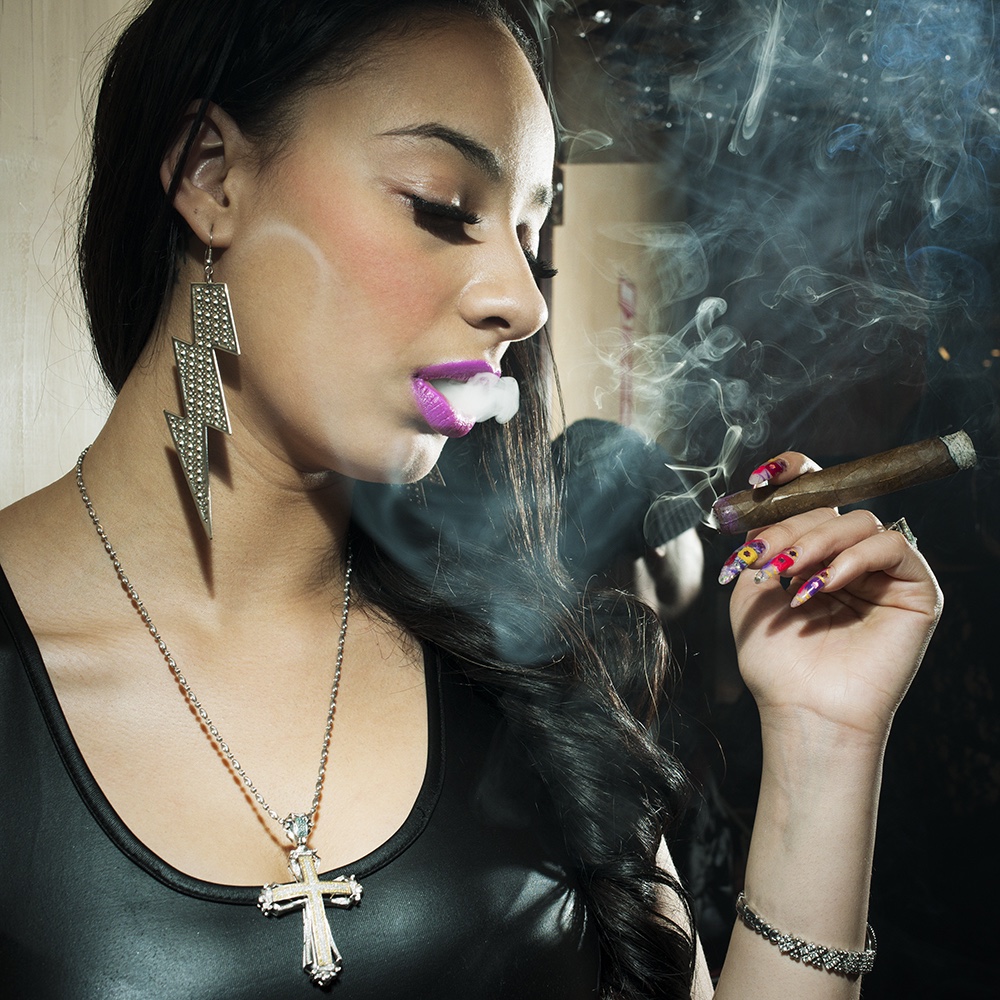
American photographer Brian Finke was not a hip-hop head when he first began shooting for what would become Hip Hop Honeys – a new book from powerHouse that has just released in conjunction with an exhibition of the same name at ClampArt, New York, on view through May 12, 2018.
A classic rock aficionado hailing from Texas, Finke got involved in hip-hop when he got access to video sets through Jeff, a casting director and co-founder of FaceTime Agency based in New York. “It all started when I got a call from Jeff was told me to show up the next morning at a cigar bar in Harlem where they would be shooting a video,” Finke recalls.
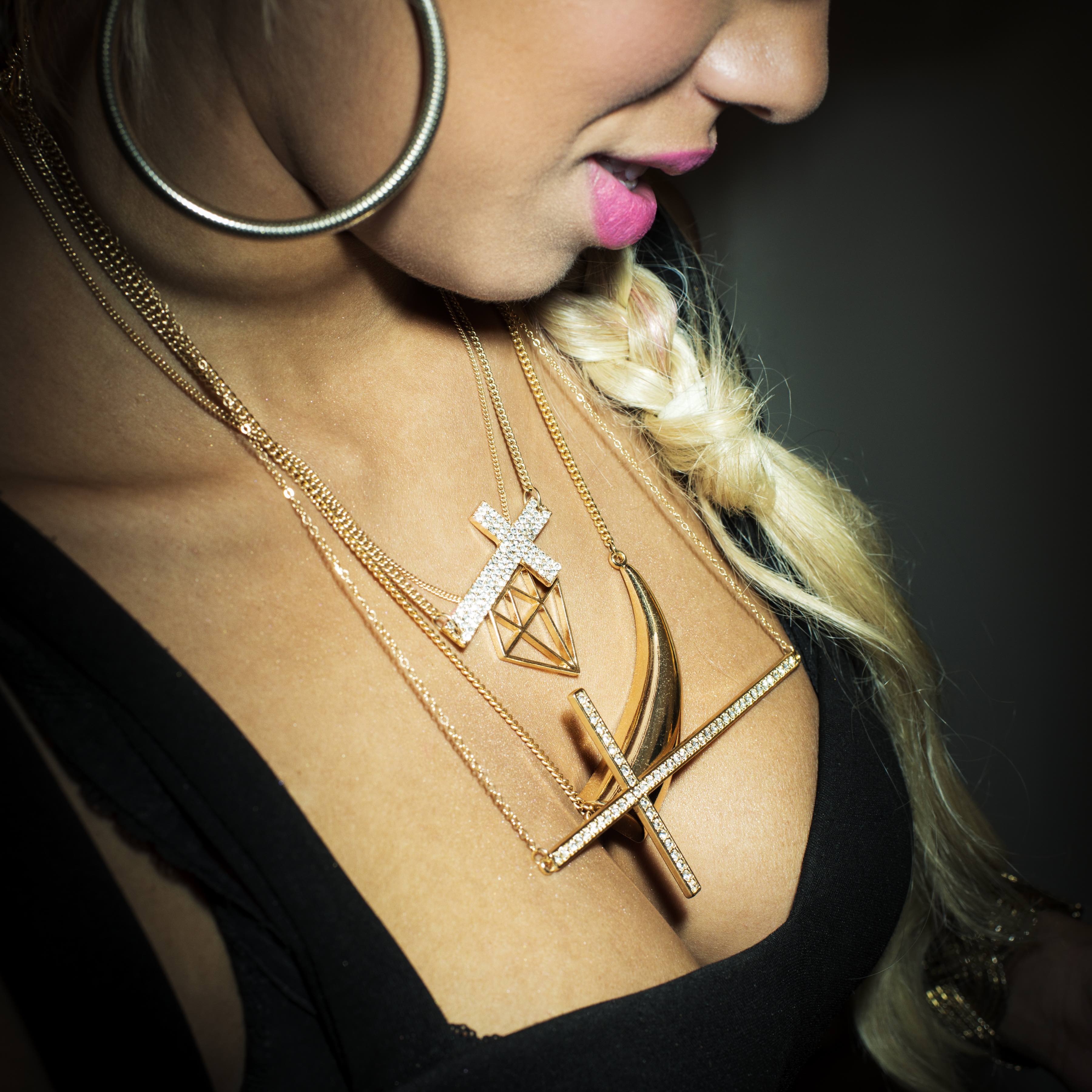
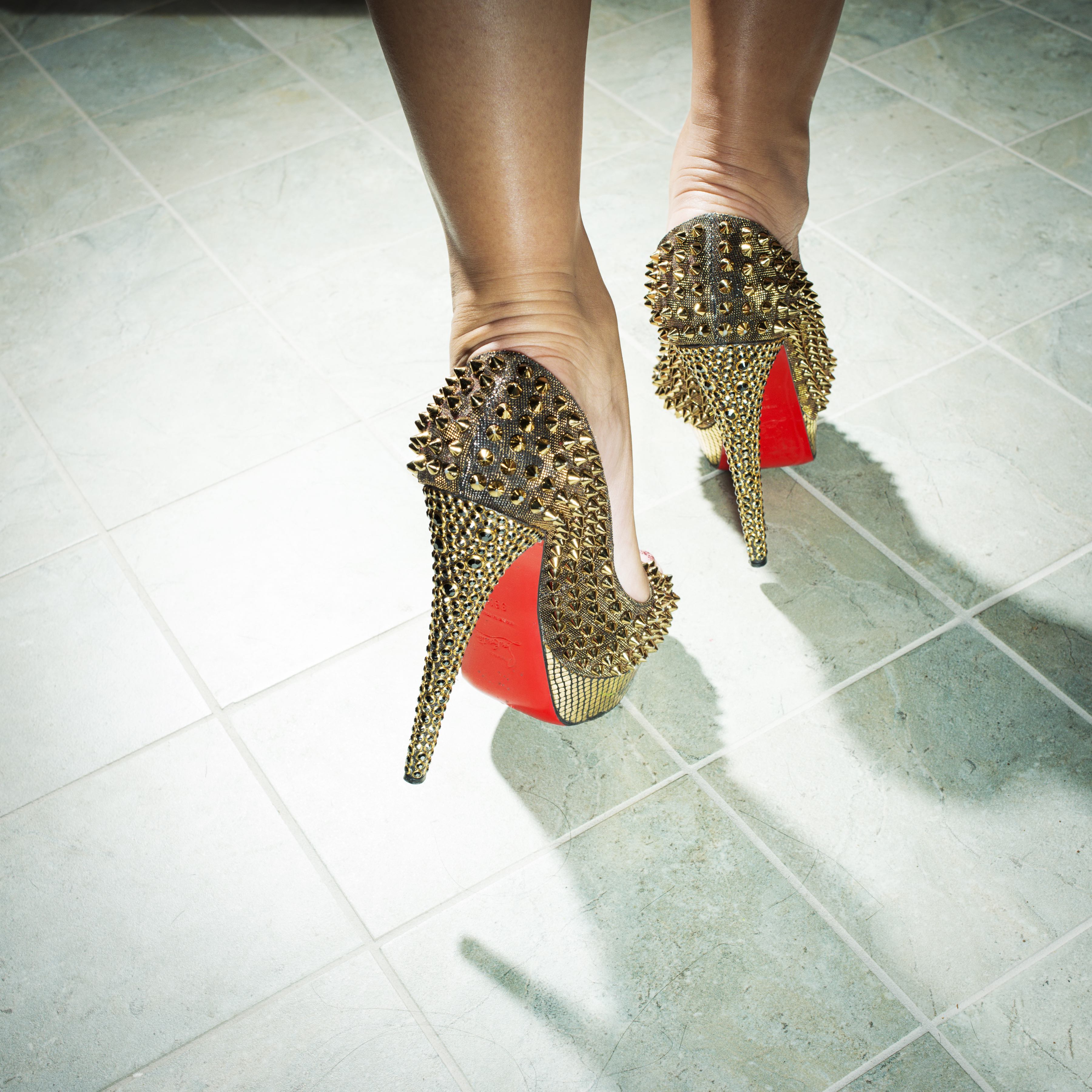
“Jeff would be out at the club the night before and everything would come together very last minute, which is why I kept it local in New York versus trying to travel to Atlanta or LA. He got me access to the models he represented. It was both high end and low budget stuff. The low-end shoots were great because they had small crews and small sets. I could go into hotel rooms on Park Avenue South and take photos.”
Whether shooting on the sets of Nicki Minaj, Kanye West, Jay-Z, or Busta Rhymes, Finke began to notice that life for the vixens was not always glamorous. “In the beginning, I was so enthralled with the scene that all of the pictures started to feel like I was glamorising it. After seeing that and becoming aware that I wanted to tell a much more rounded story that talked about all of the downtime, there were pictures that touched upon other types of moments so that it could be sexy, awkward, and boring,” Finke recalls.
“There’s a lot of waiting around. You could show up and wait around for 10 hours before things get going from the original call time. That is very common. Sometimes it was very informal. The women would be doing their own makeup and would bring their own outfits, and other times it would be the complete opposite with hair, makeup, and wardrobe.”
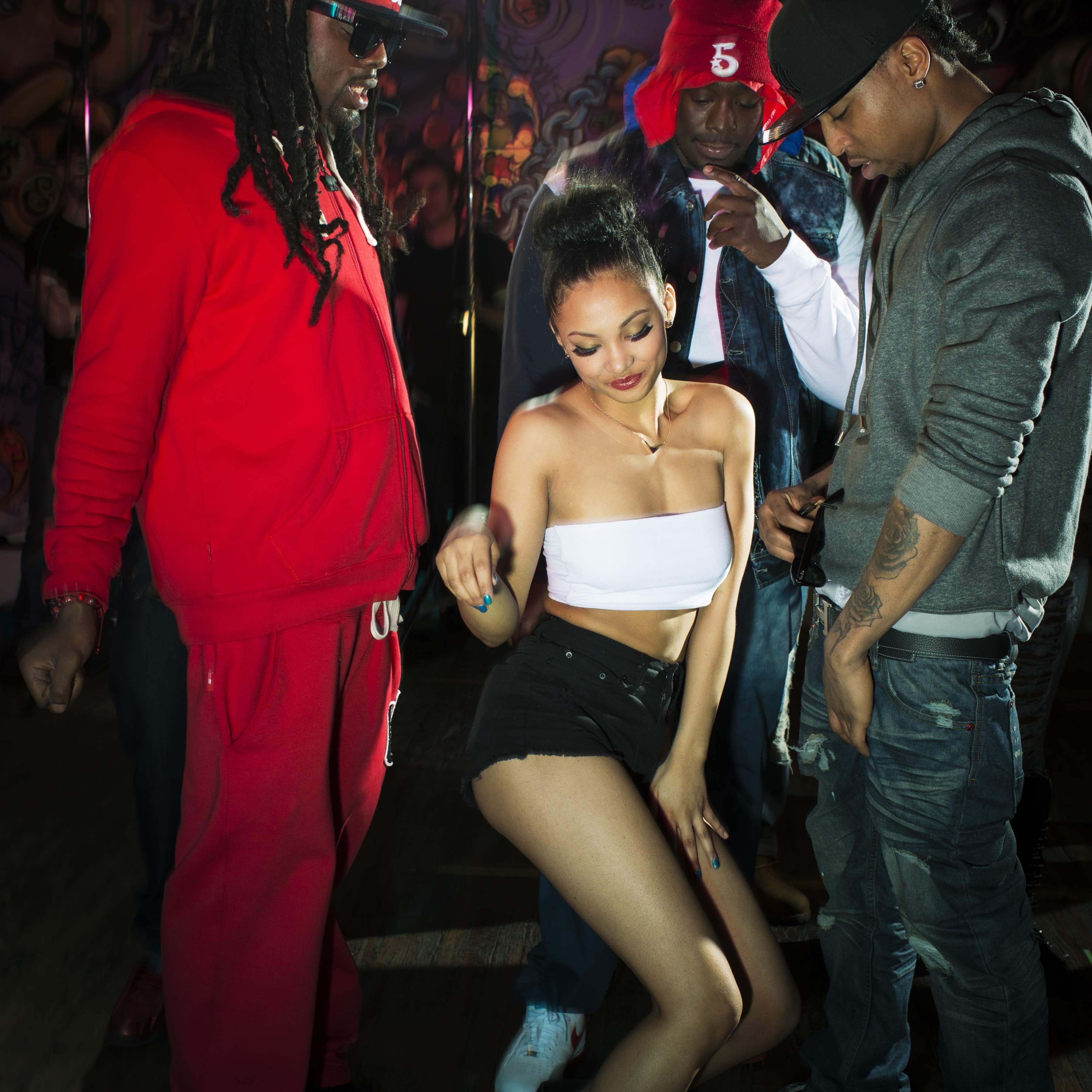
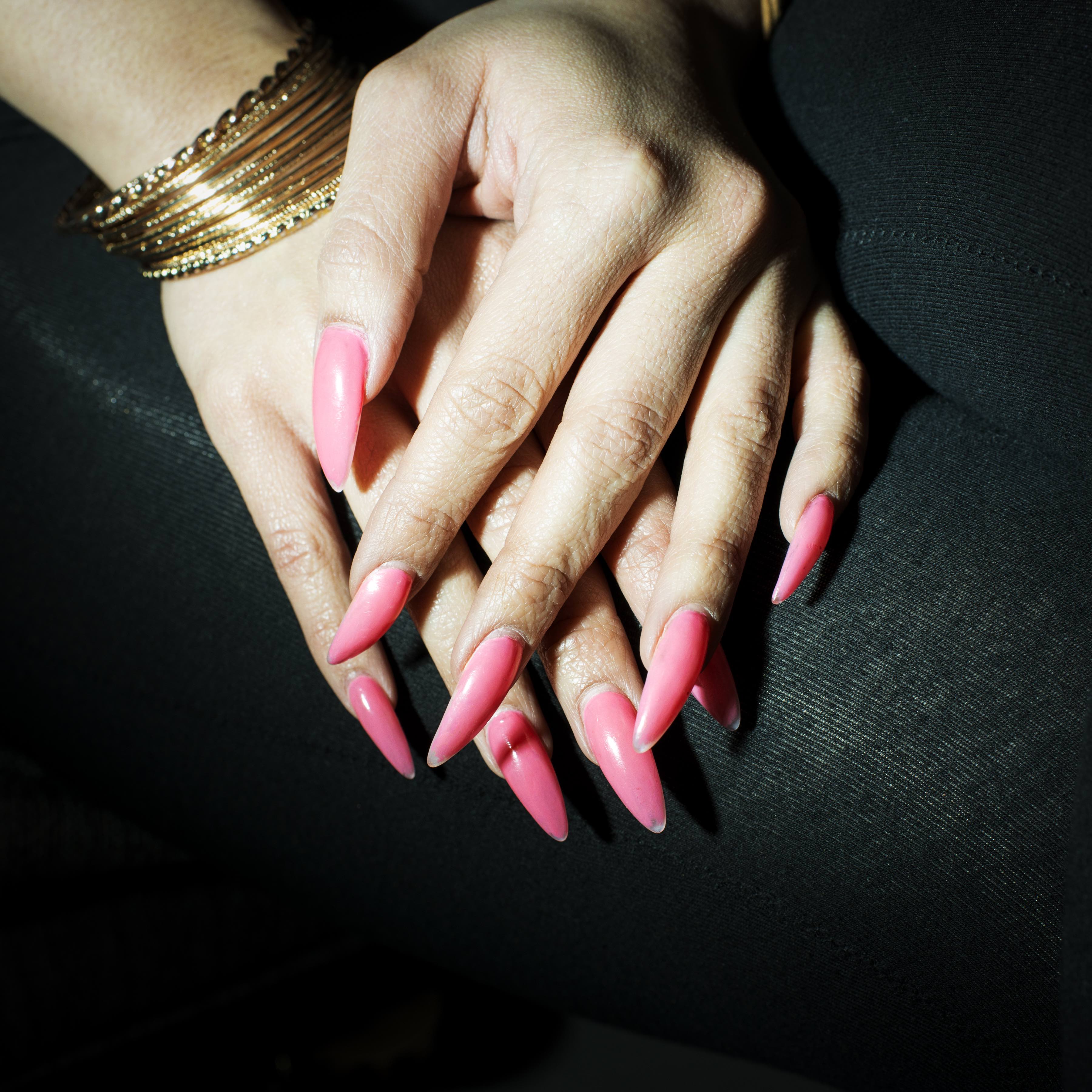
With Hip Hop Honeys, Finke gives us a look at life for the women in the industry, who are using the video circuit as a means to advance their careers as club promoters, models, and dancers. “On set some were more hip to wanting to make something out of it and get something out of it, as networking and a promotional tool to propel themselves within the video and club scenes,” Finke explains.
Considering the success of Amber Rose, Erica Mena, Karrine Stefans, Lauren London, and Rosa Acosta, it’s hardly surprising that a new generation of young women is following in their footsteps.
While the line between sexy and sexual fluctuates, the one constant is the element of commerce, which pervades every frame. The videos are an illusion designed to sell: records, concert tickets, dreams, and illusions. “Everything is kind of fake: fake money, fake guns, fake booty,” Finke reveals. “It is definitely perpetuating a type of lifestyle that they are trying to create in the video but doesn’t necessarily exist afterwards.”
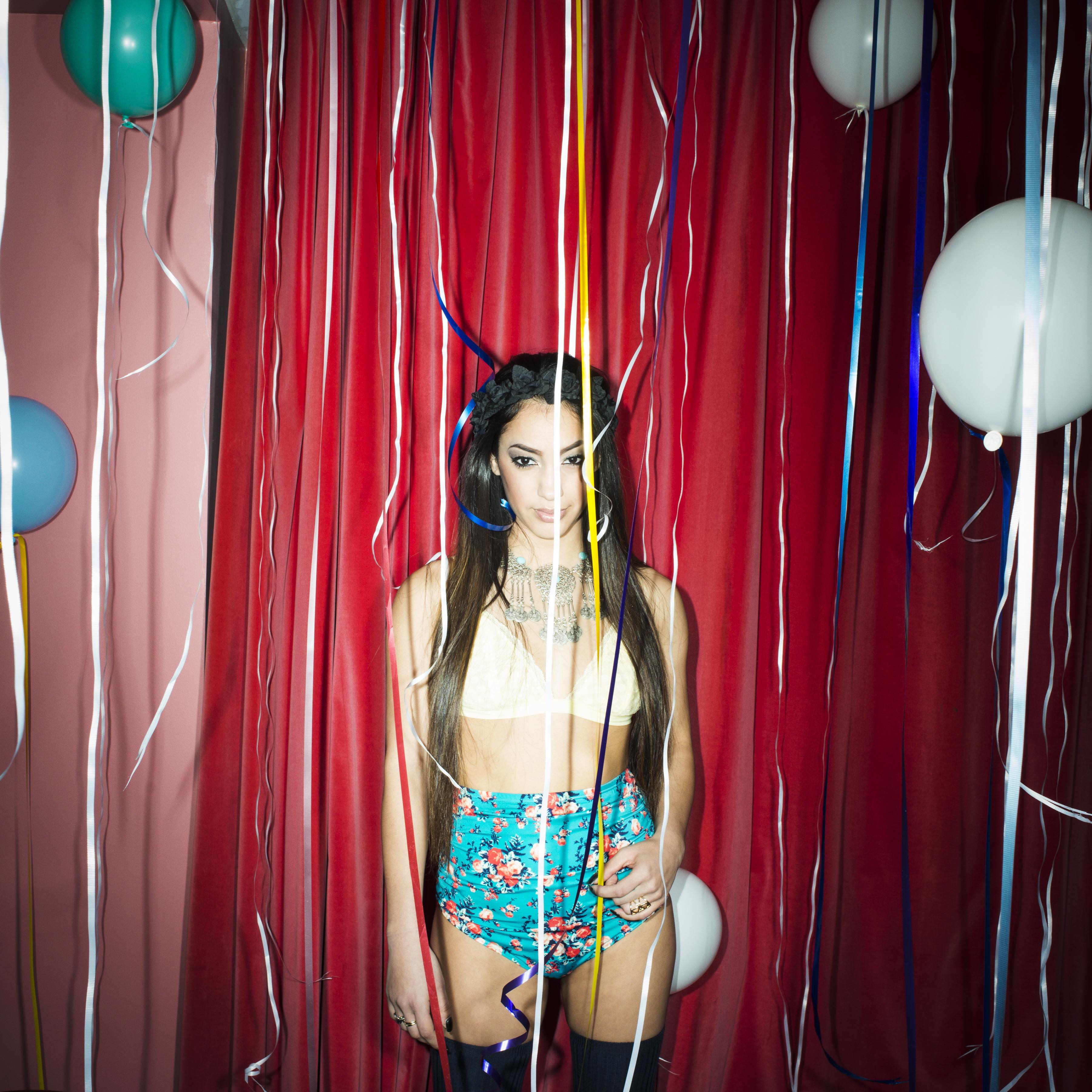
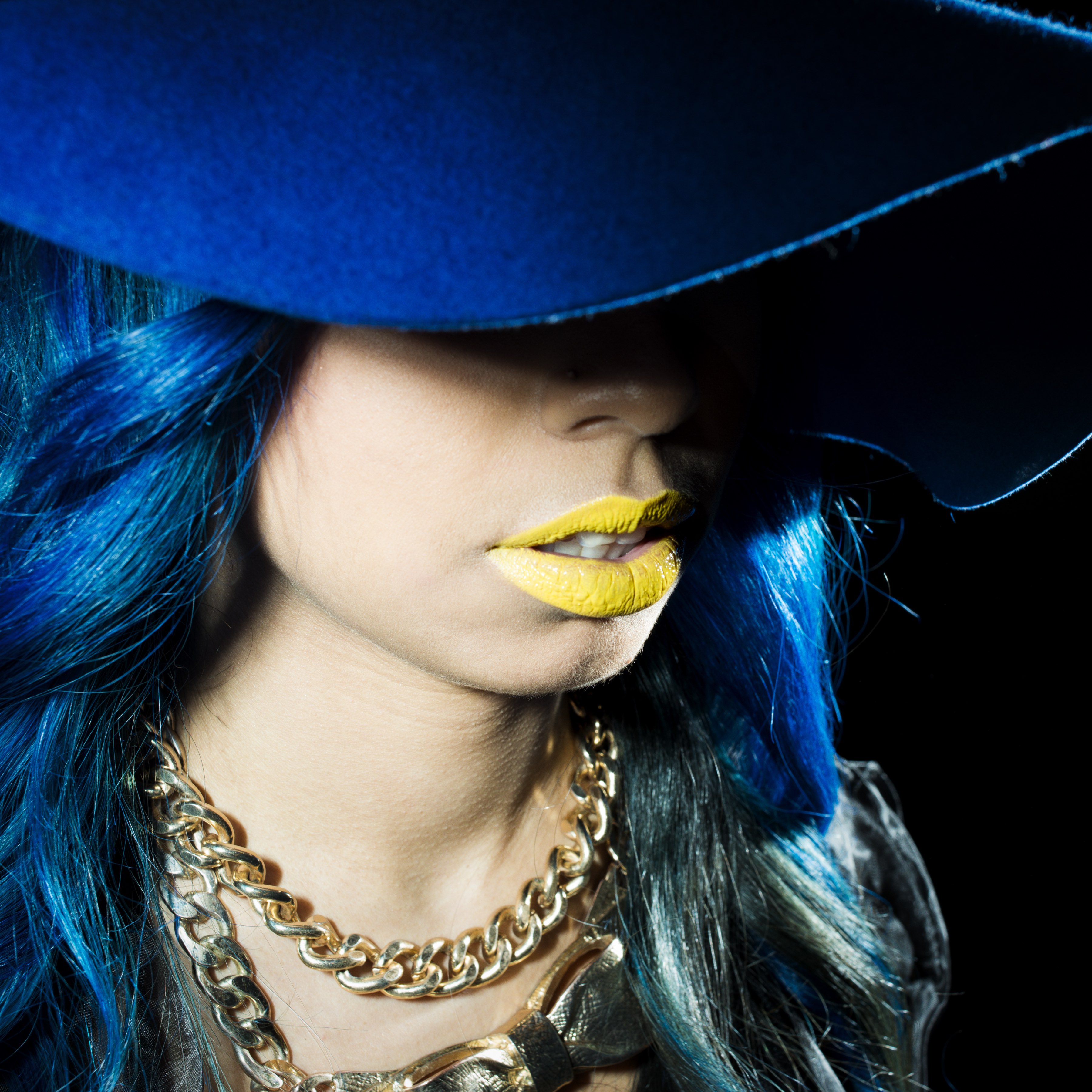
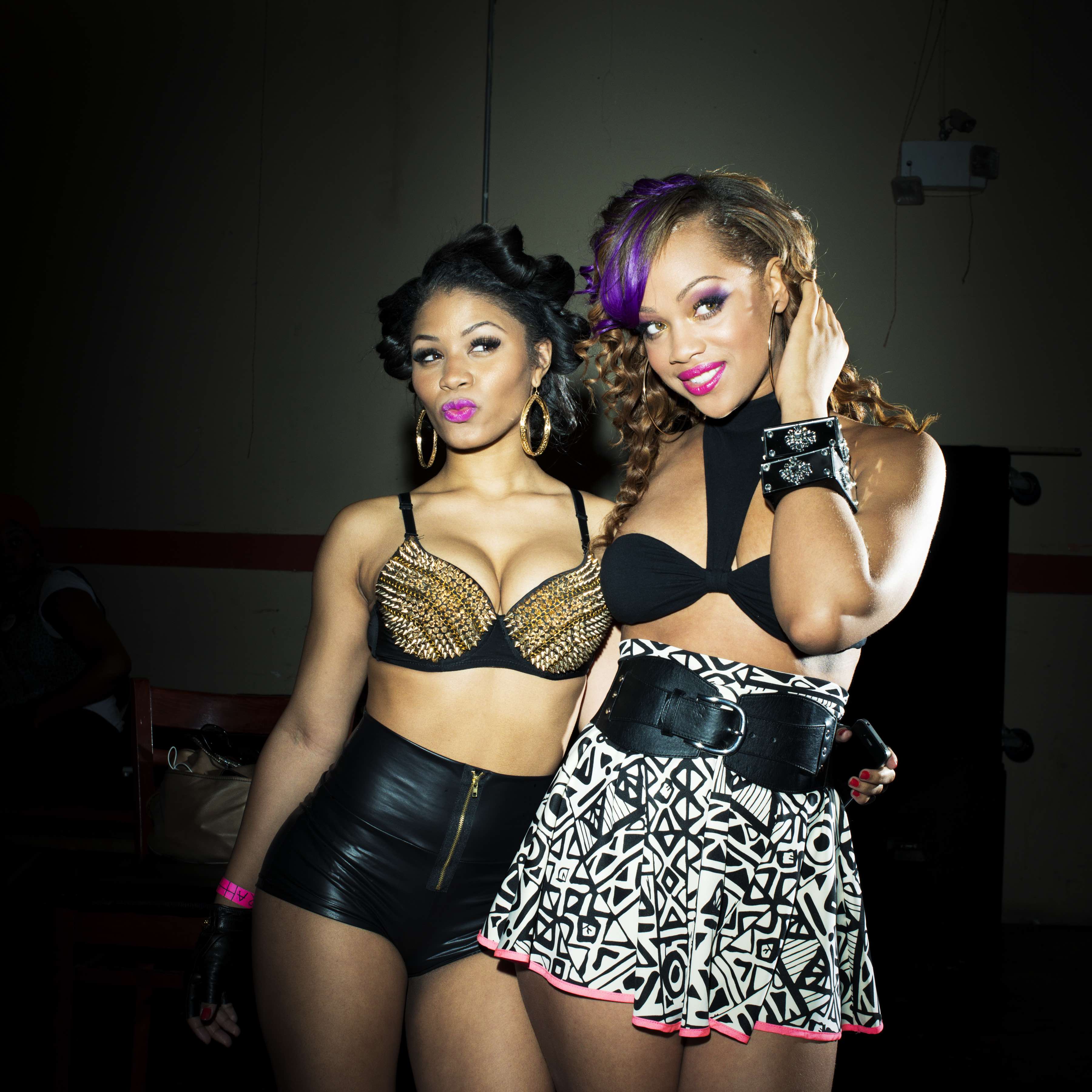
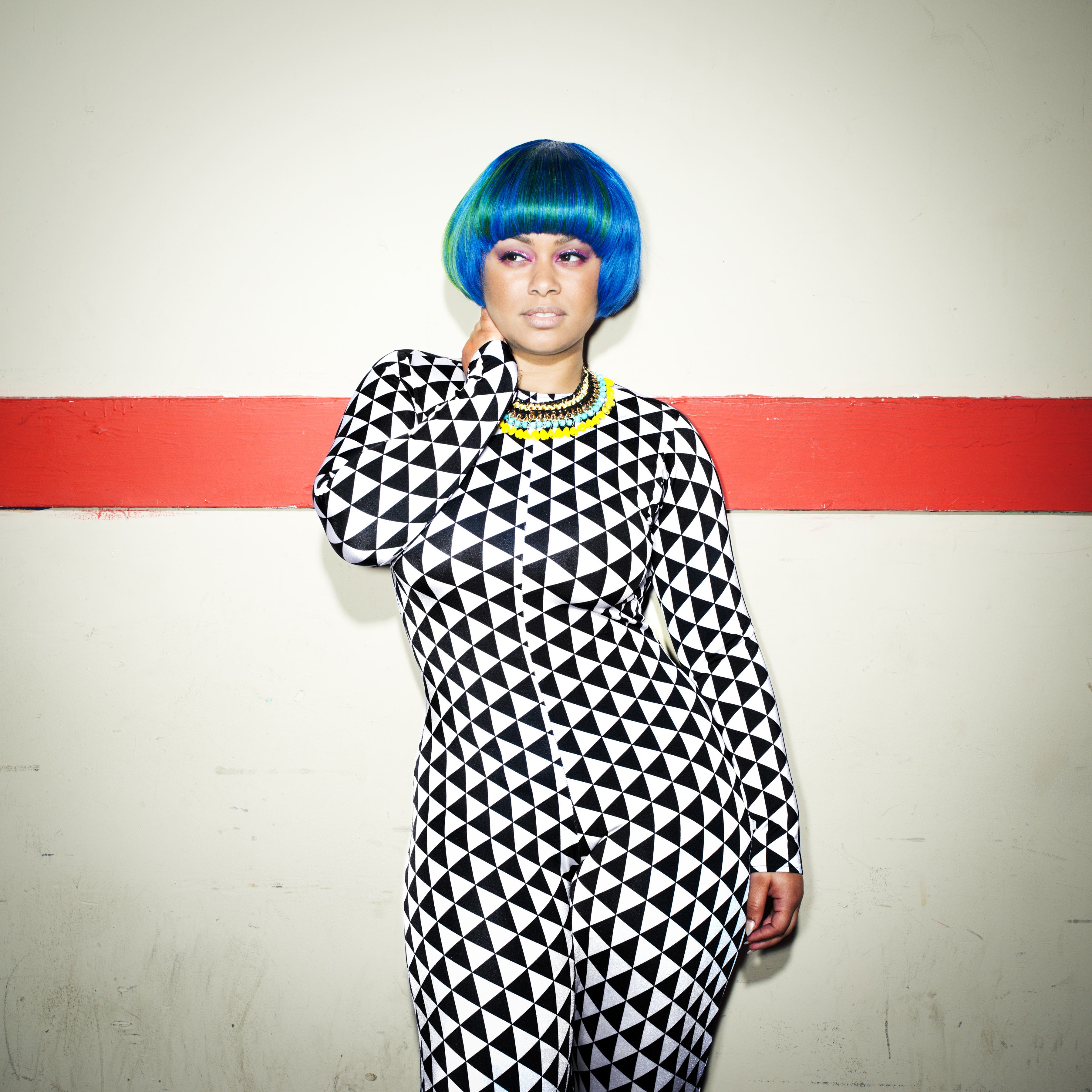
Brian Finke’s Hip Hop Honeys is out now on PowerHouse Books.
Follow Miss Rosen on Twitter.
Enjoyed this article? Like Huck on Facebook or follow us on Twitter.
You might like

Landmark new exhibition is celebrating 50 years of female punk
God Save the Queens – The Museum of Youth Culture is bringing together rare photography, archive material and a one-night-only supergroup featuring members of X-Ray Spex, The Slits and The Raincoats.
Written by: Ella Glossop

Cristale: “Living in London taught me to be grateful”
What Made Me – In this series, we ask artists and rebels about the forces and experiences that shaped who they are. Today, it’s Brixton-born rapper Cristale.
Written by: Cristale

Halcyon, end of summer days in ’80s Massachusetts
Bell Pond — Stephen DiRado’s new photobook is a nostalgic look at blissed out moments of young love, family and coming of age at a swimming pond in Worcester, Massachusetts.
Written by: Miss Rosen

Photographing America’s 20th century rebels
Rebels With a Cause — A new monograph looks back at Jean-Pierre Laffont’s extensive archive documenting counterculture, art, activism and more, shaping the country as it is today.
Written by: Isaac Muk

Hak Baker: “Being a lad is dreaming of a decent life”
Hard Feelings — The East London storyweaver joins our column on masculinity and fatherhood to chat about being raised by his mother, his family of friends, and the momentary bliss of the sesh.
Written by: Robert Kazandjian

The groundbreaking photography of Gordon Parks
Voices in the Mirror — A new exhibition dives deep into the legendary lensman’s archive, who captured the Civil Rights Movement and Black America like no other.
Written by: Miss Rosen


