Vintage summertime shots of Staten Island
- Text by Miss Rosen
- Photography by Christine Osinski

In 1982, photographer Christine Osinski and her husband experienced the first wave of gentrification that would come to destroy New York. A real estate developer bought the downtown Manhattan building that they called home and priced them out, forcing them to move to Staten Island – a place which has long been considered the city’s “forgotten borough.”
“When you take the ferry, it’s like you are leaving the city behind,” Osinski says. “Staten Island was a place you weren’t noticed and people left you alone. There was a sense of being surrounded by water and being far away from things.”
To acclimate to her new environment, Osinski set out to take photographs of locals on the streets during the summers of 1983 and ’84. The photographs, now on view in Summer Days Staten Island, capture a chapter in New York history that has all but disappeared.
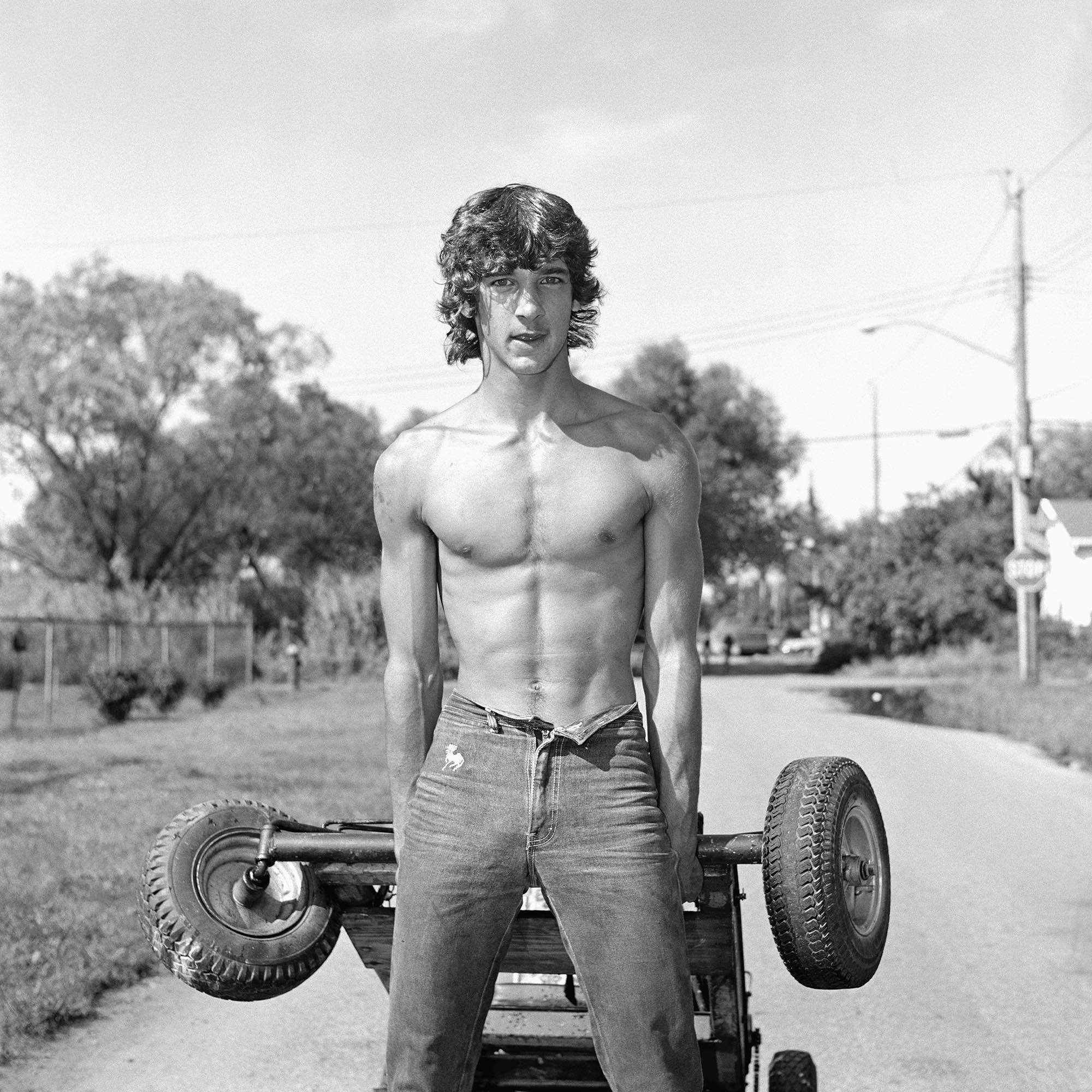
Young Man Pulling a Go-Kart
“It was a time in New York City cars were set on fire. You would see burned out or stripped cars, rusted cars with the windows broken everywhere,” Osinski remembers.
“A lot of the neighbourhoods I photographed were poor and working class. Kids were out of school, roaming around trying to find things of interest. There wasn’t much to play with. They didn’t live near playgrounds or have toys, but they would climb trees, throw a rope, and swing back and forth. There was a certain inventiveness back then. Everything was analogue.”
Osinski set out every day with a large format 4 x 5 camera, telling herself, “All I need is one good picture.” She succeeded despite the anxiety she often felt interacting with strangers.
“I didn’t know any of these people and they didn’t know me,” she says. “I felt nervous but because I was carrying a big camera. I didn’t talk that much. Our interactions were relatively quick. I was concentrating on making the photographs and was working alone.”
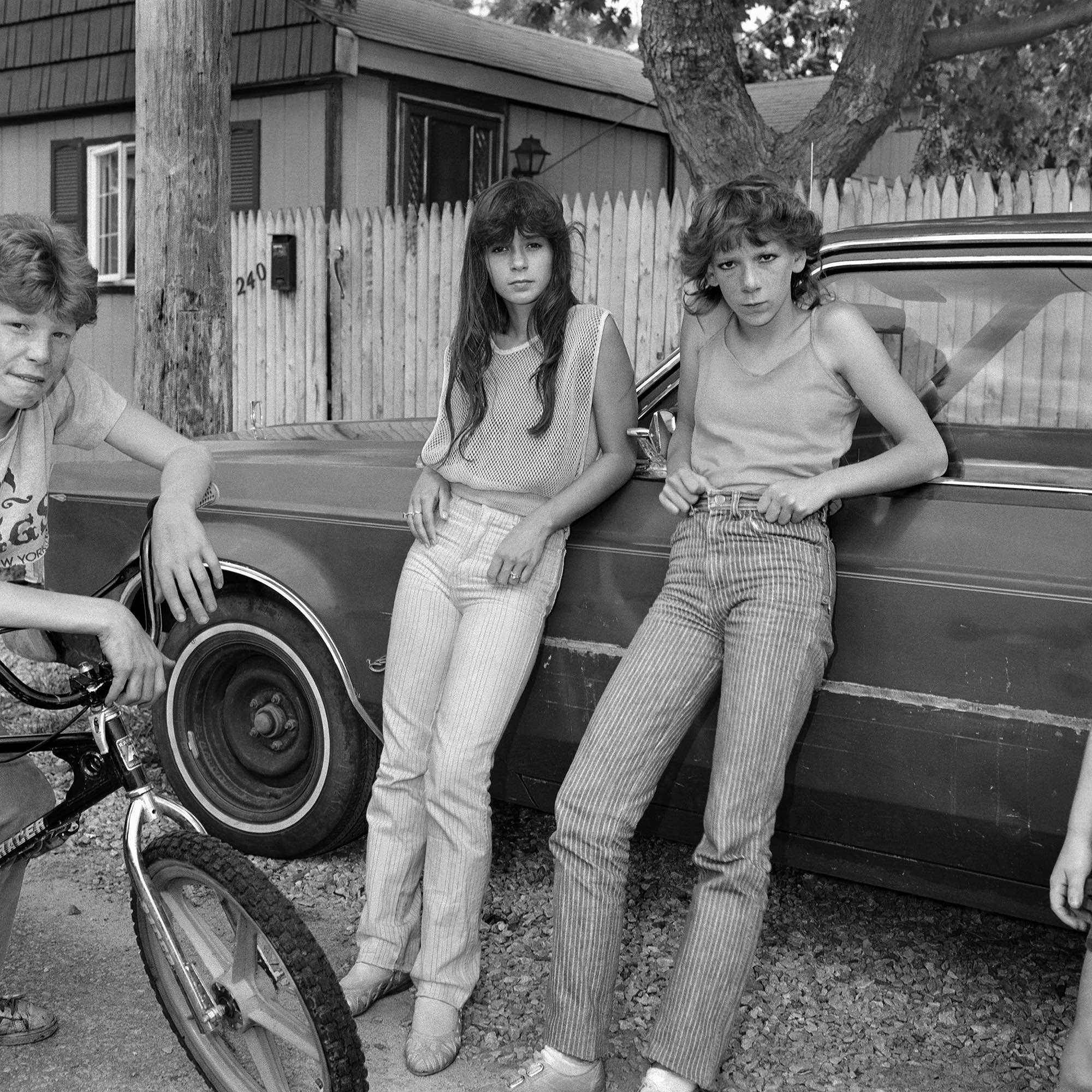
Two Girls with Big Wheels
“It was a goldmine. I found the people and the situations really interesting. There was so much pressure in Manhattan to be cool. Not that these kids didn’t try to be cool, but it surprised me that it was such a time warp. Everyone seemed fascinating to me. There were a group of children in South Beach that I photographed more than once. Everyone else I photographed once and never saw again.”
Hailing from the South Side of Chicago, Osinski felt at home among the kids she encountered in the blue-collar neighbourhoods: “For me, it was like reclaiming my own childhood. There were people I photographed who were definitely types of people I knew growing up.”
Staten Island, it has often been said, is more like the rest of the United States than it is like New York. Osinski’s photographs highlight those differences, and remind us that the boroughs have always had their own style outside of Manhattan’s cultural hegemony.
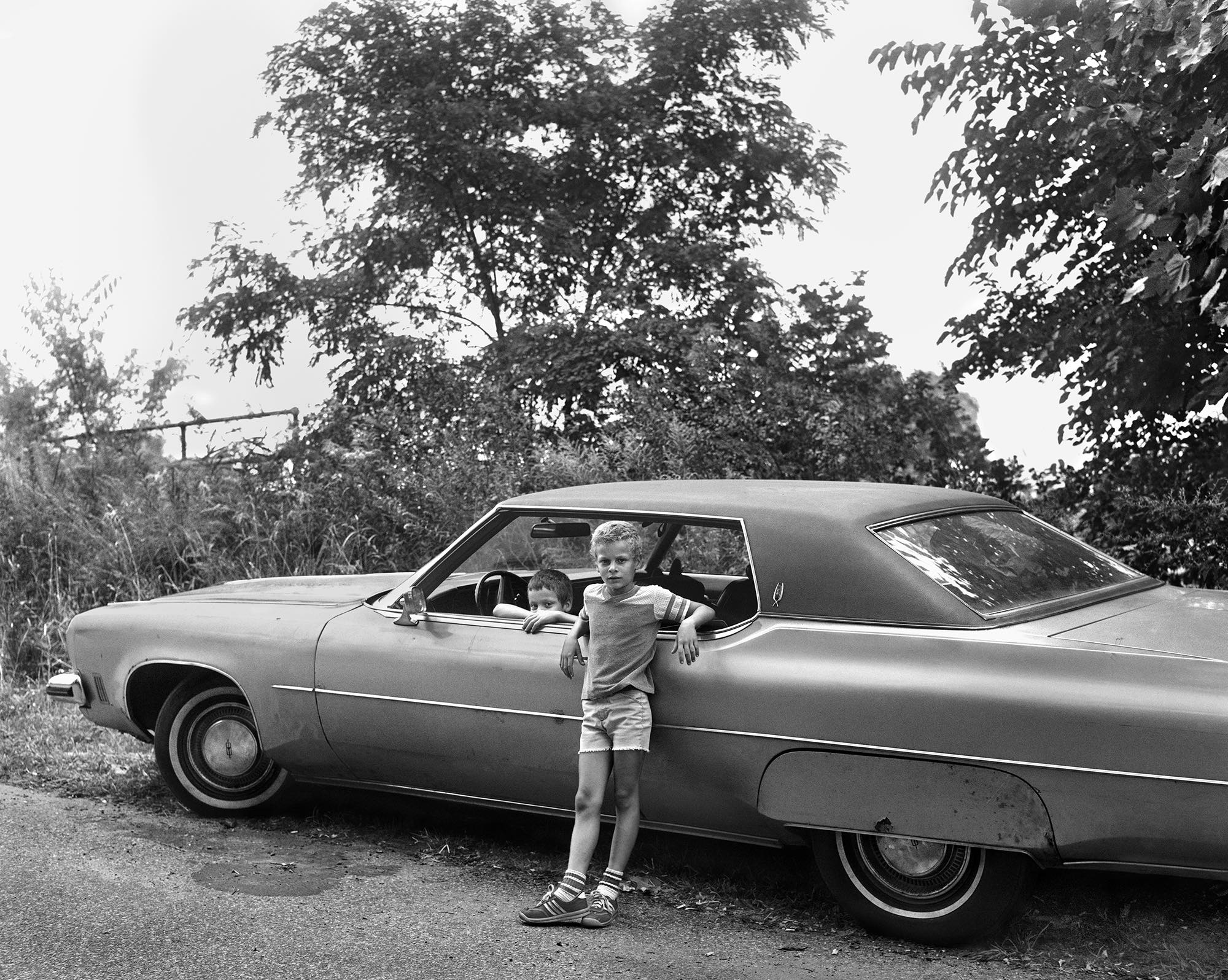
Two Boys with Automobile
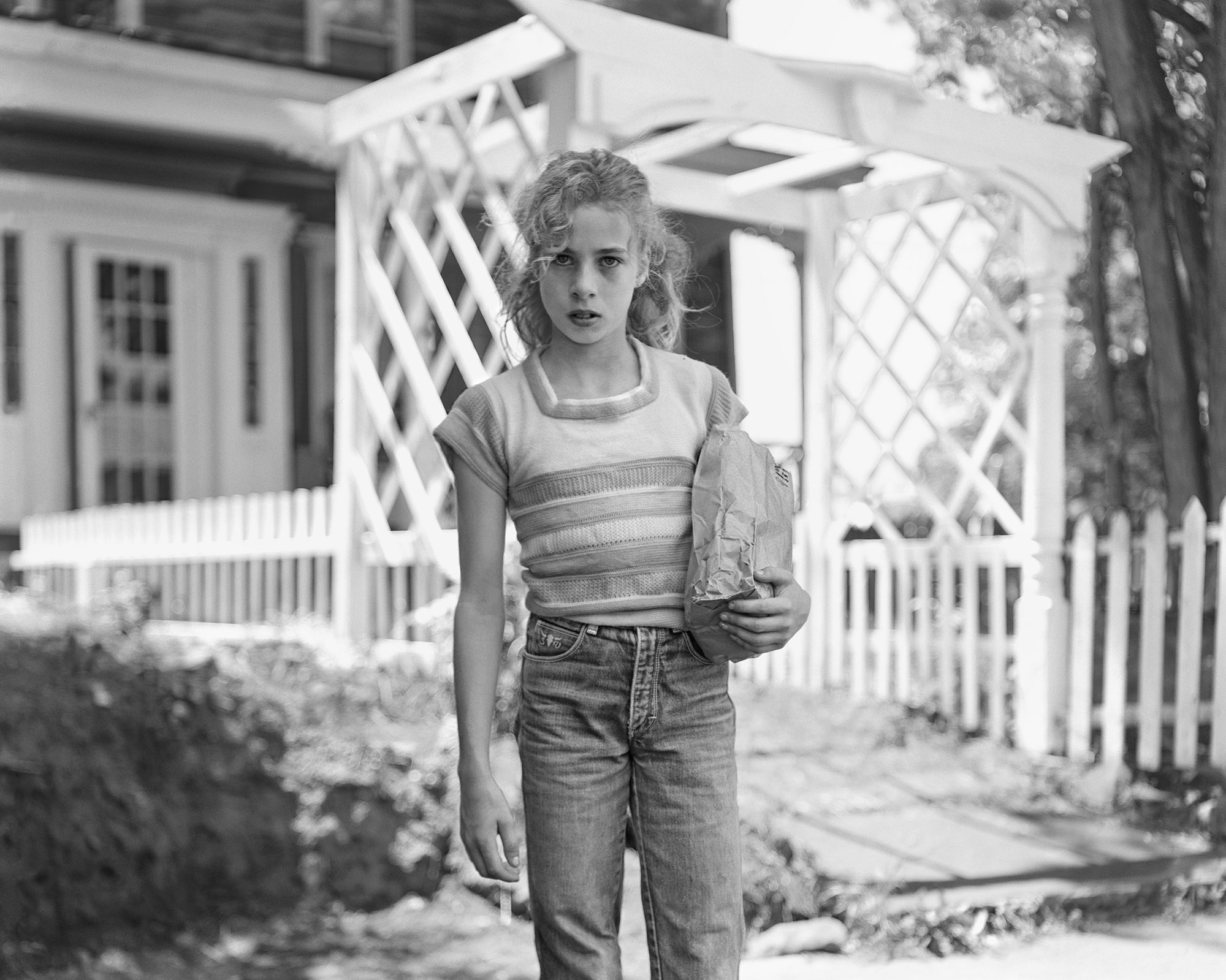
Girl Holding a Paper Bag
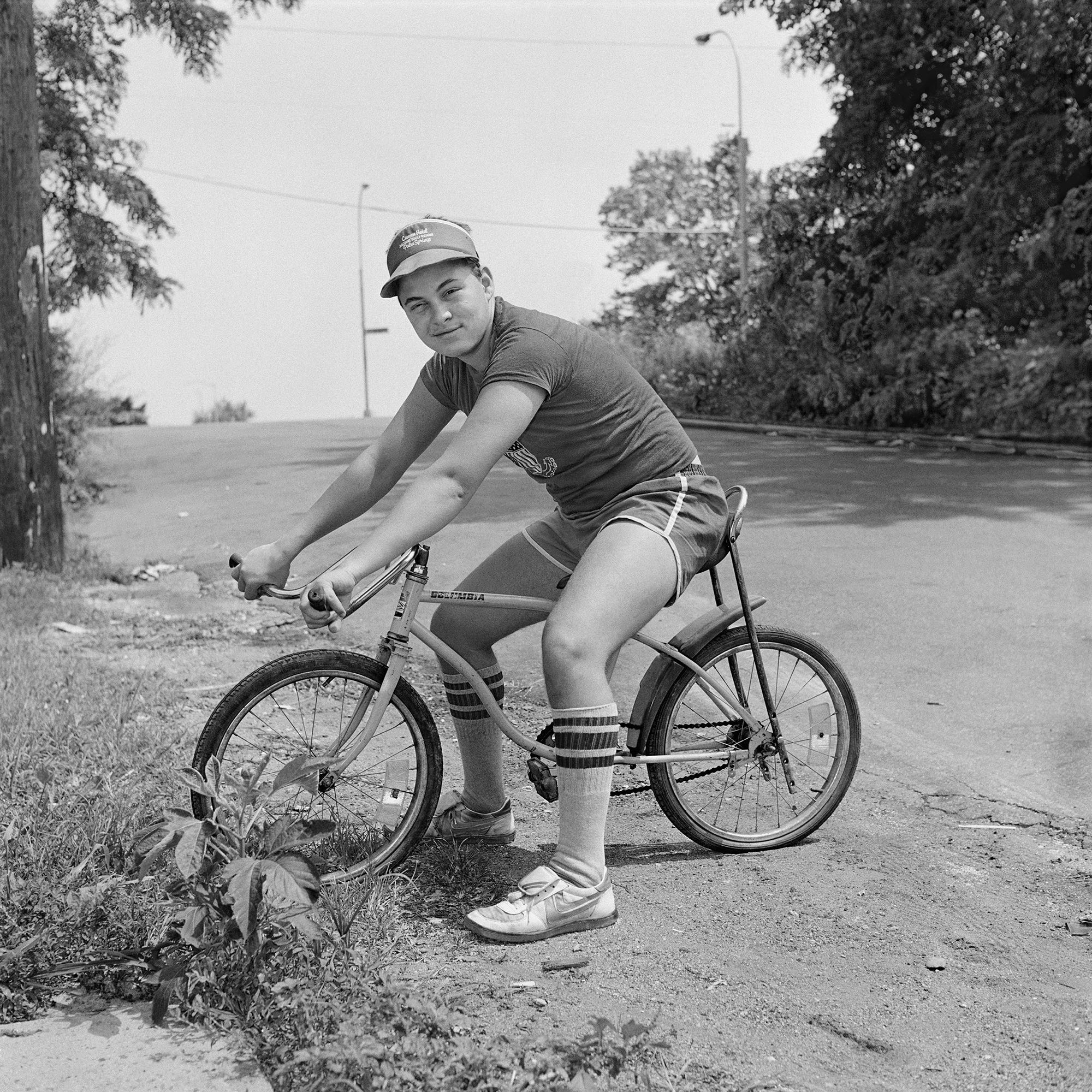
Boy Leaning over a Bike
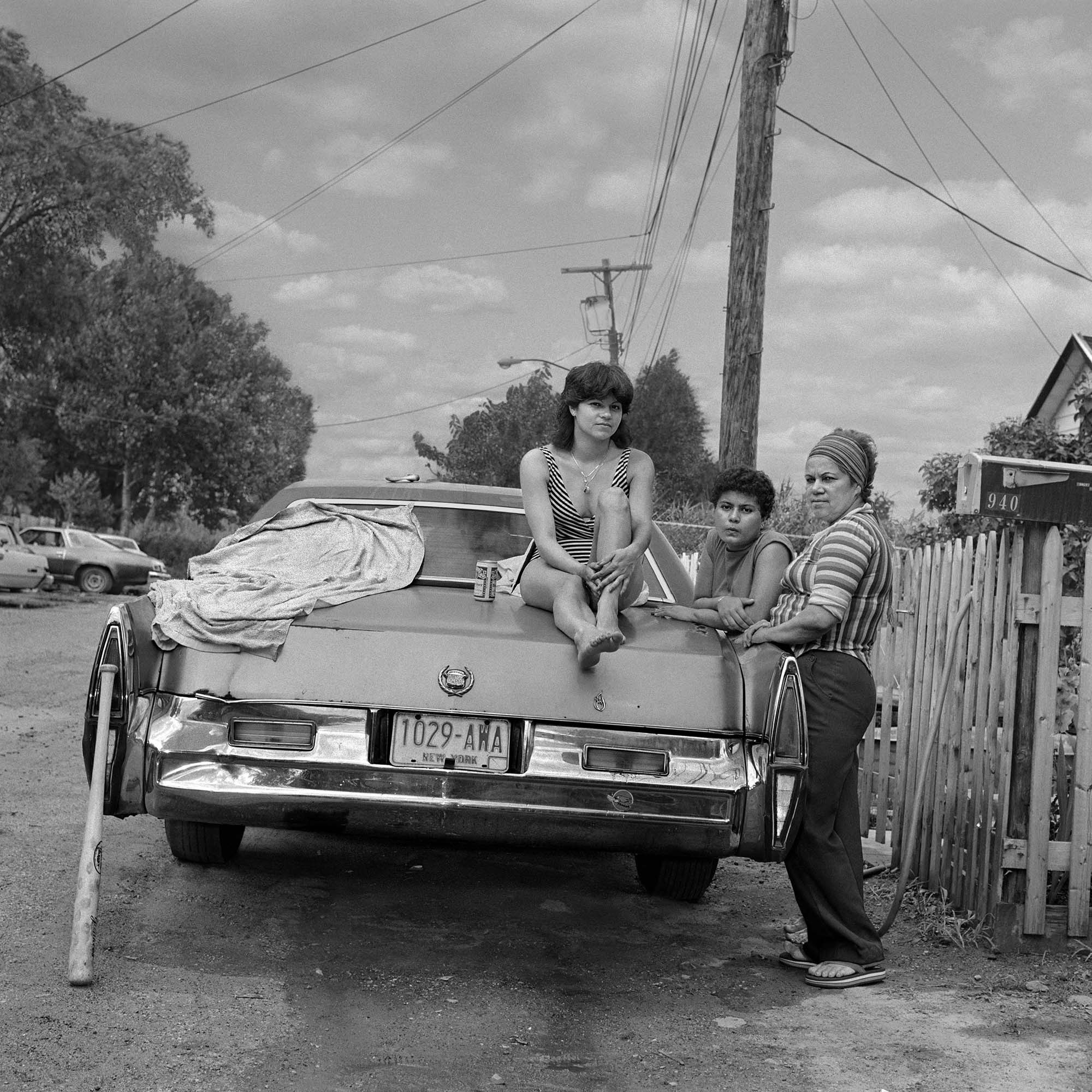
Three Women with a Bat
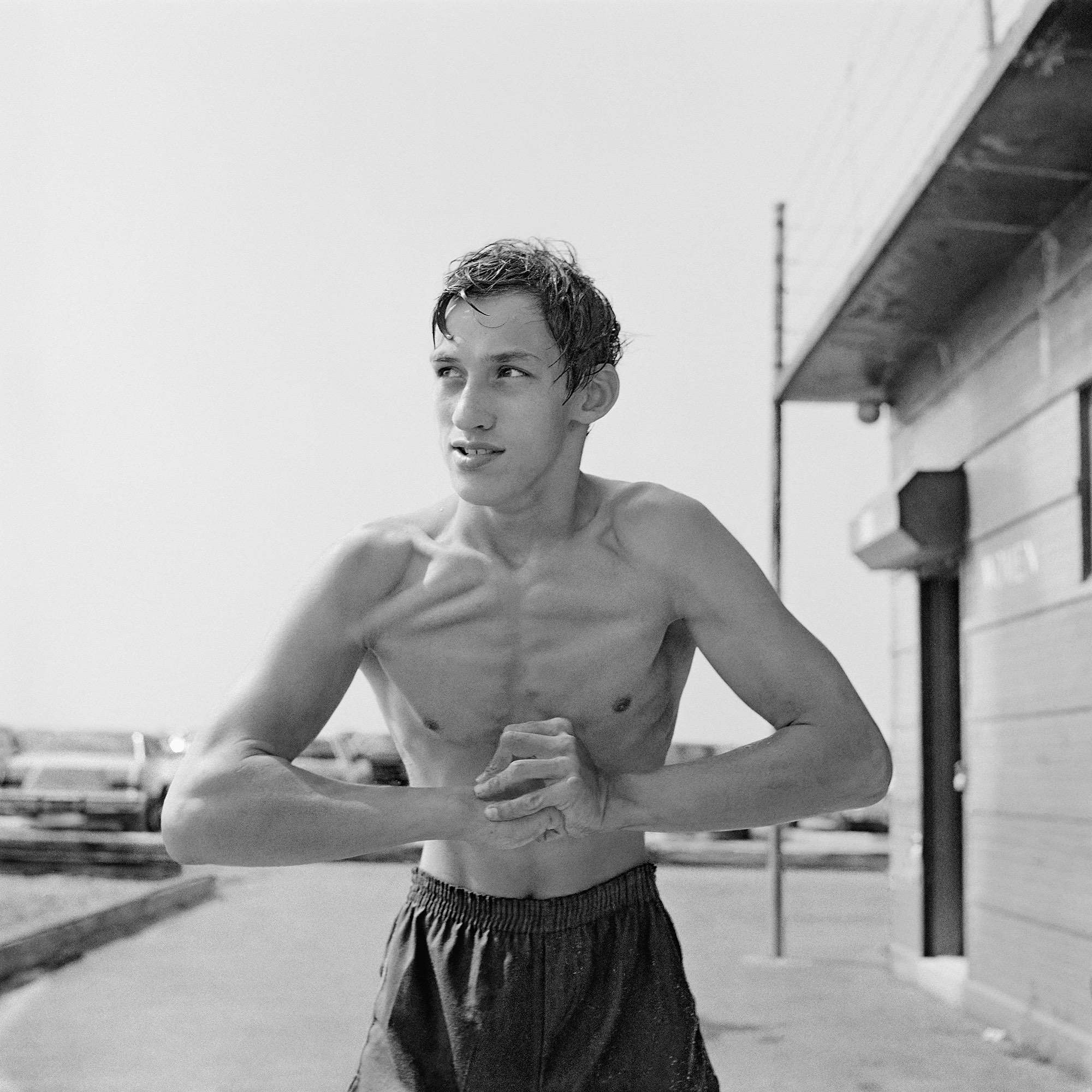
Boy Flexing
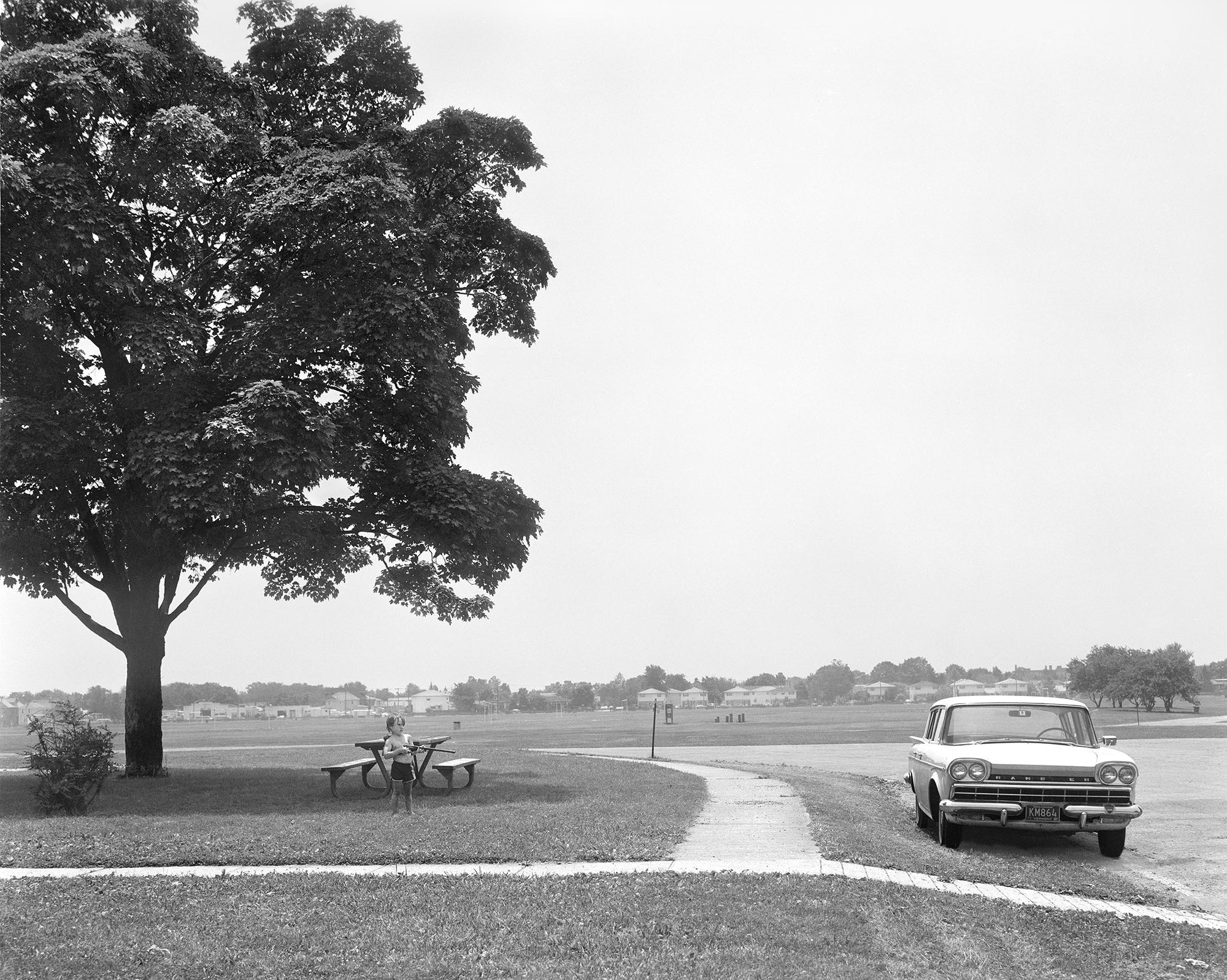
Boy Pointing Rifle at a Car
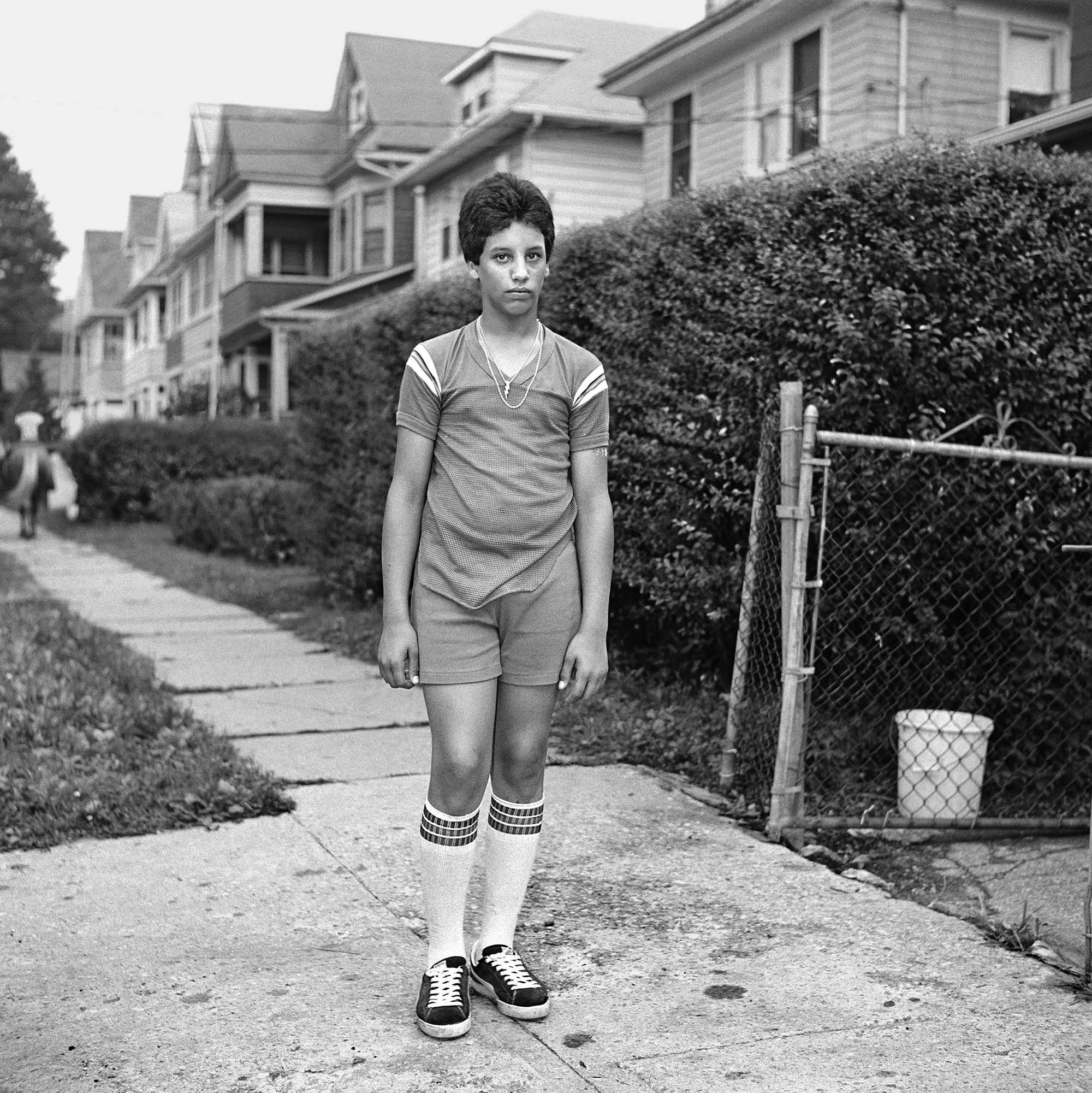
Preteen
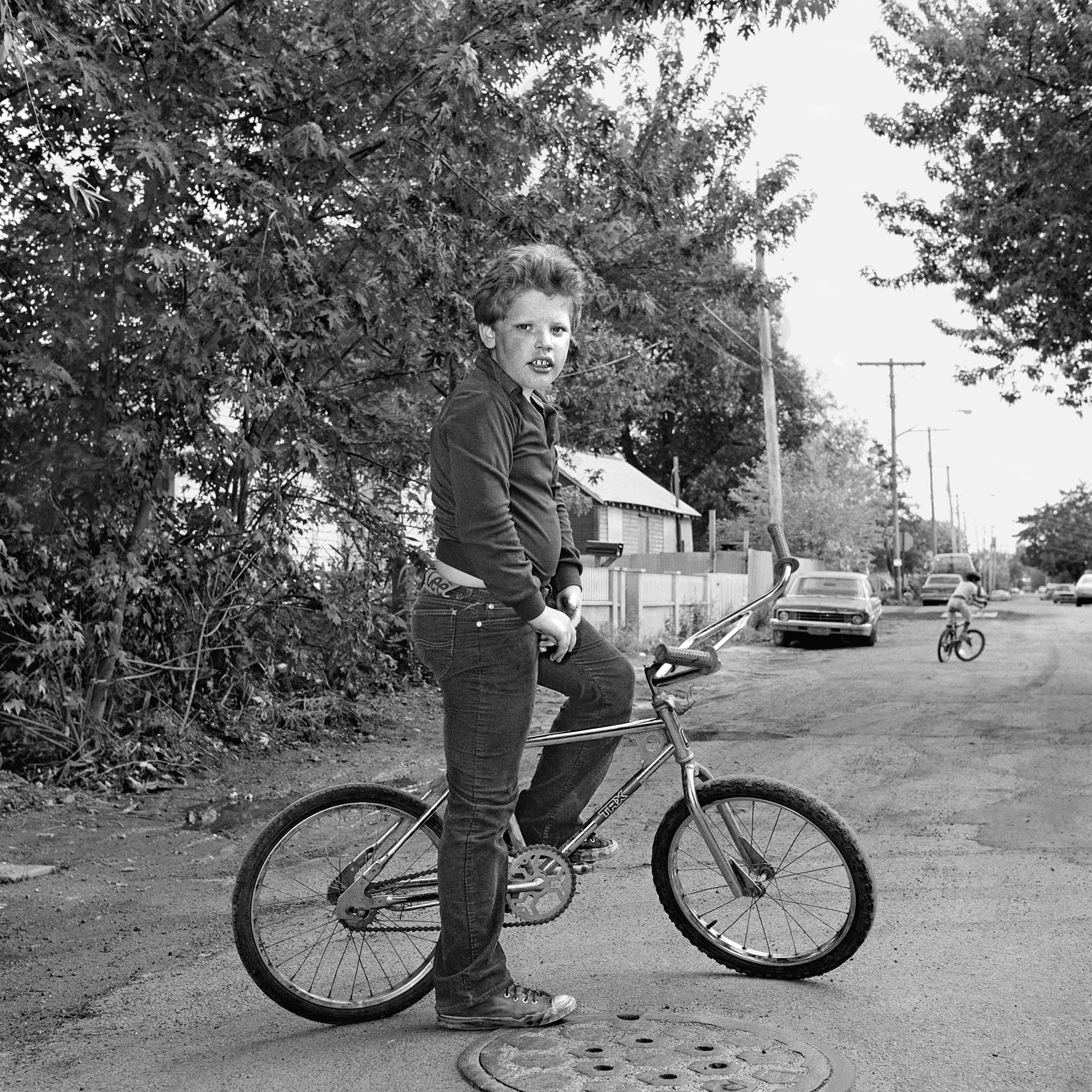
Boy on a Bike
Christine Osinski: Summer Days Staten Island is on view at Joseph Bellows Gallery in La Jolla, California, now through August 23.
Follow Miss Rosen on Twitter.
Enjoyed this article? Like Huck on Facebook or follow us on Twitter.
You might like

Photographing America’s 20th century rebels
Rebels With a Cause — A new monograph looks back at Jean-Pierre Laffont’s extensive archive documenting counterculture, art, activism and more, shaping the country as it is today.
Written by: Isaac Muk

The groundbreaking photography of Gordon Parks
Voices in the Mirror — A new exhibition dives deep into the legendary lensman’s archive, who captured the Civil Rights Movement and Black America like no other.
Written by: Miss Rosen

A chaotic portrait of an ’80s American farming family
Holy Cow! — Melonie Bennett grew up on a farm in Maine in the ’80s, and documented her family’s idiosyncratic daily life. She presents those humorous, everyday memories in a new exhibition and photobook.
Written by: Miss Rosen

Nick Danziger’s striking vision of everyday British life in the ’90s
The British 1994-1999 — The renowned photojournalist returned to his birth country on the cusp of the Millennium, capturing its contradictions with humour and wit.
Written by: Miss Rosen

Exploring girlhood and land ancestry in Sudan’s cotton fields
Cotton Queen – A new feature debut from filmmaker Suzannah Mirghani explores the legacy of colonialism and the fight for self-determination through the tender eyes of a teenage girl.
Written by: Roxana Diba

Portraits of gay bears through a rooftop hatch
Big Boys On My Roof™ — Growing up, Anthony Stockdale struggled with his love for bigger men. His new photo series celebrates the bear community.
Written by: Anthony Stockdale


