The queer Russian couples refusing to apologise for their love
- Text by Biju Belinky
- Photography by Anna Milokumova

It’s a well-known fact that being LGBTQ in Russia is far from easy. With a staggering 85% of the population declaring to be against gay marriage (as of 2013), queer people are continuously forced to deal with the very real threat of brutality – be that at the hands of one of Putin’s allies and his concentration camps in Chechnya, violent homophobic gangs targeting young people through dating apps, or Russia’s own state-sanctioned, oppressive police.
Still, as it is the tradition of queer people all over the world, they resist. Both openly as activists speaking truth to power, but also privately – daring to be happy and thrive in a society so keen to see them fail, recoil in fear and be eaten by guilt. In Russia, as terrifying as it is, existence is resistance.
Photographer Anna Milokumova started documenting Russia’s gay community at the age of 19, through the man who would become her best friend. Coming from a strict, religious Russian family, Anna recalls never having met an openly gay person before him – but this friendship opened her eyes to a whole new perspective on the world.
She then decided to shoot this series of images. Entitled We Are Together, they offer a glimpse into the everyday lives of some LGBTQ couples who live and love together, despite the hostile environment they find themselves in.
With the Russian federal law against “disseminating gay propaganda” to “protect the children” still in place, and persecution being rife, many of Anna’s subjects chose not to show their faces for their own safety.
However, every single one of the couples was more than happy to share their feelings for each other – love and mutual respect above all.
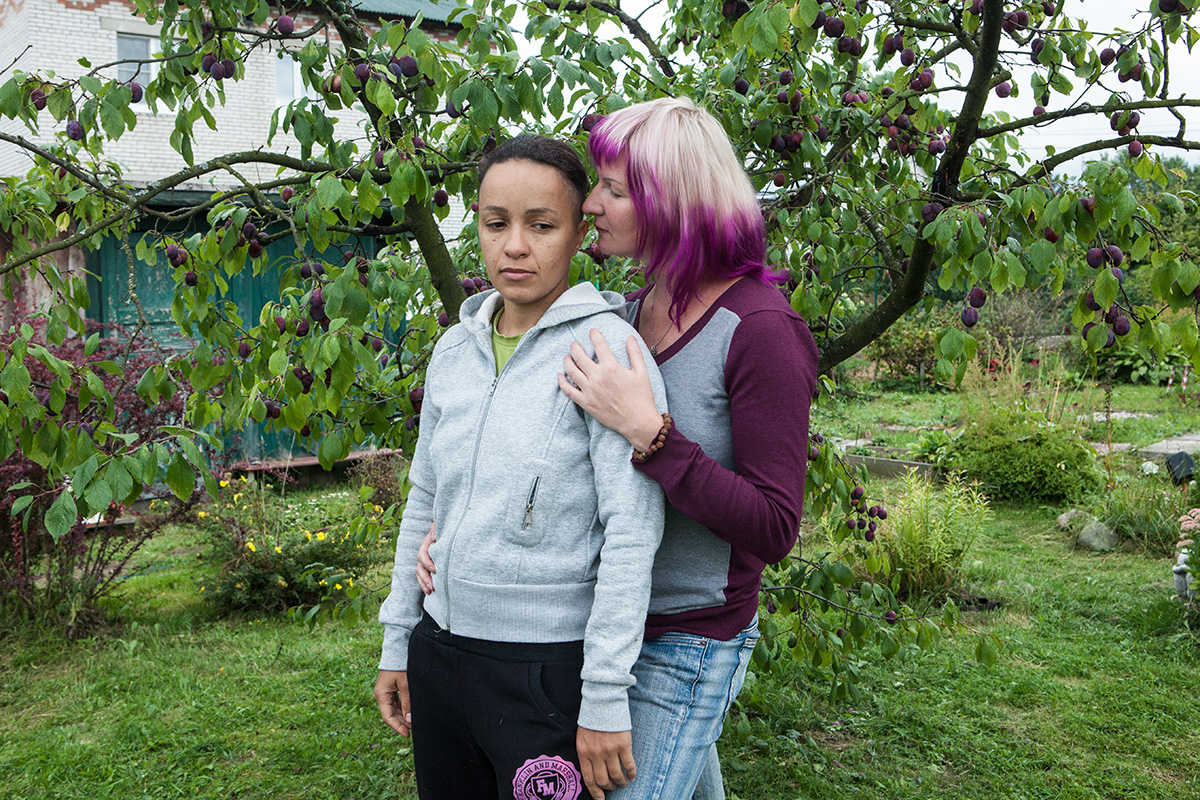
Yana, 34, and Svetlana, 43.
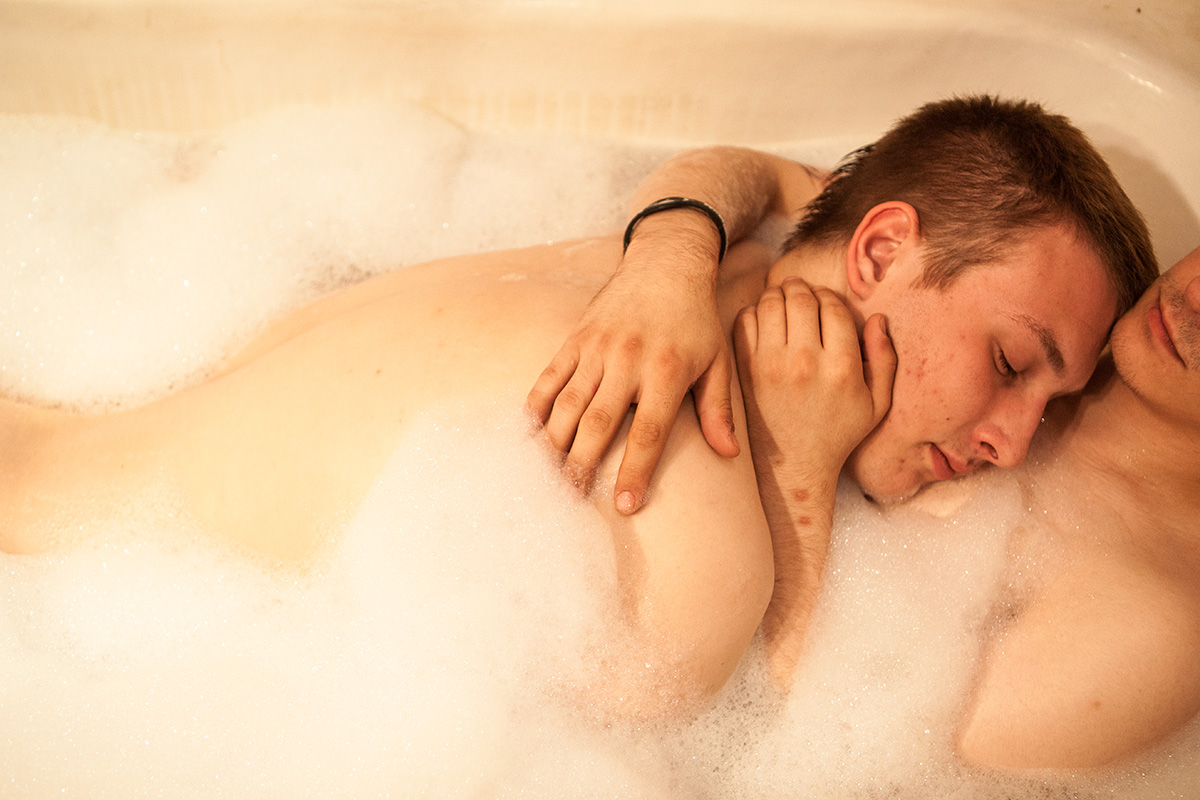
Maxim, 26, and Eugine, 34.
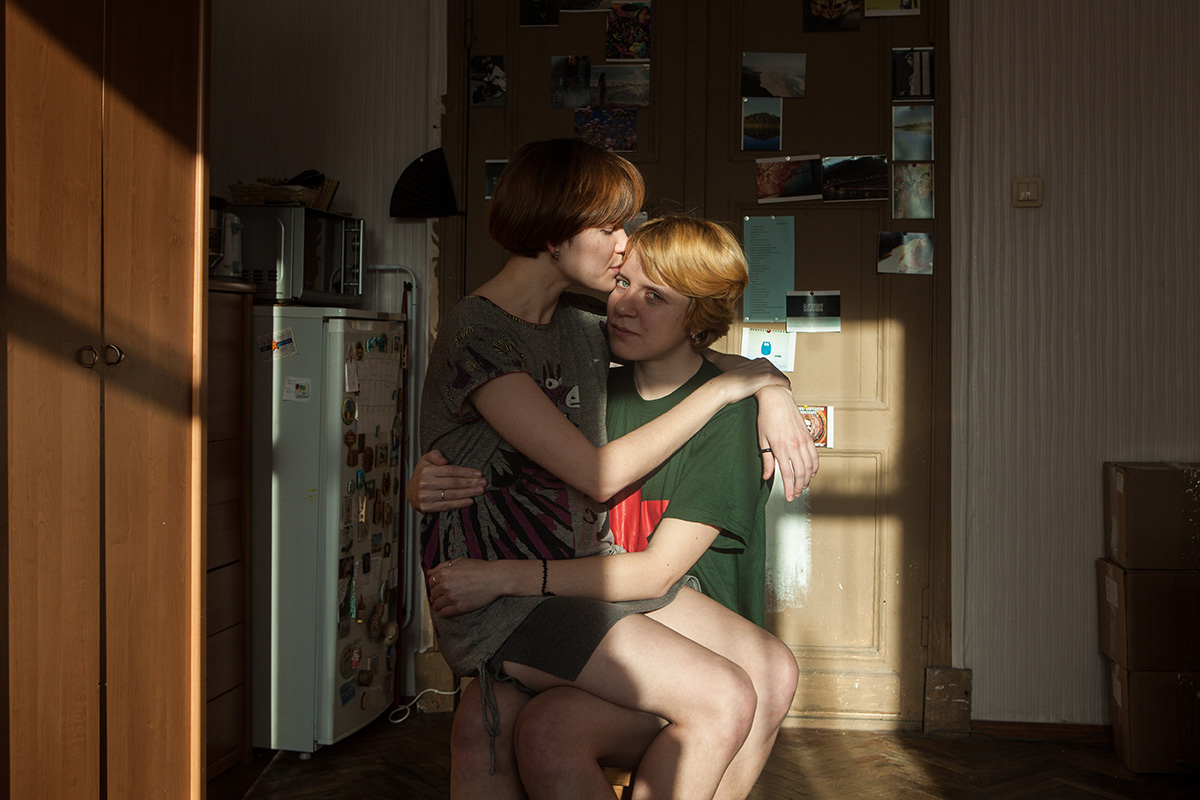
Polina, 22, and Tasya, 23.
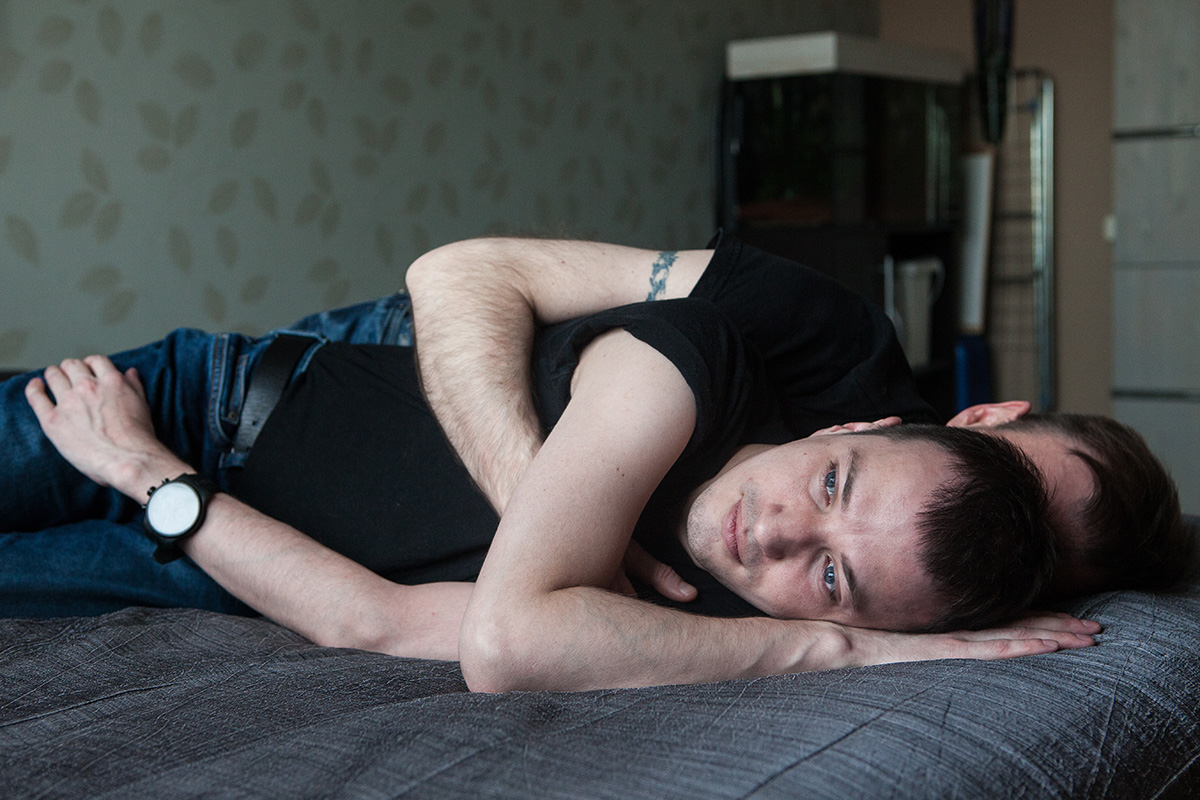
Alexander, 28, and Eugine, 41.
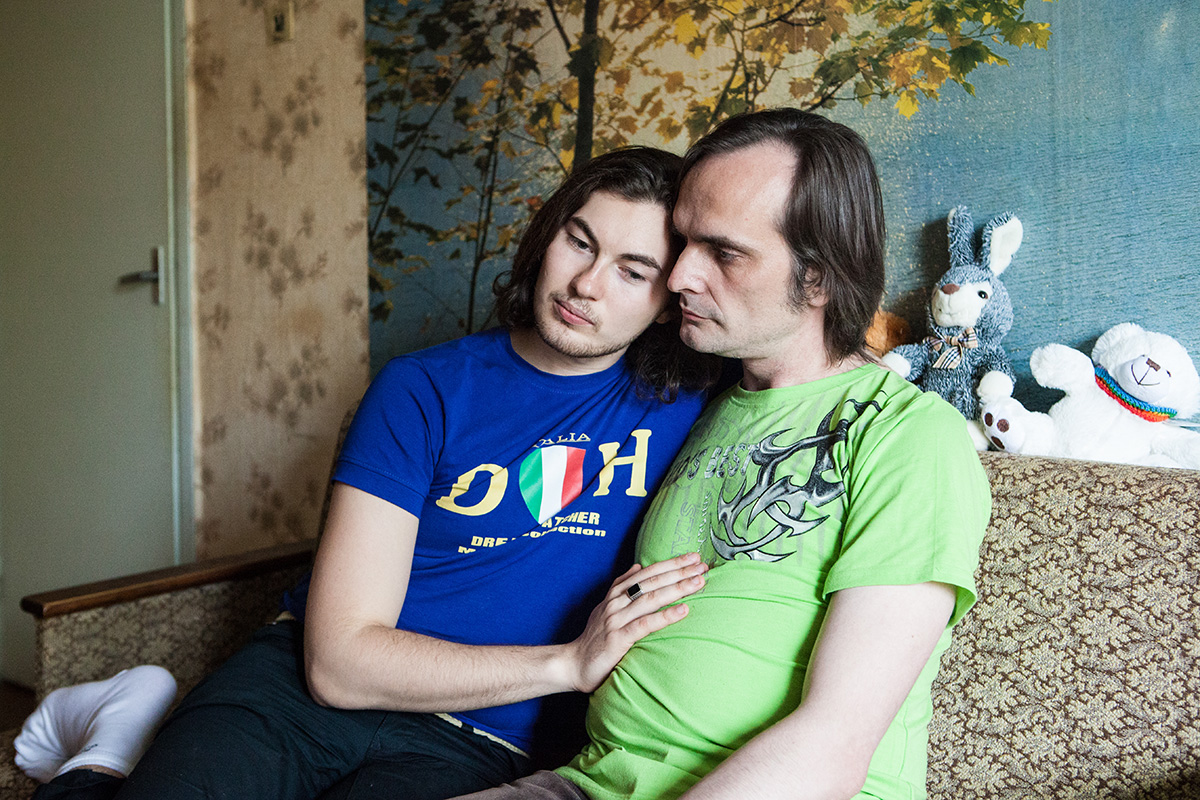
Kirill, 25, and Igor, 46.
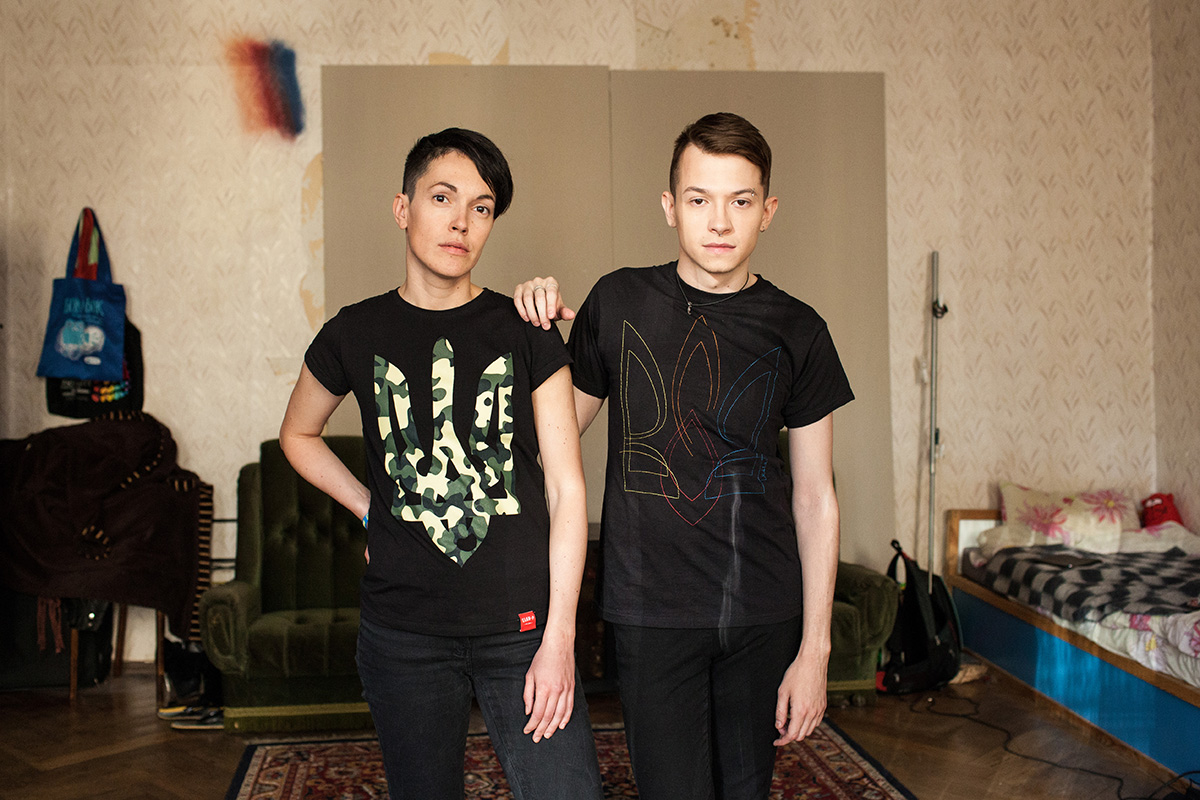
Dante, 34, and Maxim, 26.
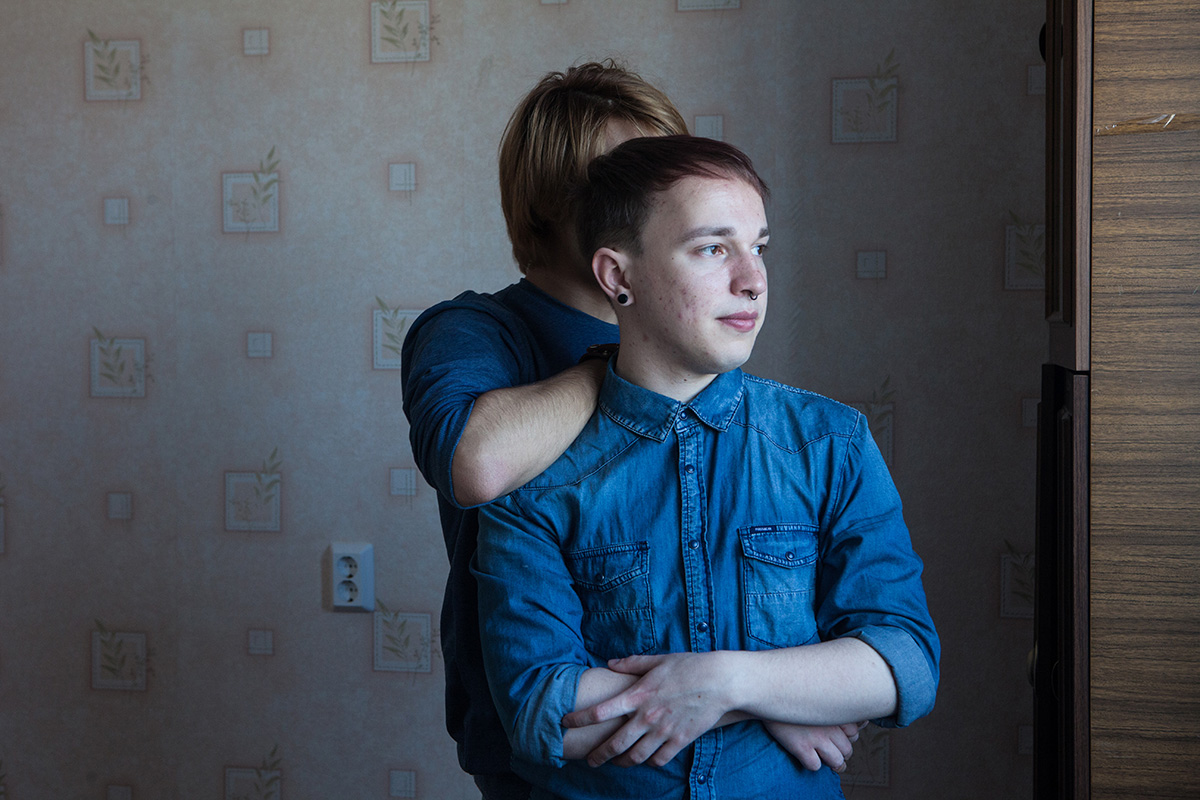
Eugine, 21, and Roman, 17.
Enjoyed this article? Like Huck on Facebook or follow us on Twitter.
You might like

Jesse Glazzard’s messy portrait of queer friends, lovers and chosen family
The Sound of Dirt and Beauty — The photographer’s debut monograph explores tender, unpolished moments shaped by the people who he surrounds himself with, while offering a window into the UK’s working-class LGBTQ+ community.
Written by: Sunny Sunday

Behind the curtain at Alternative Miss World 1981
Olympia glamour — Running a subversive take on the traditional beauty pageant, the Andrew Logan organised event prioritised underground creativity and invention. Photographer David Corio went behind the scenes at its biggest edition.
Written by: Miss Rosen

New exhibition highlights British radical living over 200 years
Earthly Paradise — Taking place at the William Morris Gallery, it explores the homes and lives of artists, writers, musicians and more, as well as the conditions that allowed them to thrive.
Written by: Isaac Muk

What life on the Strait of Hormuz is really like
Southern Winds — Bandar Abbas based photographer Morteza Niknahad has been capturing the diverse communities and stories of his local region since he first picked up a camera. His new series highlights the human impact of war.
Written by: Isaac Muk

Nick Haymes’s intimate portrait of his family’s life
Chronograph — Over 25 years, the photographer documented his son’s lives as they grew into adults. The resulting photobook is an exploration of the passage of time, as well as the optimism of youth.
Written by: Miss Rosen

Kristina Rozhkova’s scatty, confronting portrait of captivity
Gut Feeling — The Russian artist’s 2024 arrest and subsequent detention opened her eye towards the omnipresent dynamics of power and control. Her new photobook is a stark exploration of being trapped.
Written by: Isaac Muk


