We must shut off the war machine’s influence from our arts and culture
- Text by Samuel Sweek
- Photography by Shutterstock

The Israeli bombardment of Gaza now is in its sixth month and the civilian death toll now sits at over 33,000.
Every single day, we see new images of the horror that continues to unfold, and hear stories of utter devastation from life under siege now lived by millions of Palestinians. From the lifeless bodies of children pulled from the rubble of their homes, to the harrowing stories of limbs amputated and surgeries performed without anaesthetic.
The US and UK government policy, as well as that of their respective so-called opposition, has largely been to claim that there is a proportionality to the Israeli assault, an even-handedness to the brutality happening before our eyes.
“I believe they do have that right” were the words used by Labour leader, Sir Keir Starmer, in response to Israel cutting power and water supplies into Gaza.
It is the moral disgrace of the majority of our elected politicians that has served as a death sentence for thousands of Palestinians — but also a sickening opportunity for vulturistic profiteering by arms manufacturers.
For arms manufacturers, peace is simply not profitable. It is why they spend hundreds of millions of dollars every year lobbying US government officials — a small price to pay for a multi-billion dollar return on their investment.
It is worth noting that Israel has received more U.S. military aid than any other country since WW2. These bombs and munitions passed through the Senate and are used by Israeli forces in the systematic killings of Palestinian civilians, as well as medics, journalists and aid workers to this day. Since the events of 7 October President Joe Biden has publicly approved two major military sales to Israel, amounting to over $250 million.
Once signed off by US and UK politicians, these bombs do not just appear in Israeli hangers. There is a complex web of people, companies and industry involved in the production, procurement and funding of deadly weapons used to level places like Gaza. It may come as no surprise that these companies would like us to forget about their involvement in these horrors.
The whitewashing of those bankrolling wars around the world is perhaps more subtle than the greenwashing of fossil fuel giants, but it is equally grotesque.
That is why we have launched Art Against The Arms Trade: to ask the UK’s music festivals to cut their ties with the financiers of the devastation in Gaza. The list of those responsible runs long, but we’re starting with one of the biggest offenders — Barclays bank.
Though Barclays claims it is “committed to respecting human rights and that it carries out enhanced due diligence in the defence and security sector”, research by Palestine Solidarity Campaign uncovered that the bank holds over £1 billion in shares, and provides over £3 billion in loans and underwriting to 9 companies whose weapons, components and military technology are being used by Israel.
It is not unreasonable for UK festival go-ers to say that they want to be able to enjoy live music without the unintended consequence of supporting massacres around the world. Without dismantling the manufactured consent the partnerships between global arms companies and our cultural institutions imply, we will remain trapped in a cycle of complicity in some of the worst atrocities imaginable.
It is time for music lovers to make their voices heard. Growing numbers of artists have already taken against arms manufacturer whitewashing too.
Last month’s SXSW showcase saw many artists, including all Irish artists scheduled to perform at venues across Austin, drop out of planned performances due to the festival’s links to Raytheon and “super sponsors” the US Army.
The example set by the artists who pulled out of SXSW is inspirational and will hopefully be a significant moment in the fight against the toxic influence of the global arms trade in our arts and culture.
These artists, many making below minimum wage, should not have to ignore the role parts of the music industry play in laundering the reputations of companies like Barclays to be able to make enough money to survive.
That is part of what made the SXSW walkout so powerful. But we cannot expect the weight of action to be born by those with the least, after all, principles don’t pay rent. Festival organisers must follow the example of artists like Lambrini Girls, KNEECAP and Currls and end their partnerships with the arms trade, and those who fund it.
Without urgently addressing the concerns of thousands of festival go-ers and artists, the organisers of festivals such as Latitude, Isle Of Wight, Download and Brighton’s The Great Escape place themselves firmly on the wrong side of history.
With fans and artists leading the way, Art Against The Arms Trade calls on music festival organisers to stand with them on the side of humanity.

Write to the organisers of the festivals using the campaign’s new letter writing tool here.
You can find out more about Peace and Justice Project here.
Enjoyed this article? Follow Huck on X and Instagram.
Support stories like this by becoming a member of Club Huck.
You might like

The media must end its greenwashing of the Tories
Climate takeover — The UK media has a long history of failing to highlight the voices that really matter in the fight against the climate crisis – and this COP26 has been no different, writes Kimi Chaddah.
Written by: Kimi Chaddah
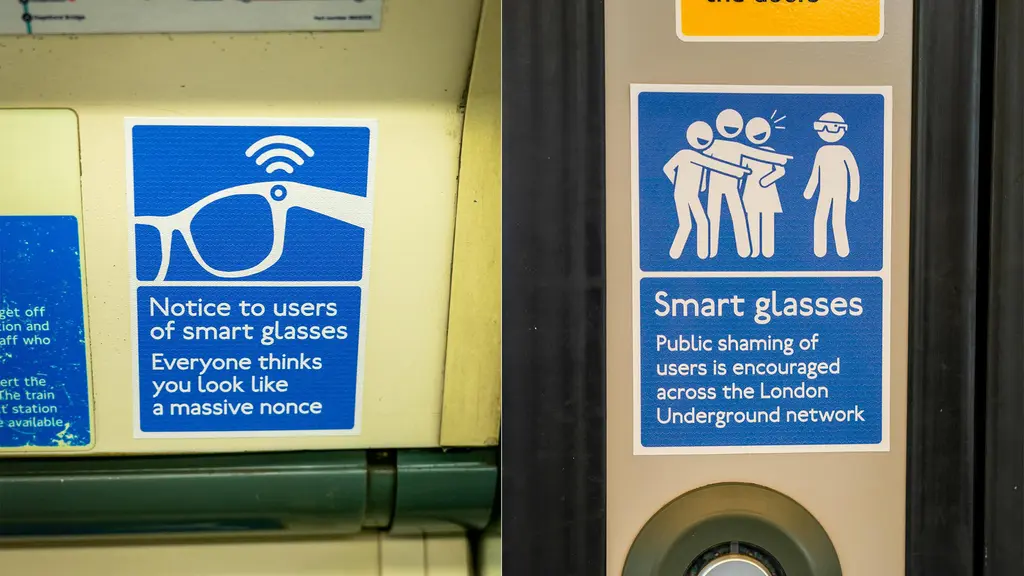
Activists slam “pervert glasses” in new guerrilla campaign
Everyone Hates Elon — Stickers have appeared on the London Underground network, criticising the wearable technology’s covert filming capabilities.
Written by: Isaac Muk

New exhibition highlights British radical living over 200 years
Earthly Paradise — Taking place at the William Morris Gallery, it explores the homes and lives of artists, writers, musicians and more, as well as the conditions that allowed them to thrive.
Written by: Isaac Muk

Pink Floyd’s Roger Waters joins team of new Palestinian resistance documentary
Freedom Theatre — Directed by Rishi Pelham, the film spotlights a theatre operating in the Jenin refugee camp.
Written by: Ella Glossop

Just Stop Oil holds first protest in 17 months
No new drilling — Having previously said that it was “hanging up the hi-vis”, the climate activist group has blocked a road outside Parliament to protest Andy Burnham opening the door for new oil and gas extraction licenses in the North Sea.
Written by: Ella Glossop

Julian Cashwan Pratt: “We fought security until the cops showed up”
Hard Feelings — The lead singer of Show Me the Body joins Rob Kazandjian’s column on fatherhood and masculinity to talk about mentors, scrapping Zionists at shows, and finally making his father proud.
Written by: Robert Kazandjian


