Why we will continue to hold companies to account for complicity with Israeli Apartheid
- Text by Lewis Backon
- Photography by Palestine Solidarity Campaign

Last Tuesday (12th December), we achieved a victory in our campaign to end corporate complicity in the violation of Palestinian rights: global sportswear brand PUMA announced that it will end its sponsorship deal with the Israel Football Association which saw them provide kit for the national teams.
In 2018, the global campaign was initiated by an open letter signed by more than two hundred Palestinian sports clubs urging PUMA to end their sponsorship deal with the Israeli Football Association (IFA), which is directly involved in creating the infrastructure for Israel’s colonisation of Palestinian land by coordinating football teams based in illegal Israeli settlements in the occupied West Bank.
The victory is a tiny bit of light in these incredibly bleak times. It comes as we bear witness to Israel’s genocidal assault on Palestinians in the besieged Gaza Strip, and its relentless attacks on Palestinians across their homeland. Like many of you reading, as we see the devastation unleashed by Israel’s assault, we are filled with grief and rage.
But this victory demonstrates that we are not powerless. The complicity of corporations in Israel’s oppression of the Palestinian people can, and will, be beaten.
Palestinians are continuing to stand strong in their struggle for freedom and justice, and they have called on us to take part in targeted campaigns against the complicity of governments, corporations and institutions as a vital way of showing solidarity. The BDS (Boycott, Divestment and Sanctions) movement, inspired by a long tradition of struggles against racism and colonialism using boycotts as part of their movements for social change, provides a strategy and a set of tactics for us to make a meaningful difference – targeting highly complicit companies through collective and coordinated campaigns until we win.
The campaign win is testament to the resolve Palestinian sportspeople who against all odds, continue their struggle for freedom and justice. This steadfast resolve is summed up by Aya Khattab, footballer for Palestine’s national team, who, in an article urging people to join the campaign against PUMA, said that “as a determined young Palestinian woman who has made pushing boundaries and overcoming obstacles a central part of my life, I won’t allow Israel’s system of oppression to prevent me from living my dream.”
Here in Britain, the Palestine Solidarity Campaign (PSC) led regular protests and actions at PUMA stores and stockists, and many of PSC’s branches in towns and cities across Britain organised local campaigns to deny PUMA lucrative contracts. In 2020, Luton Town Football Club dropped PUMA as its kit supplier after Luton PSC led a campaign calling on the club to end the deal. It is local actions, repeated across the country, and across the world which will continue to affect change.
Though PUMA deny our campaign had anything to do with their decision to end the sponsorship deal, what is allegedly a leaked internal memo in 2021 appeared to show PUMA’s senior management panicking about an increase in enquiries from “business partners and ambassadors” regarding its complicity in Israel’s settlement enterprise, which is one of the main components of its apartheid rule over Palestinians. PUMA’s 2023 AGM, which was dominated by pro-Palestinian protests, was marked by a telling slip-up: during his speech, the PUMA CEO stumbled into mentioning “BDS” (Boycott, Divestment and Sanctions, referring to the Palestinian-led movement against corporate complicity) when talking about PUMA’s Better Cotton Initiative (which has the acronym BCI).
This victory against PUMA sends all corporations a powerful message: if you choose to profit from Israel’s régime of oppression against Palestinians, there will be a consequence. You will face the force of a mass movement for justice, and we will win.
The boycott PUMA campaign demonstrates that targeted and sustained collective action against a complicit target, involving a diverse range of tactics — mass consumer boycott, digital disruption, protests, pickets and sit-ins — can force change. It shows that when we act together we can end Israel’s impunity.
As the British government licenses the export of weapons and military technology to Israel to be used in its war crimes; as politicians continue to refuse to call for a full and immediate ceasefire therefore greenlighting Israel’s massacres; and as corporations active in Britain continue to profit from Israel’s system of apartheid, we must keep taking action. Millions of people across Britain have taken to the streets in solidarity with Palestine over the past two months. Our movement has shaken Britain’s complicit establishment to the core. Inspired by our Palestinian siblings who continue to stand firm against Israel’s colonial violence, we must continue to grow our solidarity.
In Britain, we will continue to grow BDS campaigns, such as PSC’s campaign, run alongside War on Want and Campaign Against Arms Trade, targeting Barclays. Our research shows the Bank, who claim to give careful and appropriate consideration to working with arms companies, invests over £1 billion in companies supplying weapons and military technology to Israel, used in its assault on Palestinians.
There has never been a more important time for the millions of people who have become aware of what is happening in Palestine to get involved in the movement in solidarity with the Palestinian struggle for freedom. As this victory shows, together, we can make a difference.
Lewis Backon (he/him) is a Campaigns Officer at Palestine Solidarity Campaign, the largest organisation in Britain working in solidarity with the Palestinian struggle for freedom and justice.
Enjoyed this article? Like Huck on Facebook or follow us on Twitter.
Help ensure our future by becoming a member of Club Huck.
You might like
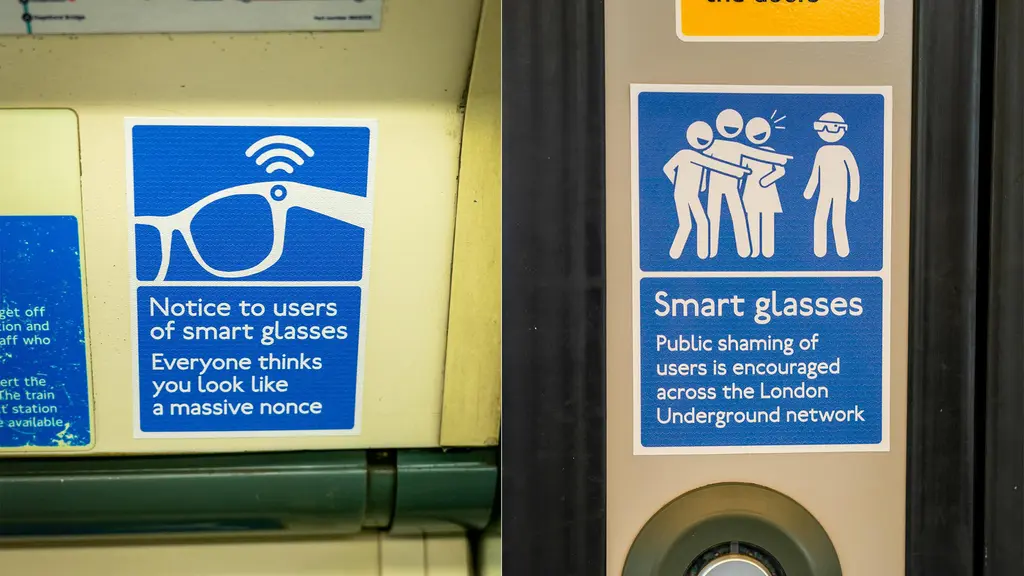
Activists slam “pervert glasses” in new guerrilla campaign
Everyone Hates Elon — Stickers have appeared on the London Underground network, criticising the wearable technology’s covert filming capabilities.
Written by: Isaac Muk

New exhibition highlights British radical living over 200 years
Earthly Paradise — Taking place at the William Morris Gallery, it explores the homes and lives of artists, writers, musicians and more, as well as the conditions that allowed them to thrive.
Written by: Isaac Muk

Pink Floyd’s Roger Waters joins team of new Palestinian resistance documentary
Freedom Theatre — Directed by Rishi Pelham, the film spotlights a theatre operating in the Jenin refugee camp.
Written by: Ella Glossop

Just Stop Oil holds first protest in 17 months
No new drilling — Having previously said that it was “hanging up the hi-vis”, the climate activist group has blocked a road outside Parliament to protest Andy Burnham opening the door for new oil and gas extraction licenses in the North Sea.
Written by: Ella Glossop

Julian Cashwan Pratt: “We fought security until the cops showed up”
Hard Feelings — The lead singer of Show Me the Body joins Rob Kazandjian’s column on fatherhood and masculinity to talk about mentors, scrapping Zionists at shows, and finally making his father proud.
Written by: Robert Kazandjian

In photos: The enduring resistance of Notting Hill Carnival
Carnival of Resistance — A new photobook by Wayne Campbell and Wayne Crichlow reflects on the protest beginnings of Europe’s biggest street festival, along with the traditions keeping its original spirit alive today.
Written by: Isaac Muk


