
The town that I grew up in was officially named the Gold Coast by real estate developers.
Through urban planning, tourism boards, real estate and advertising, the town was structured to deliver a fantasy to the people who visited, as well as its residents.
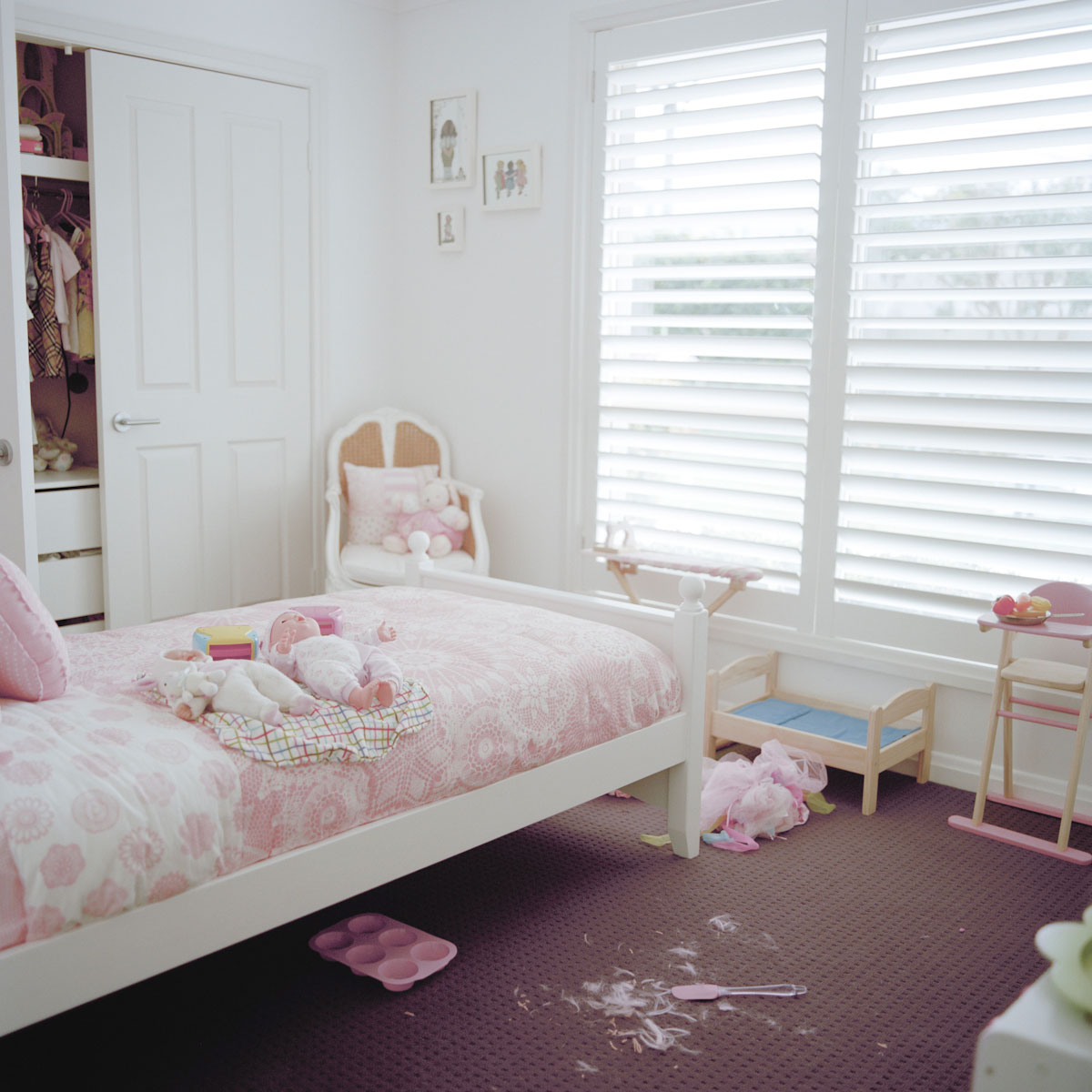
I thought that the drug trade, the rape, the violence, the sleazy underworld business was just a normal part of life. I thought that everyone lived this way.
In part it was because I had learned, through visual culture, that seedy places didn’t look like this. Dangerous places looked dark, filled with broken windows and alleyways.
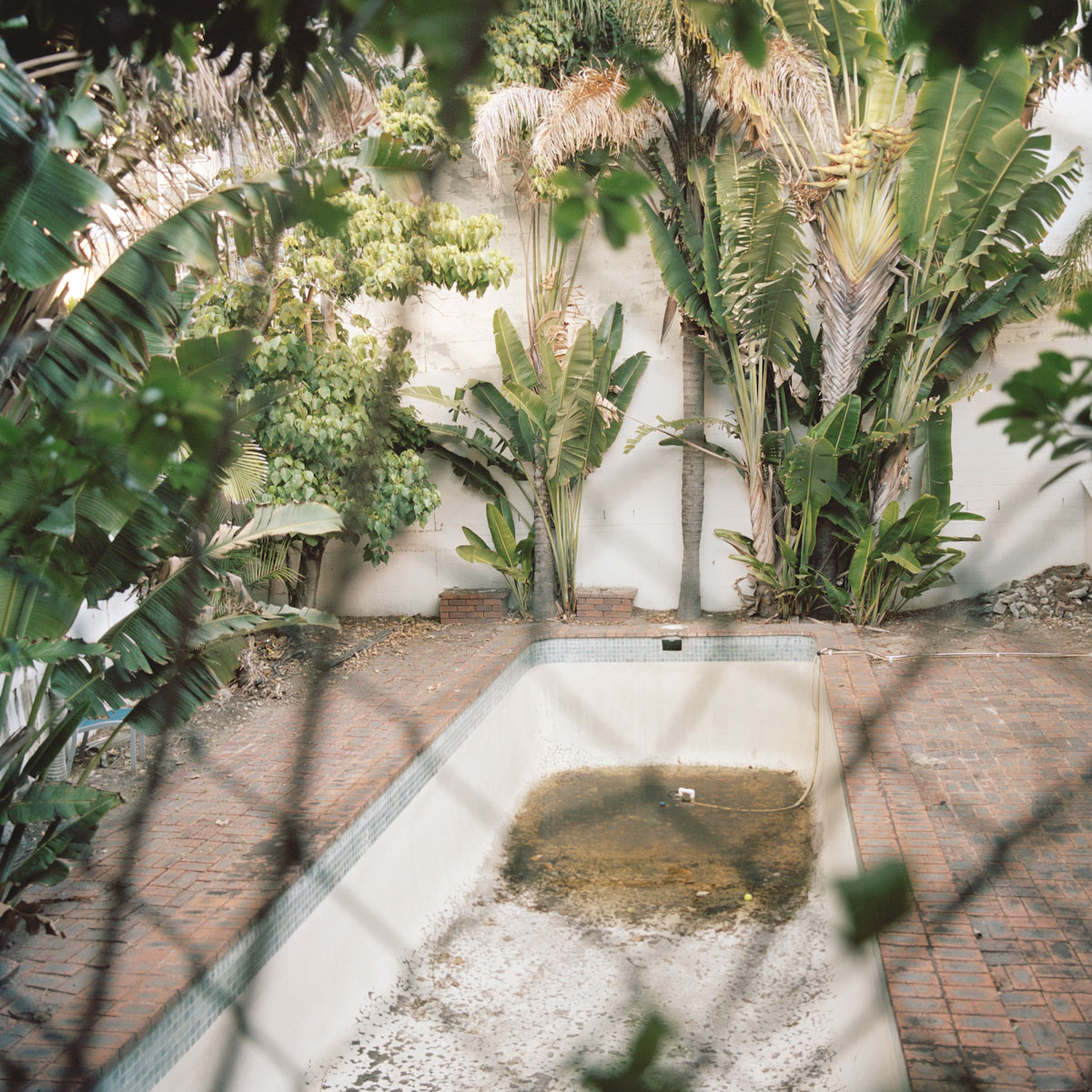
There was no reason to be wary when the sun shone down every day on white folk dressed in polo shirts, aqua swimming pools, luxury SUVs and endless white sand beaches.
By the time I was 13, I could get my hands on any kind of contraband I knew how to pronounce. I knew of at least two friends who had been gang raped by the time I was 17.
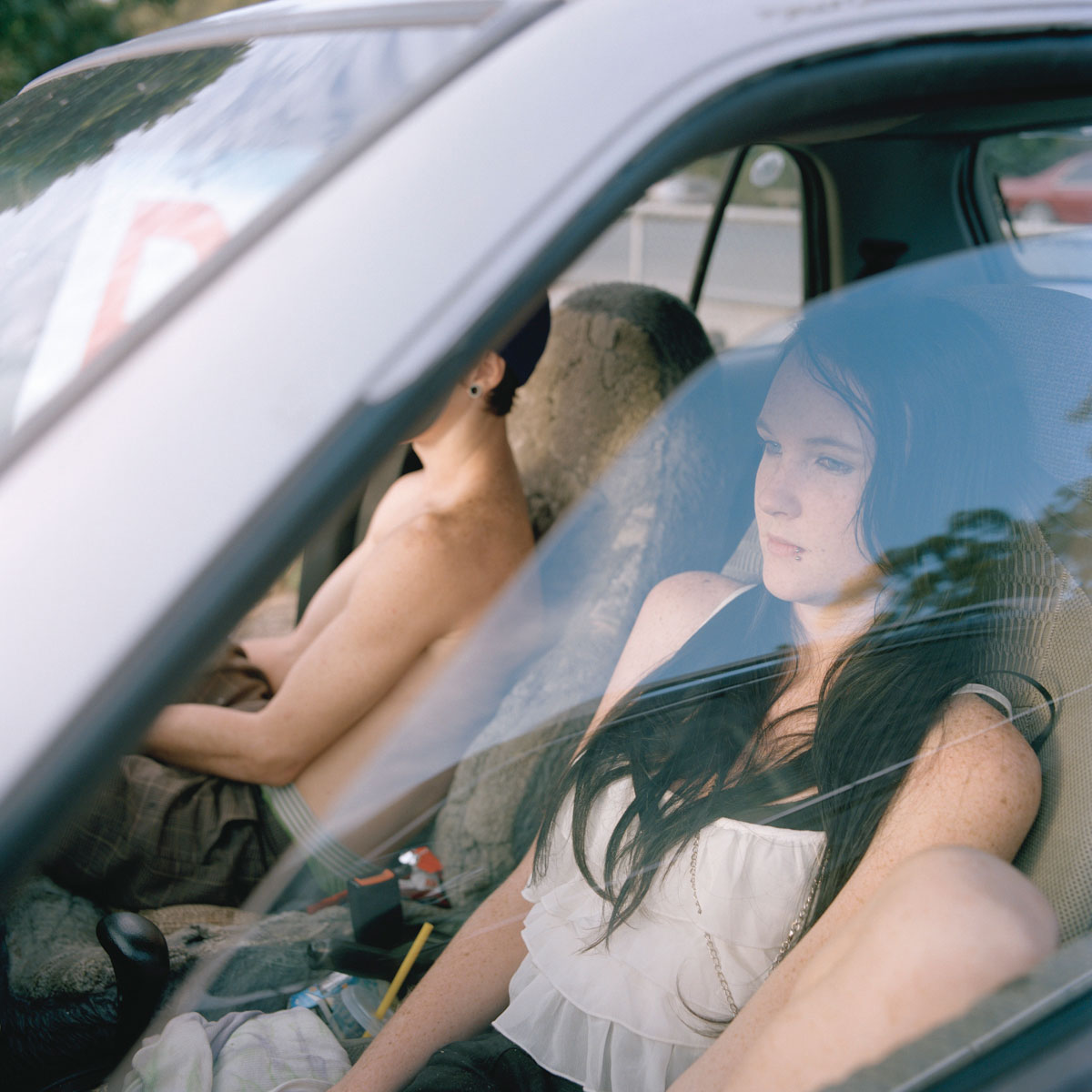
By the time I was 18, I’d seen two people get their throats cut and bleed to death in the living room of a friend’s house.
All of these events took place in homes that were designed and sold as a utopia of waterfront living.
They don’t tell you that the waterways that thread these neighbourhoods are literally populated by bull sharks.
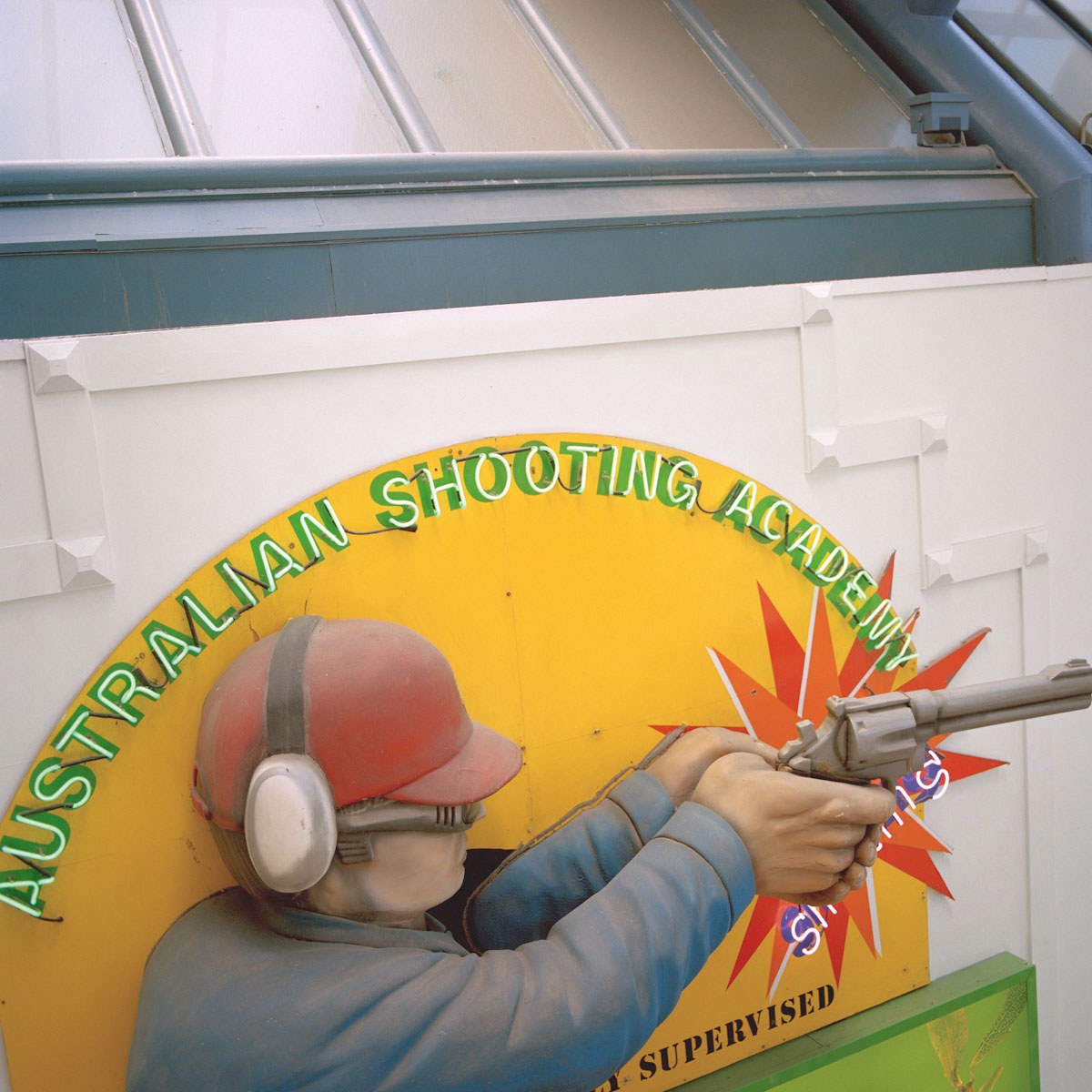
It wasn’t until I was 27 years old that I moved to another city with my family.
And it wasn’t until I was 30 that I felt compelled to go back to the Gold Coast to answer the questions that drove me to become a nomad, drawn to places like Florida and Atlantic City over and over again like some Lynchian Groundhog Day, photographing what I saw but never really being satisfied.
It was going back to ground zero that illuminated many things about who I am as a photographer and the issues that drive me.
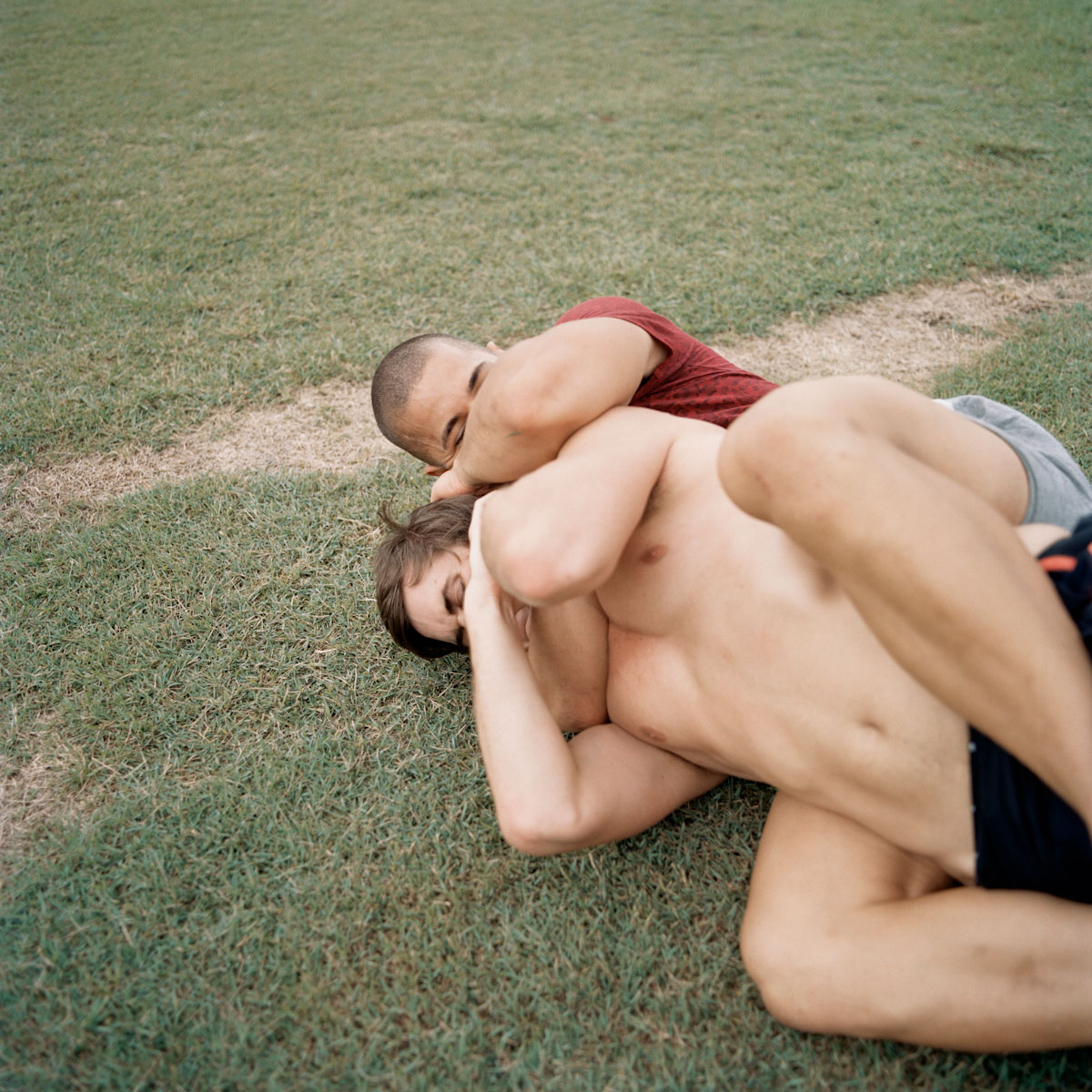
Going back and self-publishing my first book, my debut statement, about this town and my experience there has given me the answers that I need to move forward.
It has become a way for me to communicate to the outside world a fragility in the social fabric that we buy into.
Rich people can steal, white men can kill and people can cook meth in a home with a pool and a nice front lawn.
This story originally appeared in Huck 46 – The Documentary Photography Special II. Get it from the Huck Shop or subscribe to make sure you don’t miss another issue.
Check out the portfolio of photographer Ying Ang or buy her Gold Coast book.
Enjoyed this article? Like Huck on Facebook or follow us on Twitter.
You might like

Jesse Glazzard’s messy portrait of queer friends, lovers and chosen family
The Sound of Dirt and Beauty — The photographer’s debut monograph explores tender, unpolished moments shaped by the people who he surrounds himself with, while offering a window into the UK’s working-class LGBTQ+ community.
Written by: Sunny Sunday

Behind the curtain at Alternative Miss World 1981
Olympia glamour — Running a subversive take on the traditional beauty pageant, the Andrew Logan organised event prioritised underground creativity and invention. Photographer David Corio went behind the scenes at its biggest edition.
Written by: Miss Rosen

New exhibition highlights British radical living over 200 years
Earthly Paradise — Taking place at the William Morris Gallery, it explores the homes and lives of artists, writers, musicians and more, as well as the conditions that allowed them to thrive.
Written by: Isaac Muk

What life on the Strait of Hormuz is really like
Southern Winds — Bandar Abbas based photographer Morteza Niknahad has been capturing the diverse communities and stories of his local region since he first picked up a camera. His new series highlights the human impact of war.
Written by: Isaac Muk

Nick Haymes’s intimate portrait of his family’s life
Chronograph — Over 25 years, the photographer documented his son’s lives as they grew into adults. The resulting photobook is an exploration of the passage of time, as well as the optimism of youth.
Written by: Miss Rosen

Kristina Rozhkova’s scatty, confronting portrait of captivity
Gut Feeling — The Russian artist’s 2024 arrest and subsequent detention opened her eye towards the omnipresent dynamics of power and control. Her new photobook is a stark exploration of being trapped.
Written by: Isaac Muk


