In Kharkiv, residents live in terror amid Russian attack

At the entrance of Heroiv Pratsi metro station in Kharkiv, Ukraine, many people are gathered; smoking, talking on the phone or simply waiting. It seems quite normal. But below the ground, down the long stairwell, it quickly becomes apparent that there is nothing normal about this situation. After passing through the turnstiles, humidity lingers in the air, and down another stairwell, hundreds of people are living on the main platform, on the stairs themselves, and even inside immobile train cars.
They sleep on makeshift beds splayed across the cold tile. Some create living cubicles made from cardboard. Others have the small luxury of sleeping on a bench inside the parked train car. They have been here for over a month, since the war began, seeking safety from the constant bombardment by the Russians.
“Sometimes, I confuse day and night being here in the metro,” says Illyana Titova, 62, who has lived in Heroiv Pratsi since 28 February 2022. “I hope the war ends soon. I have very troubling thoughts here. Some say it will end soon, but really nobody knows.”

Illyana Titova, 62, sleeps in the Heroiv Pratsi metro station, where she has stayed since the war began.
At the start of the war, Kharkiv’s city centre was attacked ruthlessly, destroying apartment buildings and killing civilians while targeting the Ukrainian intelligence building and the Mayoral office. Since then, the Ukrainians have been able to hold a frontline northeast of the city limits.
As the Russian military begins to abandon hope in the Northern Region of Ukraine, publicly stating they will slow down aggression toward the capital of Kyiv, in the Eastern part of the country another attack looms as Russia reorganises. The Ukrainian ministry of Defense recently stated that an attack on Kharkiv is imminent.
Kharkiv, the second-largest city in Ukraine, just 25 miles from the Russian border, has strong Russian roots – everyone here speaks Russian rather than Ukrainian. Moscow assumed it as an easy target for occupation. That hasn’t been the case. Ukrainians fought back and now shells explode every day – night and day – mostly in the residential areas closest to frontlines. In fact, it is the second most bombed city after Mariupol, which has seen some 90 per cent of its building decimated. The same tactics are being deployed by the Russians: after stalling on in the combat zone, airstrikes are used to target schools, hospitals, and residential buildings, instilling fear into the civilians who decided to stay. The ones who stayed are now forced to shelter in cramped metro stations or risk their lives staying in residential buildings that have already been targeted by missiles.

A Ukrainian police officer walks through the residential Saltivka district which has been heavily bombarded.

The Heroiv Pratsi metro station in Kharkiv, where people have been sheltering for over a month.
Despite the constant threat of bombardment – the echoes of rolling thunder from airstrikes can be heard every hour – some have decided to stay in their residential buildings, even some that have already been hit.
Alexander, 57, a resident of an apartment complex in the Saltivka district in northern Kharkiv, now stays in his neighbour’s apartment after it was destroyed by a Russian airstrike. Inside his now destroyed apartment lays rubble and burnt ashes. A thin layer of dust rises as we walk across the debris. There is nothing left but a smouldered oven in his kitchen and his bathtub, which is sheltering a house plant. He shows me photos of his daughter and granddaughter with a Christmas tree inside his apartment and points to where they once enjoyed their time here.
He leads me into the adjacent apartment which is a stark contrast to his, surprisingly clean and undamaged. He sleeps here now, but on a pallet covered with cardboard. Out of respect for his neighbour, he says he will not sleep in their bed.

Residents work to protect a statue of Taras Shevchenko.

A member of the Ukrainian military examines an abandoned Russian tank in Trostyanets, Ukraine, which the Ukrainian Military just retook from Russian forces.
Throughout the district of Saltivka, many residential buildings have been struck by grad missiles and Howitzer shells. A walk through the spacious courtyards of the complexes exposes the damage done; almost every building has a corner collapsed or residue from a grad strike, all windows are smashed, glass carpeting the ground. Despite this, a few residents still walk around the area, fortifying themselves against occupiers attempting to steal their freedom and their beloved Ukraine.
Back in the city centre of Kharkiv, residents prepare for the Russian invasion. Although Ukrainian forces have been able to push the Russians from the west of the city, where the towns of Trostyanets and Okhtryka have been liberated, the assumption is that the newly prepared attack will come from the east. In the Shevchenko Gardens – the oldest green area in the city centre – workers pile sandbags around a statue of Taras Shevchenko, a Ukrainian poet, and national hero.
Shevchenko is known as the grandfather of Ukrainian literature and was a harsh critic of the Russian Empire and supporter of Ukrainian Independence. He was arrested in 1847 for using the Ukrainian language ( or “little-Russian”) to “slander” the Russian government. Shevchenko was able to return to Ukraine 12 years later in 1859. He wrote the poem ‘Testament’ while ill in 1845, which opens: “When I am dead, bury me / In my beloved Ukraine”. Today, it resonates with Ukrainians as a proud love song to their country.

A Ukrainian police officer in front of an apartment in Saltivka district that was hit with a grad missile.

A woman on her makeshift bed inside the metro.

A woman talks on the phone. She sleeps on these steps in the metro.

People living inside a parked train car at the Heroiv Pratsi metro.

The remains of an apartment which was destroyed by a Russian airstrike in Kharkiv.

An abandoned Russian Howitzer in Trostyanets, Ukraine, which the Ukrainian Military just retook from Russian forces.
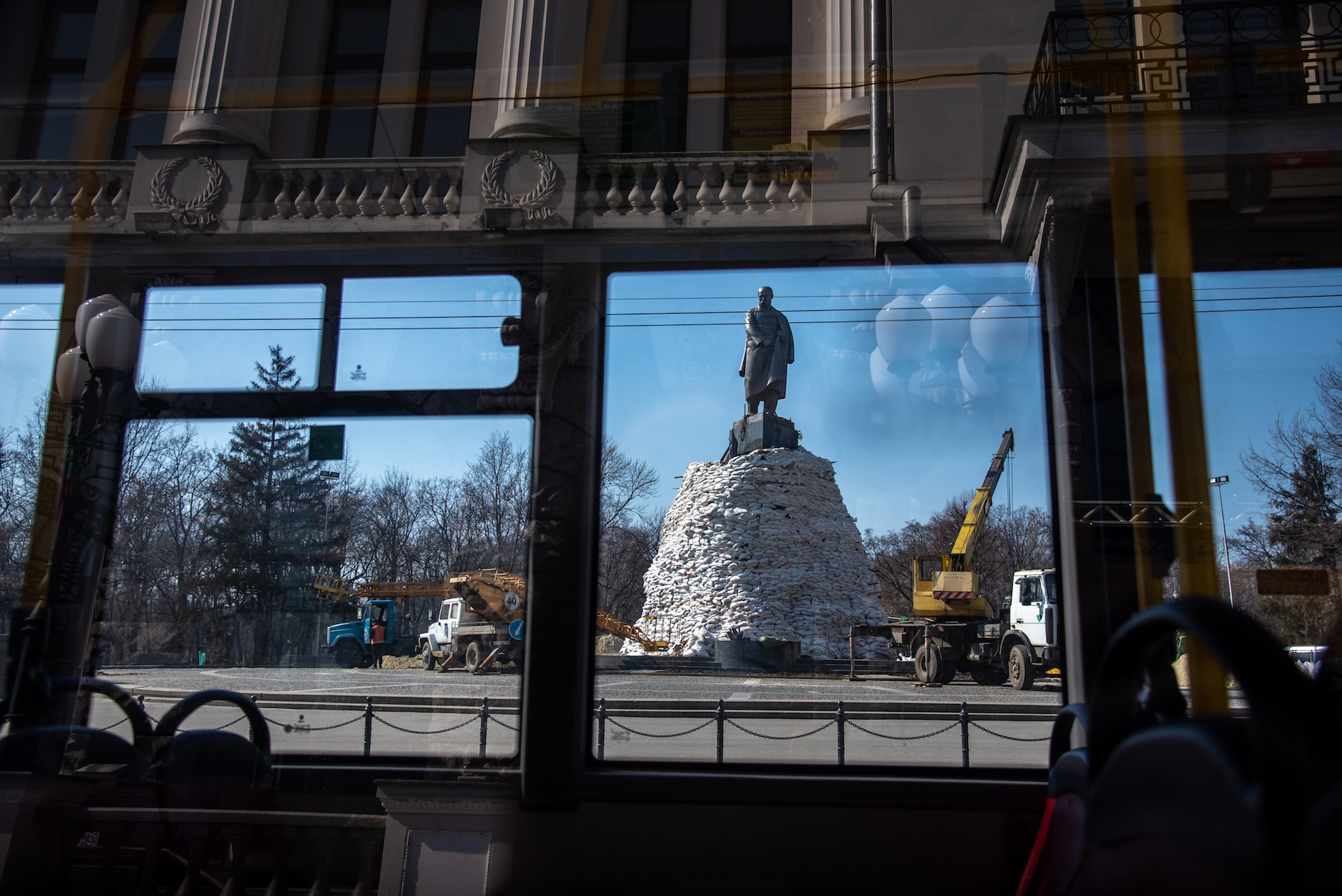
A statue of Taras Shevchenko, a poet and Ukrainian hero, is being protected by sandbags.
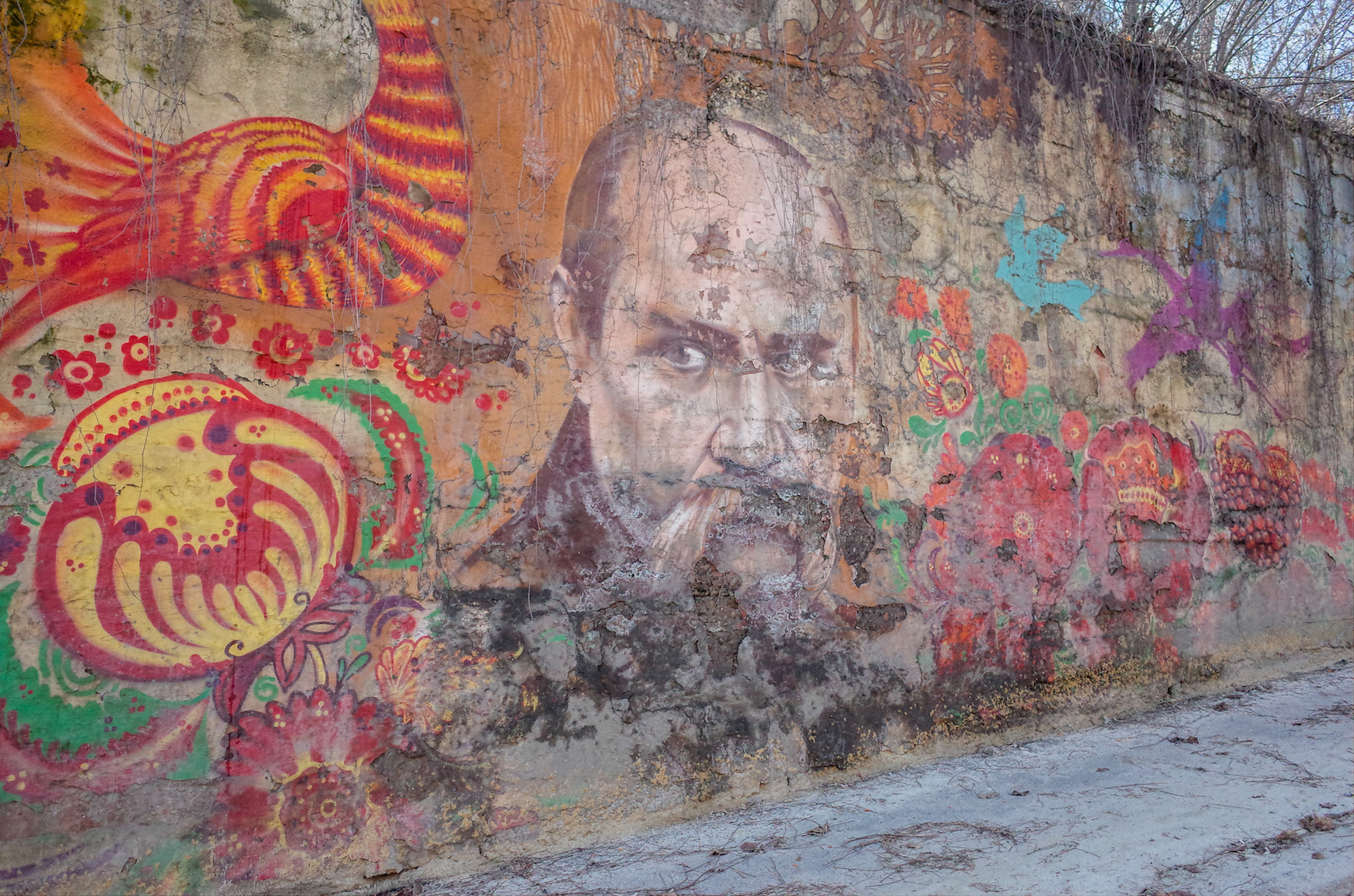
Street art depicting Taras Shevchenko.
Follow Seth Berry on Instagram.
Enjoyed this article? Like Huck on Facebook or follow us on Twitter and Instagram.
You might like

In photos: Lives of solitude at the world’s edge
Coirón — Pie Aerts’s new photobook documents years spent in close quarters with puesteros in Patagonia – a group of aging gauchos who live almost completely isolated existences.
Written by: Isaac Muk

The raw, fledgling intimacy of Peter Hujar’s contact sheets
Hujar:Contact — A new photobook highlights the process of the legendary queer photographer, and his process of growing into the artist he ultimately became.
Written by: Miss Rosen

Jesse Glazzard’s messy portrait of queer friends, lovers and chosen family
The Sound of Dirt and Beauty — The photographer’s debut monograph explores tender, unpolished moments shaped by the people who he surrounds himself with, while offering a window into the UK’s working-class LGBTQ+ community.
Written by: Sunny Sunday
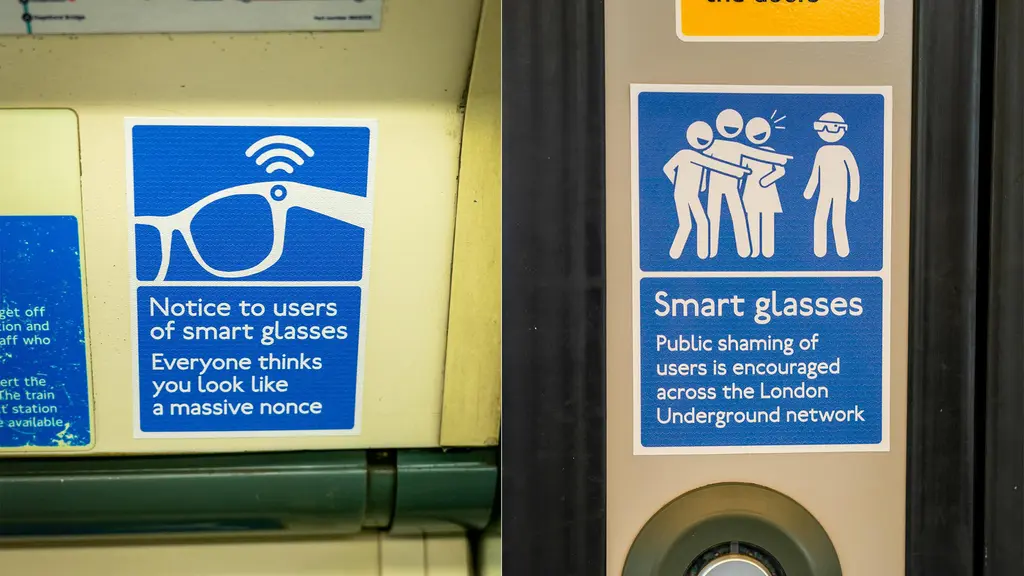
Activists slam “pervert glasses” in new guerrilla campaign
Everyone Hates Elon — Stickers have appeared on the London Underground network, criticising the wearable technology’s covert filming capabilities.
Written by: Isaac Muk

Behind the curtain at Alternative Miss World 1981
Olympia glamour — Running a subversive take on the traditional beauty pageant, the Andrew Logan organised event prioritised underground creativity and invention. Photographer David Corio went behind the scenes at its biggest edition.
Written by: Miss Rosen

New exhibition highlights British radical living over 200 years
Earthly Paradise — Taking place at the William Morris Gallery, it explores the homes and lives of artists, writers, musicians and more, as well as the conditions that allowed them to thrive.
Written by: Isaac Muk


