Protestors set off rape alarms at a London police station
- Text by Ben Smoke
- Photography by Aiyush Pachnanda

It has been just over a year since thousands gathered at the bandstand in Clapham Common for a vigil for the murdered Sarah Everard. The run up to the vigil was fraught, with the Metropolitan Police banning the gathering under Covid regulations and initial organisers ‘Reclaim These Streets’ pulling out just days before advising everyone to stay home. In their place, direct-action group Sisters Uncut stepped up.
The vigil last year started with sombre scenes of mourning for Everard, who the public later learnt was abducted, raped and murdered by serving Metropolitan Police officer Wayne Couzens after he used his warrant card to ‘arrest’ her. As the sun went down a brutal display erupted as police officers attempted to shut down the vigil. The scenes from that night shook the country, sparked widespread condemnation and kickstarted a movement against the Police, Crime, Sentencing and Courts bill, known as ‘Kill The Bill’.
In the 12 months since then, demonstrations have taken place over the country, and more and more revelations about police misconduct have come to light. Perhaps some of the most damning came in the form of an IOPC report into Charing Cross station, where widespread sexism and homophobia was exposed. The report proved to be the final nail in the coffin for Metropolitan commissioner, Cressida Dick, who was subsequently forced to resign.
This weekend, Sisters Uncut came together on the year anniversary of the Clapham Vigil. Writing for Huck in the run up to the demo, which saw hundreds gather outside New Scotland Yard on Saturday afternoon, Sisters Uncut member Debbie Summers said: “Policing by consent means that the power of the police to fulfil their duties is dependent on public approval of their existence. To beat the bill we must make it unenforceable […] we will be gathering at New Scotland Yard for the public to withdraw their consent from British policing. ”
After brief speeches outside the headquarters of the Metropolitan police force, protestors took to the road, marching up through Trafalgar Square and along the Strand to Charing Cross police station. In the aftermath of Sarah Everard’s death police advice to women in London was to ‘carry a rape alarm’. In an act of defiance protestors set off 1000 rape alarms whilst chanting slogans and hearing speeches. We sent photograher Aiyush Pachnanda down to capture the action.


Follow Aiyush Pachnanda on Instagram.
Enjoyed this article? Like Huck on Facebook or follow us on Twitter and Instagram.
You might like

In photos: Lives of solitude at the world’s edge
Coirón — Pie Aerts’s new photobook documents years spent in close quarters with puesteros in Patagonia – a group of aging gauchos who live almost completely isolated existences.
Written by: Isaac Muk

The raw, fledgling intimacy of Peter Hujar’s contact sheets
Hujar:Contact — A new photobook highlights the process of the legendary queer photographer, and his process of growing into the artist he ultimately became.
Written by: Miss Rosen

Jesse Glazzard’s messy portrait of queer friends, lovers and chosen family
The Sound of Dirt and Beauty — The photographer’s debut monograph explores tender, unpolished moments shaped by the people who he surrounds himself with, while offering a window into the UK’s working-class LGBTQ+ community.
Written by: Sunny Sunday
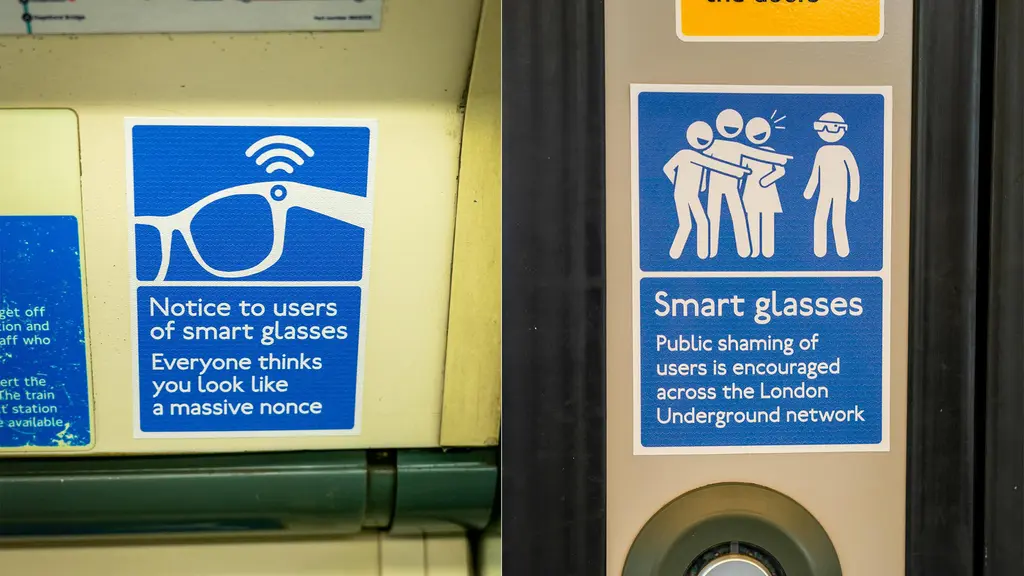
Activists slam “pervert glasses” in new guerrilla campaign
Everyone Hates Elon — Stickers have appeared on the London Underground network, criticising the wearable technology’s covert filming capabilities.
Written by: Isaac Muk

Behind the curtain at Alternative Miss World 1981
Olympia glamour — Running a subversive take on the traditional beauty pageant, the Andrew Logan organised event prioritised underground creativity and invention. Photographer David Corio went behind the scenes at its biggest edition.
Written by: Miss Rosen

Dan Lacey: “BMX is forever evolving”
Overground — Steph Pomphrey caught up with the two-wheel legend after his latest meet in east London, chatting about fatherhood, music and action sports within the outdoor industry.
Written by: Steph Pomphrey


