In a city of rapid gentrification, one south London estate stands firm

- Text by Alex King
- Photography by Hark1karan
“My connection to this location and topic started about a decade ago, when I attended a protest in Brixton and saw a ‘Save Central Hill’ banner,” explains filmmaker Hark1karan. “It made an impression on me, but it wasn’t until years later, when I was asked to photograph a project at the Central Hill estate, that I noticed the same banner still flying. I was struck by the longevity and resilience of the campaign, which led me to reach out to Sabine [Mairey, a resident on the estate and one of the driving forces behind the campaign to save it] to understand more about it and explore how I could contribute as a creative.”
The Central Hill Estate in south east London has been under threat of demolition since 2014. Located near the former Crystal Palace and built between 1966 and 1974, the estate comprises more than 450 homes – but more importably, a thriving, diverse community. It’s this community that filmmakers Hark1karan and Alex Donaldson have collaborated with to create the moving short documentary, A Portrait of Central Hill.
Both Hark1karan and Alex live close to Crystal Palace, so they feel a strong connection to south London and a responsibility to help the Central Hill community share their story. “We focused on creating a comfortable, open environment, encouraging everyone to express their honest feelings and perspectives on the estate’s situation,” Hark1karan explains. “We wanted them to feel that this was their story, and we were simply there to help them tell it. Their willingness to be vulnerable with us created moments that went beyond what we anticipated, adding layers of authenticity and emotional weight to the documentary.”


Residents have led the fightback against Lambeth Council’s redevelopment plans, which include 400 additional homes, many of which will be for private sale. The Council contends that homes suffer from damp and that the design of the estate encourages crime; however residents argue the crime rate is less than average and any problems with the buildings are caused not by poor design, but by a lack of maintenance from the council.
“We met some residents before shooting that were clearly fed-up with the council to the point that they became quite emotional and angry in our initial off-camera chats,” Alex explains. “Ultimately though, the collaboration with the characters was made easy by Sabine. She is such a trusted person in the community, so interaction with the residents felt completely natural and collaborative. I wouldn’t say this was a two-person collaboration: it wouldn’t have happened without Sabine, who essentially produced it!”
The resulting film is a joyous, celebration of a community, rather than an angry protest piece. That warmth and authenticity comes through thanks to the long periods of time both Hark1karan and Alex spent making photographs at Central Hill, talking to residents and shaping the project hand-in-hand with Sabine and others on the estate. While it’s the voice and soul of Central Hill that comes through in the film, it’s also a passionate defence of social housing, which is under threat in London and across the UK. Central Hill residents know they have to fight if they want to avoid the social cleansing and corporate redevelopment which has already befallen iconic estates such as the Heygate in Elephant and Castle and Woodberry Down near Finsbury Park.


“I hope the film encourages viewers to see social housing residents as individuals deserving of respect, stability, and dignity,” Hark1karan explains. “Social housing exists to provide people with a basic need – a secure, decent place to call home. Through the documentary, we wanted to show that these residents are simply asking for what should be a given: fair treatment and a place where they feel valued and safe.”
“I also hope the film sparks a conversation about the importance of preserving and supporting communities, rather than treating them as disposable,” Hark1karan continues. “If viewers walk away with a sense of empathy and a deeper understanding of the real-life impact of housing policies, we’ll feel that we’ve accomplished something meaningful.”
A Portrait of Central Hill is directed by Hark1karan and Alex Donaldson.
Huck Presents is our brand new stream to celebrate films we love and champion emerging filmmakers we admire. If you would like your film featured, get in touch.
Subscribe to Huck on YouTube to catch all Huck Presents films.
Buy your copy of Huck 81 here.
Support stories like this by becoming a member of Club Huck.
You might like

Jesse Glazzard’s messy portrait of queer friends, lovers and chosen family
The Sound of Dirt and Beauty — The photographer’s debut monograph explores tender, unpolished moments shaped by the people who he surrounds himself with, while offering a window into the UK’s working-class LGBTQ+ community.
Written by: Sunny Sunday
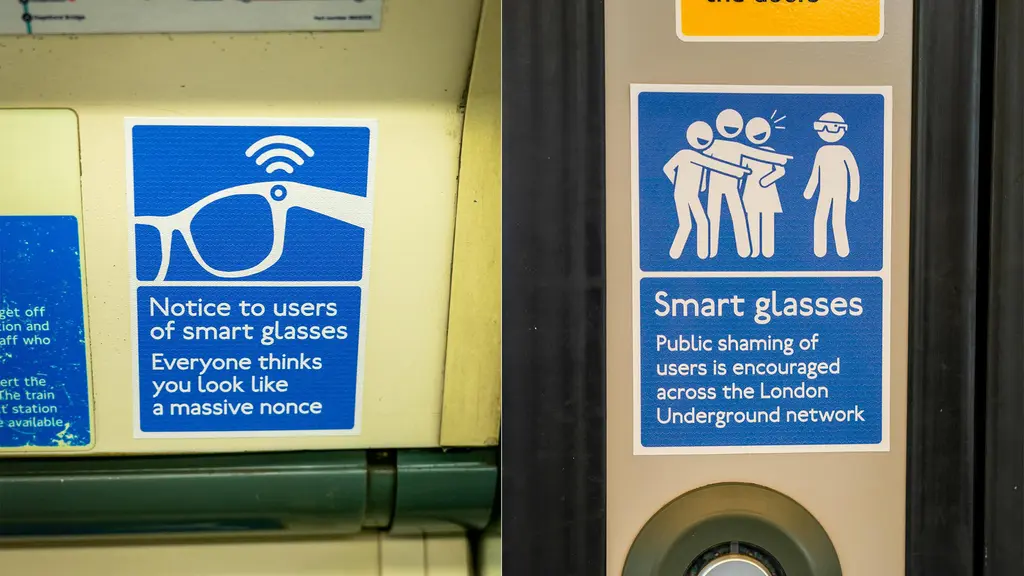
Activists slam “pervert glasses” in new guerrilla campaign
Everyone Hates Elon — Stickers have appeared on the London Underground network, criticising the wearable technology’s covert filming capabilities.
Written by: Isaac Muk

Behind the curtain at Alternative Miss World 1981
Olympia glamour — Running a subversive take on the traditional beauty pageant, the Andrew Logan organised event prioritised underground creativity and invention. Photographer David Corio went behind the scenes at its biggest edition.
Written by: Miss Rosen

Dan Lacey: “BMX is forever evolving”
Overground — Steph Pomphrey caught up with the two-wheel legend after his latest meet in east London, chatting about fatherhood, music and action sports within the outdoor industry.
Written by: Steph Pomphrey

The battle for the soul of lockpicking
Under locksport and key — In recent years, breaking locks for fun has grown from a niche hobby into an activity followed by millions of people. As it has matured, so have tensions over who sets the rules.
Written by: Jack Dennison-Thompson

New exhibition highlights British radical living over 200 years
Earthly Paradise — Taking place at the William Morris Gallery, it explores the homes and lives of artists, writers, musicians and more, as well as the conditions that allowed them to thrive.
Written by: Isaac Muk


