
American’s pride themselves on their democracy. They’re so proud of it, they spent an awful lot of money, resources and lives attempting to impose it on mineral and oil-rich countries across the world. They refer to the US general election, which happens on the first Tuesday in November every four years as ‘the greatest exercise in democracy’, their Capitol, where the second seat of Government sits, a temple to their democracy.
In the last few months, however, that democracy and that very temple have come under sustained attack. Following the general election last November, incumbent, and loser, Donald Trump refused to concede, instead propagating myths around stolen votes and widespread fraud. He encouraged his supporters out onto the streets and told them to march on the Capitol. And they did so, with deadly consequences.
Yesterday, the transition of power between the 45th and 46th President of the United States finally ended with the inauguration of Joe Biden on the steps of the Capitol. Following the January 6 insurrection, with the list of credible threats numerous, the streets of D.C. were empty. Normally inundated with supporters and well-wishers on inauguration day, they were instead replaced by some 25,000 National Guard who, along with an eight-foot security fence, protected the ceremony.
The joint threat of far-right terrorism and the ongoing coronavirus pandemic which has claimed over 400,000 lives in the US kept most well away. Despite this, a small cluster of Black Lives Matter demonstrators were present in the newly renamed Black Lives Matter Plaza, just next to the White House as Biden and Kamala were sworn in.
We sent photographer Wil Sands to D.C. to report on a once in a lifetime inauguration to get the view from the streets.


Terri McLane, 51, from Seattle, Washington came to the capital to show her support to the incoming president.


Ben Smoke is Huck’s Politics Editor. Follow him on Twitter.
Enjoyed this article? Like Huck on Facebook or follow us on Twitter.
You might like

Jesse Glazzard’s messy portrait of queer friends, lovers and chosen family
The Sound of Dirt and Beauty — The photographer’s debut monograph explores tender, unpolished moments shaped by the people who he surrounds himself with, while offering a window into the UK’s working-class LGBTQ+ community.
Written by: Sunny Sunday
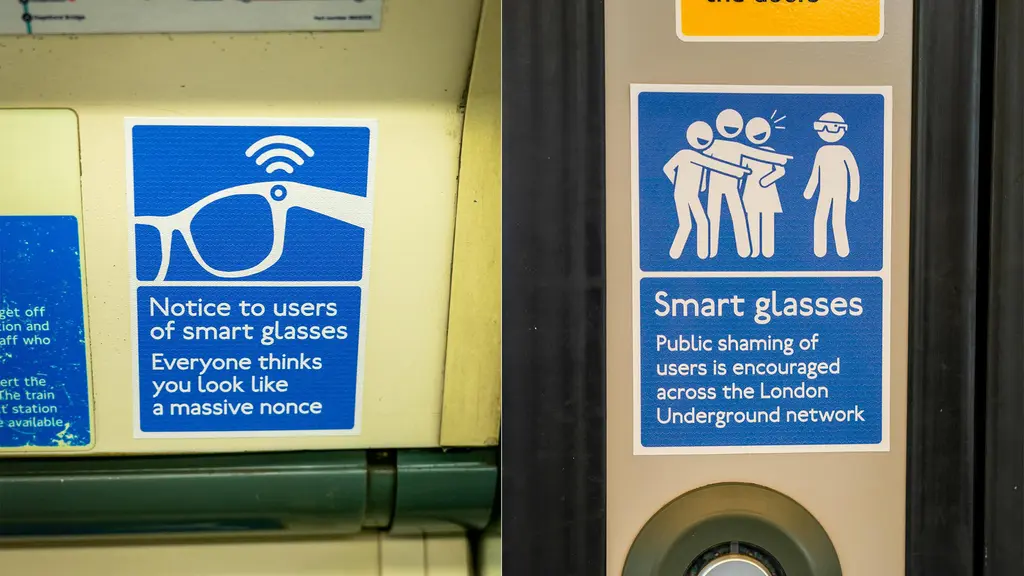
Activists slam “pervert glasses” in new guerrilla campaign
Everyone Hates Elon — Stickers have appeared on the London Underground network, criticising the wearable technology’s covert filming capabilities.
Written by: Isaac Muk

Behind the curtain at Alternative Miss World 1981
Olympia glamour — Running a subversive take on the traditional beauty pageant, the Andrew Logan organised event prioritised underground creativity and invention. Photographer David Corio went behind the scenes at its biggest edition.
Written by: Miss Rosen

The battle for the soul of lockpicking
Under locksport and key — In recent years, breaking locks for fun has grown from a niche hobby into an activity followed by millions of people. As it has matured, so have tensions over who sets the rules.
Written by: Jack Dennison-Thompson

New exhibition highlights British radical living over 200 years
Earthly Paradise — Taking place at the William Morris Gallery, it explores the homes and lives of artists, writers, musicians and more, as well as the conditions that allowed them to thrive.
Written by: Isaac Muk

What life on the Strait of Hormuz is really like
Southern Winds — Bandar Abbas based photographer Morteza Niknahad has been capturing the diverse communities and stories of his local region since he first picked up a camera. His new series highlights the human impact of war.
Written by: Isaac Muk


