The largest-ever image of space is revealing new things about neighbouring galaxies
- Text by Shelley Jones

Earlier this month NASA released this image of the Andromeda Galaxy – the nearest galaxy to ours (The Milky Way) – and it is the largest and sharpest image of space ever assembled by the NASA Hubble Space Telescope.
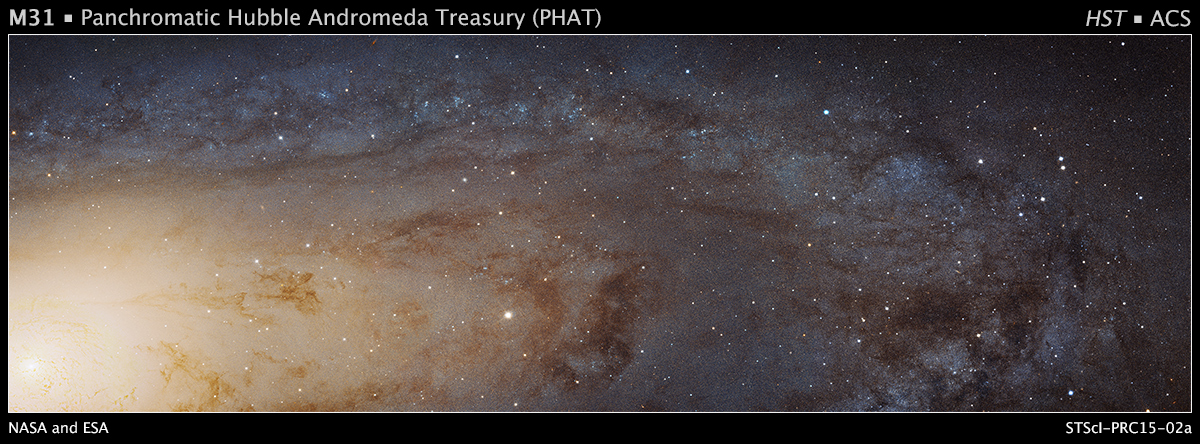
The image has 1.5 billion pixels meaning you would need more than 600 HD TVs to display it in full and it was stitched together into a mosaic image using 7,398 exposures taken over 411 individual pointings.
Andromeda is the closest galaxy to us at a distance of 2.5 million light-years away and therefore was more difficult to capture in one image than other galaxies that are billions of lightyears away.
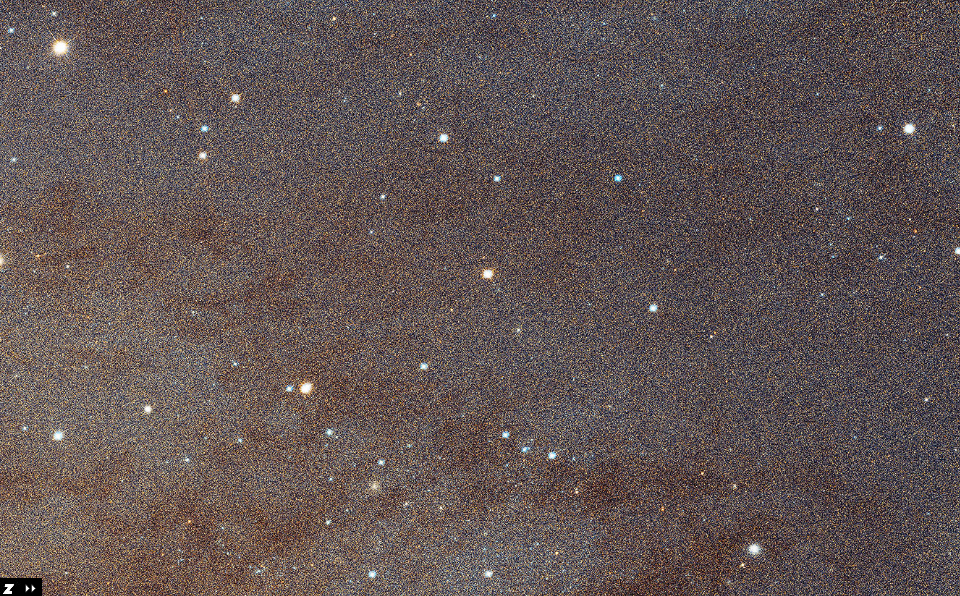
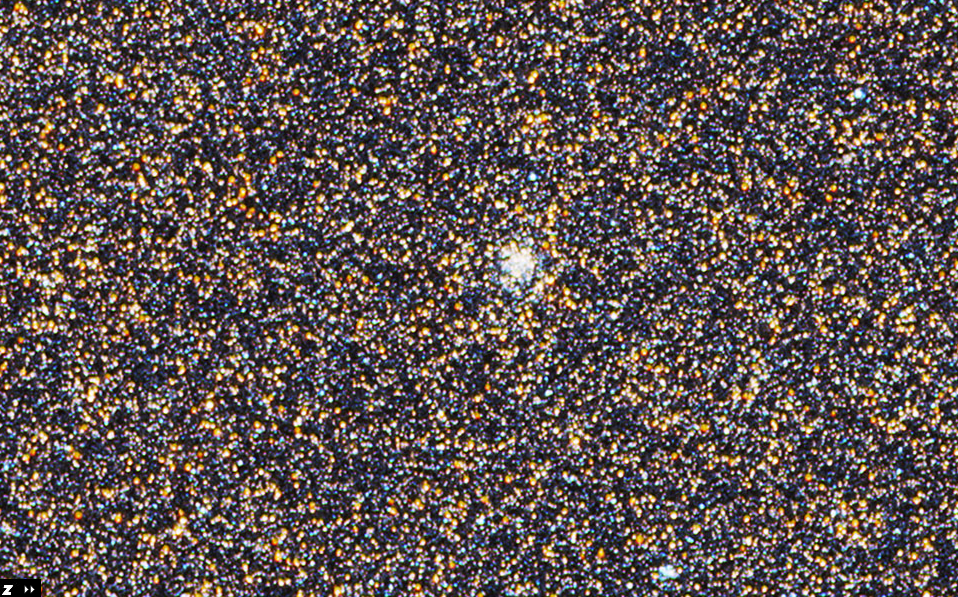
The size of the image means that astronomers can identify individual stars in the galaxy – there are over 100 million of them – and study any patterns and trends in their spread throughout the galaxy. This could potentially reveal new information about how galaxies behave.
For example, by looking at the bigger picture astronomers are able to observe a galaxy-wide wave of star birth that could have been triggered by an ancient impact with another galaxy, astronomer Benjamin Williams of the University of Washington in Seattle told Nature.
This discovery could, in turn, help scientists predict what will happen when Andromeda collides with our galaxy in 5 billion years, as is widely expected.
But let’s not get all melancholia about it. Why not bathe in the beauty of this video, which dives into the image, instead. Maybe even with the new Bjork album as a soundtrack? Trippy, man.
You might like

The battle for the soul of lockpicking
Under locksport and key — In recent years, breaking locks for fun has grown from a niche hobby into an activity followed by millions of people. As it has matured, so have tensions over who sets the rules.
Written by: Jack Dennison-Thompson

Inside the searing, strangely wholesome world of competitive chilli eating
Red hot — Exploding out of pandemic-era isolation, a growing community of chilliheads are competing across the globe, devouring millions of Scoville units and fighting off agonising capsaicin cramps in the process. Hannah Bentley speaks to some of the scene’s key figures to find out why.
Written by: Hannah Bentley

As Hanoi’s nightlife faces raids & repression, its underground scene modulates
Spaces Between the Beats — Tensions between nightlife and authorities have grown in recent times, as police target venues and their patrons with increasingly frequent drug testing and searches. With clubs becoming hostile spaces as a result, Hanoi’s electronic music community is finding new spaces and forms of expression, reports Martin Guttridge-Hewitt.
Written by: Martin Guttridge-Hewitt

Inside Parkuir: the art project queering sport, space and our bodies
Lie and play — Founded by Maria Laudes and Guiu Gimeno, it provides a framework for engaging, subverting, and celebrating the small details that make people unique – and queer.
Written by: Molly Lipson

The real life mermaids of Florida’s Weeki Wachee Springs
Old Florida — A relic of pre-Disney tourism in the state, the show – which sees women perform athletic underwater tricks in a natural spring – has been running since 1947. Jack Burke attends, while reflecting on the fragility and fantasy of old America.
Written by: Jack Burke

Exploring Bucovina, the last wild place in Europe
Noroc! — 70% of Romania’s northern provinces are covered in ancient woodland, with its people cultivating a close relationship with the land that stretches back millennia. Jack Burke forages, eats and drinks his way around the region.
Written by: Jack Burke


