As a postie, I have no choice but to strike
- Text by Danny Coulter
- Photography by '@marcusbarnett_ via Twitter

As Christmas inches closer this week and everyone starts feeling the festivities, I’ll be trying my best to ignore my WhatsApp going off with mates bombarding me to get to the pub. Instead, I’ll be getting in some early kip to get up for picket line duty at 5am, because I’m a Royal Mail worker and, alongside 115,000 of my colleagues, I’m going out on strike on Friday and on Christmas Eve.
Nobody goes out on strike for any daft reason, and I believe the reason why we’re striking is clear: we will not just roll over and accept the complete destruction of our livelihoods. The proposals offered by Royal Mail’s senior management represent a completely inadequate pay rise that is far beneath inflation – and the changes they want to make to this workforce are changes that nobody with an inch of self-respect would ever accept.
Royal Mail is turning into an Uber-style service, propped up by bogus self-employment and involving less workers with less rights doing much more work for much less money. They want to reduce sick pay to the governments’ standard statutory sick pay scheme – the worst in Western Europe. They’re trying to bring in technology to monitor us every minute of the day; to abandon long-held start and finish times by moving to an annualised hour system instead (a complete trojan horse for casualisation); and bust our union, which has held far too firm for these current CEOs’ liking.
In short, they want my rights on the job to evaporate overnight, and this is no hyperbole – you can tell they really mean business in their war against us. They’ve threatened us with mass redundancies if we keep on striking, bullied us with trying to dock our pay if we’re sick, meanwhile managers are being offered an absolute wedge to try and break our effective strike. They are putting some of the most intense strain on us for the simple reason that we believe that stable, decent work should still be a thing in this country, not just for my generation but for everyone.
As postal workers go on strike to secure a decent living, who owns Royal Mail?
Privatisation has transformed a public asset into a revenue stream for major investors and private equity companies like Vesa Equity. pic.twitter.com/kx4eXhFWh2
— Common Wealth (@Cmmonwealth) December 14, 2022
Obviously, we do not want to strike at Christmas. All of us will be affected by the serious disruption in the same way the communities we serve are affected – and because we’ve all lost over £1,000 in strike action so far, some posties’ Christmas trees will have far less presents than usual. But I don’t know what we could have done: Royal Mail’s CEO, Simon Thompson, couldn’t be bothered attending talks that my union hoped would have stopped these strikes. Even this week, when the union tried to offer a Christmas truce, they rejected the offer immediately.
But I doubt you’ll read that in most newspapers – the same papers who called us key worker heroes yesterday and now call us grinches, thieves and bullies today. It’s funny how time works, isn’t it? The truth is that none of my colleagues ever asked to be called heroes. When we dropped off essentials to vulnerable people, tried to cheer up the self-isolating and the elderly, that was all just part of the job to me; the job I’ve always done.
I’ve not changed, that’s still what I enjoy doing. This is what we are fighting for – I just want to do my job. We know our strengths, we know what we deserve, and we’re not going to be bullied and have our lives completely flipped upside down by people who don’t care about industry except to make a quick profit. All we ask for is a bit of dignity and respect on the job, and it’s something everyone in our country deserves: the right to decent work, self-respect on the job, and flexibility that is used to improve workers’ lives, not as a form of torture against them.
To me, this doesn’t sound like an outrageous demand from a company we made £758 million for – a company that could give £400 million to shareholders, six-figure bonuses to its CEO, and can boast of a £1.7 billion ‘war chest’ to attack our union. We posties don’t have the powerful friends of CEOs like Thompson, a man who ran the great success that was the Covid-19 track-and-trace system. All we can rely on is our unity, and vocal, proud support from you. So if you see your local postie out and about, please say hi, please wish them the best in their fight, and maybe even turn up on the picket lines at your local Royal Mail centre. It means the world to us, and it is this spirit of support – a true Christmas spirit of fraternity and support, I believe – that will put us on the path to victory.
Enjoyed this article? Follow Huck on Twitter and Instagram.
You might like
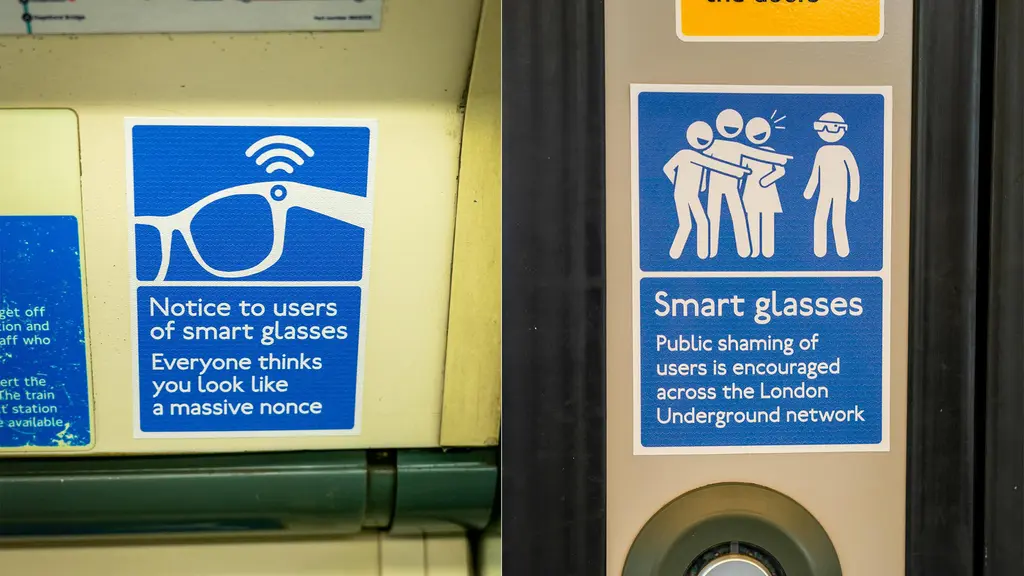
Activists slam “pervert glasses” in new guerrilla campaign
Everyone Hates Elon — Stickers have appeared on the London Underground network, criticising the wearable technology’s covert filming capabilities.
Written by: Isaac Muk

New exhibition highlights British radical living over 200 years
Earthly Paradise — Taking place at the William Morris Gallery, it explores the homes and lives of artists, writers, musicians and more, as well as the conditions that allowed them to thrive.
Written by: Isaac Muk

Pink Floyd’s Roger Waters joins team of new Palestinian resistance documentary
Freedom Theatre — Directed by Rishi Pelham, the film spotlights a theatre operating in the Jenin refugee camp.
Written by: Ella Glossop

Just Stop Oil holds first protest in 17 months
No new drilling — Having previously said that it was “hanging up the hi-vis”, the climate activist group has blocked a road outside Parliament to protest Andy Burnham opening the door for new oil and gas extraction licenses in the North Sea.
Written by: Ella Glossop

In photos: The enduring resistance of Notting Hill Carnival
Carnival of Resistance — A new photobook by Wayne Campbell and Wayne Crichlow reflects on the protest beginnings of Europe’s biggest street festival, along with the traditions keeping its original spirit alive today.
Written by: Isaac Muk

Tens of thousands gather to remember Jason Arday at London vigil
Stand Up to Racism — It took place in Trafalgar Square, with speakers paying tribute to the former Cambridge professor’s life and achievements, while calling for accountability over the reporting he faced from the mainstream press.
Written by: Ella Glossop


