How can surfing help create real global change?
- Text by Alex Taylor
- Photography by Roo McCrudden

Bali may be better known for its culture, food and abundance of monkeys doing their own thing than for its surfing scene but, this May, it’ll play host to the first Surf+Social Good summit. The word ‘summit’ brings to mind stuffy affairs where men in suits debate the world’s ills and then do absolutely nothing about them…. or the tops of mountains. See: G8, UN Climate, Kilimanjaro.
S+SG is looking to buck this trend with a new form of ‘action-based conferencing’, which is conference speak for “Shall we actually do something about all this, then?” The summit will feature keynote speakers, workshops and forums, all of which look to use surfing as the primary means of kick-starting this change.
Irish surfer and activist Easkey Britton, who’s also holds a PhD in Environment and Society is heavily involved in the running of S+SG. Easkey’s Waves of Freedom initiative has been using surfing to open a discourse about how the sport can bring about real change in countries like Iran, Peru and India. After showing how women can smash stereotypes in Iran, Britton and Waves of Freedom are now keen to bring the message to a wider audience, in part through the S+SG summit.
Just how much do you think that the summit can change on its own?
This is the coming together and shaping of a global movement – the summit is not a one-off isolated event. It’s about community-building for social change through collaboration, connection and collective leadership for greater impact, recognising that we can create much greater impact through collective action. To that end we all meet as a diverse mix of social equals, open to listening and sharing the diversity of our perspectives and knowledge and creating space for dialogue.
Are you hoping that the summit will provide very instant change or are you more optimistic that it will start a discourse about the nature of the project?
What the summit seeks to do is to bring together people across the spectrum, from different sectors, with different perspectives and approaches and yet sharing a desire or vision to create positive impact, be that through business, charity, advocacy, activism, innovation, or research. In a way it’s to shake up current discourse, or as some say, “common surf mentality”, and perhaps see things in new ways as well as be able to offer others unexpected insights. The aim is to create a space that facilitates a process for open dialogue – to be heard and to listen.
It’s not about telling people what they should and shouldn’t do, what we think surf+social good means, but rather an exploration of what we think it means in different contexts, how we are already doing things, or how we might wish to redefine surfing’s potential to create change. This is a beginning – to map out the successes and opportunities, as well as challenges and obstacles, and to form new opportunities for collaboration through research networks and project partnerships that we hope to create during our final day, the Impact Lab, May 18th.
How many people are you expecting to have at the summit? Of these, which age group are you most excited about attending?
The aim is to create a space for connection and to foster collaboration, which is why we’ve chosen to have it in an intimate, low-key, natural setting at the locally owned and run Cashew Tree above Bingin Beach. The main ‘unconference’ days is limited to a maximum 80 people and a maximum of 40 participants at our Girls Make Waves Action Day. (The GMW day targets teenagers and above, the rest of the Summit is for early 20s and above).
If this summit is a success, and I sincerely hope that it will be, would you be looking to hold more? If, so, would you look to take them around the world or localise them to SE Asia?
Yes! This is about growing an active community of wave-makers globally and we’d love to be mobile, with events at various locations around the world.
You can register here for the Surf+Social Good summit, in Bali, Indonesia, May 15-18.
Help support the summit’s crowdfunding call.
You might like
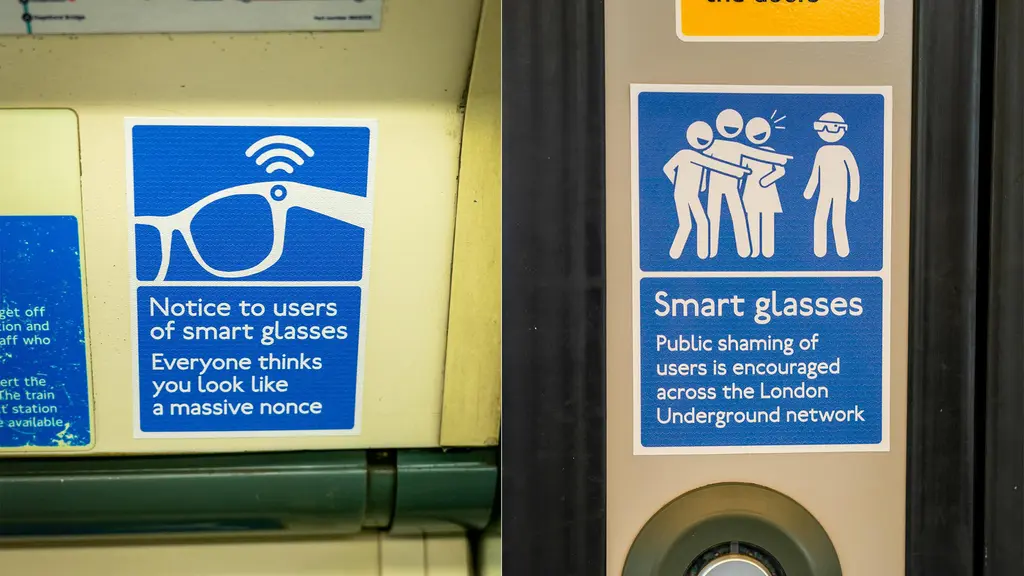
Activists slam “pervert glasses” in new guerrilla campaign
Everyone Hates Elon — Stickers have appeared on the London Underground network, criticising the wearable technology’s covert filming capabilities.
Written by: Isaac Muk

New exhibition highlights British radical living over 200 years
Earthly Paradise — Taking place at the William Morris Gallery, it explores the homes and lives of artists, writers, musicians and more, as well as the conditions that allowed them to thrive.
Written by: Isaac Muk

Pink Floyd’s Roger Waters joins team of new Palestinian resistance documentary
Freedom Theatre — Directed by Rishi Pelham, the film spotlights a theatre operating in the Jenin refugee camp.
Written by: Ella Glossop

Just Stop Oil holds first protest in 17 months
No new drilling — Having previously said that it was “hanging up the hi-vis”, the climate activist group has blocked a road outside Parliament to protest Andy Burnham opening the door for new oil and gas extraction licenses in the North Sea.
Written by: Ella Glossop

In photos: The enduring resistance of Notting Hill Carnival
Carnival of Resistance — A new photobook by Wayne Campbell and Wayne Crichlow reflects on the protest beginnings of Europe’s biggest street festival, along with the traditions keeping its original spirit alive today.
Written by: Isaac Muk

Tens of thousands gather to remember Jason Arday at London vigil
Stand Up to Racism — It took place in Trafalgar Square, with speakers paying tribute to the former Cambridge professor’s life and achievements, while calling for accountability over the reporting he faced from the mainstream press.
Written by: Ella Glossop


