Celebrating the art of the album cover

In the mid-1980s, curator, gallerist, and composer Antoine de Beaupré began frequenting a record shop in Paris that sold imports from the United States. “At the time, it was the only place you could find new music,” recalls de Beaupré, who would drop by once a week to purchase an album.
From these humble beginnings, an extraordinary record collection was born, one that includes over 15,000 albums. Last month, de Beaupré brought together 200 of the most innovative and influential 12×12 inch works for the exhibition, For the Record: Photography & The Art of The Album Cover, at The Photographers’ Gallery in London.
Featuring works by luminaries including Robert Frank, Robert Mapplethorpe, William Eggleston, Helen Levitt, Irving Penn, and Nan Goldin, For the Record was a tour de force that explored the vital intersection of music, photography, art, and commerce.
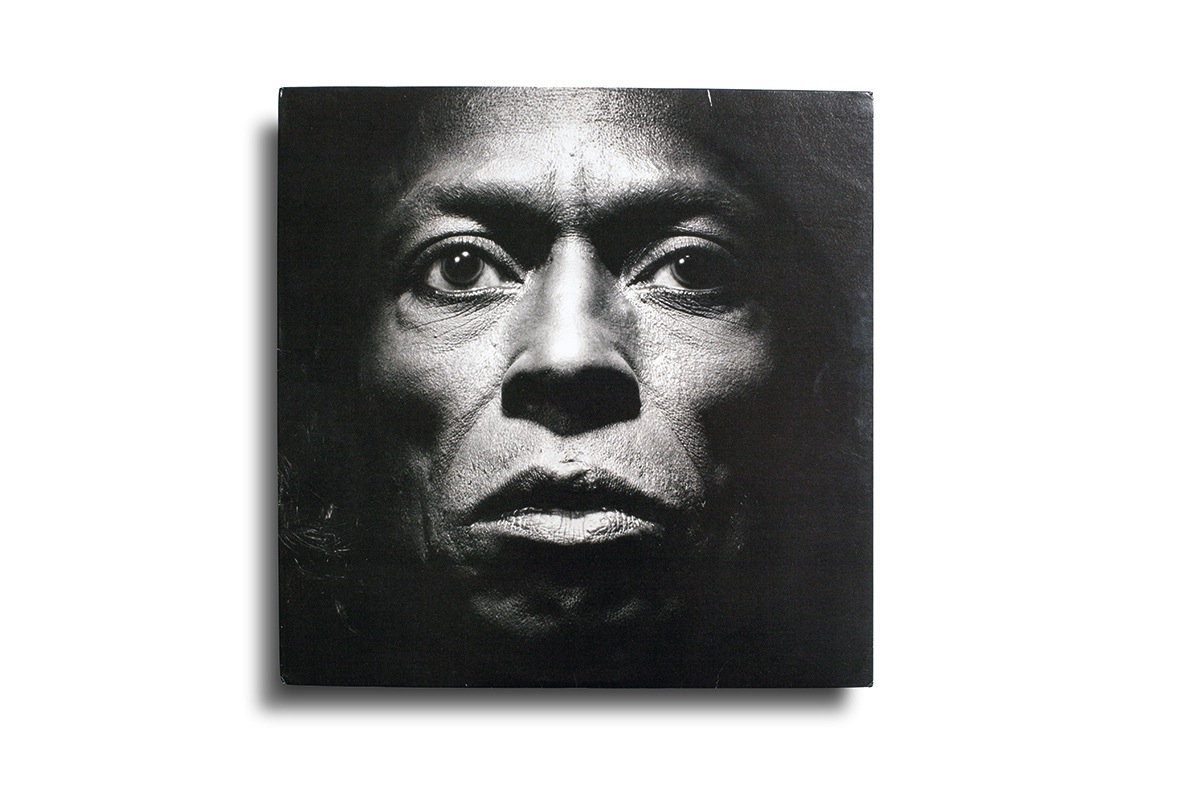
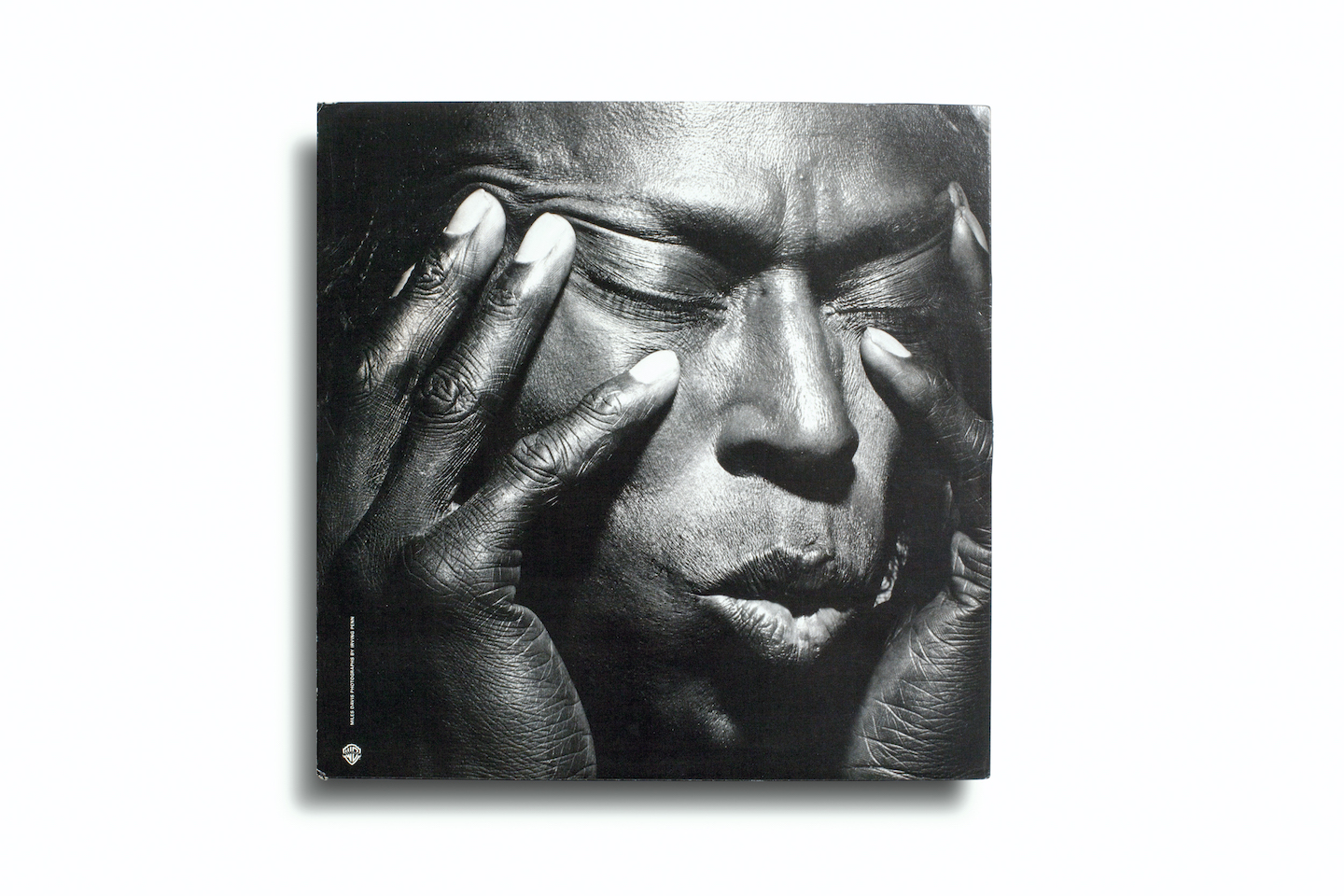
Miles Davis, Tutu, Warner Bros. Records, 1986. Photography: Irving Penn; Design: Eiko Ishioka
“Since the record cover was invented – way after the record itself – record labels realised its commercial impact,” says de Beaupre. “It became a promotional object for the music. Some records labels, like Blue Note in the mid-1950s, also understood that the visual language for the covers could become a visual signature.”
Album art has come to define the times while influencing generations to come. Jean-Paul Goude’s deftly crafted portrait of Grace Jones for the cover of her 1985 album Island Life has been endless remade by artists seeking to capture the magic and mystery of an iconic pose.
“When building a cover on this square you are sending a message,” says de Beaupré. “It was a very strong form of communication before video and the internet, and is still effective nowadays.”
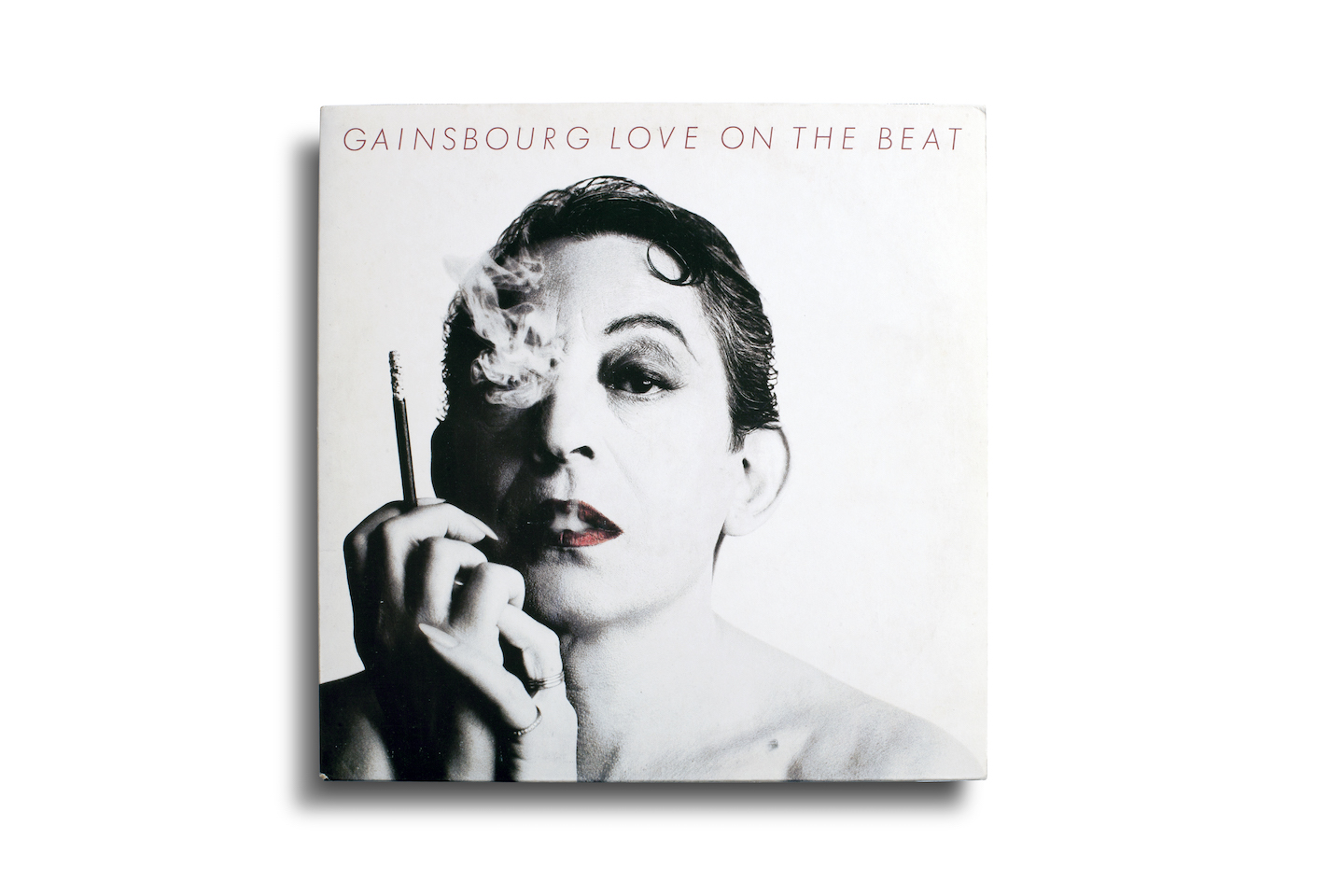
Serge Gainsbourg, Love on the Beat, Philips, 1984. Photography: William Klein

Prince, Lovesexy, Paisley Park, 1988. Photography: Jean-Baptiste Mondino; Design: Laura LiPum
Case in point: Iain Macmillan’s photograph for the Beatles’ 1969 album Abbey Road, which has inspired a legion of artists to create their own. The bold graphic of the photograph, combined with the highly accessible scene, offered a new way thinking about music photography.
De Beaupré points to the impact of established artists, photographers, and graphic designers all having a hand in crafting the visual identity of an album or a band. “David Bailey is associated to the early albums of the Rolling Stones. You could say that say grew artistically together back then,” he says.
“Andy Warhol and the Velvet Underground was a certainly turning point in album art. The famous banana on the cover created an association between the artist and the band. As a musician, having a cover made by Andy was a pledge of sale.”
As an album collector, de Beaupré is the consummate consumer, searching for the perfect beat. “Back then, there was no internet so you had to dig in shops,” he says. “Looking back, you realise how important covers are. You would recognise the label and if you didn’t know the musician, you would buy blind trusting the label.”
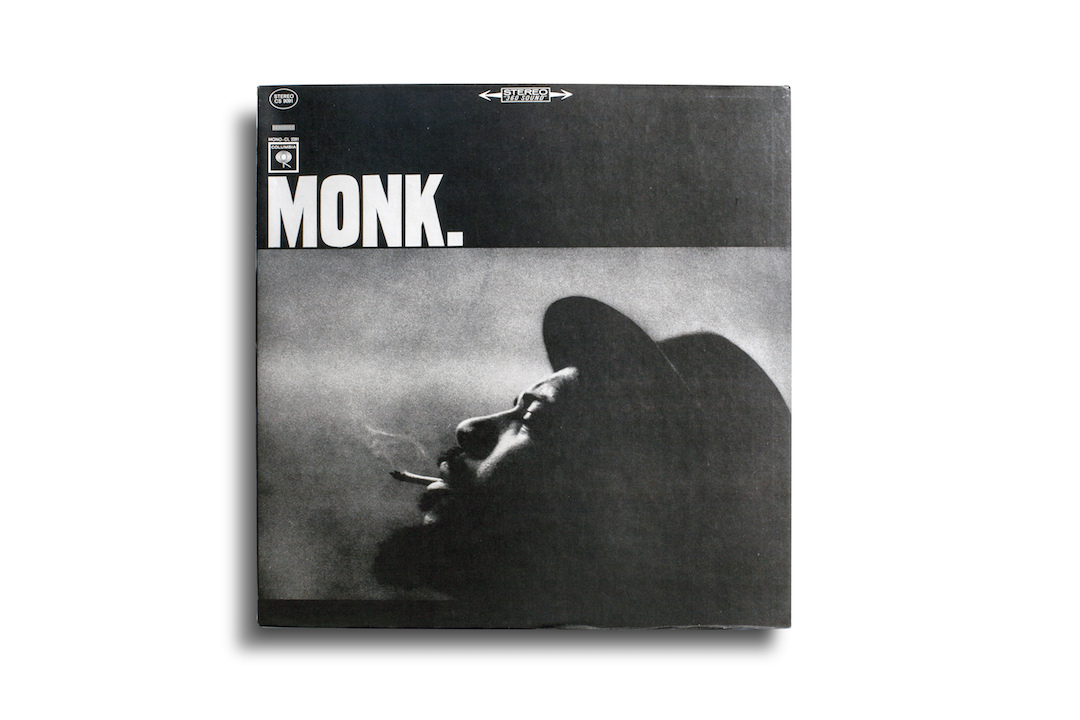
Thelonious Monk, Monk, Columbia, 1964. Photography: W. Eugene Smith
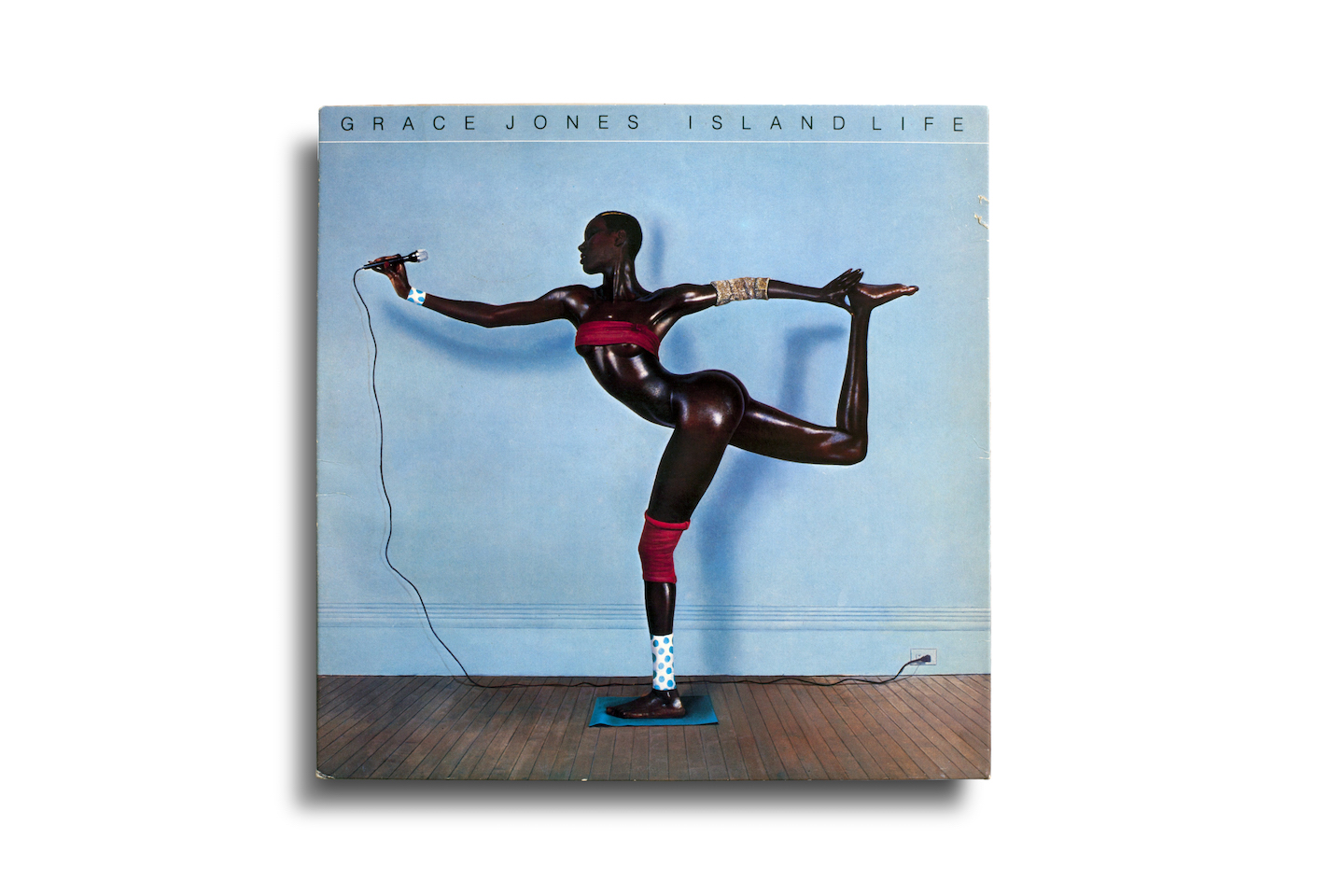
Grace Jones, Island Life, Island Records, 1985. Photography: Jean-Paul Goude; Design: Greg Porto
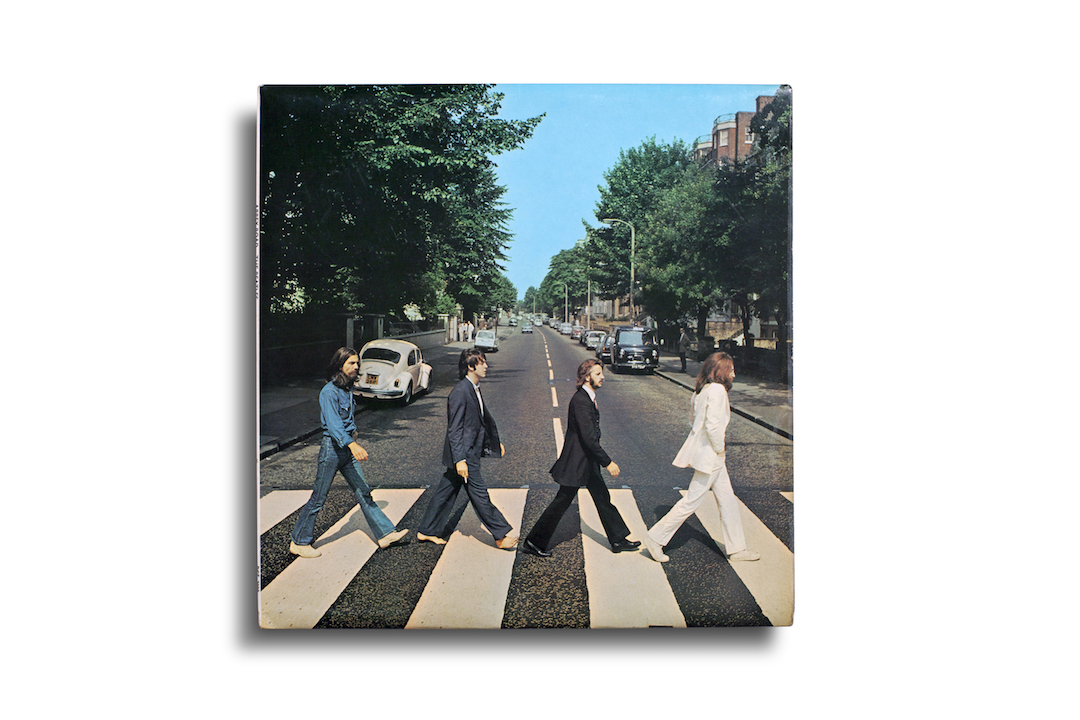
The Beatles, Abbey Road, Apple Records, 1969. Photography: Iain Macmillan; Design: John Kosh
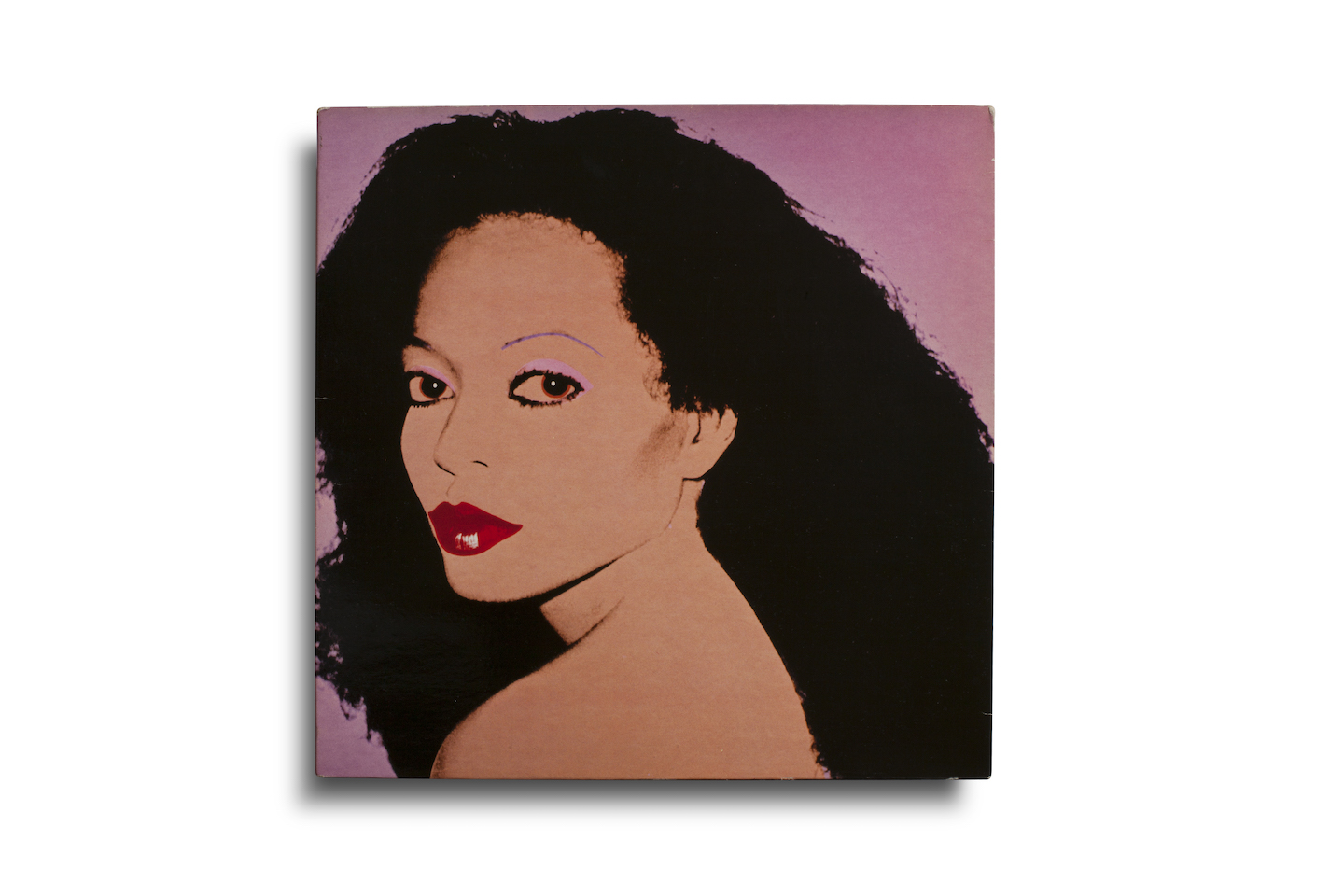
Diana Ross, Silk Electric, 1982. Photography & Design: Andy Warhol
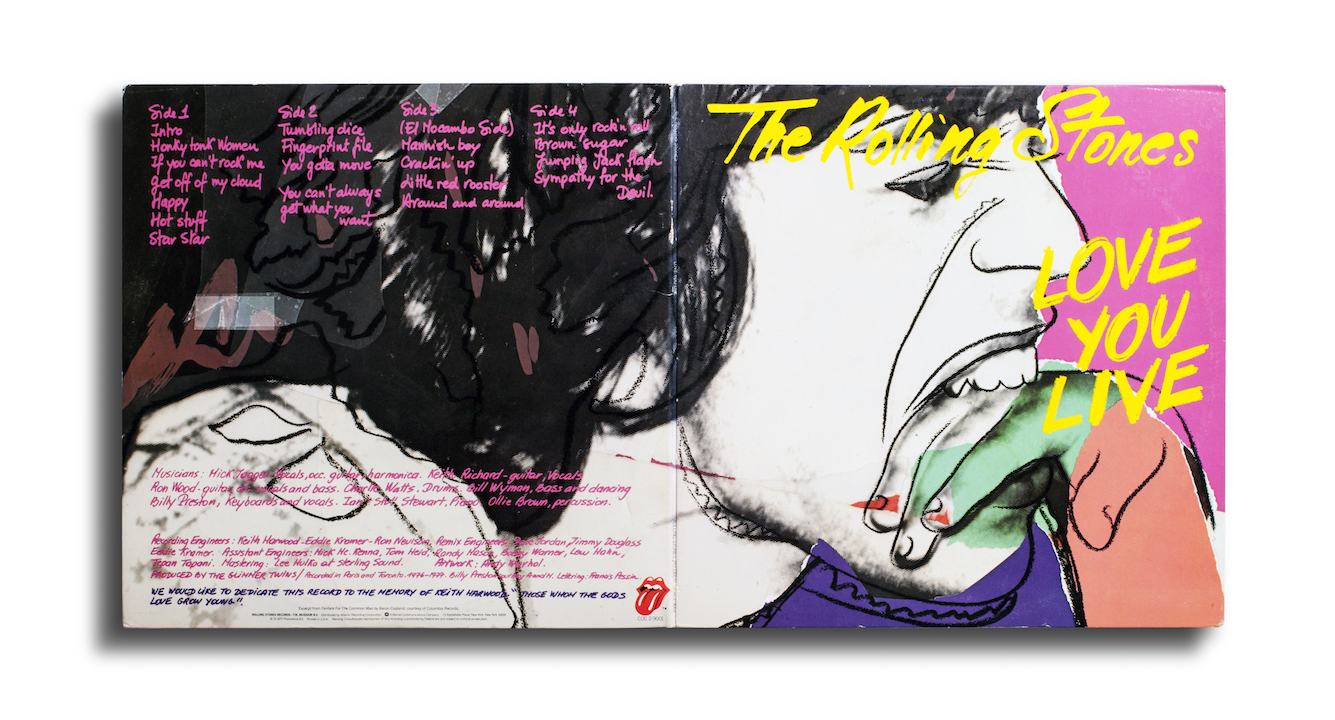
The Rolling Stones, Love You Live, Rolling Stones Records, 1977. Photography & Design: Andy Warhol
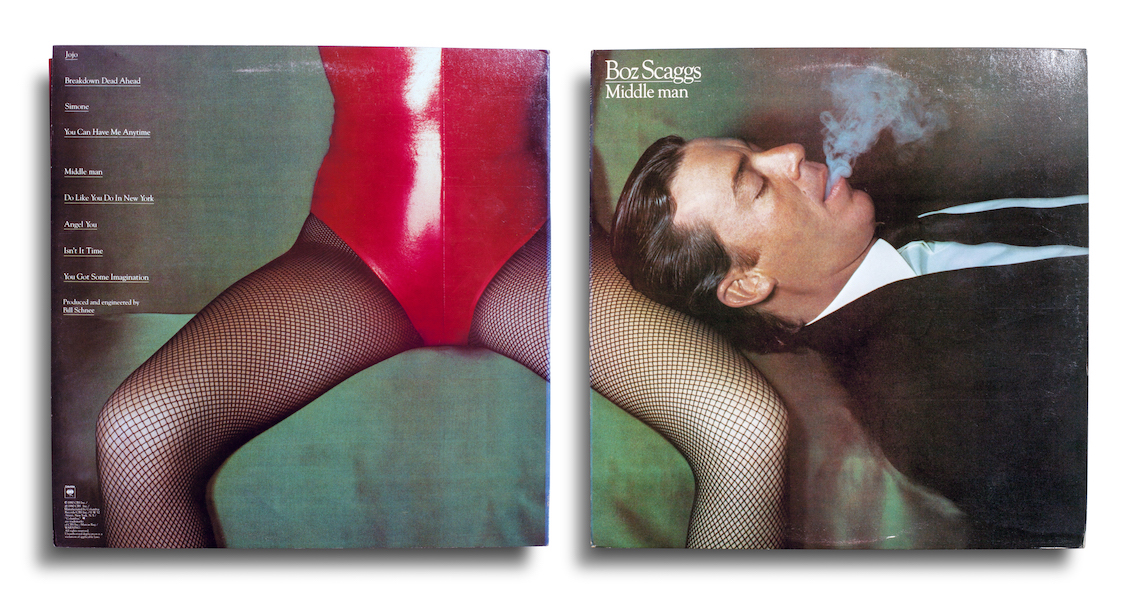
Boz Scaggs, Middle Man, Columbia, 1980. Photography: Guy Bourdin
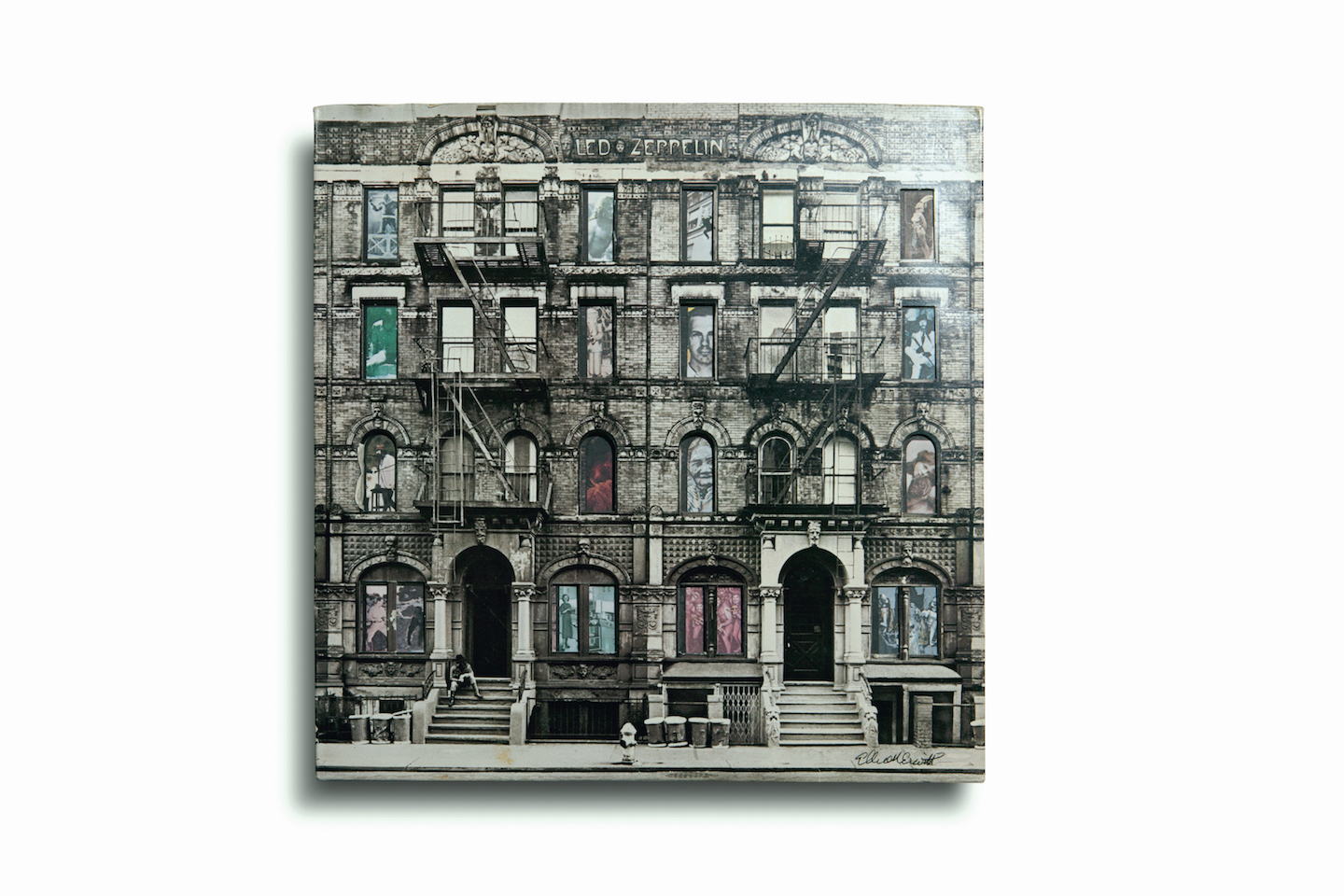
Led Zeppelin, Physical Graffiti, Swang Song, 1975. Photography: Elliott Erwitt ; Design: AGI/Mike Doud/Peter Corriston
Enjoyed this article? Like Huck on Facebook or follow us on Twitter.
You might like

In photos: Black Texas life since emancipation
Kinship & Community — A new photobook and exhibition showcases the rich culture, history and community of African American folks in the Lone Star State, whose existence in the region predates colonial Britain.
Written by: Miss Rosen

American Football: The One With The Feelings
Many moons — The Midwest emo architects transformed a college experiment into a coming-of-age soundtrack. 25 years on, their latest iteration sees them bottle the same magic for the ups and downs of middle life.
Written by: Tracy Kawalik

Inside Parkuir: the art project queering sport, space and our bodies
Lie and play — Founded by Maria Laudes and Guiu Gimeno, it provides a framework for engaging, subverting, and celebrating the small details that make people unique – and queer.
Written by: Molly Lipson

Youthful joy & end-of-era poignancy at a London school prom
Leavers — For several years, Lewis Khan documented young people as they celebrated the last of their school days and the completion of their exams. The series is now collated in a new self-published photobook and short film.
Written by: Zoe Whitfield

Harry Gruyaert’s vintage, kaleidoscopic scenes of New York
A Sense of Place — For 50 years, the Belgian photographer and Magnum Photos member has been capturing NYC’s colourful chaos. A new photobook and exhibition showcase his unique, technicolour view of the city.
Written by: Miss Rosen

In the pit at one of the UK’s last stock car & banger speedways
Stock Car Racing Isn’t Dead — Photographer Liam McCarthy spent time in and around the Arlington Raceway’s circuit, capturing the diehard community that keeps the sport alive.
Written by: Isaac Muk


