Claw Money is New York City's First Lady of graffiti
- Text by Miss Rosen
- Photography by Claudia "Claw Money" Gold

Claudia Gold remembers how as a child, she and her sister would gaze out of the windows of her father’s Chevy Impala. They would be keeping an eye on the overpasses and highways of New York City for the mysterious graffiti tag of a foot that fascinated them.
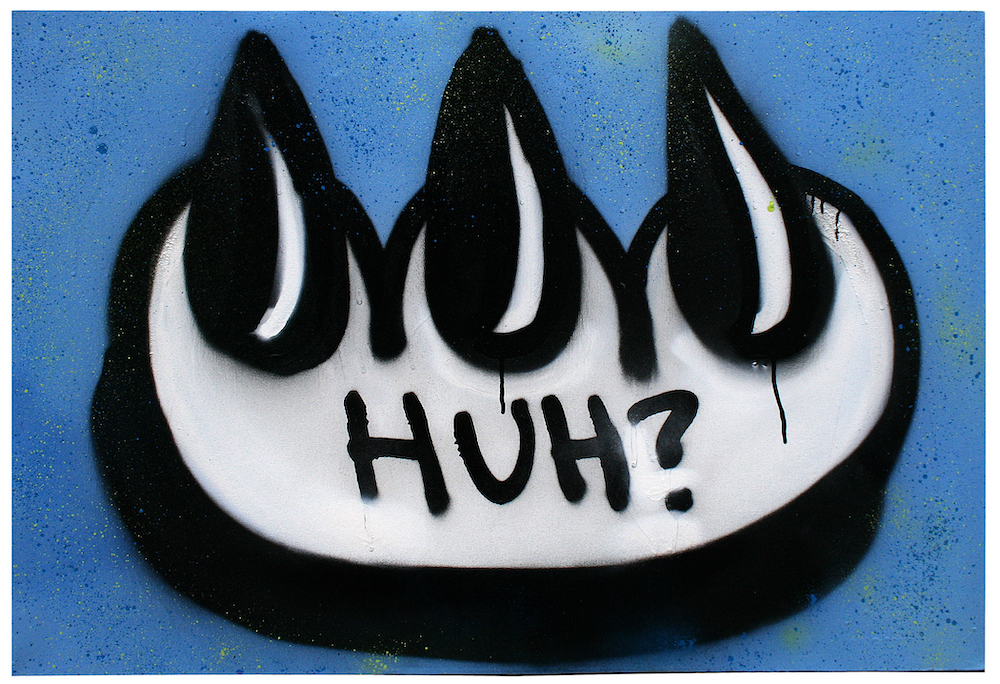
Now a famed graffiti artist and a fashion designer herself, Gold is known as “CLAW MONEY” and for her ubiquitous three-taloned CLAW paw. “I later found out those tags were by an artist named Mirage,” she says. “Who knew that would go on to have such an influence on my own graffiti?”
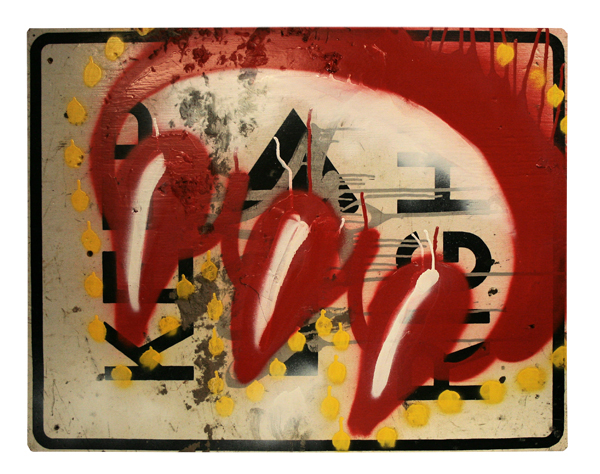
Gold’s fame in the scene has seen her collaborate with brands from Nike to NASCAR, and her work even featured in last year’s Ocean’s 8. But when starting out in the early ’90s. it was a happy accident that led her to develop her trademark tag.
“Some of the people I was hanging out with were pulling out cans of spray paint after the club and catching tags,” Gold remembers. “I was like, ‘Oh shit! I’m The CLAW – pass me the can!’” Adopting the high-school style of bubble letters, Gold threw up her new moniker wherever she could, embellishing the “W” with jagged fingernails.
One day, she noticed another tagger covering up her work but leaving the “W” untouched. She had an epiphany: “It’s a quarter of the paint and it’s still my name.”
The “W” quickly morphed into the iconic CLAW paw, which she used for shout outs, witticisms, graffiti beef, and status updates long before Instagram.
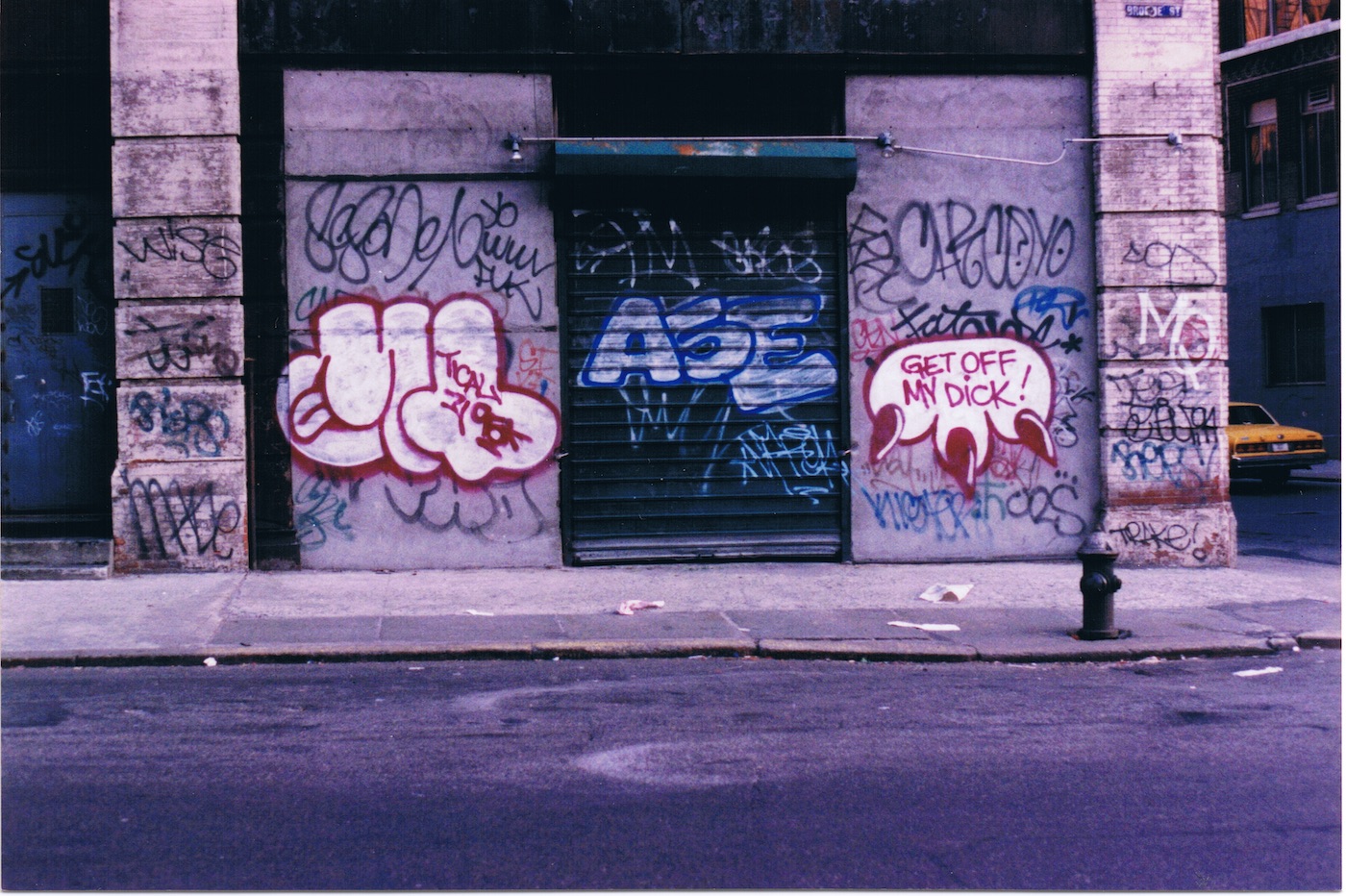
Running with the TC5 and FC crews, Gold was one of the few women in a male-dominated scene. “If you had a chick in your crew she could go up against another chick but I wasn’t into that,” she tells me. “I said fuck that, I’m going up against the dudes.”
“Sometimes being a woman worked for me though,” she recalls. Gold would sometimes don a prom gown when tagging, knowing that cops would never suspect her of carrying spray cans in her purse. “I would be painting and someone would start yelling at me, but I could just say ‘You saw nothing’.”
“Writing illegal graffiti is you against the world. The public hates it. The cops hate it. Other graffiti writers hate it. You’re really pushing the limit of your freedom. Everyone is fighting for space from the advertisements to store signage. When you steal a little space, it’s exhilarating.”
“You’re intertwining yourself into a neighbourhood. Everyone says, ‘Yeah I’ve seen that’, they don’t know what it is and can’t remember where, but they’ve all seen it now.”
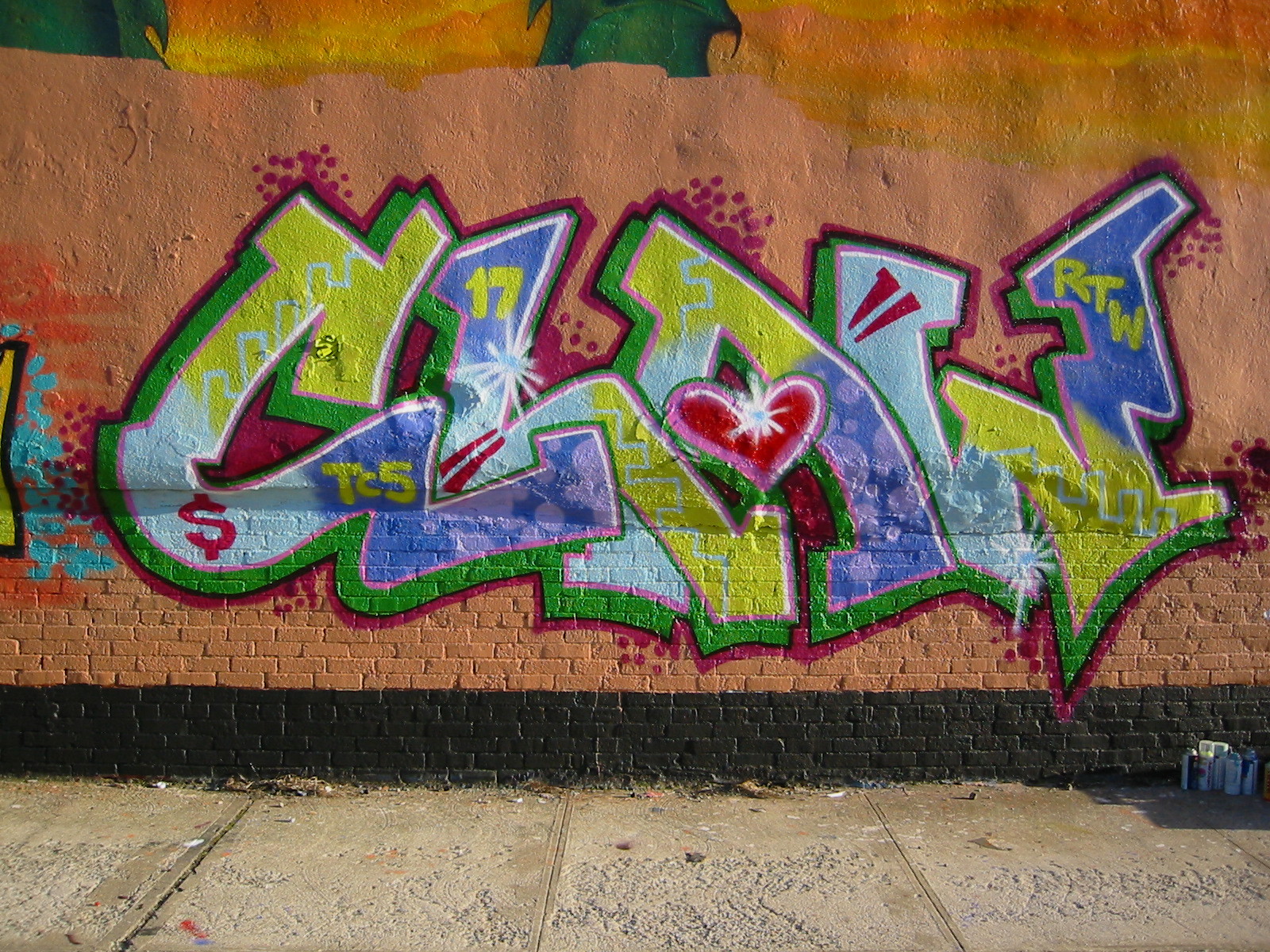
Gold Minds, Claudia Gold’s podcast, returns on August 27, 2019. That same day, Gold will takeover the Beyond the Streets Instagram account.
Her work is on view in Beyond the Streets in Brooklyn, New York, through September 29, 2019.
Follow Miss Rosen on Twitter.
Enjoyed this article? Like Huck on Facebook or follow us on Twitter.
You might like

Nick Haymes’s intimate portrait of his family’s life
Chronograph — Over 25 years, the photographer documented his son’s lives as they grew into adults. The resulting photobook is an exploration of the passage of time, as well as the optimism of youth.
Written by: Miss Rosen

Kristina Rozhkova’s scatty, confronting portrait of captivity
Gut Feeling — The Russian artist’s 2024 arrest and subsequent detention opened her eye towards the omnipresent dynamics of power and control. Her new photobook is a stark exploration of being trapped.
Written by: Isaac Muk

Julian Cashwan Pratt: “We fought security until the cops showed up”
Hard Feelings — The lead singer of Show Me the Body joins Rob Kazandjian’s column on fatherhood and masculinity to talk about mentors, scrapping Zionists at shows, and finally making his father proud.
Written by: Robert Kazandjian

UK’s first ever Latino film festival is coming to London
LoLaFF — Taking place between October 2-6, it will feature 55 filmmakers from Latin America, with an opening night at the Barbican.
Written by: Isaac Muk

Shawn Walker’s layered, psychedelic vision of Harlem’s streets
From BeBop to Illusion — Using glass as a means to illuminate the city’s different layers, the longtime photographer and filmmaker is publishing his first monograph at the age of 86.
Written by: Miss Rosen

In photos: The enduring resistance of Notting Hill Carnival
Carnival of Resistance — A new photobook by Wayne Campbell and Wayne Crichlow reflects on the protest beginnings of Europe’s biggest street festival, along with the traditions keeping its original spirit alive today.
Written by: Isaac Muk


