Coming of age in 70s rural Scotland
- Text by Miss Rosen
- Photography by Sandy Carson

Growing up in Newmains, a tiny village about 20 miles southeast of Glasgow, photographer Sandy Carson remembers the 1970s as a golden age. Heavy industry and steel were the backbone of the local economy and the working-class community was thriving, until Margaret Thatcher came to power and Ravenscraig steelworks was forced to shut its doors.
“The whole village and surrounding towns went into a great depression and unemployment rocketed, which did nothing but bad stuff to the community,” Carson says.
An only child raised in a single-parent home, Carson lived with his mother with his extended family close by. He and his best friend got into BMX, skateboarding, and punk rock, which made him an outsider in the conservative football town.
“On two different occasions I ended up in hospital – once with a bottle broken on my head and stabbed on another – just for being the weird outcast kids,” Carson says. “I think the universe was trying to tell me something.”
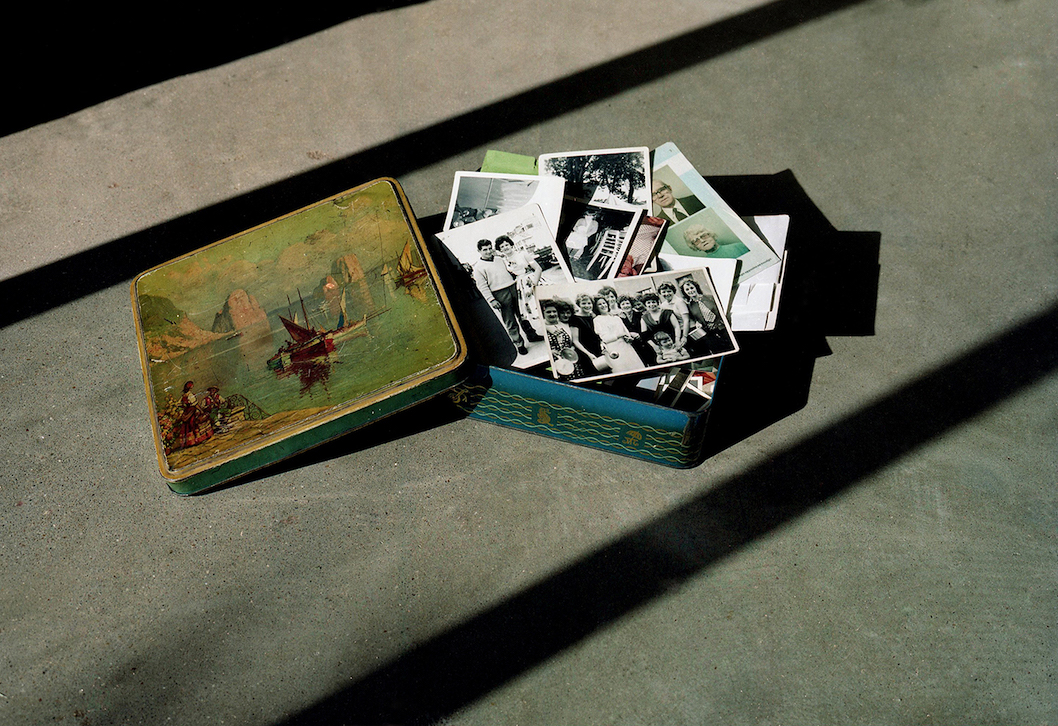
In 1993, at age 20, Carson emigrated to the United States while his family stayed behind. On trips home, he would make photographs. “I wanted to take the memories back with me and connect with the years I was losing, hanging out with my mum,” he says.
“Just portraits, everyday routines, and memories of the old stomping grounds since it was so drastically different to where I was living in Bethlehem, PA, at the time – also a defunct steel town, come to think of it!”
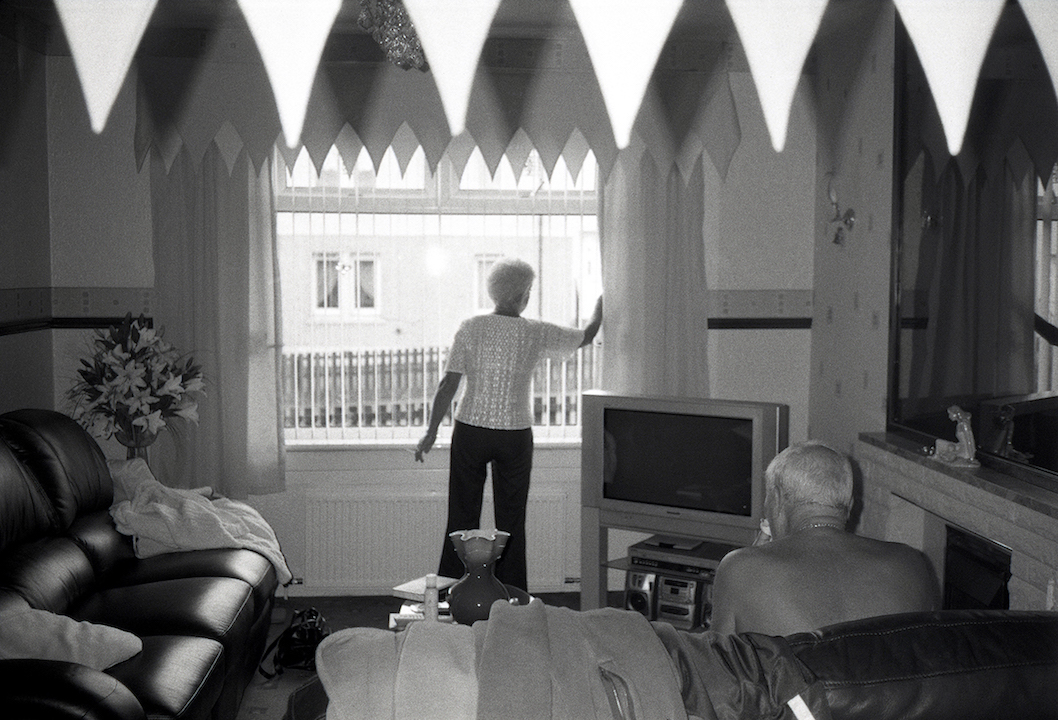
From this archive, Carson has created Passing Place (Yoffy Press), a poignant record of his mother’s final years. “Seeing mum’s health go downhill in 2011 made me question her mortality and time with us. The uncertainty of it made me want to spend more quality time with her and connect more.”
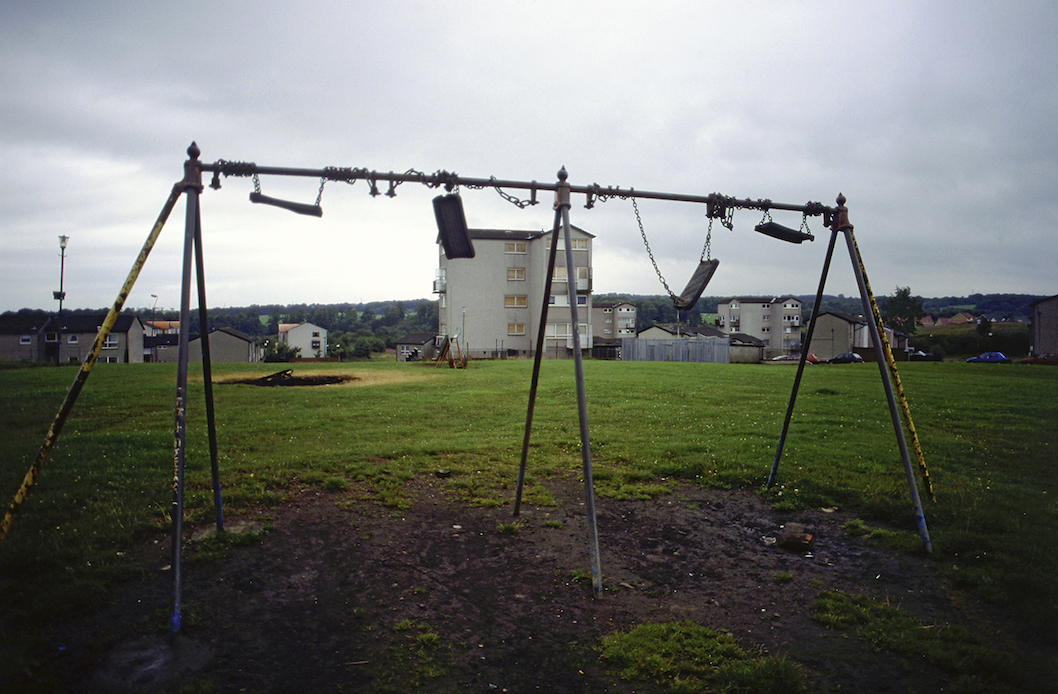
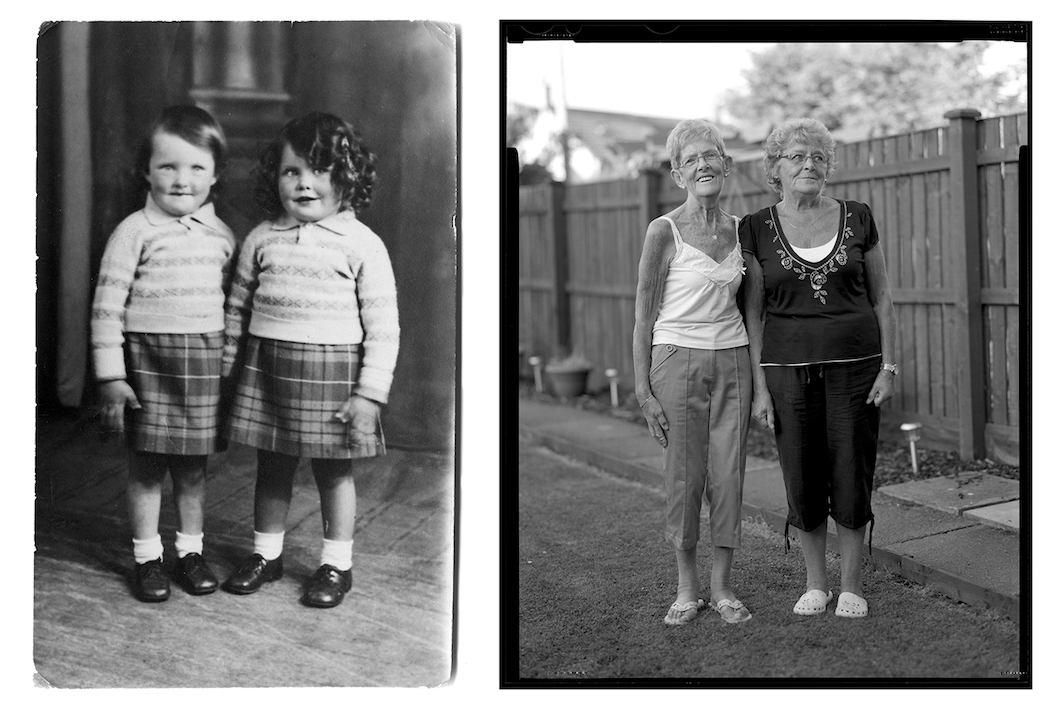
Weaving together family photographs, landscapes, still lifes, portraits, and intimate scenes of daily life, Carson creates a moving account of family and home, of the importance of having a people and a place to call our own.
To cover his travel expenses, Carson earned money winning BMX contests and doing tours. But life back in the village wasn’t always magical mountains and verdant rolling hills.
“It was a little scary walking around the village with a camera and documenting everyday life or landscapes in run-down areas for the fear of being stabbed again,” he remembers.
“Photography just never happens there unless it’s for social services or health and safety inspectors. I was asked what I was up to and chased out on one occasion.”
Despite the challenges, Carson persevered, creating a powerful bond with his mum and a wealth of memories to last a lifetime. “It made me think about the shortness of life and helped me understand more about time, distance, my own mortality and the family bonds that exist despite geography,” he says.
“It was a nostalgic rollercoaster ride and a very cathartic personal journey of letting go of baggage and having closure, because what family doesn’t have baggage?”
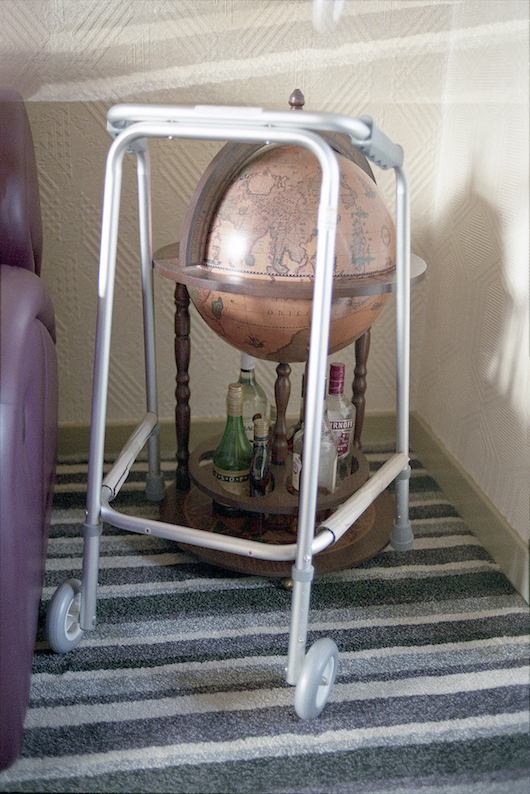
Passing Place is out now on Yoffy Press.
Follow Miss Rosen on Twitter.
Enjoyed this article? Like Huck on Facebook or follow us on Twitter.
You might like

Jesse Glazzard’s messy portrait of queer friends, lovers and chosen family
The Sound of Dirt and Beauty — The photographer’s debut monograph explores tender, unpolished moments shaped by the people who he surrounds himself with, while offering a window into the UK’s working-class LGBTQ+ community.
Written by: Sunny Sunday

Behind the curtain at Alternative Miss World 1981
Olympia glamour — Running a subversive take on the traditional beauty pageant, the Andrew Logan organised event prioritised underground creativity and invention. Photographer David Corio went behind the scenes at its biggest edition.
Written by: Miss Rosen

New exhibition highlights British radical living over 200 years
Earthly Paradise — Taking place at the William Morris Gallery, it explores the homes and lives of artists, writers, musicians and more, as well as the conditions that allowed them to thrive.
Written by: Isaac Muk

What life on the Strait of Hormuz is really like
Southern Winds — Bandar Abbas based photographer Morteza Niknahad has been capturing the diverse communities and stories of his local region since he first picked up a camera. His new series highlights the human impact of war.
Written by: Isaac Muk

Nick Haymes’s intimate portrait of his family’s life
Chronograph — Over 25 years, the photographer documented his son’s lives as they grew into adults. The resulting photobook is an exploration of the passage of time, as well as the optimism of youth.
Written by: Miss Rosen

Kristina Rozhkova’s scatty, confronting portrait of captivity
Gut Feeling — The Russian artist’s 2024 arrest and subsequent detention opened her eye towards the omnipresent dynamics of power and control. Her new photobook is a stark exploration of being trapped.
Written by: Isaac Muk


