Stopping new Labour members from voting for Jeremy Corbyn is an insult to democracy
- Text by Michael Segalov
- Illustrations by Laurene Boglio

For decades, party political membership in the United Kingdom has been in decline. A report produced by the House of Commons Library in August 2015 found that the proportion of people in one of the UK’s three main political parties was at an all time low, placing Britain amongst the lowest levels of party membership anywhere in Europe.
To be honest, when I first read this report it wasn’t much of a surprise. While the Conservative Party rarely attempt to hide the fact their loyal voter base of middle-aged, middle-class middle-Englanders are their priority, the Liberal Democrats, who’d promised our generation an end to tuition fees, got themselves into government and broke the pledges they’d so eagerly signed to win their seats.
No tuition fees, they told us, before trebling the cost of going to university in one fell swoop. The Labour Party meanwhile offered us nothing – floating around somewhere in the vapid centre ground assuming we’d probably vote for them because they were probably less bad. Probably.
Party politics seemed to be a thing of the past, but it didn’t mean young people like me were apathetic, or apolitical. The emergence of social media and our access to the internet meant we could bypass traditional forms of organising. These outdated structures brimming with politicians offering us fuck all were no longer needed. When we were betrayed by the promises that had been made we took to the streets.
But then something unexpected happened, on both sides of the Atlantic. Jeremy Corbyn and Bernie Sanders were suddenly on the scene, galvanising vast swathes of us, both young and old, with a radical alternative for a fairer, more equal society. Here in the UK Corbyn was victorious in becoming the leader of the Labour Party, Bernie got so close to becoming the Democratic candidate in the Presidential race.
Commentators and pollsters were left shocked, again. Frankly it shouldn’t have come as too much of a surprise. Look to Greece, look to Spain, a similar pattern has been emerging. Social movements like Podemos and Syriza were progressive, youthful and exciting movements in no uncertain terms.
Less than a year later in Britain, and a coup was put into action. People who’d never supported Corbyn’s leadership still didn’t support it, and despite his mandate (the largest in party political history in Britain), a handful of MPs had decided enough was enough. Rather than uniting to hold the government to account, and our newly unelected Prime Minister, another summer of infighting set to follow. In just two weeks, a further 130,000 people joined the party, a figure that will no doubt be higher today, a further fortnight later.
Whatever you think of Jeremy Corbyn, both in terms of his ability to lead a major political party or the politics that he’s spent his life passionately fighting for, you can’t deny he’s drawing people back into the political arena, whether they’re joining to support him or otherwise. Labour’s response? Decide that any new member would not be ineligible to vote.
Taking away the right of members to vote who’ve been member for less than six months, unless they pay a whopping £25 additional fee, is nothing short of a disgrace. When 100,000+ people make an active decision to become part of a movement that supposedly prides itself on being open, democratic, and accessible to anyone regardless of their income, demanding they pay such a large sum is absurd. People joining a political party, especially one that’s finally offering a real alternative, should be celebrated.
Because here’s the other thing, you can still vote if you’ve joined in the last six months, but only if you pay extra for the privilege. It seems that only those who can pay the price to be part of the democratic process now deserve a say in our future. It doesn’t sound progressive to me.
If I’m honest, I’m still not entirely convinced that real, wholesale and radical social change will come through Parliament. Look back through history and, despite what some people might try and tell you, we’ve never won by asking nicely. But now, more than ever, it can feel pretty hopeless for those of us trying to navigate our way through the early stages of our lives.
We’re the first generation set to be worse off than our parents, we’re being forced out of Europe against our generational will, and finding a permanent job, a place to crash or any stability seems like a pipe dream.
Yet what’s happening now, in Britain at least, is a resurgence, a mini-uprising, a chance for those of us who’ve been pushed to the fringes to come together and make our case. The fact that so many people are listening, engaging, and deciding they too want to be part of this should excite us. The response from those who claim to want to build a movement? Pay us more, or stay silent.
It’s no wonder we’ve fallen out of love with party politics.
Enjoyed this article? Like Huck on Facebook or follow us on Twitter.
You might like
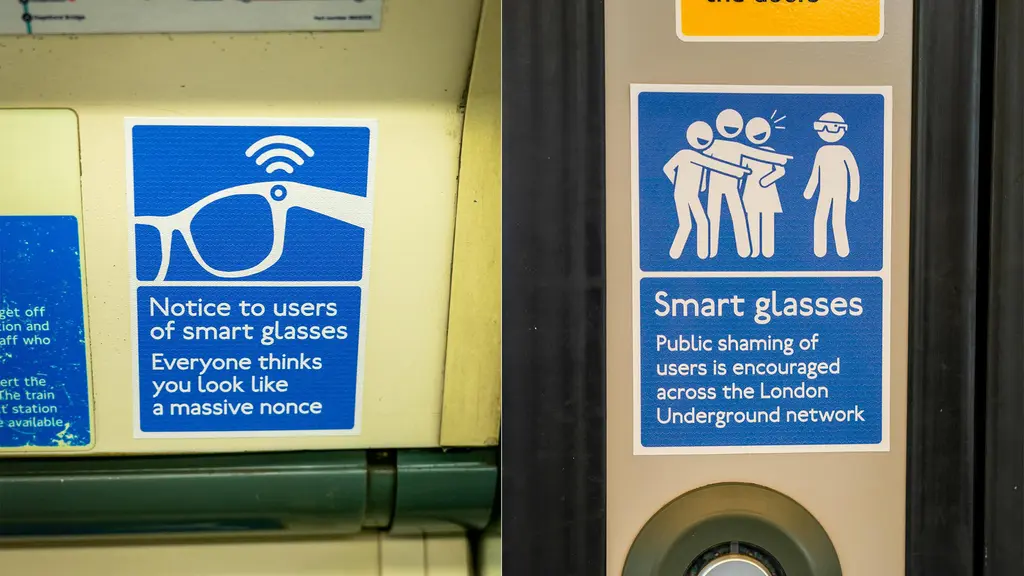
Activists slam “pervert glasses” in new guerrilla campaign
Everyone Hates Elon — Stickers have appeared on the London Underground network, criticising the wearable technology’s covert filming capabilities.
Written by: Isaac Muk

New exhibition highlights British radical living over 200 years
Earthly Paradise — Taking place at the William Morris Gallery, it explores the homes and lives of artists, writers, musicians and more, as well as the conditions that allowed them to thrive.
Written by: Isaac Muk

Pink Floyd’s Roger Waters joins team of new Palestinian resistance documentary
Freedom Theatre — Directed by Rishi Pelham, the film spotlights a theatre operating in the Jenin refugee camp.
Written by: Ella Glossop

Just Stop Oil holds first protest in 17 months
No new drilling — Having previously said that it was “hanging up the hi-vis”, the climate activist group has blocked a road outside Parliament to protest Andy Burnham opening the door for new oil and gas extraction licenses in the North Sea.
Written by: Ella Glossop

In photos: The enduring resistance of Notting Hill Carnival
Carnival of Resistance — A new photobook by Wayne Campbell and Wayne Crichlow reflects on the protest beginnings of Europe’s biggest street festival, along with the traditions keeping its original spirit alive today.
Written by: Isaac Muk

Tens of thousands gather to remember Jason Arday at London vigil
Stand Up to Racism — It took place in Trafalgar Square, with speakers paying tribute to the former Cambridge professor’s life and achievements, while calling for accountability over the reporting he faced from the mainstream press.
Written by: Ella Glossop


