
Ben Gore is a photographer, skater, ‘zine-maker and small press distributor based in London.
He’s made a bunch of rad printed things with cool names like Dinosauria, We, Concrete Canvas, Blood & Water and Fried Brains and his latest collection of curious self-published pages is called Here & There.
We caught up with the prolific dude to find out why he likes to shoot, print and staple.
When and why did you start making ‘zines?
I started making ‘zines during university. I love books and I wanted to put my photos into physical form – off the screen and into a tangible object. It was something I could give to friends or swap with those who create similar things. The first one I made was for an exhibition I put on during my second year of university. I wanted to make something for people to able to take away from the exhibition as a memento. I enjoy going and seeing exhibitions, and photos work well in that space, but that environment limits your audience. With ‘zines, you can create a book, with complete creative control, on a very limited budget, and post it to anyone around the world.
What’s Here & There all about?
Here & There is about growing up, being twenty-two and confused, looking back at how you got here, and looking forward into an uncertain future. I consider Here & There to be both a physical and emotional state. Physically, I’ve lived in a lot of different places in the last few years. ‘Here & There’ refers to the place and the time, and how things are changing. Emotionally, it is the uncertainty of those circumstances, feeling here and there, being up and down, or being lost in the space between here and there.
It’s also about change over time, and the history or scars that make us who we are. It starts from the very beginning, the first two images being a joke that I’m looking all the way back to the big bang and dinosaurs.
The ‘zine touches on things I’ve noticed as I grow older. One of the spreads has a photo of Jack Bridges skating next to a close up of an old man wearing a Hawk T-shirt. It’s a representation of how it can feel being seen as a skateboarder outside of your teens. That feeling when you roll up to a skatepark and it’s full of twelve-year-old kids on scooters.
Here & There is the sister ‘zine of Fried Brains. Fried Brains starts with the same premise of being lost and young, but finding freedom in that lack of a tether, instead of sinking into self-reflection. Fried Brains is about and exploring and adventure, whereas Here & There is more claustrophobic with a lot of dark isolated figures.
When were the photos shot and how did you decide to present them together in this way?
The photos were shot over the past eighteen months in England and Australia. The stories come together as I edit as opposed to when I shoot. I’ll shoot fairly intensively for a few months; whatever I’m up to, wherever I am. Then I begin to play with the pictures and series, and try to figure out the story that the pictures tell and what story I want to tell.
They’re presented in a storyline with a beginning and end, so I’m using photos as symbols of feelings, a time or a place. It’s a lot of trial and error. I’ll play with photos and their sequencing until it feels right. I want each ‘zine to have its own mood, in a similar way to how filmmakers make films in different genres, I want each ‘zine to have a different tone. There are personal reasons why each photo is included and why it’s in a certain place, but part of the fun is leaving that as a mystery.
What’s Nomad Distribution and how does it work?
Nomad Distribution is a small press distributor I set up to sell ‘zines and prints. At the moment I’m only selling my personal work but I’m hoping to get some like-minded photographers and illustrators on board in the near future. It’s very low-key at the moment and it’s just me running the site, processing orders, and handling the finances.
What’s the London ‘zine scene like?
I can’t really comment on the whole of the London ‘zine scene. I’d say I’ve only really been actively involved during the past few months after helping out with The Photocopy Club and Marc Vallee shows respectively, which were both great to be a part of. I’m still getting into the habit of getting my zines into hands. I haven’t been to any ‘zine fairs in London yet, but the bits and pieces I’ve seen are really promising. There’s also some good shops scattered around that sell small press publishing or ‘zines.
What do you do for a living and how do ‘zines fit into that?
‘Zines don’t pay bills so I work in hospitality to make a living. I have worked as a freelance photographer on occasion but jobs have been sporadic. Ideally I’d like a career within photography or publishing, but I’m still figuring out how I can do that.
‘Zine-making is fun for me. It’s just a hobby. I love shooting photos and it’s a way to create a series that has a larger meaning than one photo would have on its own. It’s a document of not only the time when I shot the photos but also the mindspace I was in when I edited the ‘zine. Some people like writing songs or playing music, but I enjoy playing with images and creating stories through series. It’s therapeutic for me too. If you can figure out a way to arrange these images to tell a story of a place or yourself, it’s like that’s a certainty. Those are memories that are important and by making a physical object they’re logged in a kind of scrap book.
Have you swapped Here & There for any good zines?
I’ve swapped Here & There for quite a few good ‘zines. The swapping is one of the greatest things about ‘zine culture. Last week I did a swap with Colin Sussingham, who runs the New York-based submission ‘zine Sundays. He sent me over a couple of copies of that and his personal ‘zine Mums The Word. I swapped with one of my friends from university, Harry Layzell, who created a ‘zine called Better, which is a compilation of lo-fi photographs. His work inspired me during university and I’m really glad I’ve got a copy of his ‘zine. I’ve also traded a couple of ‘zines with the Manchester-based OWT collective.
What are your favourite ‘zines?
It’s hard to nail down my favourites. Each ‘zine-maker takes their own approach to the medium so, in a similar way to how you listen to music depending on your mood, I’m drawn to different ‘zines in different moods. I think Marc Vallee’s Anti-Skateboarding Devices ‘zine is great. As a skateboarder myself, it’s interesting to see a typography of anti-skateboarding architectural measures. Ben Jensen’s Way Bad ‘zine is a rad collection of skate doodles. The Nighted ‘zines are always a sick collection of antics and mischief. Alana Paterson’s Born To Lurk, Forced To Work is a great range of skate and lifestyle photographs. Blood of the Young produce great work too, and Sonia Argento and Dimitri Krakatos’s collaborative ‘zine Sometimes I Think of You Every Day is an excellent collection of images of young love, intimacy, travel, and adventure.
You might like
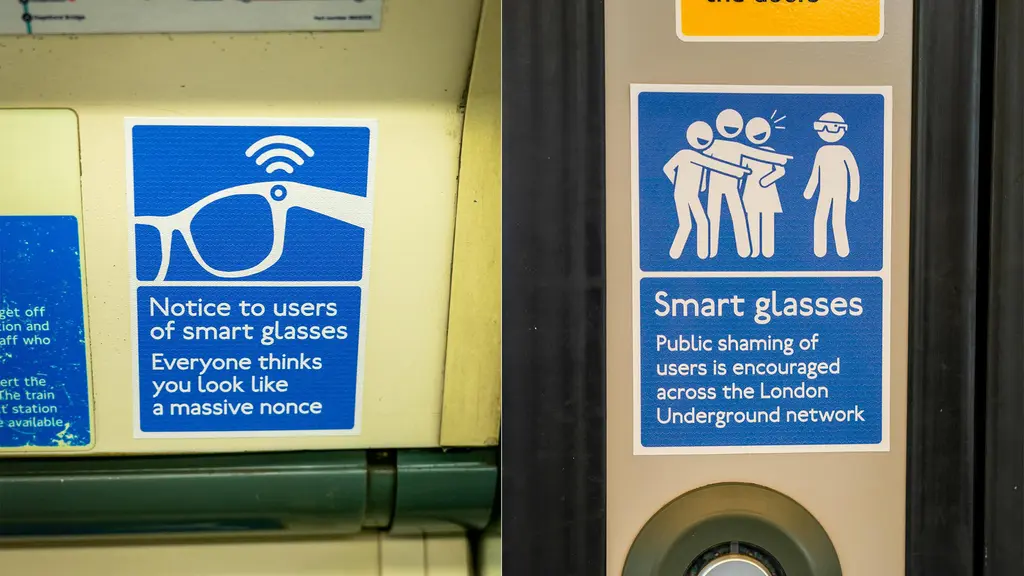
Activists slam “pervert glasses” in new guerrilla campaign
Everyone Hates Elon — Stickers have appeared on the London Underground network, criticising the wearable technology’s covert filming capabilities.
Written by: Isaac Muk

Behind the curtain at Alternative Miss World 1981
Olympia glamour — Running a subversive take on the traditional beauty pageant, the Andrew Logan organised event prioritised underground creativity and invention. Photographer David Corio went behind the scenes at its biggest edition.
Written by: Miss Rosen

Dan Lacey: “BMX is forever evolving”
Overground — Steph Pomphrey caught up with the two-wheel legend after his latest meet in east London, chatting about fatherhood, music and action sports within the outdoor industry.
Written by: Steph Pomphrey

The battle for the soul of lockpicking
Under locksport and key — In recent years, breaking locks for fun has grown from a niche hobby into an activity followed by millions of people. As it has matured, so have tensions over who sets the rules.
Written by: Jack Dennison-Thompson

New exhibition highlights British radical living over 200 years
Earthly Paradise — Taking place at the William Morris Gallery, it explores the homes and lives of artists, writers, musicians and more, as well as the conditions that allowed them to thrive.
Written by: Isaac Muk

UK’s first ever Latino film festival is coming to London
LoLaFF — Taking place between October 2-6, it will feature 55 filmmakers from Latin America, with an opening night at the Barbican.
Written by: Isaac Muk


