Life as a freelance creative in NYC
- Text by Cian Traynor
- Photography by Daniel Soares

“My relationship with New York is like being in an abusive relationship with this stinky, gross asshole… but somehow the sex is amazing,” says Zipeng Zhu, who left China and a career path in biochemistry to explore his love of design in New York.
Zipeng has never had a full-time job and, as he often has to point out to people, he doesn’t want one.
Instead he’s content to navigate the ups and downs of self-employment in an unforgiving city, fuelled by his own manic creativity.
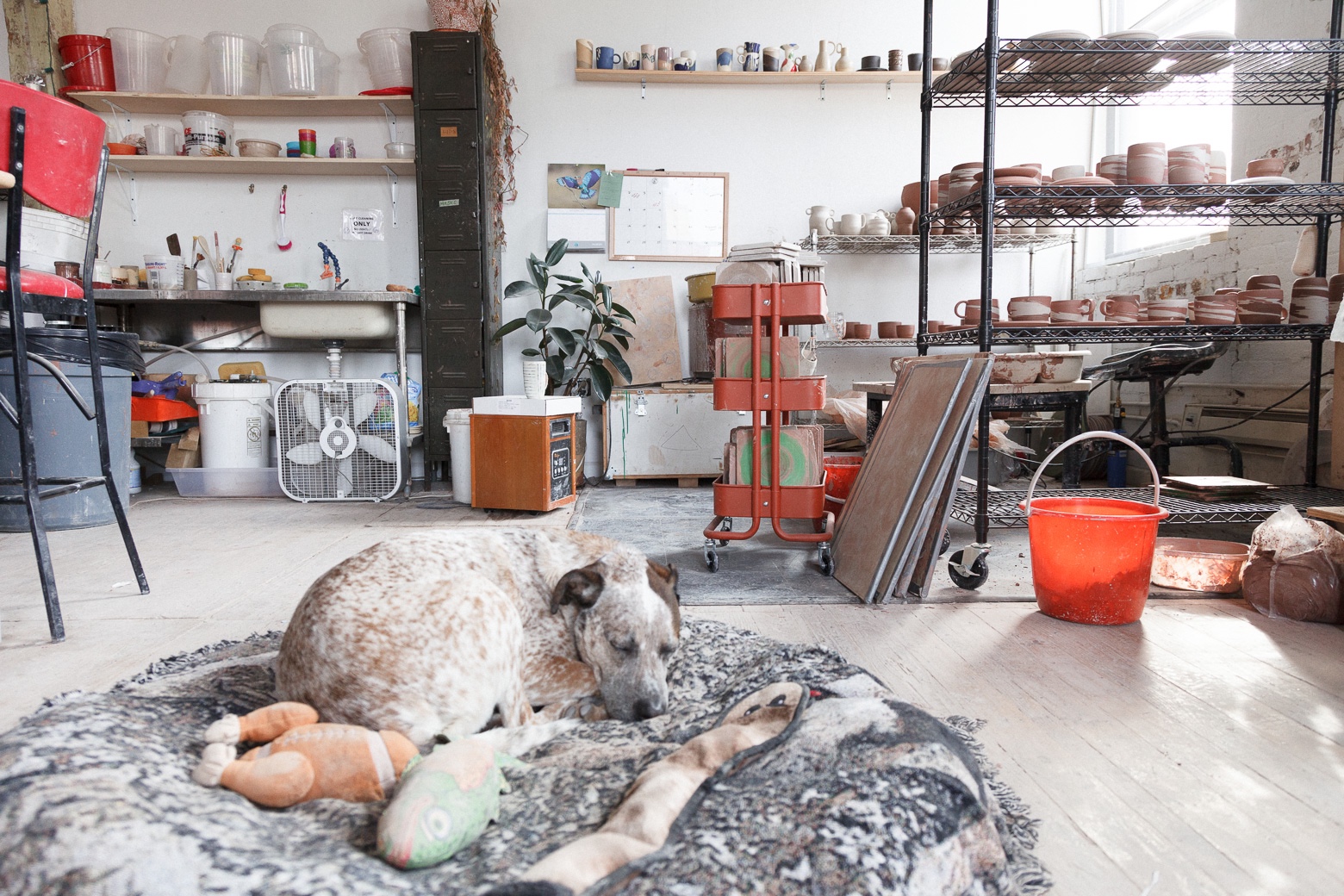
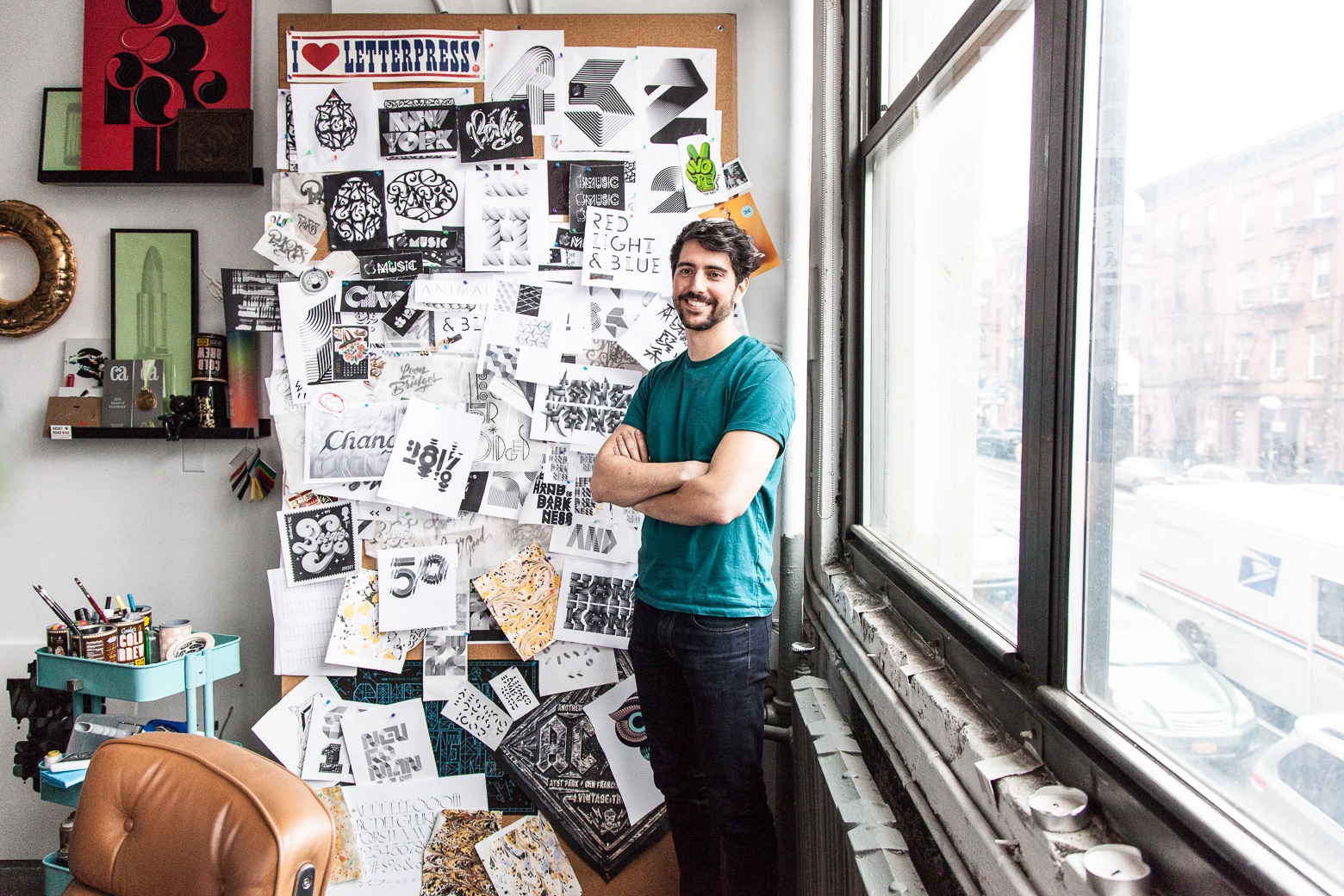
That drive is captured in Solo, a new documentary short about freelancing in New York. Along with Zipeng, it follows the lives of Spanish designer Alex Trochut, Venezuelan chef Adriana Urbina and local potter Helen Levi.
For filmmaker Daniel Soares, who has celebrated the city’s unique character in photography series Neon Nights, the documentary is about one simple thing: the truth.
“It’s not a glamorous, fake portrait full of happiness and all that shit, but the reality of what it means to be a freelance artist,” he says. “And why, despite all the fucked up things like late payments, high rents and uncertainty, it’s still worth it.”
Daniel started out in photography but, as he got more into graphic design, he became a freelance art director who can balance filmmaking and personal projects. He knows better than anyone the challenges and opportunities that NYC can throw at you.
“It’s the most inspiring place on earth to me,” he says. “It is overcrowded and expensive, but I never found it to be cut-throat competitive.
“So much is going on, with so many interesting people, that it truly is special… But it also smells like shit all the time.”

As Solo makes clear, being your own boss isn’t a simple solution to being stuck in a miserable nine-to-five. There’s freedom, sure, but regardless of your talent, everything falls on you. Either you earn money, or you leave.
The fear of failure can be immense, Daniel says, but that’s also what keeps you pushing harder – and you can discover so much about yourself in the process.
“We live in a world where money rules. That sucks, and it shouldn’t be like this,” he says.
“But you do the boring stuff, so you can do exciting stuff. And then people will hire you because of that exciting stuff to do more boring stuff. It’s a never-ending cycle, right?
“I think accepting the rules of this fucked-up game is the first step of being a bit happier.”
Find out more about Solo.
Enjoyed this article? Like Huck on Facebook or follow us on Twitter.
You might like

Pink Floyd’s Roger Waters joins team of new Palestinian resistance documentary
Freedom Theatre — Directed by Rishi Pelham, the film spotlights a theatre operating in the Jenin refugee camp.
Written by: Ella Glossop

Julian Cashwan Pratt: “We fought security until the cops showed up”
Hard Feelings — The lead singer of Show Me the Body joins Rob Kazandjian’s column on fatherhood and masculinity to talk about mentors, scrapping Zionists at shows, and finally making his father proud.
Written by: Robert Kazandjian

UK’s first ever Latino film festival is coming to London
LoLaFF — Taking place between October 2-6, it will feature 55 filmmakers from Latin America, with an opening night at the Barbican.
Written by: Isaac Muk

Shawn Walker’s layered, psychedelic vision of Harlem’s streets
From BeBop to Illusion — Using glass as a means to illuminate the city’s different layers, the longtime photographer and filmmaker is publishing his first monograph at the age of 86.
Written by: Miss Rosen

Youthful joy & end-of-era poignancy at a London school prom
Leavers — For several years, Lewis Khan documented young people as they celebrated the last of their school days and the completion of their exams. The series is now collated in a new self-published photobook and short film.
Written by: Zoe Whitfield

Harry Gruyaert’s vintage, kaleidoscopic scenes of New York
A Sense of Place — For 50 years, the Belgian photographer and Magnum Photos member has been capturing NYC’s colourful chaos. A new photobook and exhibition showcase his unique, technicolour view of the city.
Written by: Miss Rosen


