Meet the new generation of African photographers
- Text by Miss Rosen

The history of photography and Western imperialism are closely intertwined, as the camera was long used as a tool for the subjugation and objectification. Europeans introduced photography to Africa in the mid-19th century, often taking pictures of native peoples against their will and using those images to propagandise “the white man’s burden”.
But with the advent of the African Independence Movement during the 20th century, things began to shift as native peoples wrest control of their lands and their image. In authoring their history and contemporary life, new ideas and aesthetics came to the fore, introducing vital, innovative voices that offer new ways of considering not only the continent but the very medium of photography itself.
“We’re in an extraordinary moment of creative flourishing when it comes to African photography,” says Ekow Eshun, author of Africa State of Mind: Contemporary Photography Reimagines a Continent (Thames & Hudson).
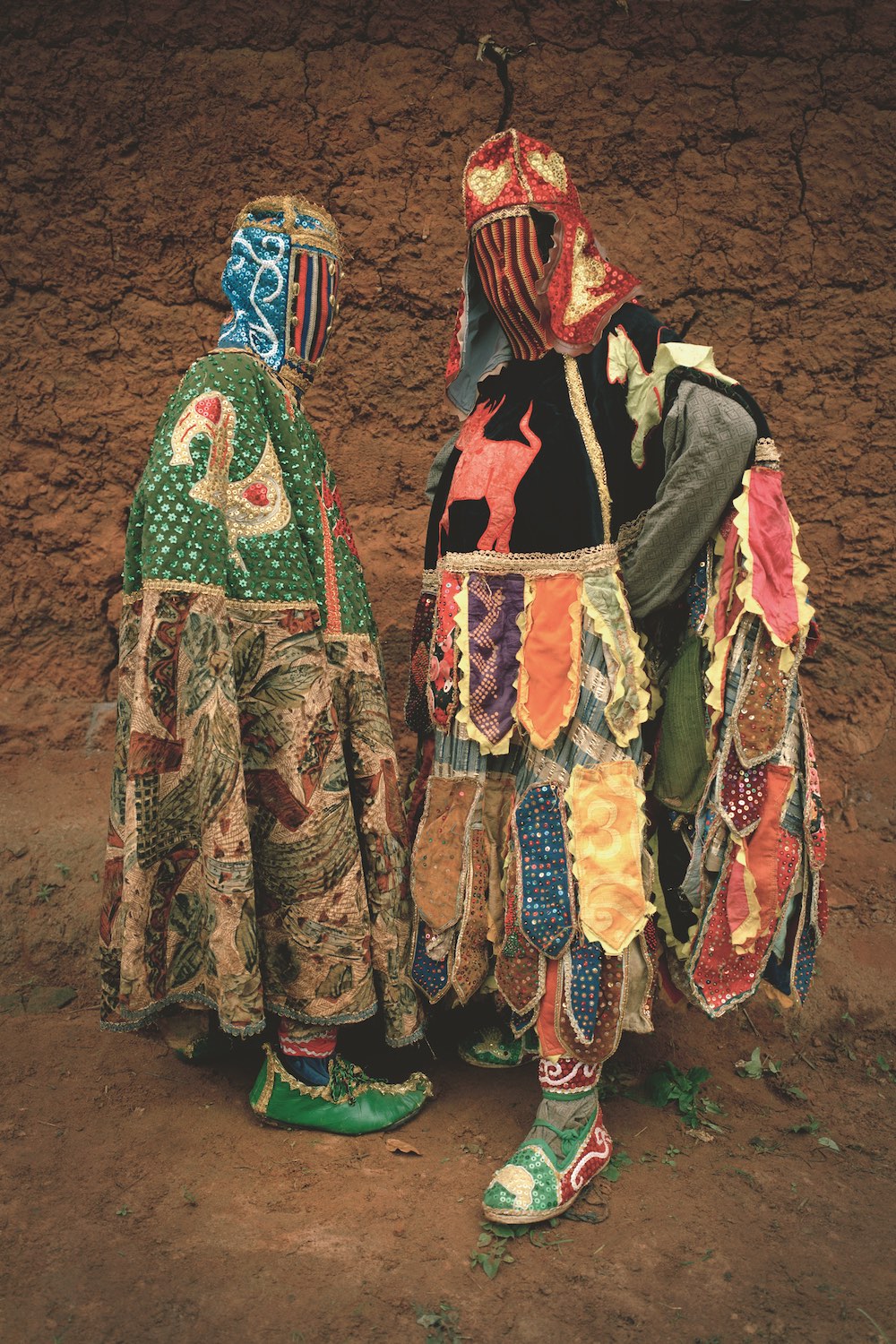
Leonce Raphael Agbodjélou. Courtesy of the Artist and Jack Bell Gallery, London. Untitled (Egungun Project), 2012
“I chose not to feature much straight-ahead documentary or reportage photography. I was looking for photographers who asserted their right, as artists, to picture Africa on their own subjective terms. So, this isn’t a book about Africa. It’s a book about how photographers see and imagine Africa from their own unique, individual perspectives.”
Organised into four chapters that explore urban life, gender, sexuality, myth, and memory, Africa State of Mind brings together a new generation of more than 50 artists including Pieter Hugo, Lebohang Khanye, Zanele Muholi, and Lina Iris Viktor. The selection offers a complex, multi-dimensional look at the physical and psychological dimensions of life across Africa today.
The brilliance of their work undercuts historic and contemporary depictions in the West, creating “a kaleidoscopic picture of the continent, in complexity, its contradiction, its everyday beauty,” Eshun says.
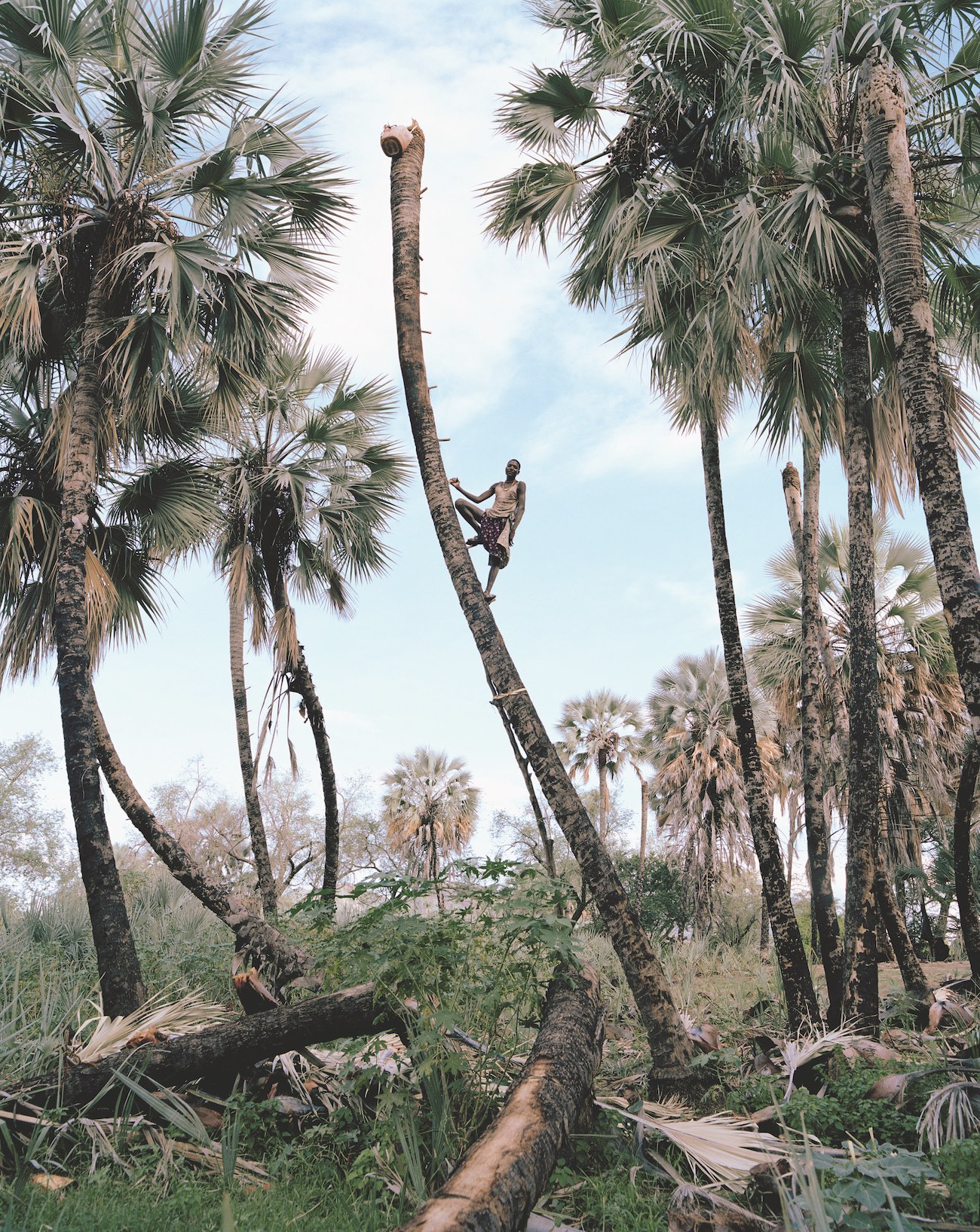
© Kyle Weeks. Mevetwapi Joya, Kunene Region, Namibia, 2015
“It was especially inspiring to see how the likes of Zanele Muholi, Sabelo Mlangeni, and Eric Gyamfi are using photography to positively assert LGBTQ identities in a continent where socially conservative views on sexuality and gender predominate. Homosexuality is outlawed in 34 out of Africa’s 55 nations.”
Africa State of Mind also reminds readers of the extraordinary artistic and intellectual wealth that flourished for millennia prior to the advent of colonisation.
“We’re in an extraordinary moment of creative flourishing when it comes to African photography,” continues Eshun. “I think some parts of Western society are belatedly coming to realise that we can’t sustain a culture by circulating the same images and aesthetics over and over again. You have to look beyond the boundaries of what’s traditionally been considered the story of art or photography in order for us all to keep moving forward.”
“As the title of the book puts it, Africa, for me, is a state of mind, a psychological state as much as a physical place, and it’s always changing. Always renewing. Always new.”
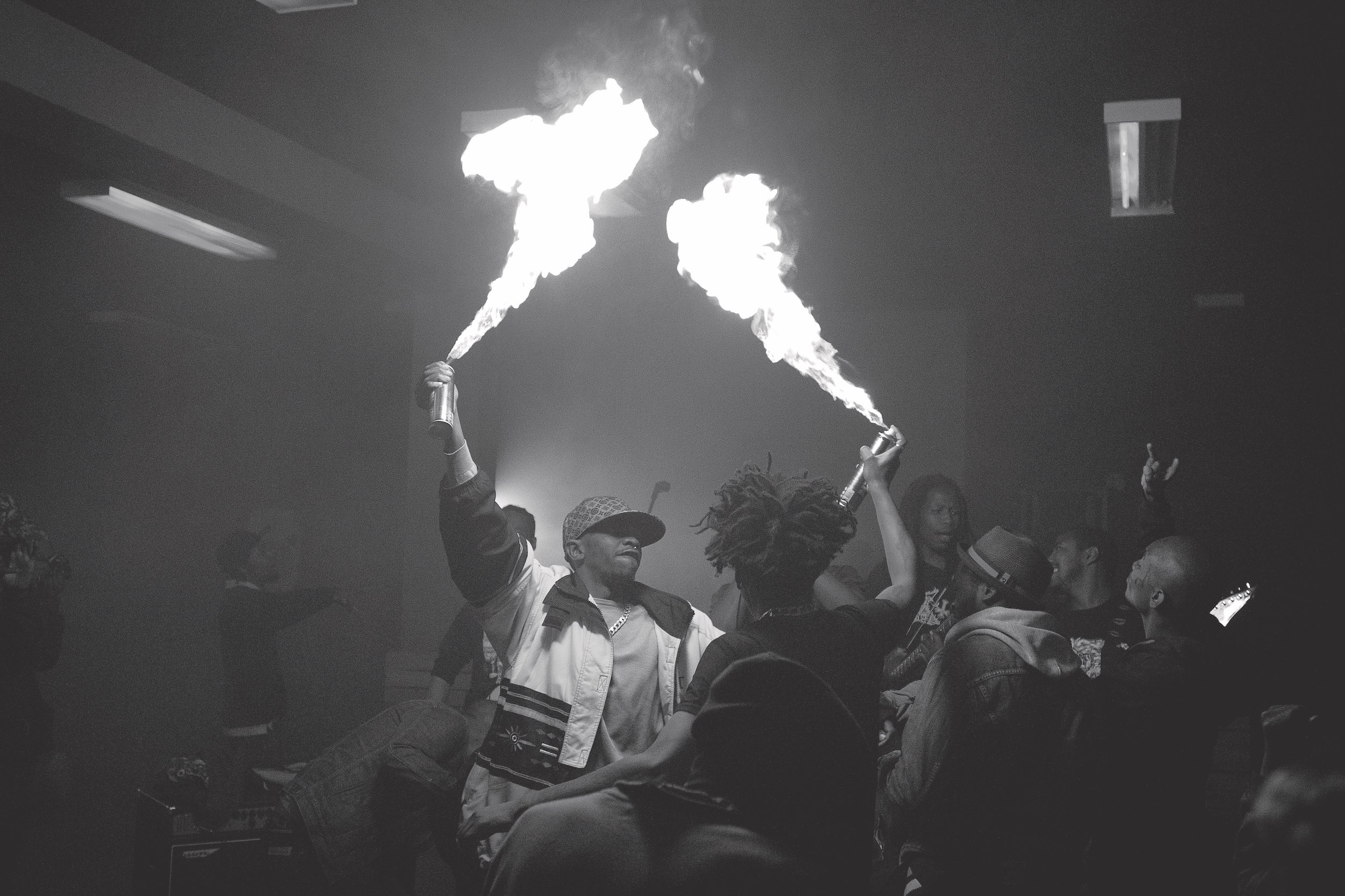
© Musa N. Nxumalo. This is how you start a party!, 2017
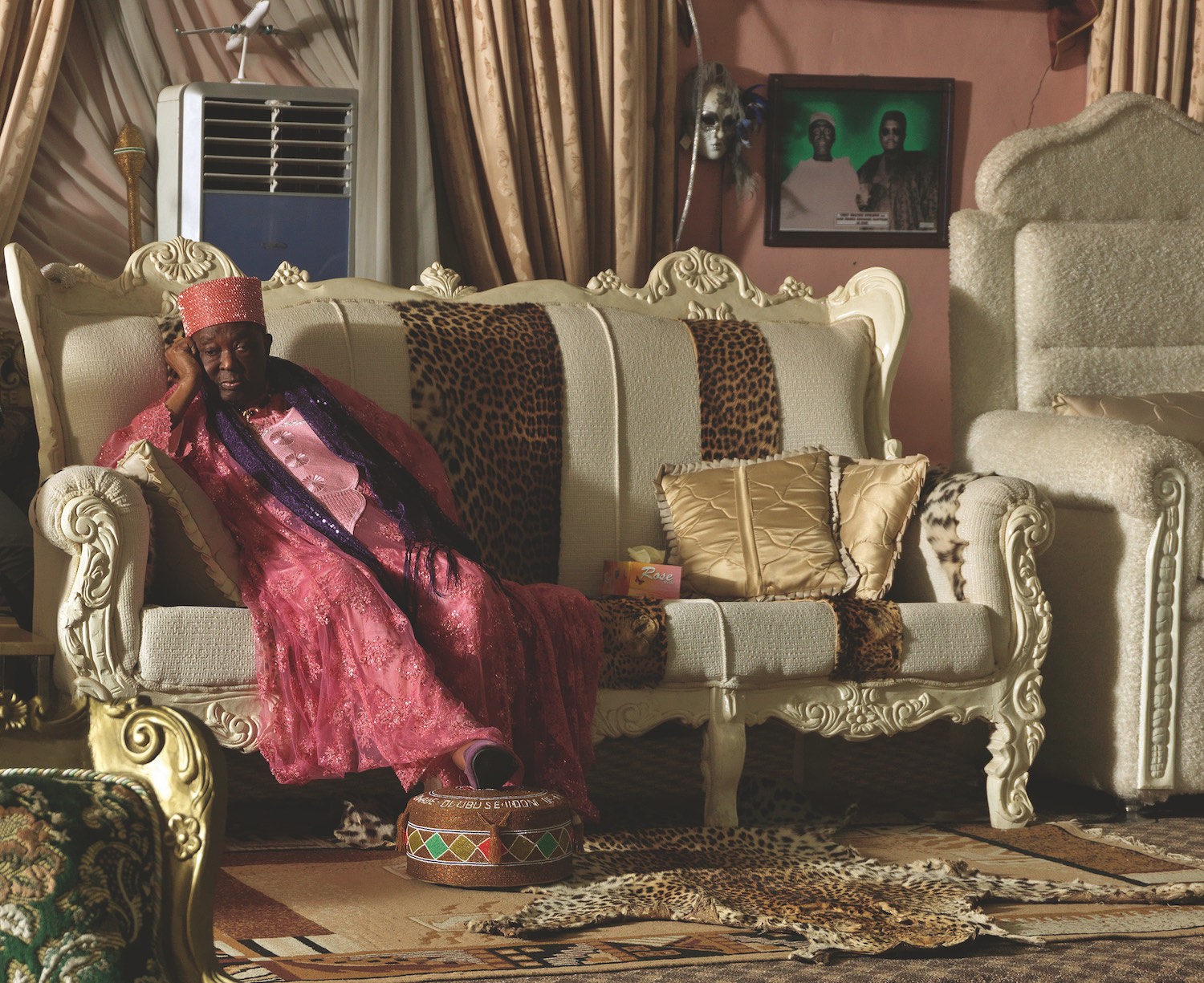
© George Osodi. His Imperial Majesty Alayeluwa Oba Okunade Sijuwade Olubuse II OONI of Ife, 2012
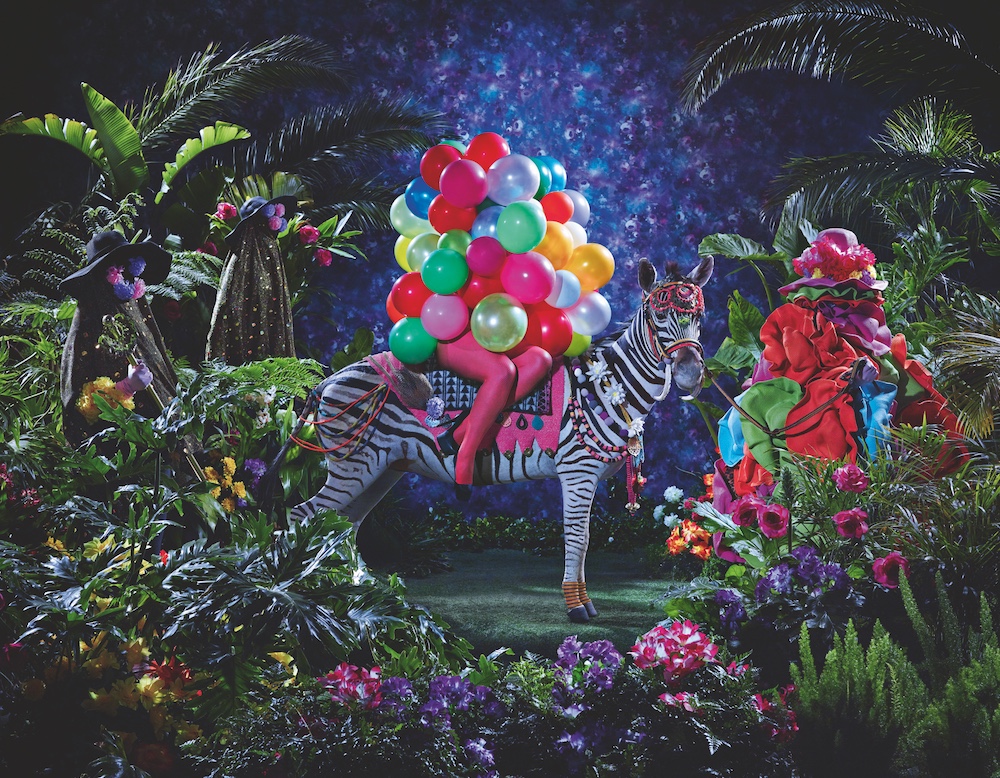
Courtesy of Athi-Patra Ruga and WHATIFTHEWORLD. Night of the Long Knives I, 2013
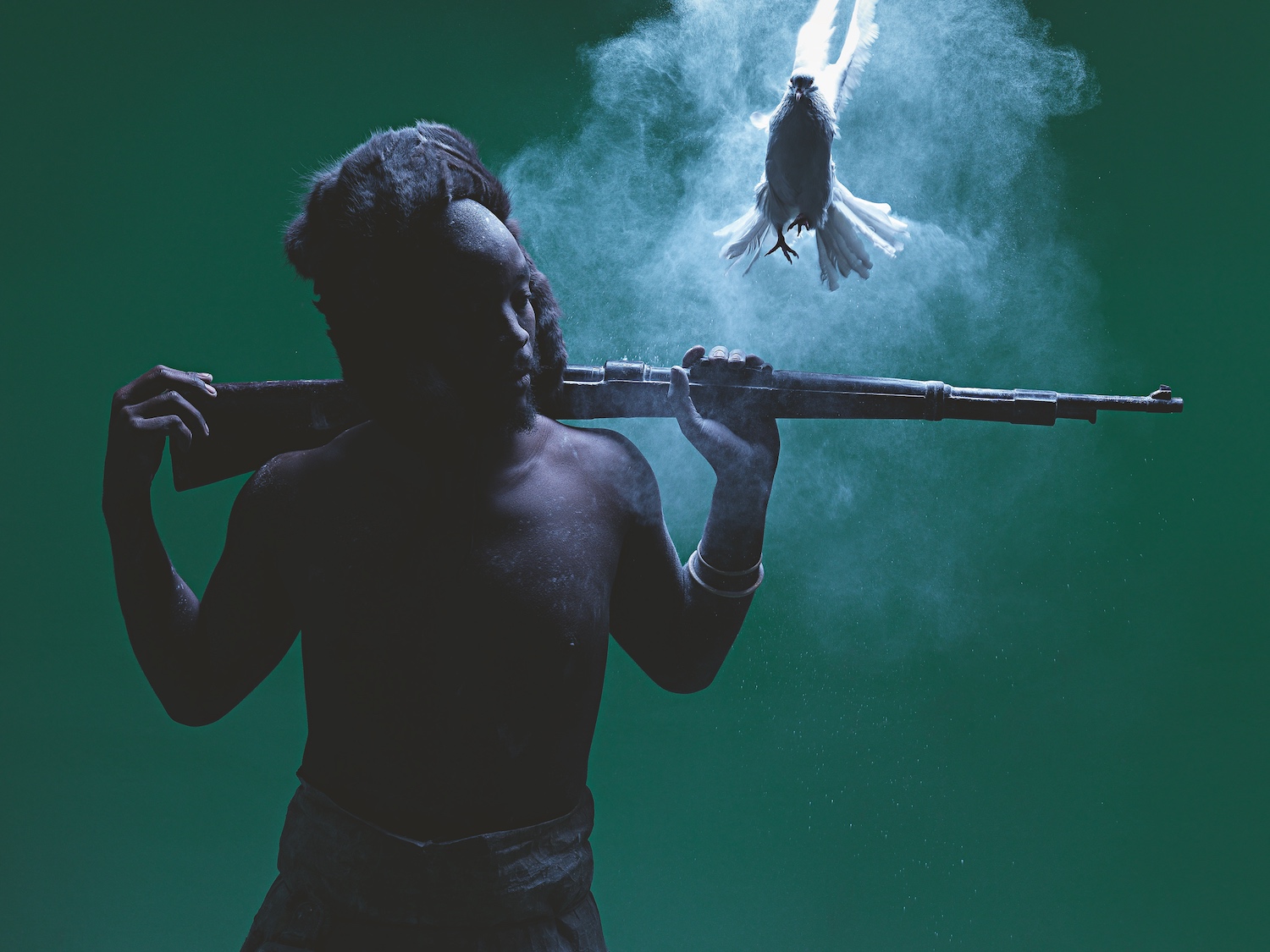
Courtesy Mohau Modisakeng Ditaola VII, 2014
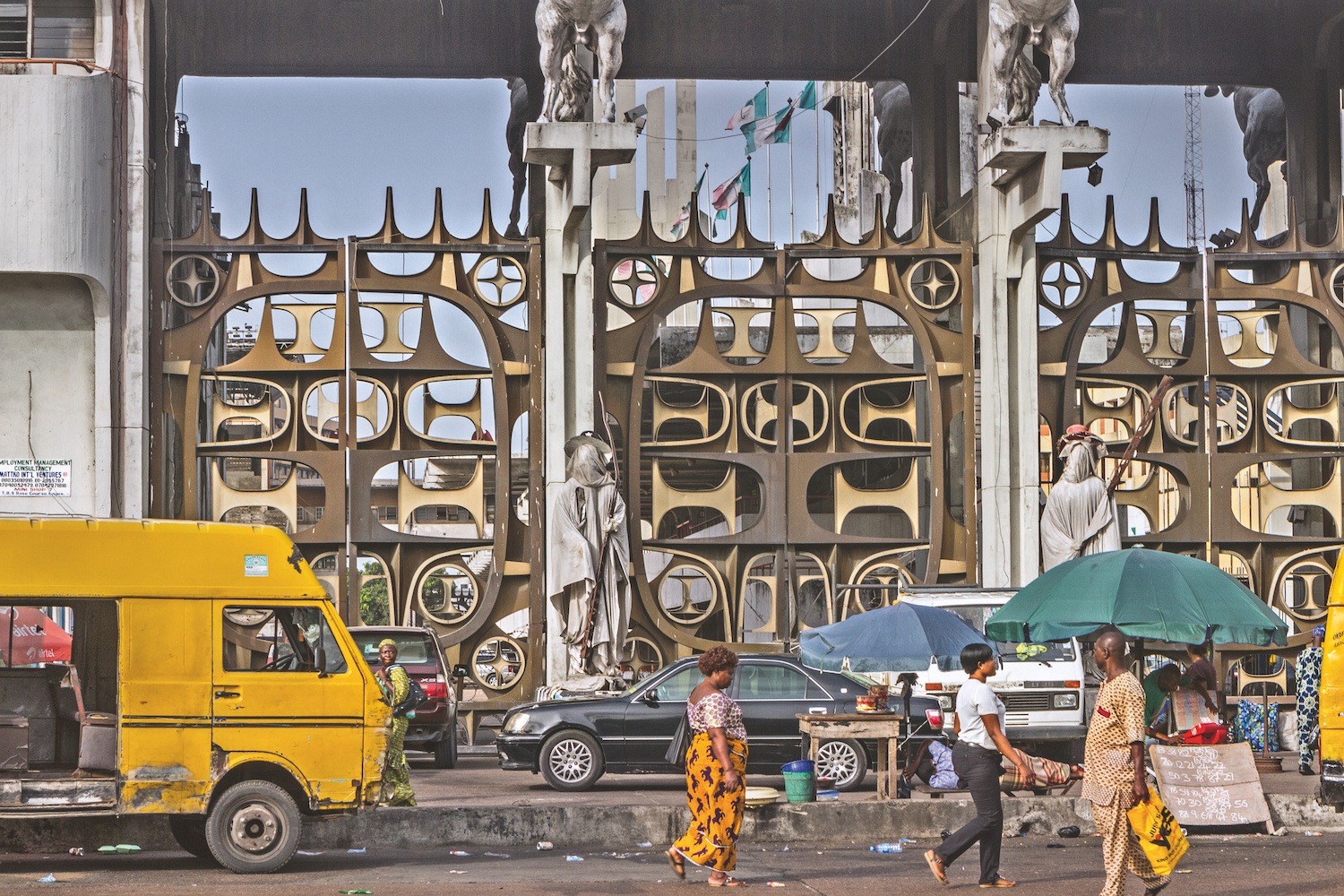
© Andrew Esiebo. Tafawa Balewa square bus stop,
Lagos, 2015 – 19
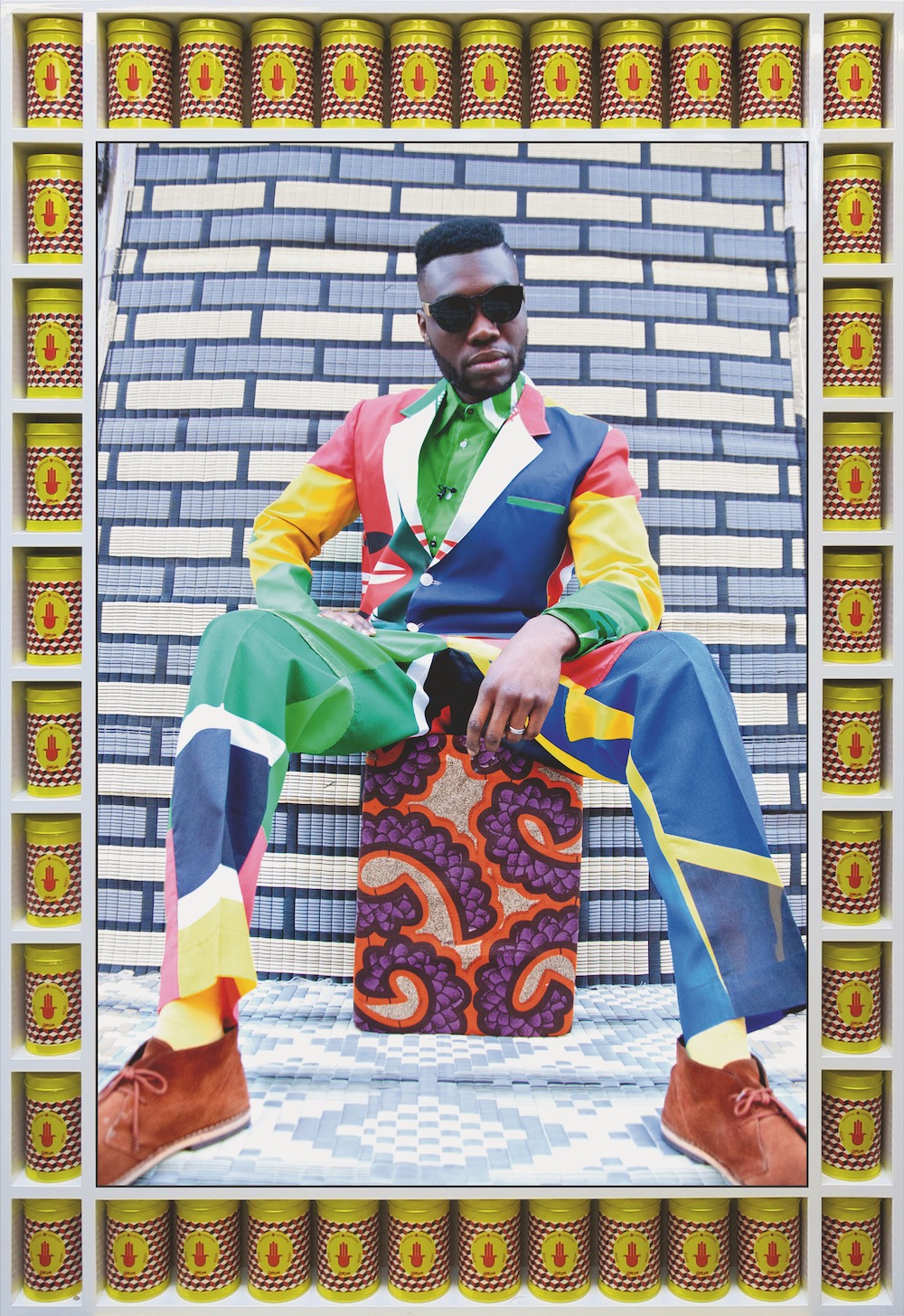
© Hassan Hajjaj. Courtesy of the Artist. Afrikan Boy Sittin’, 2013
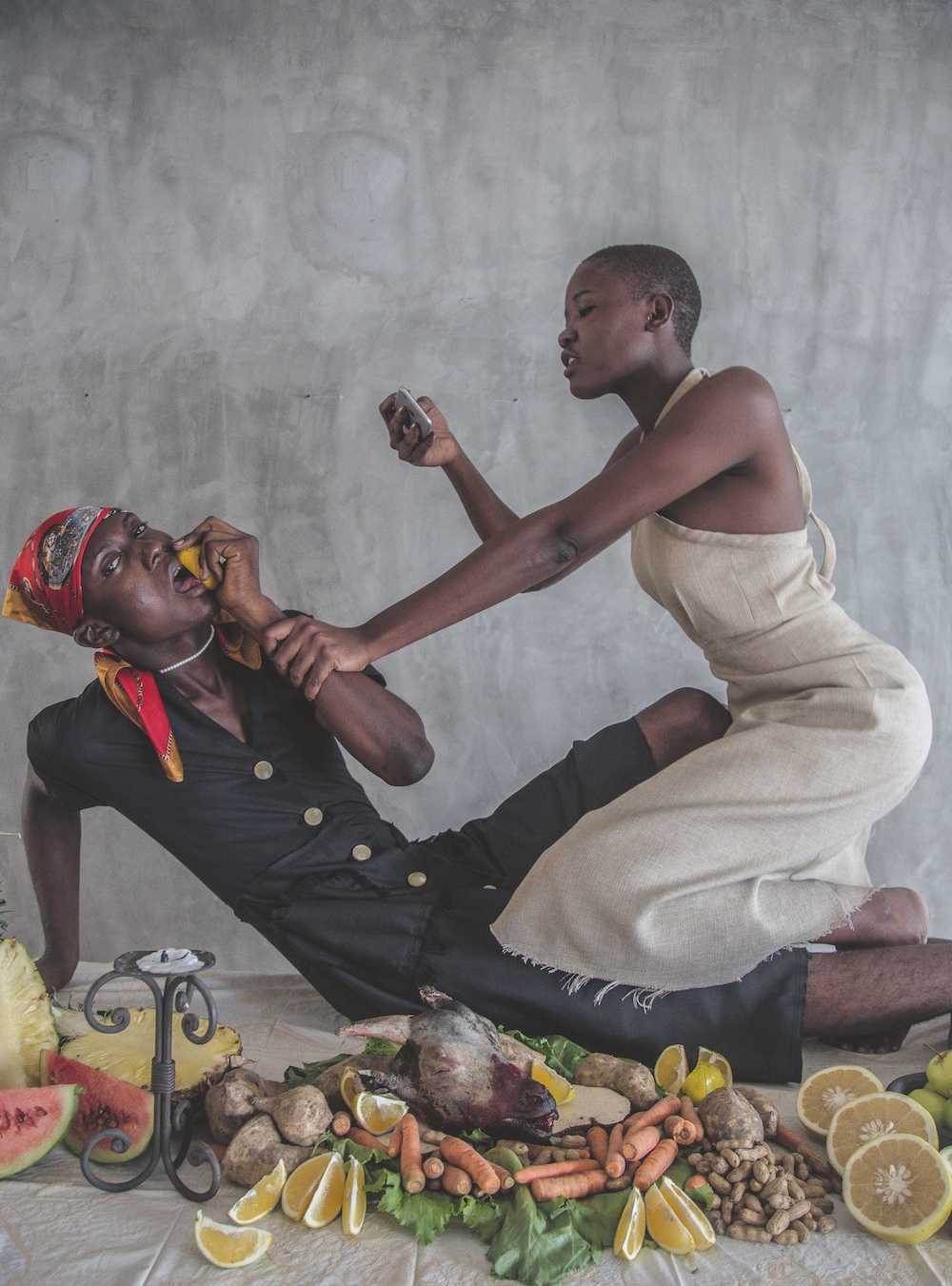
Courtesy Yagazie Emezi. The Consumption of the Black Model, 2018
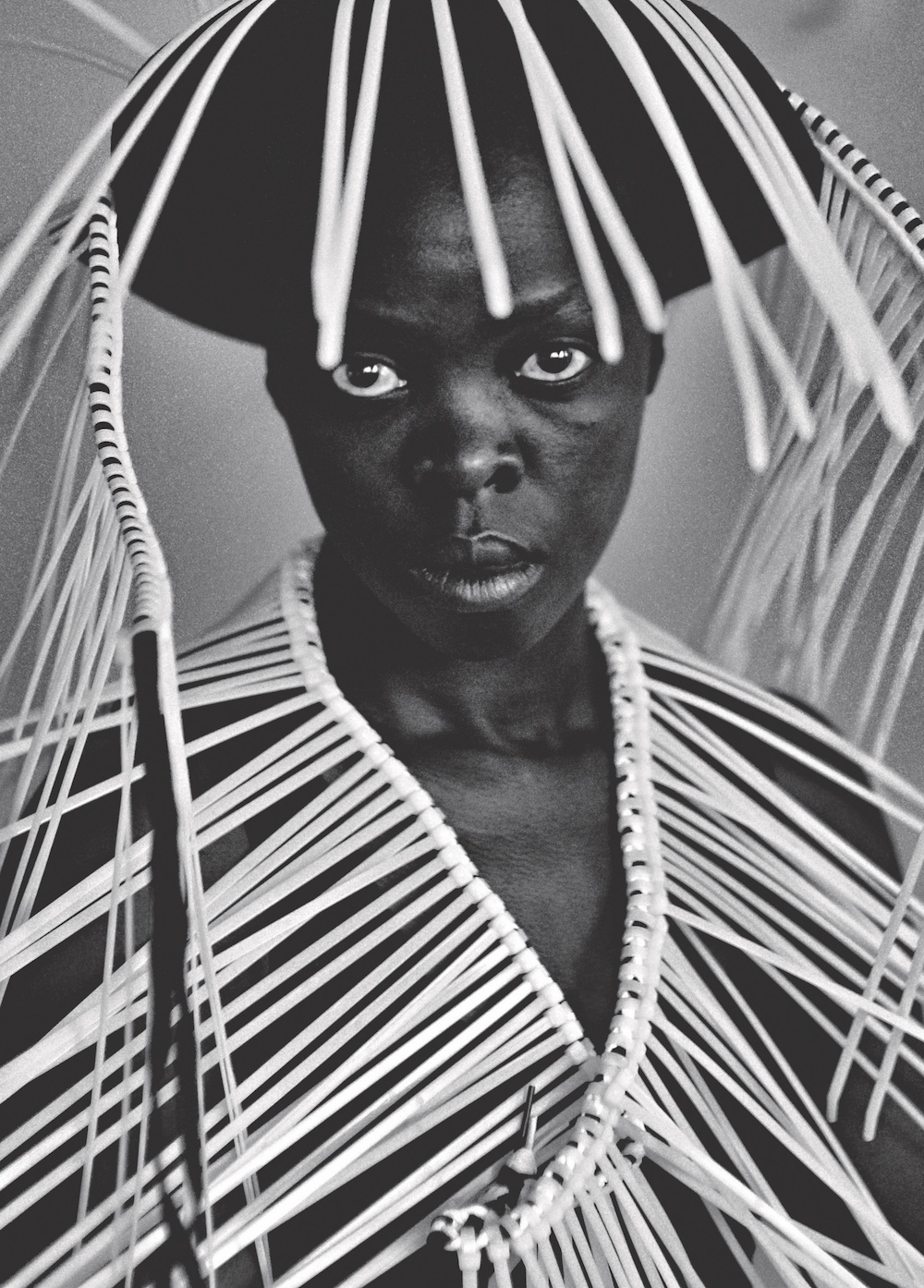
© Zanele Muholi. Courtesy of Stevenson, Cape Town/ Johannesburg and Yancey Richardson, New York. Bhekezakhe, Parktown, 2016
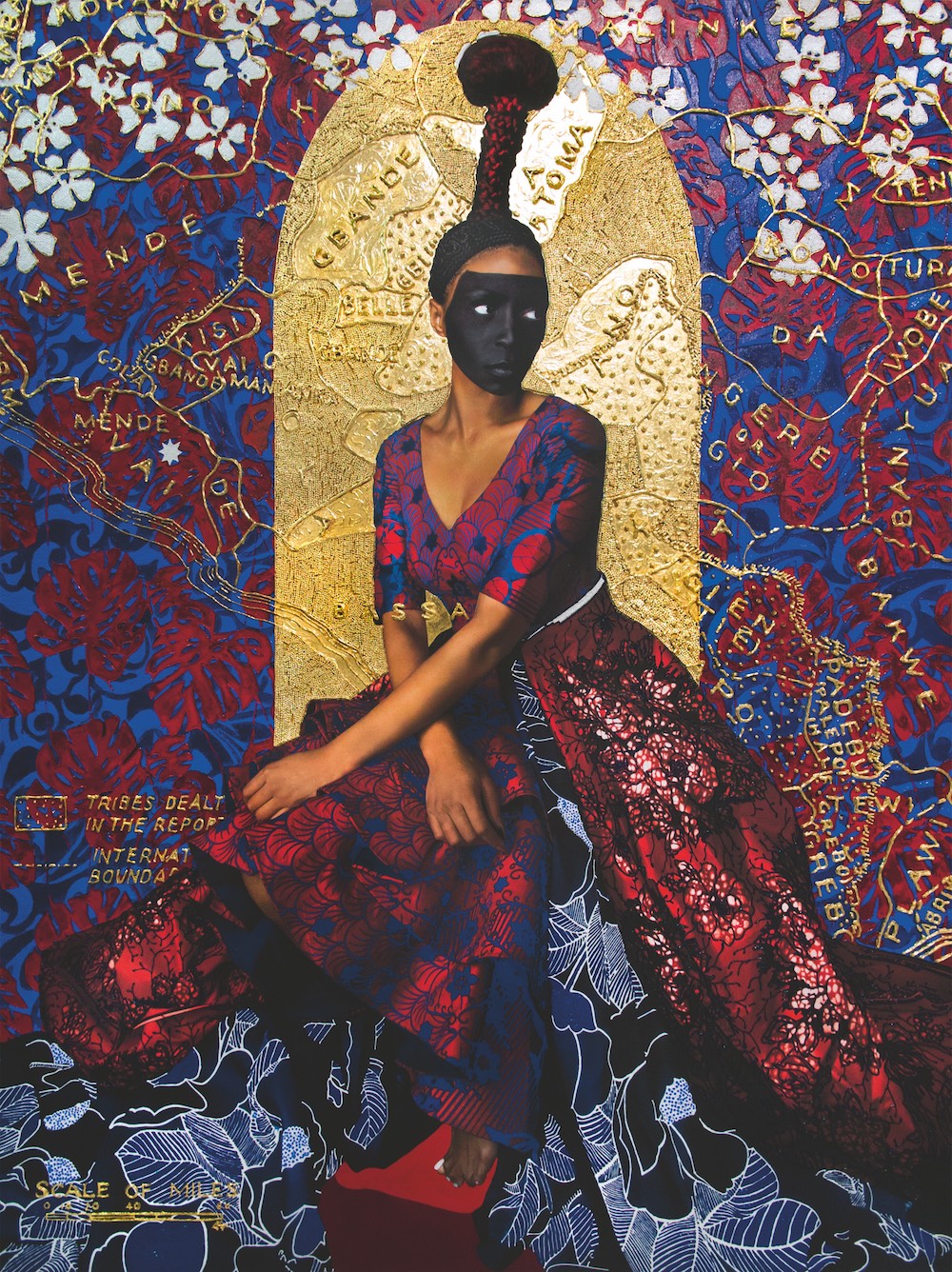
© Lina Iris Viktor, 2018. Courtesy the Artist and Marianne Ibrahim Gallery, Chicago Eleventh, 2018
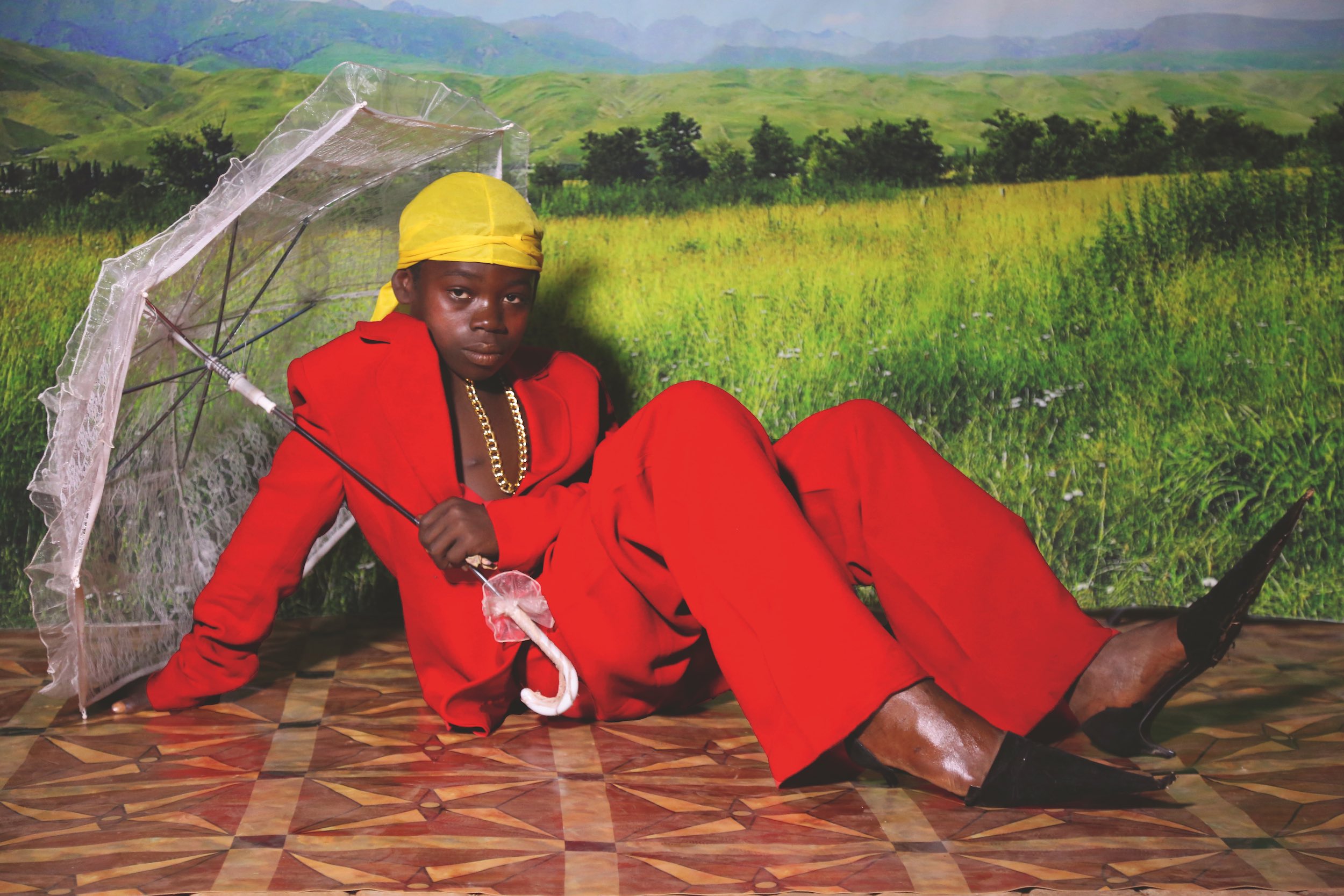
Ruth Ossai. Kingsley Ossai, Nsukka, Enugu State, Nigeria, 2017
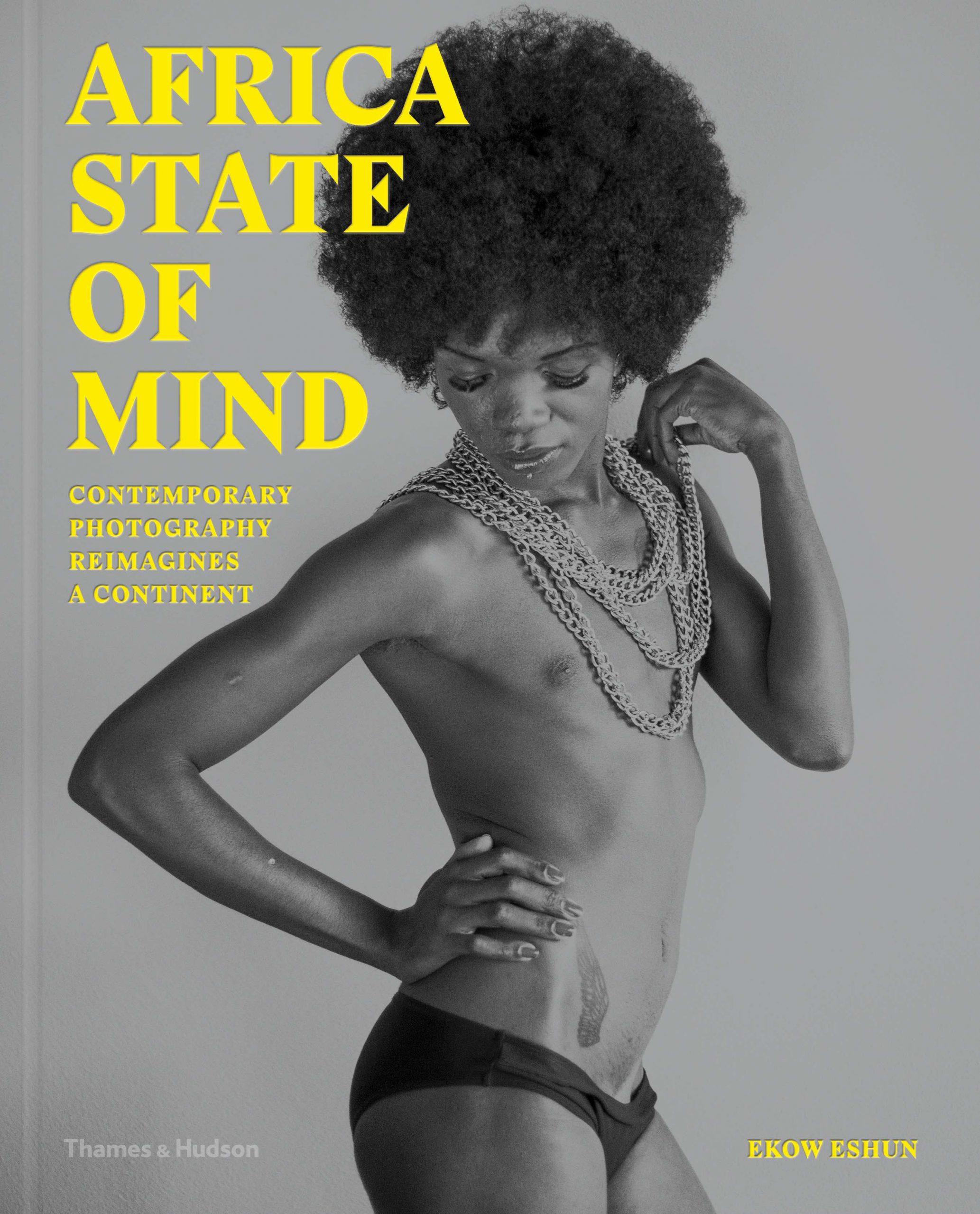
Africa State of Mind: Contemporary Photography Reimagines a Continent is published on Thames & Hudson.
Follow Miss Rosen on Twitter.
Enjoyed this article? Like Huck on Facebook or follow us on Twitter.
You might like

Jesse Glazzard’s messy portrait of queer friends, lovers and chosen family
The Sound of Dirt and Beauty — The photographer’s debut monograph explores tender, unpolished moments shaped by the people who he surrounds himself with, while offering a window into the UK’s working-class LGBTQ+ community.
Written by: Sunny Sunday

Behind the curtain at Alternative Miss World 1981
Olympia glamour — Running a subversive take on the traditional beauty pageant, the Andrew Logan organised event prioritised underground creativity and invention. Photographer David Corio went behind the scenes at its biggest edition.
Written by: Miss Rosen

New exhibition highlights British radical living over 200 years
Earthly Paradise — Taking place at the William Morris Gallery, it explores the homes and lives of artists, writers, musicians and more, as well as the conditions that allowed them to thrive.
Written by: Isaac Muk

What life on the Strait of Hormuz is really like
Southern Winds — Bandar Abbas based photographer Morteza Niknahad has been capturing the diverse communities and stories of his local region since he first picked up a camera. His new series highlights the human impact of war.
Written by: Isaac Muk

Nick Haymes’s intimate portrait of his family’s life
Chronograph — Over 25 years, the photographer documented his son’s lives as they grew into adults. The resulting photobook is an exploration of the passage of time, as well as the optimism of youth.
Written by: Miss Rosen

Kristina Rozhkova’s scatty, confronting portrait of captivity
Gut Feeling — The Russian artist’s 2024 arrest and subsequent detention opened her eye towards the omnipresent dynamics of power and control. Her new photobook is a stark exploration of being trapped.
Written by: Isaac Muk


