Our oceans are going to die unless we do something to save them soon
- Text by Shelley Jones

We are heading for total ecological disaster if we don’t do something to protect our oceans, says a new report published in the prestigious Science journal, Friday January 16.
Although humans have done a good job of destroying animals and habitats on land – from the Caspian Tiger to the Western black rhinoceros – the oceans have remained somewhat resilient, until now.
The report – a collaboration between a team of scientists that includes data from hundreds of sources – suggests that the damage we are causing the ocean is increasing at an alarming “pace and impact” due to a number of human factors predominantly harvesting (overfishing), sea mining and climate change.
But the damage is not so bad yet that we can’t stop it. If we do something now.
“We’re lucky in many ways,” Malin L. Pinsky, a marine biologist at Rutgers University and another author of the new report, told The New York Times. “The impacts are accelerating, but they’re not so bad we can’t reverse them.”
There are a number of non-profits campaigning for sea conservation where you can learn more about what you can do to help. Check out Save Our Seas, Sea Shepherd (founded by Greenpeace co-founder Paul Watson) and the Origami Whales Project, founded by Dogtown and Z-boys skateboarder Peggy Oki.
So don’t lose hope! Remember, something incredible happened when these wolves returned to Yellowstone Park. (This is my favourite video on the internet, like, EVER.)
Follow us on Facebook or Twitter.
Enjoyed this article? Like Huck on Facebook or follow us on Twitter.
You might like
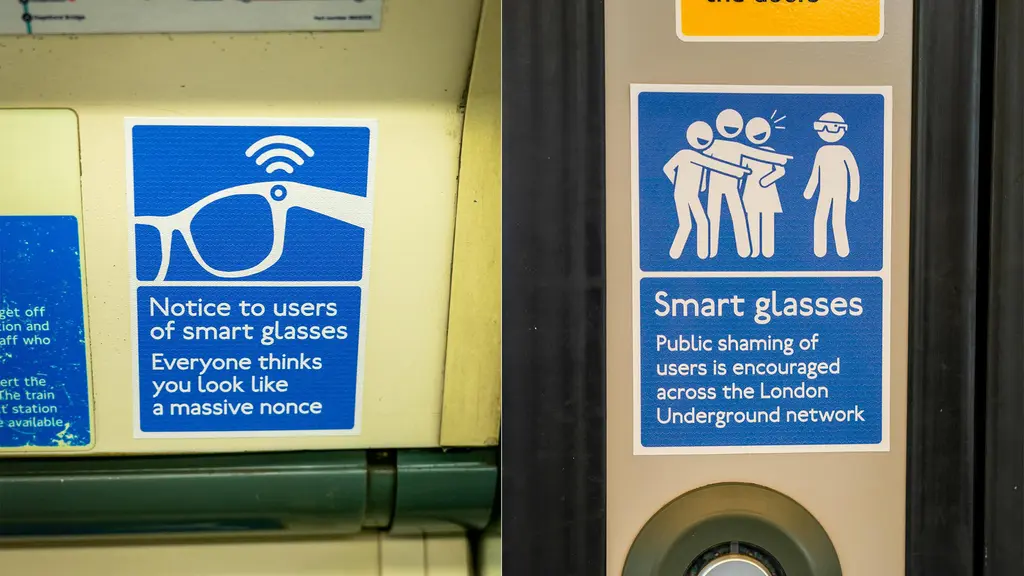
Activists slam “pervert glasses” in new guerrilla campaign
Everyone Hates Elon — Stickers have appeared on the London Underground network, criticising the wearable technology’s covert filming capabilities.
Written by: Isaac Muk

New exhibition highlights British radical living over 200 years
Earthly Paradise — Taking place at the William Morris Gallery, it explores the homes and lives of artists, writers, musicians and more, as well as the conditions that allowed them to thrive.
Written by: Isaac Muk

Pink Floyd’s Roger Waters joins team of new Palestinian resistance documentary
Freedom Theatre — Directed by Rishi Pelham, the film spotlights a theatre operating in the Jenin refugee camp.
Written by: Ella Glossop

Just Stop Oil holds first protest in 17 months
No new drilling — Having previously said that it was “hanging up the hi-vis”, the climate activist group has blocked a road outside Parliament to protest Andy Burnham opening the door for new oil and gas extraction licenses in the North Sea.
Written by: Ella Glossop

In photos: The enduring resistance of Notting Hill Carnival
Carnival of Resistance — A new photobook by Wayne Campbell and Wayne Crichlow reflects on the protest beginnings of Europe’s biggest street festival, along with the traditions keeping its original spirit alive today.
Written by: Isaac Muk

Tens of thousands gather to remember Jason Arday at London vigil
Stand Up to Racism — It took place in Trafalgar Square, with speakers paying tribute to the former Cambridge professor’s life and achievements, while calling for accountability over the reporting he faced from the mainstream press.
Written by: Ella Glossop


