Photos celebrating the birthplace of hip hop
- Text by Miss Rosen
- Photography by Sean Maung

Having come of age in ’90s Los Angeles, photographer Sean Maung remembers falling in love with New York hip hop culture. “I recognised that it was the birthplace of hip hop,” he says. “Whether it’s the music, dancing, graffiti, or streetwear – it all started in New York.”
In 2007, Maung, then 21, moved to New York through AmeriCorps, a federal program designed to help underserved communities. He began teaching GED (high school equivalency) and ESL (English as a Second Language) courses in Brooklyn neighbourhoods, including Bushwick, Bedford-Stuyvesant, East New York and Crown Heights.
“It was really inspiring to me to work in these communities because they are the essence of hip hop, which to me is a working class culture,” Maung says.
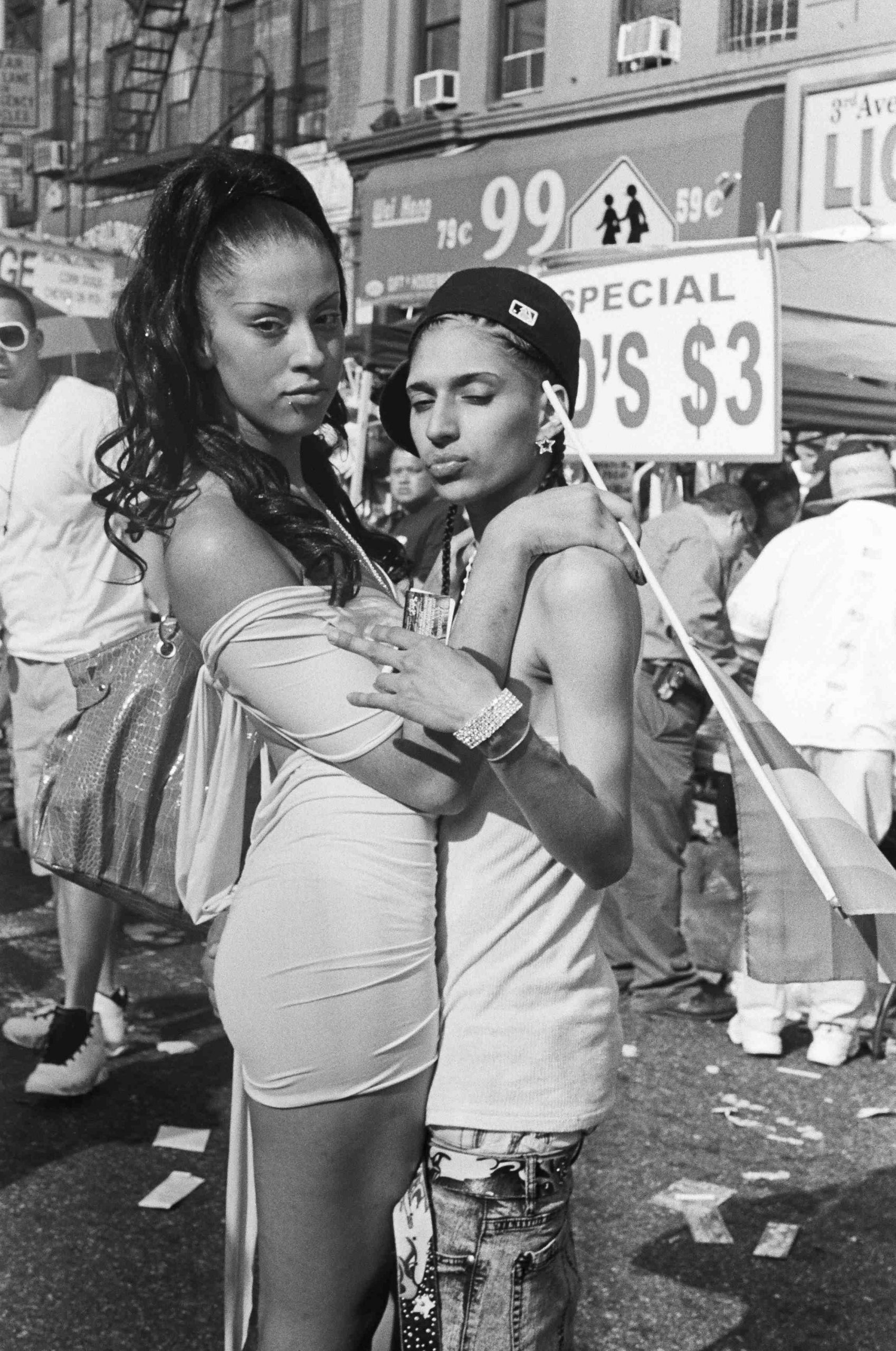
Before arriving in New York, Maung actively traveled to different neighborhoods across LA with a film camera in hand. But it wasn’t until he hit the East Coast that he began to hone his technical skills. By day, Maung visited the Brooklyn Public Library at Grand Army Plaza to study photo books and by night, he took photo classes at the Fashion Institute of Technology.
“I always had my camera on me,” he says. “I was inspired by all the life and energy on the streets, and the accessibility of the city made it easy to get on a train and go over to any neighbourhood.”
Around 2012, Maung decided to start making zines – a practice inspired by his love of San Francisco’s legendary Hamburger Eyes collective. “To me, zines are like mixtapes,” he says “Growing up in LA and going to a lot of shows, I would see artists selling their CDs and mixtapes, and I always liked that vibe. The zine is my version of that.”
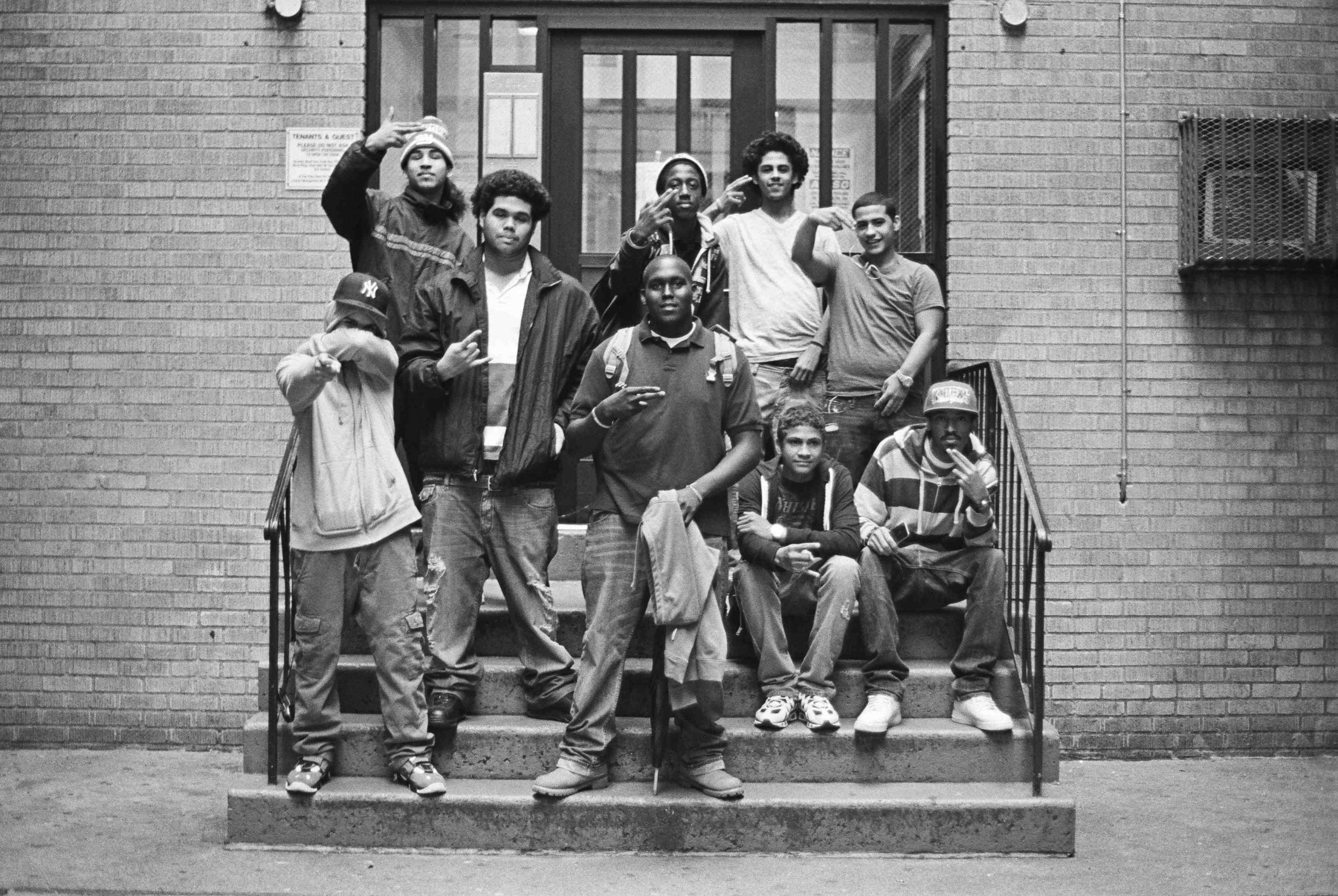
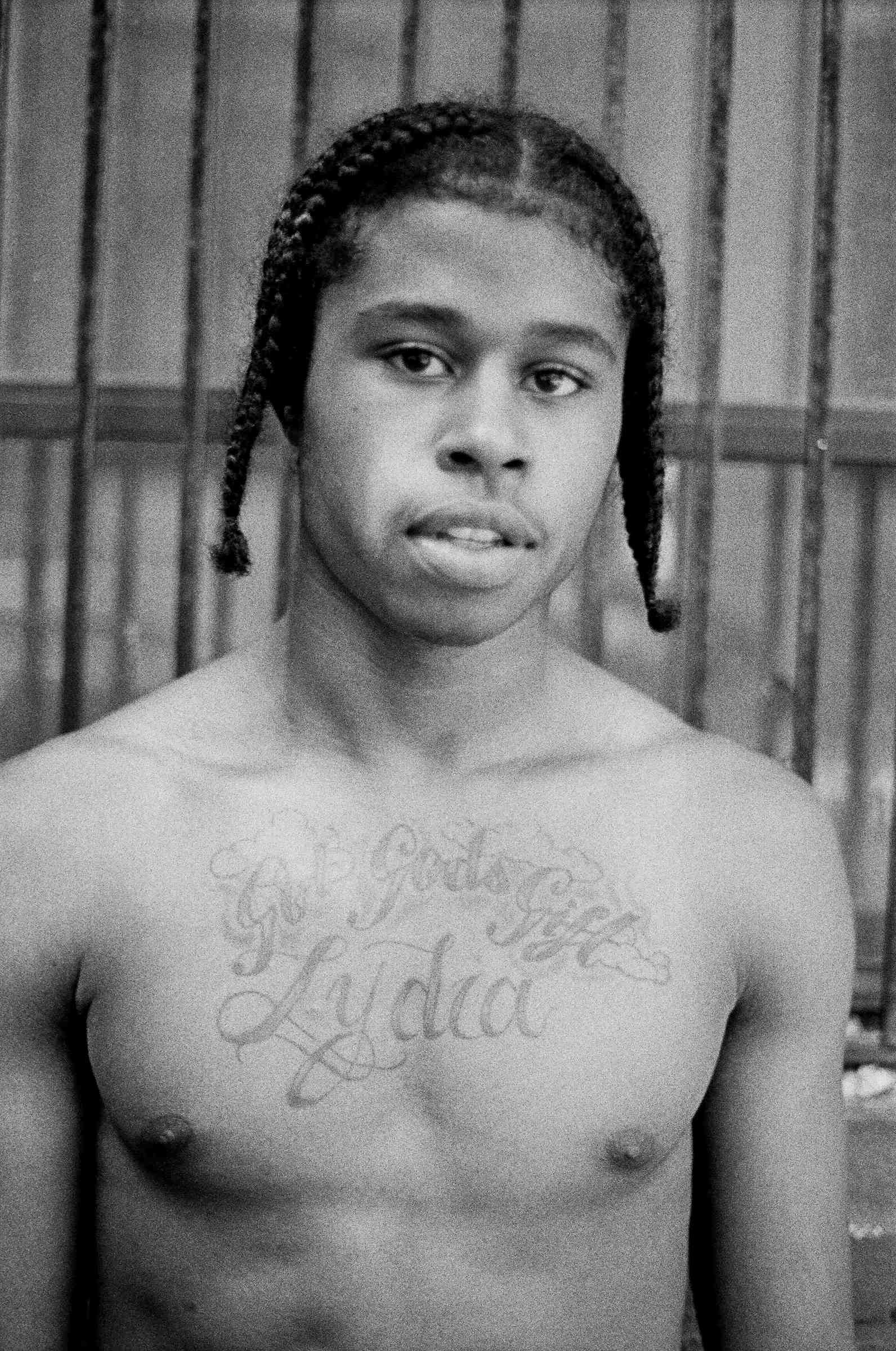
While Maung has long maintained a presence on digital platforms like Instagram and Tumblr, he prefers the physicality and permanence of the printed object. “I got into photography looking at Joseph Rodriguez’s photos of Spanish Harlem for National Geographic back in the days,” Maung says. “Looking at books and zines affected me more than any type of digital image, so I thought, if that’s what hits me, this could hit other people too.”
Over the past decade, Maung has regularly published zines of his work in New York between 2008 and 2015, as well as work in Los Angeles made over the past seven years, with titles including Barber Shops & Pigeon Coups, Letter to the Coast, City of Angels, and the three-part trilogy Screw York City.
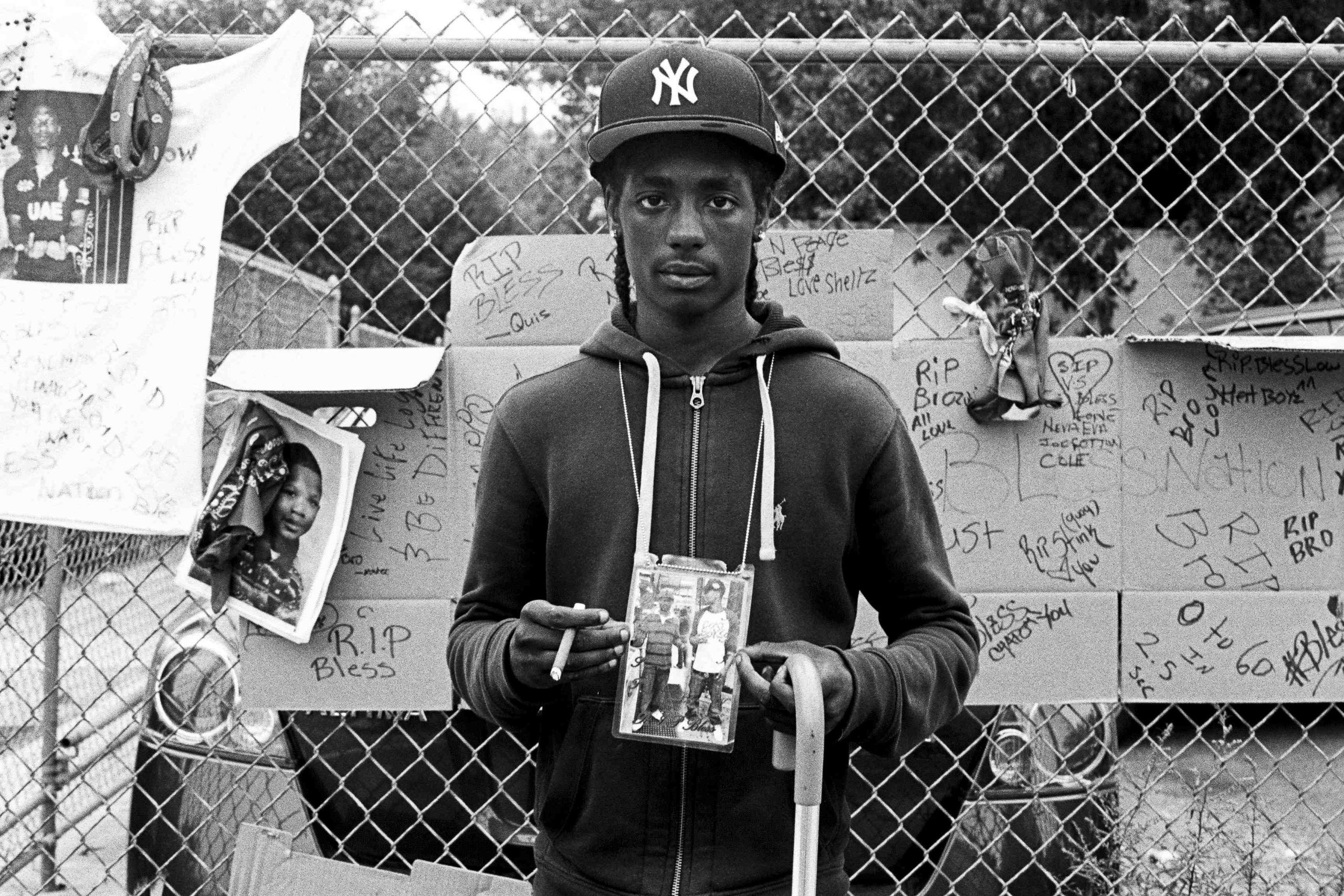
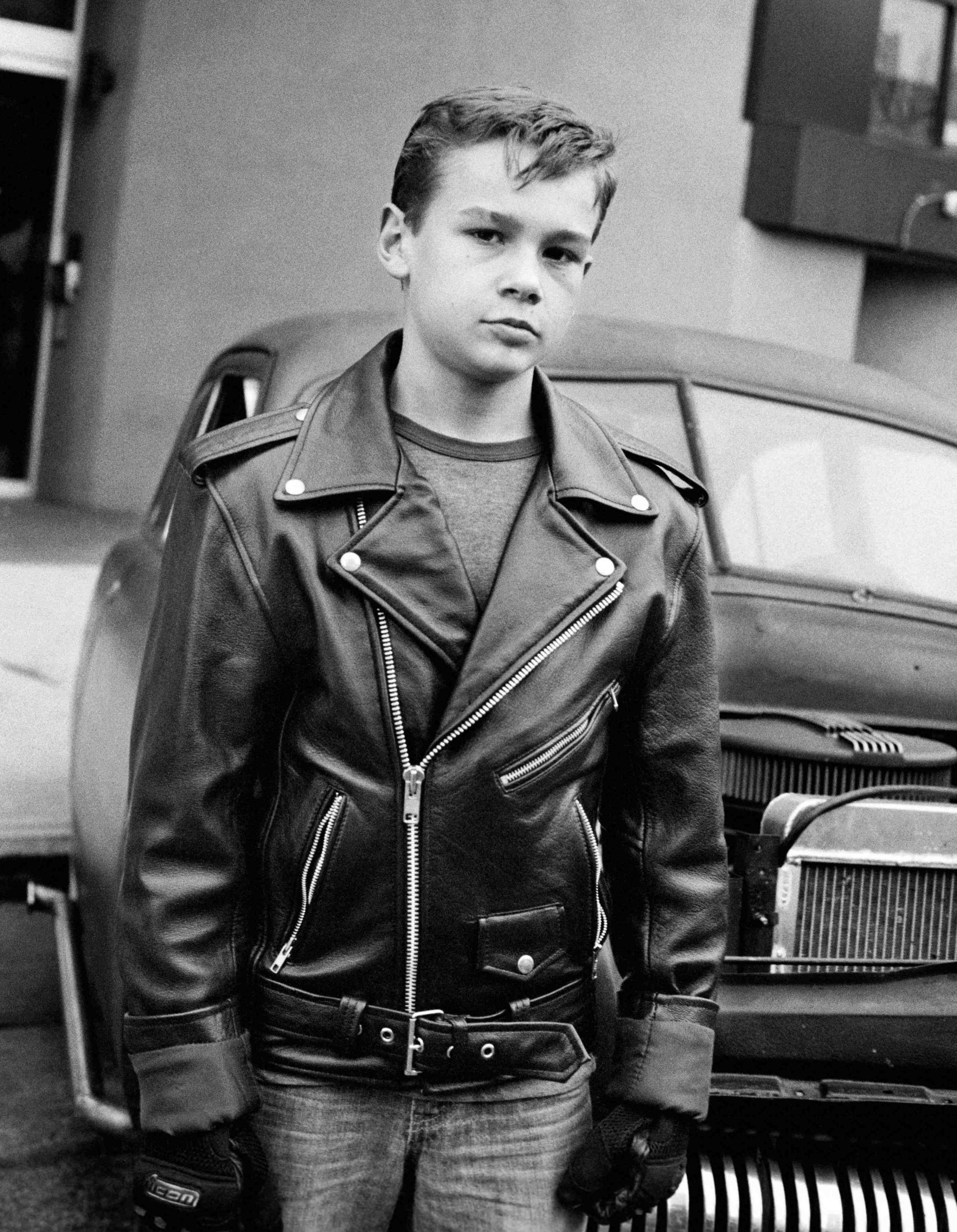
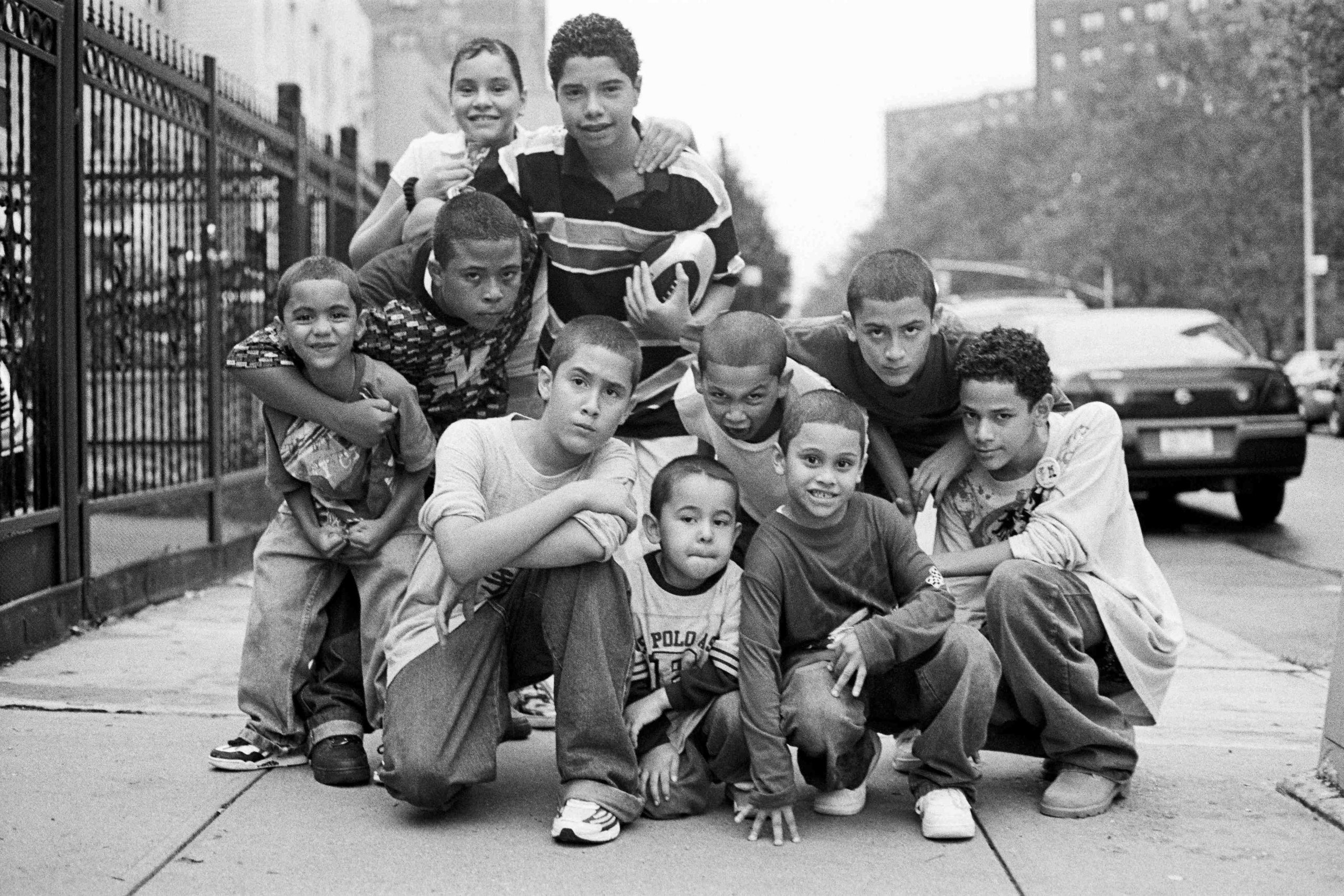
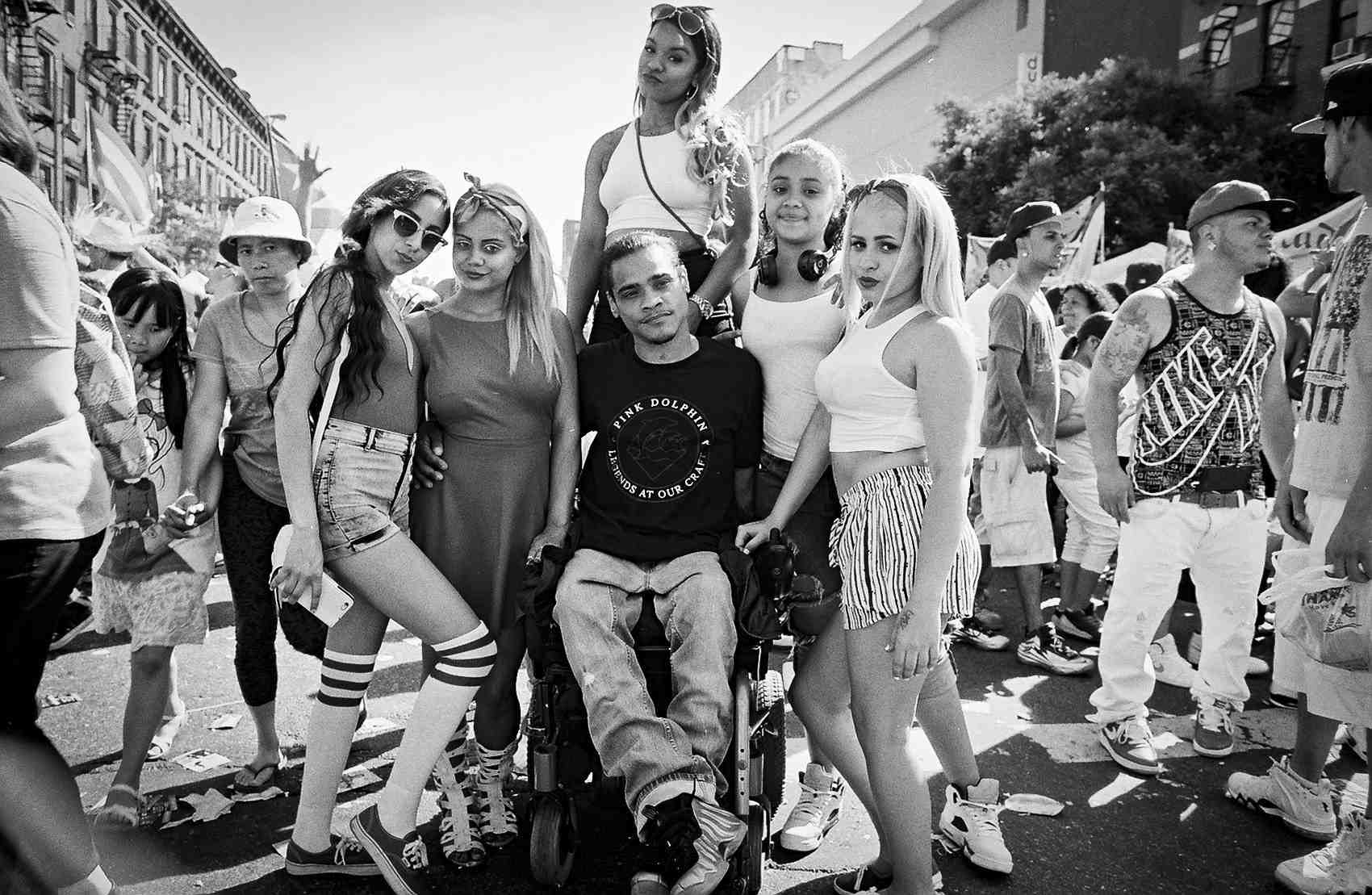
At the core of Maung’s work is a profound love and respect for the Black and brown communities that form the heart and soul of the places he lives. Maung points to the work of Jamel Shabazz, Joseph Rodriguez, and Bruce Davidson.
“This is New York,” Maung says. “New York is what you feel on the subway, in Coney Island, or on the streets. I’m not even from here, but I can recognise that.”
Enjoyed this article? Like Huck on Facebook or follow us on Twitter.
You might like

Jesse Glazzard’s messy portrait of queer friends, lovers and chosen family
The Sound of Dirt and Beauty — The photographer’s debut monograph explores tender, unpolished moments shaped by the people who he surrounds himself with, while offering a window into the UK’s working-class LGBTQ+ community.
Written by: Sunny Sunday

Behind the curtain at Alternative Miss World 1981
Olympia glamour — Running a subversive take on the traditional beauty pageant, the Andrew Logan organised event prioritised underground creativity and invention. Photographer David Corio went behind the scenes at its biggest edition.
Written by: Miss Rosen

New exhibition highlights British radical living over 200 years
Earthly Paradise — Taking place at the William Morris Gallery, it explores the homes and lives of artists, writers, musicians and more, as well as the conditions that allowed them to thrive.
Written by: Isaac Muk

What life on the Strait of Hormuz is really like
Southern Winds — Bandar Abbas based photographer Morteza Niknahad has been capturing the diverse communities and stories of his local region since he first picked up a camera. His new series highlights the human impact of war.
Written by: Isaac Muk

Green Man is more than a music festival
Planting roots — For nearly a quarter century, the fiercely independent weekender has been flying the flag for Welsh arts and music. As an ecosystem now bubbles around it, Anna Stafford meets the people who keep the fire burning.
Written by: Anna Stafford

Nick Haymes’s intimate portrait of his family’s life
Chronograph — Over 25 years, the photographer documented his son’s lives as they grew into adults. The resulting photobook is an exploration of the passage of time, as well as the optimism of youth.
Written by: Miss Rosen


