The sex robots are coming – but are we ready?
- Text by HUCK HQ
- Photography by Kate Davis

Sex robots, and the implications of their wider use, have been heavily discussed over the last few months. Seen now as an inevitable part of our future lives, these dolls are becoming more technologically advanced with each day; boasting bendable limbs, textured skin, and heated jelly orifices. A recent report even suggested that “digisexuals” – as in, people who prefer sex with robots rather than humans – are set to rapidly increase over the next few years.
But there are many who are feeling a little concerned about what this means for our future: namely, the Manchester-born artist and activist Kate Davis. A member of the Campaign against Sex Robots since 2015, she has been researching the development of these dolls for her ongoing multimedia art project, Logging on to Love.
“At the beginning of my research, I found the idea of the existence of sex robots extremely far-fetched and couldn’t understand why people would want sex with a lifeless silicone object,” she tells Huck. “My aim is to produce thought-provoking work and this project is to raise awareness of this topical issue.”


Davis’ Logging On To Love series is an exploration of sex robots and virtual companions, blending photography, video and sound design. She hopes to raise questions about what the development of this technology will mean for our future relationships.
“My main concerns are that sex robots will further encourage a dehumanised view of women,” she adds. “These robots are a representation of a ‘pornified’ ideal woman that we see often in porn and pornographic imagery. This has a damaging effect on how men view women and how women view themselves. I also fear that sex dolls and sex robots invite abusive treatment and that they shouldn’t be used as an outlet for male aggression, as this view actually normalises male sexual violence. Sex with robots is not about mutual pleasure but instead about self-satisfaction – it corrupts the ability to be intimate with another being.”


The artist has been working alongside Professor Kathleen Richardson in the ongoing Campaign against Sex Robots, and hopes to raise awareness about the potential damage these kinds of robots can do to our societies. “Growing up in the digital age, I feel passionate about how important it is to create new and alternative ways of engaging with a wide and diverse audience in a visual way,” Davis says.
“AI and robotics are constantly developing and expanding and it is important for me to stay informed and respond to the issues that challenge women and our society. There is more I want to say about the impact modern technologies have on society and with increased awareness, it is important for the dialogue to be ongoing and relevant.”


See more of Davis’ work on her Instagram.
Enjoyed this article? Like Huck on Facebook or follow us on Twitter.
You might like

Sports Banger is throwing a party to mark 90 years since the Battle of Cable Street
“Fascists hate dancing” — The October event will bring DJs, live music, sound system culture and anti-fascist politics together in East London.
Written by: Ella Glossop

Jesse Glazzard’s messy portrait of queer friends, lovers and chosen family
The Sound of Dirt and Beauty — The photographer’s debut monograph explores tender, unpolished moments shaped by the people who he surrounds himself with, while offering a window into the UK’s working-class LGBTQ+ community.
Written by: Sunny Sunday
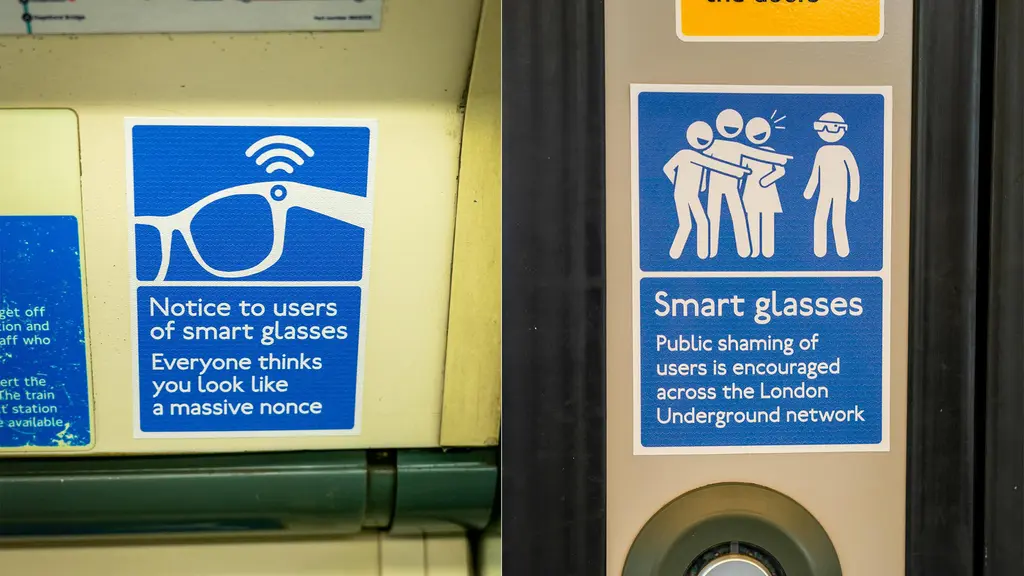
Activists slam “pervert glasses” in new guerrilla campaign
Everyone Hates Elon — Stickers have appeared on the London Underground network, criticising the wearable technology’s covert filming capabilities.
Written by: Isaac Muk

New exhibition highlights British radical living over 200 years
Earthly Paradise — Taking place at the William Morris Gallery, it explores the homes and lives of artists, writers, musicians and more, as well as the conditions that allowed them to thrive.
Written by: Isaac Muk

Pink Floyd’s Roger Waters joins team of new Palestinian resistance documentary
Freedom Theatre — Directed by Rishi Pelham, the film spotlights a theatre operating in the Jenin refugee camp.
Written by: Ella Glossop

Just Stop Oil holds first protest in 17 months
No new drilling — Having previously said that it was “hanging up the hi-vis”, the climate activist group has blocked a road outside Parliament to protest Andy Burnham opening the door for new oil and gas extraction licenses in the North Sea.
Written by: Ella Glossop


