Thousands protest at Yarl's Wood Detention Centre
- Text by Michael Segalov
- Photography by Chris Bethell

Tens of coaches lined a quiet lane in rural Bedfordshire this weekend, as thousands of protestors descended on Yarl’s Wood Immigration Detention Centre, demanding it be shut down. On Saturday afternoon people travelled from all over the UK to attend the latest in a series of protests at the quasi-prison nestled in the otherwise idyllic English countryside. The centre, run by Serco, individuals suspected of visa violations and those subject to deportation held indefinitely until a decision is made on their case.

Those who gathered for hours at Yarl’s Wood aren’t just calling for the closure of this facility, but for detention centres nationwide to shut their doors. “Detaining vulnerable people, for the crime of wanting a better or safer life is inhumane and must be stopped,” one protestor named Minda said. “Time and time again we hear of injustice, maltreatment and abuse inside places like this, and these are just the examples that reach the public.”

Just last week a repot found that a short-term detention centre in Dover was “a wholly unacceptable environment” for people to be held in. “Detainees did not have their basic physical needs met and conditions fundamentally lacked decency,” wrote Peter Clarke, Chief Inspector of Prisons.

As crowds breached a fence on the perimeter of the 400 capacity centre, women hung handmade banners and signs from their windows. One sign read “Yarl’s Wood officers have relationships with vulnerable detainees.”
Yarl’s Wood, which opened in 2001, has been the centre of an array of controversies. In 2002 it was set alight, following widespread protests by detainees. Hunger strikes, sexual abuse and deaths have also regularly been reported in the press.

“I was told I would be held here for two weeks,” shouted a desperate voice from one window. “I’ve been in here for over a year now, all I want is my freedom. Please help me.”
Flares were set off and chants boomed from the voices of those who assembled, as the protest continued into early evening. For those protesting, and the women inside the centre – some of whom addressed the crowd via phone – it was an emotional and tiring event, but organisers from Movement for Justice have vowed they will return in larger numbers very soon. With the momentum that this campaign is gathering, it feels almost certain they will.


Photography by Chris Bethell, check out more of his work here.
Enjoyed this article? Like Huck on Facebook or follow us on Twitter.
You might like
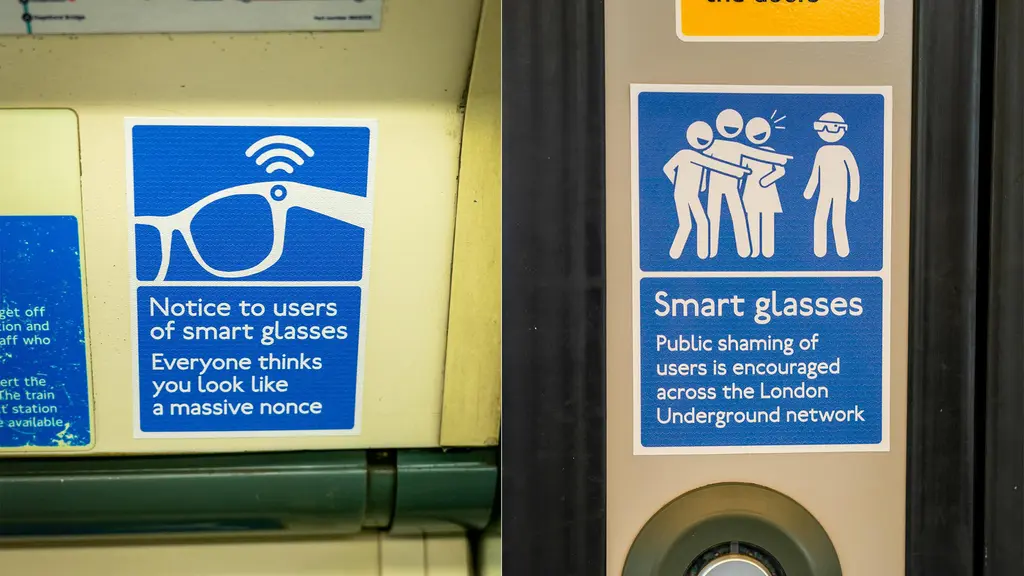
Activists slam “pervert glasses” in new guerrilla campaign
Everyone Hates Elon — Stickers have appeared on the London Underground network, criticising the wearable technology’s covert filming capabilities.
Written by: Isaac Muk

New exhibition highlights British radical living over 200 years
Earthly Paradise — Taking place at the William Morris Gallery, it explores the homes and lives of artists, writers, musicians and more, as well as the conditions that allowed them to thrive.
Written by: Isaac Muk

Pink Floyd’s Roger Waters joins team of new Palestinian resistance documentary
Freedom Theatre — Directed by Rishi Pelham, the film spotlights a theatre operating in the Jenin refugee camp.
Written by: Ella Glossop

Just Stop Oil holds first protest in 17 months
No new drilling — Having previously said that it was “hanging up the hi-vis”, the climate activist group has blocked a road outside Parliament to protest Andy Burnham opening the door for new oil and gas extraction licenses in the North Sea.
Written by: Ella Glossop

In photos: The enduring resistance of Notting Hill Carnival
Carnival of Resistance — A new photobook by Wayne Campbell and Wayne Crichlow reflects on the protest beginnings of Europe’s biggest street festival, along with the traditions keeping its original spirit alive today.
Written by: Isaac Muk

Tens of thousands gather to remember Jason Arday at London vigil
Stand Up to Racism — It took place in Trafalgar Square, with speakers paying tribute to the former Cambridge professor’s life and achievements, while calling for accountability over the reporting he faced from the mainstream press.
Written by: Ella Glossop


