Transphobia is the main reason why people ‘detransition’, according to new survey
- Text by Ella Glossop
- Photography by Bex Wade

Transphobia’s toll — The largest ever survey of its kind found that just 9% of respondents had "gone back to living as their sex assigned at birth at least for a little while at some point in their lives”, with the biggest reason being discrimination, harassment and being shunned by friends and families.
The largest study of its kind into the health and wellbeing of transgender people in the United States has found that social and structural transphobia – not personal regret – is the main reason trans people ‘detransition’.
More than 84,000 transgender, nonbinary and gender nonconforming adults participated in the 2022 US Trans Survey (USTS), conducted by the non-profit Advocates for Trans Equality. The findings, released this month in a report titled Health and Wellbeing: Findings from the 2022 US Trans Survey, offer a detailed look at the lived realities of trans people across the country.
Among those who had transitioned, just 9% reported having gone back to living as their sex assigned at birth at some point. Of those, the vast majority cited anti-trans discrimination or lack of social acceptance – such as rejection by family or community – as their main reason. Only 0.36% of all respondents said they had detransitioned because they realised transition was not right for them.
“Social and structural explanations dominated the reasons why respondents reported going back to living in their sex assigned at birth,” the report states.
In contrast, the survey found that access to gender-affirming care – including hormone therapy and surgery – was overwhelmingly associated with better life outcomes. Among respondents who had received gender-affirming hormone therapy (GAHT), 98% reported feeling more satisfied with their lives. For those who had surgery, that figure was 97%. Participants who had socially transitioned also reported higher levels of happiness, life satisfaction, and overall wellbeing than those who had not.
The report also highlights the impact of familial support. Those with supportive families were more likely to report good or better health and had lower rates of suicidal thoughts and attempts. Among all respondents, 78% reported having experienced suicidal thoughts in their lifetime. This rose to 88% among those with unsupportive families.
The survey arrives at a time of heightened political hostility toward trans people in the United States. In 2022 – the year the data was collected – 315 anti-LGBTQ+ bills were introduced at the state level. Since then, the policy landscape has become more restrictive, with hundreds more anti-trans laws introduced in 2023 and 2024. Researchers note that government efforts to remove data on trans people from official health surveys and cut funding for LGBTQ+ research have made the USTS an increasingly vital source of information.
“Having real concrete and rigorous data about the realities of trans people’s day-to-day lives is also a vital part of dispelling all of those assumptions and stereotypes that plague the public discourse,” said Olivia Hunt, Director of Federal Policy at A4TE, in a press briefing.
Despite the challenges, many respondents shared accounts of how transition improved their lives. “Now that I’ve been on HRT and had surgery, I can live my day-to-day life without pain, dissociation, and misery,” said one participant, Taylor. Another, Charlotte, wrote: “I have a genuine smile on my face most days and laugh with genuine joy. I have grown into the woman I was meant to be.”
The full report is being released in stages as researchers continue analysing the extensive dataset, offering a rare and comprehensive insight into trans lives at a moment of both progress and backlash.
Ella Glossop is Huck’s social lead. Follow her on Bluesky.
Buy your copy of Huck 81 here.
Enjoyed this article? Follow Huck on Instagram and sign up to our newsletter for more from the cutting edge of sport, music and counterculture.
Support stories like this by becoming a member of Club Huck.
You might like

The UK is now second-worst country for LGBTQ+ rights in western Europe
Rainbow regression — It’s according to new rankings in the 2025 Rainbow Europe Map and Index, which saw the country plummet to 45th out of 49 surveyed nations for laws relating to the recognition of gender identity.
Written by: Ella Glossop

Jesse Glazzard’s messy portrait of queer friends, lovers and chosen family
The Sound of Dirt and Beauty — The photographer’s debut monograph explores tender, unpolished moments shaped by the people who he surrounds himself with, while offering a window into the UK’s working-class LGBTQ+ community.
Written by: Sunny Sunday
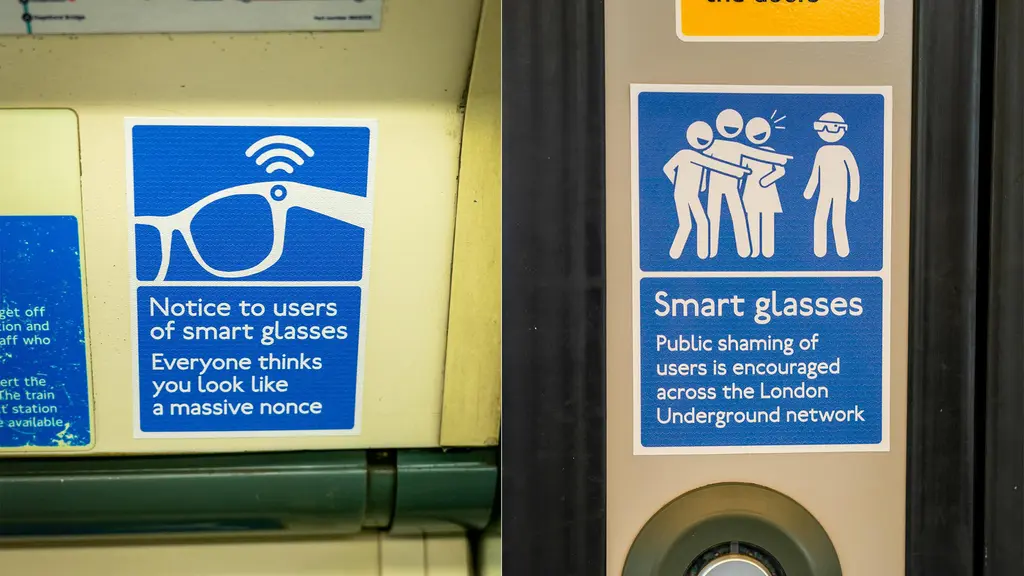
Activists slam “pervert glasses” in new guerrilla campaign
Everyone Hates Elon — Stickers have appeared on the London Underground network, criticising the wearable technology’s covert filming capabilities.
Written by: Isaac Muk

New exhibition highlights British radical living over 200 years
Earthly Paradise — Taking place at the William Morris Gallery, it explores the homes and lives of artists, writers, musicians and more, as well as the conditions that allowed them to thrive.
Written by: Isaac Muk

Pink Floyd’s Roger Waters joins team of new Palestinian resistance documentary
Freedom Theatre — Directed by Rishi Pelham, the film spotlights a theatre operating in the Jenin refugee camp.
Written by: Ella Glossop

Just Stop Oil holds first protest in 17 months
No new drilling — Having previously said that it was “hanging up the hi-vis”, the climate activist group has blocked a road outside Parliament to protest Andy Burnham opening the door for new oil and gas extraction licenses in the North Sea.
Written by: Ella Glossop


