Five things we've learned from women in comics
- Text by HUCK HQ
- Illustrations by Oliver Stafford

The world of comics has a problem: a blind spot that needs to be illuminated.
Earlier this year, when 30 nominees were announced for one of the most prestigious prizes in comics – the Grand Prix at Angouleme, France – not a single female artist was included.
In fact only one woman, Florence Cestac, has ever won the prize in its 42-year history.
But as one artist after another withdrew their nominations in protest, an upshot to the debacle became clear.
It stressed the importance of recognising the impact of women in what remains a largely male-dominated comic book industry.
By the end of March, the Comic Book Legal Defense Fund – a non-profit that defends the rights of the comics community – launched a Kickstarter campaign to bring the story of women in comics to life.
She Changed Comics received nearly seven times its original funding goal and will finally be published in October, profiling over 60 women who pushed the boundaries of free expression.
We spoke to Betsy Gomez, editorial director of the Comic Book Legal Defense Fund, who guided us through the often overlooked trailblazers of comics.
1. Women shaped comics from the beginning – until one ruling changed everything
During the heyday of comics, in the 1940s and early 1950s, almost as many girls read comics as boys – with female artists contributing across all genres.
But in 1954, the industry unveiled a self-regulation measure called the Comics Code in order to avoid government interference. The move wiped out ‘riskier’ genres like horror, romance and jungle girl, leading to enormous job losses.
To gain stability, the industry focused on a safe bet: superhero comics.
“The self-censorship under the Comics Code and homogenisation of the industry made it a monoculture that focused on the interests of the average pre-teen or teenage boy,” says Gomez.
For decades to come, women and their interests were essentially ignored by mainstream comics.
2. Despite male domination, women changed free expression in comic books
At the height of the women’s movement in the 1970s, the likes of Dori Seda, Joyce Farmer and Lyn Chevely produced groundbreaking stories about female sexuality and equal rights.
Figures like Jackie Ormes addressed the concerns of black female comics readers, while underground comix creators like Trina Robbins, Joyce Farmer and Lyn Chevely used the medium to talk about feminism in new ways.
And the appetite for these stories has been consistently underestimated by the industry.
“There’s a persistent attitude that comics created by women won’t appeal to male audiences or that comics by women won’t include sexy female characters,” says Gomez.
“But look at what writers like Gail Simone have done with characters like Red Sonja: she’s managed to strengthen and humanise a long-objectified character to wide acclaim.”
3. Comics and graphic novels face a constant threat of being banned
If a comic even hints at controversial subject matter, it will need to be defended.
Just last month, two parents in Florida pushed to have a young-adult fiction series by Lauren Myracle banned from school libraries, blaming the titles for “what’s wrong with children today.”
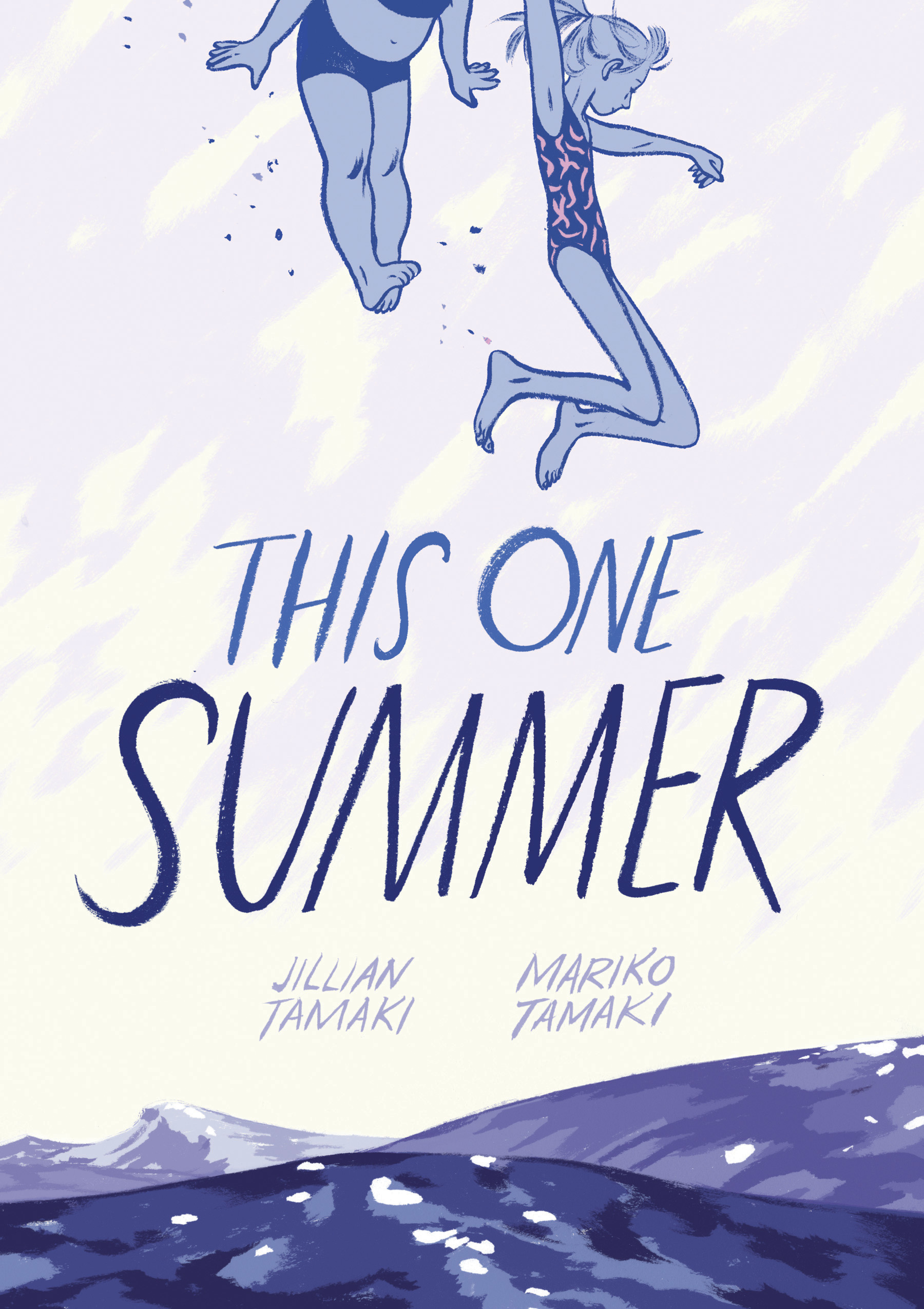
Many of the other titles that the CBLDF defends are by female authors. This One Summer, a graphic novel by Jillian and Mariko Tamaki, was frequently challenged in 2015 for its depiction of teenage pregnancy, mental health and coming-of-age.
It takes a concerted effort to overcome those kind of objections. Even the Chicago Public School system, Gomez explains, has attempted to have the critically acclaimed Persepolis removed from its libraries – prompting a backlash from students and advocates who successfully kept the the book in classrooms.
4. Women have been threatened and imprisoned for expressing themselves through comics
Iranian artist Atena Farghadani was sentenced to 12 years in prison after satirising – in cartoon form – politicians debating a bill that would reduce access to birth control.
When she shook her male lawyer’s hand, Farghadani was also charged with indecent conduct and forced to undergo an invasive ‘virginity test’ before being cleared. Following an international campaign to free her, she was released in May and the charges were dropped.
Elsewhere, Indian cartoonist Kanika Mishra has been threatened and harassed for her illustrations targeting Asaram Bapu, a religious figure arrested for sexually assaulting a teenage girl.
“When Mishra approached authorities for assistance, they simply told her to stop drawing,” says Gomez. “The threats she faces are no joke – Bapu’s followers have been able to successfully assassinate three witnesses in his trial.”

5. Change is coming
“More women are reading comics, more women are making comics and comics are getting better because of their contributions,” says Gomez.
In a stark contrast to France’s Grand Prix, July’s Eisner Awards at the San Diego Comic Con – often referred to as ‘the Oscars of the comic book world’ – nominated 49 female creators for their impact on the medium.
It’s the pioneers who put themselves on the line that made this possible, says Gomez. And while they battled for progress as a minority, a clear trail has been blazed so that others can follow them.
“We still have a lot of work to do, but it’s gaining momentum,” she says. “There’s a sea change afoot and I hope we can look back on this period as a turning point in the representation and participation of women in comics.”
Find out more about the Comic Book Legal Defense Fund.
Enjoyed this article? Like Huck on Facebook or follow us on Twitter.
You might like

Jesse Glazzard’s messy portrait of queer friends, lovers and chosen family
The Sound of Dirt and Beauty — The photographer’s debut monograph explores tender, unpolished moments shaped by the people who he surrounds himself with, while offering a window into the UK’s working-class LGBTQ+ community.
Written by: Sunny Sunday

Behind the curtain at Alternative Miss World 1981
Olympia glamour — Running a subversive take on the traditional beauty pageant, the Andrew Logan organised event prioritised underground creativity and invention. Photographer David Corio went behind the scenes at its biggest edition.
Written by: Miss Rosen

What life on the Strait of Hormuz is really like
Southern Winds — Bandar Abbas based photographer Morteza Niknahad has been capturing the diverse communities and stories of his local region since he first picked up a camera. His new series highlights the human impact of war.
Written by: Isaac Muk

Nick Haymes’s intimate portrait of his family’s life
Chronograph — Over 25 years, the photographer documented his son’s lives as they grew into adults. The resulting photobook is an exploration of the passage of time, as well as the optimism of youth.
Written by: Miss Rosen

Kristina Rozhkova’s scatty, confronting portrait of captivity
Gut Feeling — The Russian artist’s 2024 arrest and subsequent detention opened her eye towards the omnipresent dynamics of power and control. Her new photobook is a stark exploration of being trapped.
Written by: Isaac Muk

UK’s first ever Latino film festival is coming to London
LoLaFF — Taking place between October 2-6, it will feature 55 filmmakers from Latin America, with an opening night at the Barbican.
Written by: Isaac Muk


