In Bolsonaro’s Brazil, sex workers are in serious danger
- Text by Peter Yeung
- Photography by Lorenzo Moscia

When the world’s gaze was fixed on the mass fires engulfing the Amazon rainforest in Brazil in October, another terrifying blaze was taking place in the bustling heart of downtown Rio de Janeiro.
Quatro por Quatro, one of the city’s most progressive brothels – known for its liberal owners and fair working conditions – went up in flames early on a Friday morning at 44 Rua Buenos Aires. 30 emergency vehicles were dispatched in response. Four firefighters died trying to extinguish it. The efforts were futile.
While there is no suggestion that the burning of Quatro por Quatro was intentional arson, the incident is a blunt yet apt metaphor for how the conditions of sex workers in Brazil have shifted since right-wing president Jair Bolsonaro – an on-the-record racist, homophobe and misogynist – came to power in January 2019.
Harking back to the dark period of Brazil’s military dictatorship from 1964 to 1985, there are fears that sex workers are losing the most basic of protections – those that had been painstakingly gained in recent times – leaving them as vulnerable as ever.
“Over the past 10 years the number of brothels closing in downtown Rio has been growing, but as soon as Bolsonaro came in they re-opened immediately,” says Thaddeus Blanchette, an anthropologist at the Federal University of Rio de Janeiro, who has researched sex work in Brazil since 2004.
“What that means is this whole structure of negotiations with the police, with the law and with judges has to be renegotiated,” he adds. “And of course, in this process the workers have no rights whatsoever. Instead, these brothels are a major income generator for Rio’s police and militia gangs.”

Up until this point, sex workers in Brazil had been gaining independence and greater agency through the increasing digitisation of the profession. Many control their own personal websites, and some transactions are done entirely virtually, with payment and location organised Uber-style beforehand.
“The internet has been a revolution for sex,” says Bruna*, a 26-year-old sex worker who has been based in downtown Rio for the past three years. “I mostly work with clients based on fetishes and as a dominatrix. Being online means that I can easily connect with clients who have very specific desires. It also means that I can be independent and work when I want and how I want.”
With the return of these old school brothels, profit margins shift heavily towards their powerful owners. There can be “psychological bullying” or even violence from pimps at these institutions, and the “implicit links to drug trafficking” can force them into a network of crime, according to the Sex Worker Advocacy and Resistance Movement. Meanwhile, workers have few escape routes.
But the situation could worsen further if Brazil follows the lead of Trump, and introduces a bill like the controversial FOSTA-SESTA, which under the guise of tackling sex trafficking has blocked sex workers from sites like Reddit, Craigslist, and Google. In effect, it forces them back to brothels and the streets, where they are at more risk of violence.
After moving from the neighbouring Minas Gerais state to Rio in 2014, Bruna first began as a sex worker in a large brothel in Copacabana. She hated the experience, often serving drunken, disrespectful tourists – up to a dozen a day – and reporting to a boss who would at times force himself on the girls.
“I’m afraid of going back to that,” says Bruna. “But these guys know that I’m making money for myself now. And they will want a cut of it.”
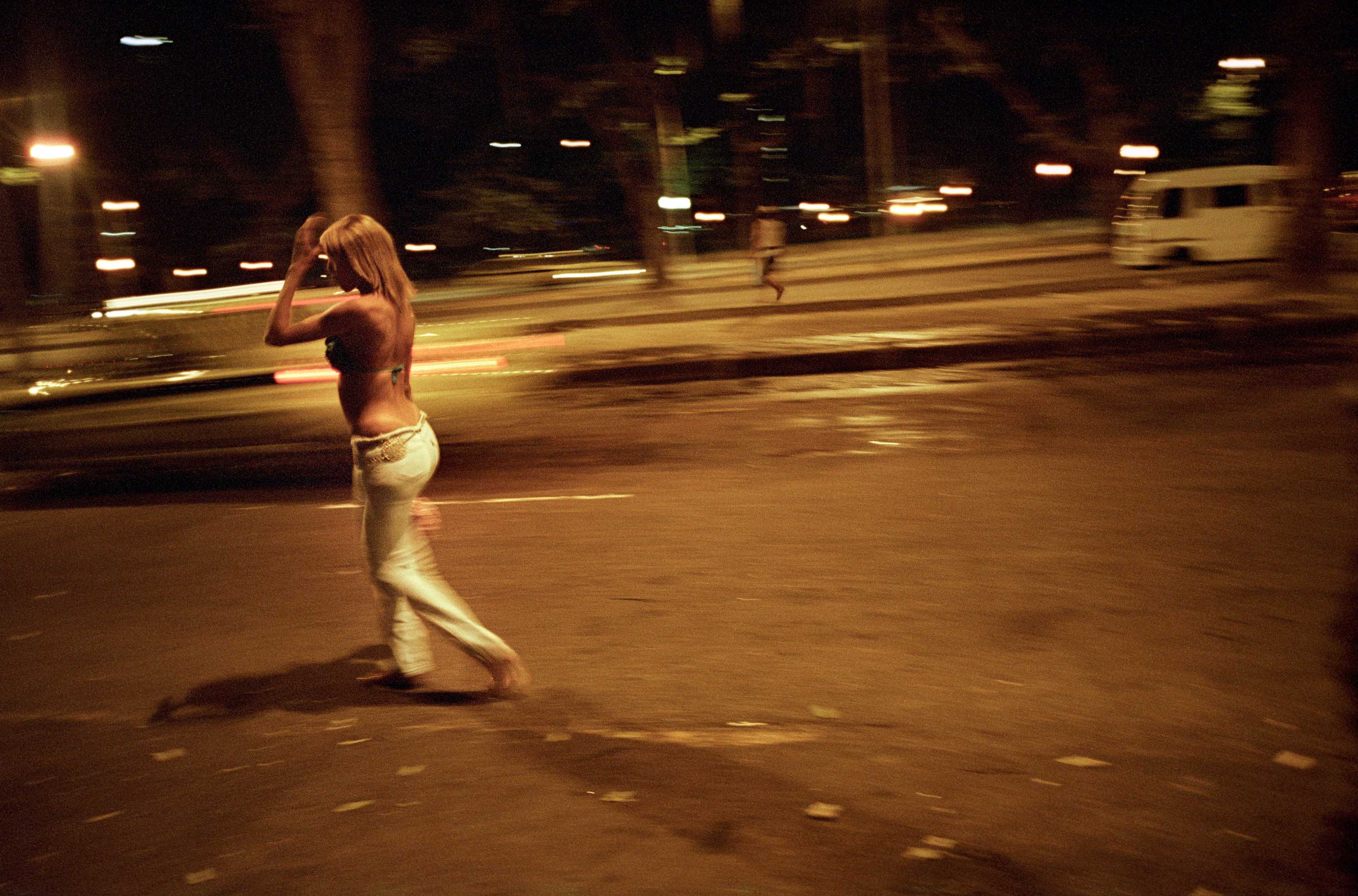
The legal situation surrounding sex work in Brazil is complicated. In 2002, the government classified sex work as an official occupation, so sex workers could now claim benefits such as pensions. Exchanging sex for money is not in itself illegal – but it is against the law to run brothels. Yet according to Professor Blanchette, there are 290 brothels across the city. Rio city council did not respond to a request for comment.
“Of course are allowed to run because of the money that makes its way up to the people in power,” says Blanchette. “But it’s really disingenuous to say that it’s not illegal because the cops can bust you anytime. All they need to do is come in and bust the place up, throw everyone in jail, slap them around a bit and say if you don’t get out of there, we’re coming back and doing it all again tomorrow.”
In Brazil, the movement for sex workers rights has a long history. Gabriela Leite and Lourdes Barreto founded the Brazilian Network of Prostitutes in the 1980s in order to mobilise against police violence in Rio’s red light districts.
But even now with the technical legality of sex work, it remains a serious taboo in a largely conservative country that contains an estimated 120 million Catholics. “We’re working to promote awareness, mobilisation and training activities for sex workers and associated entities to combat violence against women,” says Ivanete Paixão of the Associação Mulheres Guerreiras, a sex workers’ group based in Sao Paulo.
Among marginalised groups, the threats are even greater. Bolsonaro, a former army paratrooper, has acted to deny all rights to people who identify as LGBTQ. The Partido Social Liberal, the right-wing party to which he belongs, opposes abortion, same-sex marriage, and gender identity studies in the education curriculum.
“We’re in a situation where the president of this country is openly encouraging violence against LGBTQ people,” says Alessandra Ramos of Transrevoluçao, a collective of trans sex workers based in Rio. “Some of us will die because of this.”
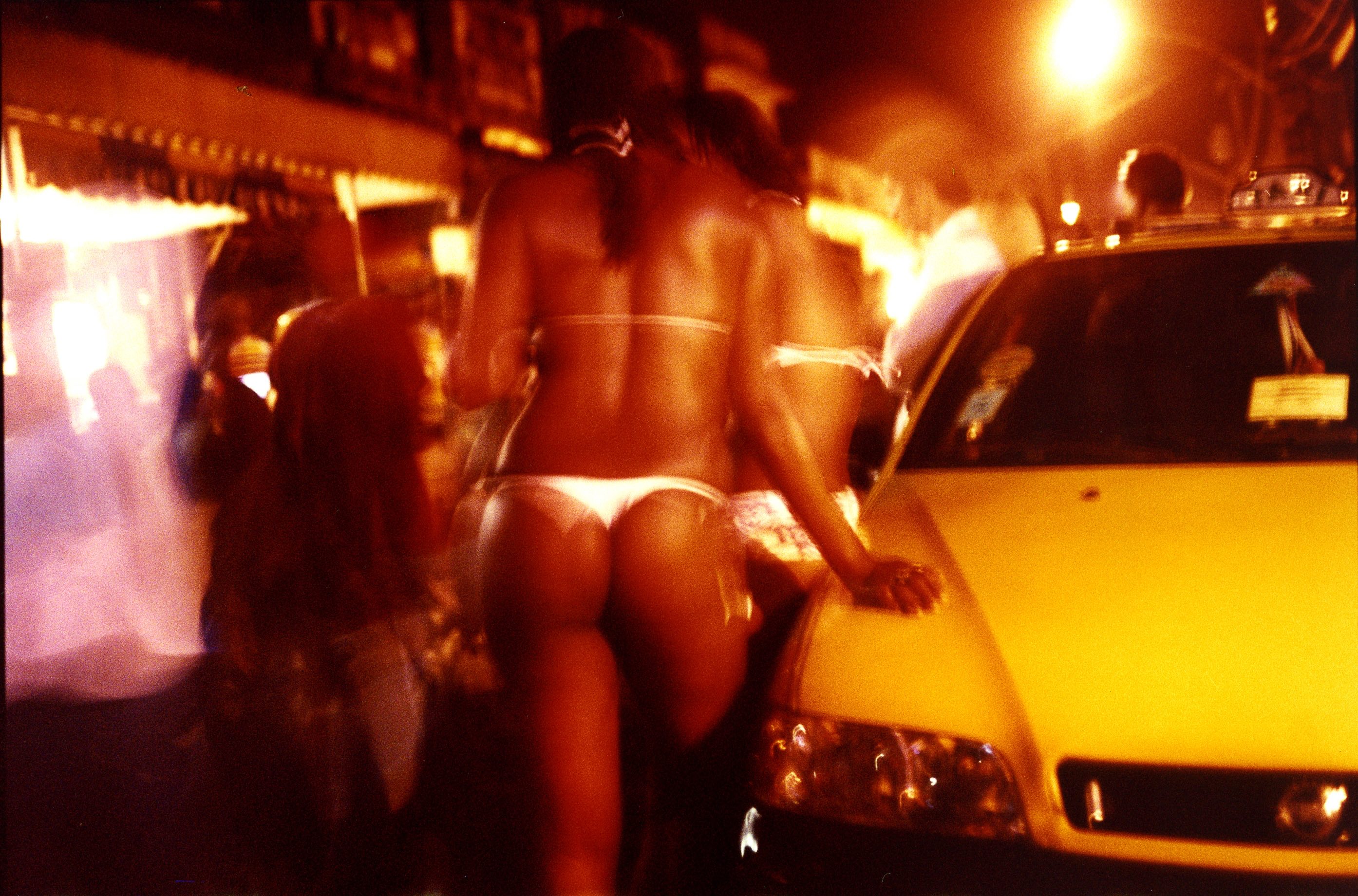
*Names have been changed to protect identities
Follow Peter Yeung on Twitter.
Enjoyed this article? Like Huck on Facebook or follow us on Twitter.
You might like

Jesse Glazzard’s messy portrait of queer friends, lovers and chosen family
The Sound of Dirt and Beauty — The photographer’s debut monograph explores tender, unpolished moments shaped by the people who he surrounds himself with, while offering a window into the UK’s working-class LGBTQ+ community.
Written by: Sunny Sunday
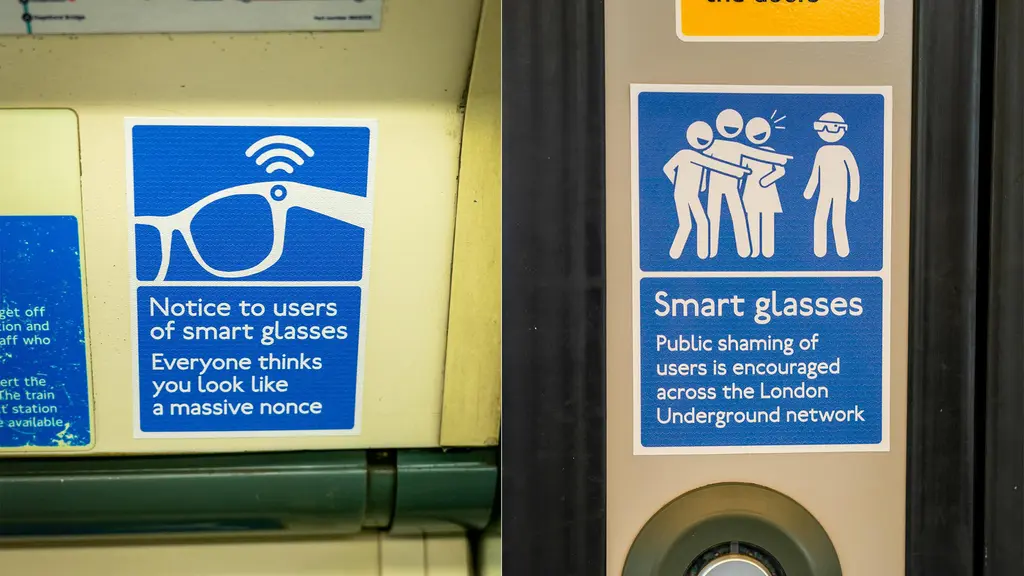
Activists slam “pervert glasses” in new guerrilla campaign
Everyone Hates Elon — Stickers have appeared on the London Underground network, criticising the wearable technology’s covert filming capabilities.
Written by: Isaac Muk

The battle for the soul of lockpicking
Under locksport and key — In recent years, breaking locks for fun has grown from a niche hobby into an activity followed by millions of people. As it has matured, so have tensions over who sets the rules.
Written by: Jack Dennison-Thompson

New exhibition highlights British radical living over 200 years
Earthly Paradise — Taking place at the William Morris Gallery, it explores the homes and lives of artists, writers, musicians and more, as well as the conditions that allowed them to thrive.
Written by: Isaac Muk

Pink Floyd’s Roger Waters joins team of new Palestinian resistance documentary
Freedom Theatre — Directed by Rishi Pelham, the film spotlights a theatre operating in the Jenin refugee camp.
Written by: Ella Glossop

Just Stop Oil holds first protest in 17 months
No new drilling — Having previously said that it was “hanging up the hi-vis”, the climate activist group has blocked a road outside Parliament to protest Andy Burnham opening the door for new oil and gas extraction licenses in the North Sea.
Written by: Ella Glossop


